East Asia
Osaka Kappo
Also: kappo ryori, Naniwa cooking, Osaka counter cuisine
Osaka's live-fire counter tradition where chefs cut and cook in full view, marrying dashi mastery with the city's legendarily generous, pleasure-driven food culture.
Kappo (from 'katsu' — to cut, and 'ho' — to cook) is a style of Japanese restaurant dining in which the chef works at an open counter, preparing and plating each course in direct view of seated guests. It is neither the rigid ceremony of kaiseki nor the informality of izakaya, but a personable, improvisational fine dining mode built on dashi of exceptional depth, high-temperature grilling and frying, and seasonal produce from Osaka's historically rich markets. Osaka kappo in particular reflects the city's 'kuidaore' (eat till you drop) ethos: portions are generous, flavors are forthright rather than austere, and the kitchen's satisfaction in feeding — rather than impressing — the guest is paramount.
The flavour base
Kombu-and-katsuobushi dashi of outstanding clarity forms the substrate for virtually every sauce, braise, and soup; secondary umami reinforcement comes from white soy (shiro shoyu) or light soy (usukuchi shoyu) rather than dark soy, preserving pale, golden tones in dishes. Mirin and sake round flavors without sweetness becoming dominant.
Pantry staples
Key ingredients
Signature techniques
Signature dishes
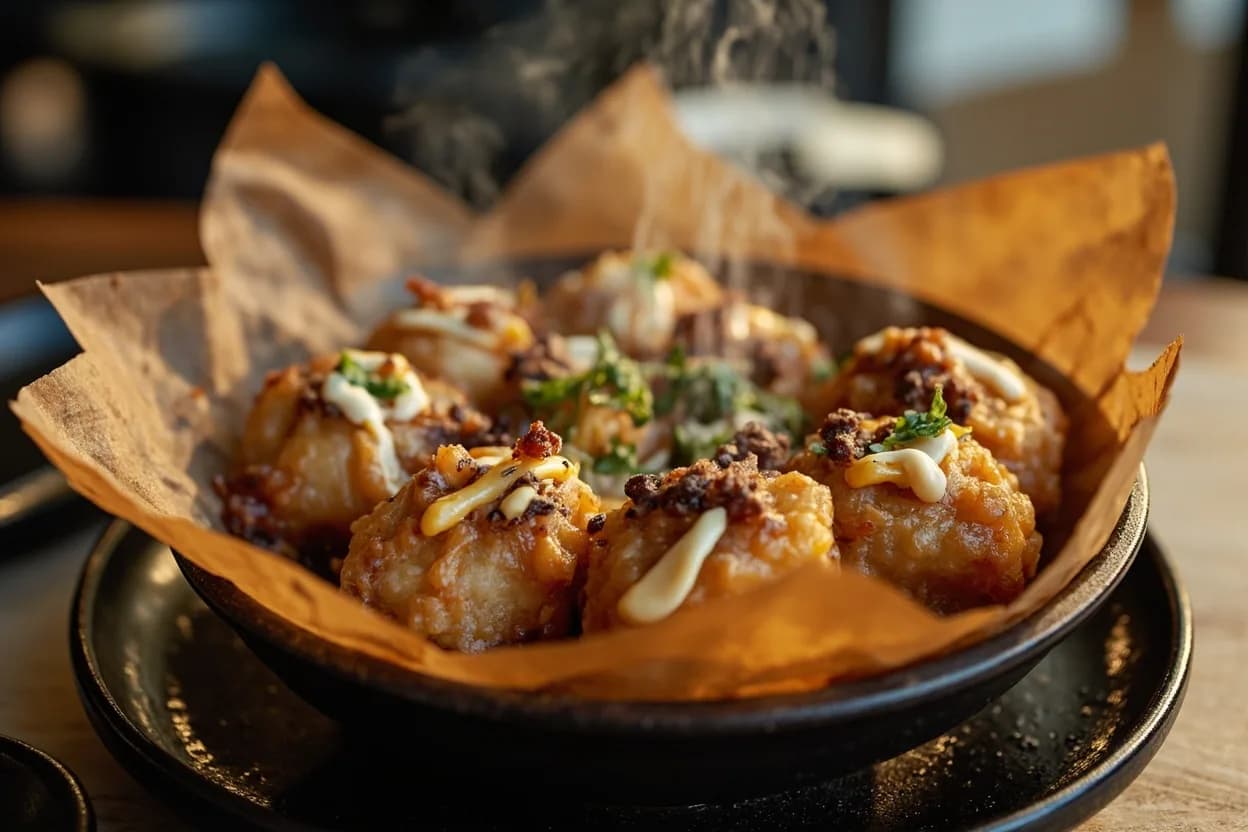
Osaka Kappo on the table
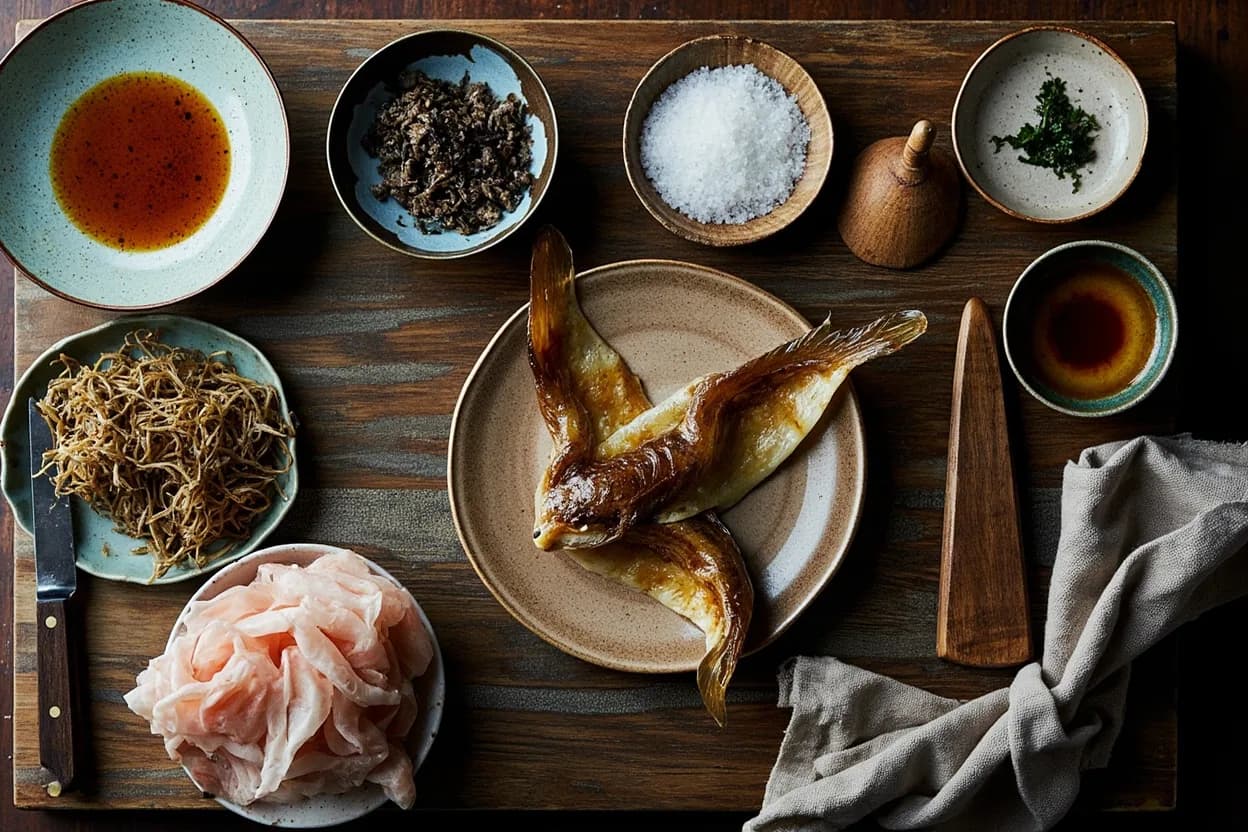
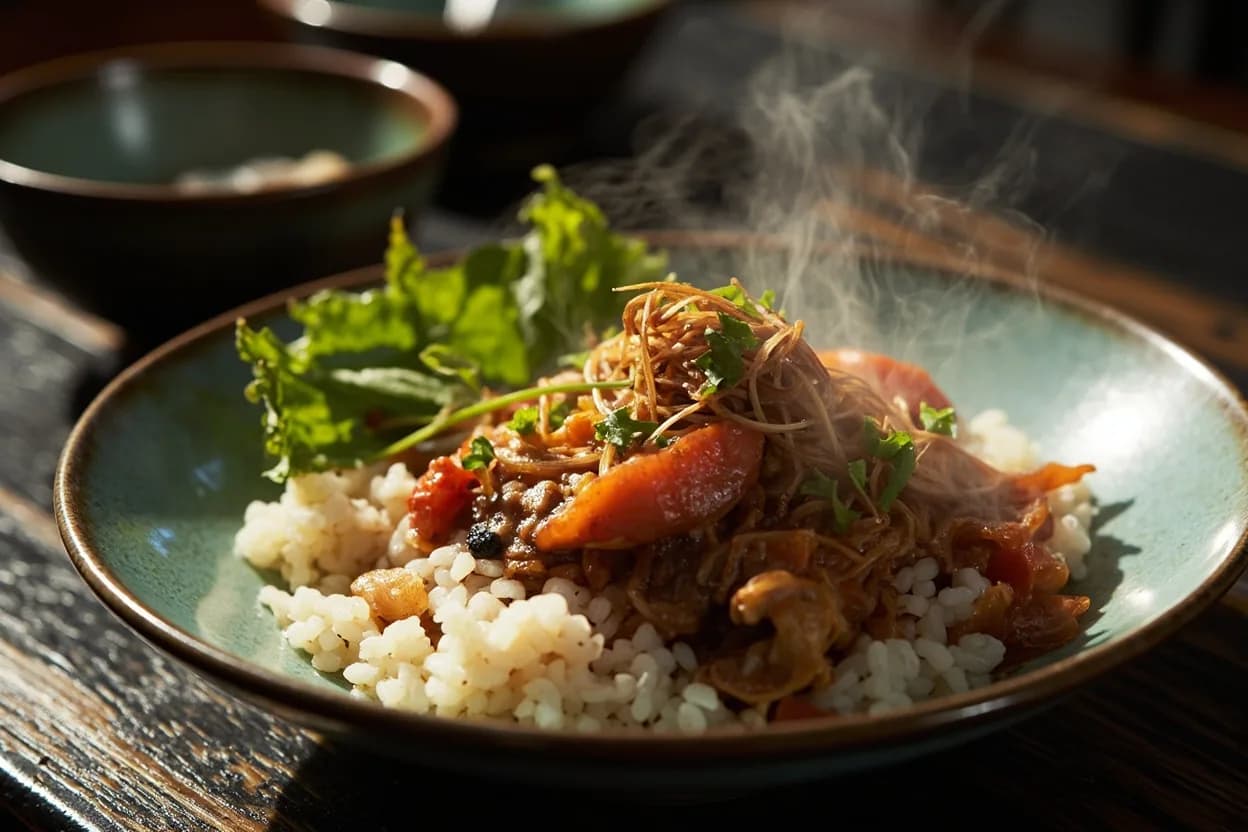
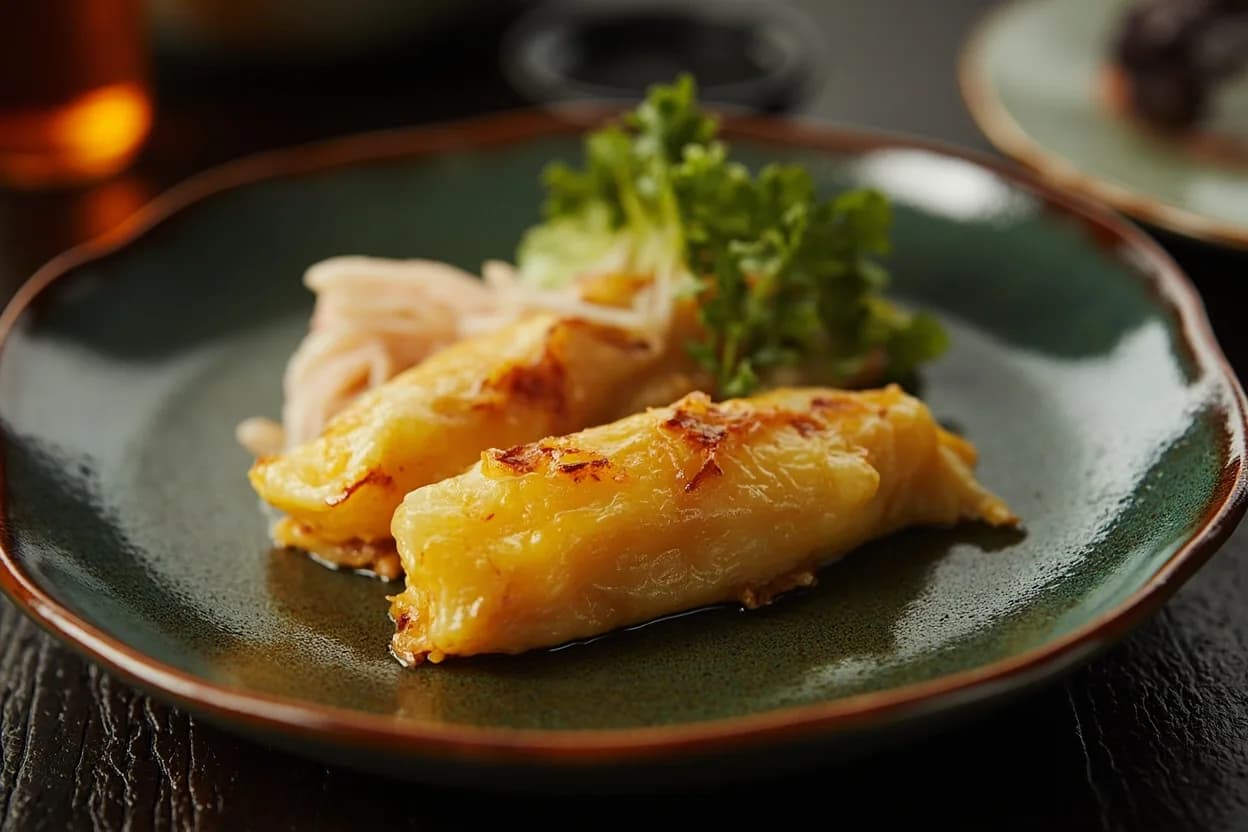
At the table
A kappo meal is structured as a sequence of courses — sakizuke (appetizer), mukozuke (seasonal raw course), yakimono, agemono, takiawase, gohan (rice course), and mizugashi (sweet) — but the chef adapts length, order, and content to the mood of the room and available ingredients. Unlike kaiseki, there is no printed menu; the itamae negotiates the meal through conversation across the counter. This directness distinguishes Osaka kappo from Kyoto's more prescribed formality. Sake and shochu flow freely throughout; the counter itself is the dining room.
History & context
Kappo emerged in Osaka and Kyoto in the Meiji and Taisho eras as an alternative to the full ceremonial weight of kaiseki — more democratic in spirit, less reliant on lacquerware ritual, and rooted in the Dotonbori and Namba commercial pleasure districts. Osaka's position as Japan's merchant capital ('tenka no daidokoro' — the nation's kitchen) gave it access to the finest produce, fish, and condiments from across Japan, fueling a cooking culture that prized flavor and abundance over aesthetic severity. Throughout the 20th century, Osaka kappo chefs refined dashi technique to an apogee recognized even in Tokyo as the standard. Contemporary kappo-ryori spans the price range from neighborhood counter restaurants to Michelin-starred establishments.
Regional variations
- Kyoto Kappo
More austere and kaiseki-adjacent; lighter seasoning, greater ceremony, smaller portions; dashi may incorporate dried sardines (niboshi) in some houses.
- Namba district kappo
More informal, generously portioned, with stronger affinity for donburi, fried courses, and izakaya crossover dishes; reflects Osaka's street-market hedonism.
- Tennoji / Abeno kappo
Southern Osaka sub-style with stronger working-class roots; bolder seasoning, more frequent use of offal, beef tendon, and robustly flavored braises.
Related cuisines
- Kyoto Kaiseki
The ceremonial ancestor from which kappo partly diverged; kaiseki is more rigidly structured, seasonally codified, and aesthetically restrained.
Shares the counter-service model and chef-diner intimacy, but is fish-and-rice specific rather than a full multi-course cooked meal.
- Osaka Izakaya
The casual, drinking-first sibling of kappo — overlapping dishes and some preparation techniques but in a far less curated, less expensive context.
Canonical recipes
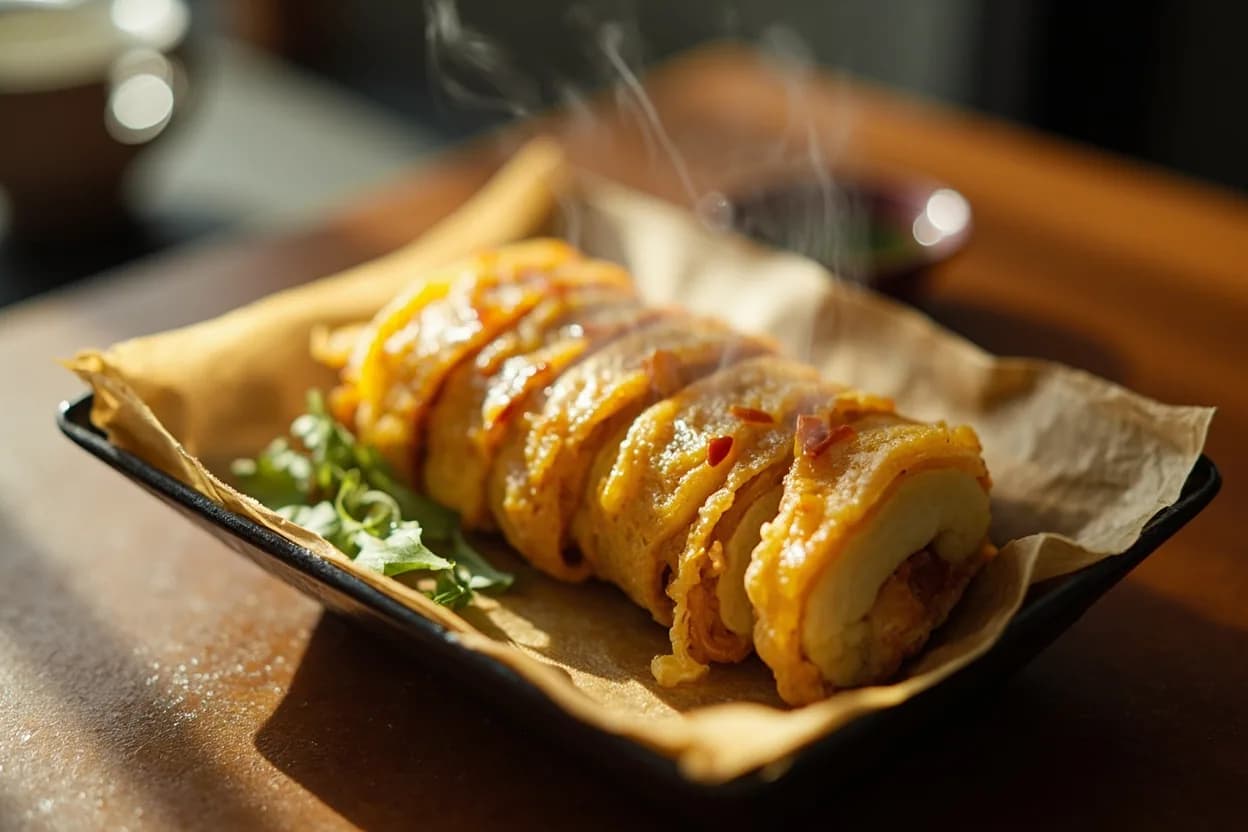
The dishes that define Osaka Kappo, documented in the Canon.
References
- 1.Japanese Farm Food — Nancy Singleton Hachisu
- 2.The Japanese Kitchen — Hiroko Shimbo
- 3.Dashi and Umami: The Heart of Japanese Cuisine — Heston Blumenthal et al.
- 4.Kappo — Yoshihiro Murata (Kikunoi cookbook, documenting the Kyoto-Osaka counter tradition)
Confidence: high
Notes
Dashi as philosophy
In Osaka kappo more than almost any other Japanese tradition, the dashi is inseparable from the chef's identity. Guests who eat regularly at a kappo counter can identify the house by the stock alone — its depth, transparency, and subtle tonal profile. Rishiri kombu from Hokkaido, Makurazaki katsuobushi, and particular steeping temperature ratios are guarded with the discretion other chefs reserve for sauce recipes.
Kuidaore culture
Osaka's reputation as a city that 'eats itself broke' is not hyperbole — it reflects a genuine local value system that places culinary pleasure above other forms of conspicuous consumption. Kappo is the fine-dining expression of this ethos: generous portions, frank flavors, and a warmth of service that resists the austerity of Tokyo's highest-end establishments.