Pacific & Oceanic
Pacific Islander (Polynesian & Melanesian)
Also: Polynesian cuisine, Melanesian cuisine, Oceanic cuisine, Pacific food traditions
Ancient ocean-navigating cultures unified by the earth oven, taro, coconut, and the communal feast — from Samoa's umu to Fiji's lovo.
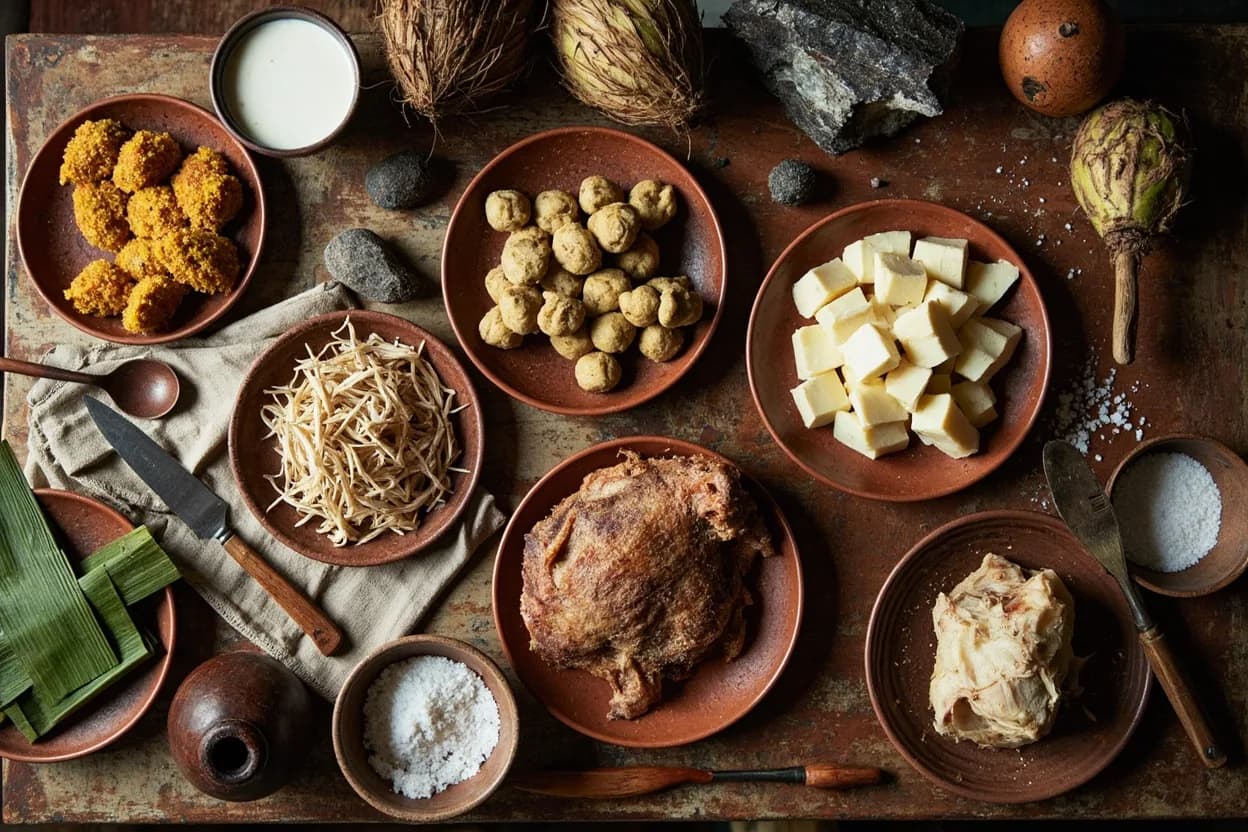
Pacific Islander cuisine encompasses the food traditions of Polynesia (Samoa, Tonga, Tahiti, Cook Islands, Tuvalu, Niue) and Melanesia (Fiji, Vanuatu, Solomon Islands, Papua New Guinea). Despite geographic spread across millions of square kilometres of ocean, these traditions share a unified culinary grammar: starchy root crops (taro, cassava, breadfruit, yam) as staples; coconut as universal fat, liquid, and flavour base; fresh fish and shellfish from reef and deep ocean; and the umu or lovo (earth oven) as the prestige cooking method for feasts. Pork is the supreme feast meat, symbolising wealth and ceremony across virtually all island cultures.
The flavour base
Coconut cream as the primary fat and sauce base, combined with earth-oven smoke and the natural sweetness of tropical starch; minimal spicing — flavour comes from technique and ingredient quality
Pantry staples
Key ingredients
Signature techniques
Signature dishes
Pacific Islander (Polynesian & Melanesian) on the table

At the table
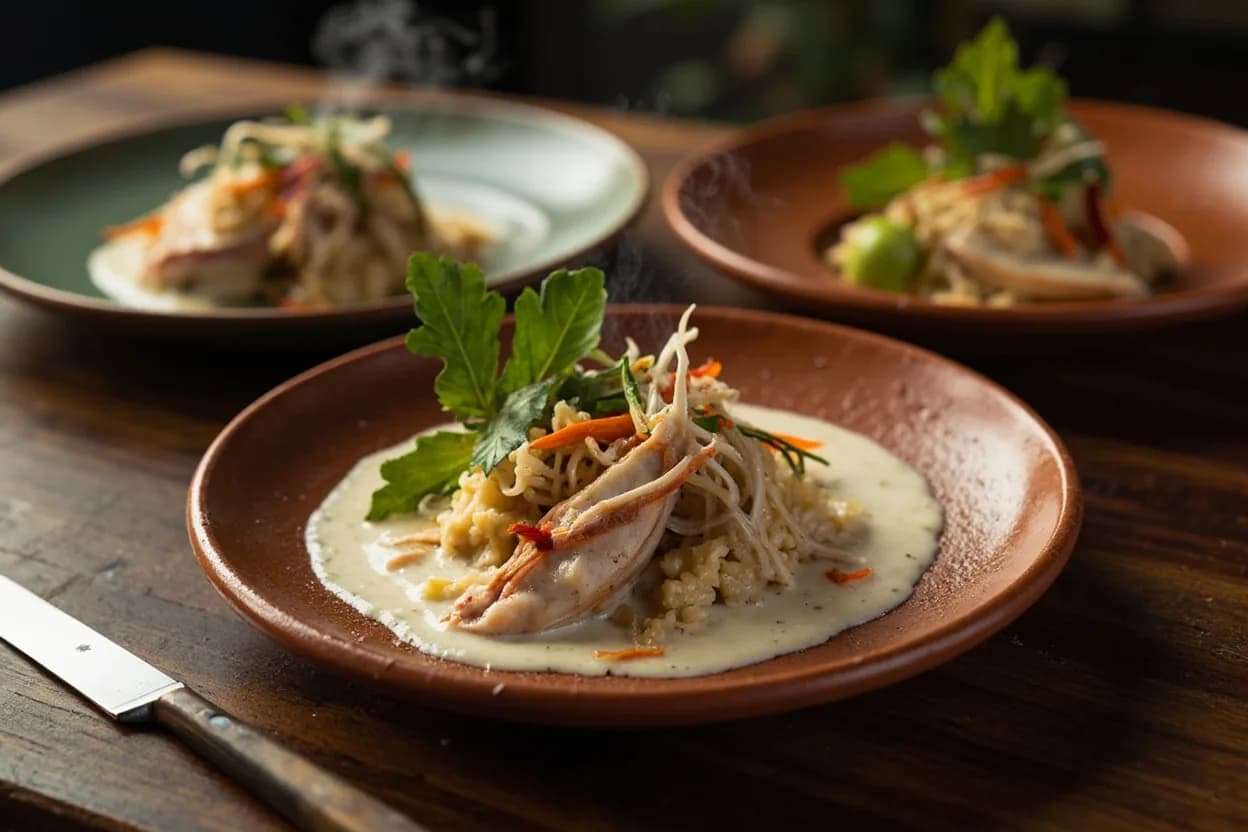
Daily eating is simple and informal — boiled taro or rice with fish or canned meat, eaten with hands or a spoon from a shared bowl. The feast (to'ona'i in Samoa, kai in Fiji) is the elaborate occasion: families prepare for days, the umu/lovo is loaded before dawn, and the communal meal after church on Sunday is both religious and social centrepiece. Feasts mark every significant lifecycle event. Sharing and abundance are moral obligations; a host who feeds insufficiently brings shame.
History & context
Lapita people, ancestral to Polynesians and many Melanesian groups, spread east from island Southeast Asia roughly 3,500–1,000 BCE, carrying domesticated pigs, dogs, chickens, and a suite of cultivated food plants (taro, yam, breadfruit, sugarcane, bananas). The extraordinary Polynesian open-ocean navigation that populated Hawaii, New Zealand, Easter Island, and dozens of archipelagos carried this food system across the Pacific. European contact from the 16th century introduced cassava, sweet potato (already present in pre-contact Polynesia via South American contact), and eventually canned goods and white rice — the latter two becoming deeply embedded. Fiji's colonial cane-sugar industry brought Indian indentured workers whose food culture now forms a distinct Fiji-Indian culinary strand alongside iTaukei Fijian traditions.
Regional variations
- Samoa & American Samoa
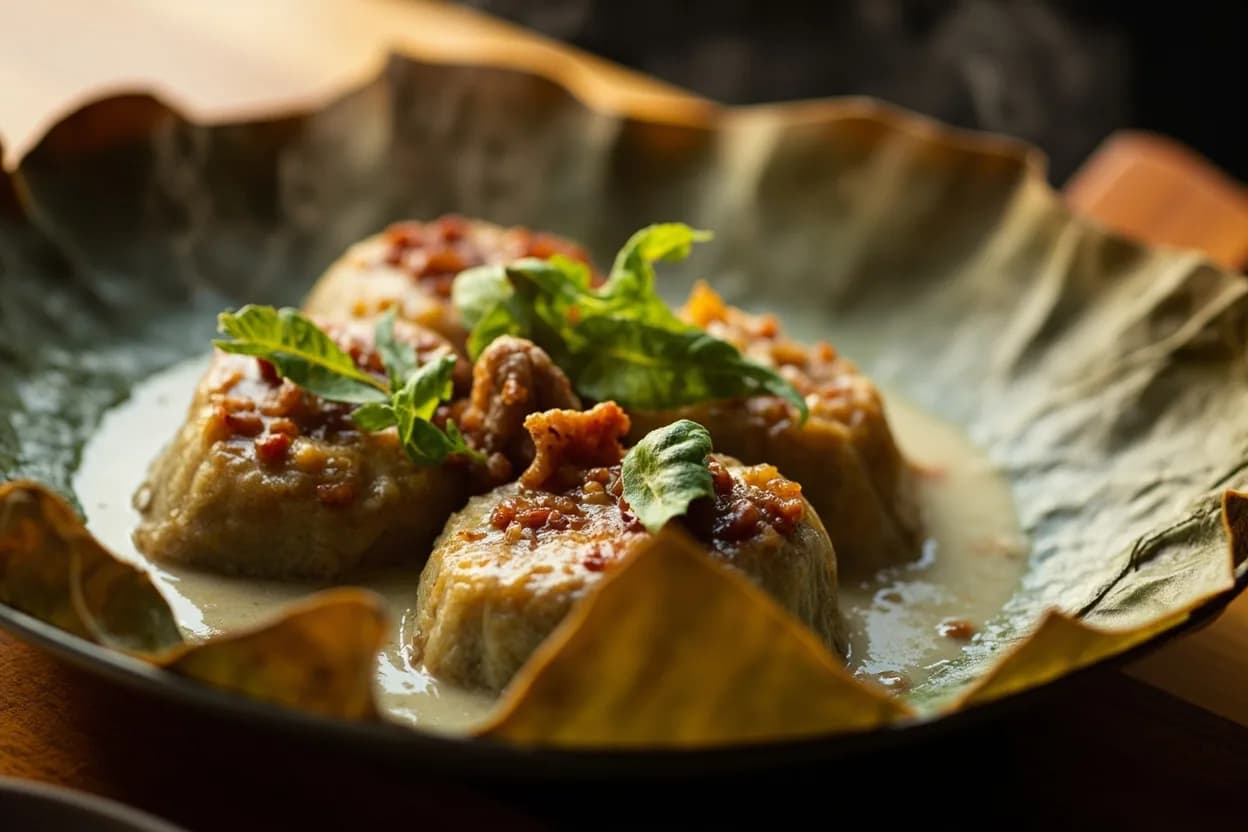
Umu is the prestige oven; palusami and sapasui are most emblematic; fa'amafu (fermented breadfruit) is a traditional preservation food
- Tonga
Lu (taro-leaf packets with coconut cream) is the national dish; pigs are larger and fattier; 'otai (watermelon and coconut drink) is signature
- Fiji (iTaukei)
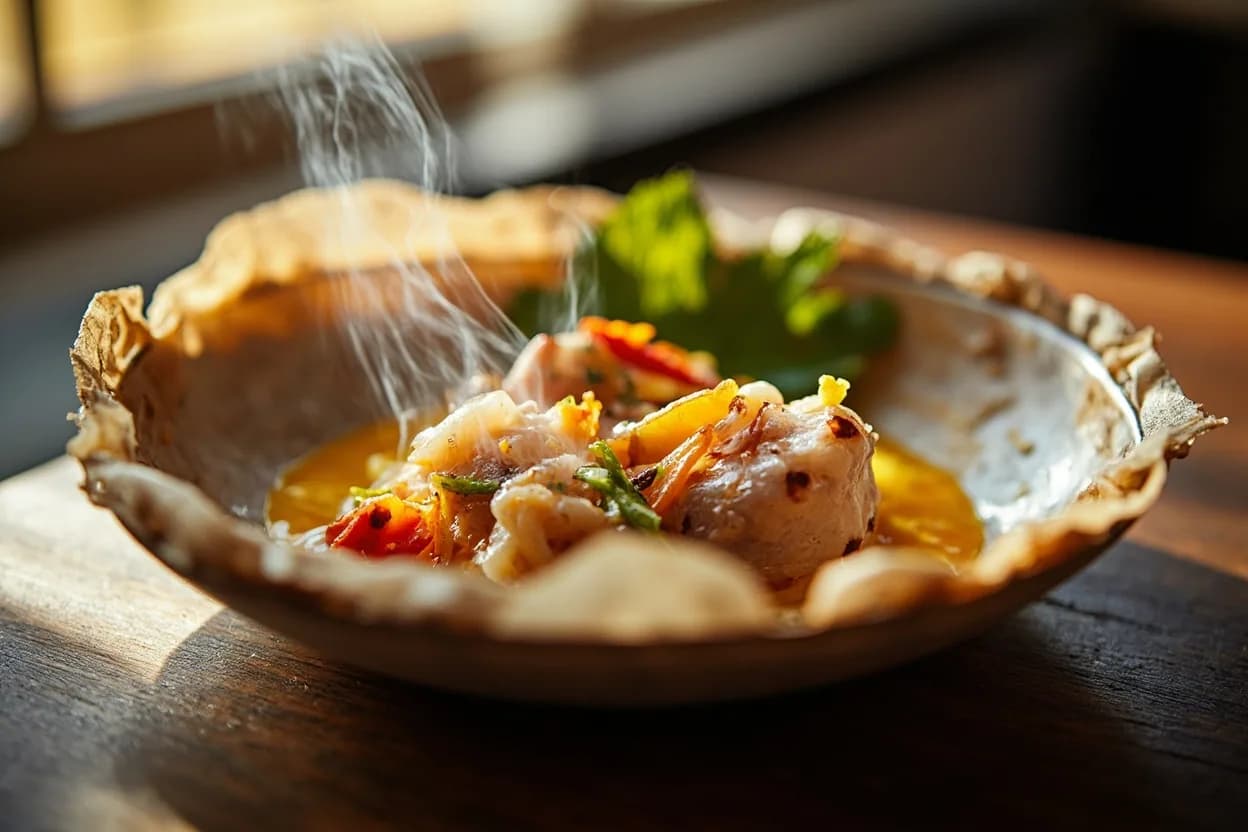
Lovo earth oven; kokoda (raw fish in lolo) is the most internationally known dish; heavy use of cassava alongside taro
- Vanuatu
Kastom (custom) food preserved strongly; laplap (grated root crop pudding baked in earth oven) is the national dish; kava ceremony deeply tied to food culture
- Papua New Guinea
Greatest botanical diversity in Melanesia; mumu earth oven; sago palm starch in coastal/riverine areas alongside sweet potato in highlands
Related cuisines
Hawaiian food is a direct Polynesian descendant — same imu earth oven, same taro-poi foundation, same feast structure
- Maori (New Zealand)
Maori hangi is the same earth-oven tradition brought by Polynesian settlers; huhu grubs mirror Pacific Islander insect foods
Shared Austronesian ancestry with Melanesian groups; coconut-cooking parallels, lechon roast pig culture overlap
- Cook Islands
Smaller archipelago with intensely similar cuisine to Samoa and Tonga; rukau (taro leaf in coconut) is near-identical to palusami
Canonical recipes
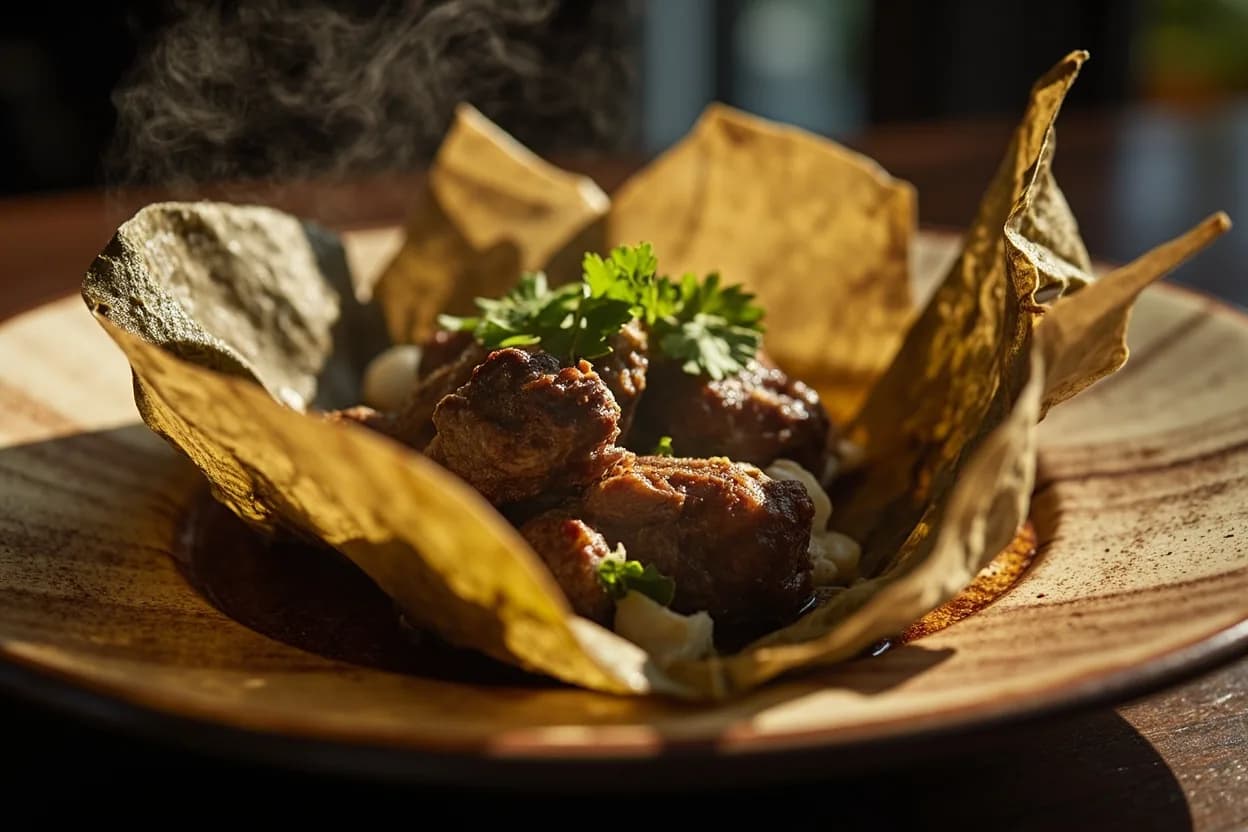
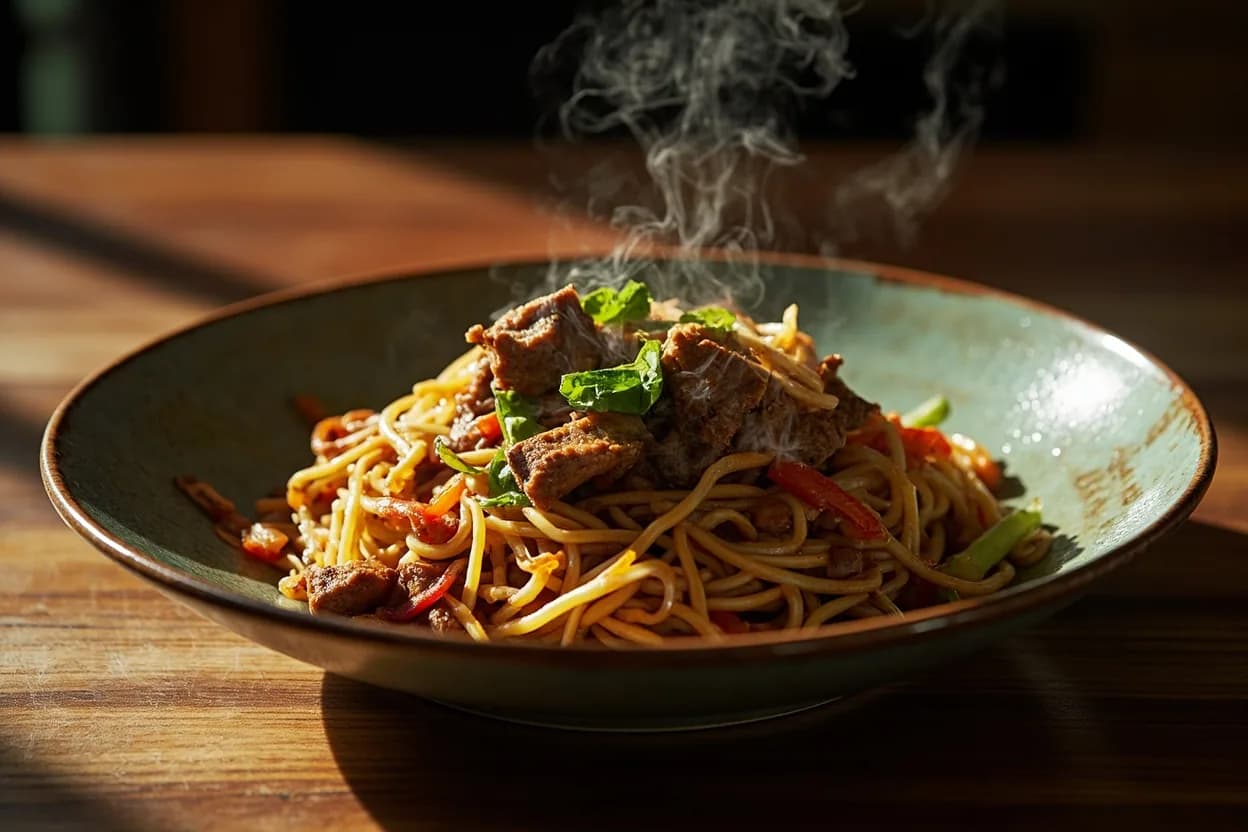
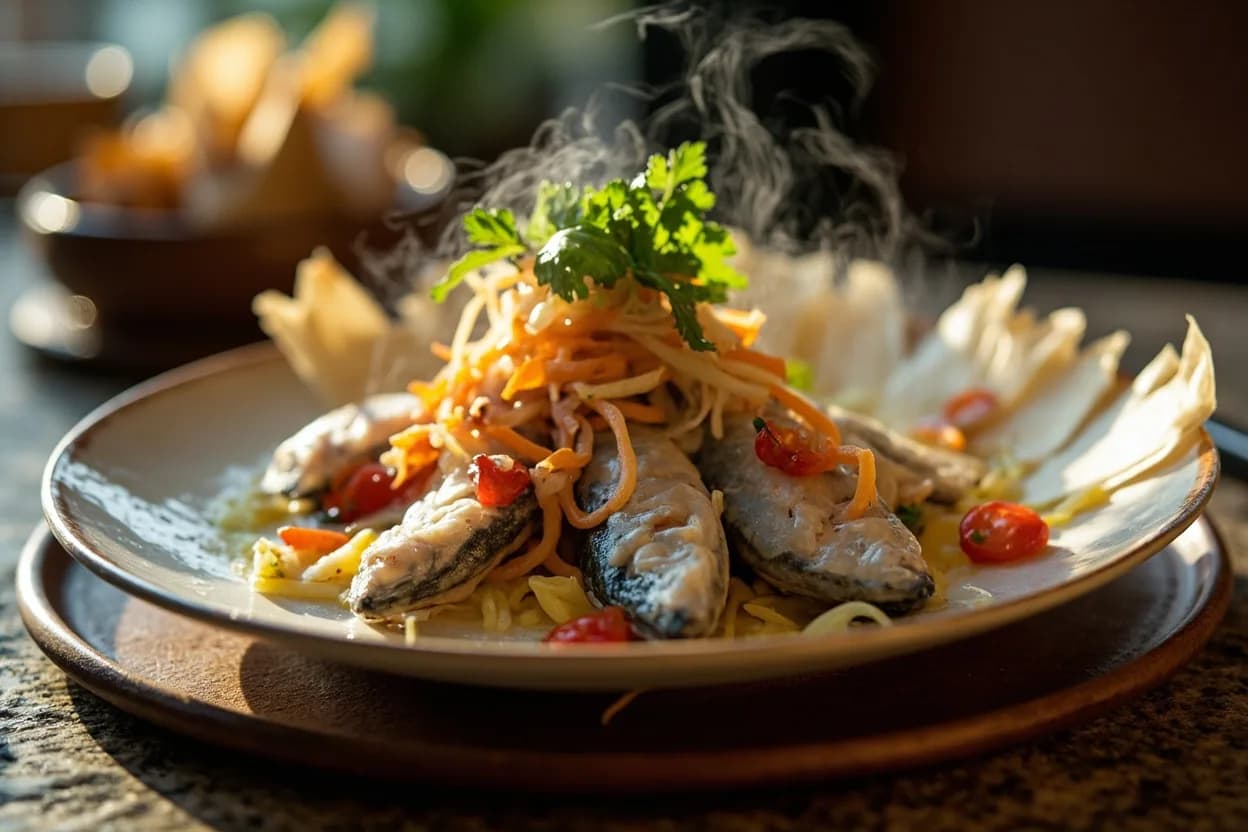
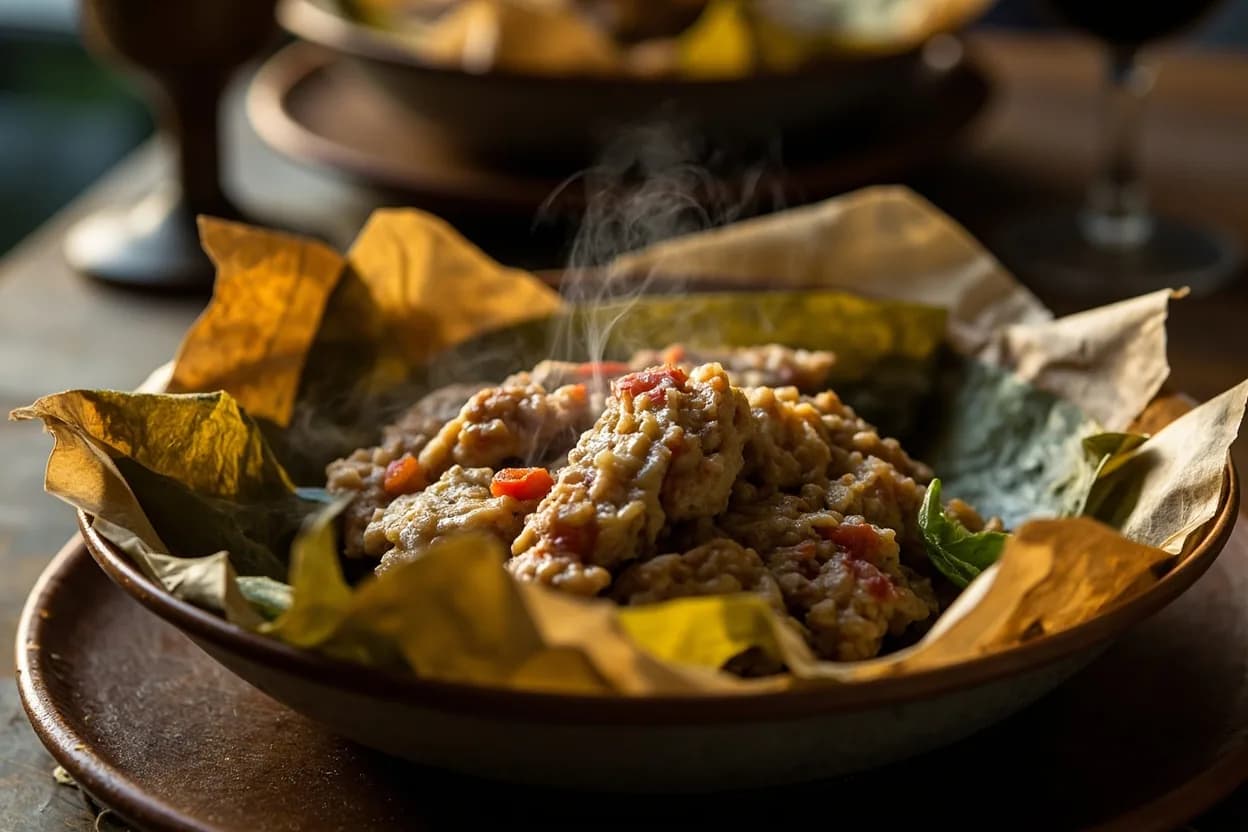
The dishes that define Pacific Islander (Polynesian & Melanesian), documented in the Canon.
References
- 1.The Oxford Companion to Food, 3rd ed. — Alan Davidson (2014)
- 2.Polynesian Voyaging Heritage — Ben Finney, in Pacific Navigation and Voyaging (1976)
- 3.Pacific Islands Food and Nutrition — Secretariat of the Pacific Community (SPC) regional nutrition documentation
- 4.Colonialism and the Foods of Oceania — Paul D'Arcy, in Pacific History (2008)
Confidence: high
Notes
The umu and its ritual weight
The earth oven is not merely a cooking technique — it is a social institution. Preparing the umu requires collective labour (men traditionally split the firewood and manage the stones, women prepare the food and wrap the packages), and its timing structures the day. In Samoa, the Sunday to'ona'i umu is effectively compulsory; absence signals antisocial behaviour. The quality of the umu reflects the family's mana (prestige).
Canned corned beef and modernity
Canned corned beef (pisupo in Samoa, from 'pea soup' — a colonial mishearing) entered Pacific diets in the 19th century as a trade good and is now thoroughly embedded. It appears in umu, in stews, and is given as a gift at ceremonies. Its acceptance is a case study in how colonial trade goods can become authentically local ingredients over generations.