Pacific & Oceanic
Hawaiian (Indigenous & Plate Lunch)
Also: Native Hawaiian cuisine, Hawaii Regional Cuisine, plate lunch culture, kau kau
A living double helix of Native Hawaiian earth-oven tradition and plantation-era immigrant cooking that fused into one of America's most distinctive regional food cultures.
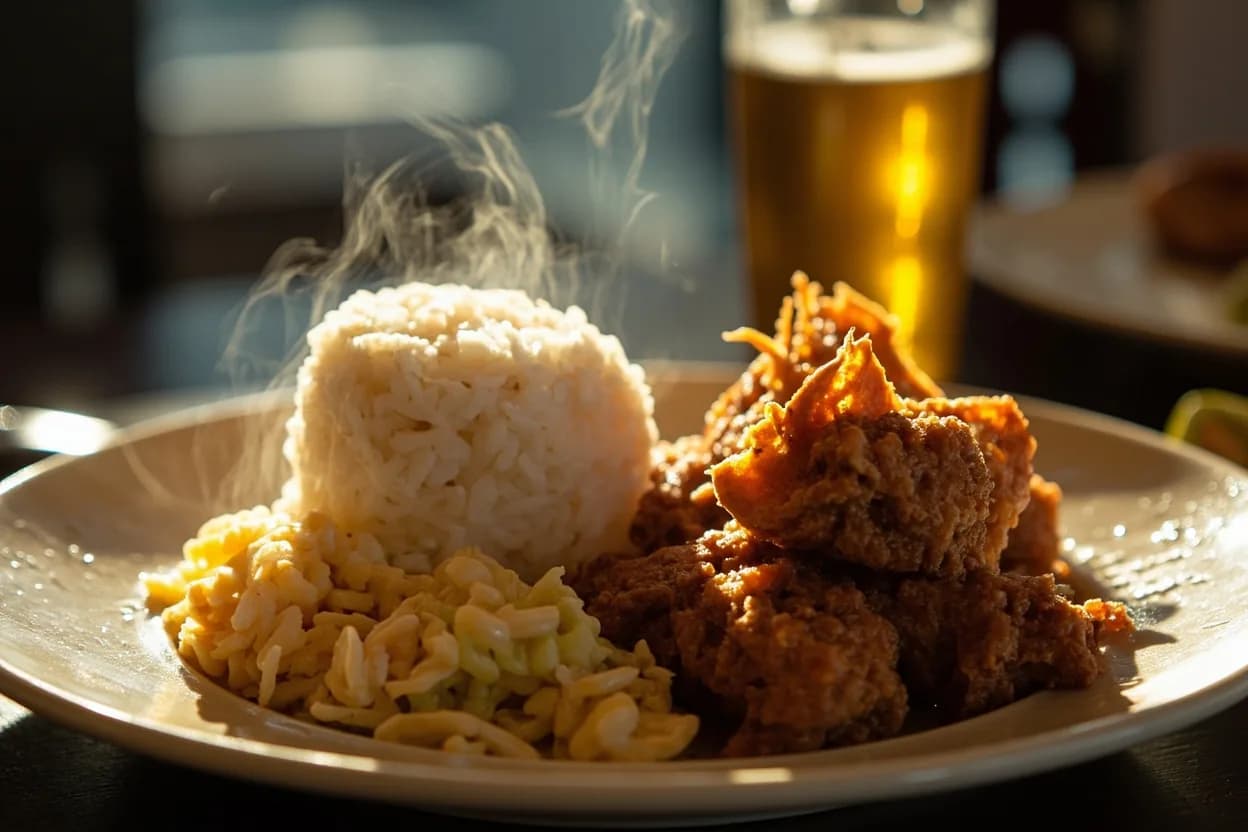
Hawaiian cuisine encompasses two deeply intertwined traditions: the pre-contact and ongoing Native Hawaiian food system centred on kalo (taro), poi, imu earth-oven cooking, and ocean harvests; and the plantation-era fusion that emerged when sugar and pineapple plantations brought waves of Japanese, Filipino, Chinese, Portuguese, Korean, and Puerto Rican workers whose food cultures blended into the iconic plate lunch — two scoops of rice, macaroni salad, and an entree. Both streams are alive and evolving today. Native Hawaiian food sovereignty movements are reviving traditional aquaculture and taro cultivation alongside Hawaii's celebrated contemporary cuisine.
The flavour base
Native stream: imu-smoke, seaweed mineral salinity, and fermented taro earthiness. Plate lunch stream: shoyu (soy sauce) and ginger umami base enriched by Japanese and Chinese influence
Pantry staples
Key ingredients
Signature techniques
Signature dishes
Hawaiian (Indigenous & Plate Lunch) on the table

At the table
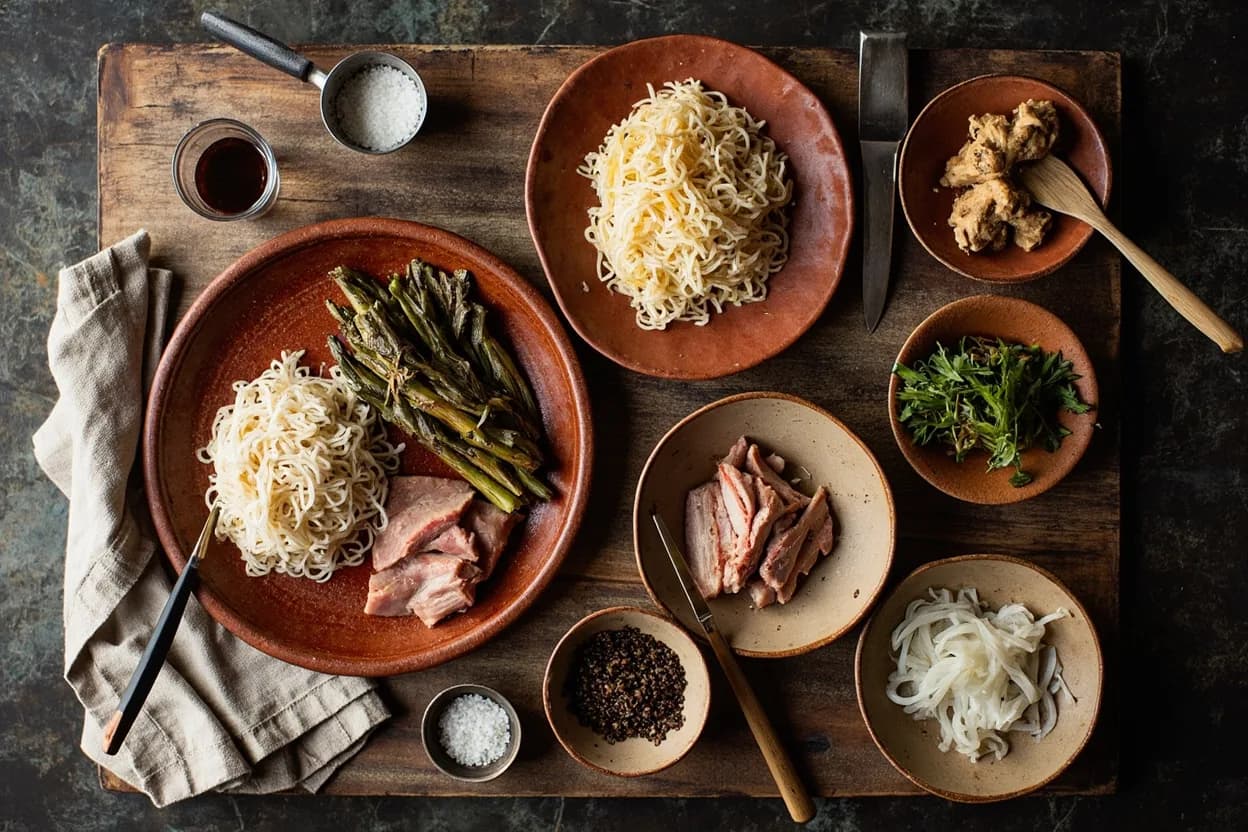
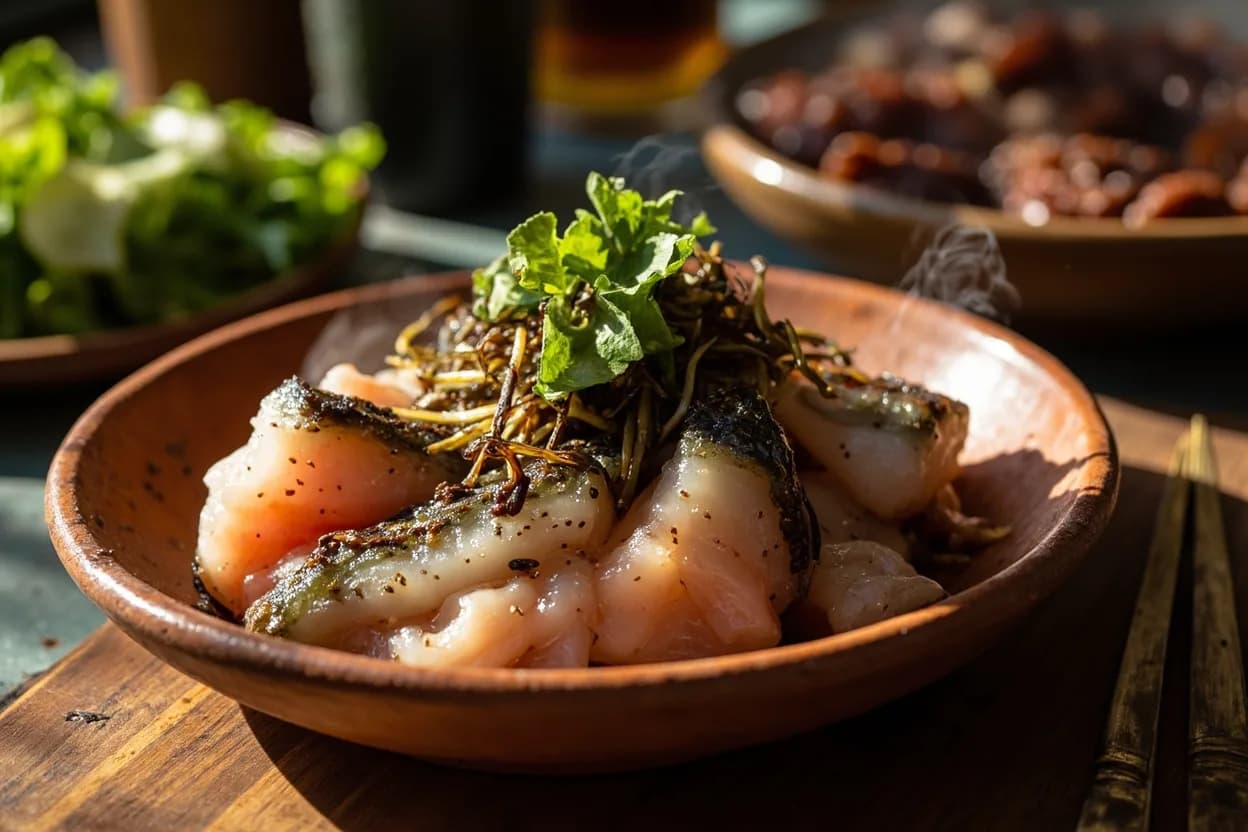
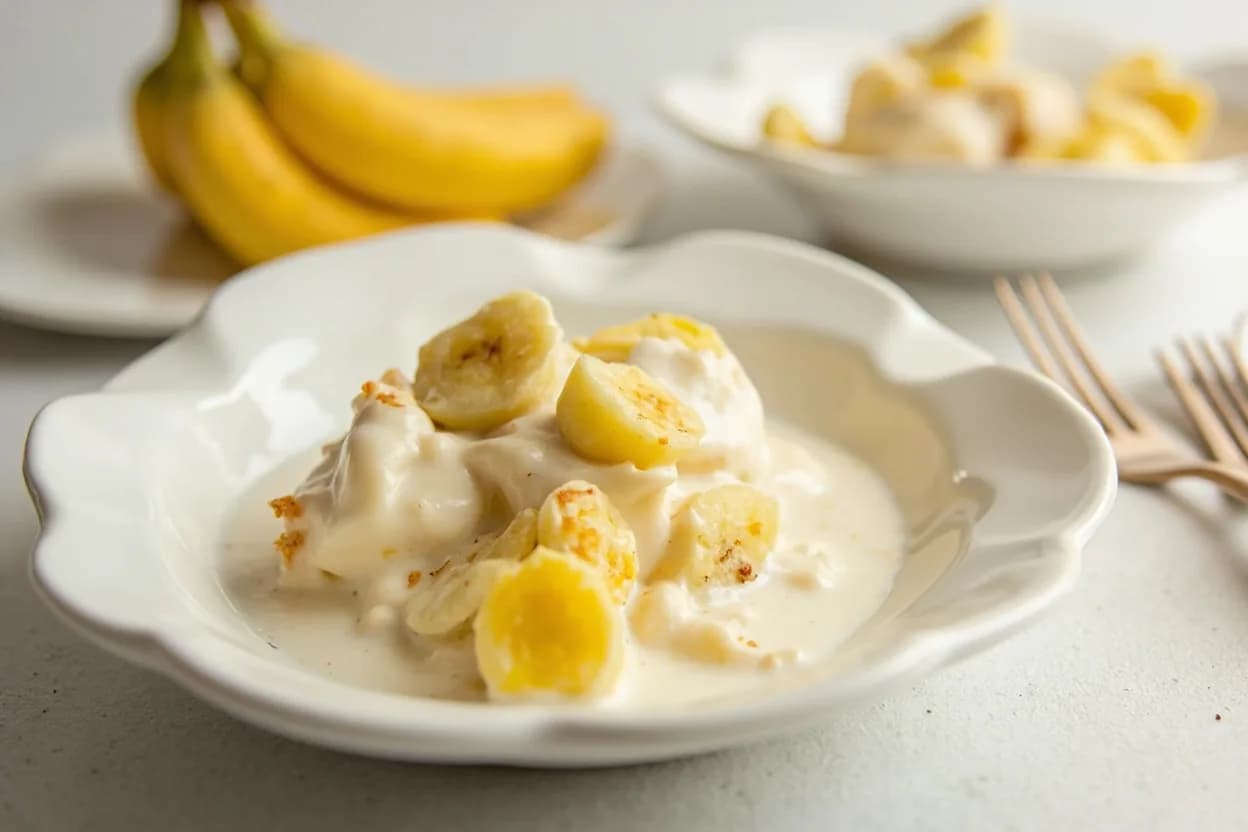
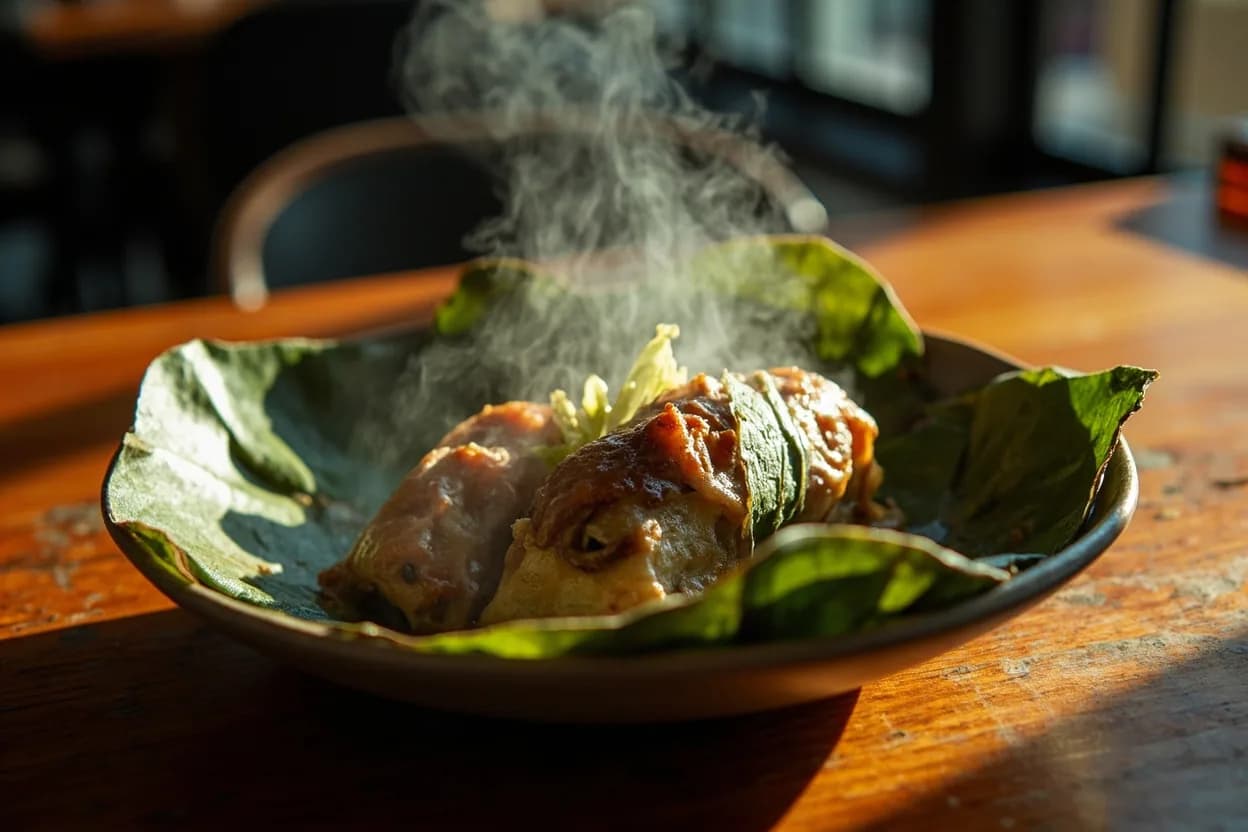
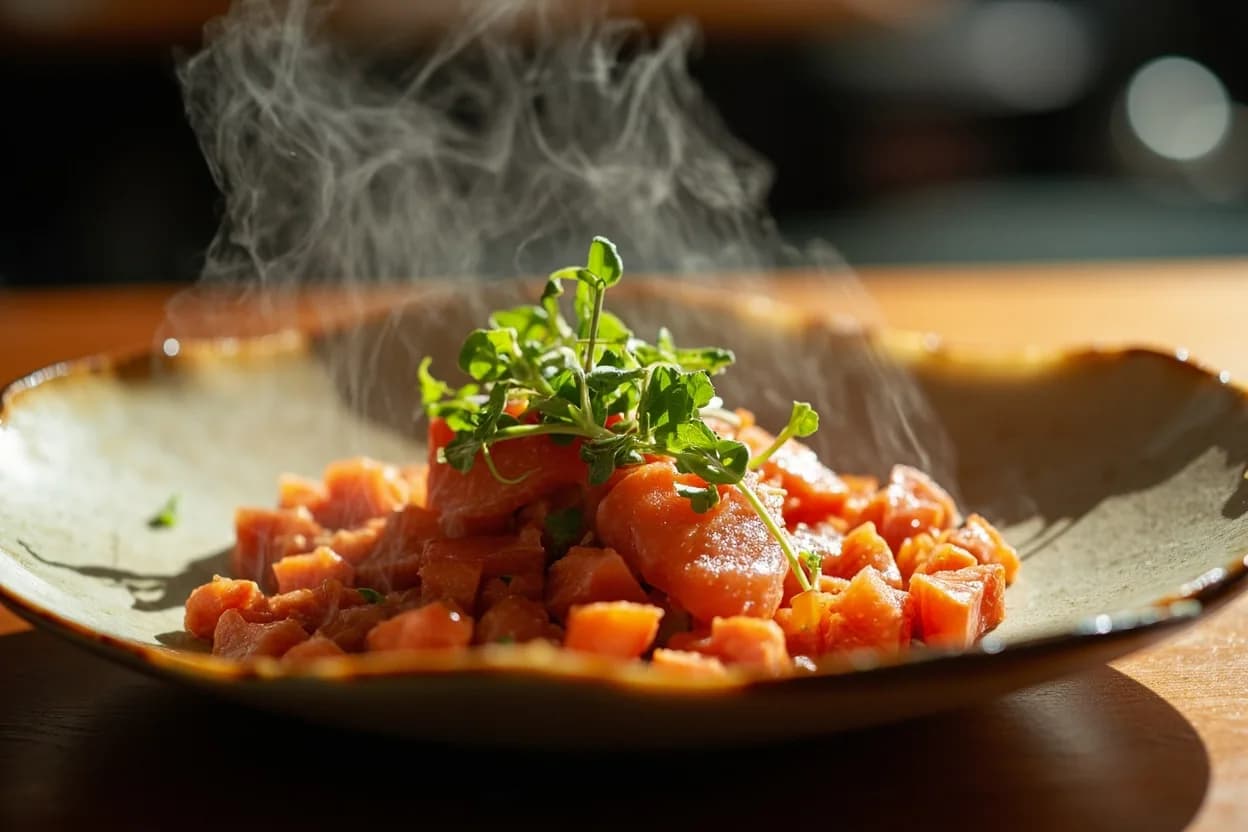
Traditional luau feast structure: communal, abundant, centred on kalua pig as the prestige anchor with poi, lomi salmon, and laulau as core accompaniments, haupia as dessert. Daily home cooking follows a plate-lunch logic: rice-centred, protein-driven, eaten any time of day. Bentos and lunch wagons are culturally central; plate lunch is as much a working-person's meal as a celebration dish.
History & context
Polynesian settlers arrived in Hawaii roughly 1,500 years ago, bringing taro, breadfruit, pigs, and dogs as their food system. They built sophisticated lo'i kalo (flooded taro paddies) and fishponds (loko i'a) that fed a population estimated at 300,000–800,000 at European contact. Captain Cook's arrival in 1778 initiated a century of demographic collapse and disruption. The 1850s–1940s plantation era brought Japanese, Chinese, Filipino, Korean, Portuguese, and Puerto Rican workers who cooked together in plantation camps, pooling ingredients and techniques into a creolised food culture. WWII militarisation further embedded Spam, canned goods, and American diner culture. Since the 1980s both Hawaii Regional Cuisine (chefs Roy Yamaguchi, Alan Wong, Peter Merriman) and Native Hawaiian food sovereignty movements have asserted distinct Hawaiian culinary identity.
Regional variations
- Oahu (Honolulu)
Urban epicentre of plate lunch culture; highest diversity of ethnic fusion; most Spam musubi and saimin shops
- Maui
Maui onion and upcountry produce elevate farm-to-table influence; strong Portuguese (malasada) and Upcountry cowboy (paniolo) traditions
- Big Island (Hawaii)
Closest to Hawaiian agricultural traditions; active taro farming, macadamia, Kona coffee, and black lava sea salt production
- Kauai
Most rural; strong Filipino influence in local plate lunch spots; fresh shrimp farms and taro production prominent
Related cuisines
Shares imu/umu earth-oven technology, taro as staple, and communal feast culture with Samoa, Tonga, and Fiji
- Japanese (Okinawan)
Deep influence on plate lunch via shoyu, bento, rice culture, and Okinawan pork dishes brought by plantation immigrants
Adobo, pancit, and rice-centred plate logic woven into Hawaii's plantation fusion; large Filipino community in Maui and Big Island
- Portuguese (Madeiran)
Malasadas (fried doughnuts), linguiça sausage, and sweet bread are direct legacies of Portuguese plantation workers
Canonical recipes
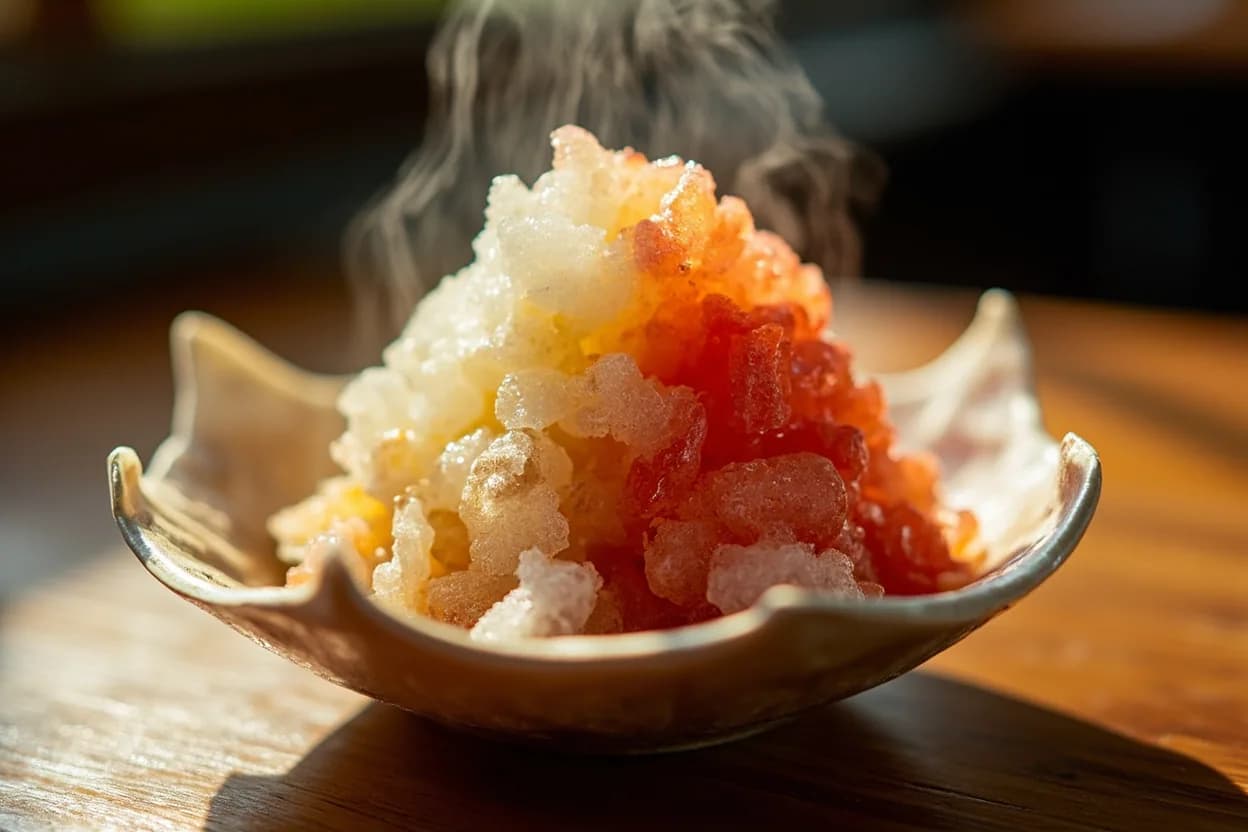
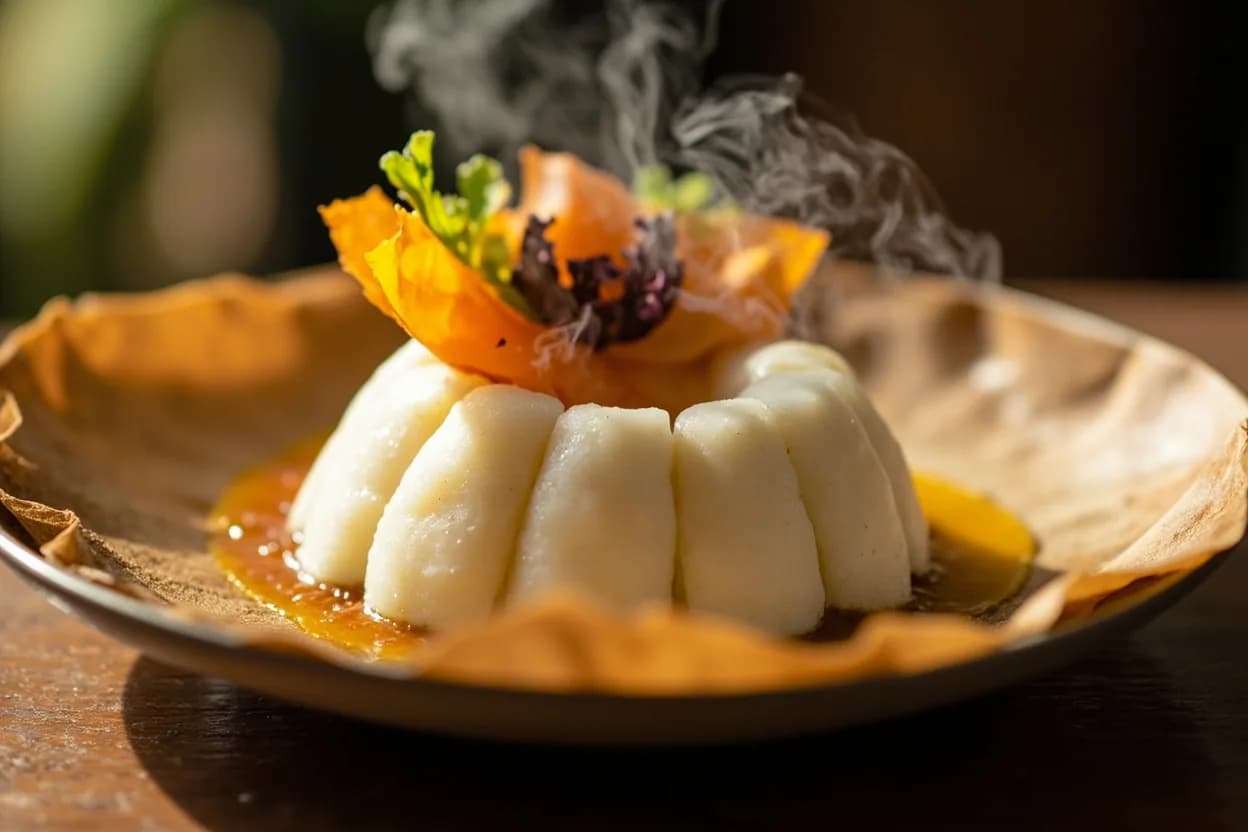
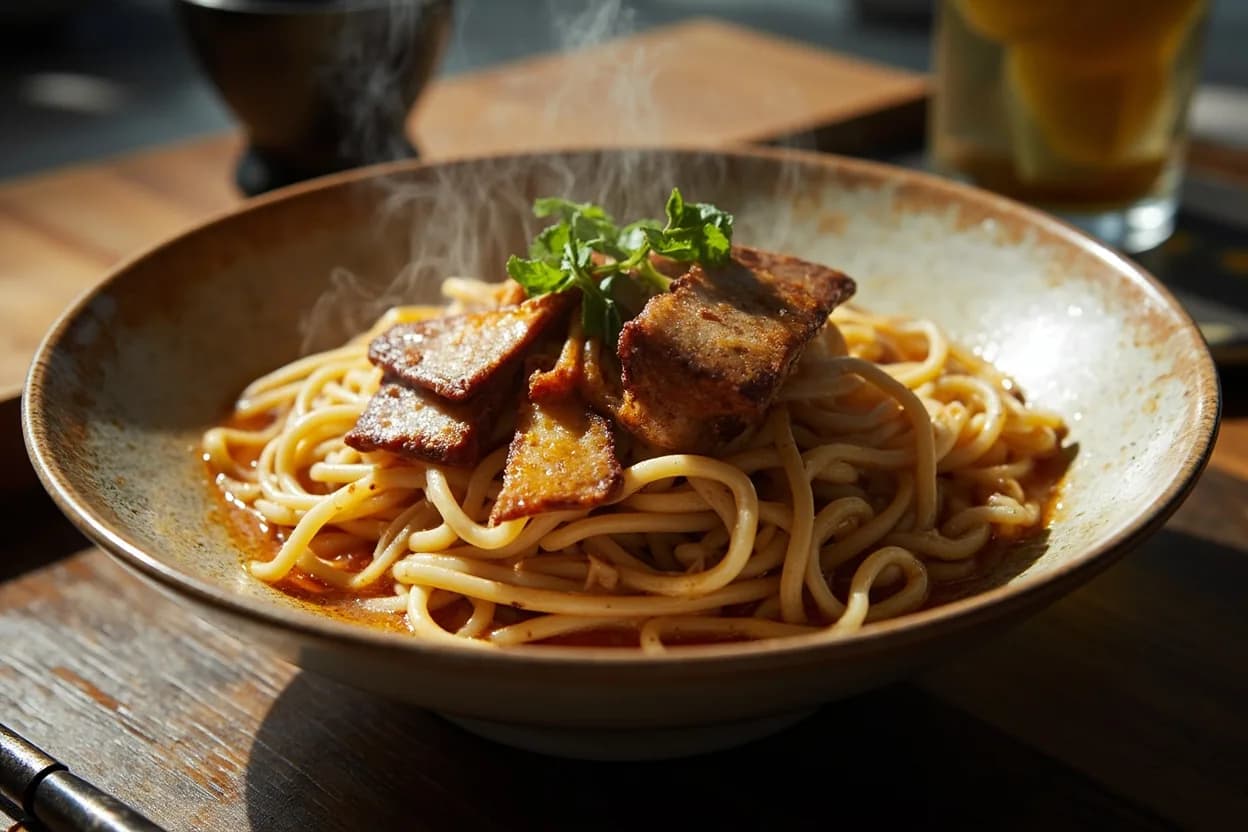
The dishes that define Hawaiian (Indigenous & Plate Lunch), documented in the Canon.
References
- 1.The Food of Paradise: Exploring Hawaii's Culinary Heritage — Rachel Laudan (1996)
- 2.Aloha Cuisine: The History and Culture of Hawaiian Food — Samuel Choy (2003)
- 3.The Oxford Companion to Food, 3rd ed. — Alan Davidson (2014)
- 4.Native Hawaiian Food and Cultural Practices — Office of Hawaiian Affairs cultural documentation
Confidence: high
Notes
Poi fermentation
Poi's flavour changes dramatically with fermentation time. Fresh poi (one-day) is sweet and mild; two-day poi is tangier; three-day or more is distinctly sour. Fermentation was practical preservation and is now a cultural preference marker. Native Hawaiian communities are working to restore lo'i kalo paddies as both food sovereignty and land stewardship projects.
Spam in Hawaii
Hawaii consumes more Spam per capita than any U.S. state. Its entrenchment dates to WWII when fresh meat was rationed and military supply chains introduced canned pork to the islands. Spam musubi — Spam on a rice block wrapped in nori, modelled on Japanese onigiri — is perhaps the single most iconic modern Hawaiian snack and appears in every convenience store.