Proteins
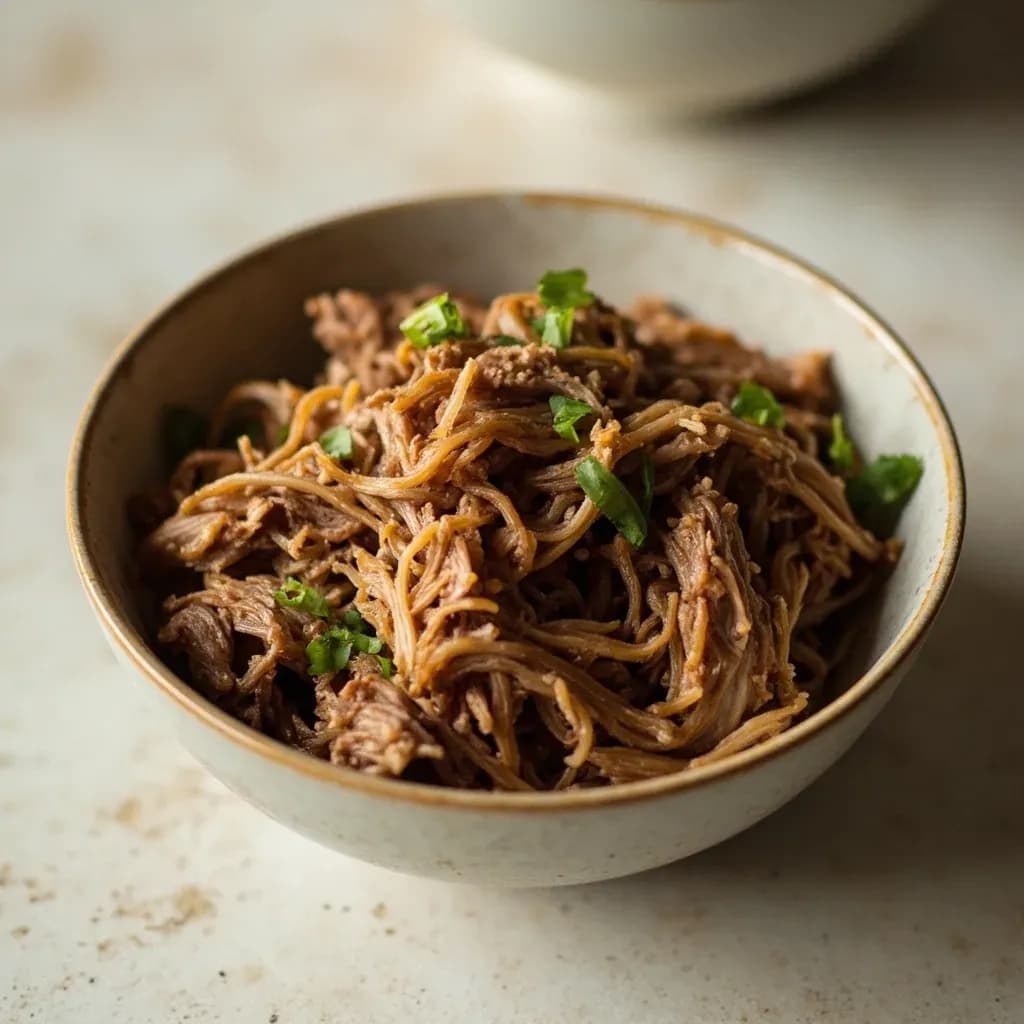
Kalua Pork
Hawaiian slow-roasted smoky shredded pork, traditionally cooked in an underground imu.
Kalua pork is a Hawaiian dish of whole pork shoulder slow-cooked until meltingly tender and smoky, classically in an underground imu pit lined with hot stones and banana leaves. Seasoned simply with Hawaiian sea salt, it is shredded and served at luaus and with rice. Oven and slow-cooker versions use liquid smoke to mimic the imu flavor.
Kalua Pork is the cornerstone of Hawaiian plate lunch culture and luaus, traditionally made by slow-cooking a whole pig in an underground imu pit. The word 'kalua' literally means 'cooked in the underground oven' in Hawaiian. In authentic preparation, a pig seasoned with Hawaiian sea salt and wrapped in ti leaves is placed on superheated lava rocks, covered with wet burlap and additional foliage, then buried in earth to steam for 8–12 hours—a communal, ceremonial process that yields deeply smoky, savory, fall-apart tender meat. Modern home cooks replicate this using bone-in pork shoulder (8–10 lbs), liquid smoke, and a slow cooker or Dutch oven at 225°F for 8–10 hours. The fat cap on pork shoulder is essential; it renders during cooking to keep the meat moist, so trimming it beforehand results in dry, tough meat that won't shred properly. Leftovers improve significantly the next day as flavors meld, making this an ideal make-ahead protein for meal prep.
- Measured in
- g
- Storage
- Fridge
Types & varieties
Whole pig buried in imu pit with hot rocks; prepared by professionals for luaus; takes 8–12 hours
Pork shoulder cooked in oven or slow cooker with liquid smoke and ti leaves; most common home preparation
Pork shoulder smoked low-and-slow over mesquite, hickory, or kiawe wood for 8–10 hours; most authentic modern flavor
The Imu Tradition
The imu is more than a cooking method—it's a communal event rooted in Hawaiian culture. Digging the pit, heating lava rocks in a roaring fire until they glow, arranging the prepared pig on the rocks, and burying it requires coordinated effort. The pig steams in its own moisture, infused with smoke from smoldering kiawe wood and aromatic oils released from the ti leaves. This process cannot be rushed; attempting to shorten the time results in tough, undercooked meat. For home cooks, the slow cooker method captures the essence without the excavation.
- Traditional imu pits are dug to specific dimensions based on pig size
- Wet burlap between layers of ti leaves creates the steam barrier
- The pit must be monitored to prevent cold spots
Choosing the Right Pork
Pork shoulder is the only appropriate cut. Look for a bone-in shoulder with generous marbling and an intact fat cap (at least 1/2 inch). Avoid pre-trimmed 'pork stew meat' or lean loin cuts—these lack the fat necessary for moisture and the collagen that breaks down into gelatin, creating the silky shred texture that defines good kalua pork. A whole bone-in shoulder yields the most flavorful result, though boneless works if you tie it to maintain shape during cooking.
- 8–10 lb shoulder serves 12–16 people
- Ask your butcher to leave the fat cap intact
- Cryovac packaging is fine; rinse and pat dry before seasoning
Common uses
Tips & pitfalls
- Use liquid smoke sparingly—a little goes a long way; start with 1–2 tablespoons max
- Wrap pork tightly in damp ti leaves (or soaked banana leaves) before slow cooking to retain moisture and authentic flavor
- Season generously with Hawaiian sea salt (alaea) before cooking, not just at the end
- Cook until the meat easily pulls away from the bone at 195°F—undercooked pork will not shred properly
- Let the meat rest 30 minutes after cooking before shredding to redistribute juices
- Pull the meat apart along the muscle fibers for long, tender shreds that hold together nicely
- Add the cooking liquid back to shredded meat to keep it moist—pork shoulder has enough fat but can dry out if neglected
- Do not use lean pork loin—it lacks the fat and collagen for proper shredding texture
- Traditional imu-cooked pork gets its smoke from smoldering kiawe wood and ti leaf oil, not added liquid smoke alone
Nutrition
Energy
3397 kJ · per 100 g
Where the calories come from
Protein
2.9g
6% DV
Carbs
0g
0% DV
Fat
88.7g
114% DV
Fiber
0g
0% DV
Sugars
0g
of which
Sodium
11mg
0% DV
Source · USDA FoodData Central · approx. Pork, fresh, backfat, raw
View on FDC →In the shops
Matched grocery products
 €2.20
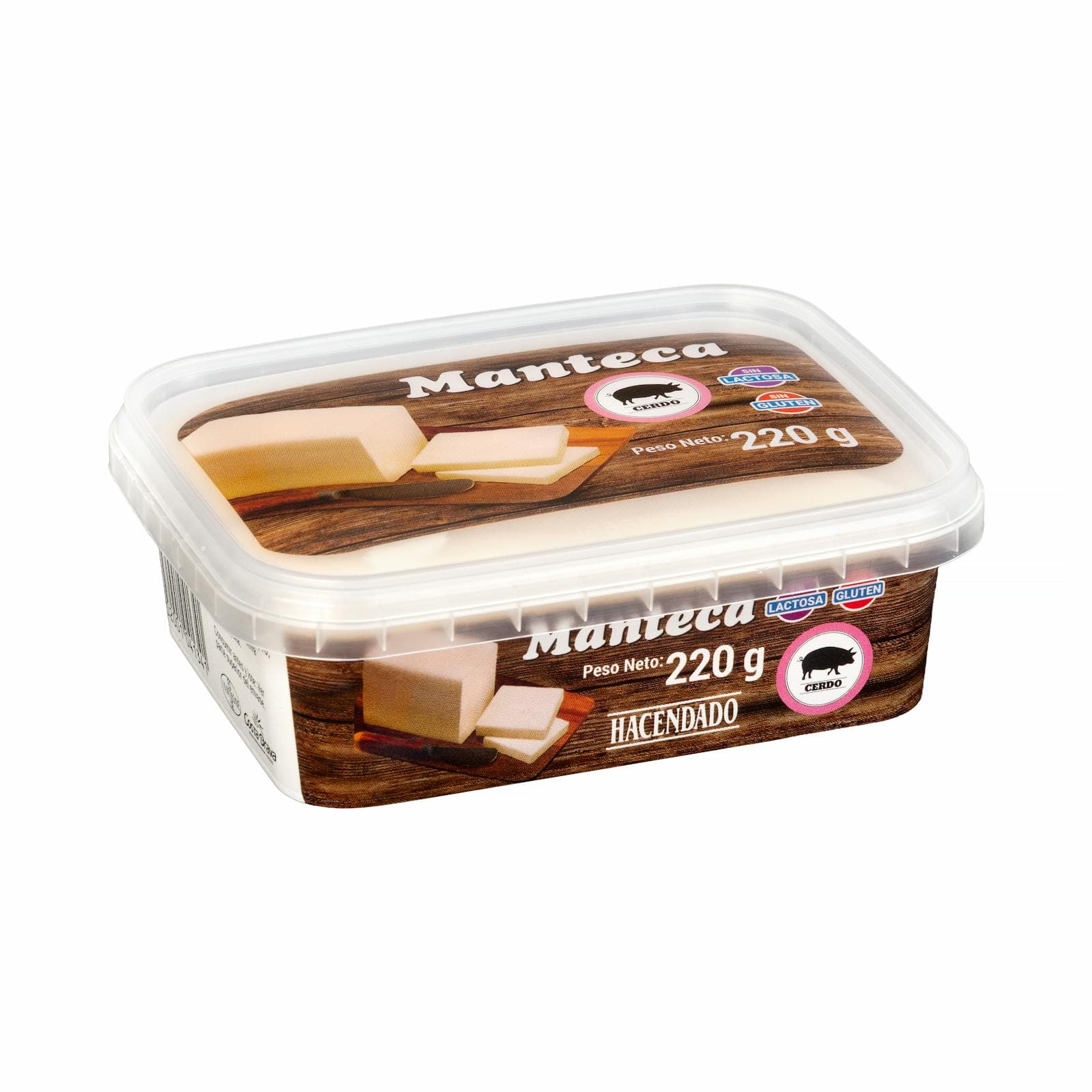
€2.20Pork Lard
Hacendado · 220 g · Mercadona
 €3.40
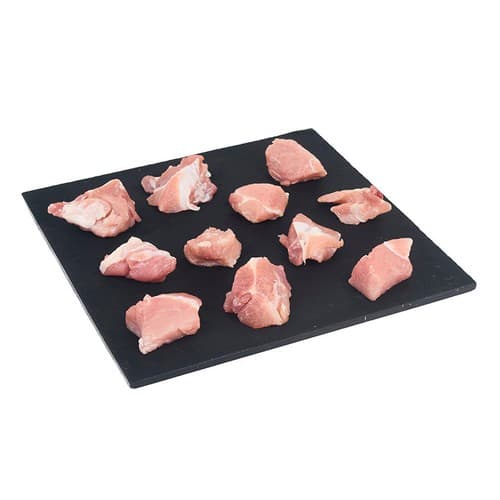
€3.40Pork Stew
BONPREU · ud · Bonpreu
 €3.45
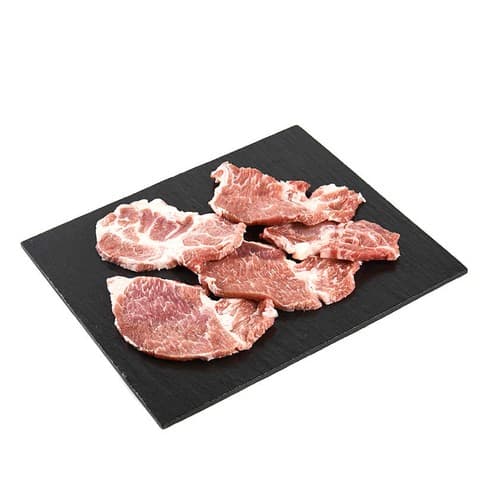
€3.45Lean Pork
BONPREU DE L'ERA · ud · Bonpreu
 €2.10
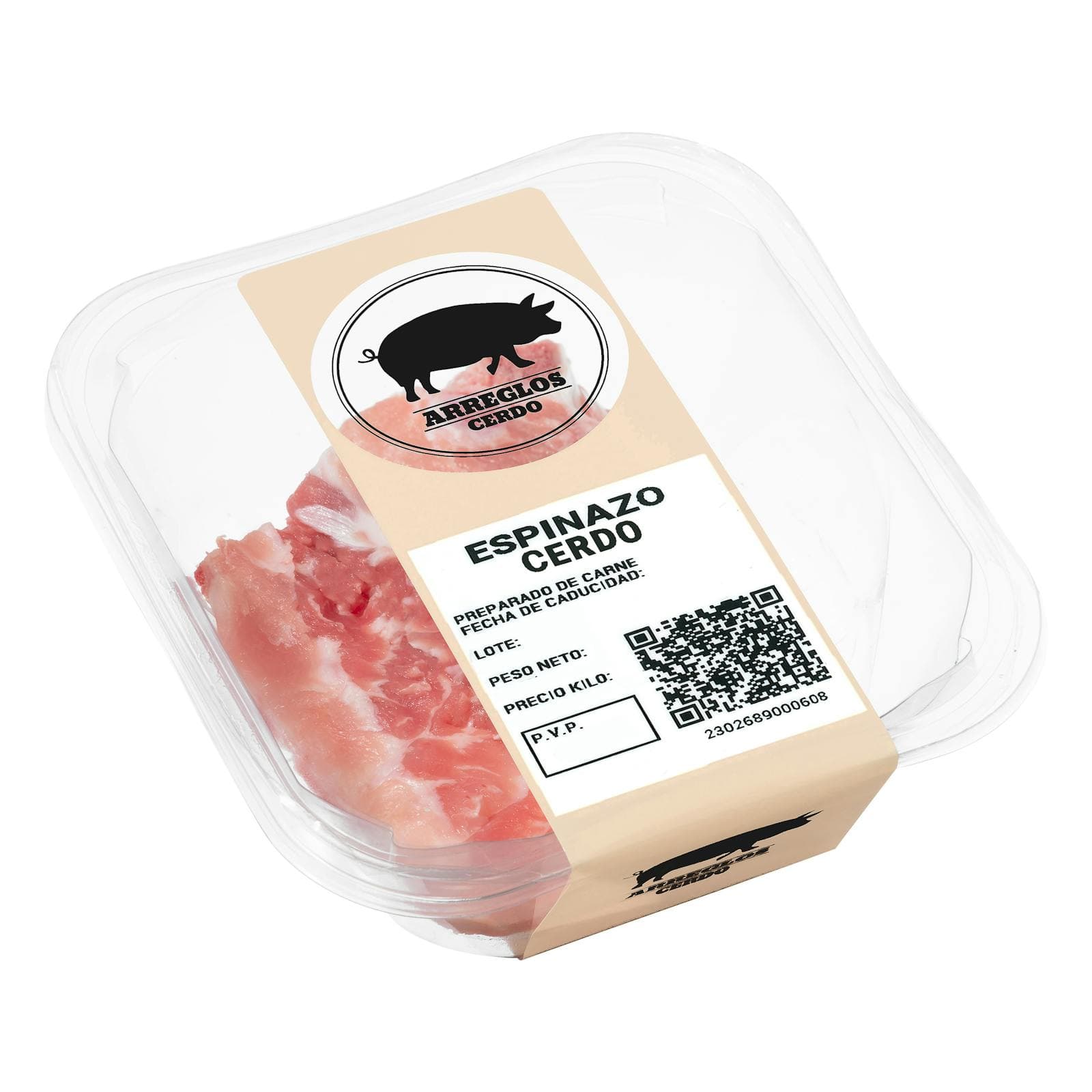
€2.10Pork Spine
300 g · Mercadona
 €3.22
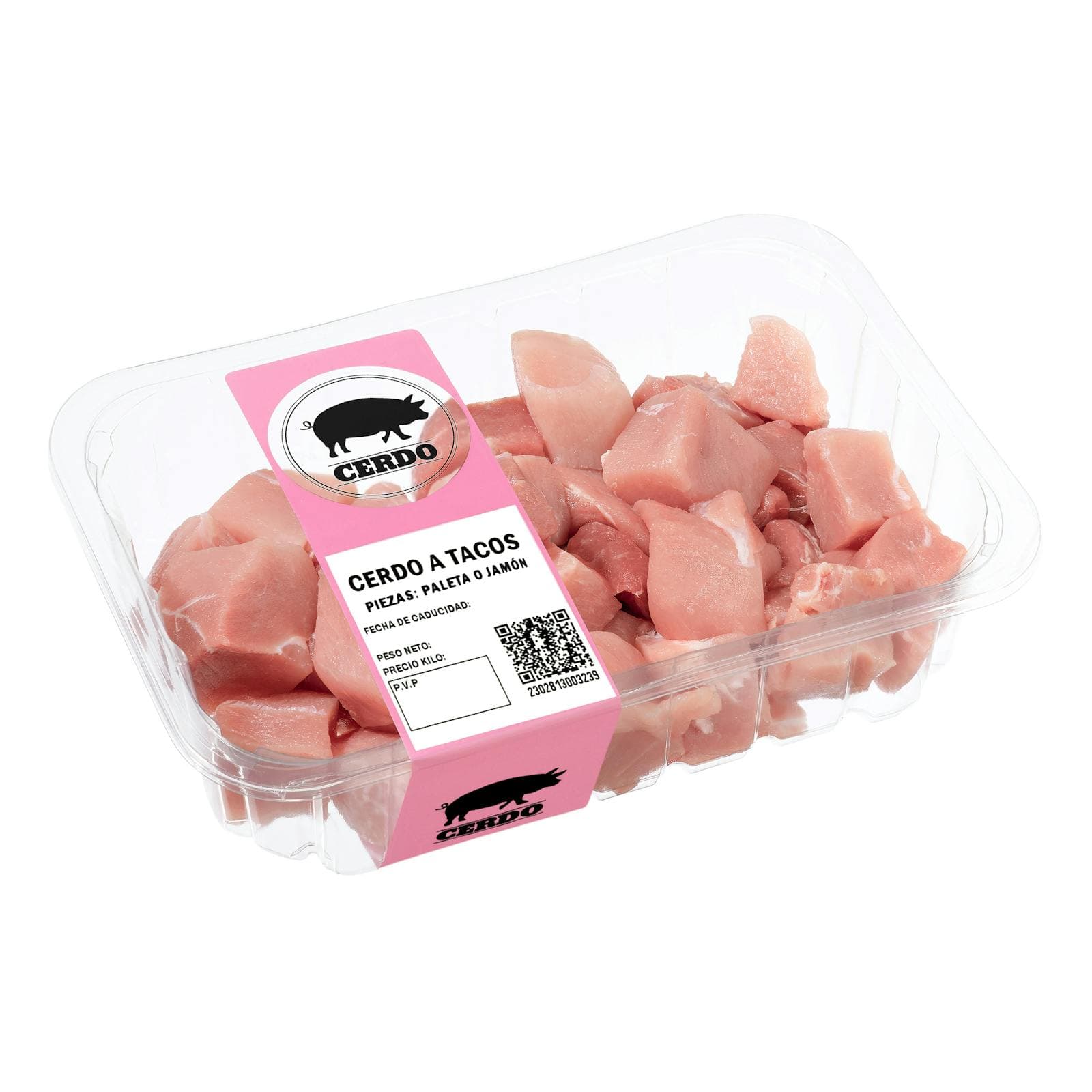
€3.22Diced Pork
560 g · Mercadona
 €3.75
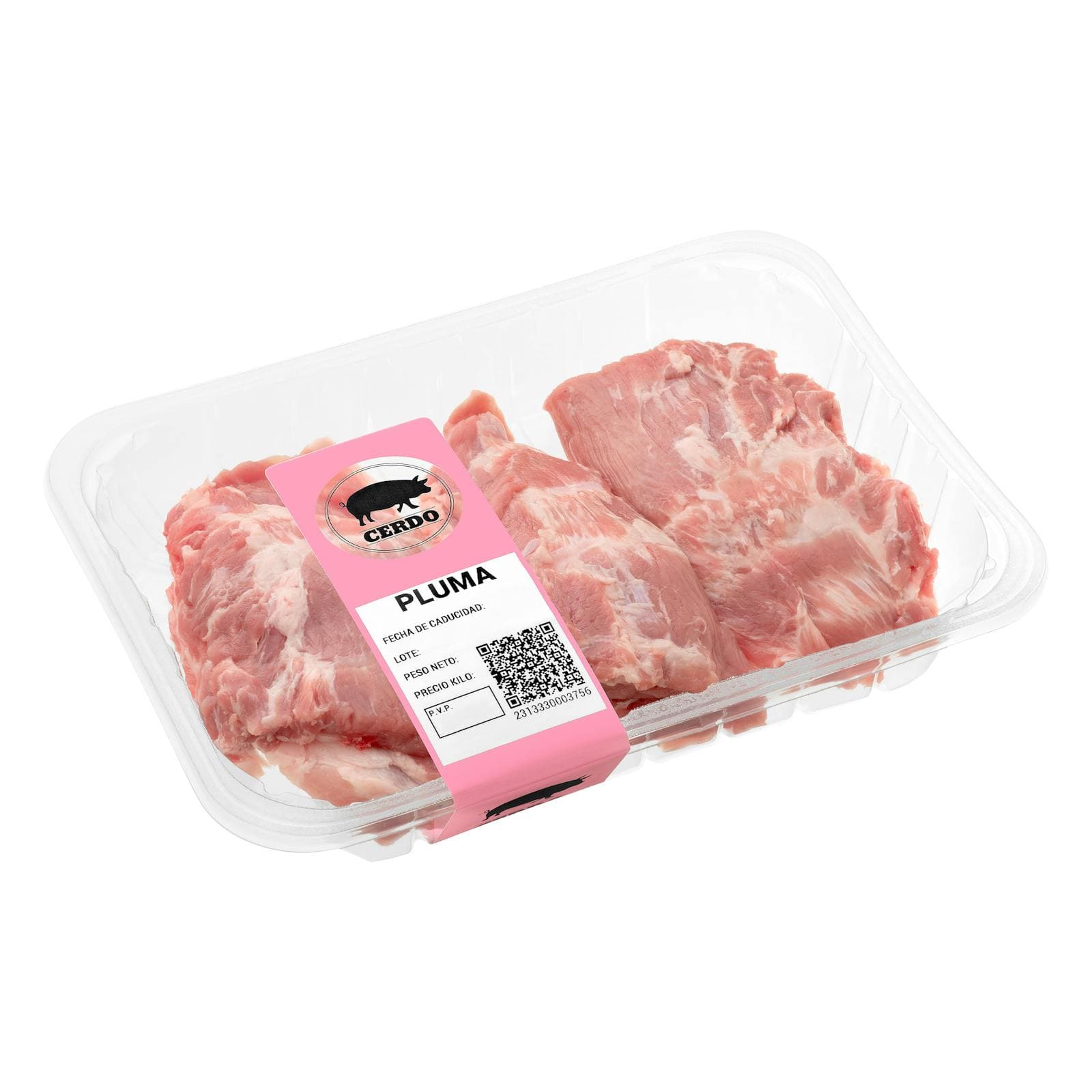
€3.75Pork Pluma
300 g · Mercadona
Good to know
- Origin
- Hawaii, ancient Hawaiian cuisine
- Traditional Cooking Method
- Underground imu pit oven with ti leaves and hot lava rocks
- Modern Equivalent Cut
- Bone-in or boneless pork shoulder (8–10 lbs)
- Flavor Profile
- Deeply smoky, savory, mildly salty, rich pork taste
- Internal Temp for Shredding
- 195°F (90°C)
- Total Cooking Time
- 6–10 hours depending on size and method
- Yield
- Approximately 50–60% cooked weight as shredded meat
- Storage (Refrigerated)
- Up to 5 days in airtight container
Substitutes
- Slow-Cooked Pulled Pork — Use pork shoulder with applewood smoke and brown sugar for a sweet-savory alternative; not traditional but similar texture and shreddability
- Smoked Pork Shoulder — From a BBQ joint; has authentic smoke flavor but may lack the salt-forward Hawaiian seasoning profile
- Carnitas — Mexican braised pork with citrus and cumin; different flavor profile but similar shredded texture for tacos and bowls
- Char Siu (Chinese BBQ Pork) — Sweet-savory roasted pork; can substitute in fried rice or grain bowls but significantly different flavor and not smoky
Pairs with
Also called
Kalua Pig · Imu Pork
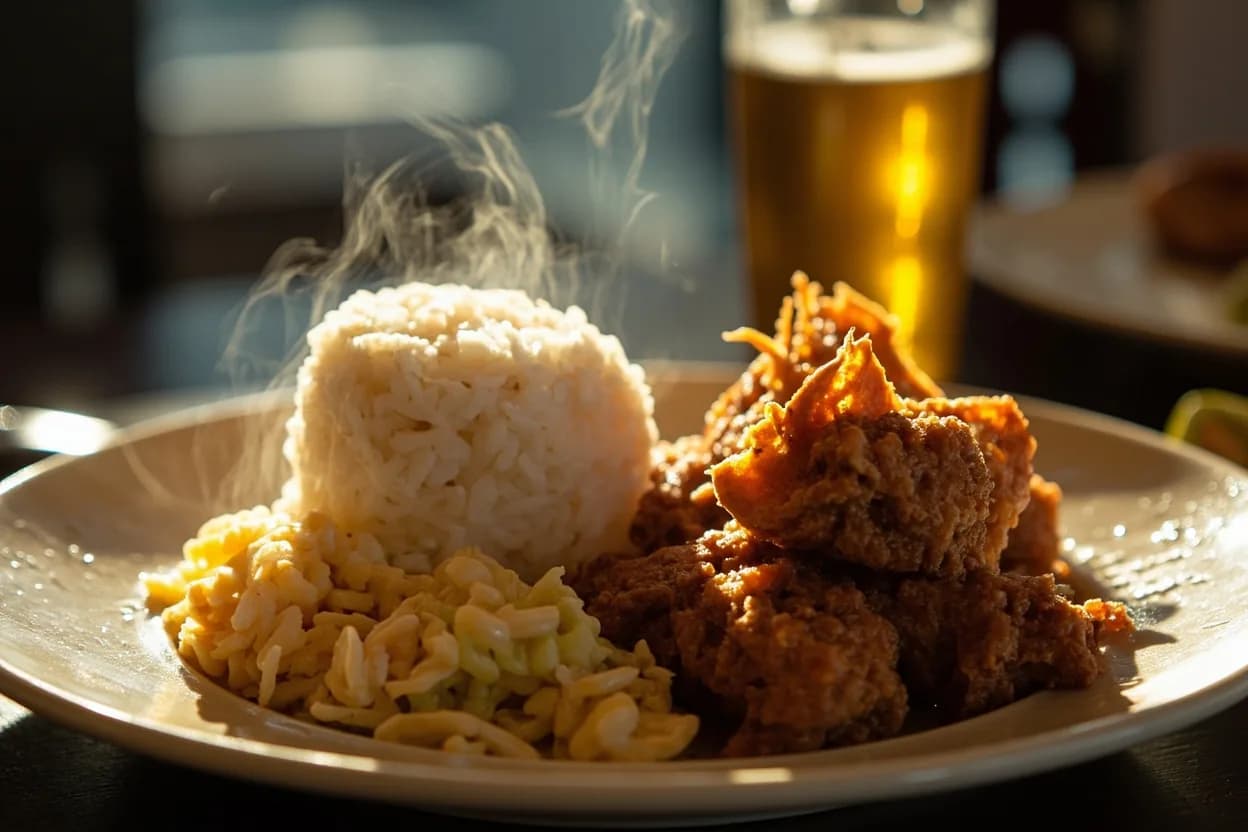
Appears in these dishes
Related
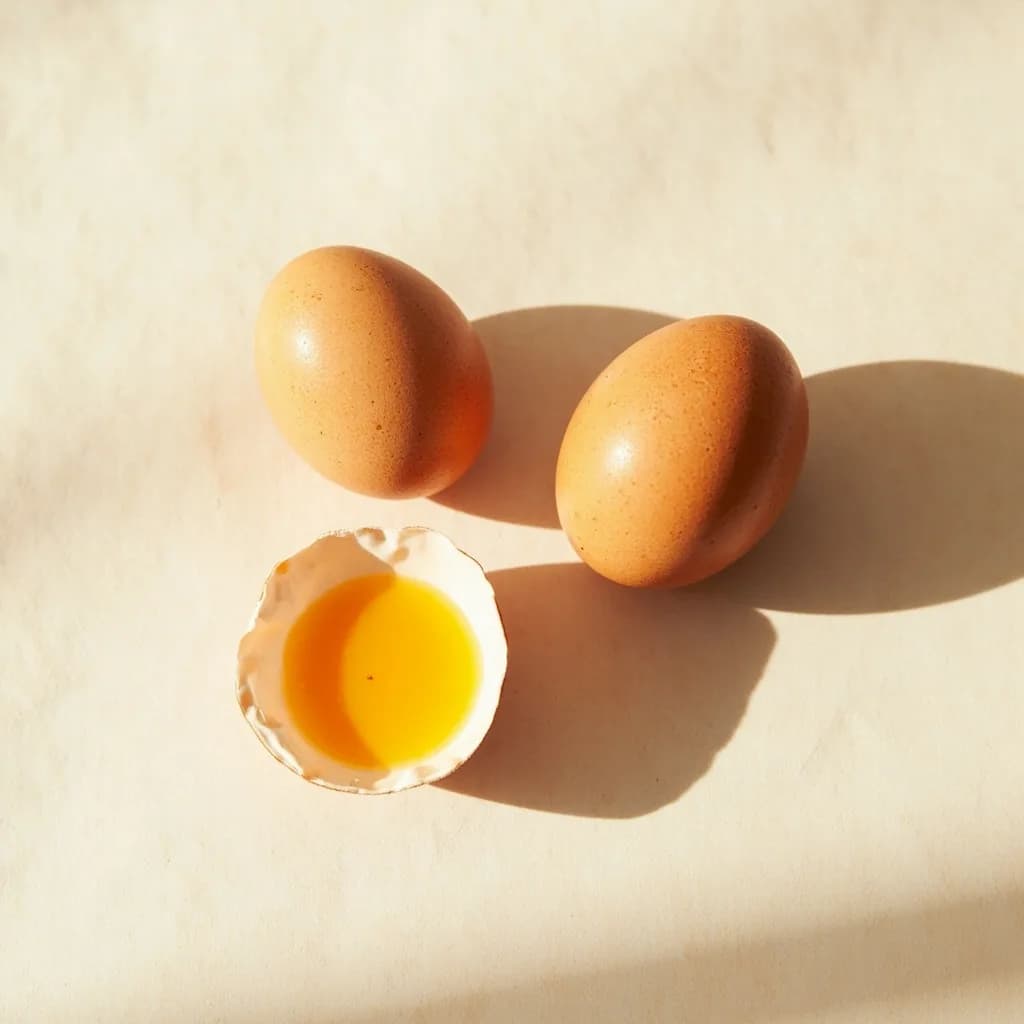
Egg
The kitchen's everything ingredient — bind, leaven, enrich, or fry
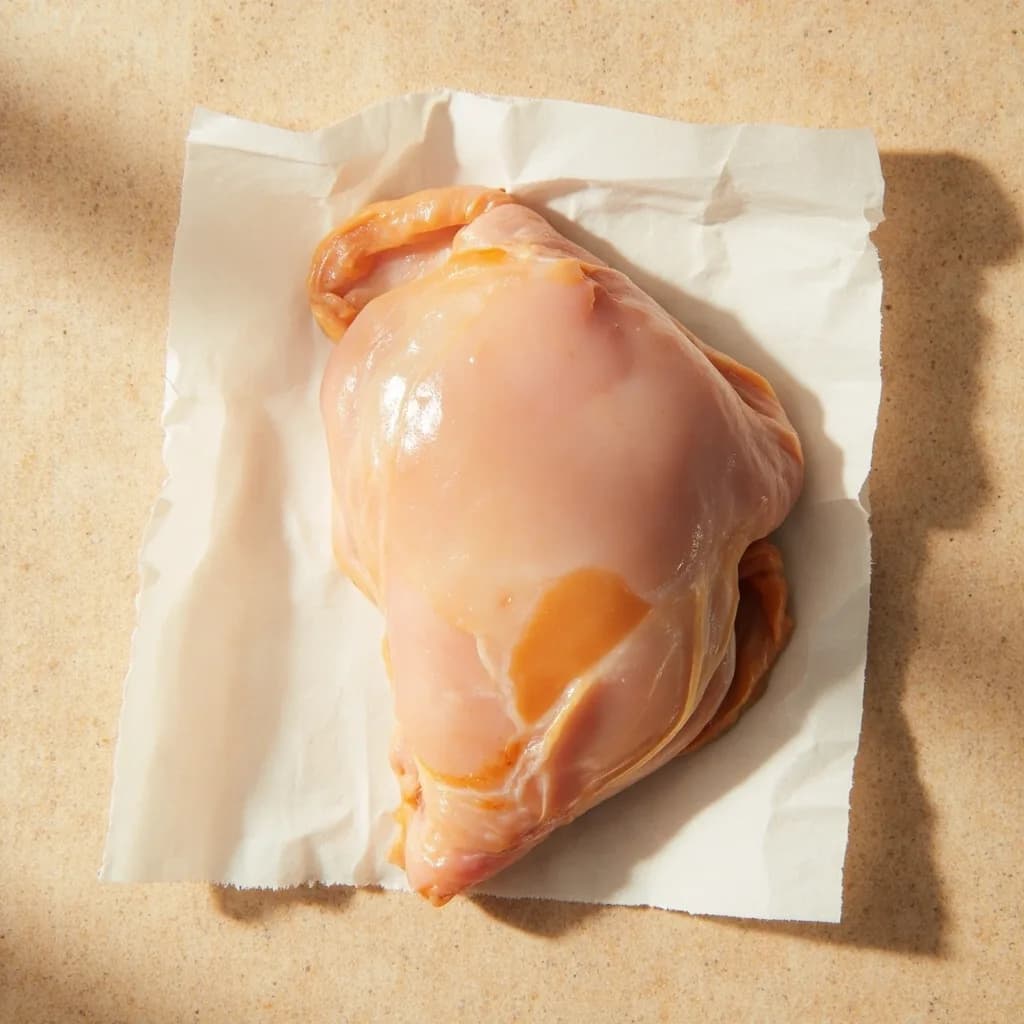
Chicken Breast
Lean, quick-cooking white meat for everyday dinners

Ground Beef
Versatile minced beef for burgers, ragù, tacos, and meatballs
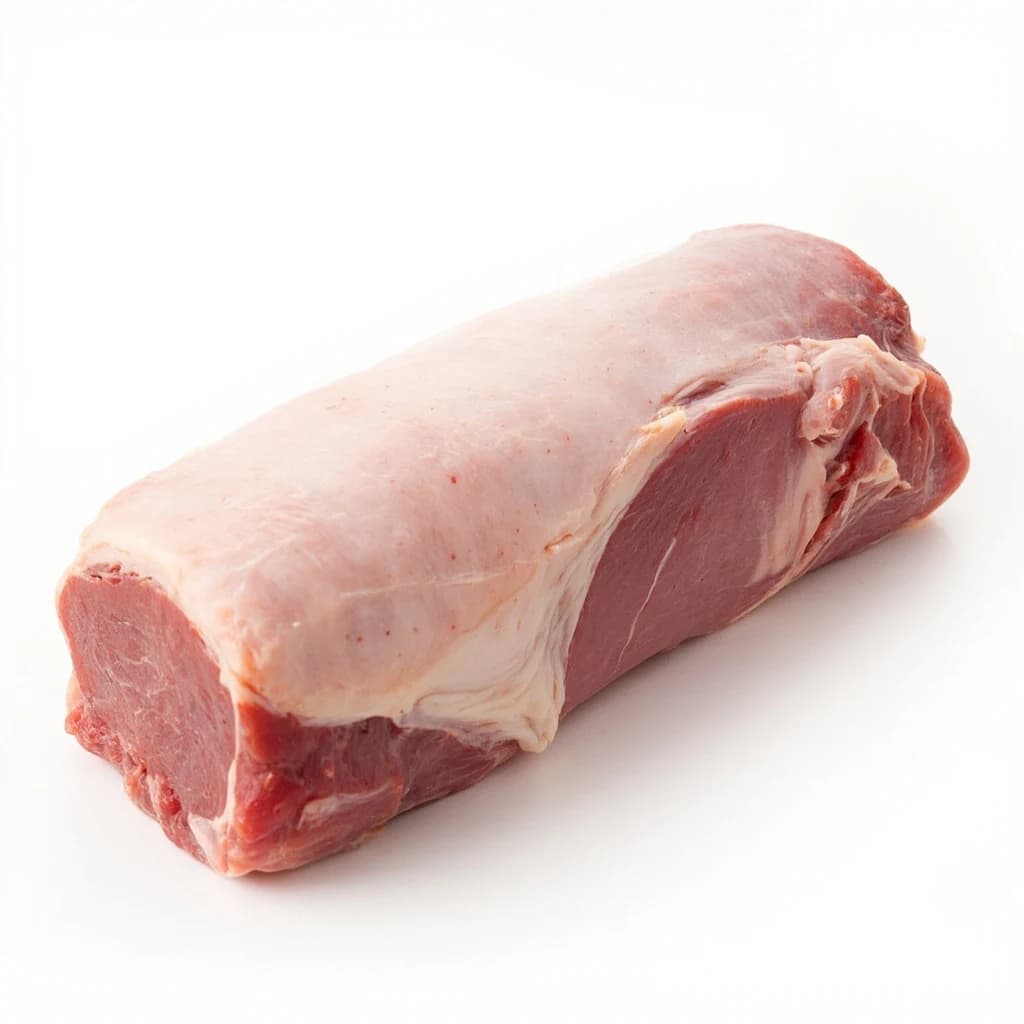
Pork Loin
Lean, tender roasting cut that stays juicy with care
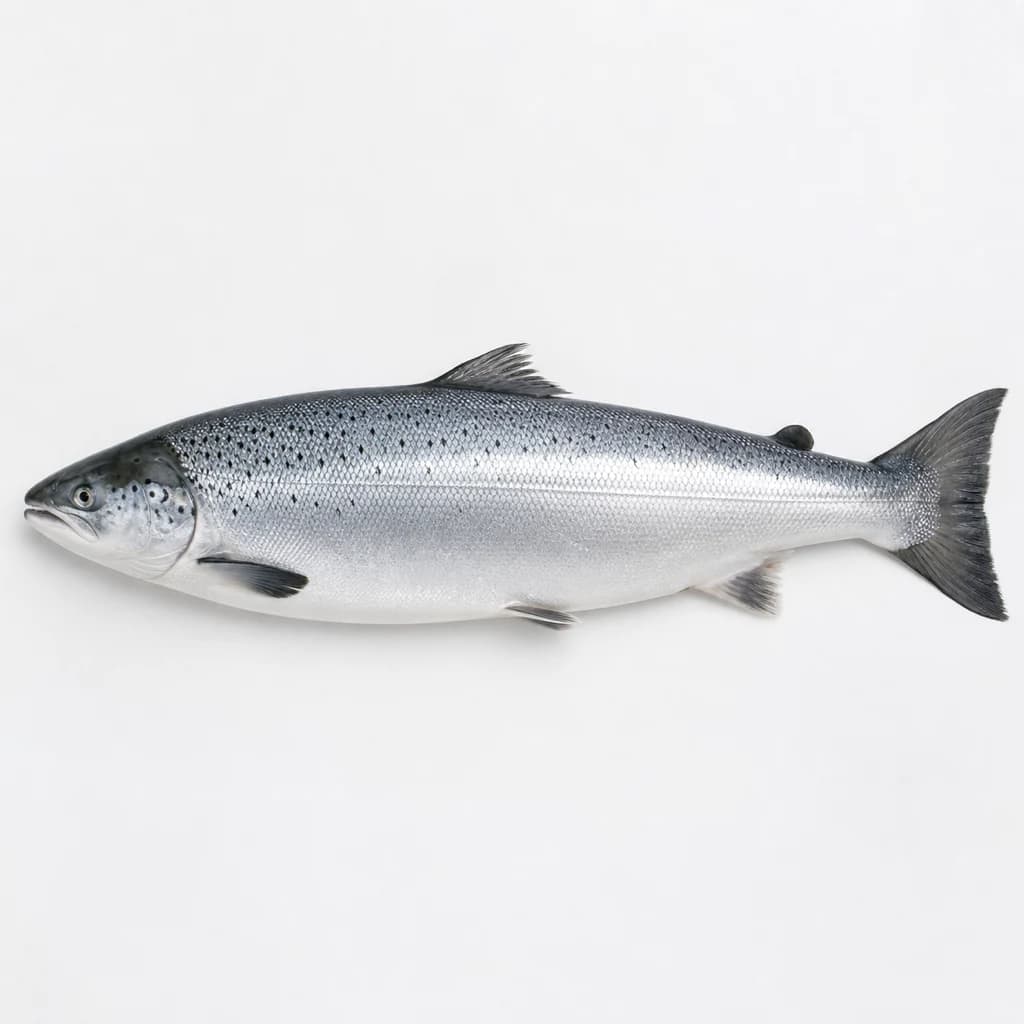
Salmon
Rich, rosy fish that roasts, grills, or cures beautifully

Egg White
Pure protein that whips to airy peaks for meringue and more
Egg Yolk
Rich, golden yolk for custards, mayonnaise, and pasta

Quail Egg
Tiny, speckled eggs for garnishing and elegant bites