Fish — Fabrication & Breakdown
Buri (Yellowtail) Primal Breakdown
Also: hamachi breakdown, yellowtail fabrication, buri fabrication, hamachi toro, kanpachi breakdown
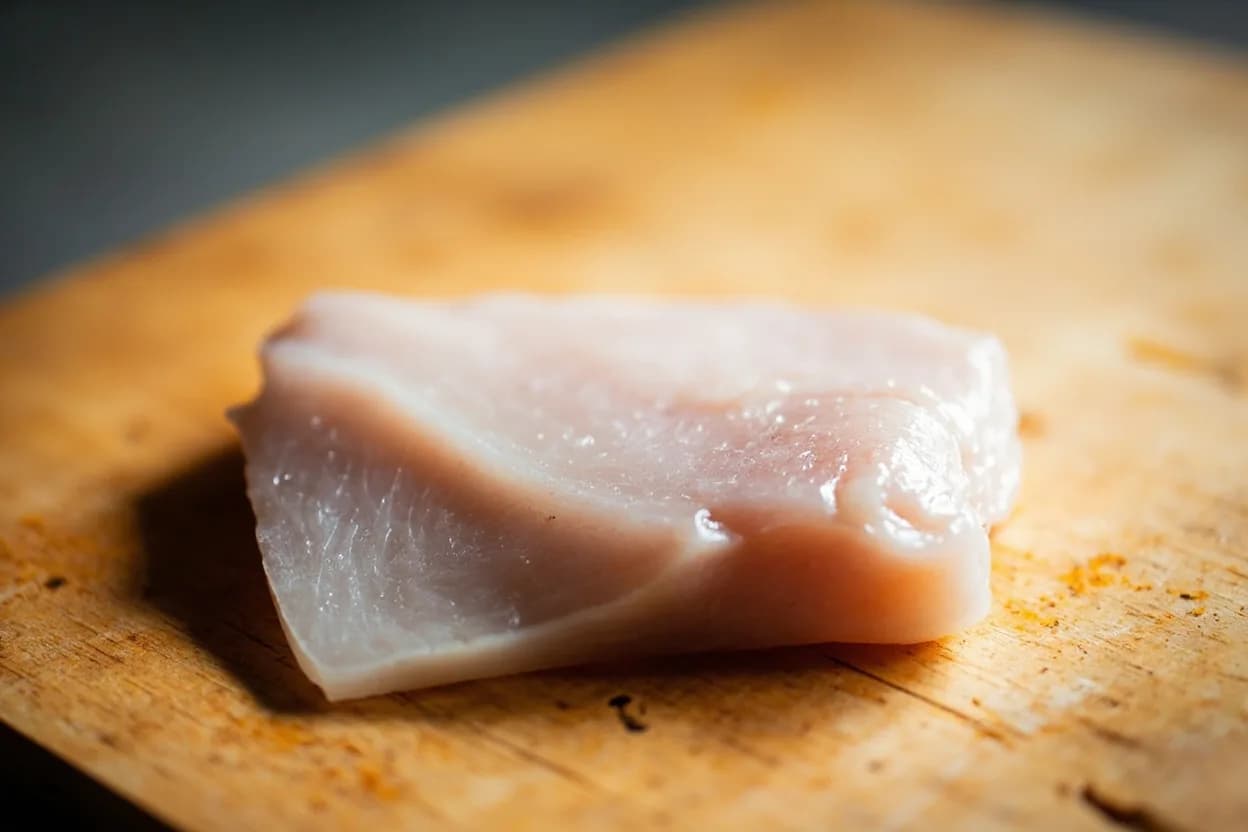
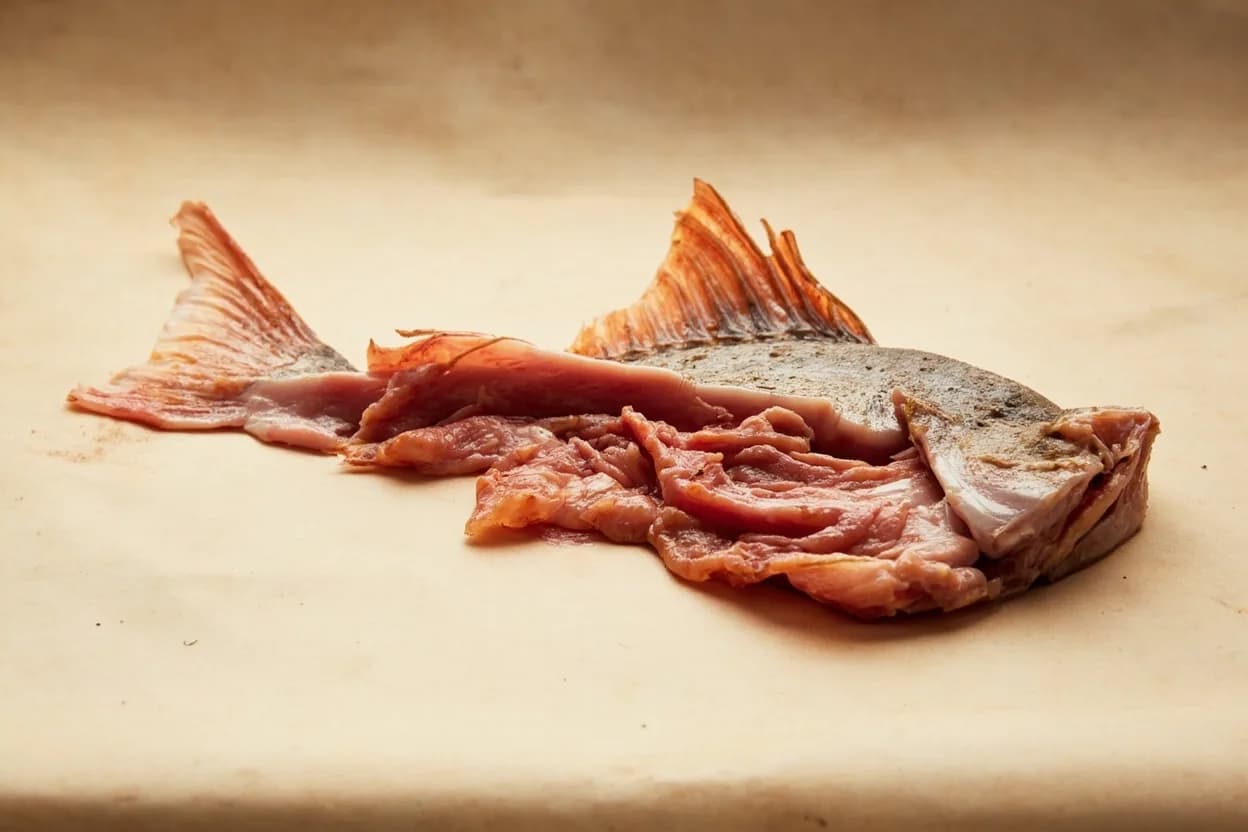
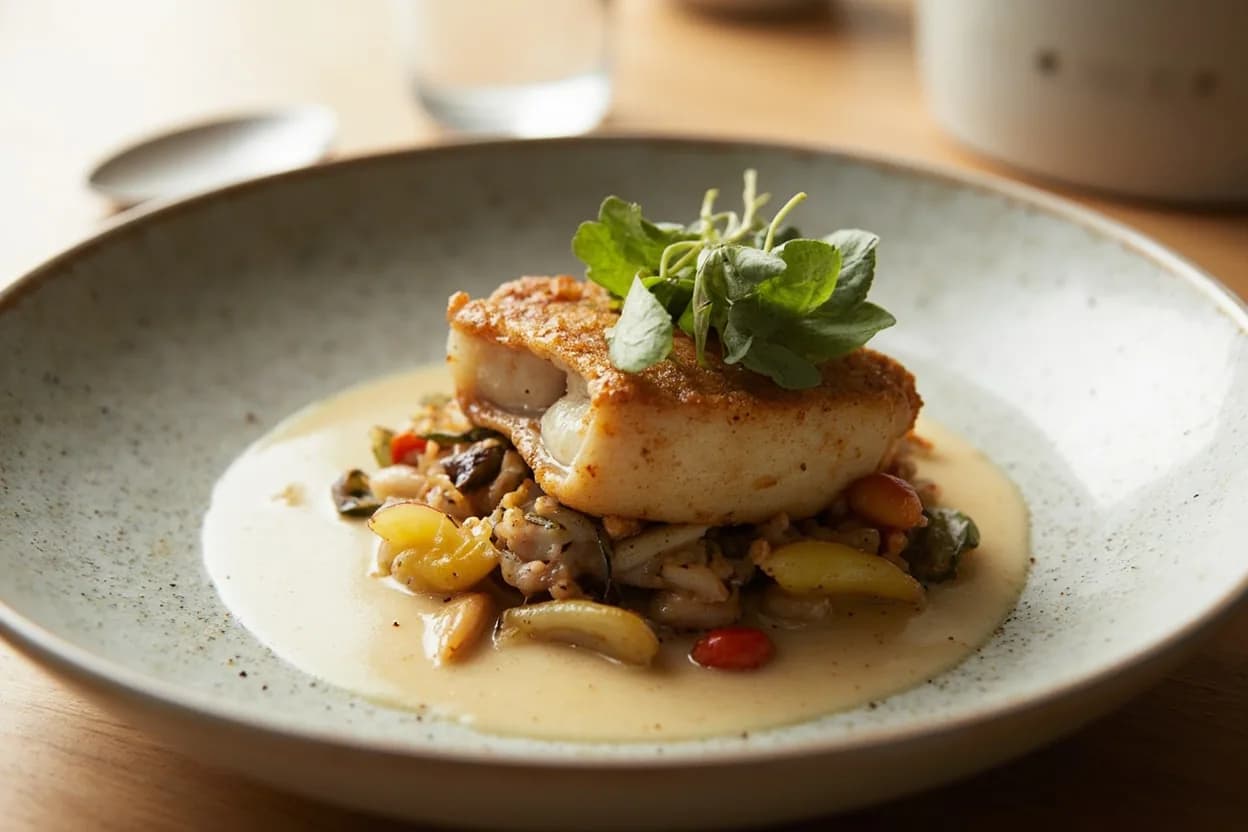
The Japanese breakdown of yellowtail (buri/hamachi) into collar, fatty belly, and loin — with cuts and names that change as the fish matures through the season.
Buri (鰤, Seriola quinqueradiata) is the Japanese amberjack or yellowtail, a fish whose name, culinary identity, and fat content shift with age and season. Its full fabrication separates the pectoral collar (kama), the fatty belly strip (harasu or hamachi toro), the dorsal loin, and the tail section — each prized differently. In Japan, buri is classified as a 'fame fish' (出世魚, shusse-uo): it changes names as it matures — mojako → wakashi → inada → warasa → buri — and the younger farmed form, hamachi, is the version most seen in global sushi restaurants.
In photos
Where it comes from
Japanese amberjack (Seriola quinqueradiata), wild-caught in the Sea of Japan (peak winter, kan-buri) or farmed year-round in Ehime and Kagoshima prefectures as hamachi. The collar sits at the pectoral girdle; the belly (harasu) is the ventral strip below the lateral line from collar to anal fin; the loin is the dorsal muscle flanking the spine; the tail is the caudal narrowing.
Best for
How to cook it
- 1Begin with the fish cold (near 0 °C) and laid on a stable board. Using a heavy deba knife, sever the head at the collar joint behind the pectoral fin with a single decisive chopping stroke; reserve the collar (kama) separately as its own serving piece.
- 2Fillet using the sōroshi (three-piece filleting technique) standard in Japanese fishmongers: score along the dorsal fin, run the deba along the spine from head to tail pressing against the bone, then repeat underneath — this lifts the fillet in two clean pieces with the spine removed.
- 3Lay each fillet skin-side down. Identify the belly flap below the lateral line — it carries the characteristic white fat striations (hamachi toro). Trim the belly strip free at an angle following the rib cage line.
- 4Skin the loin and belly strips only if serving raw (sashimi); for teriyaki or grilled preparations, leave the skin on for structural integrity.
- 5Portion the loin into 150–180 g serving pieces at a slight bias. For sashimi, block the flesh into saku (rectangular blocks) and slice against the grain at 7–9 mm thickness.
- 6For buri daikon, cut the loin into 4–5 cm cubes; blanch briefly in boiling water, rinse, then simmer in dashi, sake, mirin, and soy with daikon rounds.
Prep & butchery
- A deba knife (heavy single-bevel cleaver-style) is the correct Japanese tool for this fabrication; it handles both the collar chop and filleting without switching knives
- Scale buri before fabrication — scales are large and fly; wet the fish first to reduce scatter
- For sashimi-grade preparation, wipe the flesh with sake-dampened cloth to clean the surface before slicing
- Gut and gill the fish the same day of purchase; the blood and viscera of a large buri deteriorate quickly and taint the loin meat
- Wild kan-buri benefits from a brief 24-hour resting period (ikejime kill + short ageing) to allow ATP to convert to inosinate, intensifying umami
Substitutes
- Kanpachi (greater amberjack, Seriola dumerili)
Leaner than buri with a firmer texture; the belly has less fat; all breakdown techniques identical
- Kampachi (Pacific amberjack, farmed)
Clean, mild flavour; excellent sashimi substitute; slightly lower fat than hamachi
- Salmon belly and loin
Similar fat distribution and versatility; not a flavour substitute but workable in Western kitchens without access to buri
Related cuts
Parallel primal zone logic; hamachi toro is conceptually analogous to tuna chutoro
Detailed technique for freeing the collar — the most prized single cut from a buri
Analogous Western breakdown; belly vs. loin fat distinctions map closely
Appears in
References
- 1.Japanese Farm Food — Nancy Singleton Hachisu (Andrews McMeel, 2012)
- 2.The Japanese Kitchen — Hiroko Shimbo (Harvard Common Press, 2000)
- 3.Nobu: The Cookbook — Nobu Matsuhisa (Kodansha International, 2001)
- 4.Sushi and Beyond — Michael Booth (Vintage, 2010)
Confidence: high
Notes
Shusse-uo: the name-changing fish
Buri is one of several Japanese fish classified as shusse-uo (出世魚) — 'fish of success' — because they are given different names at each stage of growth, mirroring a person's career advancement. In Kansai: mojako (fingerling) → wakashi → inada → warasa → buri (adult, 5 kg+). This cultural significance makes gifting a whole buri, particularly at the New Year, a serious gesture in western Japanese etiquette, especially in Kanazawa and Toyama where kan-buri (cold-sea winter yellowtail) is a seasonal treasure.
Hamachi vs. buri distinction
In global sushi restaurants, 'hamachi' almost universally refers to farmed young yellowtail (Seriola quinqueradiata) from Japan, typically 2–4 kg. Its fat content is reliable and mild. 'Buri' strictly refers to mature wild fish (typically 5 kg and above) caught in winter. The difference in flavour is significant: buri is more assertive, complex, and deeply fatty; hamachi is milder and more consistently creamy. Both share the same anatomy and breakdown sequence.