Regional Meat Cuts
Cabeza de Res — Primal Breakdown
Also: cabeza, beef head, cachete, cabeza entera
The whole beef head yields five anatomically distinct taco fillings — cheek, tongue, eye, ear, and brain — each with its own cleaning protocol, cooking method, and texture profile.
Cabeza de res (beef head) is a foundational ingredient in Mexican taquería culture, particularly in the north and in border communities, where Sunday morning tacos de cabeza are a ritual. Rather than a single cut, the head is a cluster of distinct muscles and tissues butchered apart and cooked separately: cachete (cheek), lengua (tongue), ojo (eye), oreja (ear), and sesos (brain). Each requires its own preparation — some braise low and slow, others steam, and the brain is extremely delicate and must be handled quickly.
In photos
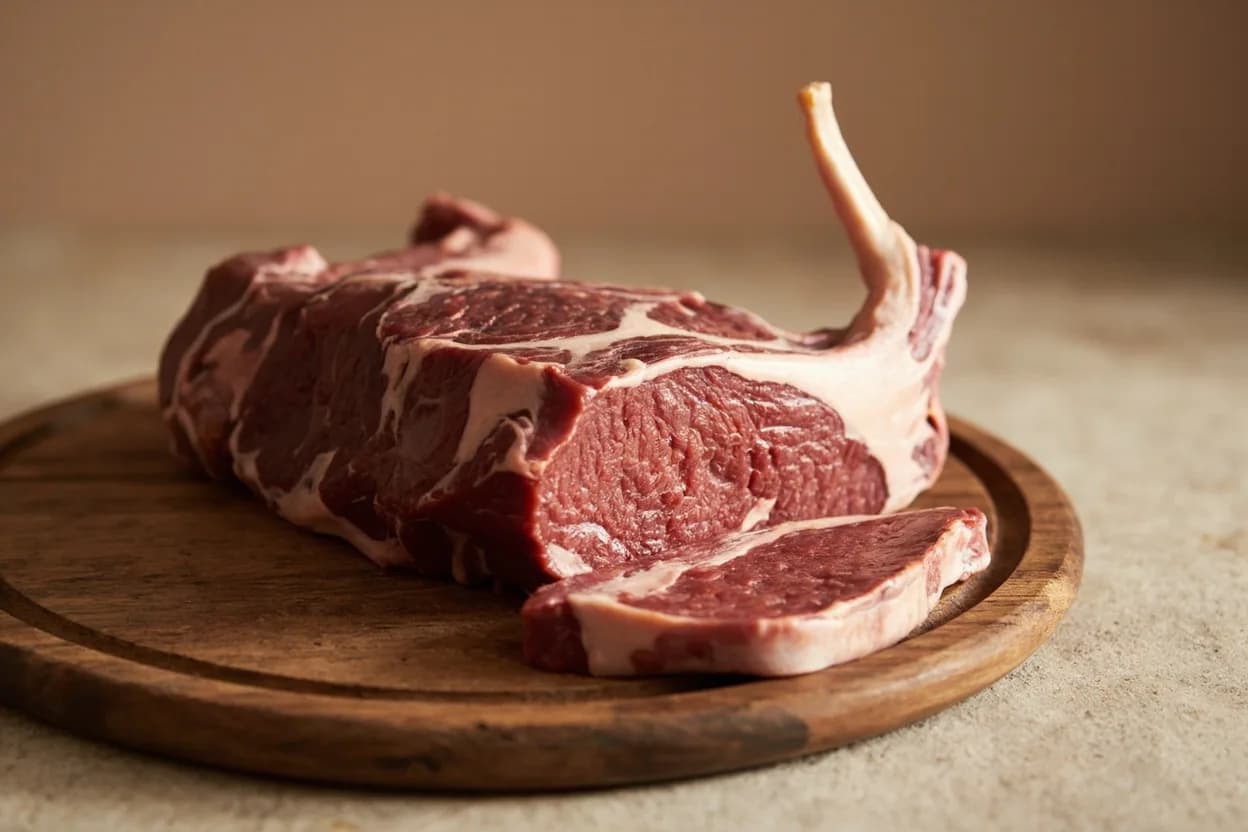
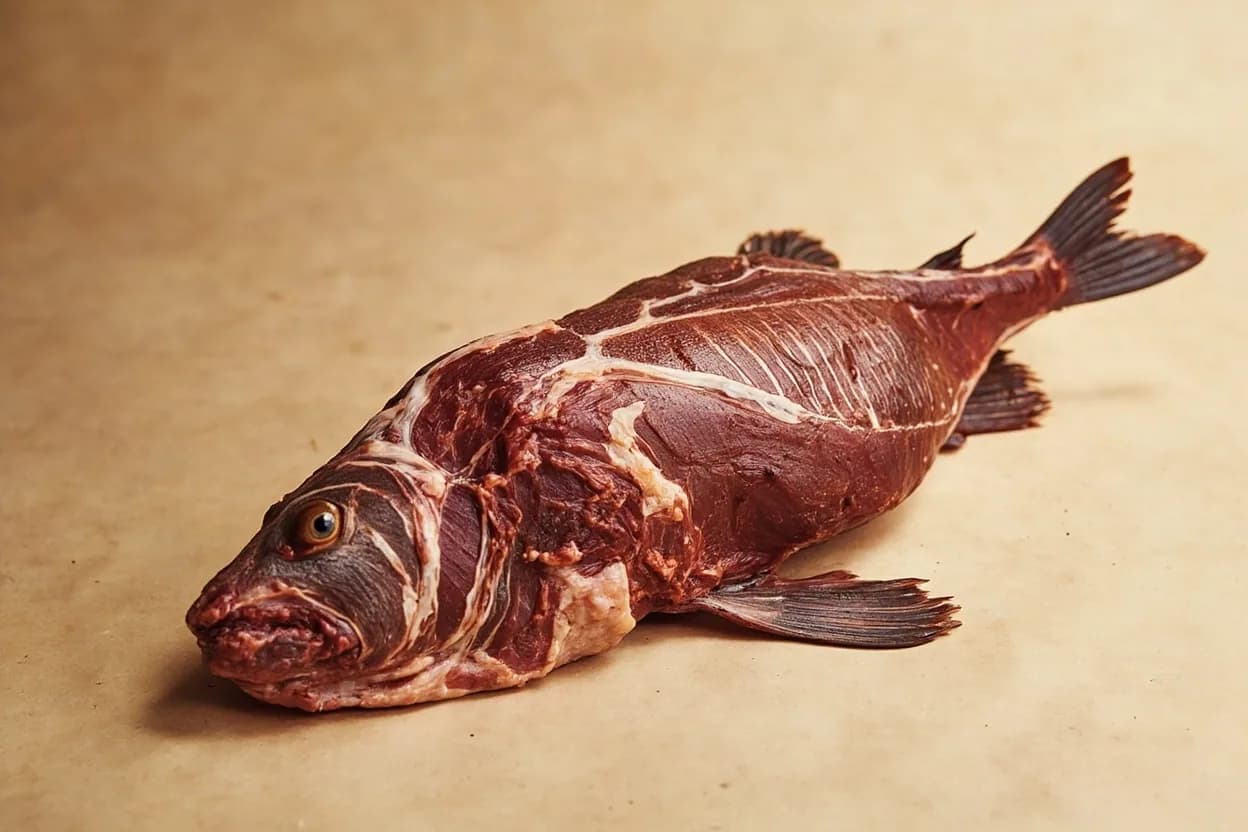
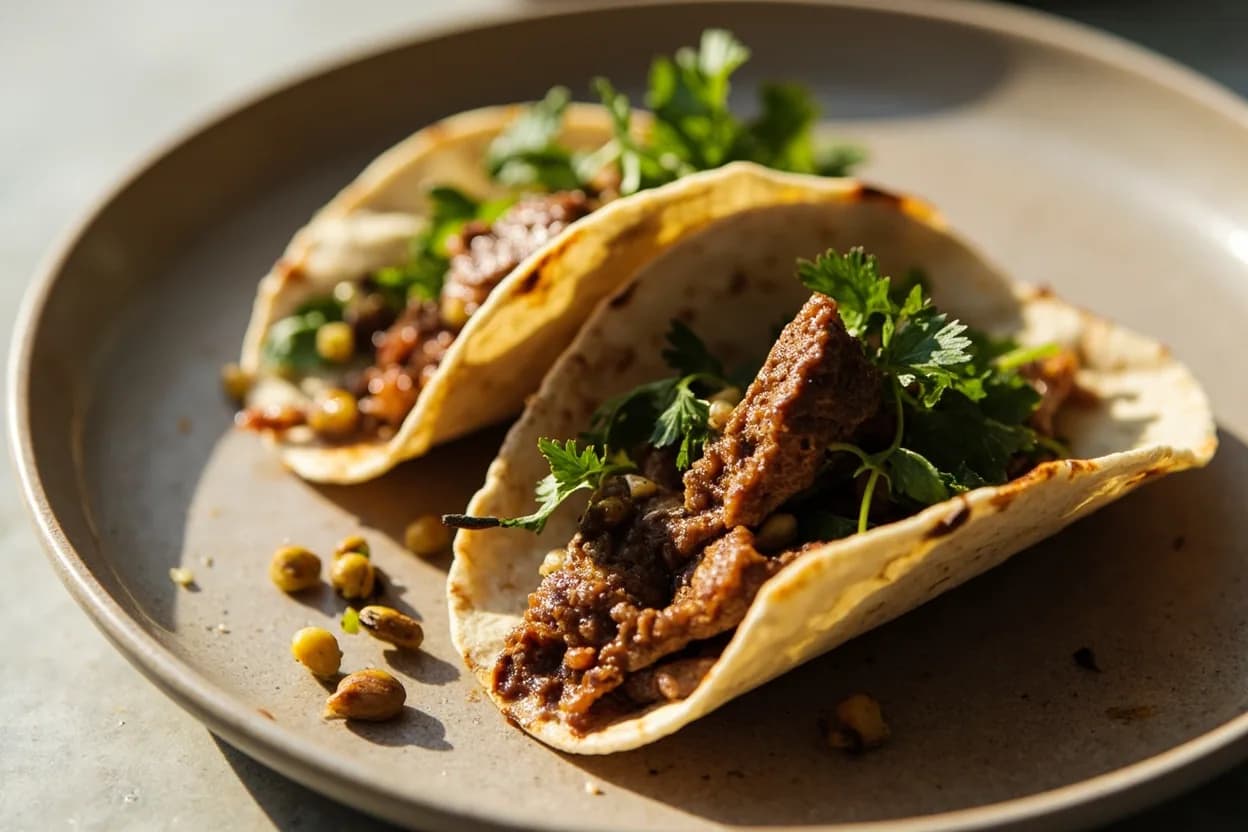
Where it comes from
The entire beef skull and its attached soft tissue: the large masseter muscles (cachete), the tongue (a free muscle extending from the floor of the mouth), the eyes (soft tissue in the orbital socket), the ears (cartilage-rich pinnae), and the brain (cerebrum and cerebellum inside the cranial vault).
Best for
How to cook it
- 1Cachete (cheek): trim exterior fat, braise in lightly salted water with onion, garlic, bay, and chile for 3–4 hours at a low simmer until the collagen fully melts and the meat shreds; chop or pull and crisp briefly on a griddle.
- 2Lengua (tongue): see dedicated entry — simmer 2.5–3 hours, peel the skin while hot, trim root gristle, slice or dice and sear briefly on a griddle.
- 3Oreja (ear): clean thoroughly, simmer 1.5–2 hours until the cartilage is tender; slice thin and sear on a screaming-hot griddle to create crispy edges while the center stays gelatinous.
- 4Ojo (eye): remove from the socket, discard the vitreous humor if desired, braise 1–1.5 hours with aromatics; chop and fold into the general cabeza mix at the taquería.
- 5Sesos (brain): rinse under cold water and soak 30 minutes to remove blood; simmer gently 15–20 minutes or steam; do not overcook or they disintegrate; sauté with butter, onion, and serrano for tacos de sesos.
- 6Whole-head barbacoa: wrap the head (halved or whole) in maguey or banana leaves with salt, chile, and aromatics; cook in a sealed pit or covered roasting vessel at low heat (150°C / 300°F) for 6–8 hours.
Prep & butchery
- Ask the butcher to split the head in half lengthwise for easier cleaning and braising vessel fit.
- Singe off any remaining hair with a blowtorch or over an open flame, then scrub the exterior skin with a stiff brush.
- Remove the brain last, as it is the most delicate; refrigerate and cook within 24 hours of purchase.
- For pit barbacoa, leave the head largely intact; for individual components, separate each into labeled bags immediately after purchase.
- Soak the brain in cold salted water 30–60 minutes to draw out blood before cooking.
Substitutes
- Pork head (cabeza de cerdo)
Same structural breakdown; shorter cooking times; used in pozole de cabeza and tamales
- Beef cheeks only (cachete solo)
For recipes calling only for the cheek component; easier to source at mainstream butchers
- Oxtail
Collagen-rich alternative when seeking the shredded texture of braised cabeza; different flavor profile
Related cuts
The tongue is the most widely served component of cabeza; has its own detailed prep protocol
Appears alongside cabeza tacos at traditional taquizas
Common companion cut on a full taco spread with cabeza
Appears in
References
- 1.Mexico: The Cookbook — Margarita Carrillo Arronte (Phaidon, 2014)
- 2.Tacos: Recipes and Provocations — Alex Stupak & Jordana Rothman (Clarkson Potter, 2015)
- 3.Nopalito: A Mexican Kitchen — Gonzalo Guzmán & Stacy Adimando (Ten Speed Press, 2017)
- 4.The Whole Beast: Nose to Tail Eating — Fergus Henderson (Ecco, 2004)
Confidence: high
Notes
The Taquería Hierarchy
At a dedicated taquería de cabeza, the taquero typically braises or steams a whole head and chops all components together into a common hash — then customers order by specifying which parts they want. Cachete (cheek) is universally considered the premium cut because of its unctuous, collagen-rich shred. Lengua, though technically from the floor of the mouth rather than the head proper, is always on the cabeza menu. Sesos has become rarer as concerns about BSE (mad cow disease) led to regulatory restrictions in some markets in the early 2000s.
Barbacoa de Cabeza — The Sunday Tradition
In northern Mexico and among Mexican-American communities in Texas and California, tacos de cabeza cooked barbacoa-style (pit-roasted or slow-steamed overnight) are deeply associated with Sunday morning gatherings. The head is traditionally cooked wrapped in maguey leaves in an underground pit (horno) starting late Saturday night, with the resulting meat served with fresh corn tortillas, guacamole, and roasted chiles starting at dawn. The long, moist heat produces an incomparable richness and depth across all components.