Spices & Dried Aromatics
Amchur (Dried Mango Powder)
Also: Amchoor, Aamchur, Khatai, Dried green mango powder
A tart, fruity souring agent made from unripe mango that adds bright citrus-like acidity to chaat, chutneys, and dry vegetable dishes where a squeeze of lemon would be too wet.
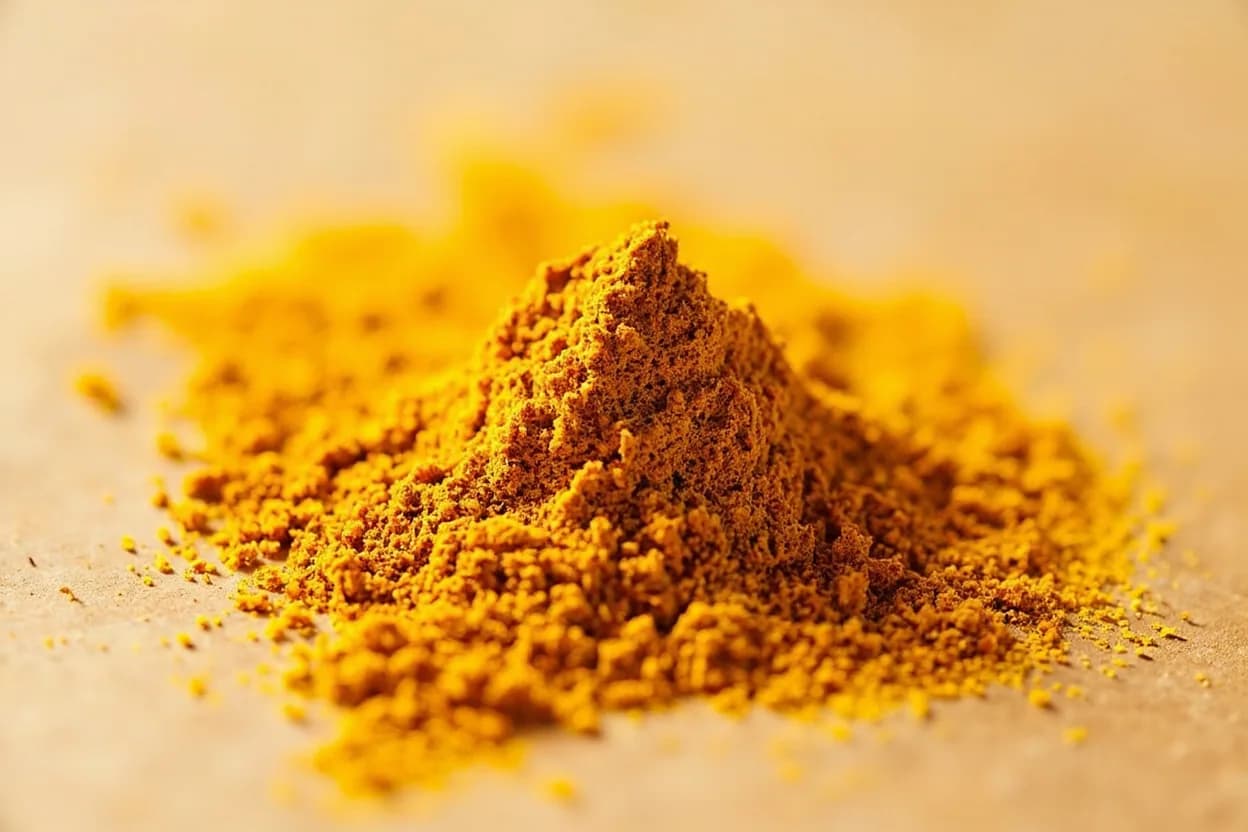
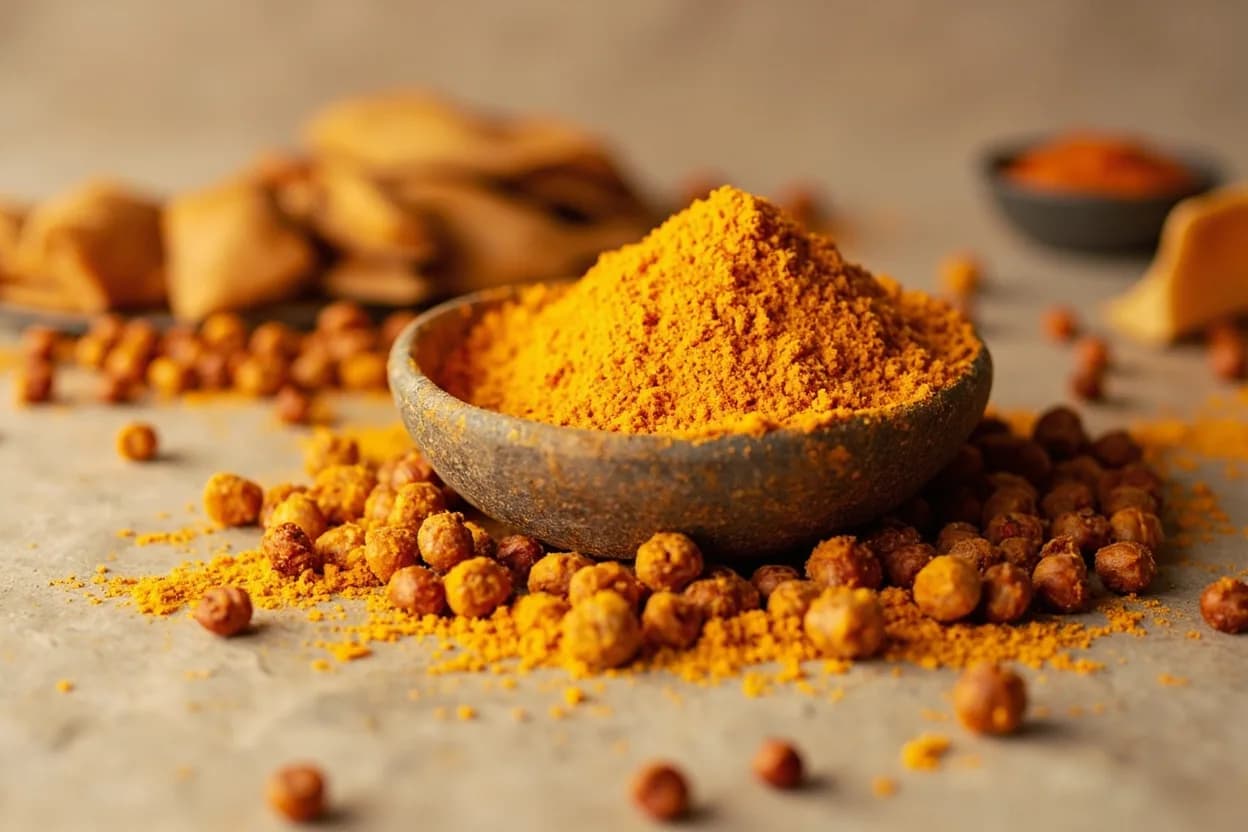
Amchur (from Hindi aam = mango, chur = powder) is made by peeling, slicing, and sun-drying raw green mangoes, then grinding the dried slices to a fine beige-tan powder. The sourness comes from citric acid and malic acid — the same acids found in lemon juice and green apples — alongside trace pectin and the volatile esters that give mango its characteristic tropical fruitiness. The net effect is a bright, clean tartness with a faintly fruity, mango-tropical undertone and a subtle astringency. Unlike tamarind (deep-sour and complex) or kokum (jammy and resinous), amchur delivers a lighter, drier, citrus-forward acidity and is used as a finishing souring agent in preparations where liquid would disrupt the texture.
In photos
Flavour profile
Classic pairings
- Chaat (papdi chaat, bhel puri, aloo chaat)Indian (street food)
Amchur is one of chaat masala's primary souring agents; the tartness cuts through fried potato, puffed rice, and creamy chutneys to create the electrifying sour-sweet-spicy balance that defines the genre.
- Samosas and fried snacksNorth Indian
The filling of classic aloo samosa is often seasoned with amchur to provide sourness that balances potato's starchiness; it also brightens the dip chutneys served alongside.
- Chickpeas (chhole, chole masala)Punjabi
Amchur is frequently used in the finishing stage of chhole masala to provide tartness without extra liquid; it lifts the rich, spiced tomato-onion gravy and offsets the chickpeas' natural earthiness.
- Stuffed vegetables (bharwa karela, stuffed peppers)North Indian
The traditional spice stuffing for bitter melon and bell peppers almost always includes amchur to balance sweetness and bitterness; the powder distributes evenly inside the vegetable.
- Dry-fried okra (bhindi masala)Indian
Amchur stirred into dry-fried okra provides the tartness that makes the dish sing and helps counteract okra's natural mucilaginous quality (acidity reduces sliminess).
- Coriander-mint chutneyIndian
Amchur powder (or fresh green mango) is the traditional souring agent in restaurant-style green chutney; lemon juice is often used as a substitute but amchur gives a rounder, fruitier acidity.
- Kebab and tikka marinadesIndian
Amchur in a dry spice rub for tandoori or tawa-griddled meats acts as a tenderiser (the malic acid breaks down protein) while adding fruity-sour flavour that survives high heat.
Adventurous pairings
A pinch of amchur in guacamole in place of (or alongside) lime juice adds a fruitier, more tropical dimension to the tartness — and stays drier, preventing the guacamole from weeping.
- Popcorn (spiced)
Amchur, chilli, and black salt tossed over hot popcorn creates a chaat-inspired snack with the perfect salty-sour-spicy balance — a well-known Indian cinema snack.
- Salad dressing (grain or pulse salads)
Dissolved in olive oil with cumin and black pepper, amchur makes a sharp, fruity vinaigrette-without-vinegar for chickpea, lentil, or roasted vegetable salads where conventional vinegar would compete.
- Grilled stone fruit (peaches, plums)
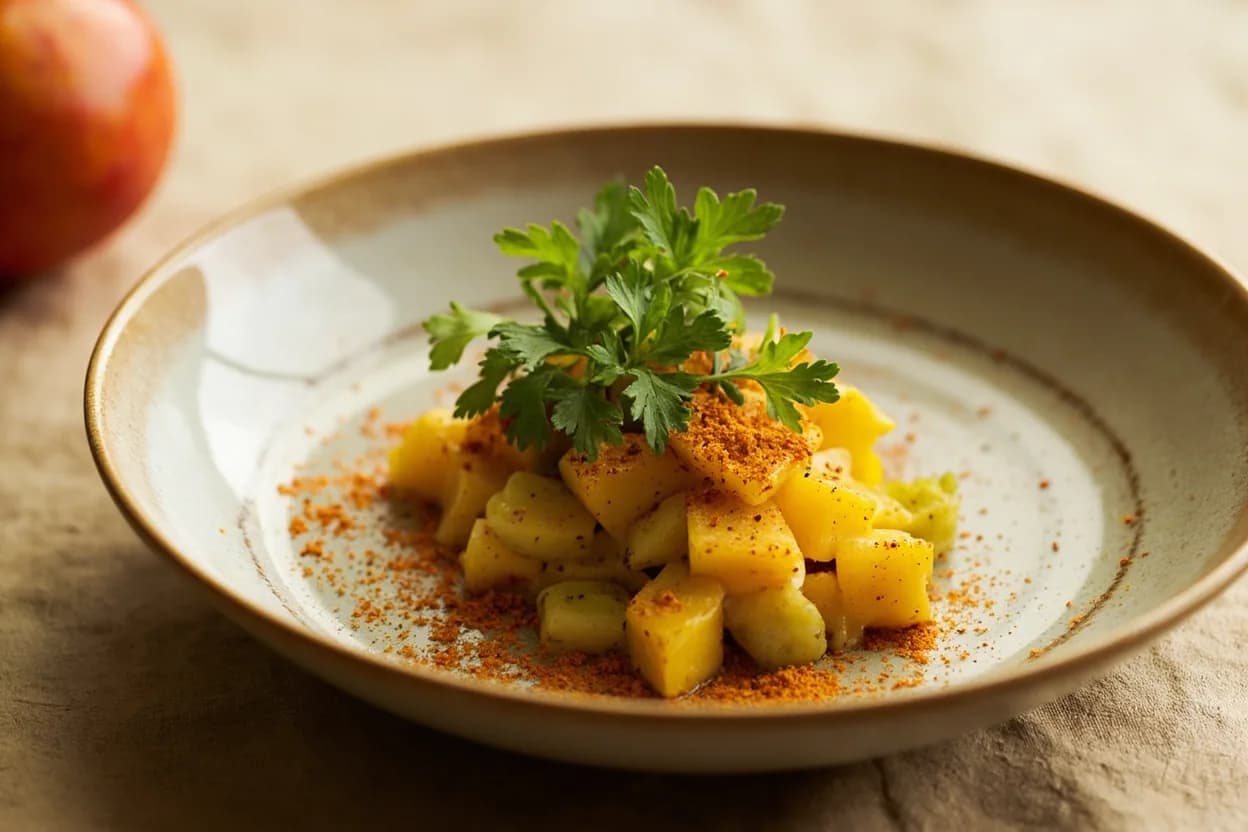
Dusting grilled peach or plum halves with amchur and a pinch of chilli mirrors the mango-chile street-food tradition while intensifying the fruit's own sourness harmonically.
- Cocktails (rim or shrub syrup)
Amchur dissolved in simple syrup creates an intensely fruity-sour shrub-like mixer for margaritas, mojitos, or rum cocktails; as a rim powder it mirrors a Tajín-style chilli-lime salt.
- Lemonade and agua fresca
A teaspoon of amchur stirred into fresh lemonade layers in a tropical mango-citrus complexity and adds a rounder, more layered sourness than lemon juice alone.
Tread carefully
- Long-cooked sauces (as the only acid)avoid
Amchur's delicate citric esters cook off over extended heat, leaving only flat acidity without the fruity character; add at the very end or use tamarind for long simmers.
- Dairy-based sauces in quantityavoid
Added generously to warm dairy, amchur's acidity can curdle proteins; use very small amounts and add off-heat, or use tamarind or kokum for cream-based preparations.
- Very delicate, sweet preparations (panna cotta, white cake)avoid
The astringency and mango-tropical fruitiness read as off-notes in neutral, cream-sweet dessert contexts; this is primarily a savoury souring agent.
How to use it
- Add in the final minute of dry-frying vegetables to preserve the fresh fruity-tart character
- Dissolve in a small amount of warm water or oil before incorporating to ensure even distribution in curries and marinades
- Combine with black salt (kala namak) and roasted cumin for a quick chaat masala finishing blend
- Use as a dry tenderiser in kebab marinades — rub directly on meat 30–60 minutes before cooking
- Toast very lightly in a dry pan to deepen the caramel-fruity notes before adding to spice blends
Appears in
Related flavours
The other great South Asian souring agent — deeper, darker, and more complex; amchur is brighter and drier. The two are sometimes used together for layered acidity
Amchur is one of chaat masala's defining ingredients alongside black salt and roasted cumin; understanding amchur is understanding chaat
- Black Salt (Kala Namak)
Amchur and kala namak are near-inseparable in chaat contexts; the sulphurous salt amplifies the sour fruitiness and together they create the unmistakable chaat signature
A regional South Asian souring agent from coastal Maharashtra and Goa — darker, fruitier, more jammy than amchur; the two are not interchangeable but fill the same structural role
References
- 1.660 Curries — Raghavan Iyer
- 2.The Oxford Companion to Food — Alan Davidson
- 3.Indian Food: A Historical Companion — K.T. Achaya
- 4.The Flavor Bible — Karen Page & Andrew Dornenburg
Confidence: high
Notes
Amchur vs fresh green mango
Recipes that call for raw green mango (shredded or julienned) use the fruit for texture as well as flavour. Amchur distils only the sour-fruity character in dry powder form. They are not interchangeable — amchur belongs in dry rubs and powder-based spice mixes, while raw mango belongs in salads, pickles, and chutneys where bulk and texture matter.
The tenderising function
The malic and citric acids in amchur are effective at partially denaturing meat proteins over 30–60 minutes of contact, functioning as a tenderiser in kebab marinades. This is the same mechanism behind buttermilk and lemon-juice marinades but in a dry form — useful for preparations where additional liquid in the marinade would be undesirable.