Spices & Dried Aromatics
Asafoetida (Hing)
Also: Hing, Heeng, Asant, Devil's dung, Ferula assa-foetida
The pungent sulphurous resin used in micro-doses across South Asian vegetarian cooking to deliver an onion-garlic depth that no single allium quite replicates.
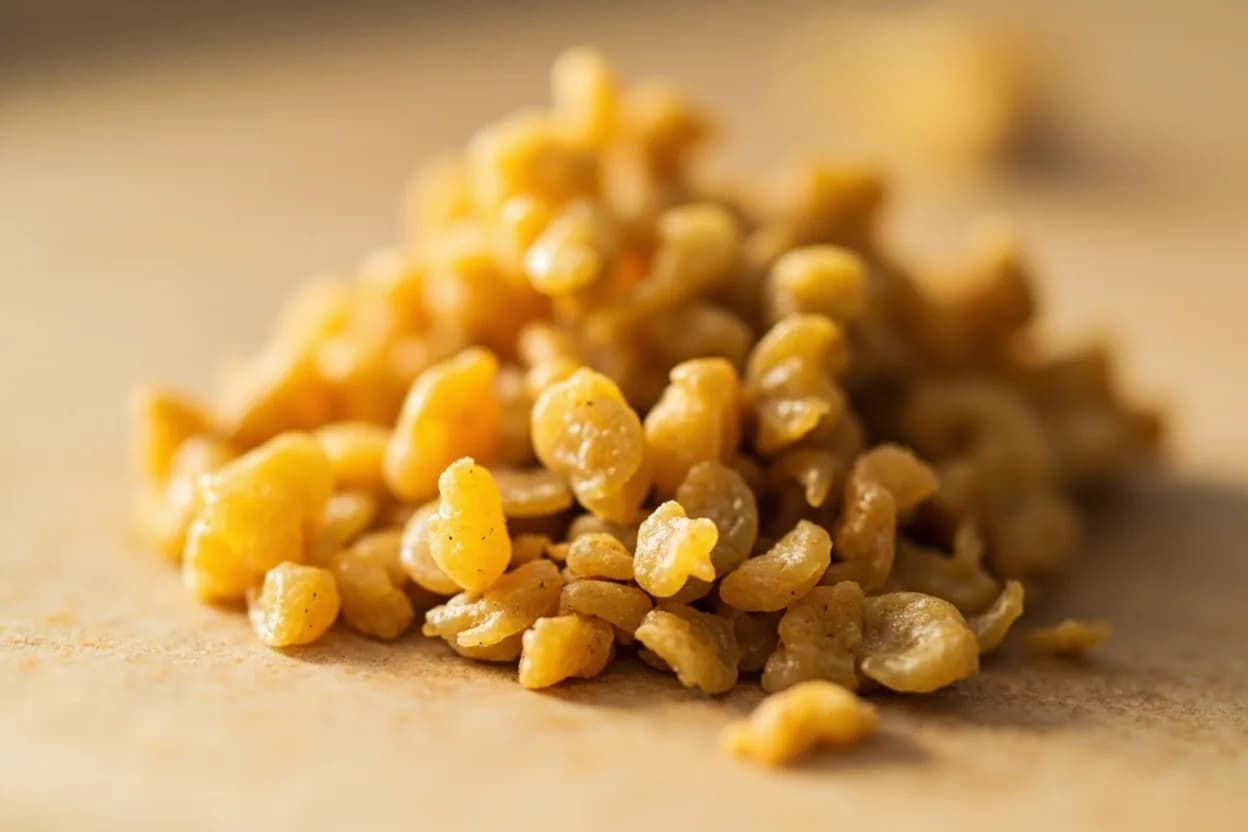
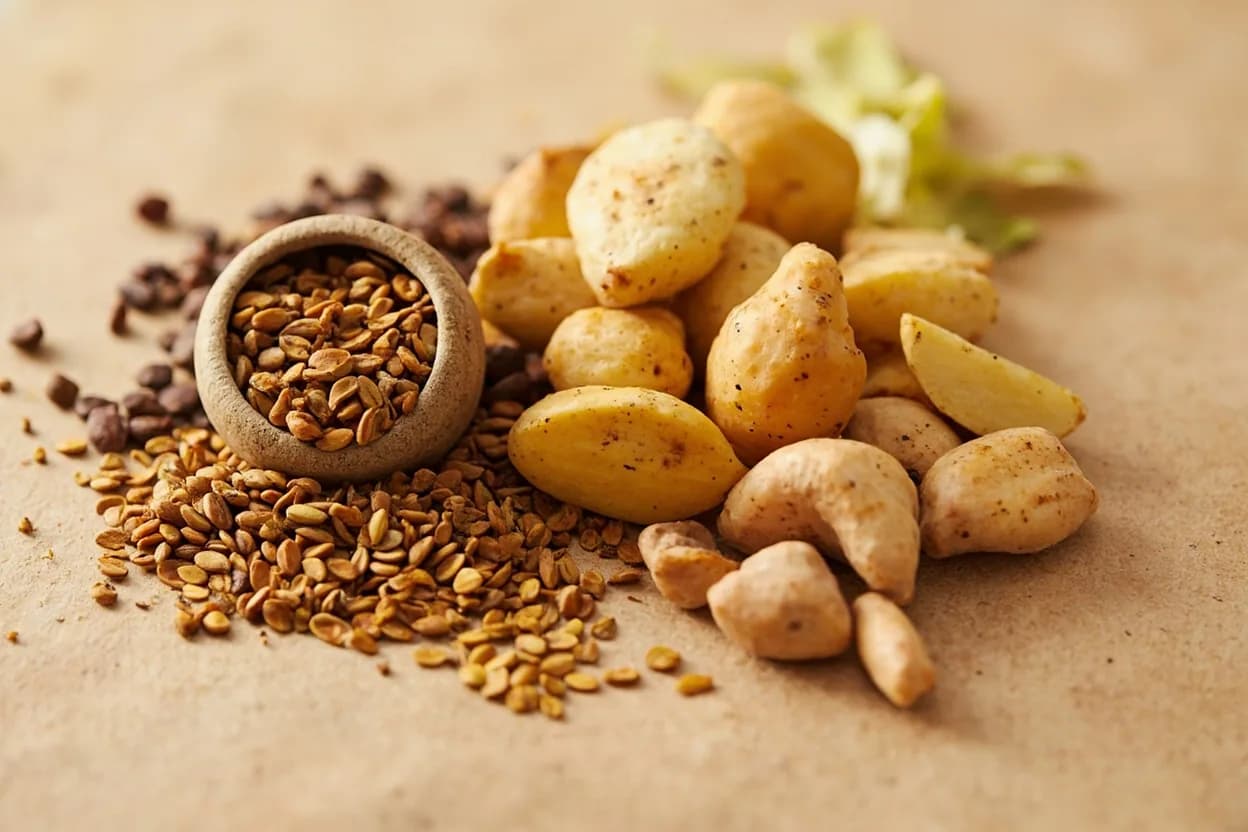
Asafoetida is the dried, sun-hardened latex gum of Ferula assa-foetida, a giant fennel native to Iran and Afghanistan. In its raw state the smell is aggressively sulphurous — the name comes from the Latin foetidus, meaning 'stinking'. But the moment it hits hot oil or ghee, a rapid chemical transformation occurs: the harsh polysulphide compounds convert into softer, more volatile thiosulphinates with a distinctly onion-garlic-leek aroma. It is used almost exclusively in tiny quantities (a pinch, or 1/8 tsp) and is particularly prized by Jain and Brahmin communities who abstain from alliums; it provides equivalent depth without onion or garlic. Sold either as a solid lump (raw resin, more pungent) or as a pale yellow powder (resin diluted with wheat flour and gum arabic, milder and easier to measure).
In photos
Flavour profile
Classic pairings
- Lentils and dalSouth Asian
Asafoetida is almost always part of the tadka (tempering) poured over dal; its onion-like depth enriches legumes that might otherwise taste flat, and traditional lore holds it aids digestion of legumes.
- Cumin seeds (in tadka)South Asian
The classic South Asian tempering begins with cumin seeds crackling in hot ghee followed immediately by a pinch of hing — cumin's earthy smoke and asafoetida's savoury onion note together create the aromatic backbone of countless dal and vegetable dishes.
- Potatoes and root vegetablesNorth Indian
In dry sabzi preparations (aloo jeera, jeera aloo), hing in the tempering provides the savouriness that potatoes lack on their own, functioning as a salt-substitute-level flavour anchor.
- Mustard greens and bitter greensNorth Indian (Punjabi)
Hing used in the tempering for saag (mustard greens), palak, and other bitter greens softens their harsh edge and adds a meaty depth that makes the dish satisfying as a main.
- Chickpea flour (besan)Indian
Asafoetida is essential in besan-based preparations — pakora batter, kadhi, and chilla — where it provides onion depth without any allium pieces that would disrupt the batter texture.
- TamarindSouth Indian
In South Indian rasam and sambar, hing and tamarind are a fundamental flavour axis: the acid-sour of tamarind is balanced and deepened by asafoetida's savoury-umami quality.
- Dried red chillies (in tadka)South Indian
South Indian tempering typically pairs hing with dried red chillies cracked in hot oil — the sulphurous-savoury hing and the fat-fried chilli create a distinctive base aroma for rice dishes and chutneys.
Adventurous pairings
- Pasta aglio e olio (variant)
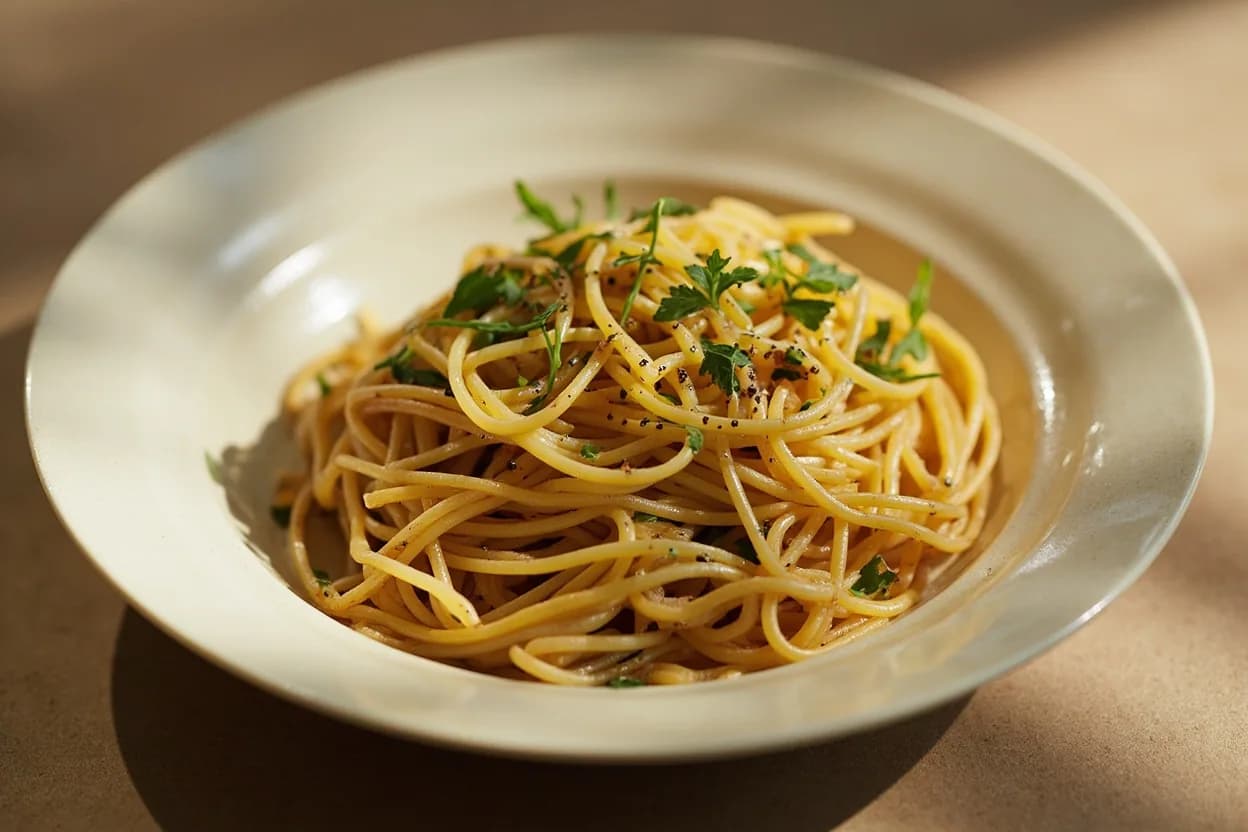
A tiny pinch of hing dissolved in the olive oil replaces or amplifies the garlic in this Roman classic, delivering a rounder, less harsh allium note — particularly interesting for the allium-intolerant.
- Soft-scrambled eggs
A micro-pinch of asafoetida bloomed in butter before adding eggs creates a depth reminiscent of eggs cooked beside caramelised onions — rich umami without any textural addition.
- Pickles and ferments (non-South-Asian)
A whisker of hing in vegetable ferments — sauerkraut, kimchi-style preparations — adds a savoury-garlic undertone to the fermented base that bridges Eastern European and South Asian flavour traditions.
- Umami bombs (miso, Worcestershire)
Asafoetida is itself an umami enhancer; combining it with miso-based sauces or a Worcestershire-style condiment amplifies the savoury glutamate depth well beyond what either contributes alone.
- Dark leafy green salad (warm wilted)
Bloomed hing in the dressing oil for a warm wilted kale or escarole salad delivers the garlic-onion savouriness of a classic Caesar or agliata without the raw allium sharpness.
Tread carefully
- Delicate flavours (fresh fruit, light custards)avoid
Even a trace of raw asafoetida will ruin preparations built around clean, fresh sweetness — there is no culinary context where hing belongs near fresh fruit desserts or light vanilla creams.
- Raw preparationsavoid
Asafoetida should virtually never be used raw; the polysulphide compounds responsible for the offensive raw smell must be heat-transformed in fat before the flavour becomes pleasant and useful.
- Dishes with wheat-flour allergy guests (compounded form)avoid
Most commercial powdered hing is compounded with wheat flour as an anti-caking agent and is not gluten-free; use pure lump resin for coeliac guests.
How to use it
- Always bloom in hot fat (ghee or oil) for 20–30 seconds before adding other ingredients — this is non-negotiable for converting the raw sulphide to pleasant onion-garlic aroma
- Use in near-homeopathic quantities: 1/8 to 1/4 tsp for a dish serving 4; more results in a harsh, bitter back-note
- Add to tadka (tempering) at the same moment as cumin seeds or mustard seeds — it takes roughly the same time to bloom
- Dissolve a small piece of lump resin in warm oil before adding to any sauce or batter for the most even distribution
- Store powdered hing in an airtight jar inside another airtight jar — its penetrating aroma will escape ordinary lids and taint other spices
Appears in
Related flavours
The almost invariable companion in tadka; cumin and hing are functionally a unit in South Asian vegetarian tempering
Often added directly after hing blooms in the fat — turmeric's mild earthiness is the next layer in the tadka sequence
- Mustard Seed
South Indian partner: black mustard seeds are cracked in hot oil alongside hing as the primary flavour base for chutneys and rice dishes
The savoury-sour axis of South Indian cooking; hing deepens tamarind's sourness into something rounder and more meaty
References
- 1.On Food and Cooking — Harold McGee
- 2.The Oxford Companion to Food — Alan Davidson
- 3.Lord Krishna's Cuisine: The Art of Indian Vegetarian Cooking — Yamuna Devi
- 4.Madhur Jaffrey's Indian Cooking — Madhur Jaffrey
Confidence: high
Notes
Why it smells like that
The raw resin contains disulphides and polysulphides including (E)-1-propenyl sec-butyl disulphide — compounds structurally related to the sulphur molecules in garlic and onion. The intense smell in the jar is not the cooked smell; once dissolved in hot fat the molecules transform via thermal breakdown into gentler thiosulphinates that smell distinctly of caramelised onion and roasted garlic. Do not judge it raw.
Lump vs powder
Pure lump asafoetida resin (Iranian import, usually labelled 'heeng' or 'Kabuli hing') is more pungent and more complex than the yellow compounded powder. Use a fraction of the weight — a pea-sized piece of lump equates roughly to 1/4 tsp of powder. The lump form is also gluten-free and preferred for Jain-certified cooking.