Spices & Dried Aromatics
Canela (Mexican Cinnamon)
Also: Ceylon cinnamon, true cinnamon, soft cinnamon, Cinnamomum verum
Mexico's preferred cinnamon — feathery, fragile bark with a delicate sweetness and floral citrus brightness absent from its cassia cousin.
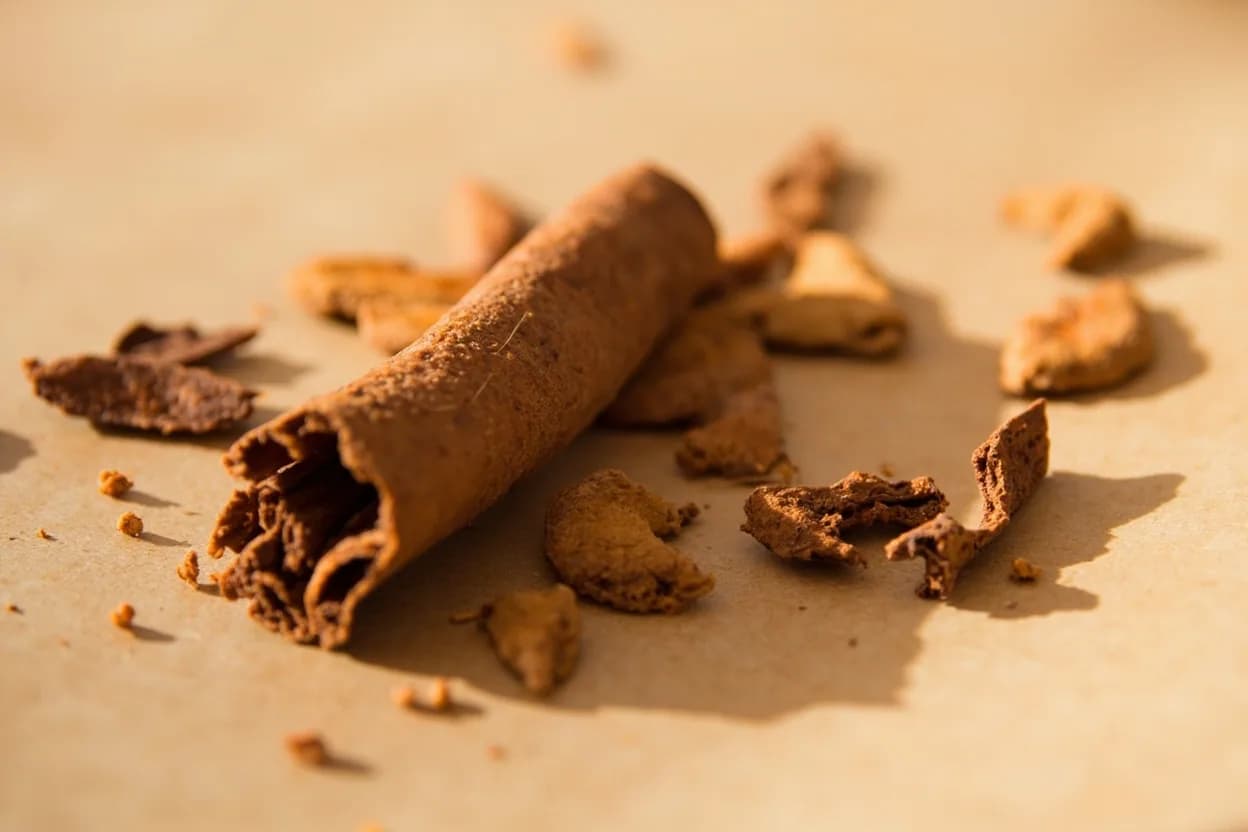
Canela is the Spanish name for Ceylon cinnamon (Cinnamomum verum), the variety universally preferred in Mexican and Central American cooking over the harder, more pungent cassia (C. cassia or C. aromaticum) sold as 'cinnamon' in the United States. Canela arrives as tightly rolled, multi-layered, papery quills that crumble easily in a spice grinder — a critical culinary advantage. Its flavor is softer, less harsh, and more complex than cassia: gently sweet with unmistakable citrus and floral overtones, a subtle clove-like warmth, and almost no bitter astringency. The dominant volatile is cinnamaldehyde, but at lower concentrations than cassia, balanced by eugenol and linalool, which contribute the floral and citrusy lift. Because it grinds to a fine powder effortlessly, canela is indispensable in moles, champurrado, and the spiced chocolate drinks descended from pre-Columbian cacao traditions.
In photos
Flavour profile
Classic pairings
- Mexican chocolateMexican
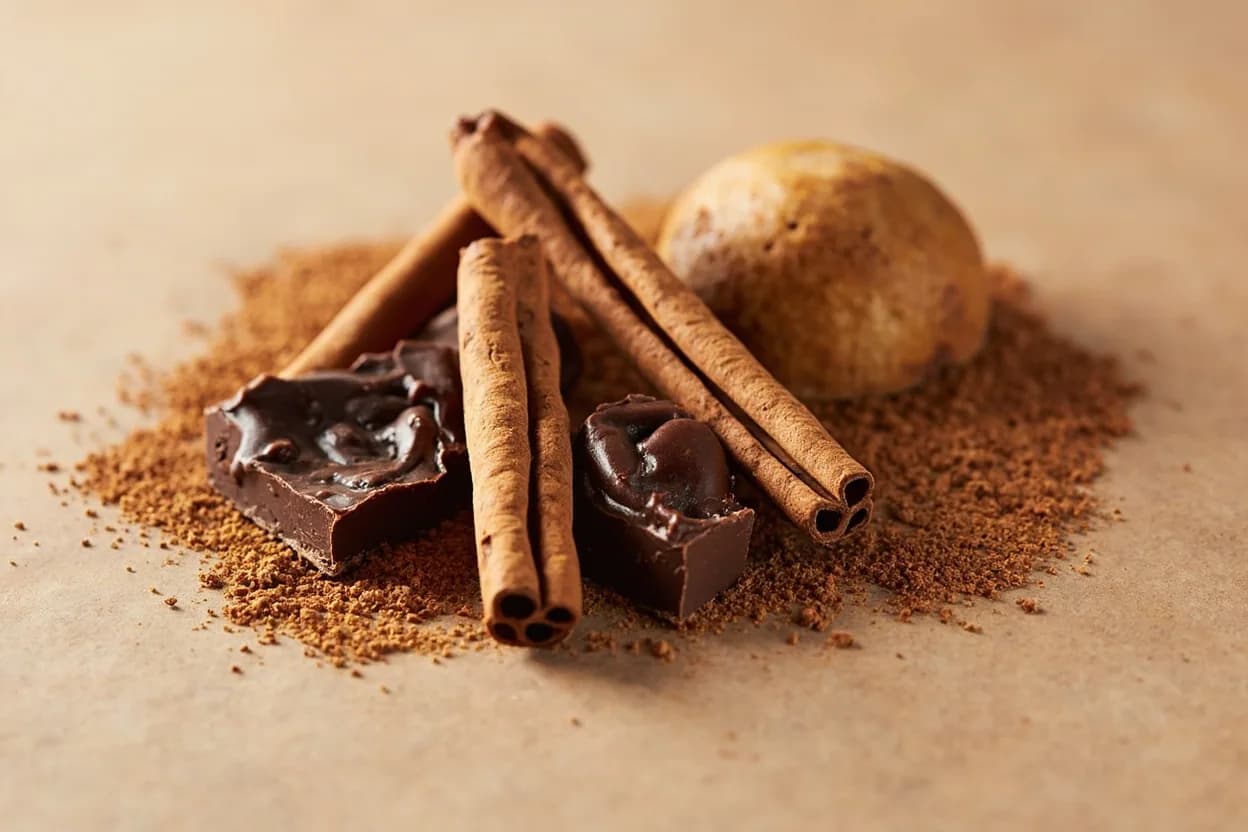
Canela is inseparable from tablet-style Mexican chocolate (Ibarra, Abuelita); its gentle warmth rounds the roasted bitterness of cacao without overpowering the complex stone-fruit notes of the bean.
- Chiles (ancho, mulato, pasilla)Mexican
In mole negro and mole poblano, canela bridges the dried-fruit sweetness of mulato and the leather-and-smoke of ancho into a coherent whole; its citrus lift cuts the fat of the turkey or chicken.
- Rice pudding (arroz con leche)Mexican / Latin American
A cinnamon stick steeped in whole milk releases canela's floral esters gradually, perfuming the rice without the harsh bitterness cassia can leave behind.
- PiloncilloMexican
Unrefined Mexican cane sugar shares molasses and caramel notes with canela; together they define the flavor of champurrado and ponche navideño.
- VanillaMexican / global
Both are aromatic esters rooted in tropical tree products; vanilla's vanillin softens canela's spice and expands its perceived sweetness without sugar.
- Warm milk and masa (champurrado)Mexican
Ground canela is whisked into masa-thickened hot chocolate; the starch captures and slowly releases the spice's volatiles, creating a warming, sustained aromatic effect.
- Lamb or goat (barbacoa de borrego)Mexican
In central Mexican barbacoa, canela is ground with cloves and black pepper into a wet spice paste; it tempers the gaminess of the meat and harmonizes with the steam-cooked maguey leaves.
Adventurous pairings
- Hibiscus (Jamaica flower)
Canela steeped with dried hibiscus in agua de jamaica creates a layered tartness-meets-warmth dynamic; the floral citrus notes of each amplify the other, and together they suggest cherry and rose.
- Black bean soup
A whole canela stick added to simmering black beans adds complexity without sweetness; its earthiness aligns with the beans' mineral depth while the citrus brightness lifts the heavy dish.
- Mezcal
A canela-and-orange-peel infusion in mezcal creates a digestif echoing the smoky-sweet logic of oaxacan hot chocolate; the spirit's agave earthiness rhymes with the spice's woody base.
In some regional Mexican candy and agua fresca traditions, canela balances tamarind's sour-funky edge, adding warmth that rounds the candy's acidic bite.
- Blue corn
Canela in blue-corn atole or tamale masa plays off the grain's earthy, faintly floral character; the combination is pre-Columbian in spirit and deeply satisfying.
Tread carefully
- Overpowering spices at high heat (star anise, cassia in excess)avoid
Canela's delicate volatiles are easily obliterated by stronger spices or prolonged high heat; in a long braise, add it late or in a whole stick to preserve its floral character.
- Heavy cream sauces without balanceavoid
In very rich European-style cream preparations, canela's citrus brightness clashes with the heavy fat, producing a soapy off-note rather than the harmonious warmth it provides in masa-based drinks.
How to use it
- Grind whole quills to fine powder in a spice grinder or blender (canela's soft bark grinds effortlessly, unlike cassia)
- Toast lightly in a dry comal before grinding to deepen earthy notes
- Steep whole sticks in warm milk or water for 10-15 minutes to extract floral esters without bitterness
- Add early to mole paste when toasting dried chiles so flavors integrate
- Use in spiced sugar (azúcar con canela) as a table condiment for churros and buñuelos
Appears in
Related flavours
- Cinnamon (cassia)
Canela's harsher cousin — higher cinnamaldehyde, less nuance; dominant in U.S. and South/Southeast Asian baking
- Clove
Shares eugenol with canela; the two are nearly always paired in Mexican spice blends and mole
Dried poblano whose dried-fruit sweetness canela amplifies in mole and braising pastes
- Cacao / cocoa
The foundational pairing in Mexican culinary history; canela and cacao are the twin pillars of mole and chocolate drinks
References
- 1.Diana Kennedy, 'The Cuisines of Mexico' (1972)
- 2.Maricel Presilla, 'Gran Cocina Latina' (2012)
- 3.Carolcarolyn Kaufman & Marilyn Tausend, 'Mexico: The Cookbook' (2014)
- 4.Harold McGee, 'On Food and Cooking' (2004) — cinnamon flavor chemistry
- 5.USDA Spice Trade Association records on Cinnamomum verum vs. cassia classification
Confidence: high
Notes
Cassia ≠ Canela
Most supermarket 'cinnamon' in the United States is cassia (Cinnamomum cassia or C. aromaticum), not true cinnamon. Cassia has higher coumarin content, a sharper bite, and cannot be easily ground at home. When a Mexican recipe says canela, substituting cassia will work in a pinch but will produce a brasher, less floral result. Look for canela in Latin grocery stores or spice shops — it arrives as loose, crumbly quills that feel almost like scrolled paper.
Pre-Columbian cacao context
The pairing of canela with cacao is not purely colonial. While Ceylon cinnamon arrived with Spanish trade routes, indigenous xocolatl drinks were spiced with native aromatics including chile and vanilla. The rapid adoption of canela suggests it occupied a flavor role already primed by local tradition, and its integration into mole — a culinary form with both indigenous and colonial DNA — reflects this hybrid history.