Vegetables & Fruits
Drumstick (Moringa Pod)
Also: moringa pods, murungakkai, sahjan ki phali, drumstick vegetable
A long, ridged pod with earthy, subtly bitter flesh — the backbone of South Indian sambar.
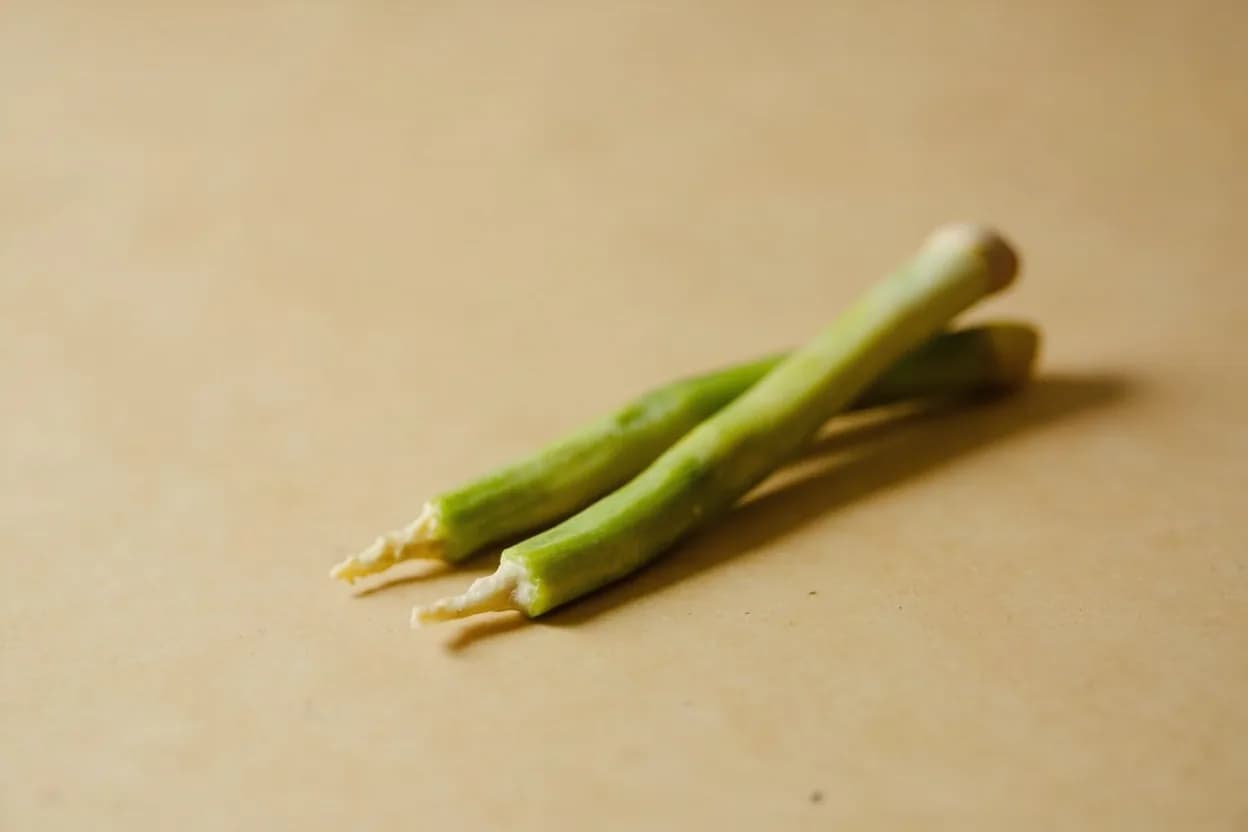
Drumstick pods are the immature seed pods of Moringa oleifera, a fast-growing tropical tree native to the Indian subcontinent. The pods are fibrous and ribbed, typically 30–50 cm long. The flesh and seeds inside carry a distinctive flavor: gently bitter, slightly astringent, with an earthy, green quality reminiscent of green beans crossed with asparagus. The edible interior is scraped from the pod by teeth during eating. Drumsticks are prized in South Indian, Sri Lankan, and West African cooking both for their flavor and their dense nutritional profile (rich in iron, calcium, and vitamins A and C).
In photos
Flavour profile
Classic pairings
- TamarindSouth Indian
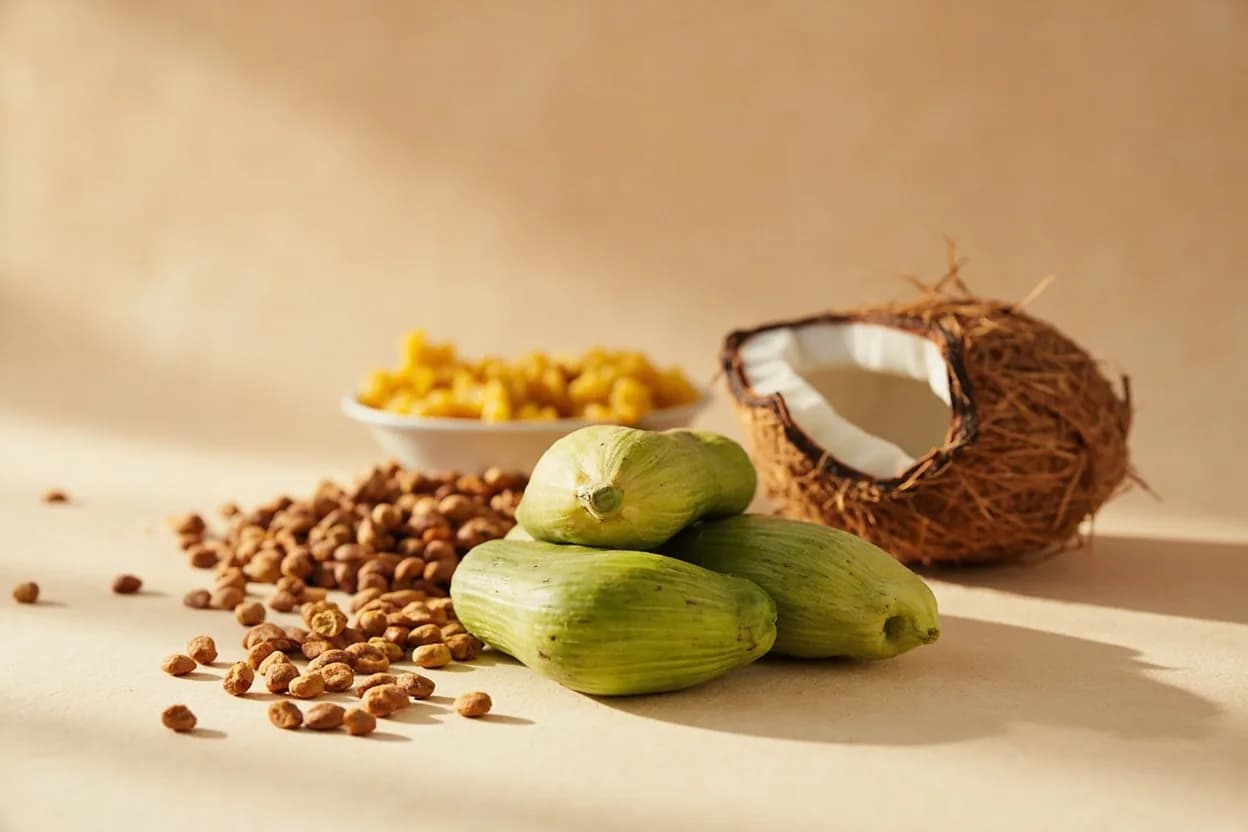
Tamarind's fruity tartness cuts the pod's bitterness and creates the defining sour-savoury balance of sambar.
- Toor dal (split pigeon peas)South Indian
The creamy, mild legume base of sambar absorbs drumstick's earthy notes while softening its astringency.
- CoconutKeralan
Freshly grated coconut or coconut milk rounds the bitterness; used in Kerala-style drumstick curries and chutneys.
- Mustard seedsTamil Nadu
Tempered black mustard seeds bloom a nutty, pungent base note that anchors drumstick's green bitterness in stir-fries and kootu.
- TomatoesSouth Indian
Tomato acidity brightens the pod's earthiness and helps break down its fibrous exterior during slow cooking.
- Shrimp / prawnsCoastal Karnataka / Sri Lankan
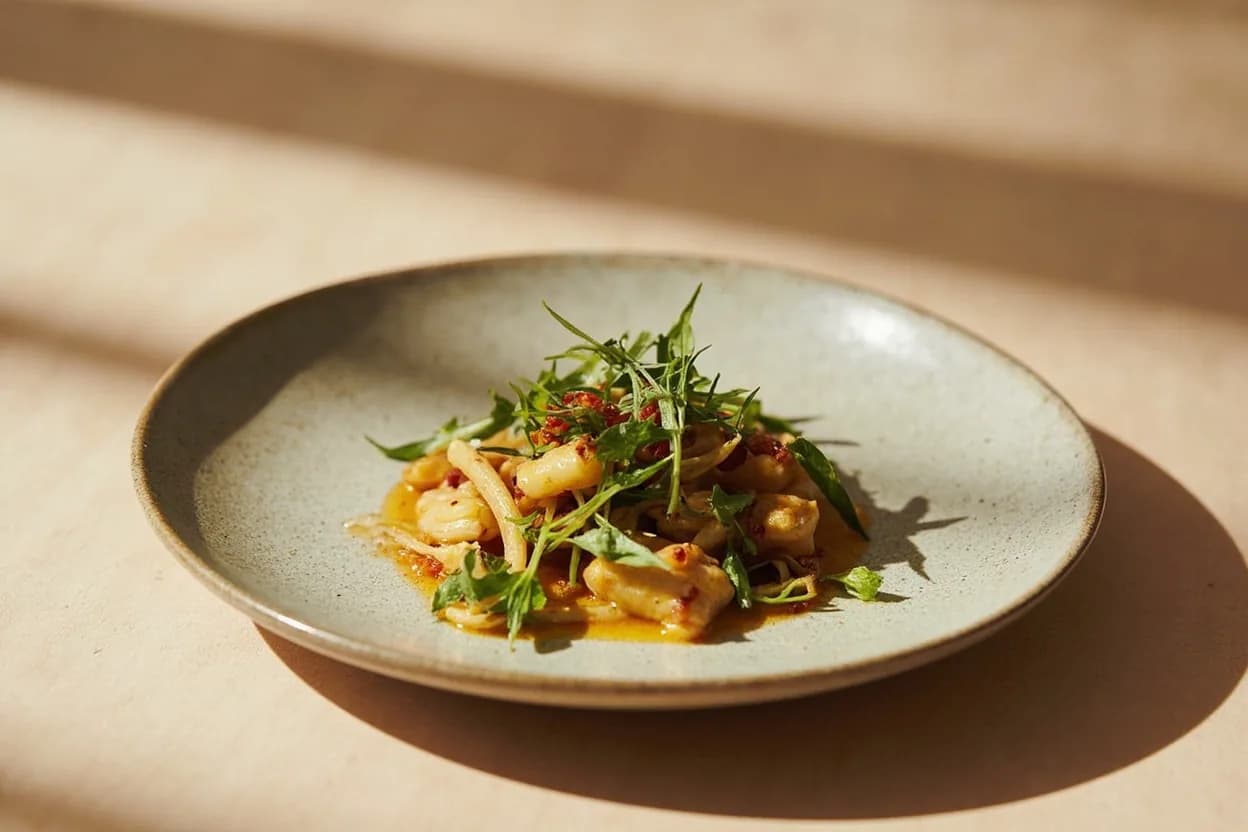
In coastal Karnataka and Sri Lanka, drumstick pods are simmered with prawns — the iodine-sweet seafood deepens the earthy pod flavor dramatically.
- Curry leavesSouth Indian
Fresh curry leaves in hot oil release volatile aromatics (linalool, citronellol) that pair beautifully with moringa's grassy character.
Adventurous pairings
Drumstick pods simmered in white miso broth — the fermented umami and mild sweetness suppress bitterness and create an unexpected Japanese-Keralan crossover soup.
- Peanuts
Dry-roasted peanuts stirred into drumstick sabzi add fat and crunch that counterbalance the astringent finish, common in Maharashtrian home cooking.
Mellow, salty fermented lemon rind boosts the earthy-bitter pod in a North African-inflected stew, replacing tamarind with an aged citrus tang.
- Eggs
Drumstick leaves and pod pulp folded into a Tamil-style egg omelette — the rich yolk fat tempers bitterness into an umami-forward bite.
Tread carefully
- Delicate cream saucesavoid
Drumstick's bitterness and astringency overwhelm light béchamel or cream reductions, producing an acrid, muddy result.
- Strong blue cheeseavoid
Competing bitterness from both ingredients produces an unpleasant, harsh finish with no sweetness or acid to mediate.
- Very sweet glazes (teriyaki, hoisin)avoid
The sweetness amplifies the astringency rather than softening it, leaving a cloying, bitter aftertaste.
How to use it
- Cut pods into 5–7 cm segments; score lengthwise to help flavor release during simmering
- Simmer in sambar or curry broth until fork-tender (15–20 min); longer cooking mellows bitterness
- Dry-roast whole pods over flame for 1–2 minutes before adding to curry for a lightly smoky note
- Pressure-cook with dal for quick weeknight sambar — pods soften fully in 2–3 whistles
- Scrape the cooked inner pulp and seeds directly into soups rather than eating the fibrous hull
- Blanch briefly and add to stir-fries to retain some textural bite
Appears in
Related flavours
- Bitter melon
Both are prized bitter vegetables in South Asian cooking; similar acid-tempering strategies apply.
- Green jackfruit
Another pod-type tropical vegetable that takes on curries; moringa and jackfruit share earthy-savory cooking roles.
- Fenugreek leaves
Both carry herbal bitterness and are balanced by the same fat-acid-spice trinity in Indian cookery.
References
- 1.Madhur Jaffrey's A Taste of India (1985)
- 2.The Food of India — Priya Wickramasinghe & Carol Selva Rajah (2005)
- 3.Moringa oleifera: A Review on Nutritive Importance and its Medicinal Application — Food Science and Human Wellness, 2016
Confidence: high
Notes
Eating drumstick pods
Drumstick pods are rarely eaten whole — the hull is too fibrous. Instead, each segment is held to the mouth and the soft inner flesh, seeds, and mucilaginous pulp are scraped out with the teeth. This eating style is second nature in South Indian households but often surprises first-time diners.