Spices & Dried Aromatics
Kasuri Methi (Dried Fenugreek Leaf)
Also: Kasuri methi, Dried methi, Sukhi methi, Shanbalileh (dried leaf)
The aromatic, maple-scented dried leaf of fenugreek that adds a gentle bitter-floral finish to North Indian curries without the seed's harsh edge.
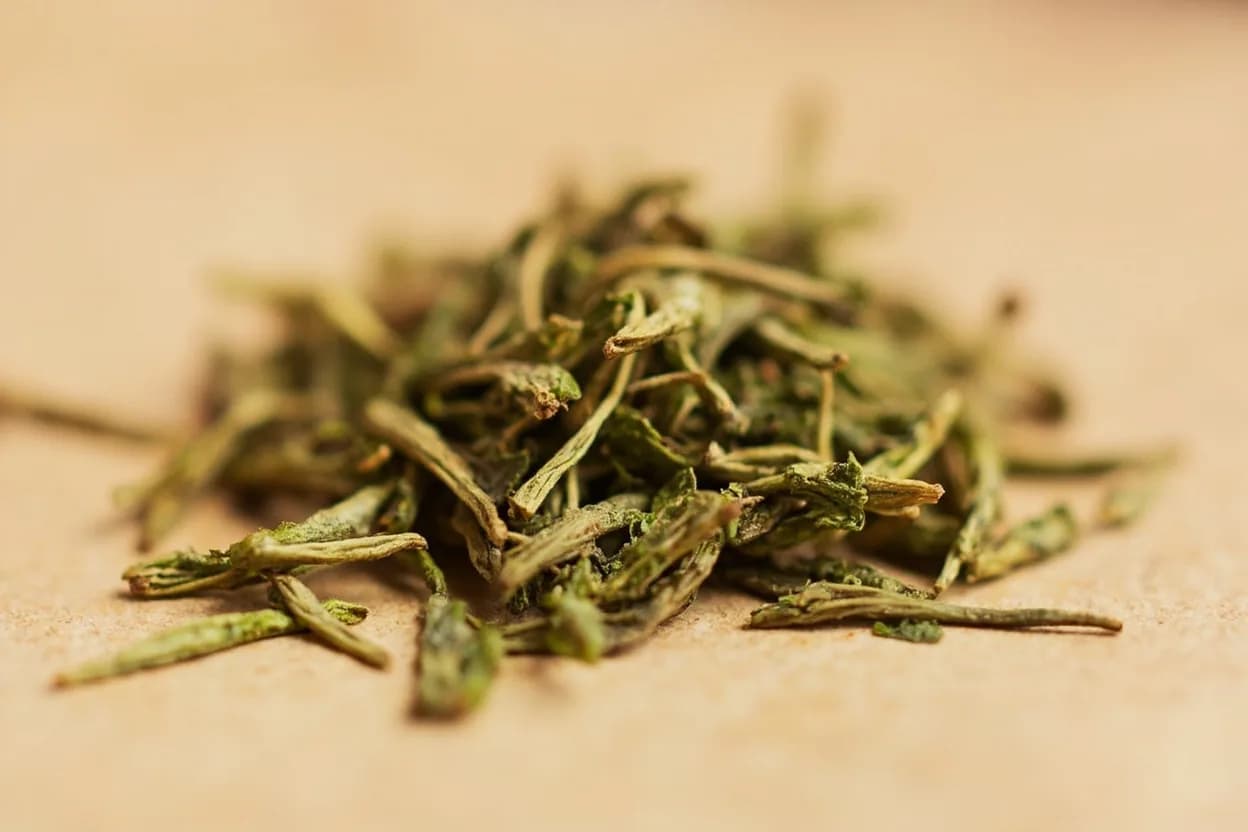
Kasuri methi is the sun-dried leaf of Trigonella foenum-graecum, harvested from the Kasur district of Punjab (now Pakistan) and widely across North India. Unlike the hard, intensely bitter seed, the dried leaf is mellow, aromatic, and easy to deploy — a finishing seasoning rather than a base spice. It carries the same sotolon maple note as the seed but at lower intensity, with additional green-herbal and faintly bitter undertones. It is characteristically crumbled between the palms before being added off-heat to curries, allowing the volatile aromatics to bloom without cooking off.
In photos
Flavour profile
Classic pairings
- Butter chicken (murgh makhani)North Indian (Punjabi)
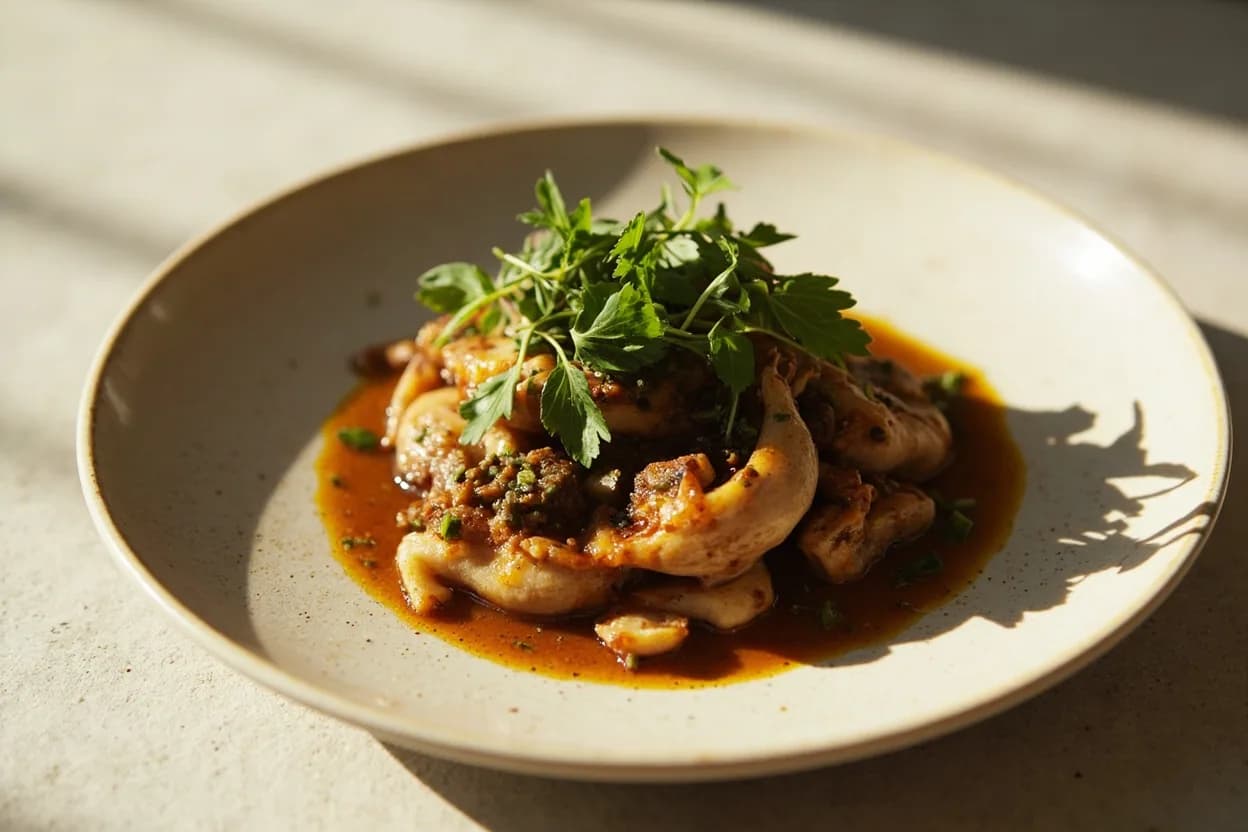
Kasuri methi is the defining finishing herb of butter chicken, crumbled in off-heat to add aromatic depth and a gentle bitter counterpoint to the rich, sweet tomato-cream base.
- Dal makhaniPunjabi
The long-simmered black lentil dal takes kasuri methi as a last-minute brightener; the herb's maple note harmonises with the butter and cream while cutting through heaviness.
- PaneerNorth Indian
Paneer tikka masala and shahi paneer both rely on kasuri methi to lift the creamy tomato or cashew-based sauce; the herb's bitterness prevents the dish from reading as flat-sweet.
- Flatbreads (paratha, naan)Indian
Kasuri methi worked into dough gives methi paratha and methi naan a subtly bitter aromatic warmth that pairs perfectly with yogurt, achar, or simple ghee.
- Cream and butter saucesNorth Indian
Kasuri methi's gentle bitterness performs the same structural role as herbs like tarragon in French cuisine — preventing richness from becoming cloying and adding aromatic lift.
- Potatoes (aloo dishes)Indian
In aloo methi the leaf version gives a gentler, more aromatic result than seeds alone; equally effective stirred into mashed potato or dry bhaji.
- Tandoori marinadesIndian
Crumbled kasuri methi in the yogurt-spice marinade for tandoori chicken or fish adds a herbal aromatic layer that survives high-heat cooking and perfumes the char.
Adventurous pairings
- Maple syrup (savoury glaze)
Both contain sotolon; combining kasuri methi with real maple syrup in a glaze for pork or roasted squash creates an uncanny resonance — the herb's bitterness preventing the glaze from being saccharine.
- Ricotta / fresh cheeses
Kasuri methi crumbled into fresh ricotta, labneh, or cottage cheese creates an easy Indo-inflected spread; the maple-bitter note is a compelling counterpart to mild dairy.
- Corn (creamed corn, polenta)
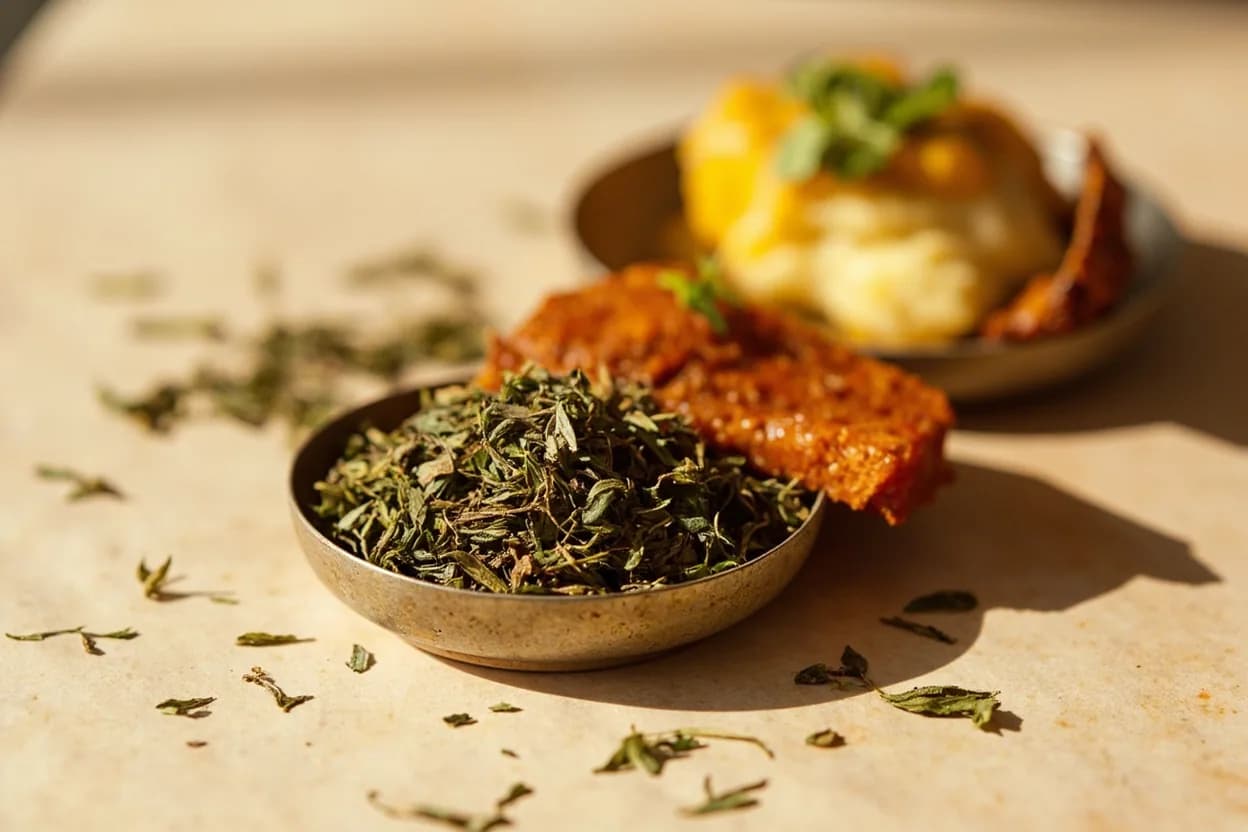
Corn's natural sweetness echoes the maple note in kasuri methi; stirred into creamed corn or soft polenta, the herb adds herbal-bitter complexity to an otherwise very sweet base.
- Eggs (scrambled, omelette)
A pinch of kasuri methi in scrambled eggs or a frittata transforms a simple dish — the bitterness balances egg yolk richness and the maple aroma adds an unexpected aromatic dimension.
- Vinaigrettes
Crumbled kasuri methi steeped in a warm vinaigrette (olive oil, lemon, honey) creates a Middle Eastern–inflected dressing that works particularly well over roasted beets and grain salads.
Tread carefully
- Prolonged high-heat cookingavoid
Kasuri methi is a finishing herb — the volatile aromatics that make it distinctive cook off quickly; adding it early in a long simmer yields bitterness without the pleasant maple note.
- Delicate white fish or steamed vegetablesavoid
Even the gentler dried leaf can overwhelm subtle flavours in minimally cooked preparations; use fresh herbs instead when the produce's own flavour should lead.
How to use it
- Crumble dried leaves between palms just before adding — the friction releases volatile oils
- Add off-heat or in the final 30 seconds of cooking to preserve the aromatic maple character
- Dry-toast briefly in a warm (not hot) pan to revive aroma if the leaves have been stored more than 6 months
- Steep in warm oil or ghee for 2–3 minutes to create an aromatic infusion for basting or finishing
- Blend into yogurt marinades where it rehydrates and disperses its flavour evenly through the marinade
Appears in
Related flavours
- Fenugreek (seed)
The seed form of the same plant — more bitter, more intense, used earlier in the cook; kasuri methi finishes what fenugreek seed starts
Frequently used alongside kasuri methi in North Indian gravies; coriander's citrus-floral note is a gentle partner to the leaf's maple-bitter warmth
Both are typically added at the end of cooking as aromatic finishers in North Indian curries — they are complementary, not competing
Earthy cumin (both seed and ground) grounds the aromatic sweetness of kasuri methi in dal and vegetable dishes
References
- 1.Madhur Jaffrey's Indian Cooking — Madhur Jaffrey
- 2.660 Curries — Raghavan Iyer
- 3.The Oxford Companion to Food — Alan Davidson
- 4.Indian Food: A Historical Companion — K.T. Achaya
Confidence: high
Notes
Kasuri vs generic dried methi
Kasuri methi takes its name from Kasur, a city in Punjab Province, Pakistan, historically renowned for producing the most aromatic, high-sotolon fenugreek leaf. Commercial packages labelled 'kasuri methi' today are typically grown across Rajasthan and Punjab, India. The quality difference is real: leaves from the first harvest (October–November) are most aromatic; older stock or off-season harvests are noticeably duller.
Use as a finishing herb
Think of kasuri methi as North Indian cooking's equivalent of dried tarragon or herbes de Provence in French cuisine — a herb that belongs at the end of the cook, not the beginning. Its role is aromatic elevation, not structural bitterness.