Fermented Grains & Cereals
Malted Barley
Also: malt, barley malt, base malt, pale malt, malted grain
The enzymatic engine behind beer, whisky, and malted-milk chocolate — barley's starch-to-sugar transformation produces a sweet, biscuity, toasty flavour that is one of the most versatile in the fermented-grain world.
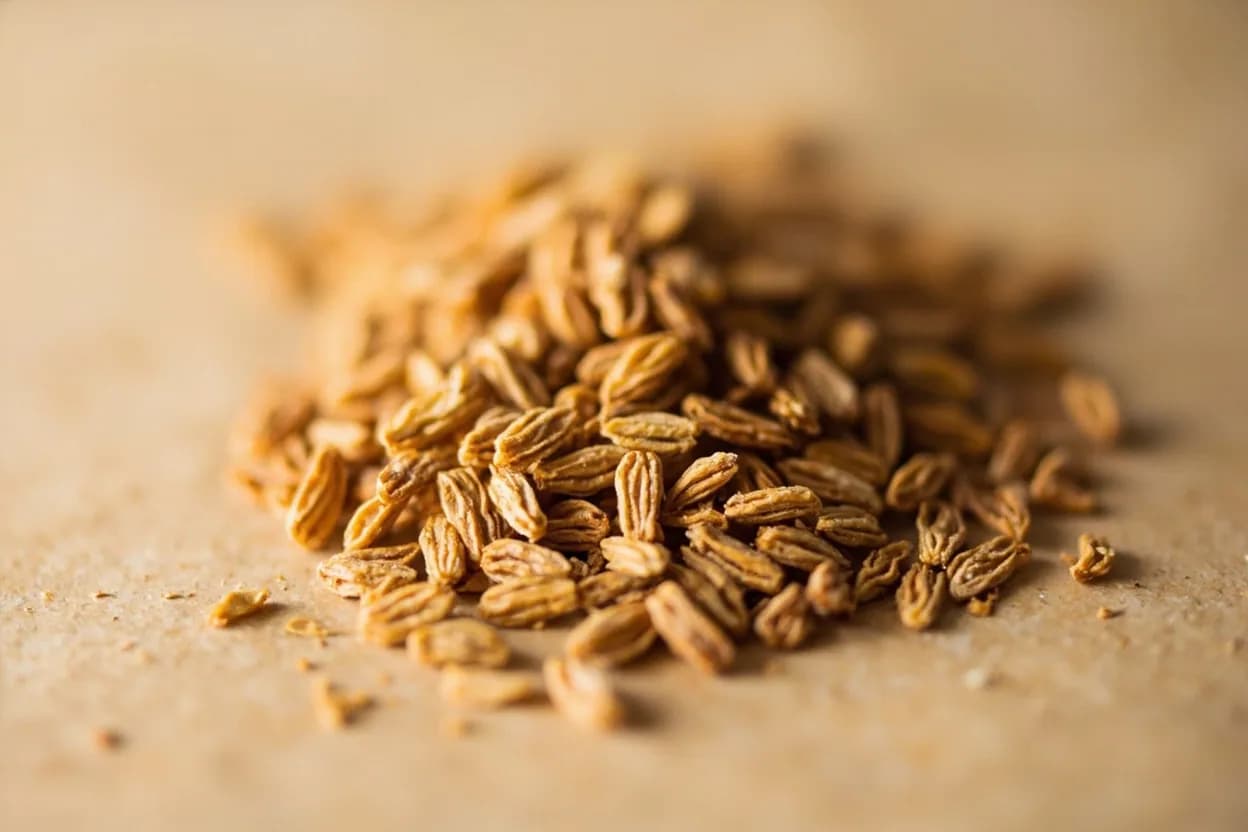
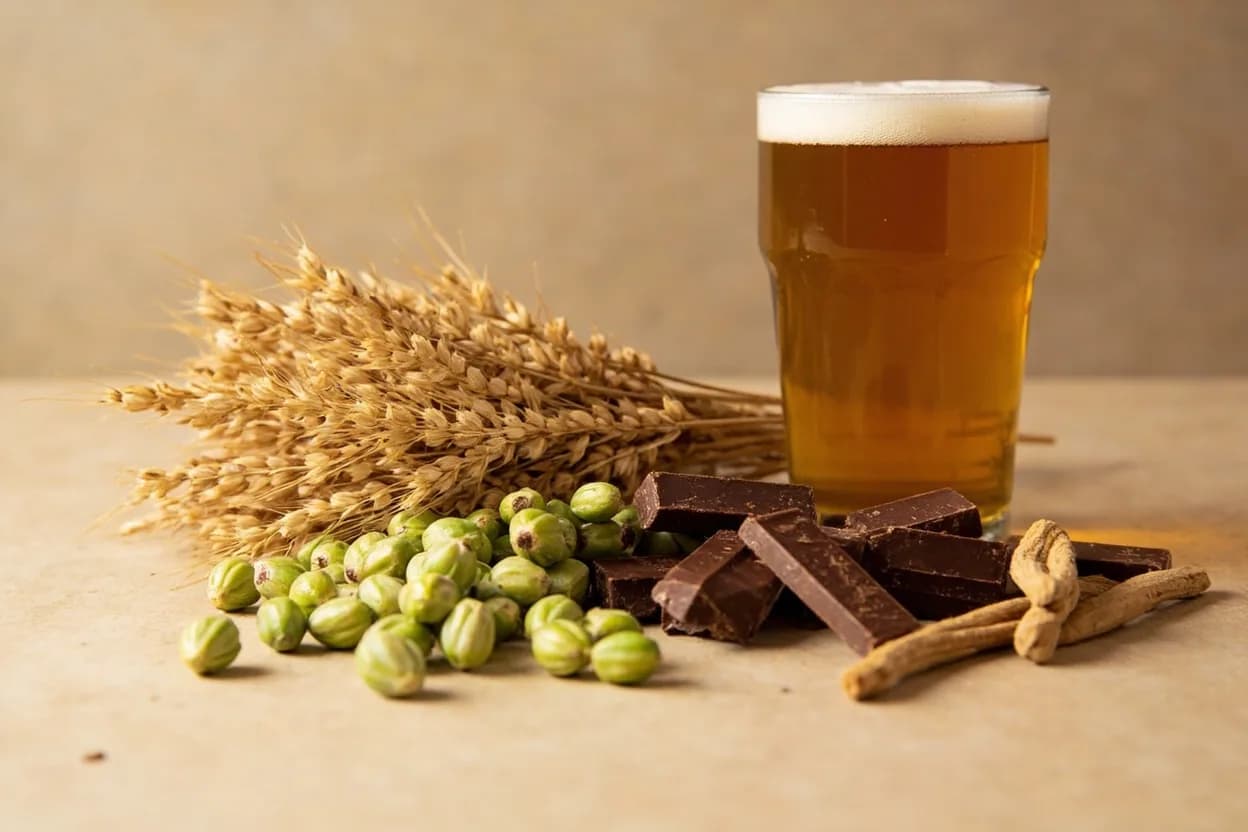
Malted barley is barley grain that has been allowed to partially germinate, then kiln-dried to halt germination. The process activates enzymes (primarily alpha- and beta-amylase) that convert the grain's starches into fermentable sugars, and it also develops a spectrum of roasted, biscuity, toffee-like, and chocolate flavours depending on the temperature and duration of kilning. Pale (lightly kilned) malts are sweet and biscuity; crystal/caramel malts add toffee depth; roasted malts contribute coffee and dark-chocolate bitterness. Malted barley is the backbone of most beer styles, Scotch and Irish whisky, and malted milk products. As a flour or syrup it adds sweetness and browning to bread, bagels, and pastry.
In photos
Flavour profile
Classic pairings
- Hops (in brewing)Brewing
Malt sweetness and hop bitterness are the foundational tension of beer — the malt's sugars ferment into alcohol while residual sweetness balances hop resin and bitterness.
- Chocolate (milk and dark)Confectionery / Global
Malt and chocolate share the Maillard-roasted-sugar spectrum; malted-milk chocolate confections have exploited this affinity for over a century. The malt's sweetness softens dark chocolate's bitterness.
- VanillaAmerican diner, Global
Vanilla's sweet aromatic compounds harmonise perfectly with malt's biscuity warmth — the combination underpins malted milkshakes, malt-vanilla ice cream, and pale lager's aromatic body.
- Caramel and toffeeBrewing, confectionery
Crystal malts used in amber ales and Scottish ales essentially are caramelised barley sugar; layering additional caramel sauce or toffee amplifies rather than clashes with the grain's own candy notes.
- Smoked foods (smoked cheese, smoked salmon)German, Scottish
Rauchbier (smoked malt beer) and Scotch whisky establish that smoke and malt are natural partners; the biscuity sweetness of malt softens smoke's aggression while the smoke adds complexity.
- Bread baking (wheat flour loaves, bagels)Jewish-American, Global bread baking
Diastatic malt powder or barley malt syrup added to bread dough provides enzymes that aid yeast fermentation and improve browning — the classic technique behind New York bagels' distinctive deep golden crust.
- Stone fruit (peach, apricot, cherry)Brewing, dessert baking
Pale ales and hefeweizens demonstrate that malt's biscuity sweetness amplifies stone-fruit esters; dried apricot in particular harmonises beautifully with the cereal sweetness of pale malt.
Adventurous pairings
The roasted-sesame bitterness and fat of tahini pair with malted barley's biscuity sweetness in a way that echoes halvah — a malt-tahini glaze on roasted carrots or biscuits is a revelation.
- Miso (white or yellow)
Both miso and malted barley involve grain fermentation and enzyme activity; their shared sweet-umami-fermented register creates a coherent base for glazes, brines, and sauces.
Coffee's roasted bitterness finds natural alignment with dark (roasted) malts — coffee stouts and dark beers rely on this, and malted barley flour in coffee cakes adds a bridging cereal note.
- Dried figs and prunes
Prune and fig's dark, jammy, caramel-adjacent sweetness doubles down on crystal malt's toffee quality; used in dark ales and in malt bread with dried fruit, the combination is rich and satisfying.
- Fermented hot sauce (aged chilies)
The peppery heat and vinegar funk of well-aged hot sauce cut through malt's sweetness while the underlying fermentation character creates unexpected harmony — a strong rationale behind using beer in hot-sauce marinades.
Tread carefully
- Very delicate white fish (sole, turbot, steamed)avoid
Malt's assertive biscuity sweetness and toffee depth overwhelm any nuance from mild fish; the grain dominates entirely.
- Highly perfumed floral desserts (rose Turkish delight, elderflower jelly)avoid
Malt's roasted-grain weight clashes with gossamer floral desserts — the grain's Maillard darkness reads as muddy against pure floral lightness.
- Raw salad greens as the primary contextavoid
Using malt flour or syrup as a dominant dressing component on bitter raw greens creates an unwanted heaviness and sweetness that fights the salad's freshness.
How to use it
- Malt syrup (non-diastatic): add 1 tsp to bread dough per 500g flour for improved browning and a slight sweetness without affecting fermentation
- Diastatic malt powder: use 0.5% by flour weight in lean doughs — the active enzymes break down starches to feed yeast and improve crumb structure
- Malt vinegar production: ferment pale ale to maximum attenuation, then acetify with Acetobacter for the classic British fish-and-chips condiment
- Roasted malt in baking: substitute 5–10% of wheat flour with roasted barley flour for a coffee-cocoa undertone in dark bread, gingerbread, or brownies
- Malted milkshake: dissolve malt powder (non-diastatic) in warm cream before blending — it emulsifies better and avoids graininess
Appears in
Related flavours
- Hops
Malt's primary flavour counterpart in brewing — the sweet-bitter balance between them is the entire structural foundation of beer flavour.
Shares the roasted-bitter-sweet Maillard spectrum with dark malts; the two amplify each other in stouts, brownies, and confectionery.
Often used alongside malted barley in sourdough and dark bread baking; malt's sweetness tempers rye's bitterness while both contribute fermentation complexity.
References
- 1.Malt: A Practical Guide from Field to Brewhouse — John Mallett
- 2.The Bread Baker's Apprentice — Peter Reinhart
- 3.Scotch Whisky: A Liquid History — Charles MacLean
- 4.On Food and Cooking — Harold McGee
Confidence: high
Notes
Diastatic vs. non-diastatic malt
Diastatic malt powder contains active amylase enzymes and is used in bread baking to help yeast by converting starch to sugar throughout fermentation — quantities above 0.5% of flour weight can over-soften the dough structure. Non-diastatic malt has been heated to destroy the enzymes; it contributes only flavour and colour and can be used in larger amounts without structural consequences. Malt syrup is usually non-diastatic (check the label). For the baking baker, this distinction is critical: the two are not interchangeable in a recipe that depends on enzymatic activity.