Spices & Dried Aromatics
Sansho Pepper
Also: Japanese pepper, sanshou, kinome (fresh leaves), Zanthoxylum piperitum
Japan's citrus-tingle spice — a milder, more fragrant cousin of Sichuan pepper that electrifies yakitori and unagi.
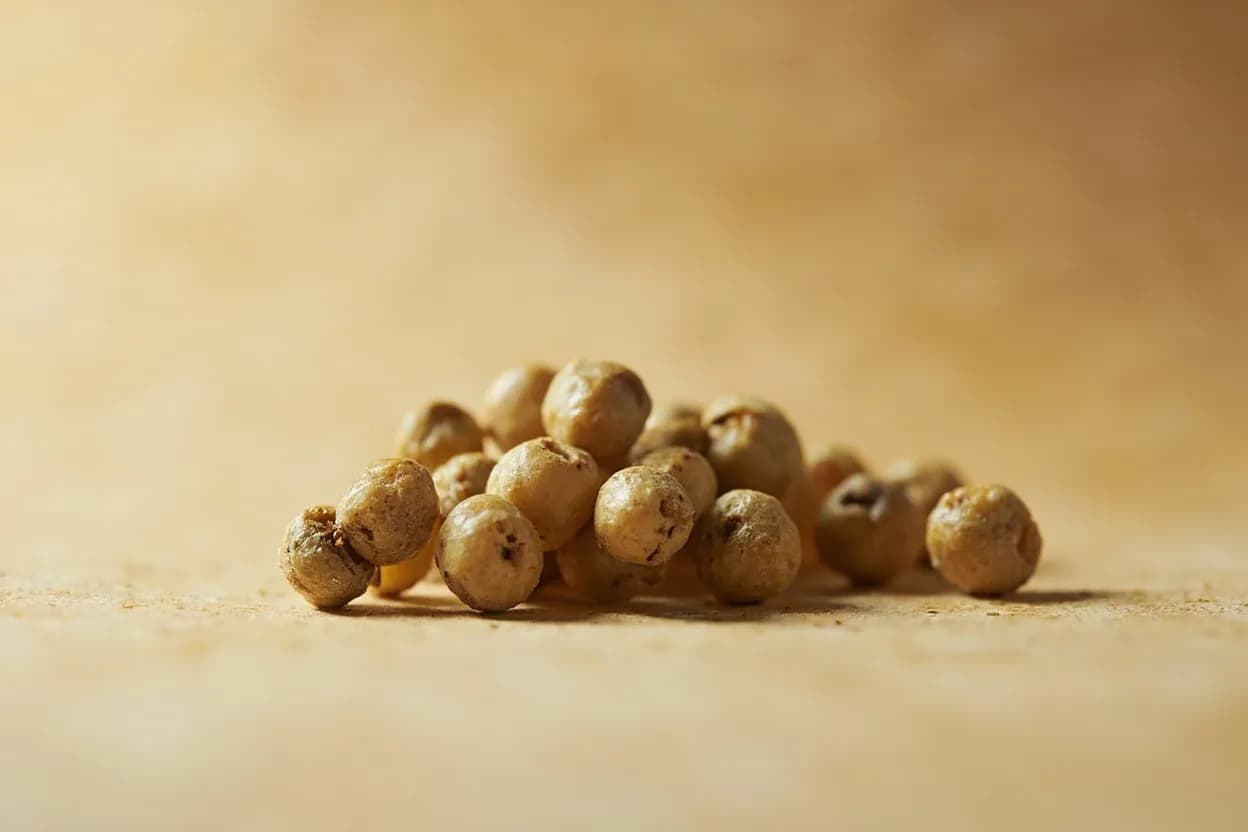
Sansho is the dried, ground hull of the Japanese prickly ash berry (Zanthoxylum piperitum), closely related to Chinese Sichuan pepper but distinctly different in character. Where Sichuan pepper delivers a bold, oily mala numbing sensation, sansho is lighter, more citrusy, and almost herbal, with a pronounced yuzu-like fragrance derived from its terpene profile (sabinene, limonene, β-phellandrene). The tingling numbing effect — caused by hydroxy-alpha-sanshool — is present but more gentle, making sansho a finishing spice for dishes where the ingredient's own delicacy must be preserved. Fresh kinome leaves (the young shoots of the same plant) are used as a fragrant garnish.
In photos
Flavour profile
Classic pairings
- Unagi (grilled eel)Japanese
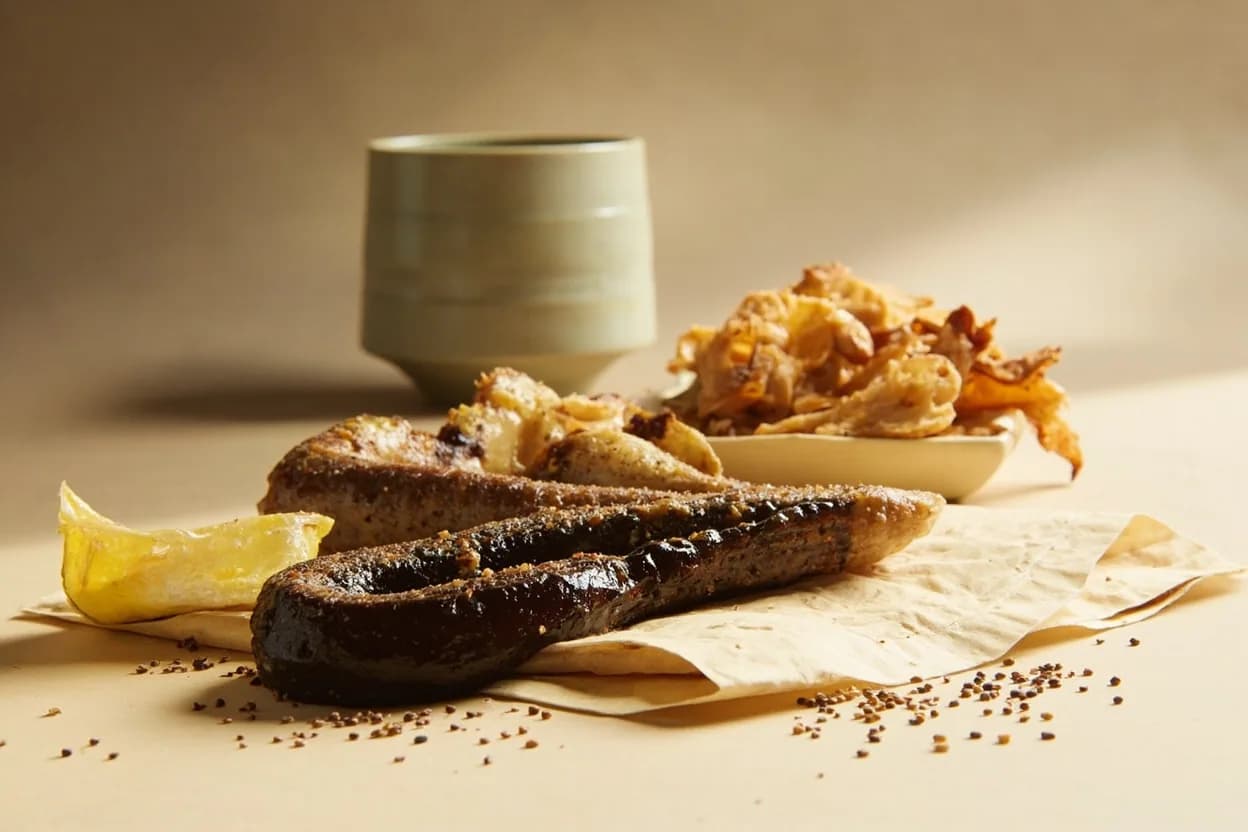
The canonical pairing in Japanese cuisine: sansho's citrus-tingle cuts through eel's unctuous fat and neutralizes fishy aromas, brightening the sweet tare glaze.
- Yakitori (grilled chicken skewers)Japanese
Dusted over salt-seasoned or tare-glazed yakitori, sansho's tingle accentuates the char while lifting the poultry's richness without masking the smoke.
- Miso soupJapanese
A pinch of sansho deepens miso soup's umami without adding heat; the spice's floral notes harmonize with dashi and tofu.
- Tofu (silken or agedashi)Japanese
Sansho's delicacy makes it suitable for mild proteins that would be overwhelmed by black pepper; a small amount elevates without overpowering.
- Soba noodlesJapanese
A finishing grind over cold soba heightens the grain's earthiness with a citrus-tingly contrast, especially alongside tsuyu dipping sauce.
- Shichimi togarashiJapanese
Sansho is a standard component of shichimi blends — its role is to provide aroma and tingle within a seven-spice balance of chili, sesame, yuzu peel, and nori.
- Pork (grilled or braised)Japanese
Sansho's tingling fat-cutting effect works well with pork belly and char siu-adjacent preparations; it bridges the gap toward Sichuan flavor profiles.
Adventurous pairings
- Lemon curd or citrus tart
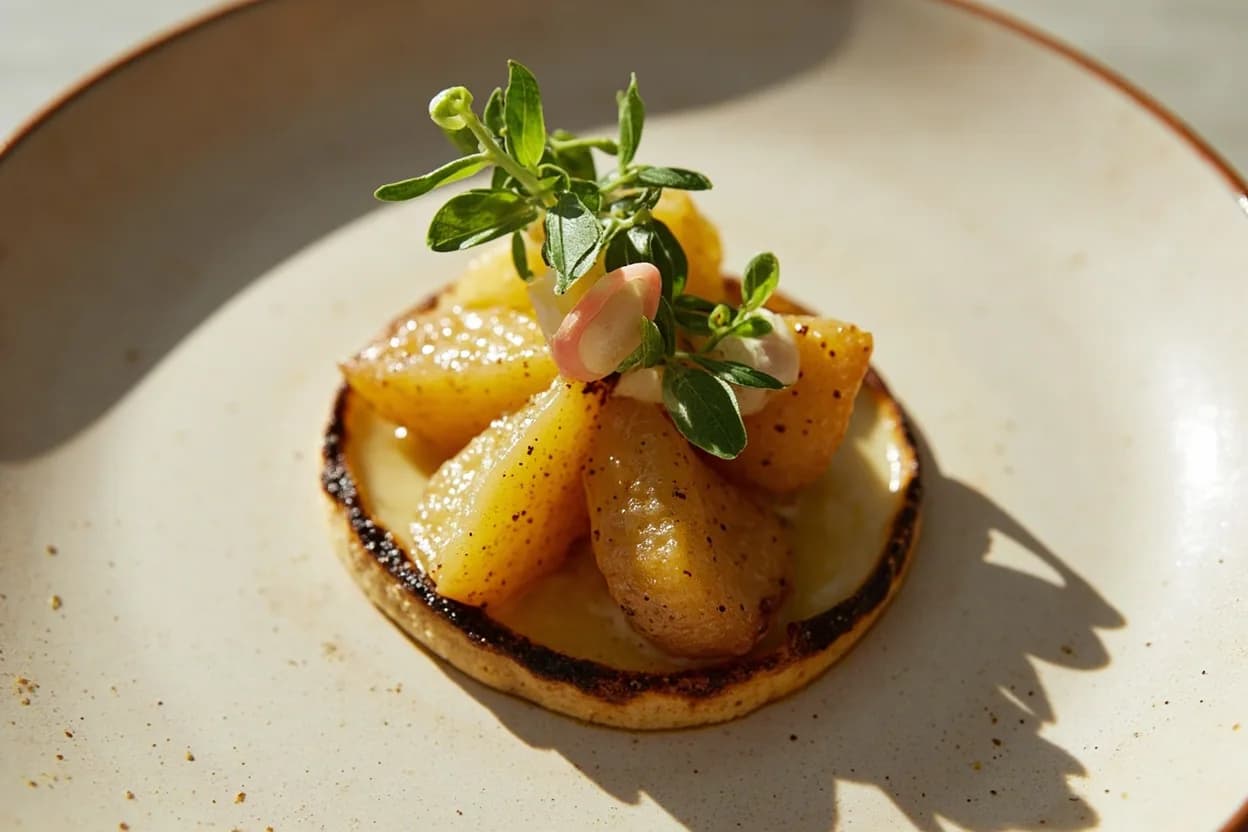
Sansho's bergamot-yuzu aroma amplifies the tartness of lemon desserts; a light finish over lemon tart or posset reads as a deeper, more complex citrus note.
- Butter-poached lobster
The spice's fat-cutting tingle lifts butter-poached shellfish in the way that lemon does, but with an additional floral, herbal dimension — a modern kaiseki technique.
- Gin-based cocktails
Sansho's terpene profile harmonizes with juniper and citrus botanicals; used as a rim spice or infused into vermouth for a Japanese-inflected martini.
- Aged hard cheese (Comté, Parmigiano)
The resinous-floral character of sansho creates an unexpected bridge with the crystalline, nutty notes of well-aged cheeses — a modernist cheese-board pairing.
- Dark leafy greens (spinach, komatsuna)
Used in the same vein as kinome leaves as a garnish: the tingle activates the vegetable's bitterness, making greens taste more vibrantly present.
Tread carefully
- Bold, heavily spiced red meat preparationsavoid
Sansho is too delicate for assertive spice crusts on beef or lamb — its subtle citrus-tingle disappears under the weight of cumin, paprika, or aggressive Maillard char.
- Heavy cream saucesavoid
Dairy fat mutes sansho's volatile aromatics; its character is best preserved in aqueous, oil-based, or dry applications.
- Combination with Sichuan peppercorn (equal weight)avoid
Together they produce numbing overload; both hydroxy-alpha-sanshool compounds compound each other's effect, resulting in an unpleasantly anesthetic finish.
How to use it
- Use as a finishing spice — grind fresh over food at the table
- Toast whole berries briefly before grinding to maximize volatile aroma release
- Float kinome leaves on soups and broths as a fragrant garnish; clap between palms first to release aroma compounds
- Infuse sansho in oil or sake for 24 hours to capture its aromatics in a liquid base
- Add to tare glazes for yakitori in the last 30 seconds of cooking rather than during the baste
- Use sparingly: 1/4 tsp per 4 portions is usually sufficient
Appears in
Related flavours
The Chinese relative — bolder, oilier, more aggressively numbing; shows how the same hydroxy-sanshool chemistry plays out at higher intensity.
Shares the citrus terpene profile; sansho and yuzu together intensify each other's brightness — both appear in shichimi blends.
Both are finishing flavors in Japanese cooking; their aromatic profiles can stack (sesame richness + sansho tingle) without clashing.
References
- 1.The Japanese Kitchen — Hiroko Shimbo
- 2.Japanese Farm Food — Nancy Singleton Hachisu
- 3.On Food and Cooking — Harold McGee
- 4.Flavor: The Science of Our Most Neglected Sense — Bob Holmes
Confidence: high
Notes
Fresh vs. Dried
Kinome, the young spring leaves of the same plant, are used entirely differently from the dried berries — as a fragrant, faintly bitter garnish or in miso paste (kinome miso). The dried ground spice and the fresh leaf are not interchangeable; each has its season and application.
Freshness Matters
Sansho's volatile aromatics degrade rapidly. Whole dried berries keep for 6 months; pre-ground powder loses its floral quality in weeks. Buy small quantities and keep tightly sealed away from light and heat.