Spices & Dried Aromatics
Sichuan Peppercorn
Also: Sichuan pepper, Chinese prickly ash, huājiāo, 花椒, mala pepper, Szechuan peppercorn
The numbing, citrus-floral spice that creates the signature mala tingle of Sichuan cooking — not heat, but a buzzing, mouth-awakening electricity.
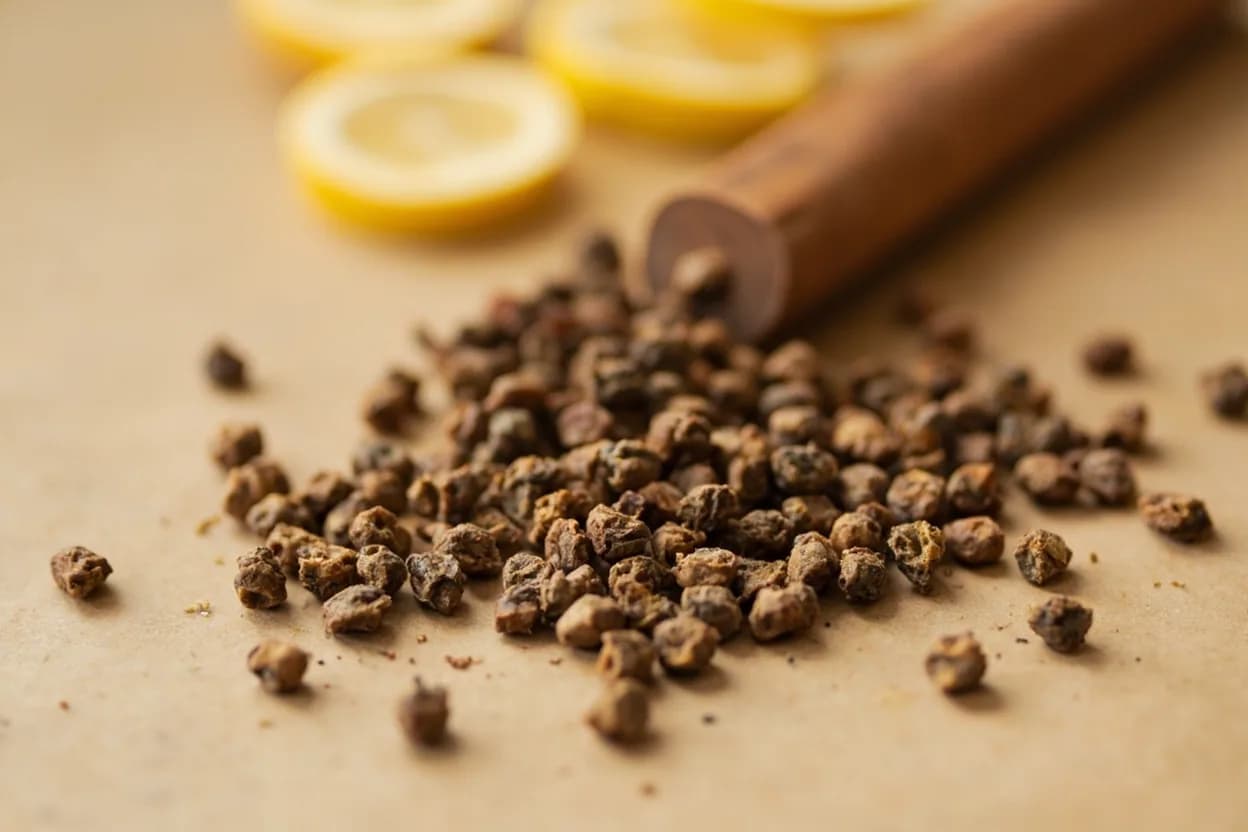
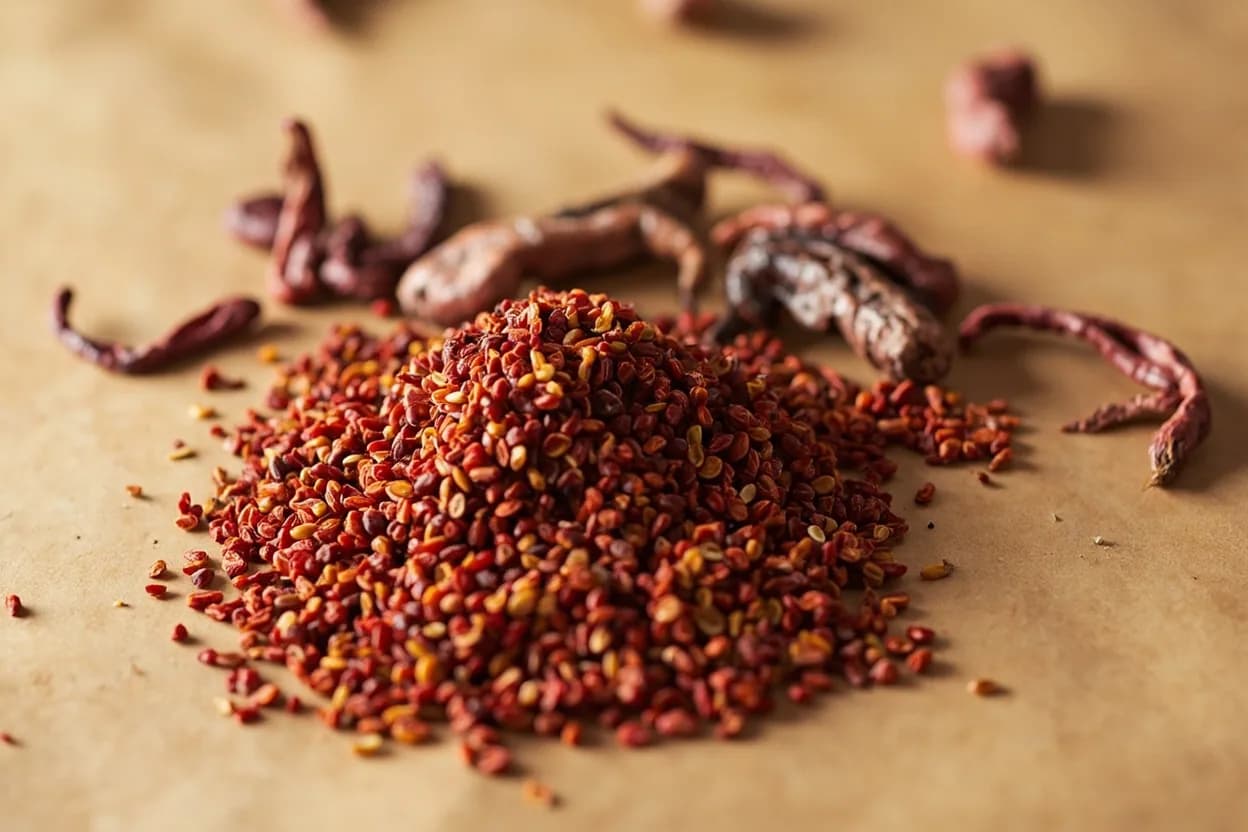
Sichuan peppercorns are the dried husks of the prickly ash shrub (Zanthoxylum simulans or Z. bungeanum), unrelated to black pepper or chiles. The active compound, hydroxy-alpha-sanshool, triggers a neurological tingling (numbness) in the lips and tongue — the ma (麻, numb) in mala (麻辣, numb-hot). Their flavour is simultaneously citrusy (resembling yuzu or lemon zest), floral (reminiscent of lavender), woody, and gently pine-like, with no true capsaicin heat. Toasting them before use is mandatory to unlock their aromatic oils; grinding fresh delivers the most potent sanshool effect.
In photos
Flavour profile
Classic pairings
- Dried red chiles (facing heaven chiles, er jing tiao)Sichuan Chinese
The canonical mala duo: chiles supply capsaicin heat (la), peppercorns supply numbing tingle (ma); together they create mala's layered, addictive sensation.
- Fatty pork bellySichuan Chinese
The numbing and aromatic tingle cuts through lard-rich pork fat; twice-cooked pork (hui guo rou) and red-braised pork both rely on this dynamic.
- Doubanjiang (fermented broad bean and chile paste)Sichuan Chinese
The spice's citrus-floral notes balance doubanjiang's deep, salty, fermented umami — the base of mapo tofu and dan dan noodles.
- Tofu (silken and firm)Sichuan Chinese
Silken tofu in mapo tofu is the archetypal vehicle: the curd's neutral, milky softness lets the mala tingle fully register without distraction.
- Duck (roasted or braised)Sichuan Chinese
Sichuan pepper appears in the five-spice and tea-smoke rubs for Sichuan camphor-smoked duck — its citrus note lifts the gaminess of the bird.
- Cold sesame noodles (liang mian)Sichuan Chinese
Ground Sichuan peppercorn in the sesame-chilli dressing adds a numbing dimension that transforms a simple cold dish into a complex sensory experience.
- Hot pot (mala broth)Sichuan Chinese
Whole and ground Sichuan peppercorns are the defining spice of the red, numbing mala hot pot broth base.
Adventurous pairings
Ground Sichuan pepper in a chocolate ganache: its citrus-floral notes echo cacao's own fruity ferment, and the sanshool tingle creates a lingering, unusual finish.
- Strawberry
A Nordic and modernist pairing: the pepper's lemon-lavender qualities amplify strawberry's fragrance; grind over fresh berries or fold into a coulis.
- Lamb shoulder
The peppercorn's piney, citrus aromatic cuts lanolin gaminess in lamb — far more interesting than black pepper; use in a dry rub or braise.
- Aged goat cheese
The citrus-floral character of the pepper amplifies chèvre's lemon tang; the tingle plays against salty, chalky rind notes.
- Vodka or gin cocktails
Infuse whole peppercorns in spirits for a ma-cocktail — the numbing tingle creates a novel sensation in a Sichuan mule or tingle martini.
A pinch of finely ground Sichuan pepper over a grilled oyster amplifies brine and citrus notes while the tingle enhances the oceanic finish.
Tread carefully
- Subtle, delicate fish (steamed sole, poached halibut)avoid
The sanshool numbing effect overwhelms gentle flavours and ruins the perception of delicate texture.
- Fresh dairy-forward sauces (béchamel, cream sauces)avoid
The piney, medicinal edge of Sichuan peppercorn conflicts with the mild sweetness of cream — use sparingly at most.
- Dishes where black pepper is the dominant noteavoid
Both numb/tingle in different ways; stacking the two creates confusion rather than depth. Use one or the other.
How to use it
- Toast whole in a dry wok over medium heat for 2–3 minutes until fragrant, then grind in a spice grinder — do not burn or the floral notes turn bitter
- Pass ground powder through a fine sieve to remove woody husks; retain the aromatic dust
- Bloom whole peppercorns in hot oil (Sichuan pepper oil) to infuse dishes; remove the husks before plating
- Use in five-spice powder blends (star anise, cassia, cloves, fennel seeds, Sichuan pepper)
- Mix ground peppercorn with salt (Sichuan salt-and-pepper) as a dry dip for fried foods
- Steep in sesame oil overnight for a cold-application aromatic oil
Appears in
Related flavours
A five-spice co-inhabitant: where Sichuan peppercorn numbs and citrus-tingles, star anise adds sweet anise depth — they complement each other in braises.
Ginger's warming heat pairs naturally with the peppercorn's tingle and citrus note — both are essential in Sichuan stir-fry aromatics.
Shares the citrus-terpene chemistry with Sichuan peppercorn; a pinch of lemon zest can approximate the citrus component in fusion applications.
References
- 1.Land of Fish and Rice: Recipes from the Culinary Heart of China — Fuchsia Dunlop
- 2.Every Grain of Rice: Simple Chinese Home Cooking — Fuchsia Dunlop
- 3.On Food and Cooking: The Science and Lore of the Kitchen — Harold McGee
- 4.The Food of Sichuan — Fuchsia Dunlop
Confidence: high
Notes
Ma versus la
In mala cooking, ma (麻, numbness from Sichuan peppercorn) and la (辣, heat from chiles) are distinct and intentionally balanced. Chefs manipulate the ratio for different dishes — hot pot skews ma-forward, kung pao skews la-forward. Understanding the ratio is the key skill when cooking Sichuan food outside China.
Freshness is critical
Pre-ground Sichuan peppercorn sold in supermarkets loses its sanshool potency within weeks. Buy whole berries, store in an airtight container away from light, and grind as needed. The difference between fresh-ground and stale powder is dramatic.
US import ban (historical)
Sichuan peppercorns were banned from import to the United States from 1968 to 2005 due to concerns about citrus canker. Post-ban, heat-treated versions became legal, and high-quality fresh-dried berries are now widely available in Chinese grocery stores.