Preserved & Cured Fish
Smoked Fish
Also: smoked salmon, hot-smoked salmon, smoked trout, smoked mackerel, smoked whitefish, smoked haddock, finnan haddie, kippered herring
Smoke, brine, and fat fused together — a category of preserved fish whose intensity ranges from silky cold-smoked salmon to robustly oily hot-smoked mackerel.
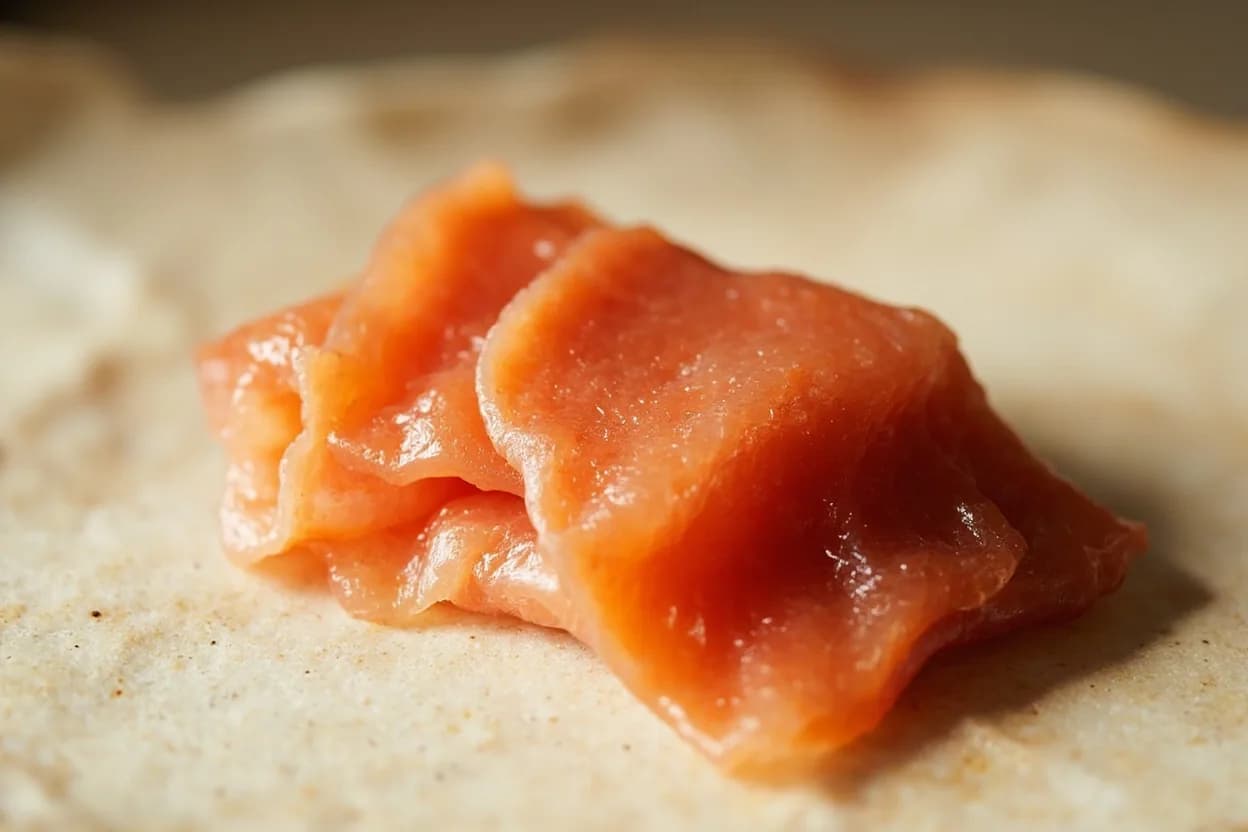
Smoked fish encompasses a wide family of preserved fish that have been salt-cured and then exposed to smoke — either cold-smoked (18–29°C, no cooking) to produce a silky, raw-textured product like traditional smoked salmon or gravlax-adjacent preparations, or hot-smoked (65–85°C) to produce fully cooked, flakeable fish like smoked mackerel, trout, and whitefish. The flavor profile varies by species, wood type (alder, applewood, oak, beechwood), and brine strength. What all smoked fish share is a tripartite flavor logic: salt provides seasoning foundation, fat (present naturally in oily fish — salmon, mackerel, herring, trout) carries the smoke compounds, and the smoke itself (phenols, carbonyls, furans) contributes complexity from sweet-cedar to resinous-campfire depending on wood.
In photos
Flavour profile
Classic pairings
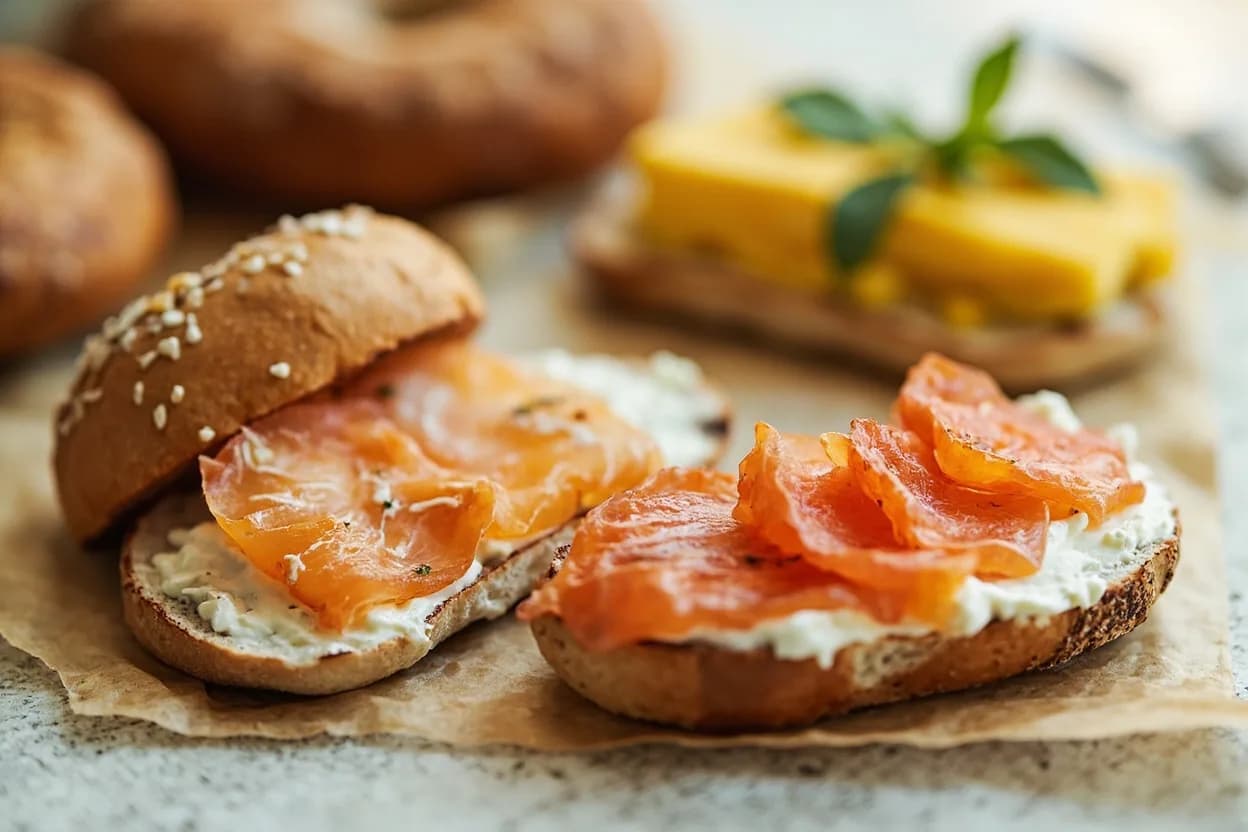
- Cream cheese and bagelsAmerican Jewish deli
The canonical New York pairing: cold-smoked salmon's richness needs the neutral fat of cream cheese to carry it and the chewy-crisp bagel to anchor it. The dairy cools the salt; the bread absorbs.
- Eggs (scrambled, poached, or in frittata)British / American
Egg yolk fat and smoke have natural affinity — the yolk softens the salt, the smoke adds complexity that plain eggs lack. Smoked salmon with scrambled eggs is a universal brunch pairing.
- Crème fraîcheFrench / Scandinavian
The slight tang and cooling richness of crème fraîche cuts through smoked fish's salt and fat — used in dips, blini toppings, and dressed salads.
- DillScandinavian / Eastern European
The quintessential herb pairing for smoked fish: dill's anise-green freshness cuts the smoke and brine, cleanses the palate, and amplifies the oceanic quality.
- Rye bread or pumpernickelNordic / German
Dense, dark, slightly sour rye bread is structurally and flavor-logically suited to smoked fish — the bread's acid and molasses notes mirror the smoke's complexity.
- CapersMediterranean / deli
Sharp, briny, and floral — capers cut fat, add acidity, and amplify the cured character. The classic triumvirate of smoked salmon, capers, and red onion is almost alchemical.
- Potato (warm or cold)Nordic / British
Whether in a warm potato salad, rösti, or simply boiled new potatoes, the starchy sweetness of potato neutralizes smoke and salt, letting the fish's natural flavor emerge.
- AvocadoContemporary
Avocado's butterfat coats the palate and smooths the smokiness; the combination appears across contemporary brunch menus because it works on pure flavor logic.
Adventurous pairings
- Beet (roasted or pickled)
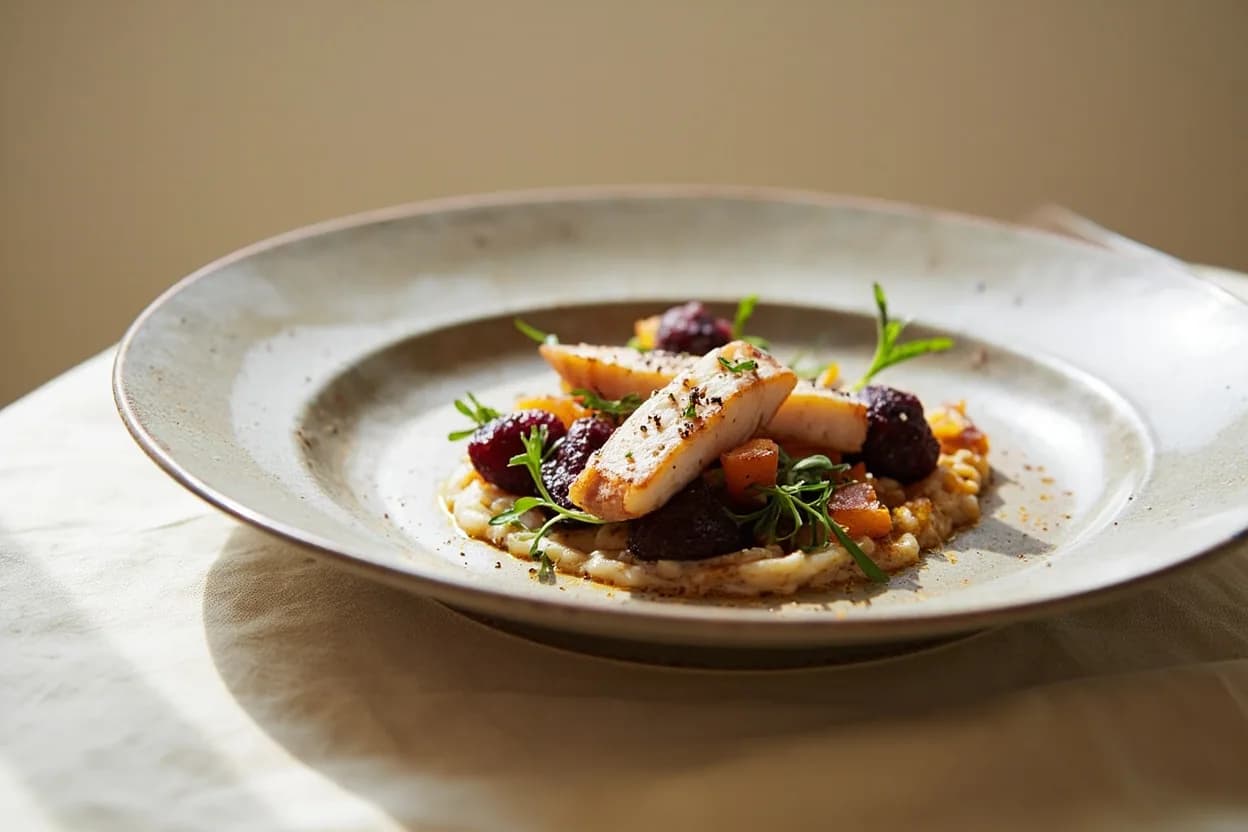
Earthy sweetness and the iron-mineral edge of beet amplify the oceanic depth of smoked fish while the color contrast is theatrical — a classic Scandinavian cold plate composition.
- Buttermilk or labneh
Tangier and thinner than crème fraîche, buttermilk dressings or labneh quenelles with hot-smoked trout make a lighter, more acidic counterpoint that brightens the smoke.
- Miso butter
Brushing hot-smoked mackerel with a miso-butter glaze and broiling briefly creates a double-umami shell — salt-acid from miso mirrors the brine, fat carries the smoke.
- Apple or pear (raw or pickled)
The clean sweet-acid of thinly sliced apple with hot-smoked fish is a Nordic-inspired combination that refreshes and resets between intensely smoky bites.
- Wasabi and rice
Hot-smoked salmon pressed into onigiri with wasabi and nori — the smoke replaces the usual seasoned-rice salt; wasabi's sinus heat cuts the fat and lifts the fish.
- Corn (fresh or charred)
Sweet corn's sugar and smokiness from charring mirrors the fish's own smokiness while contrasting in texture and sweetness — a surprising but logical summer pairing.
Tread carefully
- Very spicy chili heatavoid
Aggressive chili capsaicin overwhelms the subtle smoke and oceanic character of smoked fish — the aromatic complexity built through curing is simply erased.
- Robust red wineavoid
Full-bodied reds (Cabernet, Syrah) clash with smoked fish: the tannins react with fish proteins to taste metallic, while the fruit character fights the smoke.
- Strong aged cheeseavoid
Aged cheddar, parmesan, or similar pungent cheeses compete with rather than complement smoked fish — both are aggressively flavored and the result is muddy and over-salted.
How to use it
- Flake hot-smoked fish into warm dishes (chowders, pasta, rice) at the very end — it needs only residual heat to warm through
- Blend cold-smoked salmon or trout into rillettes with crème fraîche and lemon for a smooth spread
- Use smoked fish poaching liquid (from finnan haddie) as the base for cream sauces — it contains all the flavor of the fish
- Pair acidic elements (lemon, crème fraîche, capers) to cut the fat and reset the palate between bites
- For hot dishes using cold-smoked salmon, add it after cooking to preserve texture — it will tighten and overcook in heat
- Rest smoked fish at room temperature 15 minutes before serving — cold dulls the fat and muffles the smoke aromatics
Appears in
Related flavours
The other classic accompaniment — sharp heat cuts fat and smoke even more aggressively than dill; essential with smoked mackerel and trout
- Lemon
Acid lifts and brightens every smoked fish preparation; essential finishing note
- Garum / fish sauce
Functional relative — both are preserved fish flavor-concentrates; different register (cooked/cured vs. raw fermented)
- Smoked paprika
Shares smoke compound family; combining smoked fish with smoked paprika risks monotone smoke, but works in small doses in spiced fish cakes
References
- 1.The River Cottage Fish Book — Hugh Fearnley-Whittingstall & Nick Fisher (Bloomsbury, 2007)
- 2.On Food and Cooking — Harold McGee (Scribner, 2004)
- 3.The Nordic Cookbook — Magnus Nilsson (Phaidon, 2015)
- 4.Moro: The Cookbook — Sam & Sam Clark (Ebury Press, 2001)
Confidence: high
Notes
Cold-smoked vs. hot-smoked: different fish, different rules
Cold-smoked fish (salmon, halibut, black cod) is raw, silky, and sliceable — it pairs with cold or room-temperature accompaniments and doesn't survive heat well without becoming tough. Hot-smoked fish (mackerel, trout, whitefish, haddock) is cooked through, flakeable, and robust — it integrates into warm dishes, dips, pâtés, and pasta. Pairing rules shift significantly between the two styles.
Wood species and flavor
Alder (the Pacific Northwest standard for salmon) produces a clean, mild smoke with subtle sweetness. Oak gives structure and a slightly tannic backbone. Applewood and cherry produce sweeter, more fragrant smoke. Beechwood (used for finnan haddie and German Räucherfisch) is clean and neutral. The wood determines pairing range — milder woods open the fish to more delicate accompaniments; heavier woods demand bolder counterparts.