Alcohols & Vinegars
Tej (Ethiopian Honey Wine)
Also: tej, t'ej, Ethiopian mead, gesho mead, Ethiopian tej
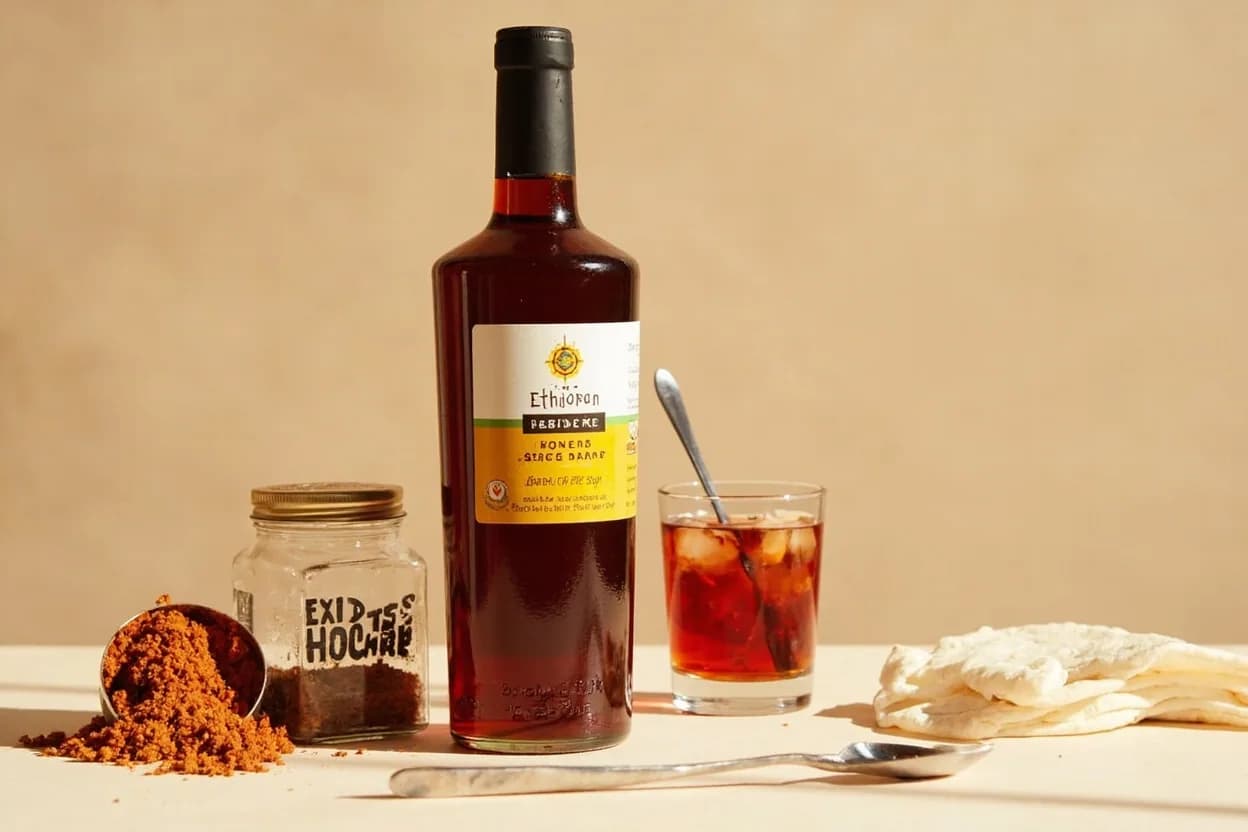
Ethiopia's ancient honey mead — golden, slightly resinous from gesho hops, and moderately sweet — is the traditional accompaniment to spiced stews and the festive drink of Horn of Africa celebrations.
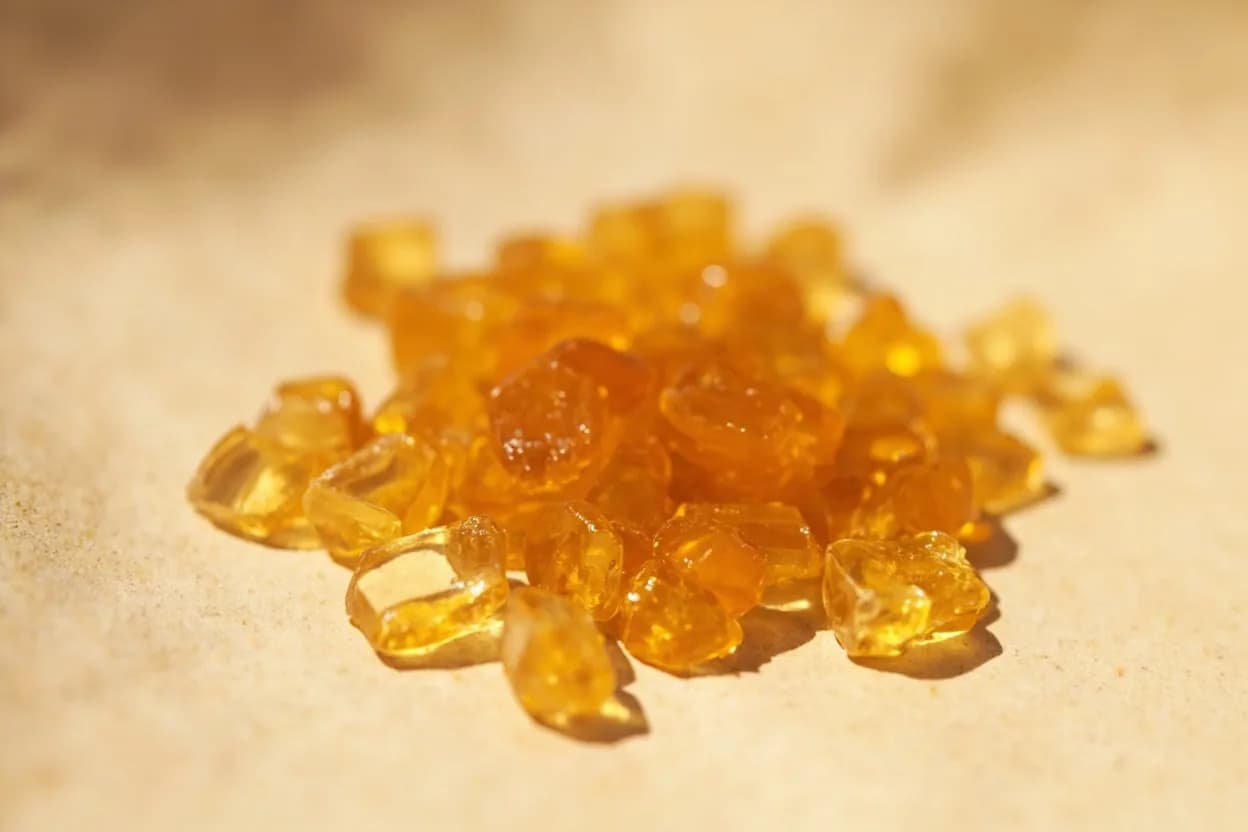
Tej is a traditional Ethiopian and Eritrean fermented honey wine (mead) distinguished by the addition of gesho (Rhamnus prinoides), a woody buckthorn plant whose bitter, hoppy twigs and leaves serve as a bittering and preserving agent analogous to hops in beer. The honey used ranges from wild honey to commercial varieties; the resulting wine is typically 7–11% ABV, ranging from pale gold to amber depending on honey type and fermentation duration. Flavor runs from mildly sweet and floral (young tej) to more complex, resinous, and dry (aged tej). In cooking it functions as a braising medium and sauce base where its honey sweetness and subtle bitterness add dimension to spiced Ethiopian stews.
In photos
Flavour profile
Classic pairings
- Berbere spice blendEthiopian
Tej's honey sweetness is the perfect counterweight to berbere's complex heat — chili, fenugreek, black cardamom, bishop's weed. A tej-glazed tibs (sautéed meat) with berbere is a canonical festive preparation.
- Doro wat (chicken stew)Ethiopian
Ethiopia's iconic slow-cooked chicken stew uses niter kibbeh, berbere, and onion as its base; a pour of tej at the deglaze stage or served alongside adds honey-resinous contrast to the deep spiced heat.
- Injera (Ethiopian fermented flatbread)Ethiopian / Eritrean
Tej and injera are culturally inseparable at celebrations and meals; the sourdough tang of teff injera finds its complement in tej's honey sweetness and mild gesho bitterness.
- Lamb (especially fatty cuts — shoulder, ribs)Ethiopian (yebeg tibs)
Tej's honey character glazes lamb beautifully when reduced; the resinous gesho note cuts through the lanolin richness of fatty cuts without the aggressive tannin of red wine.
- Mitmita (Ethiopian bird's-eye chili blend)Ethiopian
Where berbere is warmly complex, mitmita is fiercely hot; tej's residual sweetness dampens the sharp capsaicin spike, making it the instinctive pairing at kitfo (beef tartare) preparations.
- Niter kibbeh (spiced clarified butter)Ethiopian
The aromatic spiced butter that forms the fat base of most Ethiopian stews — cardamom, turmeric, nigella — harmonizes with tej's floral honey and gesho resin; both are fundamental to Ethiopian festive cooking.
- Hard-boiled eggs (in stew context)Ethiopian
Eggs simmered in doro wat absorb berbere and a little tej; the honey-and-spice contrast with the neutral protein of egg white is one of Ethiopian cuisine's most distinctive textural contrasts.
Adventurous pairings
- Aged blue cheese
Tej's honey-resin character plays the same role as honeycomb alongside a strong blue; gesho's bitterness cuts the ammonia edge of the cheese while honey sweetness bridges to the funky interior.
- Duck breast with crispy skin
Reducing tej into a glaze for duck — with a touch of black pepper and rosemary — creates a honey-mead pan sauce that bridges French and Ethiopian flavor logic; gesho's bitterness prevents the sauce from being cloying.
- Cacao nibs and dark chocolate
Tej's honey and beeswax notes have a natural affinity with cacao; a mead-honey truffle ganache with gesho-infused cream is a contemporary approach being explored by Ethiopian diaspora chocolatiers.
Both are ancient Middle Eastern and African fermented-sweet pantry items; combining tej-braised lamb with a pomegranate finish produces a complex sweet-sour-resinous sauce reminiscent of medieval feast cooking.
The resinous pine-smoke of lapsang and the gesho-twig resin in tej share a woody aromatic compound; a tej-and-smoked-tea basting liquid for pork ribs is an adventurous cross-cultural flavor bridge.
Tread carefully
- Heavily acidic tomato-based saucesavoid
Tej's fragile honey and gesho aromas collapse against the dominance of cooked tomato acid; the combination tastes muddy and the mead character is undetectable.
- Very delicate white fish (sea bass, sole)avoid
The resinous gesho bitterness overwhelms mild fish; tej works only with assertive proteins that can hold their own against the wine's character.
- Cream desserts with vanillaavoid
Tej's gesho bitterness clashes with vanilla's sweetness; for a honey dessert pairing, plain wildflower honey is the cleaner choice.
How to use it
- Pan sauce deglaze: add a generous pour of tej after searing lamb or beef; reduce by two-thirds to concentrate honey and gesho flavors before adding stock
- Glaze reduction: simmer tej with berbere paste and niter kibbeh until syrupy; brush over grilling meats in the last 5 minutes
- Braising liquid: use half tej, half chicken or lamb stock for Ethiopian stews; the honey proteins (Maillard) brown during slow cooking and add complexity
- Celebration cocktail base: serve tej slightly chilled in a berele (traditional long-necked flask) — the narrow neck slows oxidation and concentrates aroma
- Honey-wine reduction sauce: reduce tej solo until a third remains; finish with niter kibbeh and black pepper for a complex all-purpose Ethiopian glaze
Appears in
Related flavours
- Mead (European honey wine)
Closest structural analog; lacks gesho's signature bitterness — add a pinch of dried hops or juniper berries to approximate
Shares the role of an aromatic, slightly bitter cooking wine for braising; sherry's nut-salt character versus tej's honey-resin creates different but comparable depth
Both are low-ABV traditional fermented drinks used in cooking and celebration; makgeolli is grain-sweet, tej is honey-resinous — different worlds but parallel cultural roles
References
- 1.Mesob Across America: Ethiopian Food in the U.S.A. — Harry Kloman
- 2.Exotic Ethiopian Cooking — Daniel J. Mesfin
- 3.The Oxford Companion to Beer — Garrett Oliver (ed.) — 'African Beer and Mead' chapter
- 4.Flatbreads and Flavors — Jeffrey Alford & Naomi Duguid
Confidence: high
Notes
Gesho: the defining ingredient
Gesho (Rhamnus prinoides) is what separates tej from all other meads. Its bitter, resinous twigs and leaves are the sole bittering agent — the Ethiopian equivalent of hops. Without gesho, the honey wine lacks its characteristic herbal finish and becomes closer to European mead. Dried gesho sticks are available at Ethiopian and East African grocery stores in major diaspora cities (Washington DC, Minneapolis, Toronto, Stockholm). There is no exact substitute; hop pellets used sparingly approximate the bitterness but not the particular resinous character.
Regional variation
Tej varies significantly across Ethiopia: the tej of Addis Ababa is generally sweeter and lighter; highland Amhara and Tigray versions run drier and more resinous with more gesho. Household tej (brewed in clay pots by women for family celebrations) tends to be sweeter and younger than commercial varieties. Eritrean suwa is a related but distinct grain-based variant.