Grains & Rice
Broa de Milho (Portuguese Cornbread)
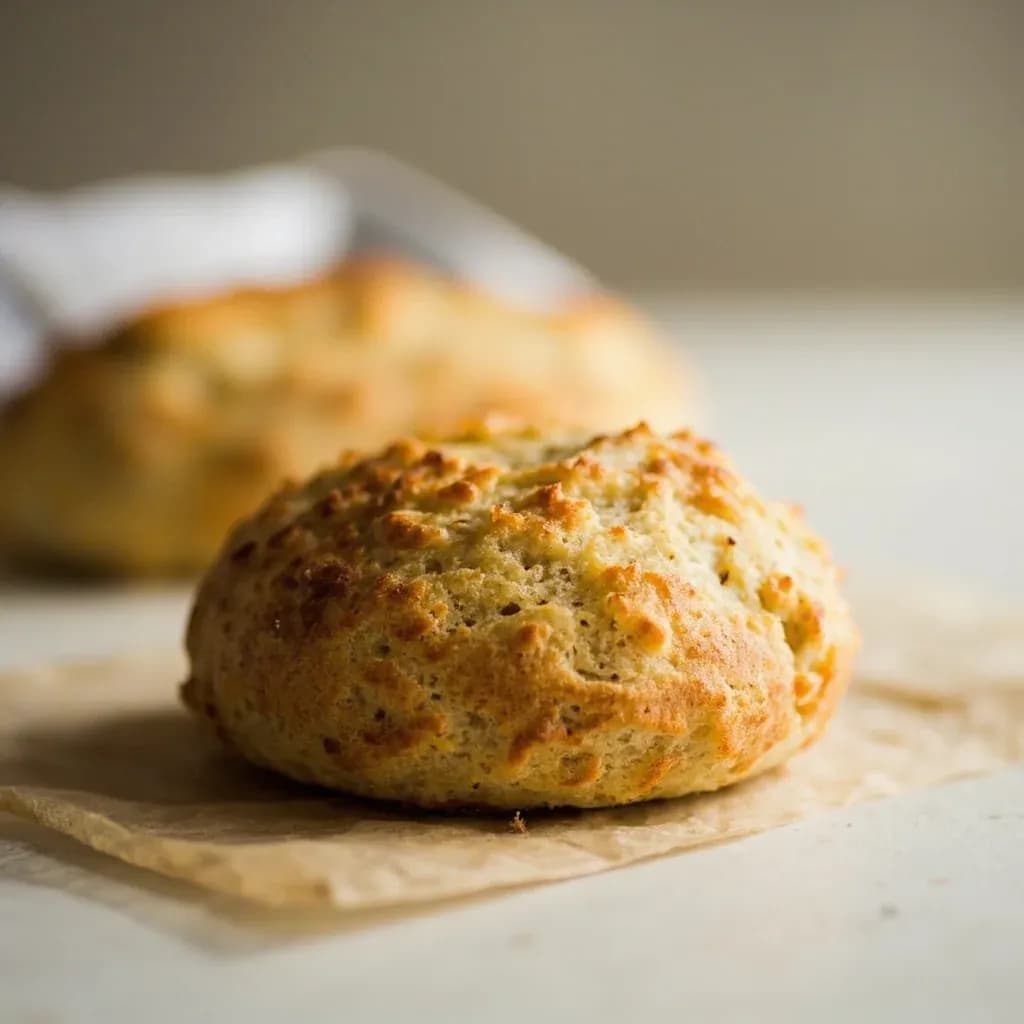
Dense rustic Portuguese cornbread of maize and wheat flour with a thick crust.
Broa de milho is a traditional Portuguese (and Brazilian) cornbread made from a blend of cornmeal and wheat or rye flour. It has a hard, crackly crust and a dense, moist, slightly sweet crumb. It is served alongside soups like caldo verde and hearty stews.
Broa de Milho is a dense, rustic Portuguese cornbread made from a blend of coarse maize flour and wheat flour, leavened with yeast or sourdough. Unlike American cornbread, it is a true leavened bread rather than a quick bread, giving it a heavier, more cohesive crumb and a thick, hard crust that rewards high-heat baking. The bread has been a dietary cornerstone of northern and central Portugal since at least the 16th century, when maize cultivation spread rapidly from the Americas and displaced rye and barley as the primary grain of rural communities. Its historical importance cannot be overstated: broa sustained peasant populations and Portuguese sailors during the Age of Discovery, and the tradition traveled with immigrants to Brazil, Angola, and Mozambique.
The flavor is deeply corn-forward with earthy, toasty notes from the coarse maize meal, balanced by the mild structure and softness that wheat flour provides. Some traditional recipes incorporate rye flour (up to 15–20%), particularly in Trás-os-Montes, for a darker, tangier loaf. Coastal Minho versions tend toward softer, more refined crumb, while mountain recipes favor coarser texture and more assertive flavor. The bread improves significantly on the second day and freezes well sliced, making it a practical staple rather than a delicate specialty.
Achieving the correct texture requires attention to two details that trip up most unfamiliar bakers: the coarseness of the maize meal and the hydration of the dough. Fine cornmeal produces a dry, crumbly result. The dough should remain tacky and slightly sticky—resist the urge to add flour to make it easier to handle. A steamy oven and deep scoring are non-negotiable for developing the characteristic thick crust.
- Measured in
- piece
- Storage
- Pantry
Allergens
Types & varieties
The classic round loaf, large and thick, with a robust crust.
A protected geographical indication (PGI) from Avintes, Aveiro district; distinct regional style with particular coarseness and flavor.
Thinner, more wafer-like variation, occasionally made with potato in the dough.
Version using rye flour (centeio) as the dominant or sole grain; darker, denser, and more tangy.
Made with buckwheat (trigo mourisco); traditional in some mountainous northern regions.
The Maize Revolution in Portugal
When maize arrived in Portugal from the Americas in the 16th century, it spread faster than anywhere else in Europe. Within a generation, it had become the dominant grain in the north, replacing rye and barley as the staple starch. This was not merely a dietary change—it reshaped settlement patterns, agricultural practices, and the very structure of rural Portuguese life. Broa de Milho became the bread of peasants and sailors, sustaining entire communities and fueling the maritime expeditions of the Age of Discovery. The communal wood-fired oven, shared among village families, was the social hub where broa was baked.
- Portuguese immigrants carried the broa tradition to Brazil, Angola, and Mozambique, where it adapted to local ingredients
- Finding coarse Portuguese maize meal (fubá de milho) outside Portugal is the main practical obstacle for home bakers
- Coarse polenta (not instant) is the closest substitute in most markets outside Portugal
Broa de Avintes: A Protected Regional Style
Broa de Avintes, from the Aveiro district, holds EU Protected Geographical Indication (PGI) status—one of the few cornbreads in Europe with formal geographical protection. The PGI designation specifies particular coarseness standards, production methods, and flavor characteristics that distinguish it from generic broa. Seeking out this bread (or its authentic recipe) gives the clearest picture of what broa achieves at its finest.
- Look for the EU PGI seal on commercial Broa de Avintes packaging
- The particular coarseness of the maize meal is essential to the authentic texture
Common uses
Tips & pitfalls
- Use coarse maize meal (fubá or polenta grossa), not fine cornmeal — fine texture produces a crumbly, dry loaf
- Do not substitute all the wheat flour with cornmeal; wheat gluten is essential for structure and a cohesive crumb
- Hydrate the maize flour with hot water (80–90°C) for 10–15 minutes before mixing — this pre-gelatinizes the starch and improves texture
- The dough should be tacky and slightly sticky, not firm — resist adding too much extra flour
- Knead gently, 5–8 minutes maximum; over-kneading develops gluten in the wheat flour and makes the bread tough
- Create steam in the oven for the first 15–20 minutes (throw water on the oven floor or use a steam function) — this is critical for crust formation
- Score the top deeply (an X or a single slash) before baking to allow steam to escape and prevent the crust from cracking unevenly
- For a chewier crust and deeper flavor, bake directly on a preheated baking stone or cast-iron surface
- If using sourdough starter, a 12–24 hour cold proof dramatically improves the corny, slightly tangy flavor
- Cool completely before slicing — the crumb continues to set as it cools
Nutrition
Nutrition
No USDA FoodData Central match for Broa de Milho (Portuguese Cornbread) yet. We surface a per-100 g profile once a generic whole-food entry is matched and verified.
In the shops
Matched grocery products
No matched grocery products for Broa de Milho (Portuguese Cornbread) yet.
Good to know
- Origin
- Northern and central Portugal, documented since at least the 16th century; a dietary cornerstone of rural communities, particularly in Minho and Trás-os-Montes.
- Primary Ingredients
- Coarse yellow maize flour (fubá de milho), wheat flour, water, salt, and baker's yeast or sourdough starter.
- Flour Ratio
- Approximately 60–70% maize flour to 30–40% wheat flour by weight, varying by region and family tradition.
- Leavening
- Sourdough starter is historically preferred and adds complexity; commercial yeast works reliably.
- Baking Temperature
- High start at 220–240°C (430–470°F) for crust development, then reduced to 190–200°C (375–400°F) to cook through.
- Crust
- Thick, hard, and deeply golden-brown, achieved through high initial oven heat and steam.
- Storage
- Keeps 3–4 days at room temperature wrapped in cloth; improves in flavor the second day. Freezes well, sliced.
- Difficulty
- Beginner-friendly; main challenge is achieving the correct dough hydration and avoiding a dry, crumbly result.
Substitutes
- Fine cornmeal or polenta — Produces a smoother, slightly crumbly result; acceptable but less traditional in texture.
- Yellow corn flour (masa harina) — Adds a mild corn flavor and slight richness, but lacks the rustic coarseness of traditional maize meal.
- Cornmeal + all-purpose flour blend — Use 2 parts fine cornmeal to 1 part wheat flour for a reasonable approximation; the loaf will be slightly softer.
- Rye flour partial substitute — Up to 25% of the wheat flour can be replaced with rye for a darker, tangier loaf; do not use rye as the sole substitute.
Pairs with
Also called
Broa de Milho · Portuguese Cornbread
Related

White Rice
Fluffy long-grain rice — the neutral base for almost any meal

White Bread
Soft sandwich loaf for toast, sandwiches, and crumbs
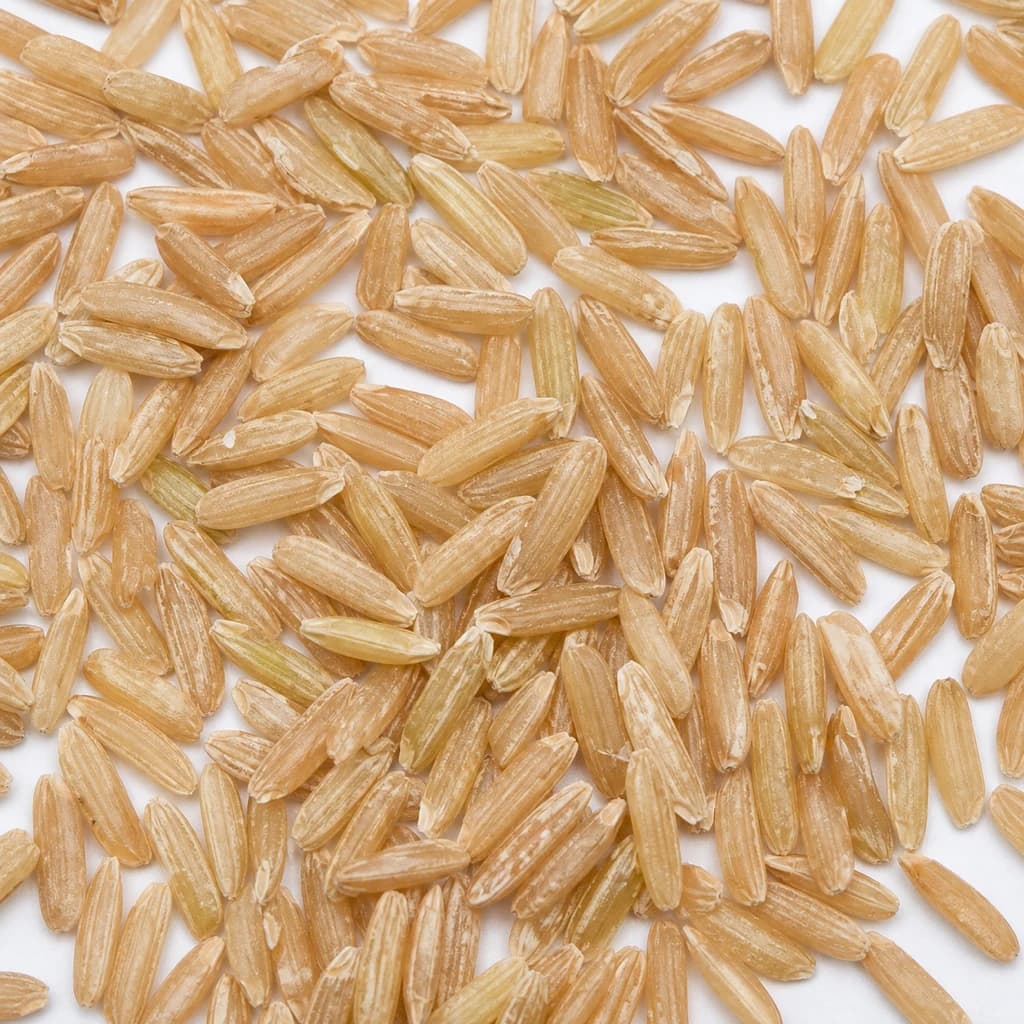
Brown Rice
Nutty, whole-grain rice with chew and extra fiber

Basmati Rice
Fragrant, long-grain rice that cooks up light and separate
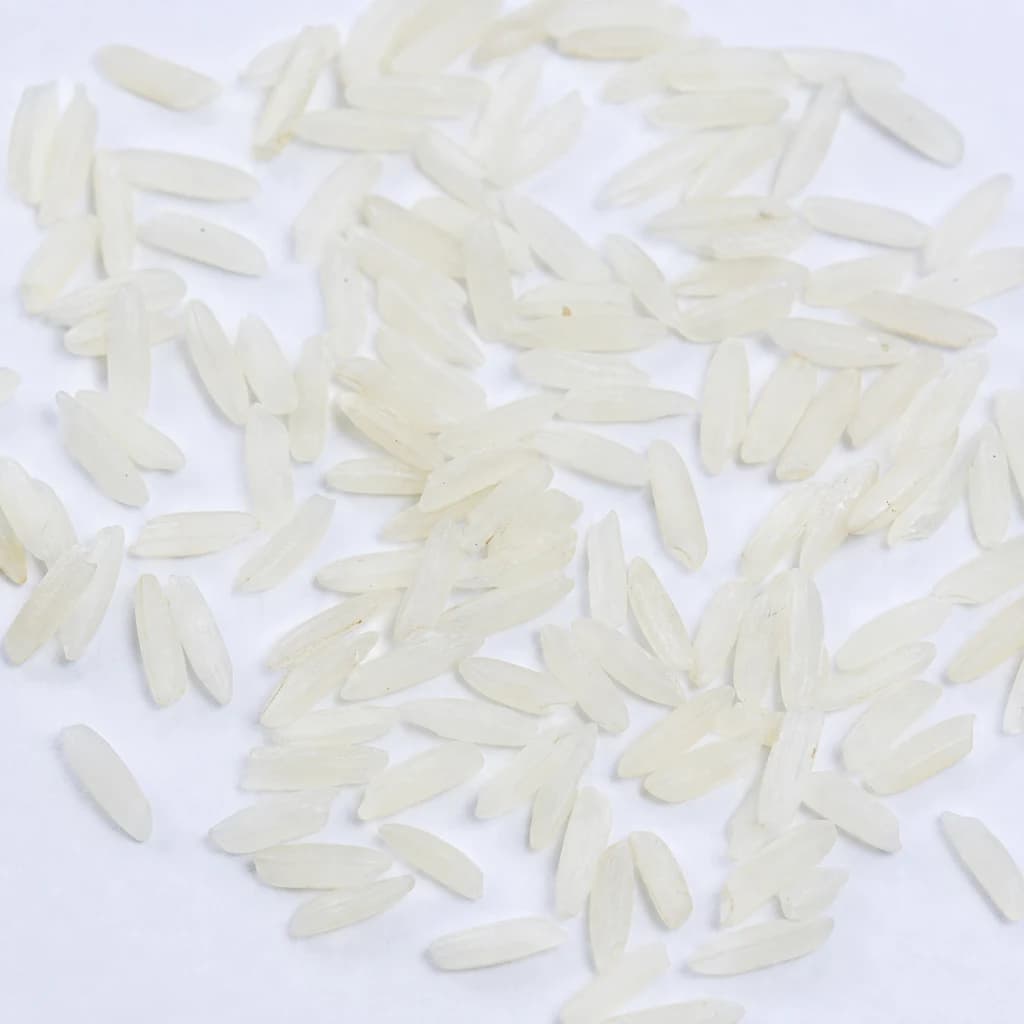
Jasmine Rice
Soft, floral-scented rice that's the pillar of Thai meals
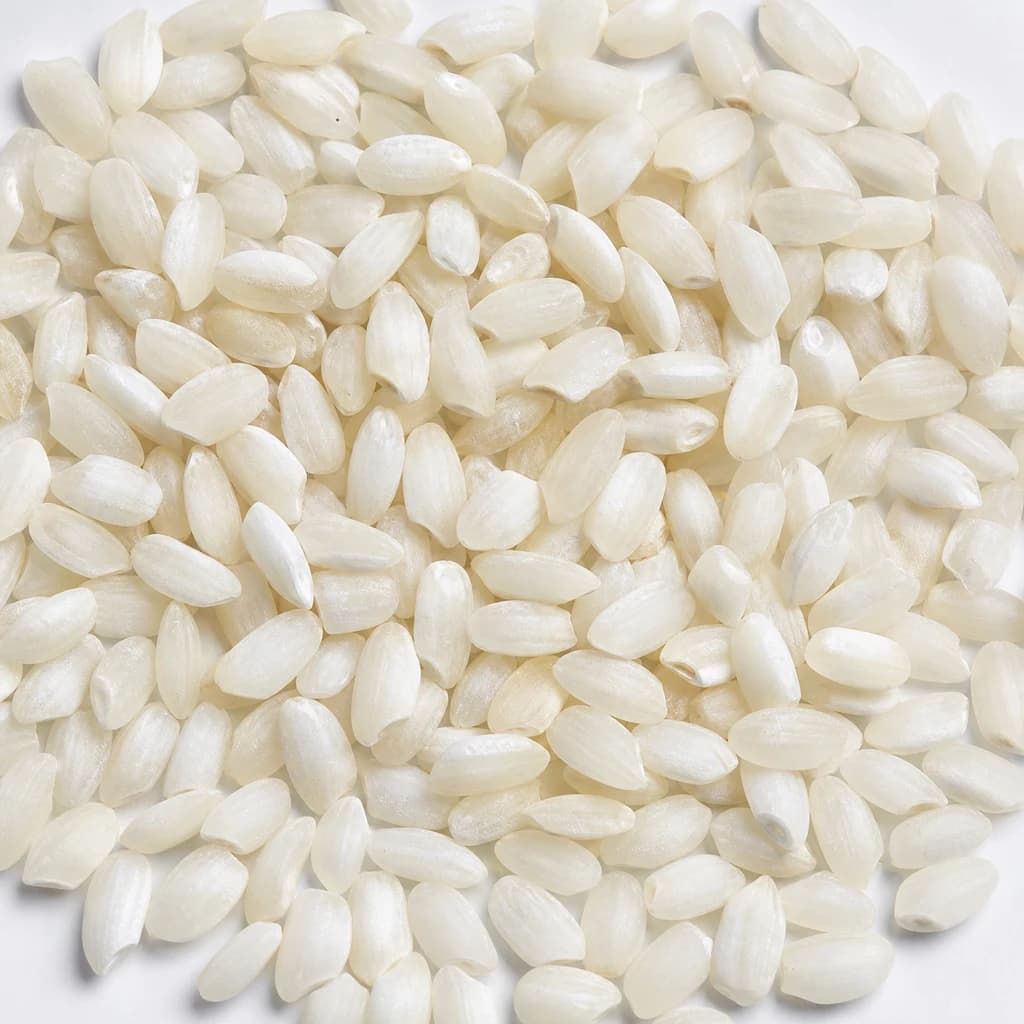
Arborio Rice
Plump, starchy rice that makes risotto creamy
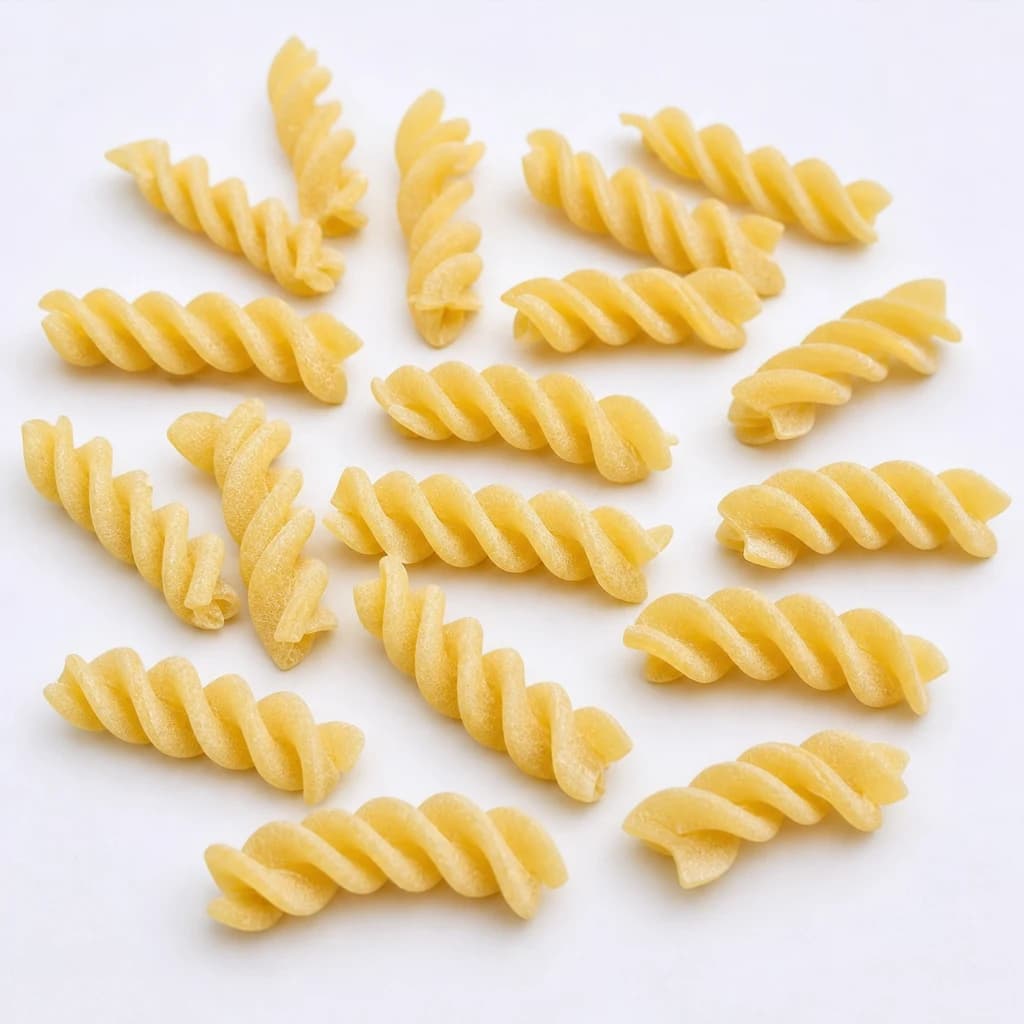
Fusilli
Spiraled pasta that twirls up sauce and dresses cold salads
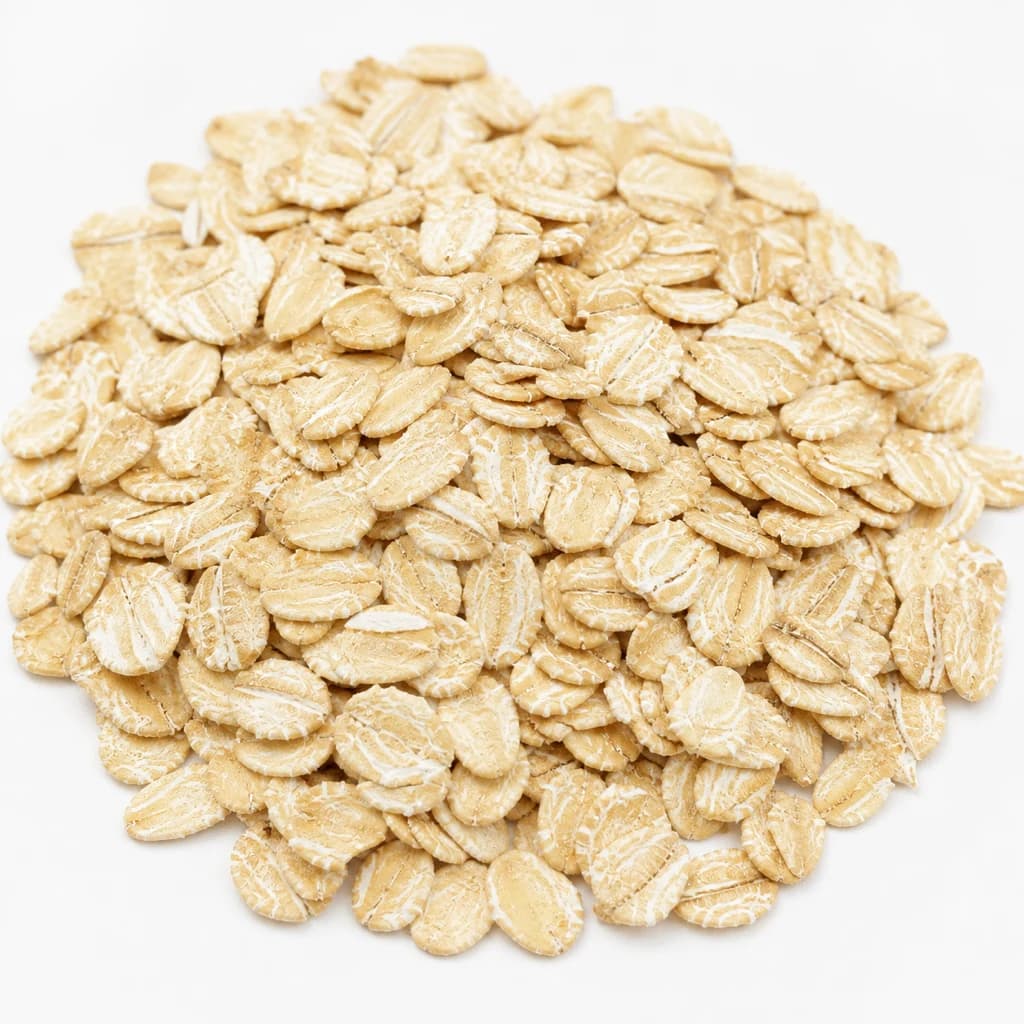
Rolled Oats
Hearty flakes for porridge, granola, and chewy cookies