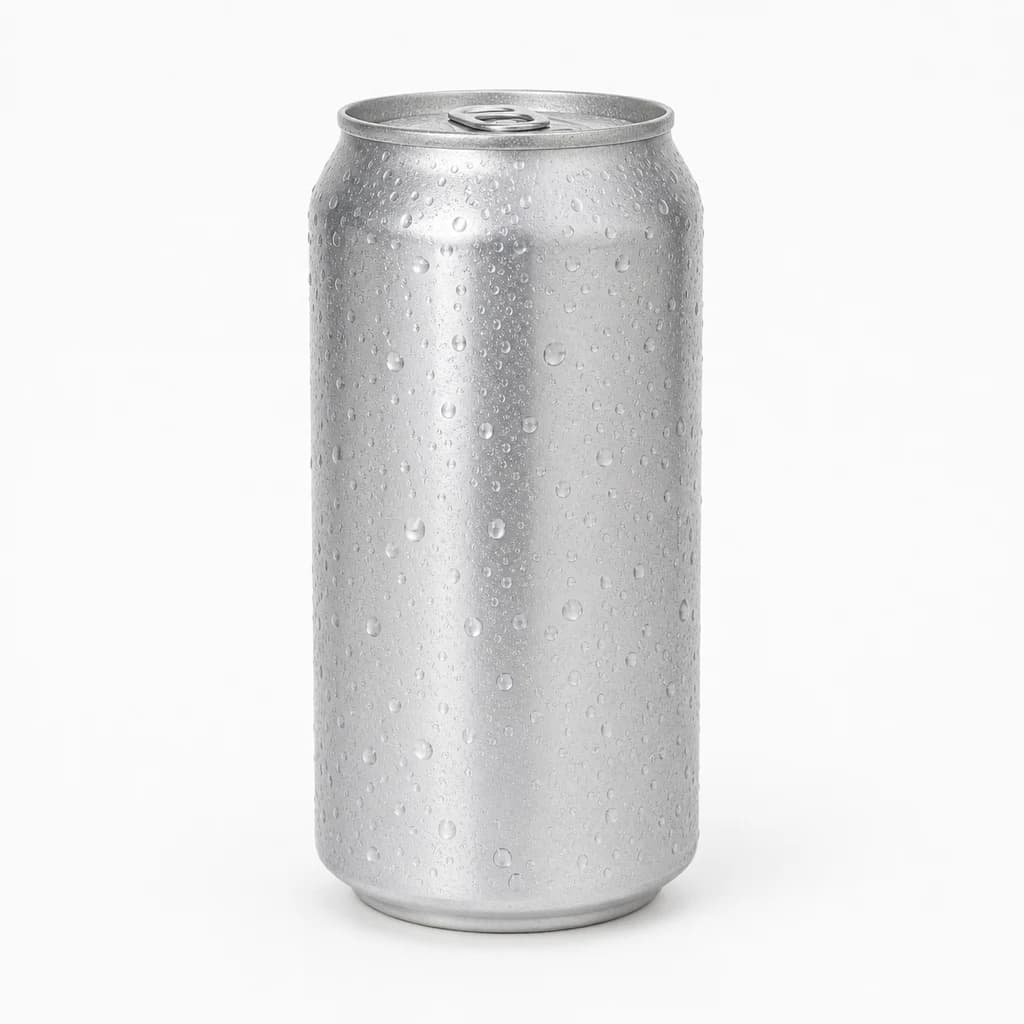
Natural form
An unopened sealed aluminum can of plain unflavored club soda.
Shows the most common purchase and storage form readers encounter at point of sale.
Beverages
Club Soda
Plain sparkling water for mixing and lengthening drinks
Crisp, neutral bubbles, club soda lengthens a highball, lightens a spritz, and tops a glass of juice. Keep it sealed for the fizz and serve it cold.
Club soda is water carbonated and dosed with mineral salts (like sodium bicarbonate and potassium sulfate), which give it a faintly salty-mineral edge compared with plain sparkling water. Crisp, fizzy, and neutral, it's a workhorse mixer — but its real kitchen value lies in those bubbles. The carbonation makes wonderfully light, crisp batters and pancakes, adds lift to certain doughs, and can fluff scrambled eggs. Club soda is also a classic emergency stain-lifter for fresh spills. Functionally it's nearly interchangeable with sparkling water and seltzer in cooking, with a slightly more mineral taste.
- Measured in
- ml
- Storage
- Room Temperature
Find it in
Types & varieties
Carbonated with added mineral salts
Plain carbonated water, no minerals
Often used interchangeably with club soda
How to use in cooking
The carbonation is the point: use cold club soda in tempura, fritter, and fish batters for an extra-crisp, light coating, and in pancake, waffle, or crêpe batters for fluffiness. A splash whisked into scrambled eggs makes them airier. It can lighten certain quick breads and doughs. Use it cold and fresh from the bottle — the more bubbles survive into the batter, the lighter the result. As a mixer it's clean and neutral.
How to choose
Club soda, soda water, seltzer, and sparkling water are largely interchangeable for cooking; club soda has added minerals for a slightly salty edge, seltzer is plain carbonated water, and sparkling mineral water has natural minerals. For batters, freshness and strength of carbonation matter more than the type.
Common uses
Tips & pitfalls
- Use it cold and fresh — fading fizz means less lift.
- A splash makes scrambled eggs and pancakes fluffier.
- Nearly interchangeable with sparkling water and seltzer.
- The colder the batter, the crisper the fry.
Nutrition
Energy
0 kJ · per 100 g
Protein
0g
0% DV
Carbs
0g
0% DV
Fat
0g
0% DV
Sodium
1mg
0% DV
Source · USDA FoodData Central · Water, bottled, non-carbonated, NAYA
View on FDC →In the shops
Matched grocery products
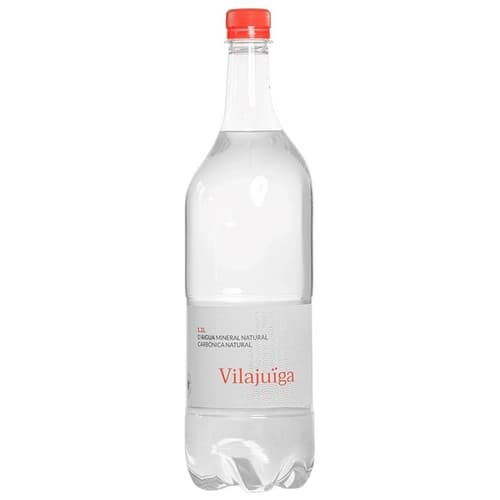 €1.45
€1.45Carbonated Water
VILAJUIGA · l · Bonpreu
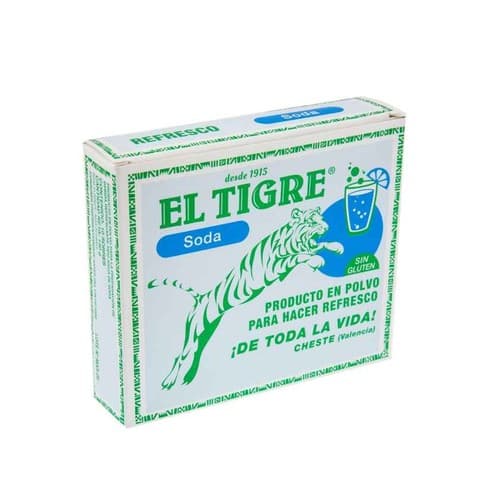 €2.25
€2.25Soda
EL TIGRE · kg · Bonpreu
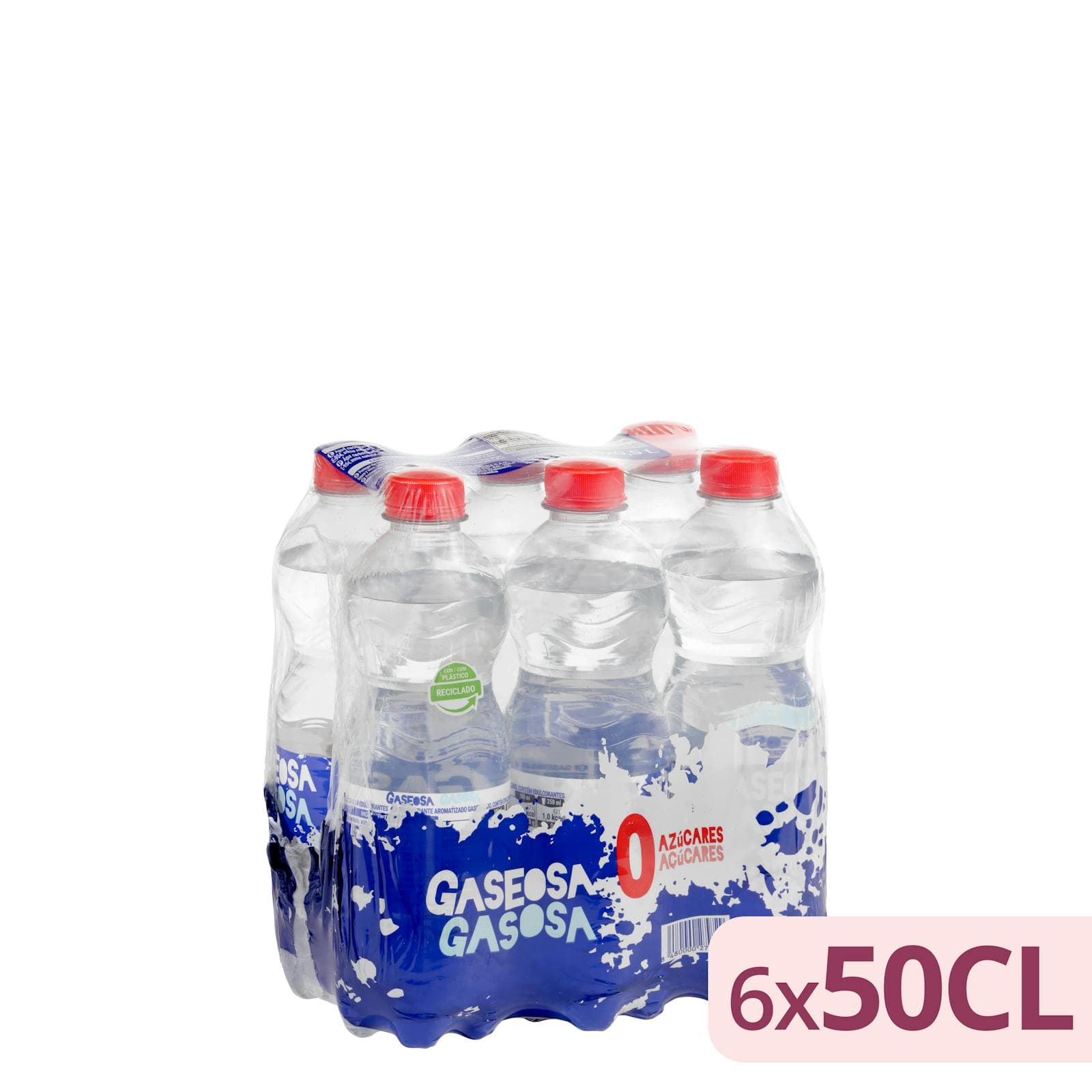
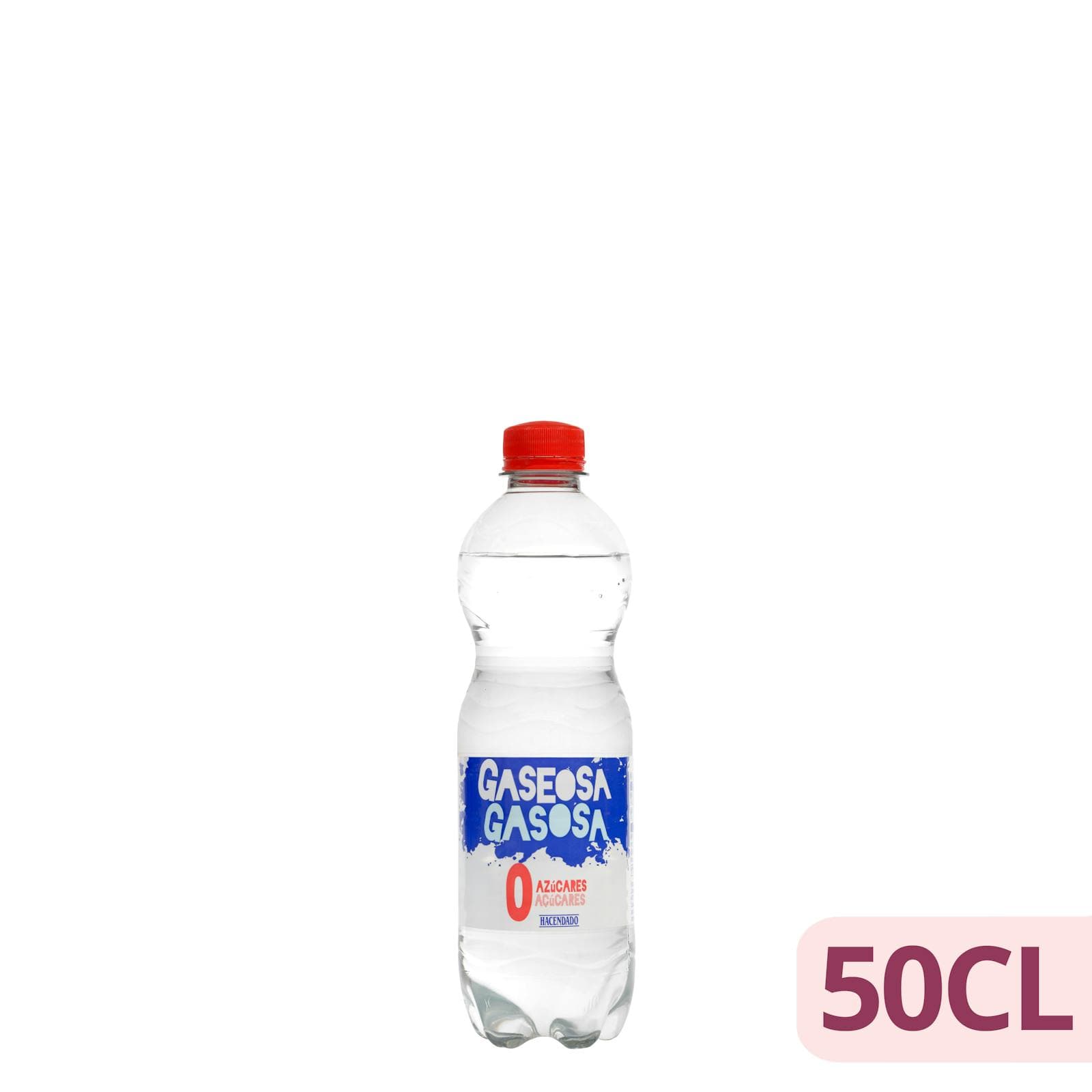 €0.34
€0.34Small Soda
Hacendado · 0.5 L · Mercadona
 €2.04
€2.04Small Soda
Hacendado · 3 L · Mercadona
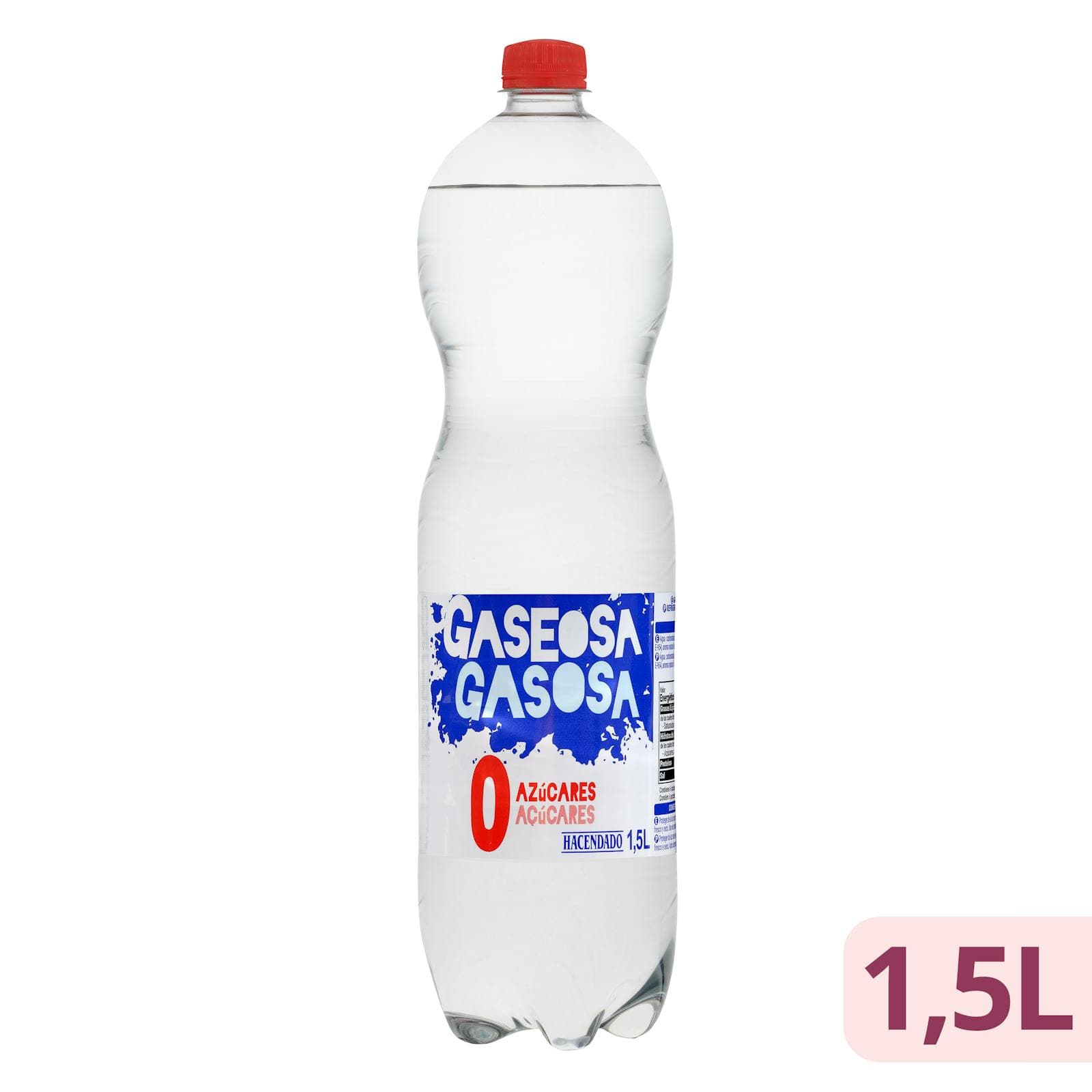 €0.55
€0.55Large Lemon Soda
Hacendado · 1.5 L · Mercadona
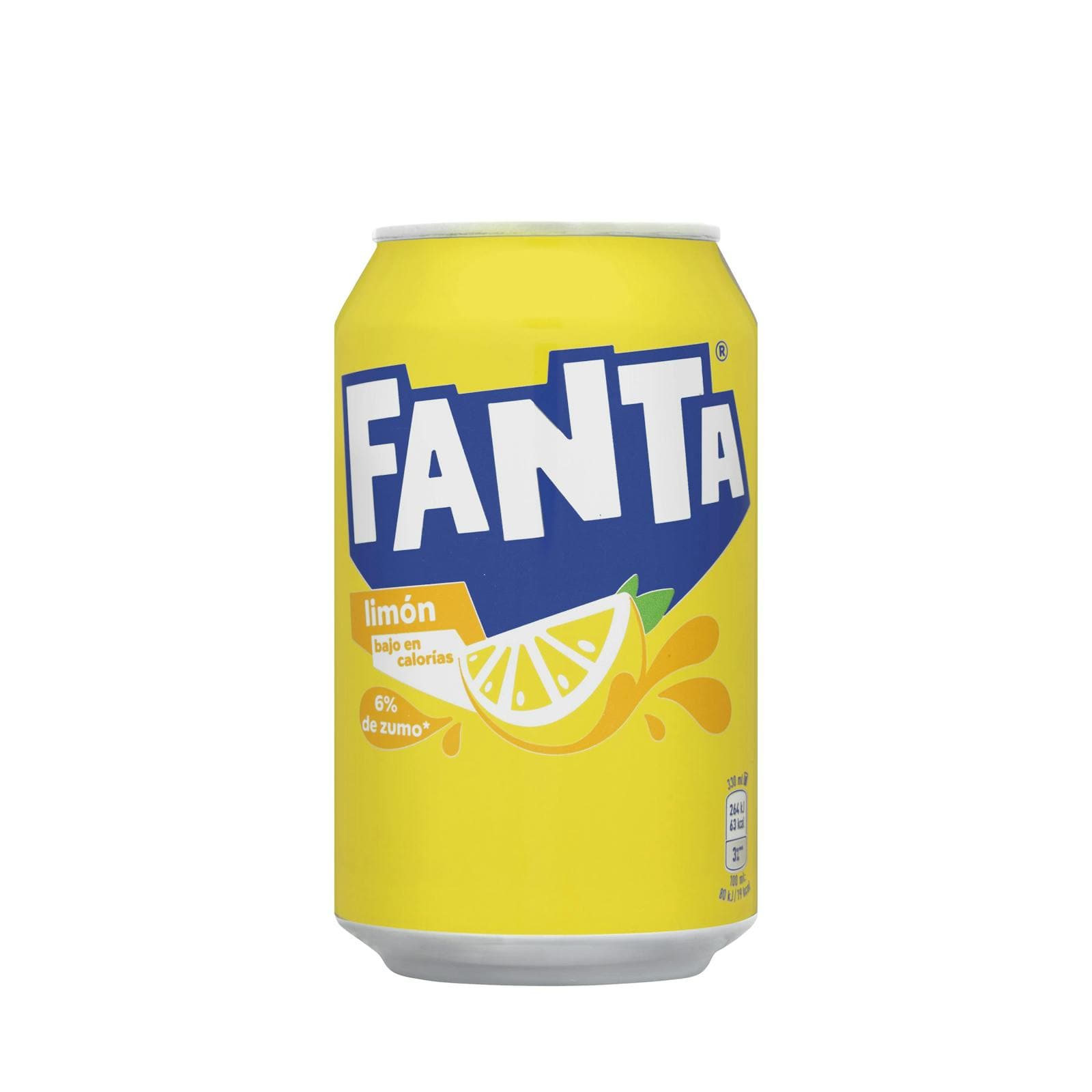 €0.80
€0.80Fanta Lemon Soda
Fanta · 0.33 L · Mercadona
Good to know
- Flavor
- Crisp, fizzy, faintly mineral-salty, neutral
- Use in cooking
- Light batters, fluffy pancakes/eggs, doughs
- Alcohol?
- No
- Substitute base
- Sparkling water, seltzer, or beer (batter)
- How to store
- Seal tightly to keep fizz; refrigerate; use fresh for batter
Substitutes
- Sparkling water / seltzer — Direct swap — slightly less mineral
- Beer (in batter) — Adds flavor plus carbonation lift
- Sparkling mineral water — Natural minerals, similar fizz
Also called
club soda · soda water · carbonated water · soda · agua con gas · gaseosa
Appears in these dishes
Related

White Rum
Light, clean rum for mojitos, daiquiris, and piña coladas

Dark Rum
Rich, molasses-deep rum for tiki drinks and sipping
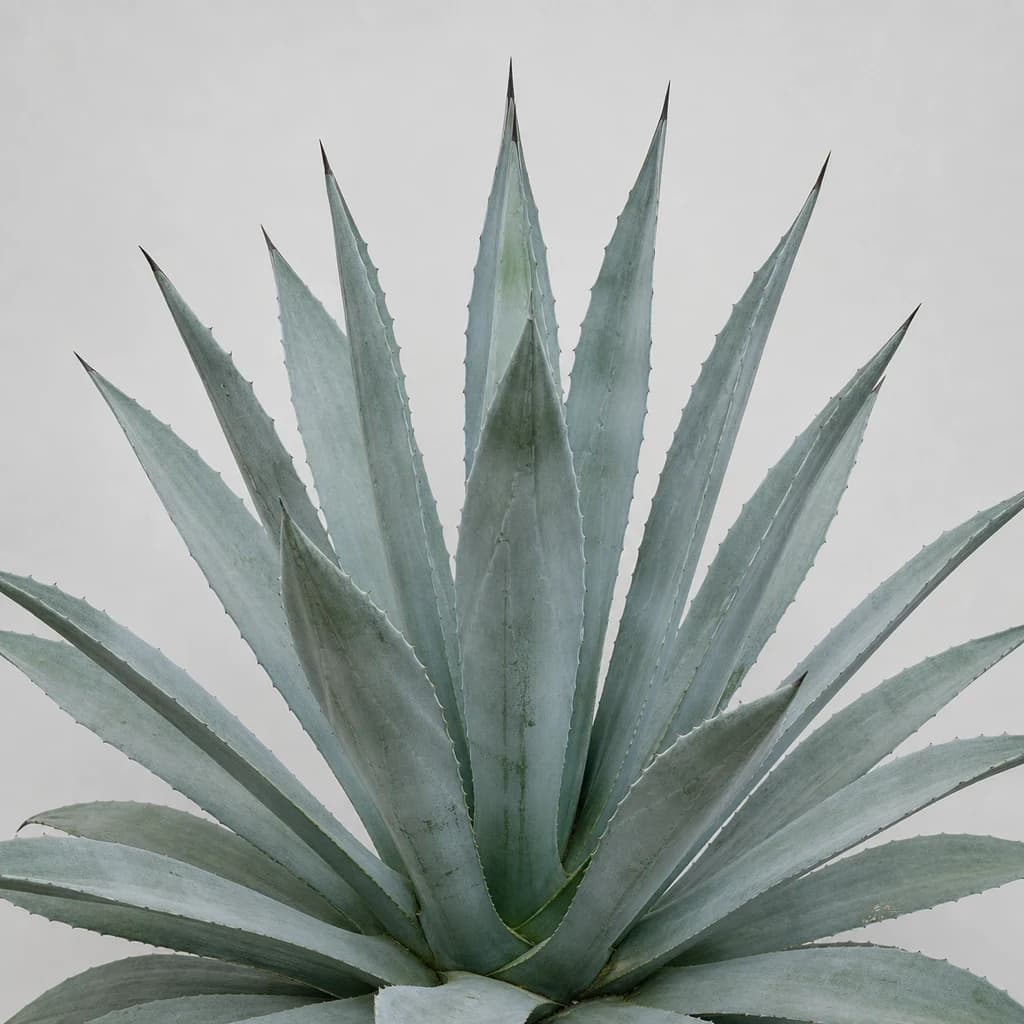
Tequila
Bright agave spirit for margaritas, palomas, and shots
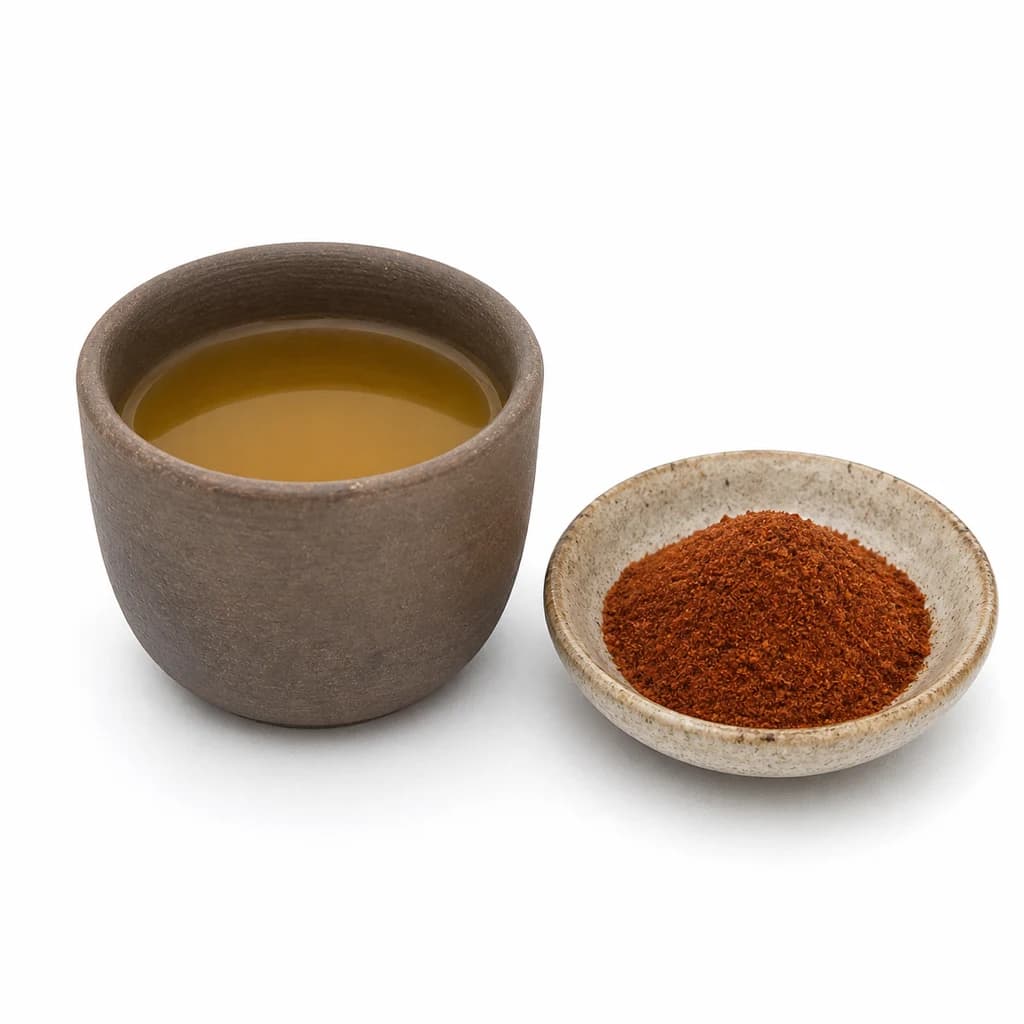
Mezcal
Smoky agave spirit for sipping and smoldering cocktails
Vodka
Clean, neutral spirit for mixing into almost any cocktail
Gin
Botanical, juniper-forward spirit for G&Ts and martinis
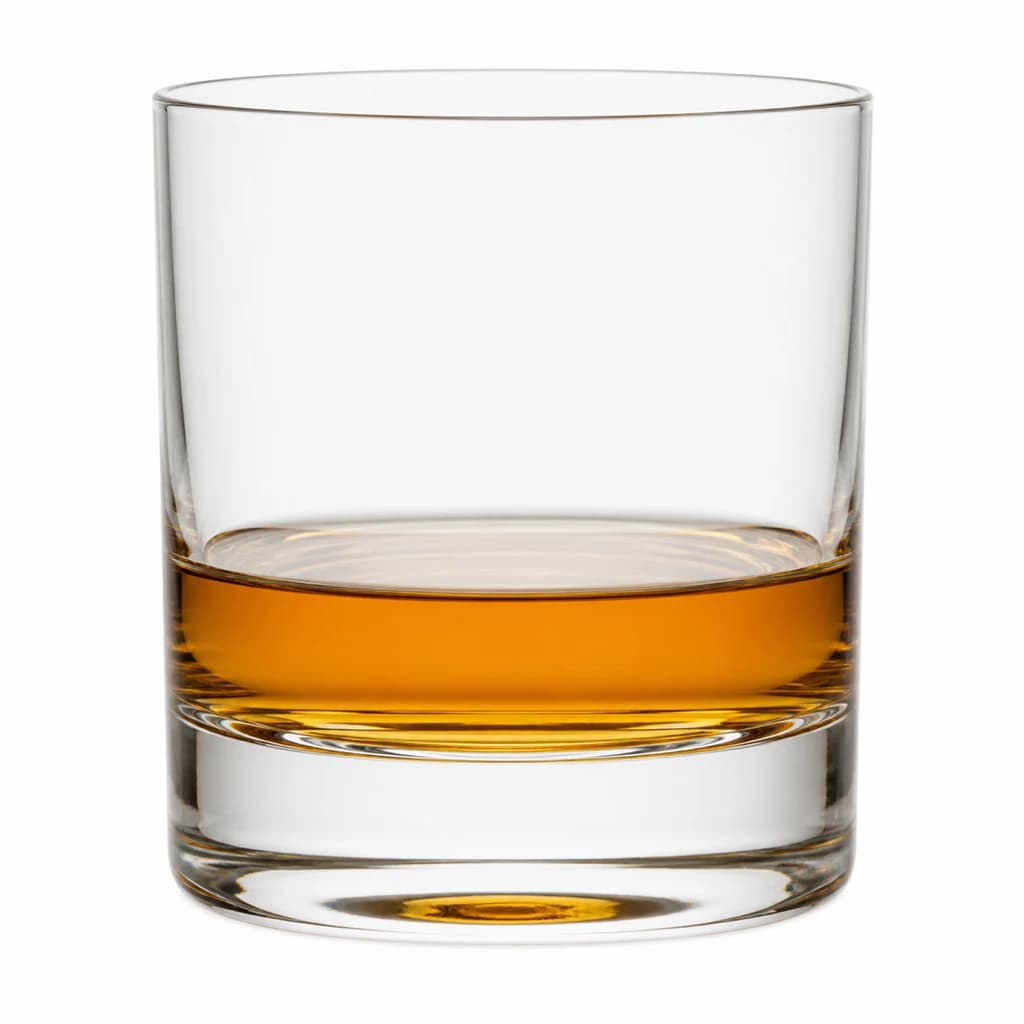
Whisky
Warm, oak-aged spirit for sipping and classic cocktails

Brandy
Rich, fruity grape spirit for sipping, sauces, and flambé