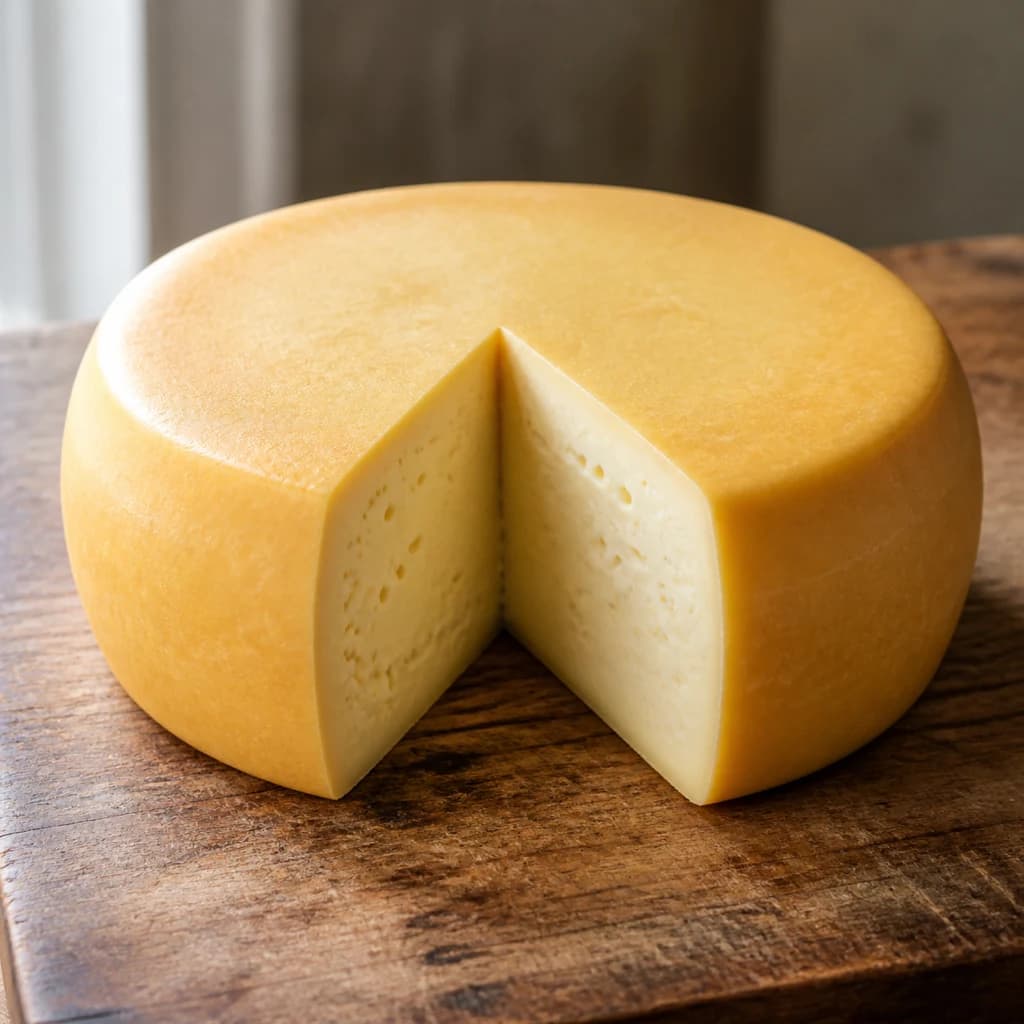
Natural form
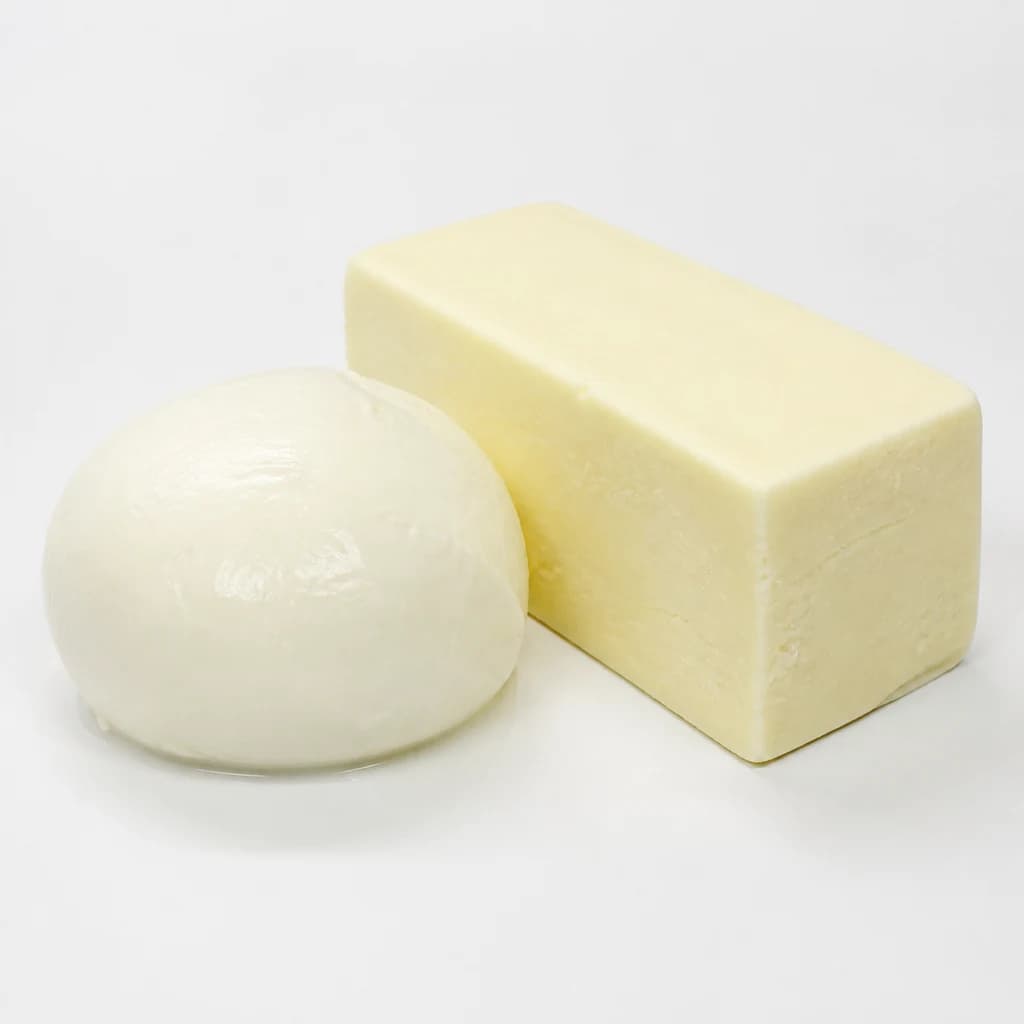
A whole wheel of Queso Colonia showing its golden-yellow wax rind and compact semi-hard body.
Shows the cheese in its intact, recognizable market form so readers can identify it at a glance.
Dairy & Eggs
Colonia Cheese (Queso Colonia)
Uruguayan semi-hard cow's-milk cheese, mild and meltable like Gouda.
Queso Colonia is a Uruguayan semi-hard cow's-milk cheese developed by Swiss immigrants in the Colonia region. It is mild, buttery, and slightly nutty with small holes, similar to Gouda or Tilsit. It melts well and is sliced for sandwiches or eaten as a table cheese.
Queso Colonia is the workhorse of Uruguayan cheese culture—a semi-hard cow's-milk cheese that occupies the same role in Uruguay that cheddar does in the United States or Gouda does in the Netherlands. Named for the colonial city of Colonia del Sacramento, it is made using thermophilic cultures and a technique similar to pasta hilada, though modern production emphasizes industrial consistency over artisanal methods. The result is a cheese with small to medium eyes, a smooth flexible texture, and that rare combination of mild buttery flavor with excellent meltability. Its yellow-orange wax rind (or natural rind on artisan wheels) encloses a cheese that browns evenly and melts into creamy ribbons without turning greasy or stringy—a quality that makes it indispensable in Uruguayan kitchens. The standard variety ages two to four months; aged versions develop a subtler tang and deeper nuttiness, while the smoked ahumado variant adds wood-fired complexity without sacrificing melt performance. Unlike harder, saltier Latin American cheeses meant for grating, Queso Colonia is built for melting into sandwiches, gratins, and the fillings of empanadas and arepas.
- Measured in
- g
- Storage
- Fridge
Allergens
Types & varieties
Standard semi-hard variety; mild, meltable, the most common type found in Uruguay and international markets
Cold-smoked over wood; adds a smoky, robust dimension while retaining full meltability; browns more quickly when baked
Factory-sealed loaf format; common in supermarkets; slightly more processed texture but reliable and consistent for melting
Not Colombian Cheese
Queso Colonia is Uruguayan and should not be confused with Queso Colombiano or Queso Colombiau, which is a Colombian product. The Colombian variety is much harder, saltier, and designed for grating—its culinary role is entirely different. When substituting or purchasing, confirm the country of origin to avoid disappointment in recipes expecting Colonia's meltability and mildness.
- Colombian cheese is hard and salty; Uruguayan Colonia is soft and mild
- Colombian cheese grates; Colonia melts
- Check the label for country of origin when buying from Latin grocery stores
Common uses
Tips & pitfalls
- Bring Queso Colonia to room temperature 30–45 minutes before serving or cooking for fuller flavor and smoother melting
- Use medium-high heat when melting; excessive direct flame can cause the cheese to become stringy
- When grilling or broiling, place under heat briefly—just until bubbly and golden, not longer or the wax rind can scorch
- The wax rind is edible but is typically removed before cooking; do not confuse it with inedible synthetic coatings on some industrial cheeses
- For clean slicing, chill the cheese slightly first—warm cheese tears rather than cuts cleanly
- If substituting Queso Colonia for a sharper cheese in a sauce, add a pinch of salt or a touch of mustard to compensate for its mildness
- Smoked ahumado versions brown more quickly due to natural sugars in the wood smoke; monitor closely when baking or gratinéing
- When using in empanadas or baked fillings, cut into small cubes so it melts evenly throughout rather than clumping
Nutrition
Energy
1628 kJ · per 100 g
Where the calories come from
Protein
25.6g
51% DV
Carbs
1.6g
1% DV
Fat
31.1g
40% DV
Fiber
0g
0% DV
Sugars
1.6g
of which
Sodium
800mg
35% DV
Source · USDA FoodData Central · approx. Cheese, fontina
View on FDC →In the shops
Matched grocery products
No matched grocery products for Colonia Cheese (Queso Colonia) yet.
Good to know
- Origin
- Uruguay, named after Colonia del Sacramento; a staple of Uruguayan dairy tradition
- Milk Type
- Cow's milk, typically pasteurized
- Texture
- Semi-hard, smooth, flexible; small to medium eyes (holes)
- Flavor
- Mild, buttery, slightly nutty; subtly tangy in aged versions
- Fat Content
- Approximately 26–28%
- Melting Quality
- Excellent; melts evenly without separating or becoming greasy
- Aging
- 2–4 months for standard; longer for aged varieties
- Storage
- Refrigerate wrapped tightly; use within 3–4 weeks; can freeze but may affect texture
Substitutes
- Young Gouda — Closest match in flavor and melt; Dutch Gouda is slightly nuttier but works identically in sandwiches and sauces
- Edam — Similar texture and mildness; slightly lower fat content; melts well for sandwiches and sauces
- Mild Provolone — Better melt than most cheeses; sharper flavor, so use slightly less or add a pinch of sugar to balance
- Muenster — Soft texture, excellent melt; lacks the slight firmness of Colonia but works for grilled cheese and melts
- Mild Cheddar — Acceptable fallback; melts smoothly but has more tang than Colonia; avoid sharp varieties that overpower
Pairs with
Also called
Queso Colonia
Related

Whole Milk
Rich, full-fat milk for drinking, coffee, sauces, and baking
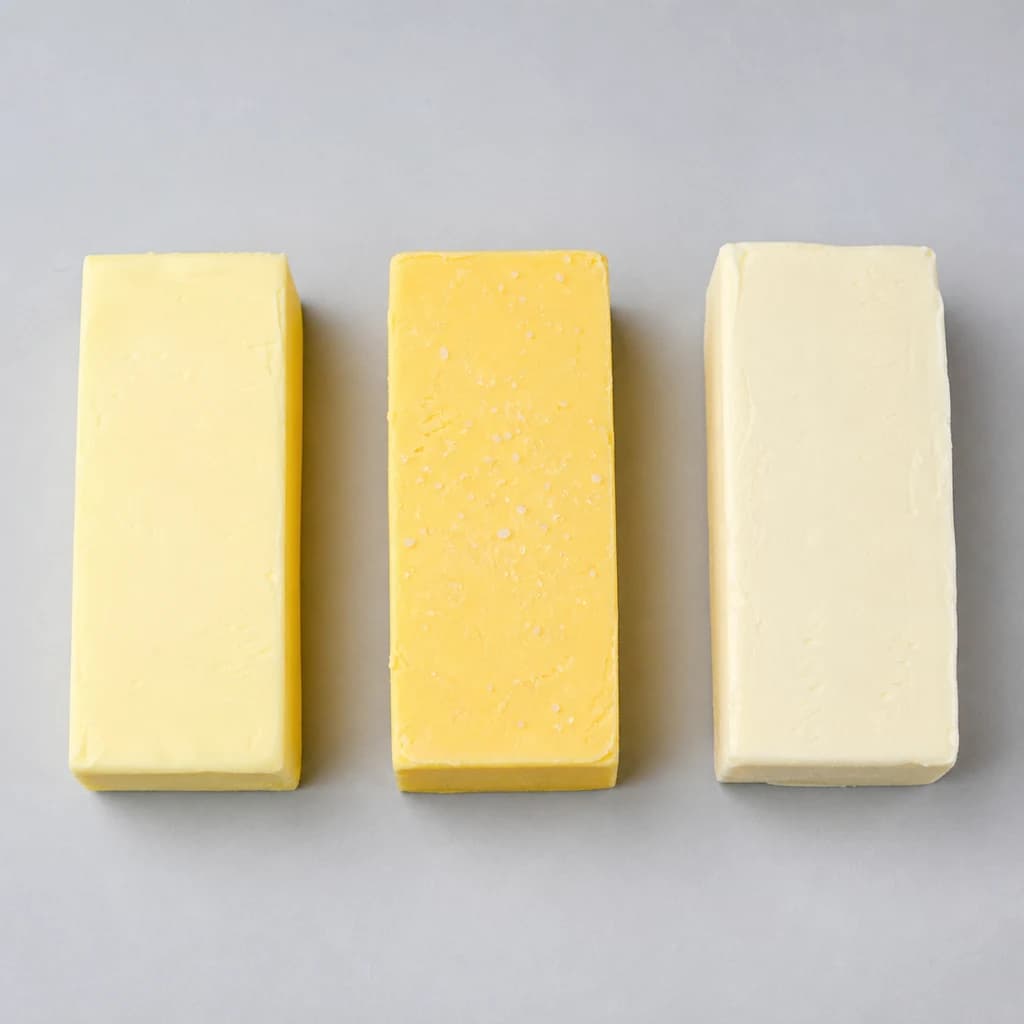
Butter
Golden fat for searing, baking, and finishing a sauce
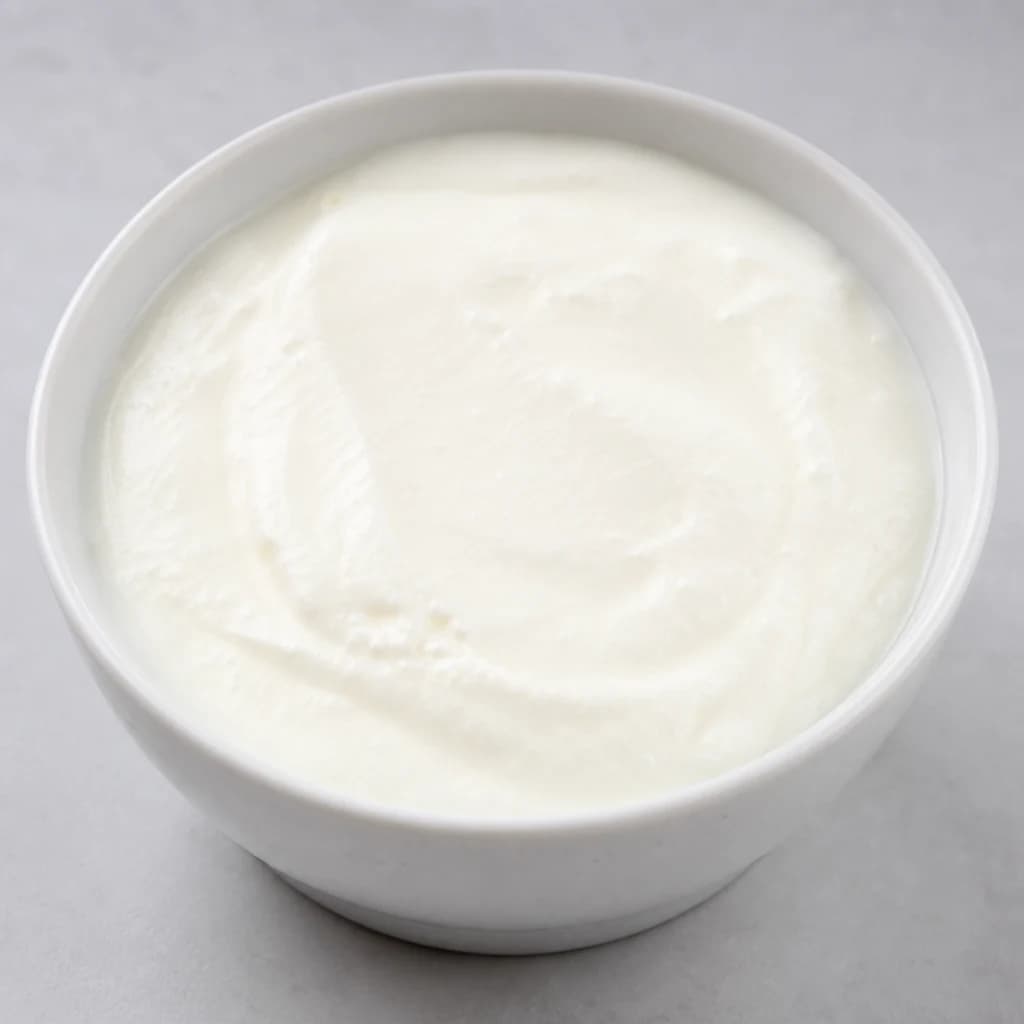
Yogurt
Tangy, creamy culture for breakfast, sauces, and marinades
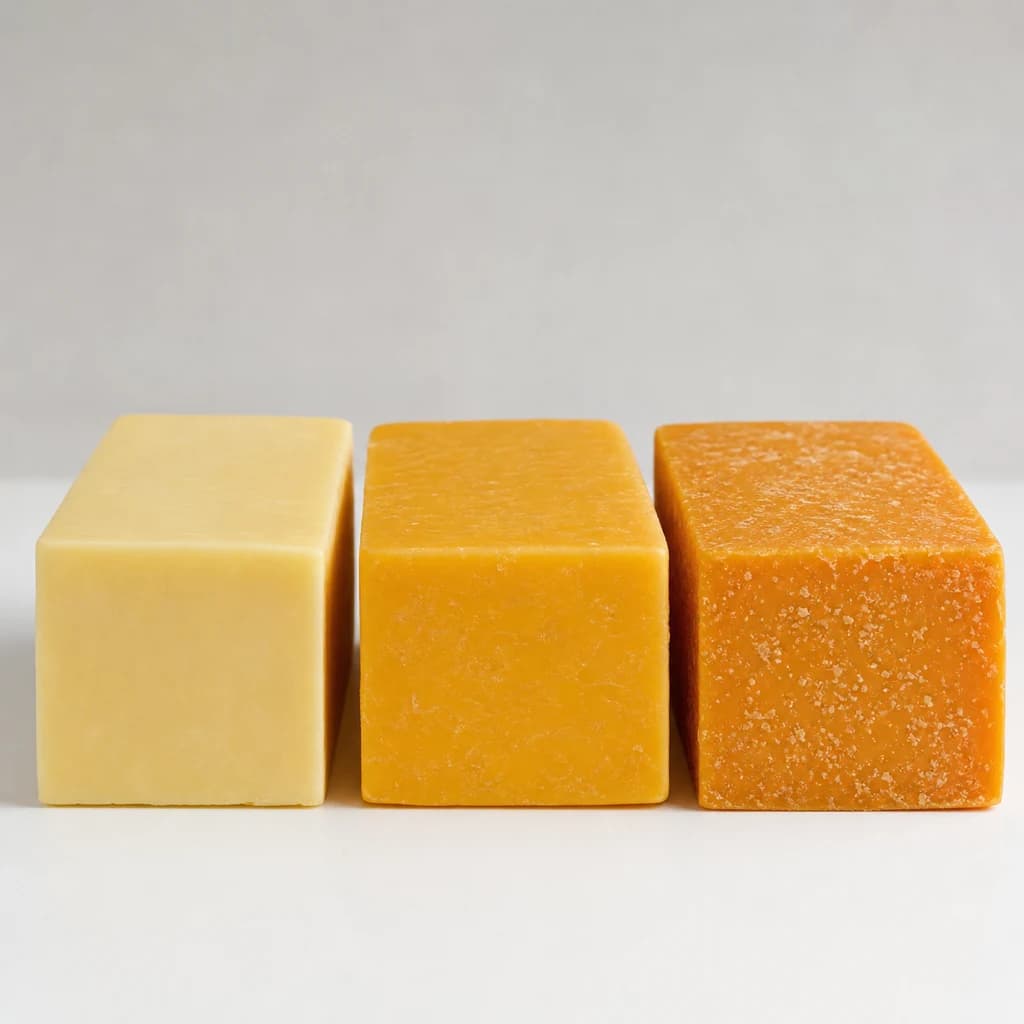
Cheddar Cheese
Sharp, melty cheese for sandwiches, gratins, and grating

Skim Milk
Fat-free milk for lighter drinking, coffee, and cooking

Heavy Cream
Rich cream that whips, enriches sauces, and sets ganache

Sour Cream
Tangy, thick cream for dolloping, baking, and dips
Mozzarella
Soft, milky cheese that melts into stretchy pizza pulls