Grains & Rice
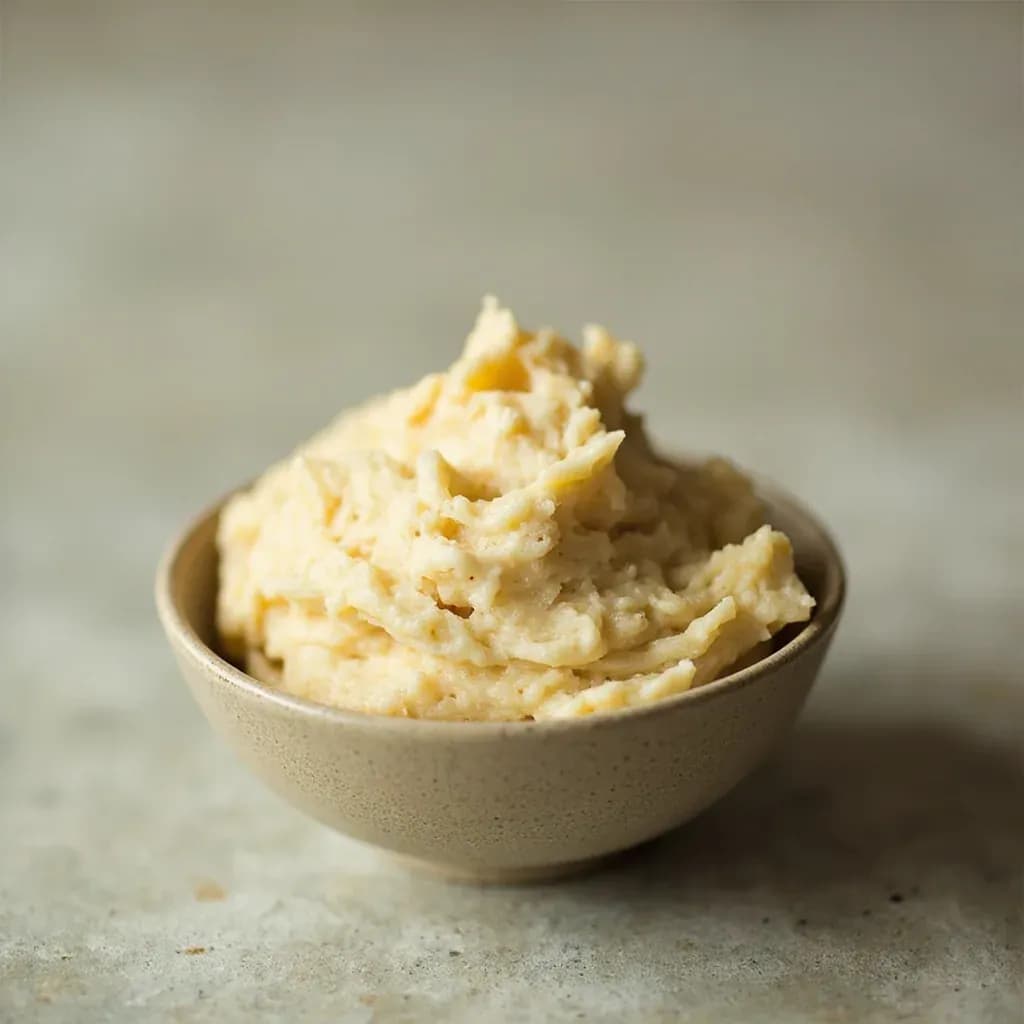
Fermented Corn Dough (Mawe)
West African fermented corn dough used as a base for porridges, dumplings and steamed dishes.
Fermented corn dough, called mawe in parts of West Africa, is made by soaking and milling corn, then letting the wet dough ferment for one to three days. It develops a pleasant tang and is cooked into porridges, steamed cakes and stiff staples like akple or kenkey. The fermentation both flavors the dough and improves its keeping quality.
Fermented corn dough — called mawe in Ghana, ogi or akamu in Nigeria, and by various regional names throughout West Africa — is a foundational ingredient built through natural lactic acid fermentation. Whole corn kernels are soaked in water for three to five days, during which wild Lactobacillus bacteria from the environment colonize the grain and produce lactic acid. The resulting dough has a pronounced tangy, sour flavor and a smooth, thick consistency that unfermented corn products cannot replicate. This fermentation is not incidental — it is the defining characteristic that separates mawe from simple cornmeal paste. The acidity developed over several days gives banku, kenkey, and ogi their signature sharpness and also acts as a natural preservative, making the dough safer to store in warm climates than fresh corn products. Traditionally, women prepare mawe in large batches using stone grinding mills, and the skill of judging fermentation readiness by smell, bubble activity, and subtle sourness is passed through generations. The dough serves as the raw material for some of West Africa's most beloved comfort foods.
- Measured in
- g
- Storage
- Fridge
Types & varieties
Specifically fermented and ground for Ghanaian banku; slightly finer texture, fermented 3+ days
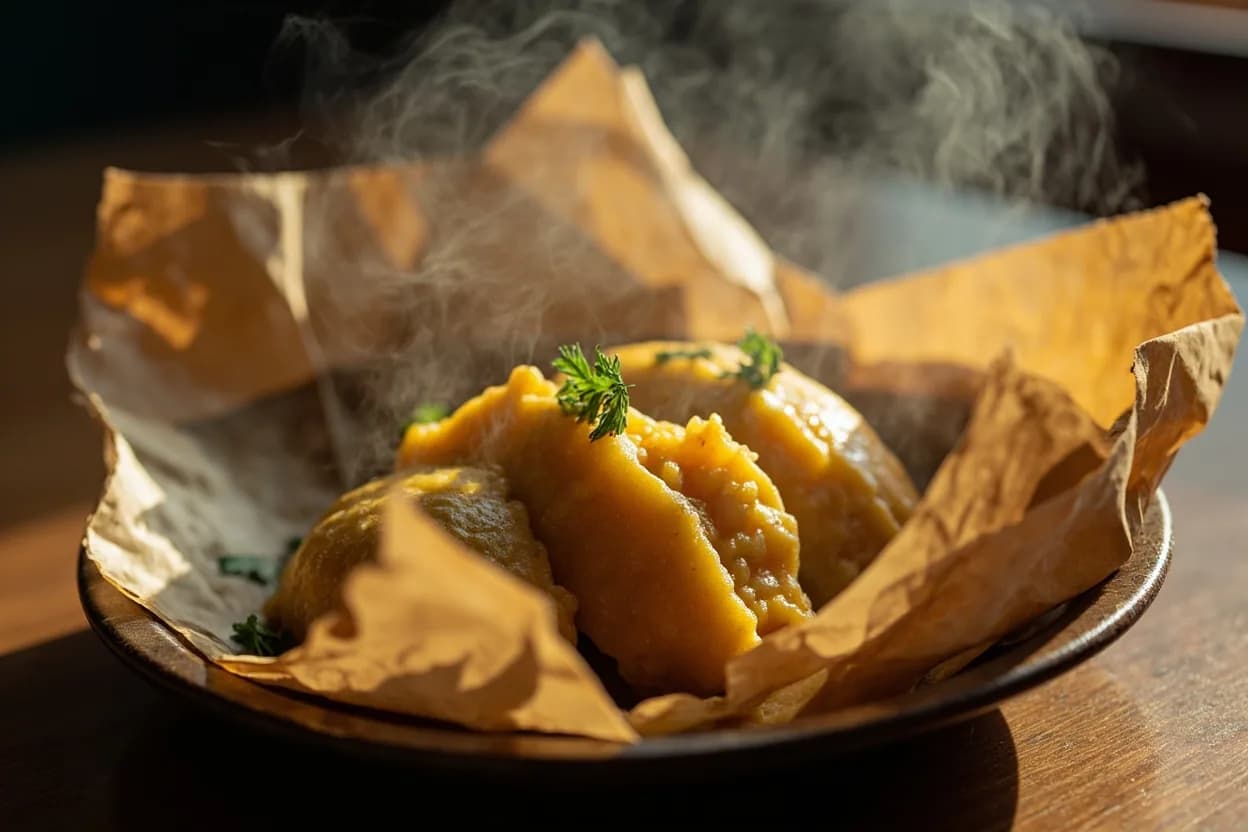
Wrapped in corn husks or plantain leaves before steaming; longer fermentation for pronounced sourness
Thinner porridge consistency; also called "eko" in Yoruba; made from fermented maize, millet, or sorghum
Northern Nigerian variety; may use millet in addition to corn; often fermented shorter duration
Similar to banku; served with grilled fish and hot pepper sauce
The Science of Natural Fermentation
Mawe relies entirely on wild fermentation — no commercial starter or added culture is required. When whole corn kernels are submerged in water, environmental Lactobacillus bacteria already present on the grain and in the surrounding air colonize the substrate. Over three to five days at room temperature (ideally 24–30°C), these bacteria convert sugars in the corn to lactic acid, progressively lowering the pH from neutral to approximately 3.5–4.0. This acidification accomplishes three things simultaneously: it develops the characteristic sour-tang, it partially breaks down starches and proteins for easier digestion, and it creates an environment hostile to pathogenic bacteria. The fermentation is complete when the dough emits a clean, pleasantly sour smell and small bubbles are visible on the surface. An ammonia-like or putrid odor indicates over-fermentation, and the dough should be discarded.
- Wild Lactobacillus bacteria drive fermentation — no commercial culture needed
- pH drops from neutral to 3.5–4.0 over 3–5 days
- Acidity develops flavor, improves digestibility, and acts as natural preservative
- Judging readiness by smell and bubble activity is a learned skill passed through generations
From Grain to Dough
The traditional preparation involves soaking whole, dried corn kernels in excess water for several days. The kernels swell, soften slightly, and ferment. When fermentation is complete, the kernels are ground to a smooth, thick paste using a stone mill (ore), a heavy-duty food processor, or a wet grinder. The ground paste is then worked to a uniform consistency — smooth, thick, and spreadable, like a very stiff porridge. This wet dough can be used immediately or further processed into specific dishes. For storage, the dough can be pressed into cakes and sun-dried until completely hard, then stored in airtight containers for several months and rehydrated with warm water when needed.
- Whole kernels, not pre-ground meal, produce the best texture and fermentation
- Grinding must yield a smooth, lump-free paste — rough grinding makes final dishes gritty
- Dried mawe cakes rehydrate best with warm water to restore workable consistency
- Commercial products vary in texture and fermentation strength by intended use — check labels
Common uses
Tips & pitfalls
- Do not shorten fermentation — the sour flavor develops over 3–5 days; rushing produces bland dough with none of the characteristic tang
- Use whole corn kernels, not pre-ground meal, for authentic texture and fermentation behavior
- Maintain consistent room temperature (24–30°C); cooler temps slow fermentation significantly and can produce inconsistent results
- Cover dough loosely during fermentation to allow airflow while preventing contamination — a loose cloth or lid resting on top works well
- Grind or blend to a smooth, lump-free consistency; rough grinding yields gritty texture in the final dish
- If fermentation produces ammonia or an overly putrid smell, the dough has over-fermented — discard it and start fresh
- For dried mawe flour: sun-dry ground dough completely before storing; rehydrate with warm water when ready to use
- When shaping banku or kenkey balls, wet your hands frequently to prevent sticking
- Mawe dough continues fermenting slowly in the refrigerator — use within 2–3 days or freeze for longer storage
Nutrition
Nutrition
No USDA FoodData Central match for Fermented Corn Dough (Mawe) yet. We surface a per-100 g profile once a generic whole-food entry is matched and verified.
In the shops
Matched grocery products
 €1.55
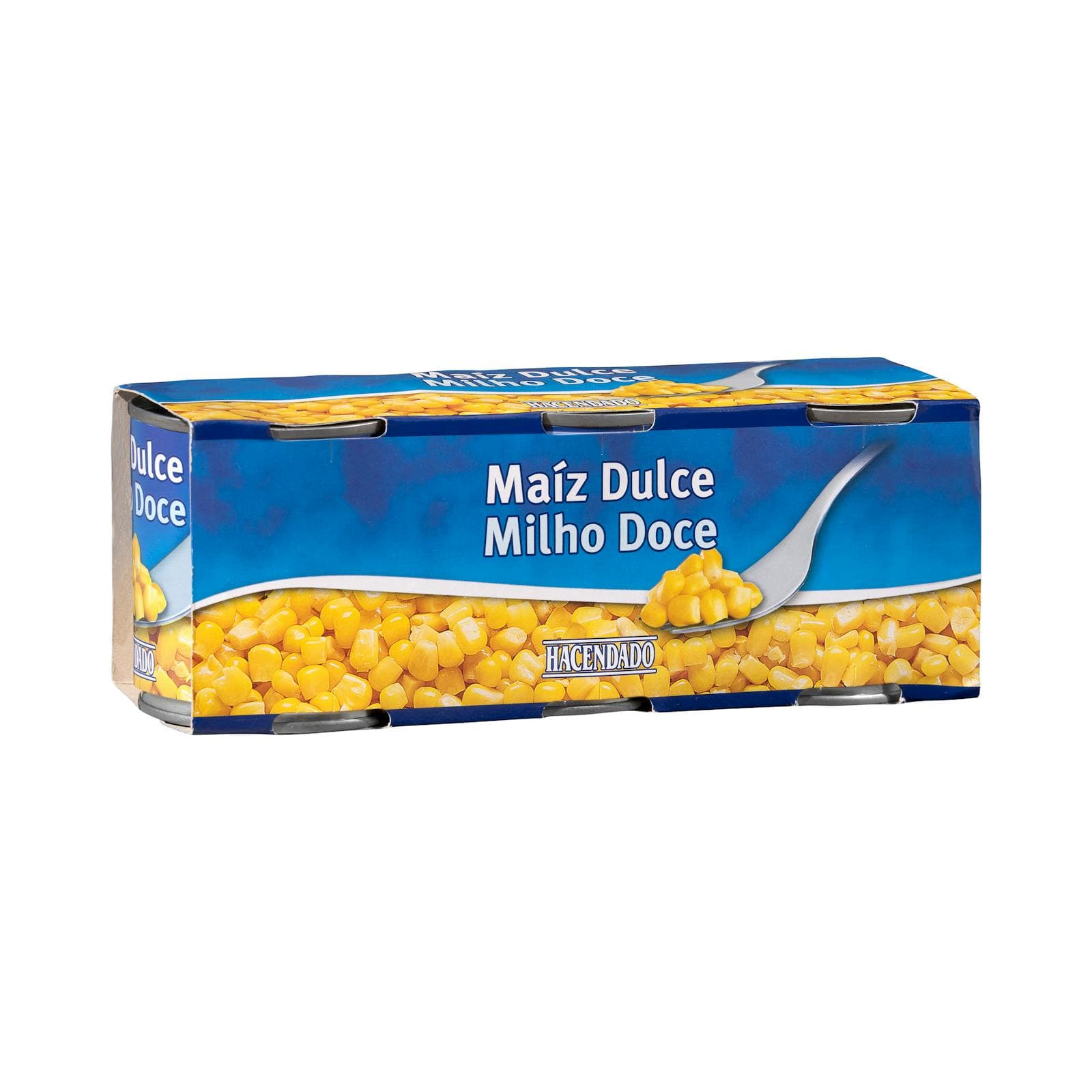
€1.55Sweet Corn
Hacendado · 450 g · Mercadona
 €1.59
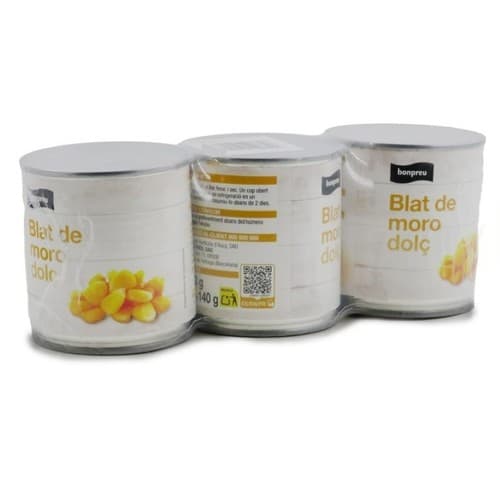
€1.59Sweet Corn Bonpreu
BONPREU · kg · Bonpreu
 €2.49
€2.49Sweet Corn Bonpreu
BONPREU · kg · Bonpreu
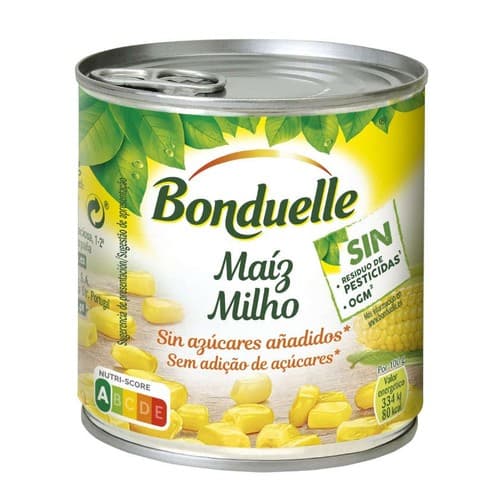 €1.99
€1.99Bonduelle Sweet Corn
BONDUELLE · kg · Bonpreu
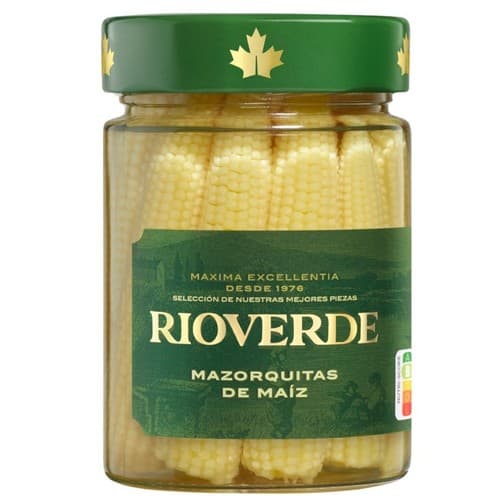 €2.99
€2.99Pickled Corn Kernels
RIOVERDE · kg · Bonpreu
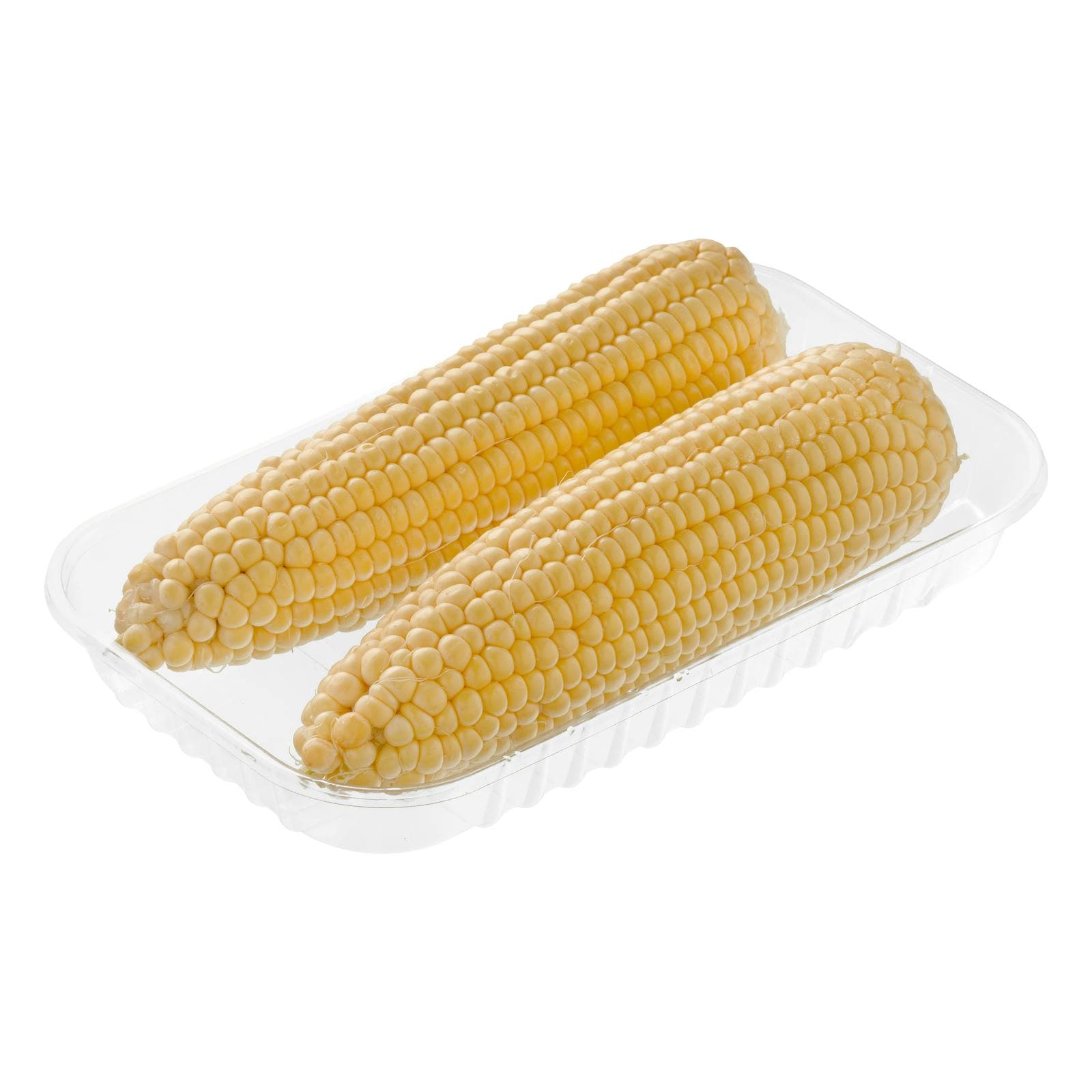 €3.15
€3.15Sweet Corn on the Cob
2 ud · Mercadona
Good to know
- Origin
- West Africa (primarily Ghana, Nigeria, and surrounding regions)
- Primary Grain
- Maize (corn)
- Fermentation Duration
- Typically 3–5 days at room temperature
- Flavor Profile
- Tangy, sour, slightly acidic with subtle fermented notes
- Texture
- Smooth, thick, spreadable dough when hydrated
- Shelf Life (Fresh)
- 2–3 days refrigerated; fermentation extends usability vs. unfermented dough
- Shelf Life (Dried/Ground)
- Several months stored airtight in cool, dry conditions
- pH (Fermented)
- Typically 3.5–4.0 (acidic)
- Key Cultures
- Lactic acid bacteria (Lactobacillus species); natural wild fermentation from environment
- Yield
- 1 kg dried corn yields approximately 1.5–2 kg wet dough at desired consistency
Substitutes
- Masa Harina — Mexican nixtamalized corn flour; different process (lime-treated, not fermented) but similar texture for dumplings and flatbreads
- Unfermented Corn Dough + Lemon Juice — Mimics acidity but lacks complex fermented flavor; use sparingly to avoid overpowering the dish
- Fermented Rice Flour Paste — Provides sour fermented note; different grain, acceptable for porridge-style preparations
- Sour Cream or Buttermilk — Can add tanginess to unfermented corn-based dishes; not a direct substitute for dough
Pairs with
Also called
Mawe · Mawè
Appears in these dishes
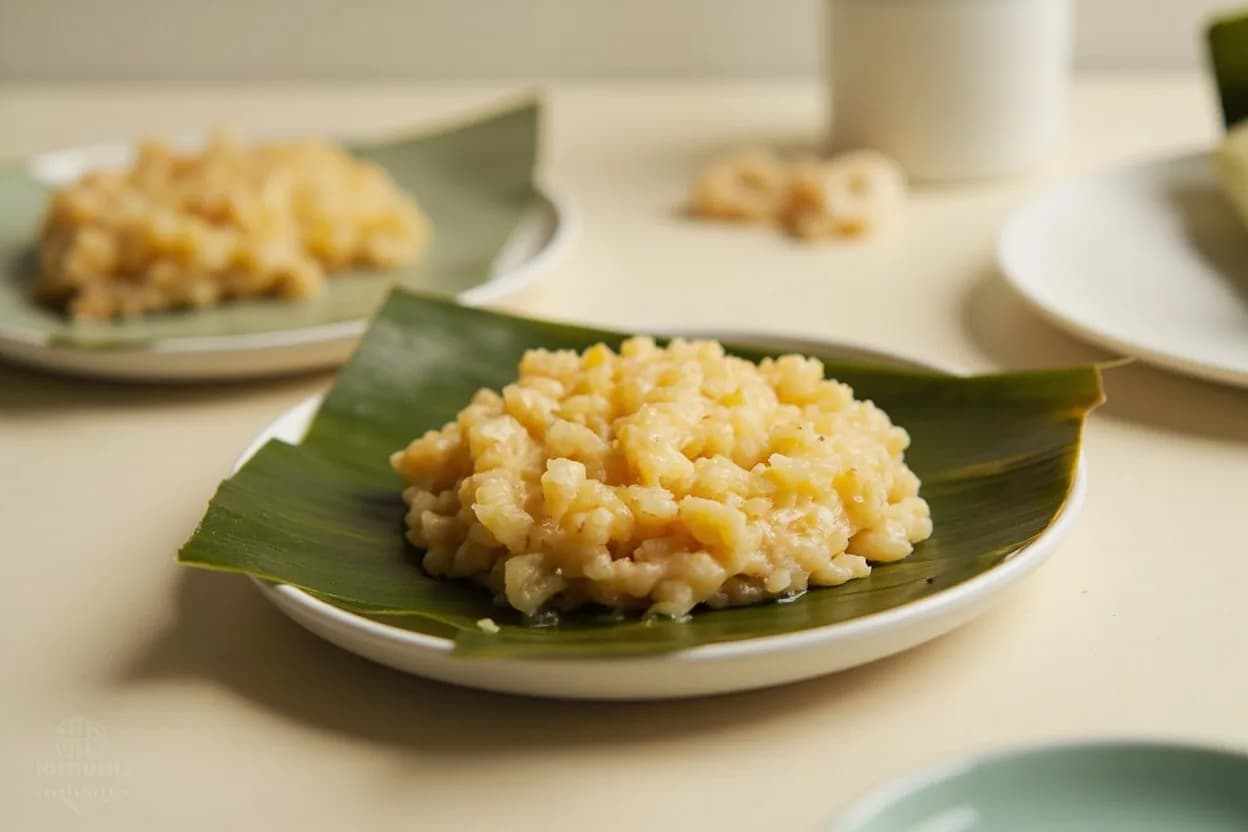

Related

White Rice
Fluffy long-grain rice — the neutral base for almost any meal

White Bread
Soft sandwich loaf for toast, sandwiches, and crumbs
Brown Rice
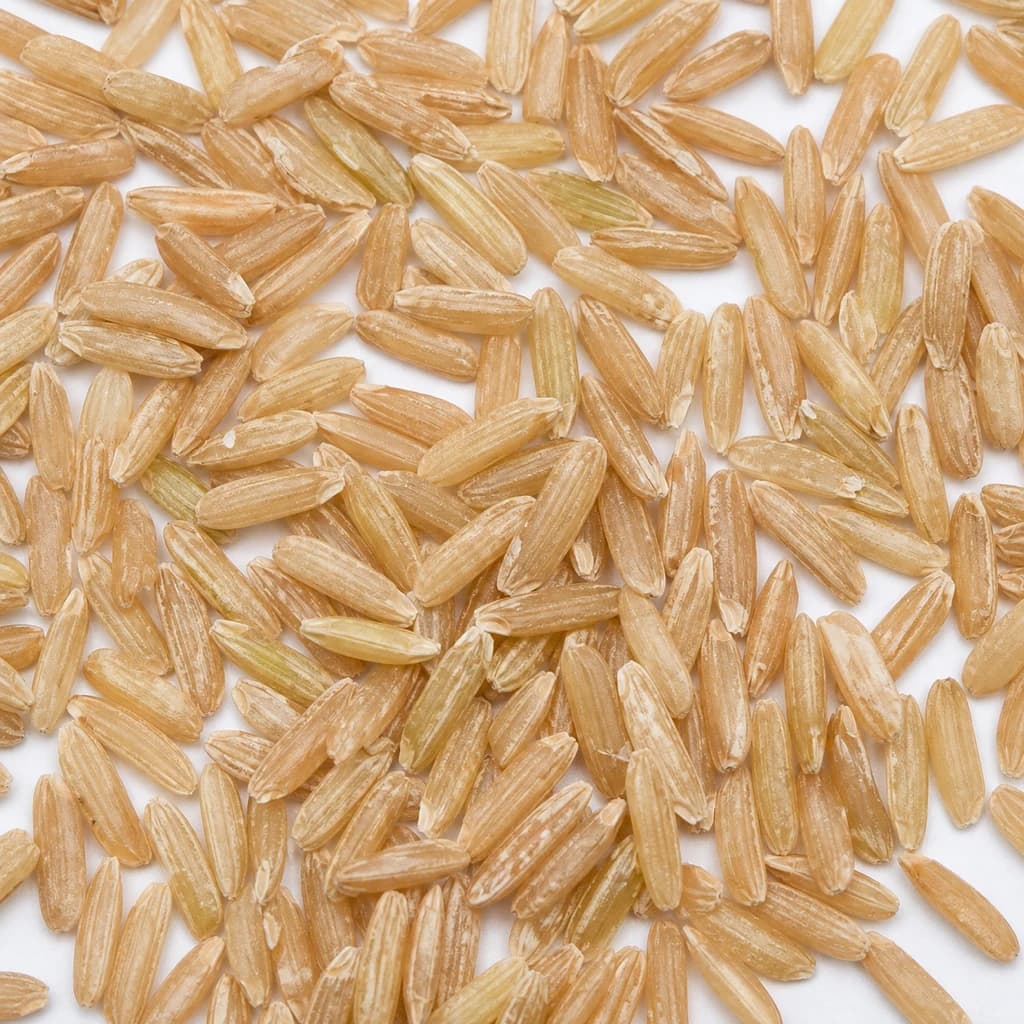
Nutty, whole-grain rice with chew and extra fiber

Basmati Rice
Fragrant, long-grain rice that cooks up light and separate
Jasmine Rice
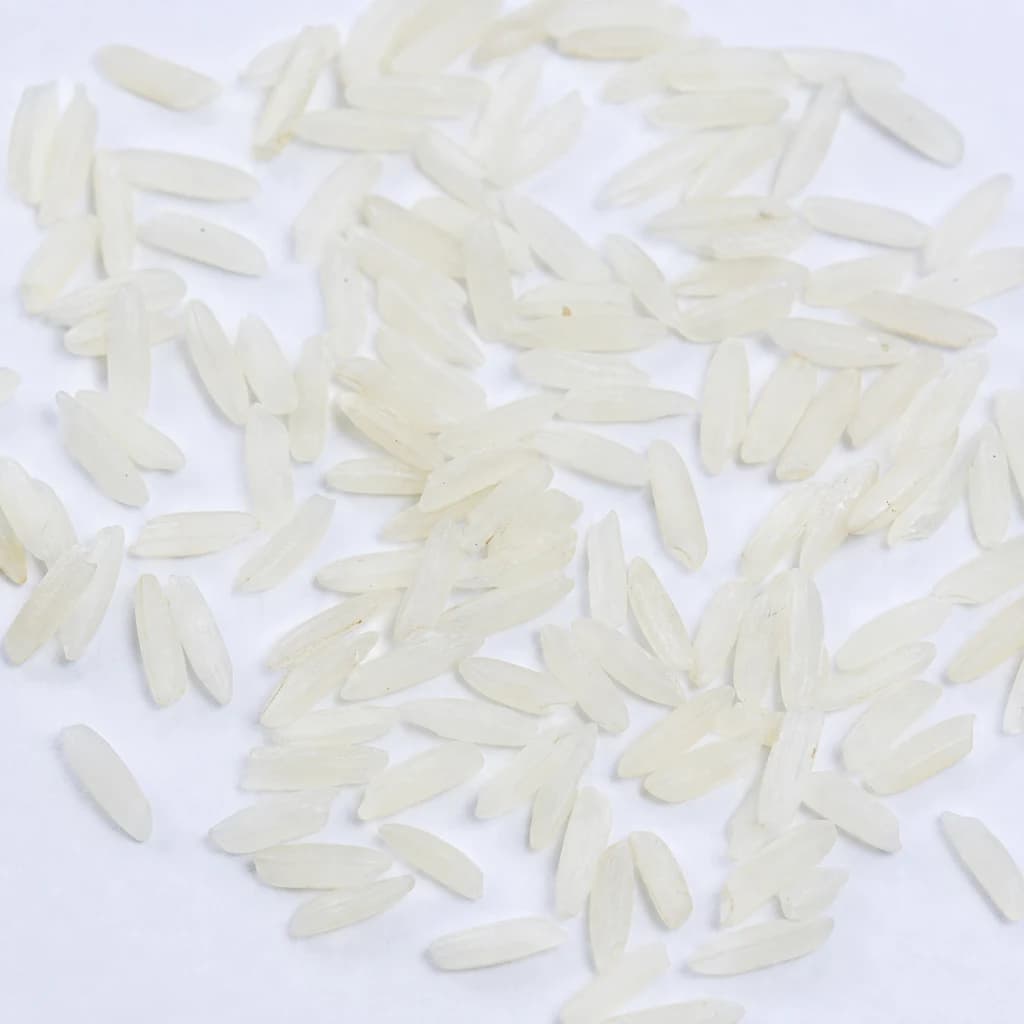
Soft, floral-scented rice that's the pillar of Thai meals
Arborio Rice
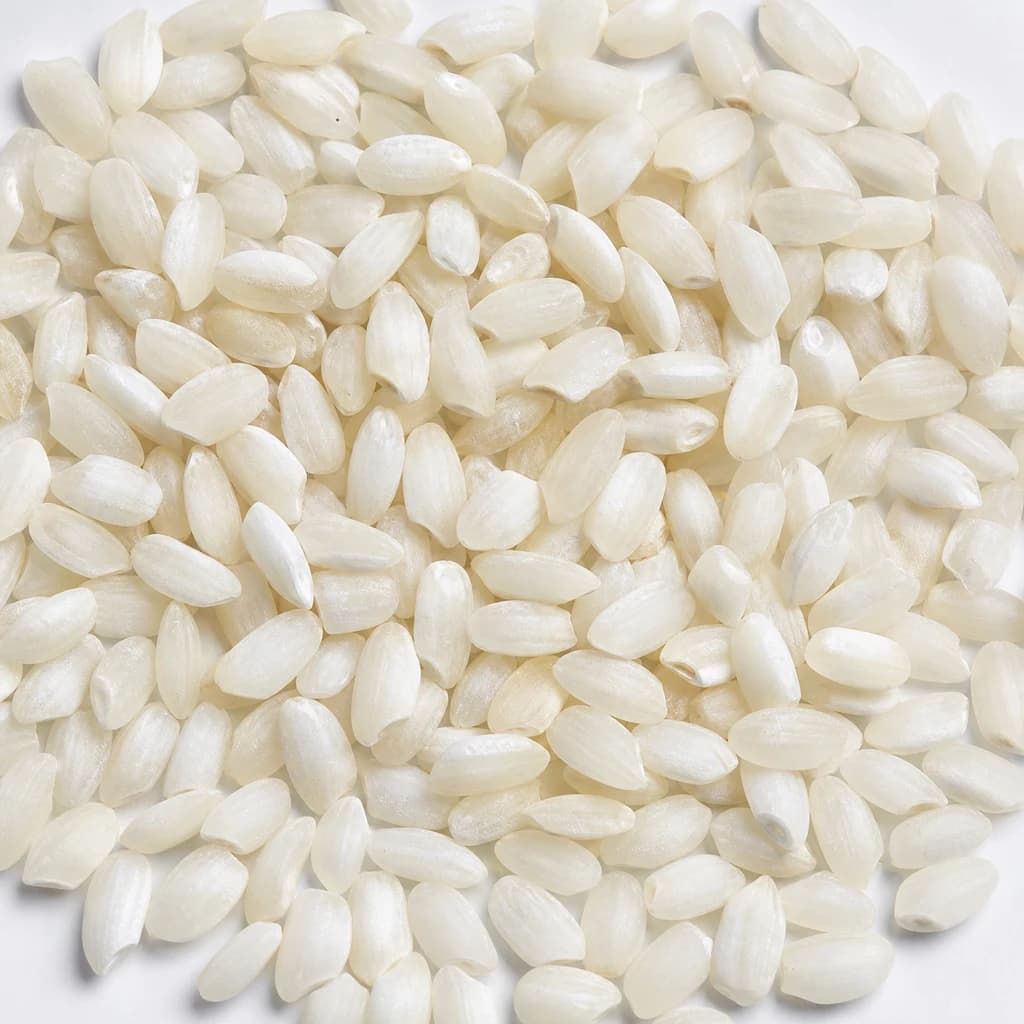
Plump, starchy rice that makes risotto creamy
Fusilli
Spiraled pasta that twirls up sauce and dresses cold salads
Rolled Oats
Hearty flakes for porridge, granola, and chewy cookies