Spices
Green Cardamom
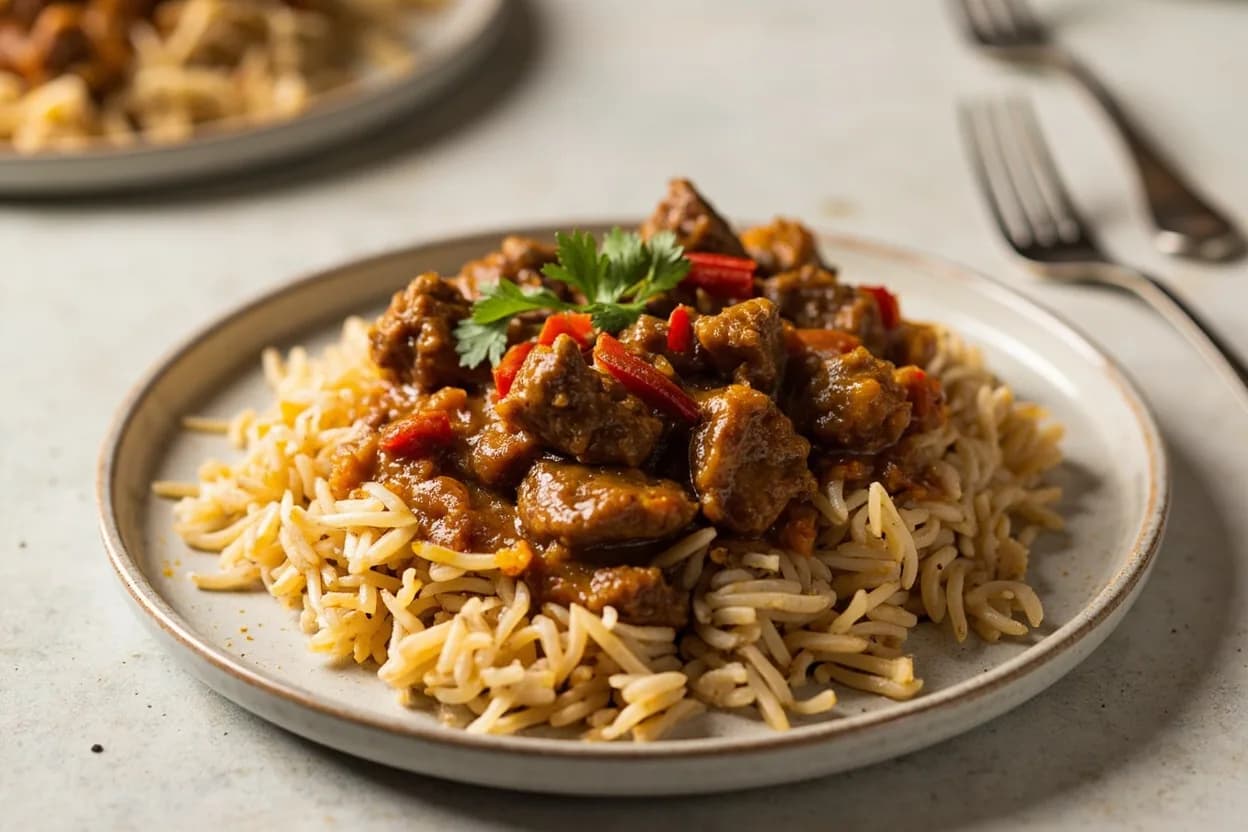
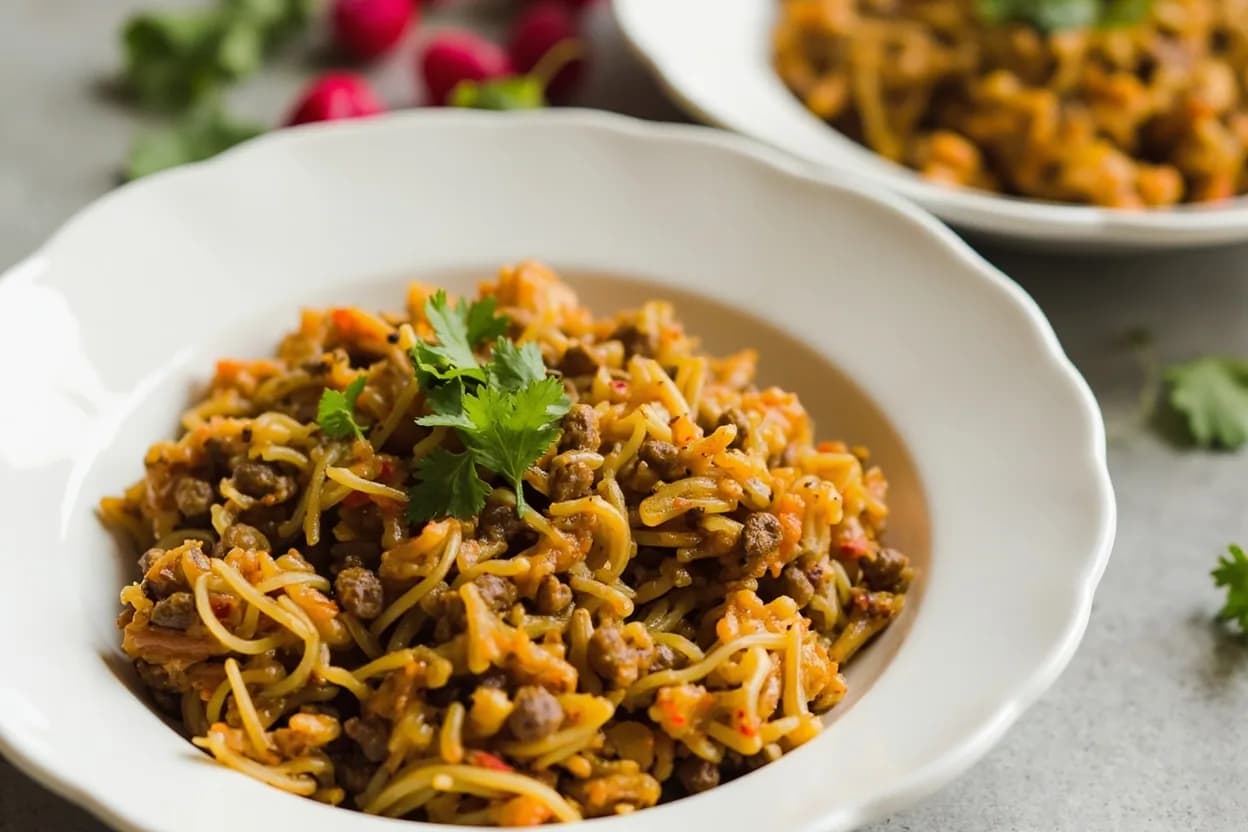
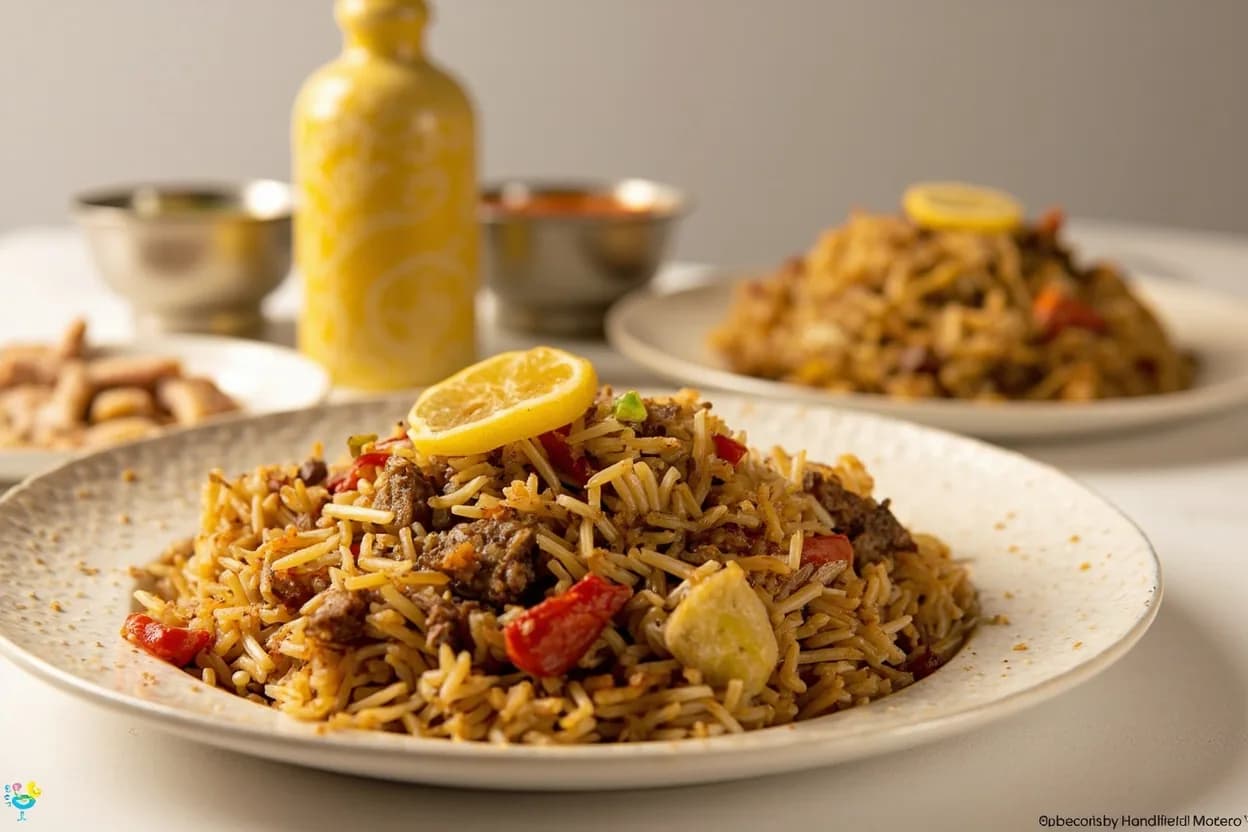
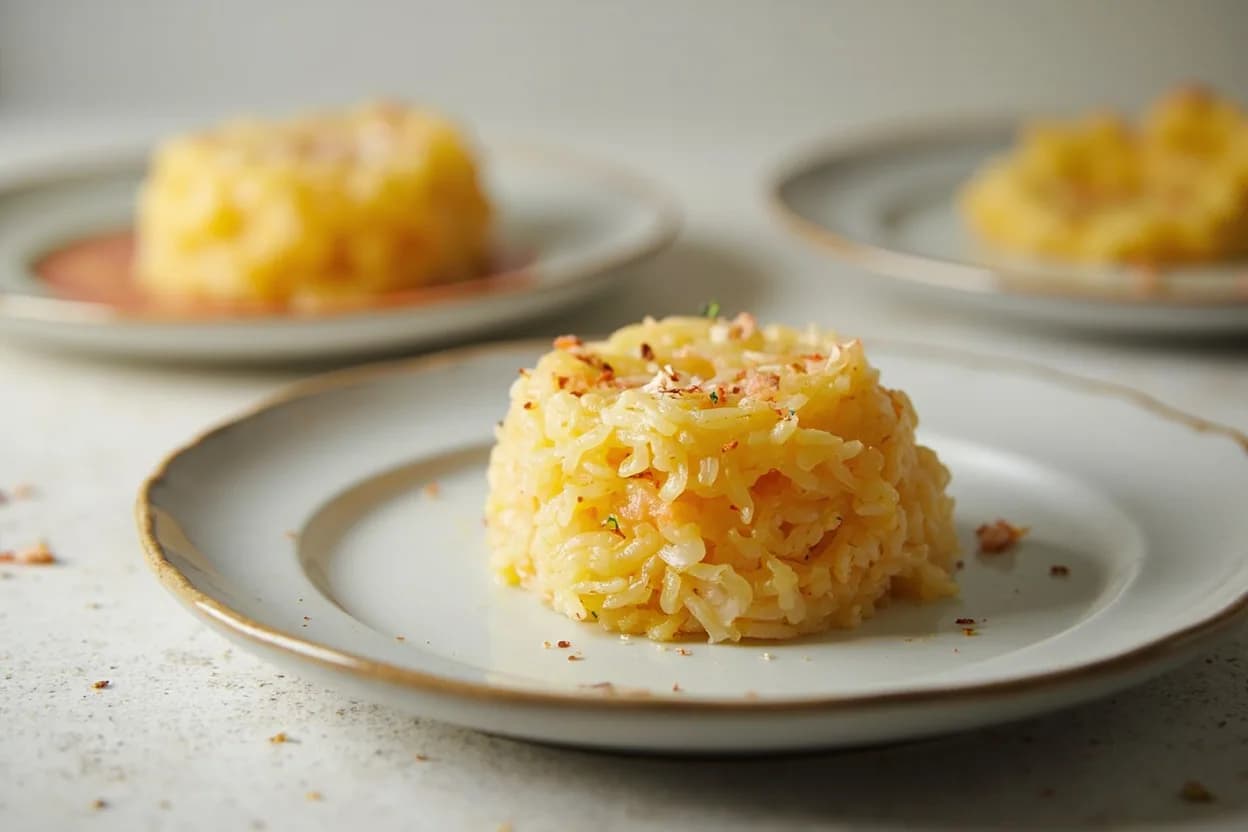
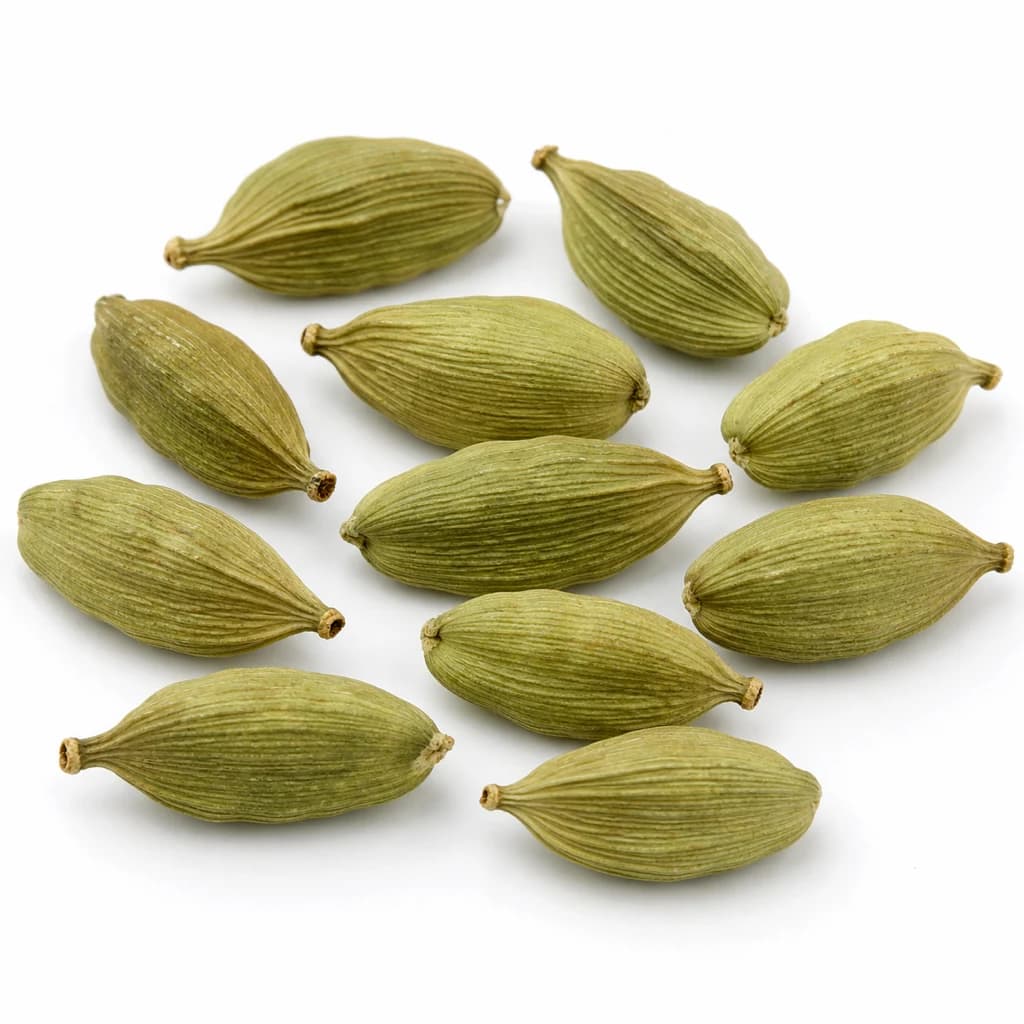
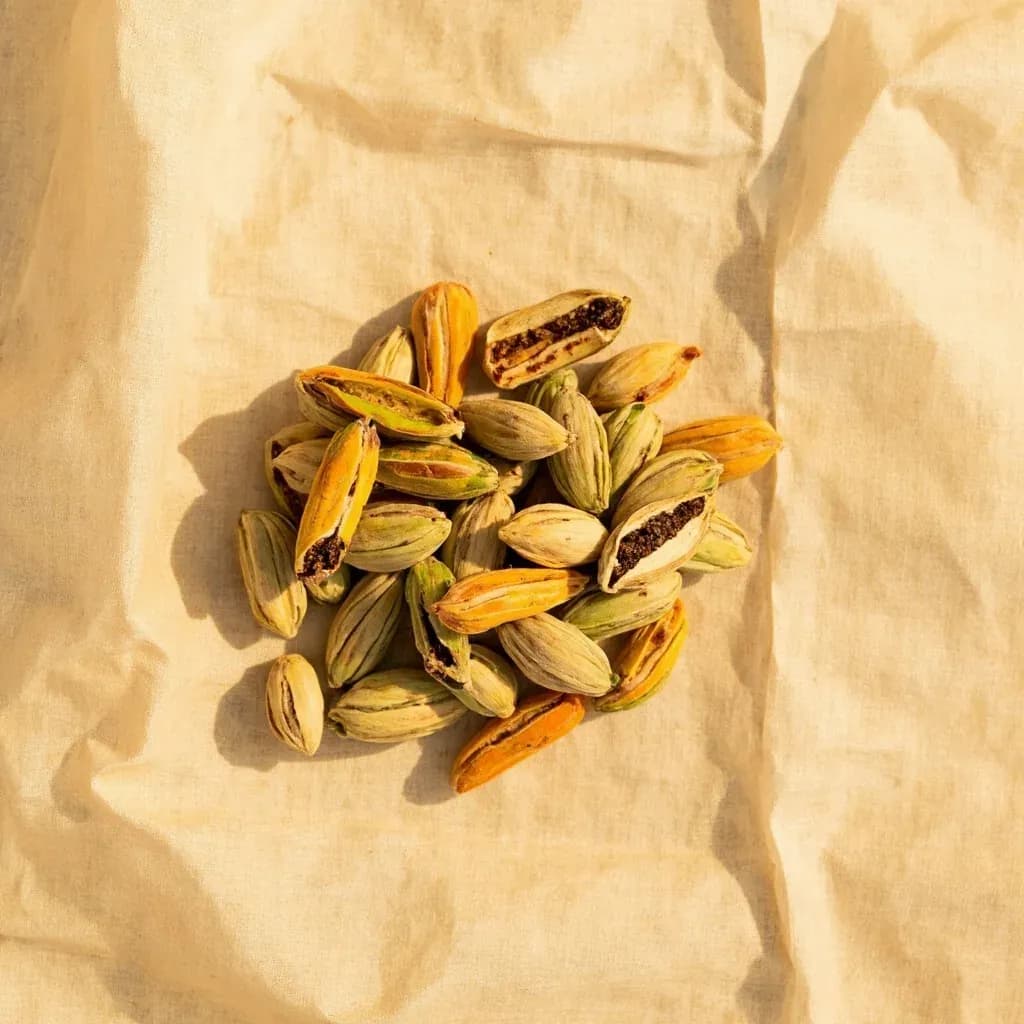
The common pale-green pods, intensely floral and citrusy. Bruise whole pods for biryani and chai, or grind the black seeds for baking; far more aromatic than the smoky black cardamom.
Green cardamom is the seed-bearing pod of Elettaria cardamomum, a tall perennial in the ginger family native to the Western Ghats of southern India and today cultivated most heavily in Guatemala, Kerala, Karnataka, Tamil Nadu, Sri Lanka, and Tanzania. Often called the "Queen of Spices" and priced accordingly — it ranks just behind saffron and vanilla among the world's most expensive culinary spices by weight — cardamom is one of the very few spices that works meaningfully in both sweet and savory cuisines, from Indian biryani and masala chai to Scandinavian kardemummabullar, Persian polow, Ethiopian berbere, and Arabian gahwa. Every pod is a two-part flavor package: the pale green fibrous husk carries the lighter, floral, slightly eucalyptus top notes, while the 15 to 20 tiny, sticky, dark brown seeds tucked inside hold the deeper, resinous, mentholated core.
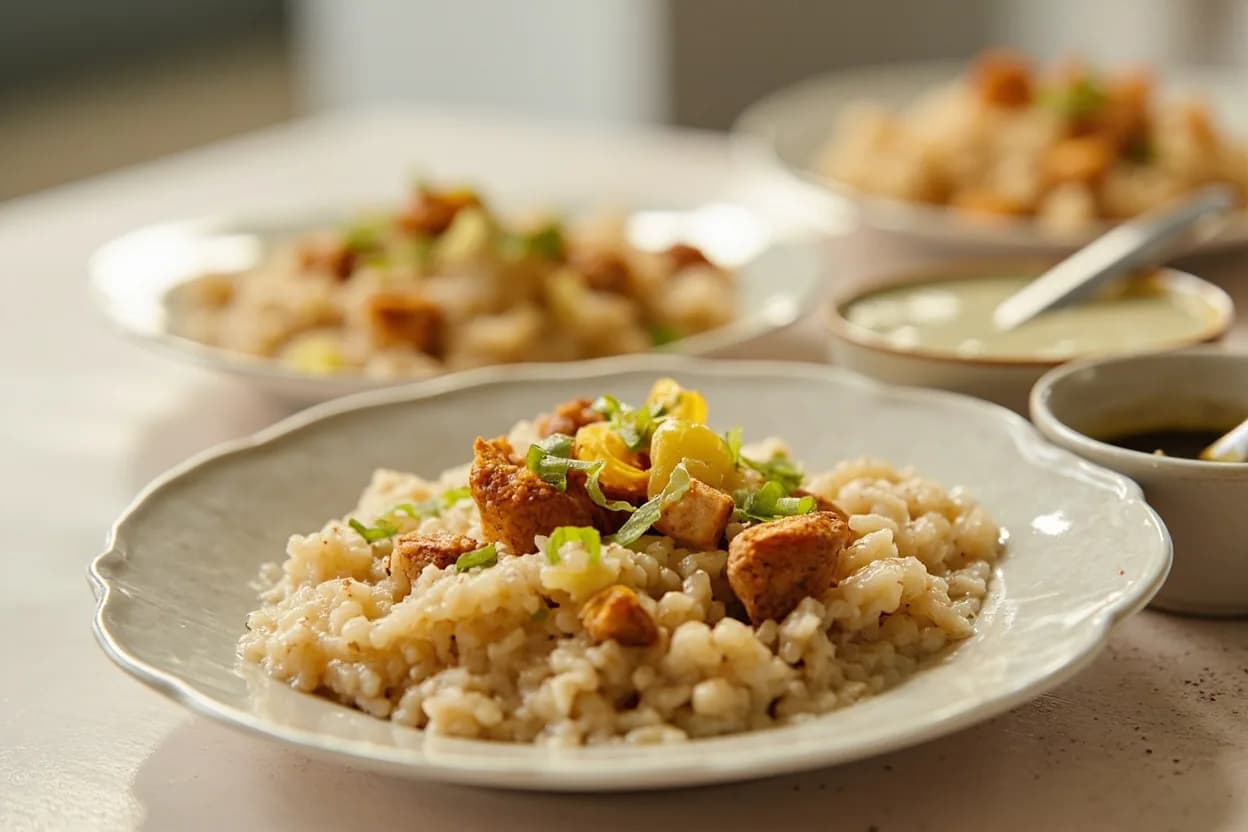
In the kitchen the choice between whole pods and ground seeds is not stylistic — it changes the dish. Whole, bruised pods steeped in long-simmering liquids (rice, milk, syrups, stocks) slowly perfume the pot with their volatile oils intact, which is exactly what biryani, Persian rice, and cardamom-scented milk need. Ground seeds, by contrast, deliver an immediate, concentrated hit suited to baking, finishing, and spice blends where you want the aroma on the surface rather than diffused through the dish. Because the most prized aroma compounds — 1,8-cineole and α-terpinyl acetate — evaporate rapidly once exposed, freshly cracked pods always outperform anything that has been sitting in a tin.
Buy whole pods and grind only what you need; pre-ground cardamom on a grocery shelf has usually lost most of its lift. Look for pods that are plump, fully sealed, and a uniform pale green; split, hollow, pale tan, or musty-smelling pods are old and have bled their essential oils. Stored properly in an airtight container away from heat and light, whole pods keep beautifully for a year or two; ground seeds are best used within a few weeks.
- Measured in
- g
- Storage
- Pantry
Find it in
Suits
Types & varieties
From the Malabar Coast of Kerala; relatively large, bold green pods with a strong, eucalyptus-forward flavor — the most assertive of the three Indian types.
Smaller, plumper, paler pods with a milder, sweeter, more rounded aroma; the classic choice for sweets, chai, and delicate dishes.
A natural Malabar × Mysore hybrid grown widely in Kerala; intermediate in pod size and intensity.
The bulk of the world supply; pale green to tan pods, fairly uniform in size, with a slightly milder, cleaner aroma than Indian types.
Green pods that have been sun-dried or chemically bleached to an ivory color; milder, cheaper, and common in Scandinavian baking and many commercial ground cardamoms.
Releasing cardamom's aroma
A pod's husk and its seeds each contribute a different layer of flavor, and how you handle them determines what ends up in the dish. The husk is fibrous and unpleasant to eat whole, but it readily gives up its floral, eucalyptus-tinged oils to liquid — which is why whole pods shine in long-simmered rice and milk. The seeds are the more intense, resinous, mentholated core; they need to be cracked or ground before they can do their work. Pick the technique that matches the dish, and you will get noticeably more out of every pod.
- For rice and braises (biryani, pulao, Persian polow, lamb pilafs): bruise 4–6 whole pods with the flat of a chef's knife and add them at the start of cooking; fish them out before serving so no one bites into a husk.
- For chai, milk desserts, and syrups (kheer, basbousa, sholeh zard): lightly crack each pod with the back of a knife or in a mortar so the seeds are exposed but contained, then simmer and strain.
- For baking (kardemummabullar, pulla, danish, cookies): toast whole pods in a dry pan over low heat for 30–60 seconds, crack the shell, discard the husk, and grind only the black seeds — toasting deepens the aroma noticeably.
- For finishing (fruit, espresso, hot chocolate, oatmeal, fresh chutneys): crack a pod and crush the seeds with a pinch of sugar or coarse salt in a mortar; the sugar carries the volatile oils and disperses them evenly over the surface.
Common uses
Tips & pitfalls
- Buy whole pods and grind the seeds yourself — pre-ground cardamom on a shelf has usually lost most of its volatile oils within weeks.
- Choose pods that are plump, fully closed, and pale green; split, hollow, brown, or musty-smelling pods are old and weak.
- Always bruise or crack pods before adding them to liquid; otherwise the oils stay locked inside the husk and you get almost nothing.
- For baking, toast whole pods briefly in a dry pan, then crack the shell and grind only the black seeds; the husk is fibrous and unpleasant to eat, and toasting deepens the aroma.
- A little goes a long way — overuse turns the floral notes soapy, eucalyptus-heavy, or medicinal, especially in delicate sweets and custards.
- Store pods in an airtight tin away from heat and light; never in a glass jar on the stovetop or above the dishwasher.
- Read recipes carefully: "pods" means the whole green shell, "seeds" means only the black grains inside — using one when the other is meant will throw off both texture and intensity.
- Do not substitute black cardamom for green in desserts, chai, or coffee — its smoky, camphor character is overpowering in those contexts.
Nutrition
Energy
155 kJ · per 100 g
Where the calories come from
Protein
2.1g
4% DV
Carbs
8.5g
3% DV
Fat
0.2g
0% DV
Fiber
3.2g
11% DV
Sodium
42mg
2% DV
Source · USDA FoodData Central · approx. Drumstick pods, raw
View on FDC →In the shops
Matched grocery products
No matched grocery products for Green Cardamom yet.
Good to know
- Botanical name
- Elettaria cardamomum (family Zingiberaceae, the ginger family)
- Origin
- Western Ghats of southern India
- Largest producers
- Guatemala (largest by volume), India (Kerala, Karnataka, Tamil Nadu), Sri Lanka, Tanzania
- Pod structure
- 1–2 cm three-sided pale green pods, each holding 15–20 small, sticky, dark brown to black seeds
- Key aroma compounds
- 1,8-cineole (eucalyptol), α-terpinyl acetate, limonene, and linalool
- Price tier
- Among the world's most expensive spices by weight, ranking after saffron and vanilla
- Storage
- Whole pods keep 1–2 years in a cool, dark, airtight container; ground seeds lose volatile oils within weeks
Substitutes
- Black cardamom — Use only in savory dishes that welcome smoke (garam masala, pho, hearty braises), and use less than the recipe calls for; it is not a clean substitute and will change the character of the dish.
- Ground ginger plus a pinch of cinnamon — Rough approximation when no cardamom is available; warm and aromatic but missing the floral-citrus lift — roughly 1 tsp ginger plus ¼ tsp cinnamon per 1 tsp ground cardamom.
- Equal parts nutmeg and clove — Emergency swap in sweet baking; warm and pungent but missing the bright, mentholated top notes.
- Cardamom extract or food-grade essential oil — Useful in baking and beverages when pods are unavailable — about ¼ tsp extract per 1 tsp ground cardamom, and dose oils carefully with a dropper since they are highly concentrated.
Pairs with
Also called
cardamom pods · elaichi · true cardamom · hari elaichi