Spices
Black Cardamom
Large smoke-dried pod with a bold, resinous, smoky flavor for savory curries and rice.
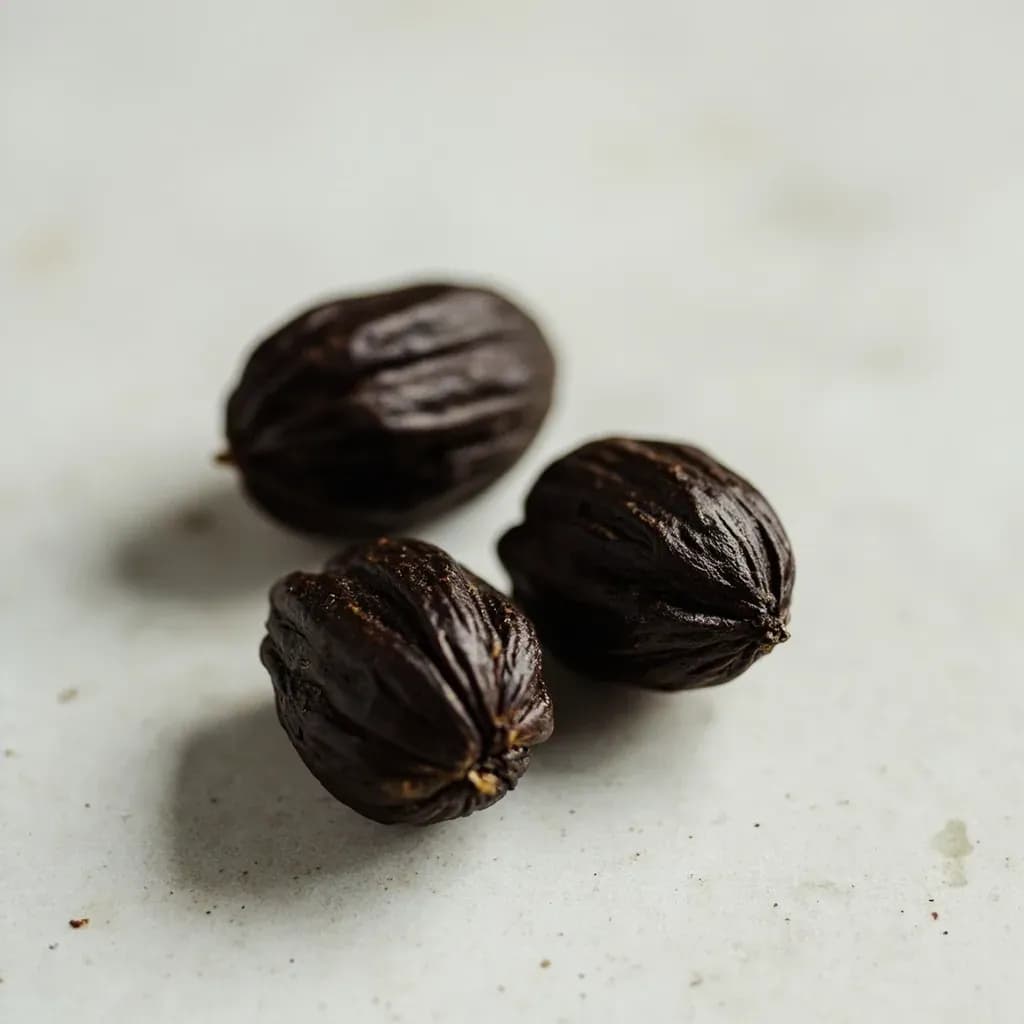
Black cardamom is a large, ridged dark pod dried over open fire, giving it a bold, smoky, resinous aroma quite different from green cardamom. It is used whole in savory Indian and Chinese braises, biryanis, curries and stocks. Bruise the pod before adding so its smoky oils infuse the dish, then remove it before serving.
Black cardamom (Amomum tsao-ko) is a large, smoke-dried pod from the Zingiberaceae family that grows wild across the northeastern Himalayas—from Assam and Sikkim through Nepal, Bhutan, and into China's Yunnan province. Unlike its more famous relative green cardamom, black cardamom undergoes a distinctive transformation: pods are harvested green and then dried for several days over open wood fires, a process that turns them dark reddish-brown to near-black and imparts an intensely smoky, camphoraceous character. The interior seeds darken to a deep brown-black, and together with the pod, they release a resinous aroma with menthol and dark cocoa undertones that no other spice quite replicates.
This is a workhorse spice of slow cooking, not a finishing spice. Its bold, assertively smoky flavor is fat-soluble, meaning it needs time in hot oil or ghee to fully express itself—quick applications or garnish use miss its purpose entirely. The smoke-drying process concentrates phenolic compounds that survive long braises and stews, making black cardamom one of the few spices that actually benefits from extended cooking times. Its camphoraceous, almost medicinal edge is exactly what gives hearty meat curries and rice dishes their depth and complexity.
Despite sharing a family name, black and green cardamom are fundamentally different ingredients from different genera (Amomum versus Elettaria). They are not interchangeable: green cardamom's floral citrus notes cannot approximate the deep, smoky resinousness that defines black cardamom. Using them interchangeably will fundamentally alter a dish's character. The pod itself is always inedible—removed before serving, like a bay leaf—while the inner seeds deliver the flavor.
- Measured in
- g
- Storage
- Pantry
Types & varieties
Medium-to-large pod, heavily smoke-dried; dominant variety in subcontinental cooking; sold whole, split, or ground
Smaller, darker pod with intense smoky flavor; widely exported; common in Indian subcontinent and Himalayan cooking
Larger, lighter-colored pod with more floral, less smoky character; essential in Sichuan and Yunnan cuisines; also called 'round cardamom'
Buying and Storage
Choose pods that are uniformly dark, hard, and heavy for their size—light, dusty, or moldy pods indicate age or improper storage. The pods should feel dense when you pick them up; hollow or lightweight pods have lost moisture and with it, much of their aromatic punch. Avoid any pods with visible white mold or a musty smell, which indicates moisture exposure during drying or storage.
- Buy whole pods rather than pre-ground whenever possible—the ground spice loses potency within weeks
- Store in an airtight glass jar in a cool, dark pantry; never near the stove or in direct light
- Do not refrigerate—condensation will degrade the pods
- For maximum freshness, buy in quantities you'll use within 12 months
The Smoke-Drying Distinction
Black cardamom's most defining characteristic—the smoke note—comes entirely from its traditional processing. The pods are placed on racks over open fires fueled by wood and sometimes pine or juniper branches, and turned regularly for several days until thoroughly dried and darkened. This is not merely a preservation method but a flavor transformation: the phenolic compounds from the wood smoke bond with the pod's cellular structure and remain stable through long cooking. This is why black cardamom cannot be replicated by simply adding liquid smoke to a dish or substituting other spices—it is a product of a specific process with specific materials.
- Smoke source matters in traditional production; pine and juniper fires contribute to the characteristic menthol-adjacent notes
- Modern mechanical drying produces a pale, flavor-weak product that lacks the characteristic intensity
- Authentic smoked black cardamom from high-altitude regions has the most complex aromatic profile
Common uses
Tips & pitfalls
- Toast the pods dry in a hot pan for 30–60 seconds before grinding or using—this activates the aromatic oils and deepens the smoke note
- Crack or split the pod lightly with a knife before cooking so the inner seeds are exposed; whole unopened pods yield very little flavor
- Use sparingly—black cardamom is far more potent than green. A dish typically needs only 2–5 pods maximum; overuse produces a harsh, medicinal, camphor-like bitterness
- Add early in cooking when blooming in oil or ghee so the fat-soluble aromatic compounds can fully extract into the dish
- Do not confuse with green cardamom—they are different genera with completely different flavor profiles. Green cardamom cannot substitute for the smoky depth in meat curries
- Store pods whole and uncrushed; crushing exposes the seeds to air and accelerates flavor loss within weeks
- If a recipe calls for ground black cardamom, toast and grind fresh from whole pods rather than using old pre-ground spice, which is nearly flavorless
- The pod is inedible—always remove before serving, just as you would a bay leaf. Failure to do so gives diners an unpleasant, wood-like texture
Nutrition
Nutrition
No USDA FoodData Central match for Black Cardamom yet. We surface a per-100 g profile once a generic whole-food entry is matched and verified.
In the shops
Matched grocery products
No matched grocery products for Black Cardamom yet.
Good to know
- Scientific name
- Amomum tsao-ko (Zingiberaceae family)
- Origin
- Northeastern Himalayas: Assam, Sikkim, Nepal, Bhutan, Yunnan (China), Myanmar
- Processing
- Harvested green, smoke-dried over open wood fires for several days until dark reddish-brown to black
- Pod size
- 2.5–6 cm (1–2.5 in) long, oval-oblong with tapered ends
- Flavor compounds
- 1,8-cineole (eucalyptol), α-terpinyl acetate, camphor, limonene, linalool; phenolic compounds from smoke-drying
- Aroma
- Intense, smoky, camphoraceous, resinous, with hints of menthol and dark cocoa
- Shelf life
- 12–18 months in airtight container away from heat and light; flavor degrades rapidly once ground
- Used part
- Whole pod (split or lightly crushed) and the seeds inside; pods discarded before serving
Substitutes
- Green cardamom — Use 2–3 times the quantity; lacks smoke and is more floral; not a true substitute in smoky dishes but acceptable in non-smoky preparations
- Smoked paprika + green cardamom — Combine ½ tsp smoked paprika per pod replaced; paprika approximates smoke, green cardamom adds the cardamom note; useful in garam masala-style blends
- Lapsang Souchong tea — Steep 1 small piece of tea leaf in liquid for smoky depth; less aromatic but provides smoke character; discard before serving
- White cardamom (Amomum xanthioides) — Milder and less smoky; use in larger quantities; better than green cardamom for backbone flavor but still lacks the smoke
- Melegueta pepper (grains of paradise) — Similar resinous, peppery warmth; no smoke; useful as a flavor bridge in West African-influenced cooking where black cardamom is unavailable
Pairs with
Also called
caoguo · cardamom-black · brown-cardamom
Appears in these dishes
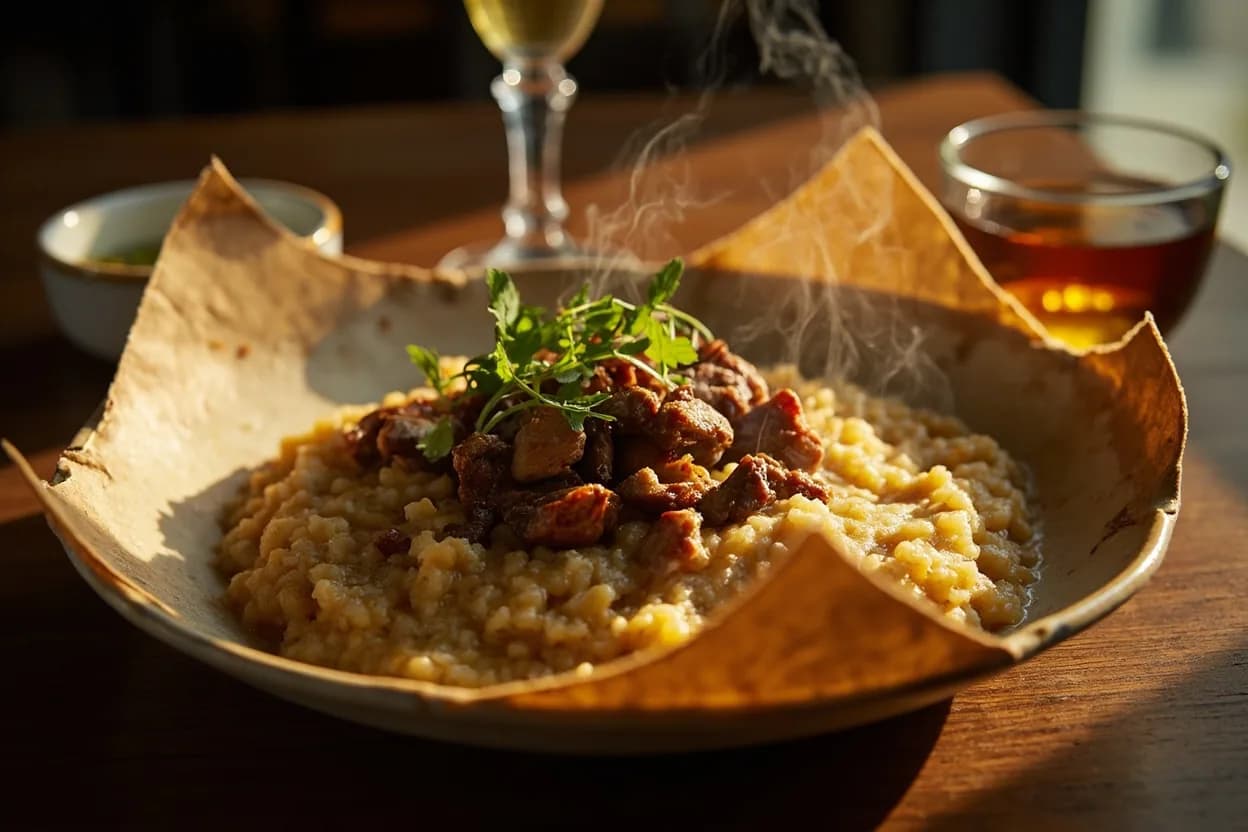
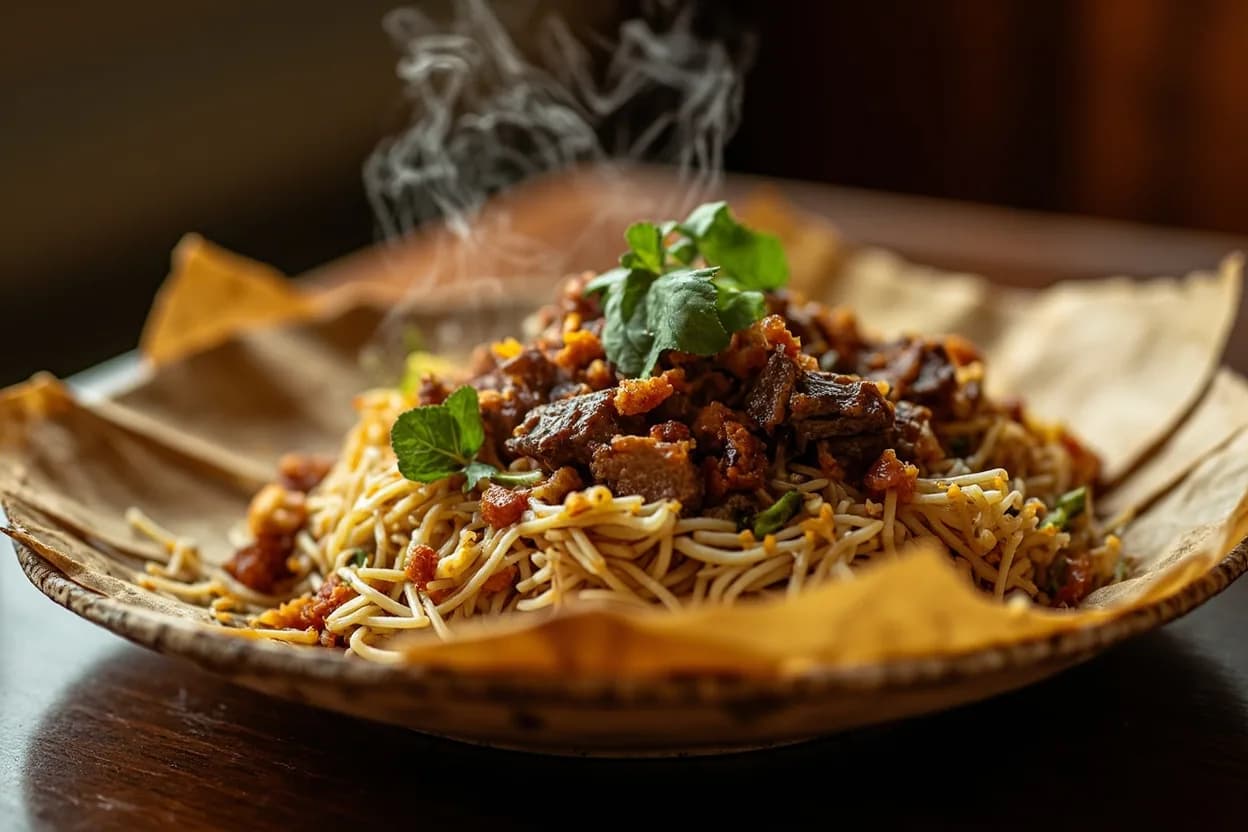
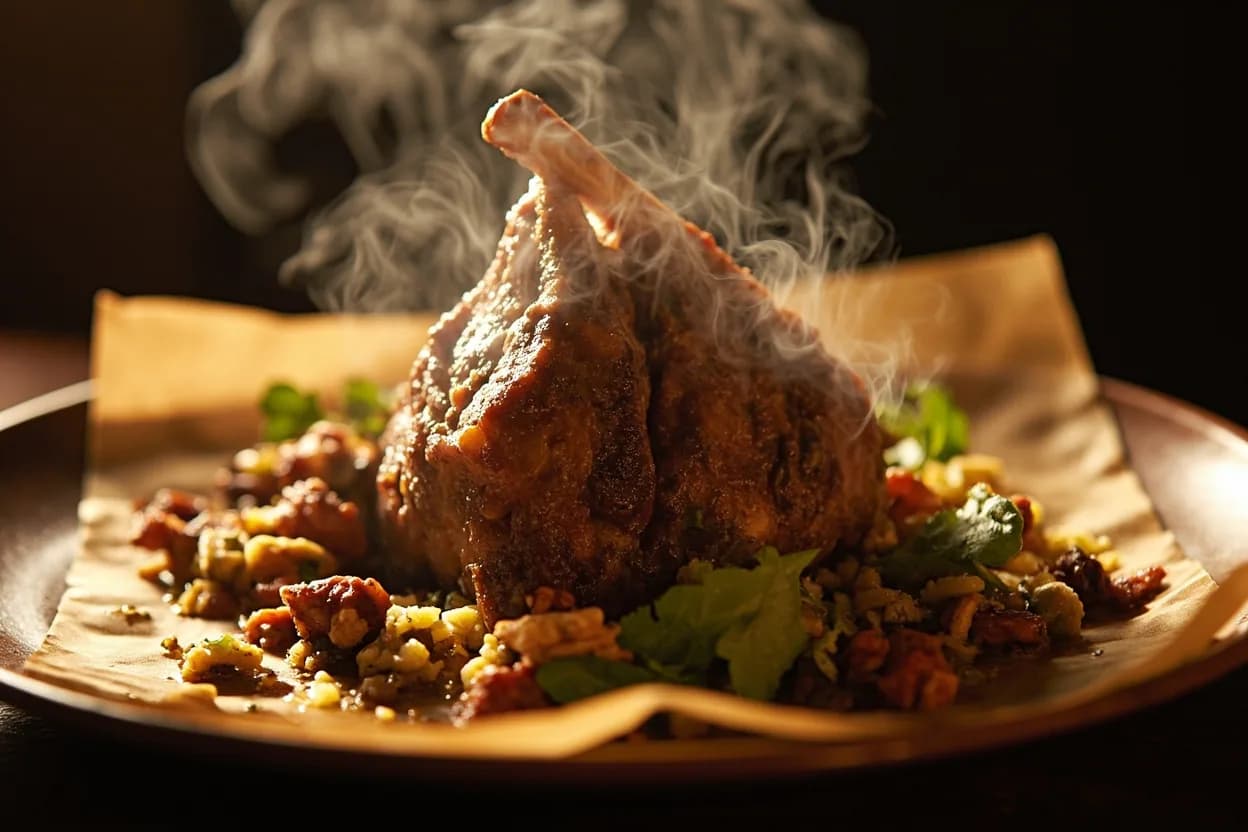
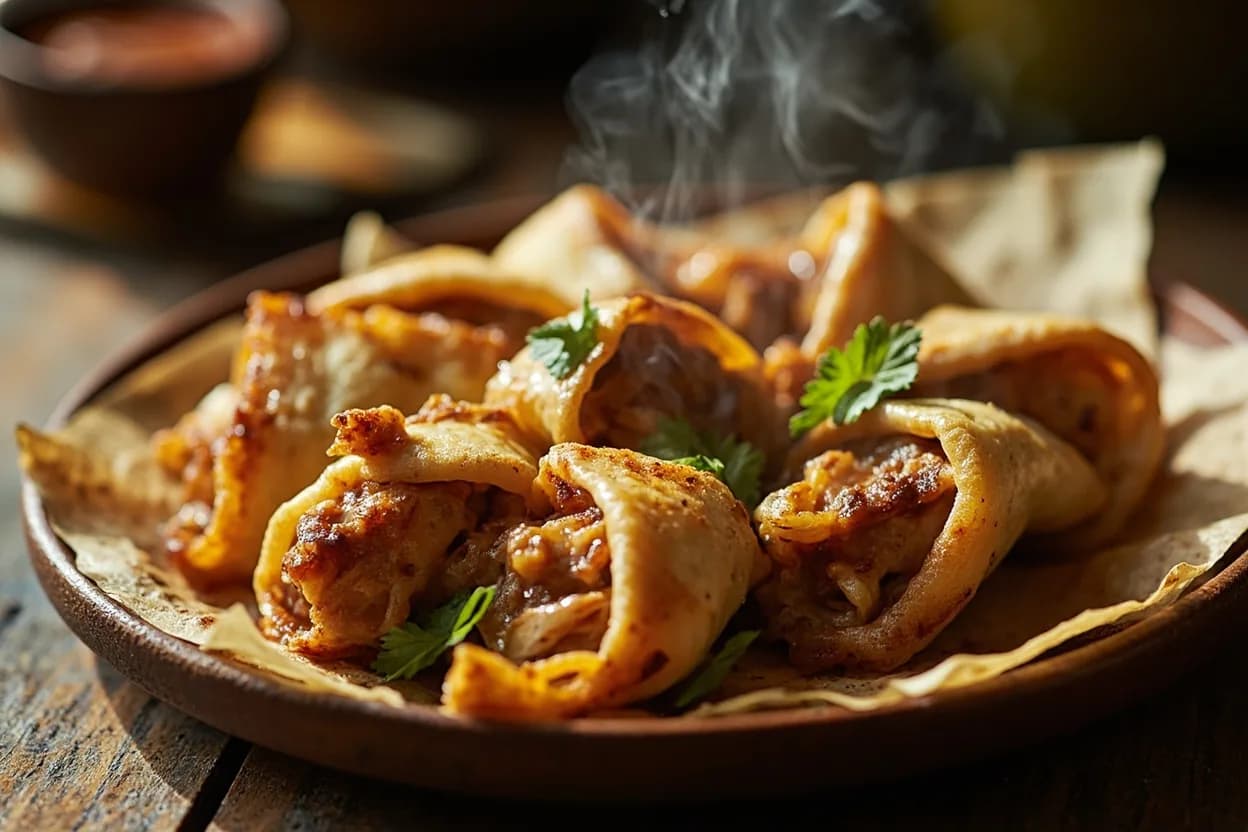
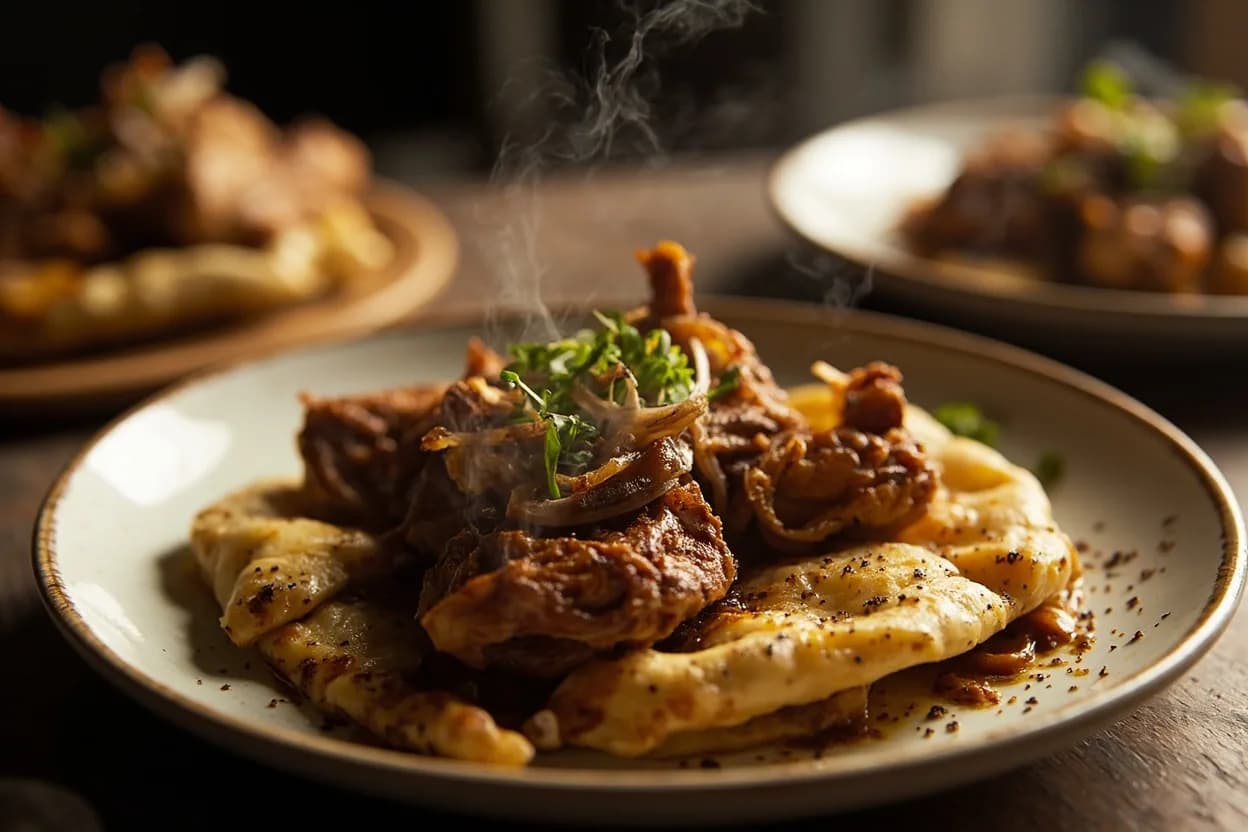
Related
Salt
The one seasoning that makes everything else taste like itself

Black Pepper
Pungent, woody heat — best cracked fresh over anything savory
Amchur
Dried unripe mango ground to a tart, fruity souring powder
Paprika
Sweet, vivid ground pepper for color and gentle warmth
Smoked Paprika
Deep, smoky ground pepper for a campfire warmth
Cumin
Warm, earthy spice central to curries, chili, and tacos
Coriander Seed
Citrusy, warm seed for curries, pickles, and rubs
Turmeric
Golden, earthy spice for curries, rice, and color