Grains & Rice
Hamburger Bun
Soft round wheat roll split to hold a burger patty and fixings.
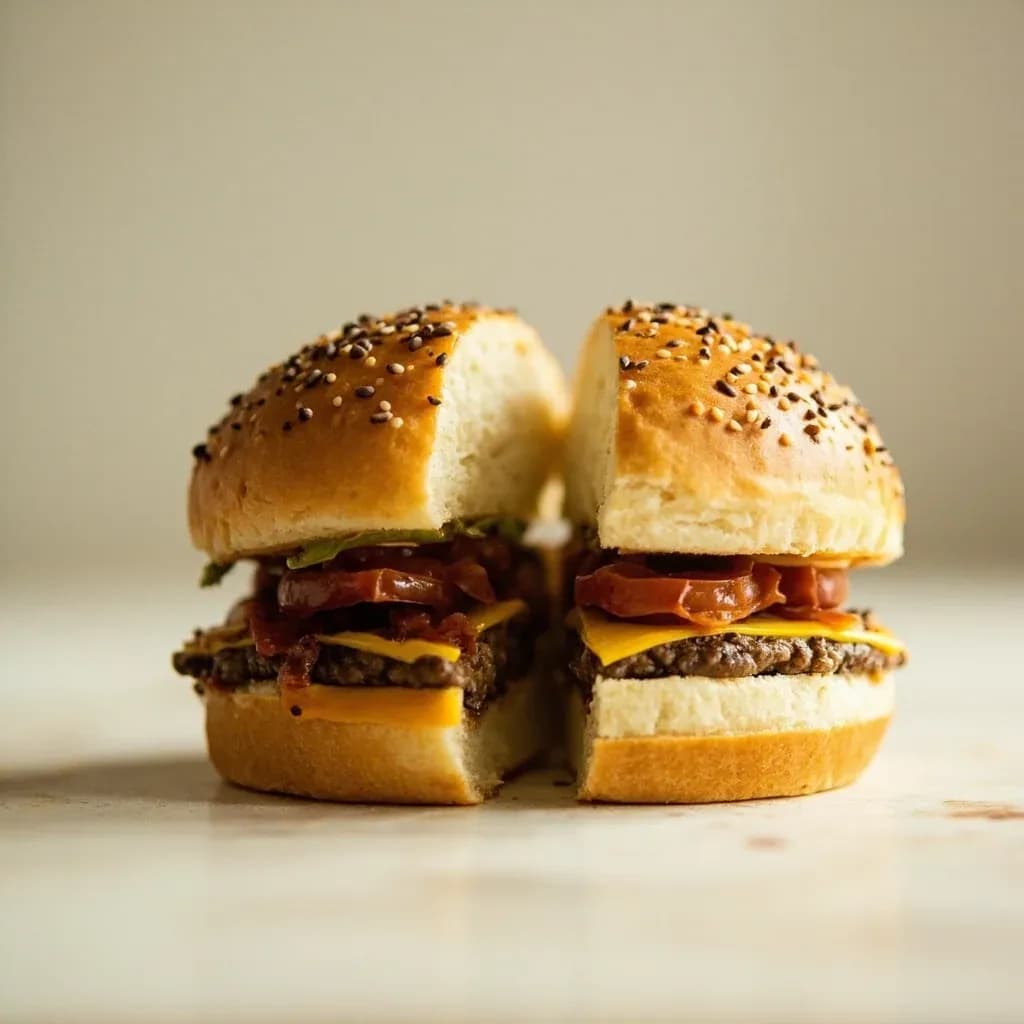
A hamburger bun is a soft, enriched wheat roll, often topped with sesame seeds, sized to sandwich a burger. It is toasted or used as-is to cradle patties, slaw, and sauces, with the elongated cousin serving as a hot dog bun. The tender, slightly sweet crumb is designed to hold up to juices without falling apart.
The hamburger bun is a distinctly American bread form that crystallized in the early-to-mid 20th century alongside the rise of the hamburger as a fast food staple. Its defining traits—a split top to receive fillings, a rounded dome that cradles the patty profile, and a soft, pliable crumb that compresses around the filling without crumbling—set it apart from ordinary sandwich bread or crusty rolls. Unlike a baguette or hard roll, the hamburger bun contains sufficient fat (3–8% of dough weight, typically butter, oil, or shortening) and often a modest amount of sugar (3–6%) to resist staling, toast without becoming brittle, and provide just enough richness to complement rather than compete with savory fillings.
The commercial standard for a fast-food hamburger bun is roughly 55 grams and 4 inches in diameter, with sesame seed topping being the default. Bakery-style buns run larger at 65–85 grams. What distinguishes a true hamburger bun from a generic roll is that middle range of softness and structure: it must be tender enough to bite through comfortably yet sturdy enough to support a juicy patty and toppings without disintegrating. When evaluating store-bought buns, apply gentle pressure; a quality bun springs back with no permanent indentation, indicating proper gluten development and adequate fat content. The split top is not merely cosmetic—it creates a natural hinge and provides a flat surface for sauces to cling to rather than run off.
Bakers separate "bun" (soft, enriched) from "roll" (firmer, lower fat) categories, and this distinction matters in practice: a true hamburger bun will behave differently under a burger than a Kaiser roll or baguette, which lack the fat content and crumb structure to absorb juices and compress evenly.
- Measured in
- piece
- Storage
- Pantry
Allergens
Types & varieties
Standard American bun, topped with white or black sesame seeds; most common in fast food and grocery stores
Similar to sesame, topped with blue poppy seeds; common in delis and some regional markets
Contains mashed potato puree for exceptional softness and moisture retention; popular brands include Martin's and Stroehmann
Enriched with butter and eggs; richer, slightly sweet, golden color; common at gourmet burger restaurants
Dough is boiled in alkaline water before baking, giving a chewy, dark-brown crust; mild pretzel flavor
Crusty exterior with seed topping; more appropriate for hearty burgers; not a true hamburger bun but often substituted
Very soft, slightly sweet, small; often used for sliders; King's Hawaiian is the dominant brand
Made with partial or full whole wheat flour; nuttier flavor, denser texture
Made from rice flour, tapioca starch, or sorghum flour; texture varies significantly from wheat buns
Common uses
Tips & pitfalls
- Store buns in their original sealed bag at room temperature to prevent staling; once opened, reseal tightly or place in a zip-top bag
- Refresh stale buns by wrapping in foil and heating 5–8 minutes at 325°F (165°C); the steam trapped in foil softens the crumb
- Toast cut sides in a dry skillet or flat-top griddle for 30–60 seconds per side to add structural support and prevent sogginess from condiments
- For grilled burgers, place buns on the cooler edge of the grill for the final minute to warm without charring
- When baking hamburger buns at home, use a bun pan or muffin tin to maintain round shape and uniform height
- Brush tops with beaten egg or milk before baking to promote browning and seed adhesion
- Do not overproof home-baked buns—they should spring back slowly when poked, not fully
- If using store-bought frozen buns, thaw overnight in the refrigerator; do not microwave to defrost, which makes them rubbery
- For slider-sized buns, use 1.5–2 ounce dough balls; standard buns use 3–4 ounce dough balls
Nutrition
Nutrition
No USDA FoodData Central match for Hamburger Bun yet. We surface a per-100 g profile once a generic whole-food entry is matched and verified.
In the shops
Matched grocery products
No matched grocery products for Hamburger Bun yet.
Good to know
- Primary flour
- Enriched wheat flour (usually) or whole wheat
- Typical size
- 3.5–4.5 inches (9–11.5 cm) diameter, 2–3 inches tall when unsplit
- Fat content
- Usually 3–8% of total dough weight; butter, vegetable oil, or shortening
- Sweetener
- Typically 3–6% sugar or honey for browning and slight sweetness
- Rise method
- Commercial buns use chemical leavening; home recipes use yeast
- Sesame-topped average weight
- 50–65 grams per bun
- Shelf life
- 2–3 days room temperature sealed; 5–7 days refrigerated; up to 3 months frozen
- Origin
- United States; became standard after WWII with post-war burger culture expansion
Substitutes
- Kaiser roll — Best structural substitute for a hearty burger; slice horizontally and toast; the crust provides contrast but lacks softness
- Ciabatta roll — Open-textured Italian bread; excellent for gourmet burgers but soaks up juices faster than a proper bun
- English muffin — Toasted, provides nooks for sauce; smaller diameter requires a thinner patty
- Focaccia — Cut thick slices; olive oil in the dough adds richness; good for focaccia-style burgers with herbs
- Potato bread slices — Unconventional but very soft; lacks structural integrity for heavy burgers
- Lettuce wrap — Gluten-free, low-carb option; requires a substantial patty to hold shape; not a true bun substitute
Pairs with
Also called
Hot Dog Bun · Burger Bun
Appears in these dishes
Related

White Rice
Fluffy long-grain rice — the neutral base for almost any meal

White Bread
Soft sandwich loaf for toast, sandwiches, and crumbs
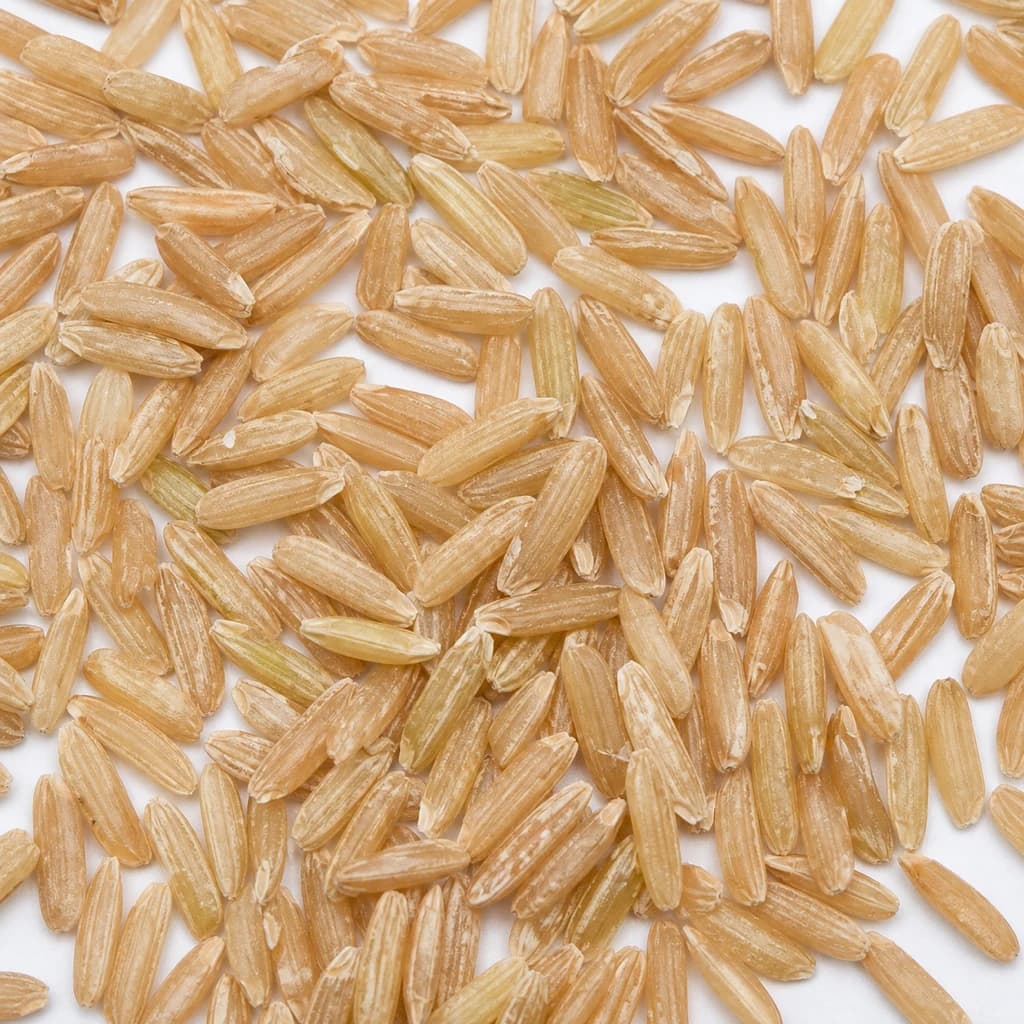
Brown Rice
Nutty, whole-grain rice with chew and extra fiber

Basmati Rice
Fragrant, long-grain rice that cooks up light and separate
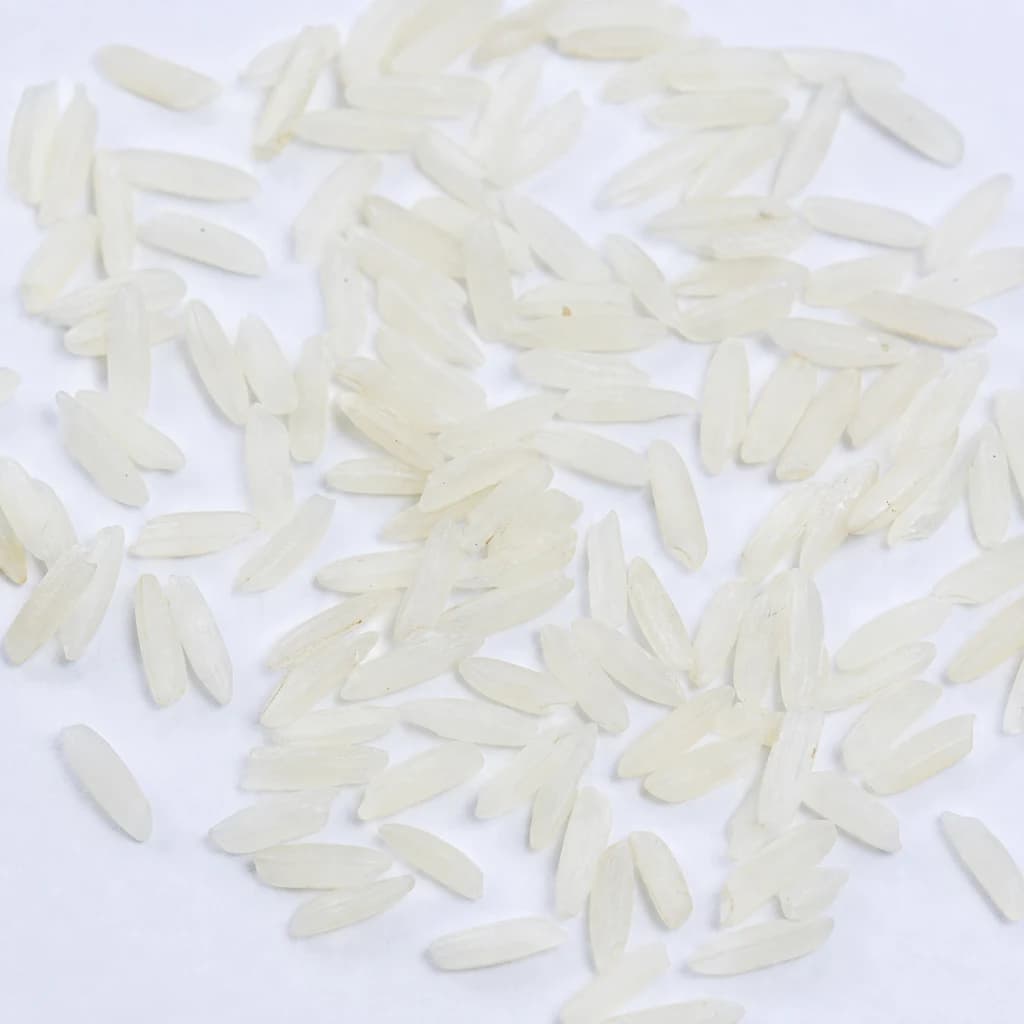
Jasmine Rice
Soft, floral-scented rice that's the pillar of Thai meals
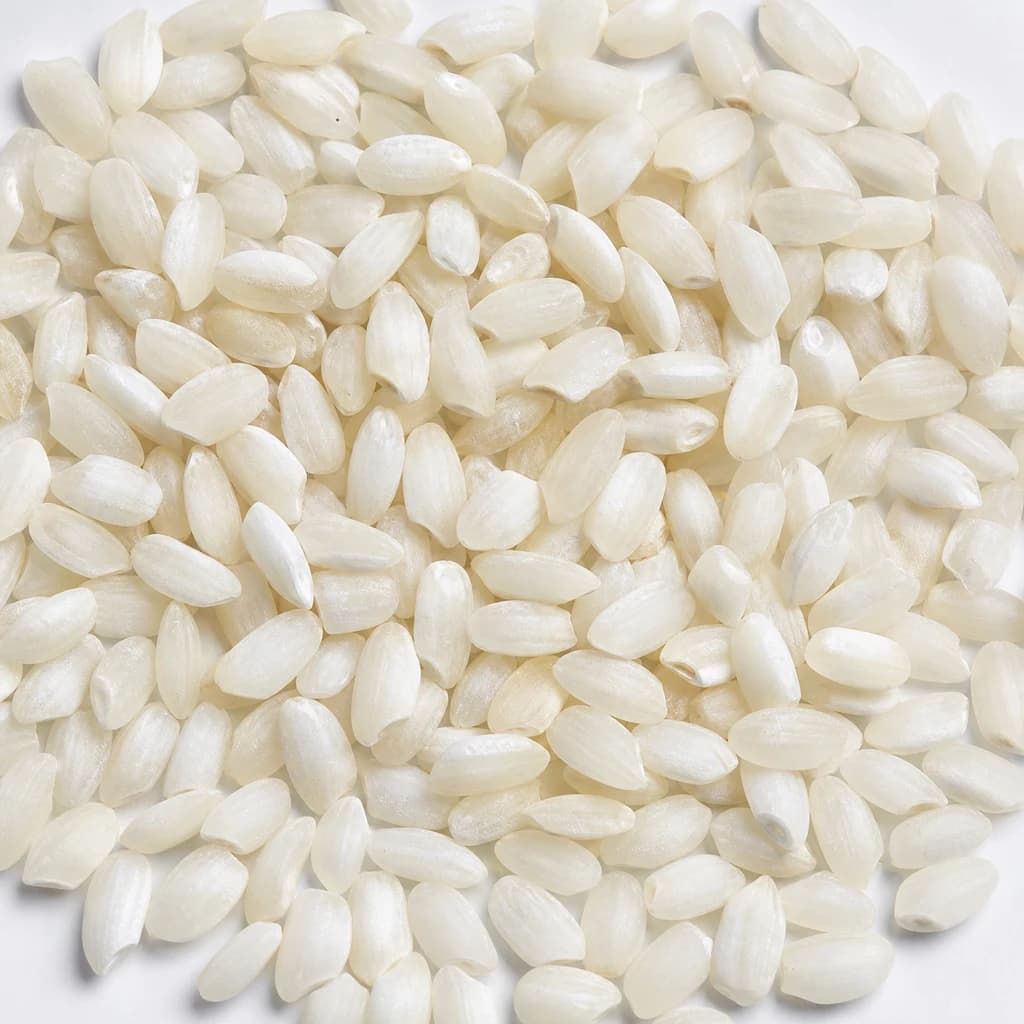
Arborio Rice
Plump, starchy rice that makes risotto creamy
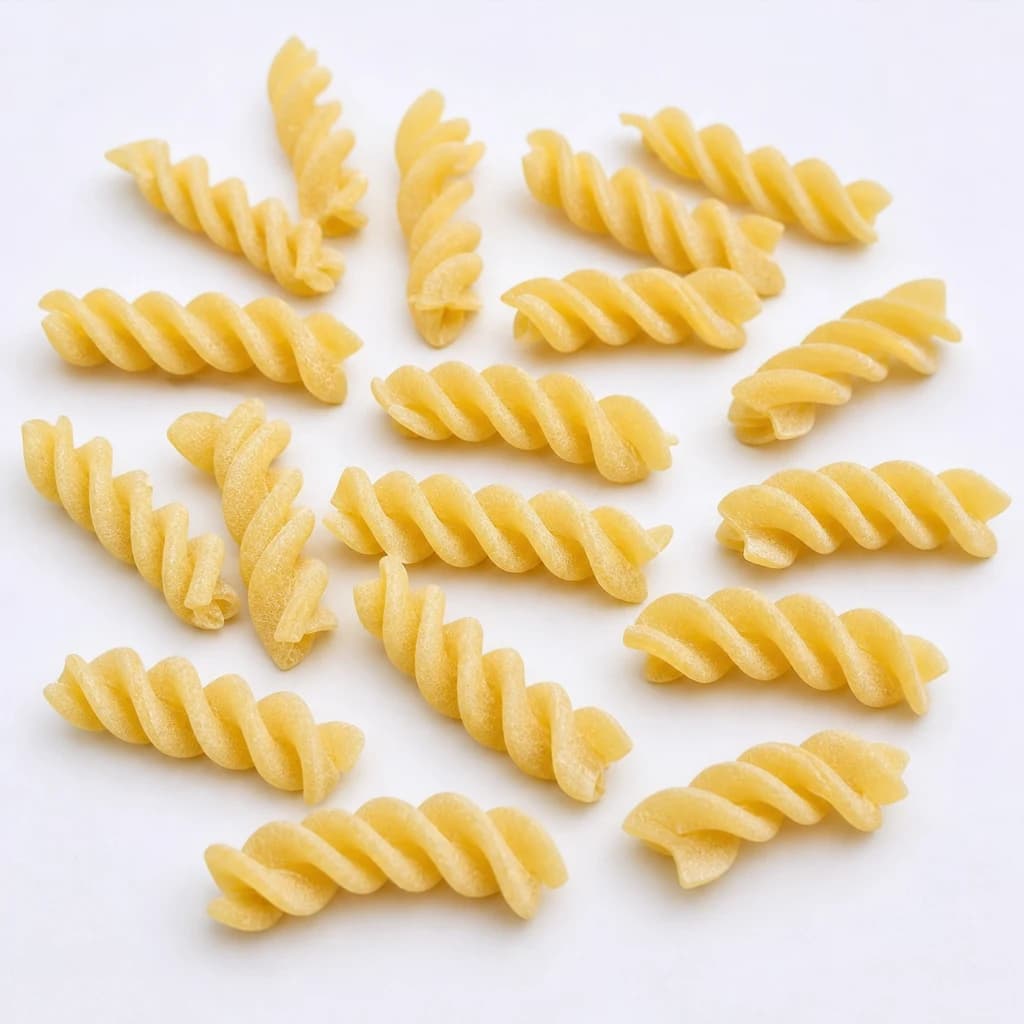
Fusilli
Spiraled pasta that twirls up sauce and dresses cold salads
Rolled Oats
Hearty flakes for porridge, granola, and chewy cookies