Grains & Rice
English Muffin
Round griddle-cooked yeast bread with a craggy interior, split and toasted.
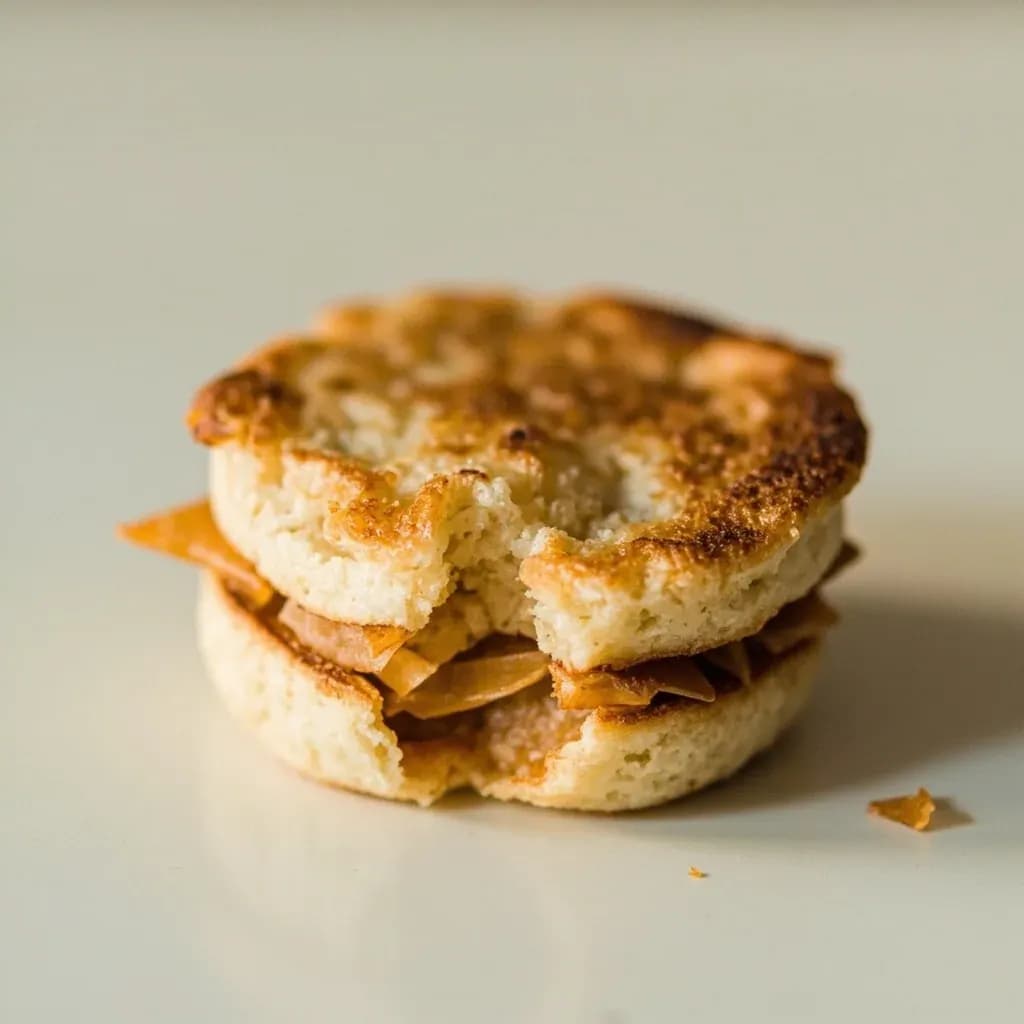
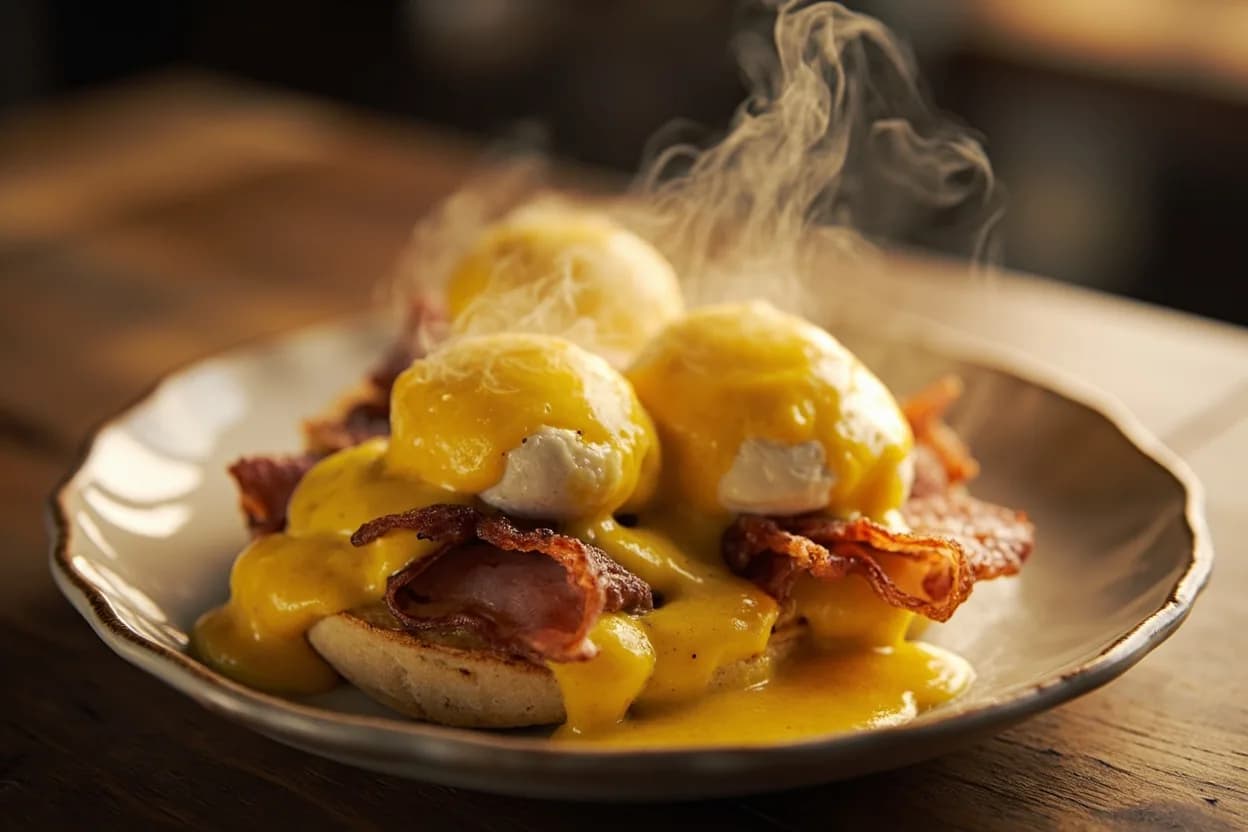
An English muffin is a small, round, flat yeast-leavened bread cooked on a griddle, giving flat top and bottom crusts. Its interior is full of irregular holes ('nooks and crannies') that trap butter when split and toasted. It is a breakfast staple and the base for eggs Benedict.
The English muffin is a round, yeast-leavened flatbread cooked on a griddle, distinguished by its craggy, deeply browned exterior and a characteristically porous, open interior crumb. Despite its name, it is an American invention—Samuel Thomas developed the production method in New York City in the 1850s, and the English reference was purely marketing. The signature trait is a deliberate horizontal air pocket running through the center, created by the unique dough formulation and steam-assisted cooking method. This shelf allows the muffin to be split cleanly with a fork rather than cut, which would crush the delicate crumb structure. The dough itself is enriched with milk and butter but relatively low in sugar, producing a mildly tangy flavor that can carry both sweet and savory toppings. Commercially, Thomas's has dominated the American market since 1880, though bakery versions offer noticeably better crumb structure and chew. At home, the process is intermediate in difficulty—the dough is wetter and stickier than standard bread, requiring either ring molds or confident freeform shaping on a hot griddle. The result, when properly made, is a versatile vehicle with a texture unlike any other bread: sturdy enough for hearty sandwiches, tender enough to yield to a fork.
- Measured in
- piece
- Storage
- Pantry
Allergens
Types & varieties
The standard version; white flour, mildly tangy from fermentation.
Partial or full whole-grain flour; denser crumb, earthier flavor.
Contains cracked wheat, oats, or flax; nuttier texture and flavor.
Long-fermented with wild yeast; more pronounced tang and chewy crumb.
Sweetened with honey; slightly caramelized crust when cooked.
Uses buttermilk for tang and tenderness; especially good for biscuits-and-gravy style use.
Bite-sized rounds, 2–2.5 inches; used for appetizers and small sandwiches.
The dominant commercial brand in the United States since the late 19th century.
The Fork-Split Method
The fork-split tradition is functional, not ceremonial. English muffin dough is designed with an internal air pocket that runs horizontally through the center. A fork inserted at the rim and worked around the circumference breaks this seal cleanly, separating the muffin into two even halves with the craggy interior face exposed. Slicing with a knife crushes the crumb and defeats the purpose of the air-pocket design. Many consumers never learn this technique because Thomas's and other major brands split their muffins before packaging.
- Insert fork tines just inside the rim, all the way around.
- Work the fork clockwise, gently separating the halves.
- The goal is an even split exposing the porous interior on both faces.
The Role of Steam in Cooking
Steam is what distinguishes authentic griddle-cooked English muffins from simple fried dough. When a pan of hot water is placed beneath the muffins during cooking (either in the oven or under a covered griddle lid), the moisture-laden heat causes the dough to rise and expand rapidly, creating the characteristic open, lacy crumb structure with large, irregular holes. Without steam, the result is a dense, biscuit-like bread. For home production, add a shallow pan of boiling water to your oven or use a covered cast-iron skillet on the stovetop over medium-low heat.
- Steam creates the open, airy crumb and the craggy exterior crust.
- Without steam: dense biscuit texture, no shelf, no characteristic muffin behavior.
- Covering the griddle traps steam; a water pan beneath works in the oven.
Common uses
Tips & pitfalls
- Always split with a fork inserted around the rim and worked around the circumference—this preserves the natural air pocket and prevents crushing the crumb.
- Toast before serving. The griddle-cooked exterior is firm; toasting reawakens the crumb and improves texture significantly.
- If making from scratch: add a pan of hot water to the oven or griddle lid while cooking to generate steam; this is what creates the characteristic light, airy crumb rather than a dense biscuit.
- Do not press down on the muffin while cooking—this squeezes out the air and flattens the interior structure.
- Store at room temperature in a sealed bag for up to a week; for longer storage, freeze separated by parchment paper to prevent sticking.
- If stale, refresh by wrapping in foil and heating 10 minutes at 350°F; this restores pliability better than microwaving, which makes them tough.
Nutrition
Energy
933 kJ · per 100 g
Where the calories come from
Protein
8.7g
17% DV
Carbs
44.8g
16% DV
Fat
2g
3% DV
Fiber
4.6g
16% DV
Sugars
1.6g
of which
Sodium
353mg
15% DV
Source · USDA FoodData Central · Muffins, English, wheat
View on FDC →In the shops
Matched grocery products
No matched grocery products for English Muffin yet.
Good to know
- Origin
- Invented by Samuel Thomas in New York City, circa 1850s; the name is marketing, not geography.
- Base Dough
- Yeast-leavened flat dough enriched with milk and butter; low in sugar.
- Cooking Method
- Griddle-fried, traditionally with steam, to develop the characteristic crusted exterior and porous crumb.
- Signature Trait
- The interior is divided by a deliberate 'shelf' of air, allowing the muffin to be split cleanly with a fork rather than cut.
- Typical Size
- Approximately 4 inches (10 cm) diameter; commercial mini muffins run 2–2.5 inches.
- Shelf Life
- 5–7 days sealed at room temperature; frozen, up to 3 months.
- Difficulty
- Home production is intermediate (requires handling wet dough, managing steam on the griddle); commercial production is industrial.
- Equipment
- Heavy griddle or cast-iron skillet; optional: ring molds or English muffin rings.
Substitutes
- Hamburger buns — Similar size and texture; less craggy interior but structurally sound for sandwiches.
- Biscuits (split) — Comparable leavened flatbread; lack the characteristic interior shelf but work for eggs Benedict.
- Crumpets — British cousin with a similar porous crumb; typically smaller and rounder; an acceptable alternative for most uses.
- Pita (small, toasted) — Can be split and toasted for sandwich use; lacks the yeast flavor and griddle character.
Pairs with
Also called
Breakfast Muffin
Appears in these dishes
Related

White Rice
Fluffy long-grain rice — the neutral base for almost any meal

White Bread
Soft sandwich loaf for toast, sandwiches, and crumbs
Brown Rice
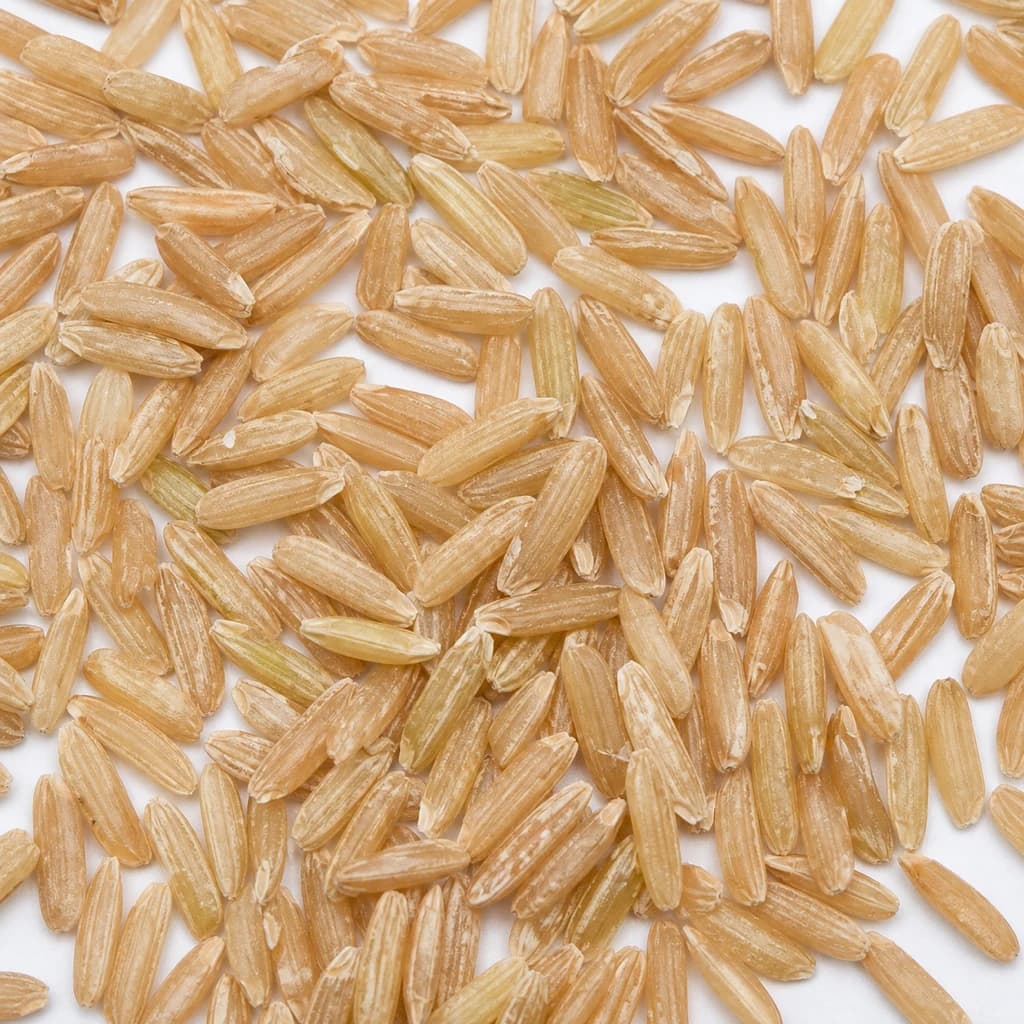
Nutty, whole-grain rice with chew and extra fiber

Basmati Rice
Fragrant, long-grain rice that cooks up light and separate
Jasmine Rice
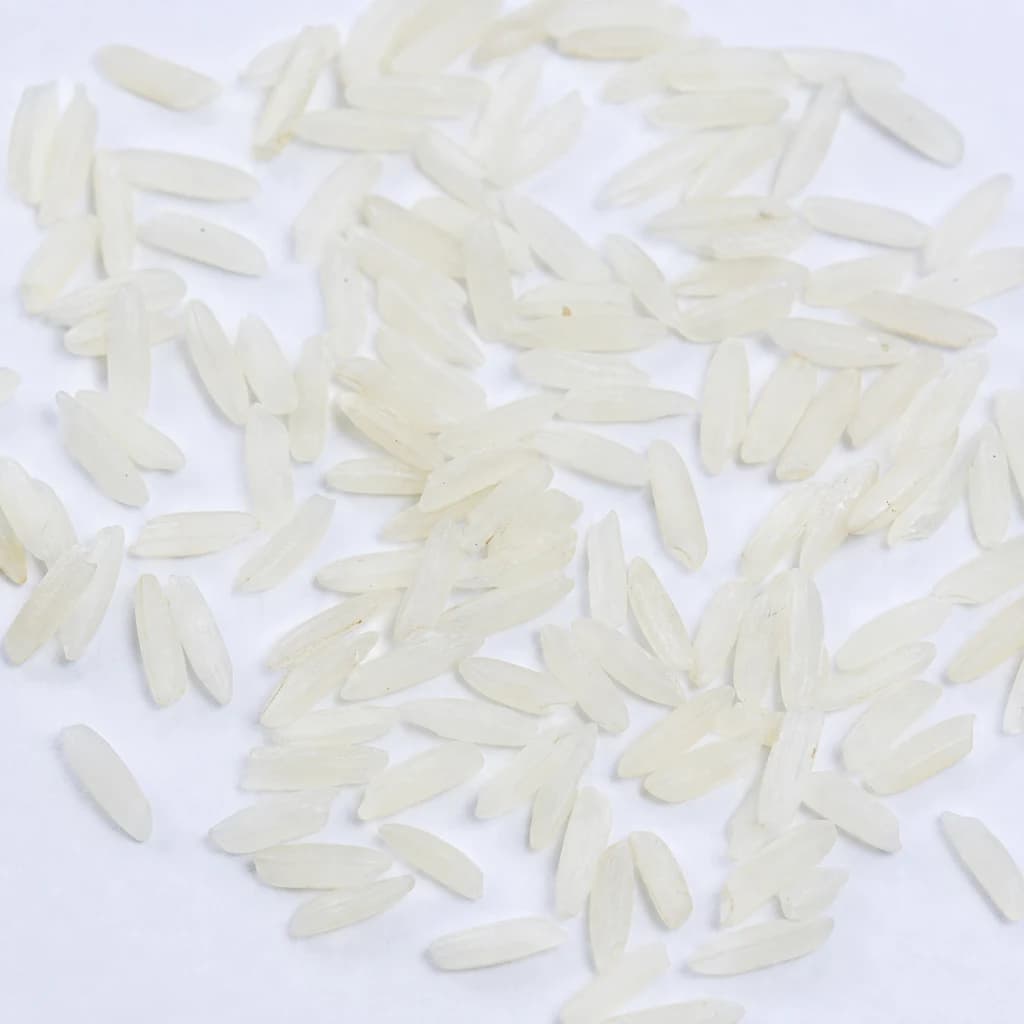
Soft, floral-scented rice that's the pillar of Thai meals
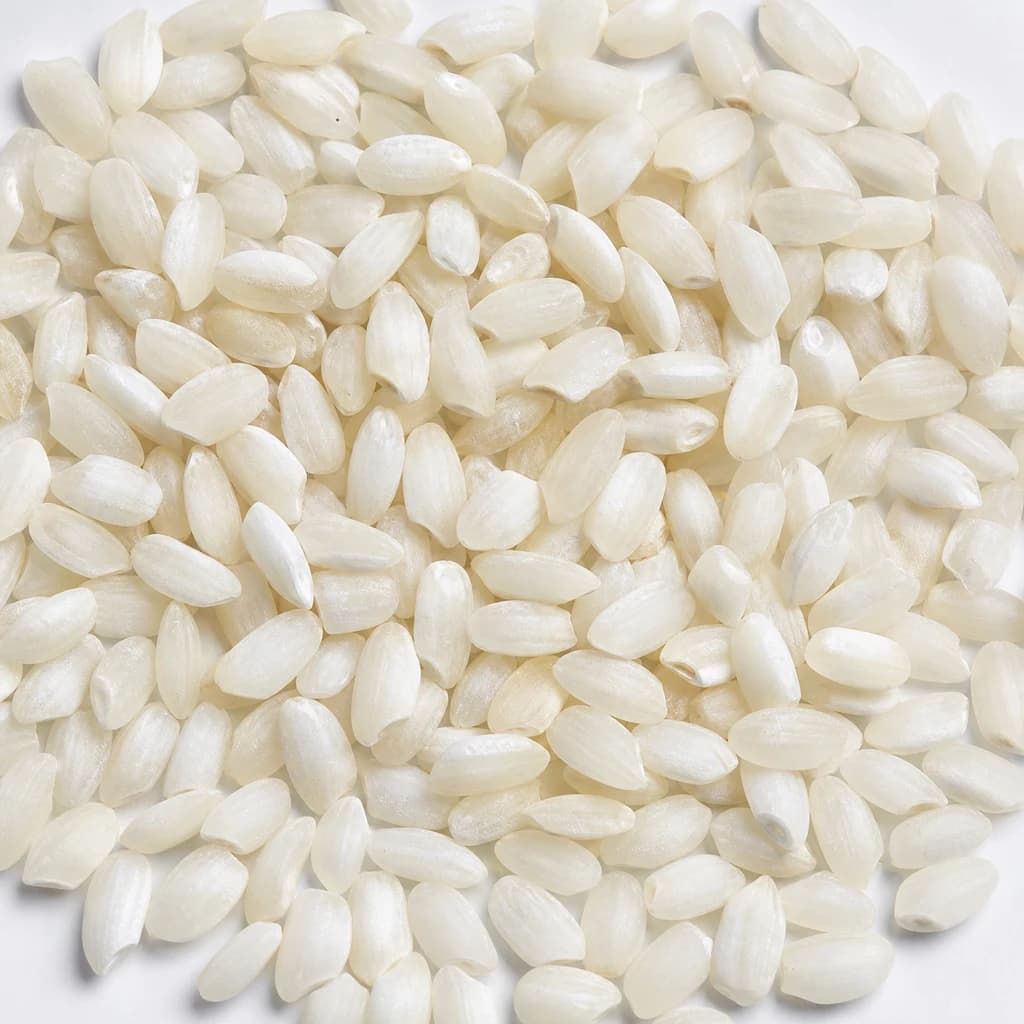
Arborio Rice
Plump, starchy rice that makes risotto creamy
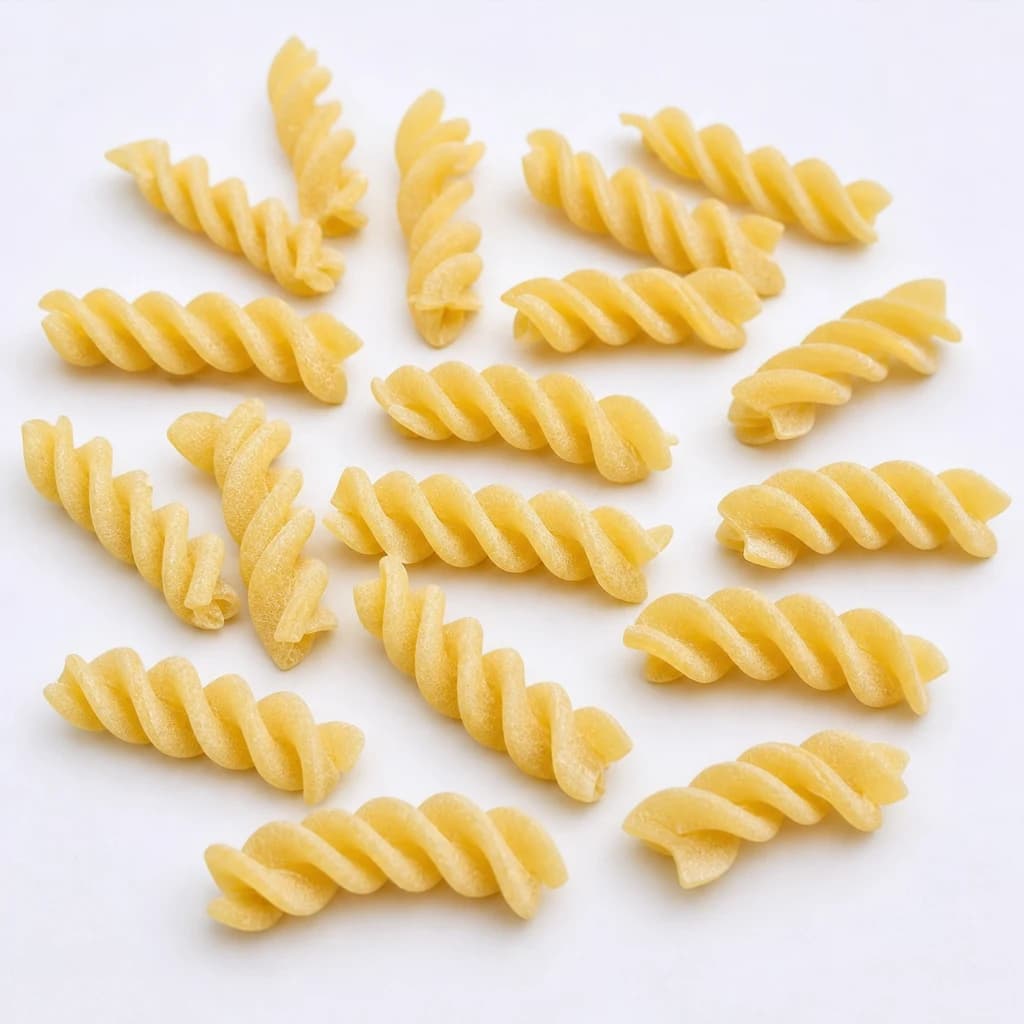
Fusilli
Spiraled pasta that twirls up sauce and dresses cold salads
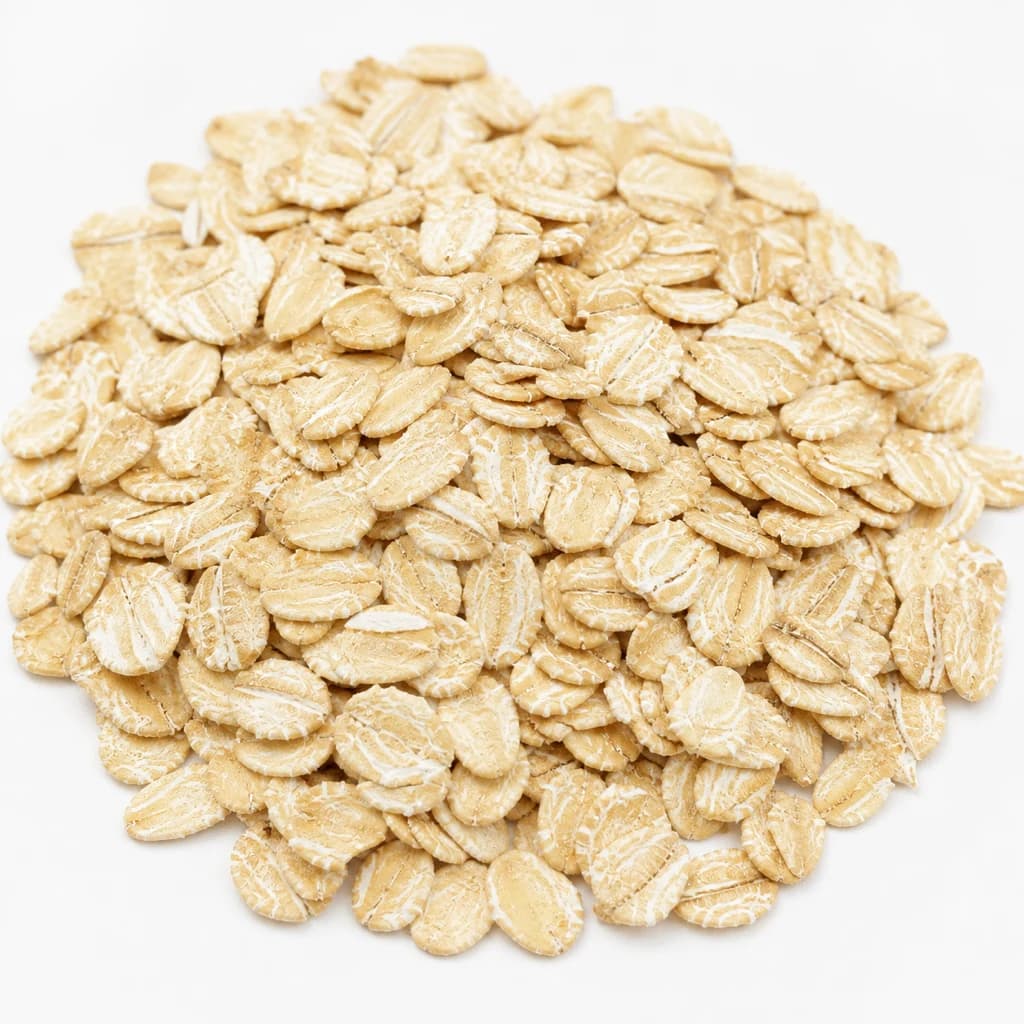
Rolled Oats
Hearty flakes for porridge, granola, and chewy cookies