Grains & Rice
Hard White Wheat
High-protein wheat with pale bran and mild flavor for lighter whole-grain breads.
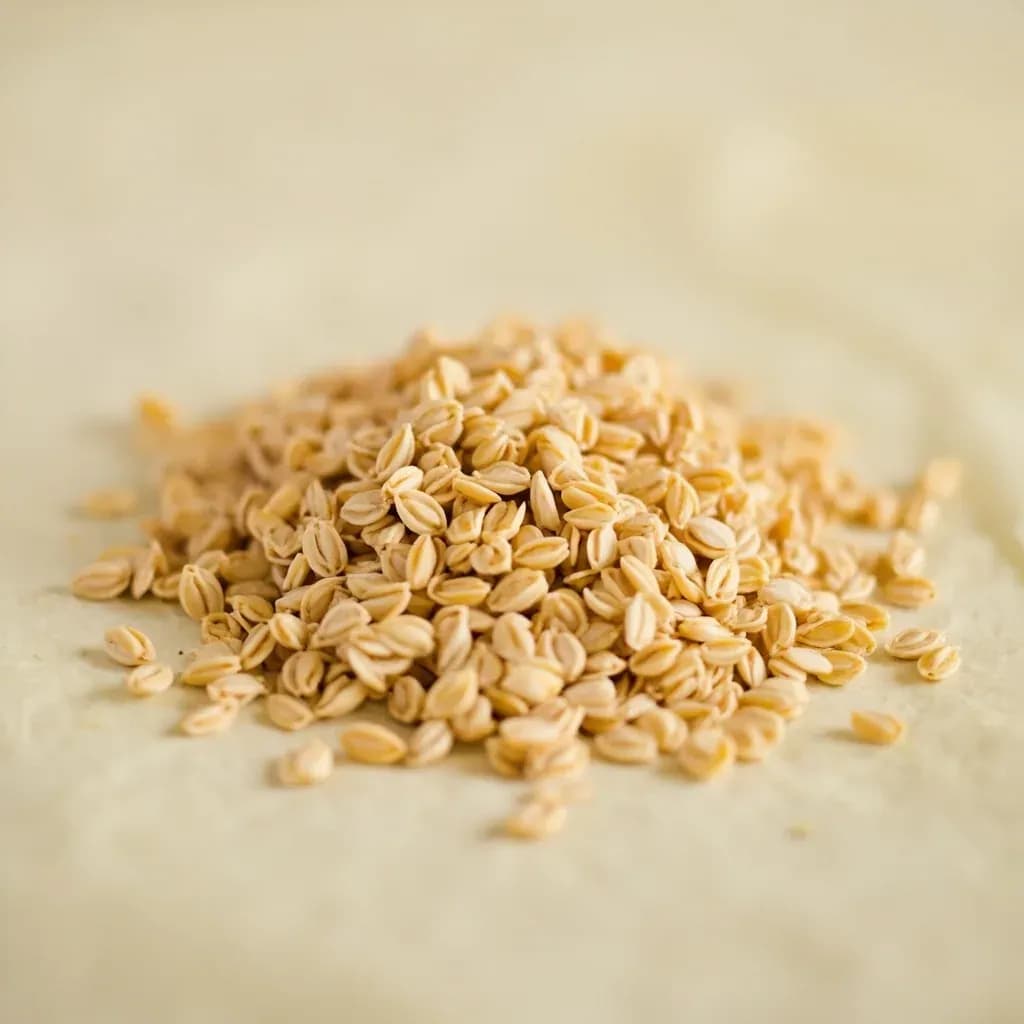
Hard white wheat has the same strong, high-protein, bread-baking qualities as hard red wheat but with a pale bran and a milder, sweeter flavor. It is favored for whole-wheat breads that look and taste lighter, and for tortillas and flatbreads. Its lack of tannic bitterness appeals to those who find red wheat too strong.
Hard white wheat is a variety of common wheat (Triticum aestivum) developed in the mid-20th century specifically to meet a clear market need: whole grain nutrition without the assertive flavor and dark color of traditional hard red wheat. The defining difference lies in the bran. Hard red wheat carries a dominant gene that produces red-pigmented bran containing higher levels of tannins and polyphenols, which contribute bitterness. Hard white wheat carries a recessive white-bran gene, resulting in pale tan bran with substantially lower tannin content. This genetic distinction makes a practical difference in the kitchen—the mild, slightly sweet flavor of hard white whole wheat allows bread makers to use 100% whole grain without masking agents, producing loaves that are genuinely lighter in color and taste. Despite its gentler demeanor, hard white wheat matches hard red wheat in protein content (10–13%), making it equally capable of developing strong gluten networks for chewy, well-structured breads. It is not to be confused with soft white wheat, which is low-protein and suited for pastries and cakes rather than structural baked goods.
Commercially, hard white wheat fills a niche that hard red wheat cannot: manufacturers and artisan bakers seeking whole grain products that appeal to consumers resistant to the dense, bitter profile of red wheat whole grains. The wheat was first released as the variety 'Gaines' by Kansas State University in 1962, with commercial varieties like Snow White and Expresso following through the 1970s and 1980s. Today, major production occurs in the U.S. Great Plains—Kansas, Nebraska, Colorado, and Idaho—where the climate suits high-protein wheat cultivation. For home bakers, hard white wheat berries are increasingly available through bulk retailers and online suppliers, and home milling has become practical with accessible grain mills. The combination of strong protein content and mild flavor makes hard white wheat the most versatile whole grain wheat for those who want genuine whole grain baking without compromise.
- Measured in
- g
- Storage
- Pantry
Allergens
Types & varieties
Umbrella classification; includes varieties like Ronley, Trevo, Otis, Highbury, and Expedition developed by public breeding programs
High-yielding commercial variety released by Colorado State University
Early commercial variety that gained popularity in the 1990s
Hard White vs. Hard Red: What the Color Gene Actually Means
The difference between hard white and hard red wheat is controlled by a single gene: red bran is dominant, white bran is recessive. This matters beyond aesthetics. The red pigment in hard red wheat bran comes from tannins and polyphenols—phenolic compounds that contribute a bitter, astringent quality. Hard white wheat lacks these compounds in meaningful amounts, so the finished bread tastes milder and sweeter naturally. In whole grain applications, this is the key distinction: hard red whole wheat often requires added sweeteners, seeds, or other strong flavors to make the bread palatable, while hard white whole wheat can stand on its own. The lighter bran color also produces flour with a creamier hue rather than the brownish-gray of hard red whole wheat flour. Protein content, gluten formation, and baking behavior are essentially identical between the two types.
- Hard red wheat tannins create bitterness in whole grain products; hard white wheat does not
- White bran produces visibly lighter-colored flour and bread crumb
- Both types have comparable protein (10–13%) and behave identically in dough formation
- For recipes designed for hard red whole wheat, hard white can substitute with adjustments to liquid and flavoring
Whole Grain vs. Refined: Why the Whole Berry Matters
When you mill hard white wheat berries at home, you get genuine whole grain flour—containing the bran, germ, and endosperm in proportion to the original kernel. This is nutritionally distinct from refined white flour, which strips away the bran and germ (and along with them, fiber, B vitamins, vitamin E, iron, and phytochemicals). Commercial whole wheat flour from hard white undergoes the same whole-grain milling process. The germ contains oils that go rancid relatively quickly, which is why whole grain flours have shorter shelf lives than refined flours. This is also why home milling close to baking time preserves maximum nutrition and flavor. The bran contributes fiber and gritty texture; the germ contributes fat and nutrients. Together they make a denser, more flavorful, more nutritious flour than refined white—but one that behaves differently in dough and requires adjustments to liquid and mixing.
- Whole grain flour contains bran, germ, and endosperm; refined white contains only endosperm
- Germ oils cause rancidity—store whole grain flour cold or frozen
- Whole grain flour absorbs water differently than refined flour; expect denser textures unless managed
Common uses
Tips & pitfalls
- Store whole kernels in airtight containers in a cool, dark pantry or refrigerator to prevent rancidity from the germ oils
- Grind into flour fresh as needed using a grain mill or high-speed blender for maximum flavor and nutrition
- Whole wheat flour from hard white absorbs less water than hard red whole wheat; reduce liquid by 5–10% when substituting for hard red whole wheat
- For lighter whole-grain bread, use 50–75% hard white whole wheat blended with bread flour; 100% whole grain produces a dense but acceptably light loaf
- Hard white wheat berries are harder than soft wheat; adjust grain mill settings accordingly—medium-fine grind for bread flour
- The germ is still present in whole grain flour, so freeze freshly ground flour for long-term storage
- Unlike hard red wheat, no additional flavor masking (sweeteners, seeds) is typically needed when using 100% whole grain
- Common mistake: substituting hard white whole wheat for bread flour without adjusting hydration; whole grain flour absorbs more liquid than refined flour, so increase liquid by 5–15%
- Common mistake: expecting 100% whole wheat bread to match the texture of refined white bread; the crumb will be denser and the crust chewier by nature
- Common mistake: storing milled flour at room temperature for weeks; germ oils turn rancid quickly; use within 1–3 months at room temp or freeze for up to 6 months
Nutrition
Energy
1431 kJ · per 100 g
Where the calories come from
Protein
11.3g
23% DV
Carbs
75.9g
28% DV
Fat
1.7g
2% DV
Fiber
12.2g
44% DV
Sugars
0.4g
of which
Sodium
2mg
0% DV
Source · USDA FoodData Central · Wheat, hard white
View on FDC →In the shops
Matched grocery products
No matched grocery products for Hard White Wheat yet.
Good to know
- Scientific Name
- Triticum aestivum
- Type
- Hard white common wheat
- Protein Content
- 10–13% (comparable to hard red wheat)
- Bran Color
- White/tan (vs. red in hard red wheat)
- Flavor Profile
- Mild, slightly sweet; less bitter than red wheat due to lower tannin content
- Primary Growing Region
- U.S. Great Plains (Kansas, Nebraska, Colorado, Idaho)
- Development
- Released in 1962 by Kansas State University (variety 'Gaines'); commercial varieties emerged in 1970s–80s
- Gluten Content
- High; suitable for yeast breads and chewy textures
- Shelf Life (whole berries)
- 6–12 months in cool, dry conditions; up to 1 year in freezer
- Shelf Life (flour)
- 1–3 months at room temperature; 6 months frozen
Substitutes
- Hard Red Wheat Berries — Will produce darker, denser whole grain bread with more bitter notes from tannins; use 1:1 but expect different texture and color
- Spelt Berries — Ancient grain with similar protein; more fragile gluten structure; may yield flatter bread; use 1:1
- Bread Flour + Wheat Germ — Simulates protein and nutrition but not true whole grain; lacks bran fiber and germ oils; texture will be lighter and milder
- Einkorn Berries — Ancient wheat with lower gluten; produces more fragile doughs; 1:1 substitution possible but bread will be flatter with different texture
Pairs with
Also called
Hard White Winter Wheat
Related

White Rice
Fluffy long-grain rice — the neutral base for almost any meal

White Bread
Soft sandwich loaf for toast, sandwiches, and crumbs
Brown Rice
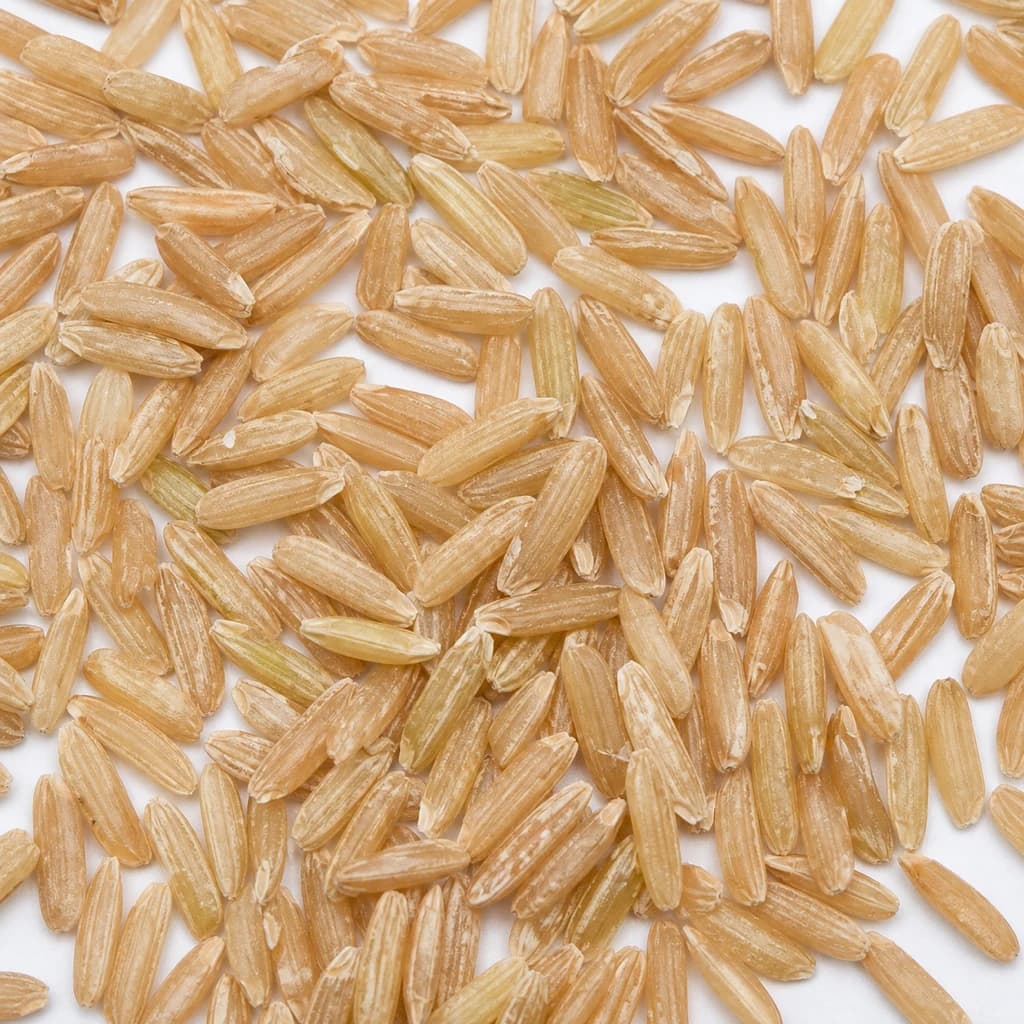
Nutty, whole-grain rice with chew and extra fiber

Basmati Rice
Fragrant, long-grain rice that cooks up light and separate
Jasmine Rice
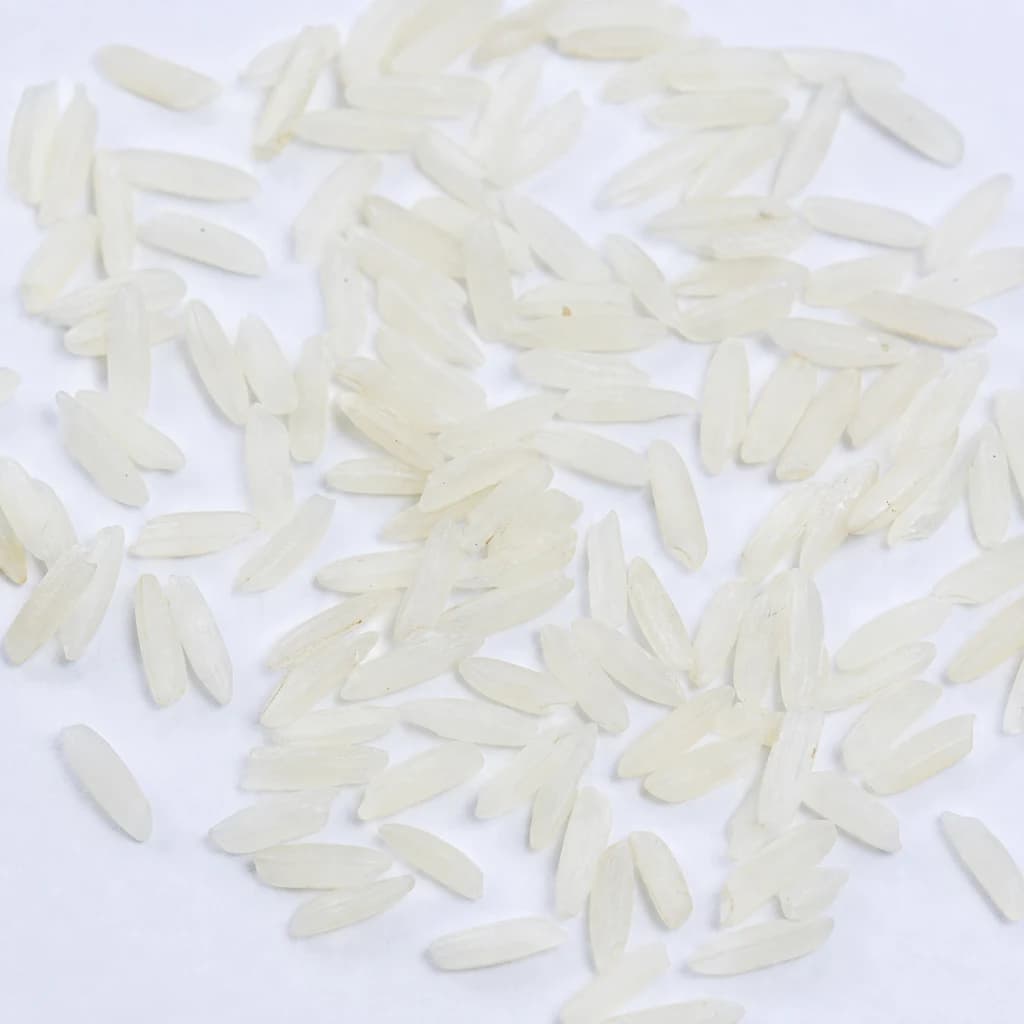
Soft, floral-scented rice that's the pillar of Thai meals
Arborio Rice
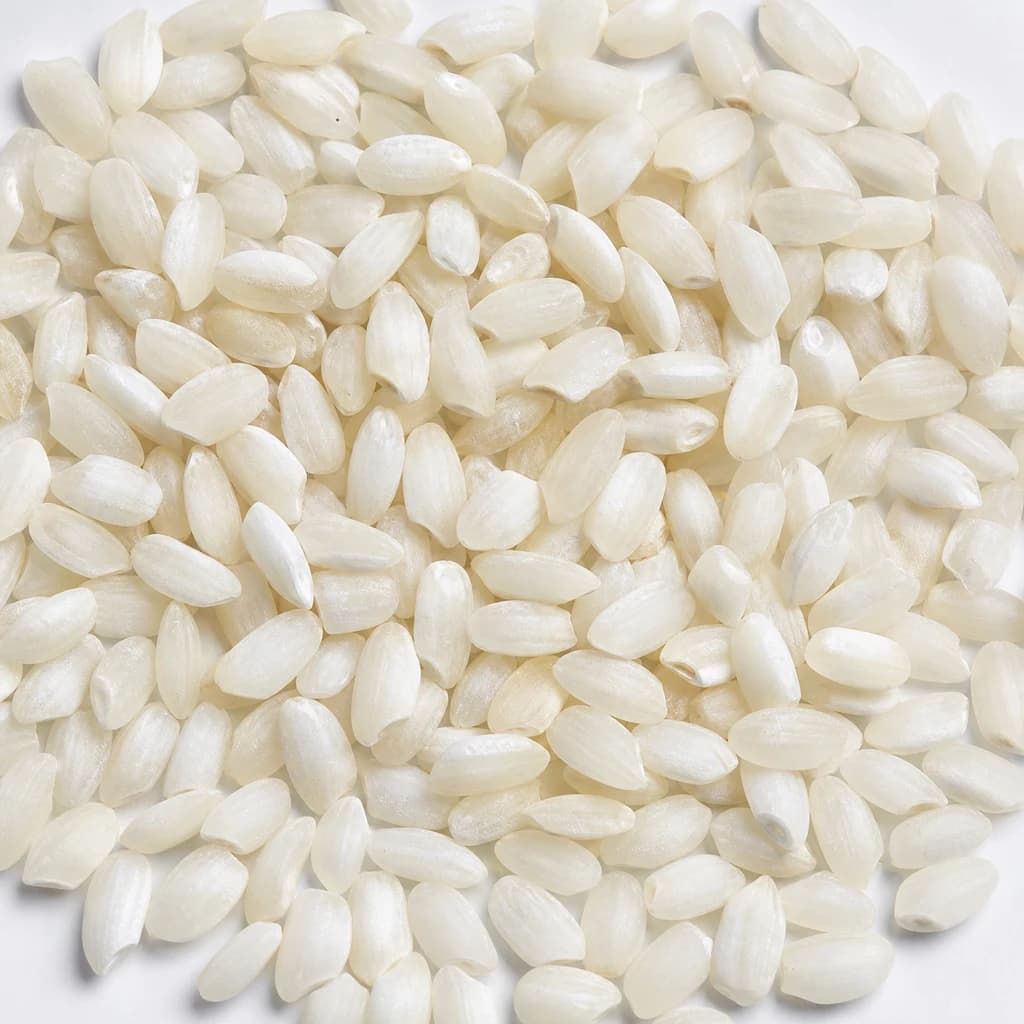
Plump, starchy rice that makes risotto creamy
Fusilli
Spiraled pasta that twirls up sauce and dresses cold salads
Rolled Oats
Hearty flakes for porridge, granola, and chewy cookies