Produce
Kumara (Sweet Potato)
New Zealand sweet potato, roasted, mashed, or fried for its sweet flesh.
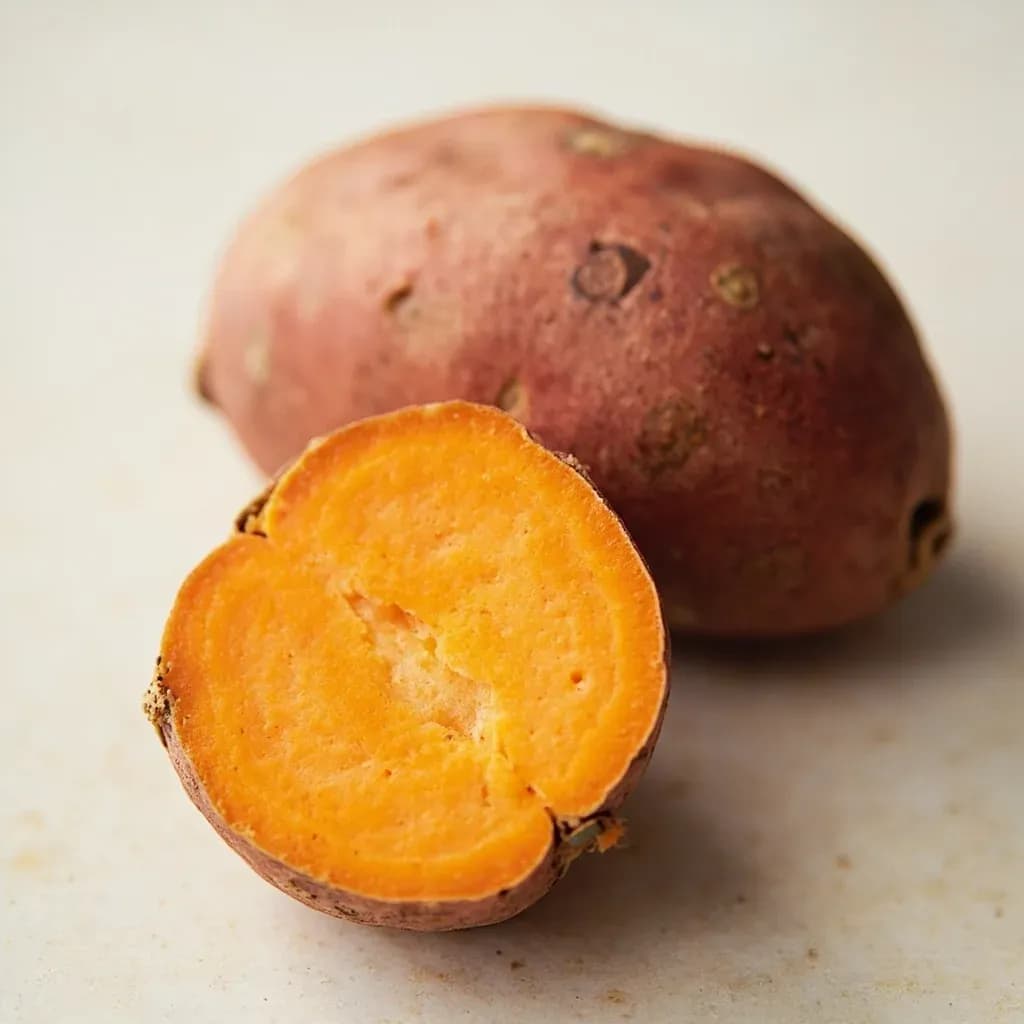
Kumara is the New Zealand and Polynesian name for sweet potato, with red, gold, or orange skin and sweet, starchy flesh. It is roasted, mashed, boiled, or fried, and is central to dishes from hangi feasts to chips and mashes. Its natural sweetness deepens with roasting as the starches caramelize.
Kumara is a distinct lineage of sweet potato (Ipomoea batatas) brought to Aotearoa New Zealand by Māori voyagers from Polynesia around 1000 CE, then cultivated in isolation for nearly a thousand years. That centuries-long separation from other sweet potato populations produced a vegetable with measurably different characteristics from the North American and Asian varieties most cooks know. Its lower moisture content and denser, firmer flesh make it uniquely resistant to the mushy, waterlogged outcome that plagues lesser sweet potatoes under high heat. This is the key to understanding kumara: it is built for roasting and frying in ways that other sweet potatoes simply are not.
The three principal commercial varieties—Owairaka (red-skinned, white-fleshed), Toka Toka (red-skinned, cream-fleshed), and Gold (orange-tan-skinned, deep orange-fleshed)—behave quite differently in the kitchen, and using them interchangeably produces inconsistent results. Owairaka holds its shape aggressively and caramelizes beautifully; Gold breaks down into a silky, intensely sweet puree with ease. Beauregard, the most common supermarket variety, sits between Gold and Toka Toka in character. Choosing the right variety for your intended preparation is not pedantry—it is the difference between a dish that sings and one that falls flat.
Kumara oxidizes rapidly once cut, darkening within minutes when exposed to air. Keep cut pieces submerged in cold water with a squeeze of lemon juice if you are not cooking immediately. Never refrigerate raw kumara; cold temperatures can cause flesh to become grainy and compromise both texture and flavor.
- Measured in
- piece
- Storage
- Pantry
Types & varieties
Red-skinned, white flesh. Firmest texture, mild sweetness. The most traditional and widely grown NZ kumara. Best for roasting whole or in thick wedges that hold their shape.
Red-skinned, pale yellow to cream flesh. Medium firmness, slightly sweeter than Owairaka. Good all-purpose variety for most cooking methods.
Orange-tan skin, deep orange-yellow flesh. Softest texture, most pronounced sweetness. Breaks down more readily when cooked. Best for mashing, soups, and baking.
Common commercial variety with orange skin and vivid orange flesh. Similar to Gold; widely available in supermarkets. Slightly wetter than Gold when cooked.
The Māori Agricultural Heritage
Kumara was one of the 'seven kete' (baskets) of knowledge carried by the ancestor Kupe on his voyage to Aotearoa, placing it at the very foundation of Māori civilization. The plant required significant adaptation to New Zealand's cooler climate; traditional cultivation involved building raised stone mounds (kūmara pits) that trapped heat and improved drainage, a technique still studied by agricultural scientists today. This deep agricultural heritage means that for many New Zealanders, kumara is not merely a vegetable but a connection to cultural identity and food sovereignty. It remains central to traditional dishes like boil-up and is woven through ceremonial and everyday cooking alike.
Understanding Oxidation and Preventing Discoloration
Once cut, kumara begins oxidizing within two to three minutes, turning pinkish-brown at the surface. This is purely cosmetic but unappealing in raw preparations or salads. The fix is simple and should become automatic: drop cut pieces immediately into cold water with a squeeze of lemon juice. A tablespoon of lemon juice per cup of water is sufficient. Change the water if you are soaking for more than 15 minutes. Do not use this technique if you intend to roast or fry, as the moisture on the surface will inhibit browning—instead, cook the pieces within 10 minutes of cutting.
- Cut kumara directly into your cooking vessel or submerge immediately in acidulated water.
- Pat thoroughly dry before roasting or frying—surface moisture is the enemy of caramelization.
- Oxidation does not affect flavor or nutrition, only appearance in raw or lightly cooked dishes.
Roasting: Getting It Right
High heat and a dry surface are non-negotiable for properly roasted kumara. The oven must be at 200°C or above, the baking tray hot before the kumara goes in, and the pieces arranged in a single layer with space between each one. Crowding causes steaming, which is exactly the opposite of what you want. Toss with rice bran oil or grapeseed oil—high smoke-point fats that can handle the temperature without burning. Do not cover the tray or tent with foil during cooking. Let the roasted pieces rest 5 minutes before serving; the interior firms up slightly as steam escapes, giving you better texture and definition.
- Preheat the baking tray in the oven for 10 minutes before adding kumara.
- Ensure pieces are completely dry and spread without touching.
- Resist opening the oven door for the first 15 minutes—the temperature drop stalls caramelization.
Common uses
Tips & pitfalls
- Do not peel unless the recipe specifically requires it; the skin is thin and edible when cooked, adding color and nutrients.
- Roast at 200°C or higher—kumara needs fierce heat to caramelize its sugars without steaming.
- Cut into even pieces to ensure uniform cooking; denser than regular sweet potatoes, so allow extra time.
- For crispy roasted kumara, toss in a high smoke-point oil (rice bran, grapeseed) and spread in a single layer on a hot baking tray.
- When boiling, start in cold salted water and cook until just tender; overboiling makes it mushy and waterlogged.
- Let roasted or baked kumara rest 5 minutes before cutting—the interior sets and holds shape better.
- For frying, ensure pieces are completely dry and the oil is at 160–175°C to prevent sogginess.
- Never refrigerate raw kumara; cold temperatures can cause flesh to become grainy and compromise both texture and flavor.
- Submerge cut pieces in cold water with lemon juice to prevent oxidation if not cooking immediately.
- Choose Owairaka for firm, defined roasted wedges; choose Gold for silky purees and mashes.
Nutrition
Energy
360 kJ · per 100 g
Where the calories come from
Protein
1.6g
3% DV
Carbs
20.1g
7% DV
Fat
0.1g
0% DV
Fiber
3g
11% DV
Sugars
4.2g
of which
Sodium
55mg
2% DV
Source · USDA FoodData Central · Sweet potato, raw, unprepared (Includes foods for USDA's Food Distribution Program)
View on FDC →In the shops
Matched grocery products
No matched grocery products for Kumara (Sweet Potato) yet.
Good to know
- Scientific Name
- Ipomoea batatas
- Origin
- Brought to Aotearoa New Zealand by Māori voyagers from Polynesia circa 1000 CE; cultivated in isolation for centuries.
- Major Growing Regions
- Northland (Dargaville area), Auckland (Pukekohe), and across the North Island.
- Peak Season
- March–June; available year-round from storage.
- Storage
- Keep unwashed in a cool (12–15°C), dark, well-ventilated place. Do not refrigerate. Lasts 2–4 weeks.
- Per 100g (raw)
- Approximately 90 calories, 21g carbohydrate, 1.6g protein, negligible fat.
- Key Difference from Other Sweet Potatoes
- Lower moisture, denser and firmer texture; holds shape better when roasted; less starchy and watery than North American varieties.
- Spiritual Significance
- Kūmara was one of the 'seven kete' (baskets) of knowledge brought by the ancestor Kupe; central to traditional Māori agriculture.
Substitutes
- Beauregard Sweet Potato — Closest texture and flavor; may be slightly wetter, so reduce cooking time slightly for roasting.
- Orange-Fleshed Sweet Potato — Good substitute for Gold variety; similar sweetness and color. Works well in mashes and purees.
- Standard Red Sweet Potato — Acceptable but has higher moisture; may steam rather than caramelize when roasted. Best used in soups or boiling.
Pairs with
Also called
Sweet Potato
Appears in these dishes
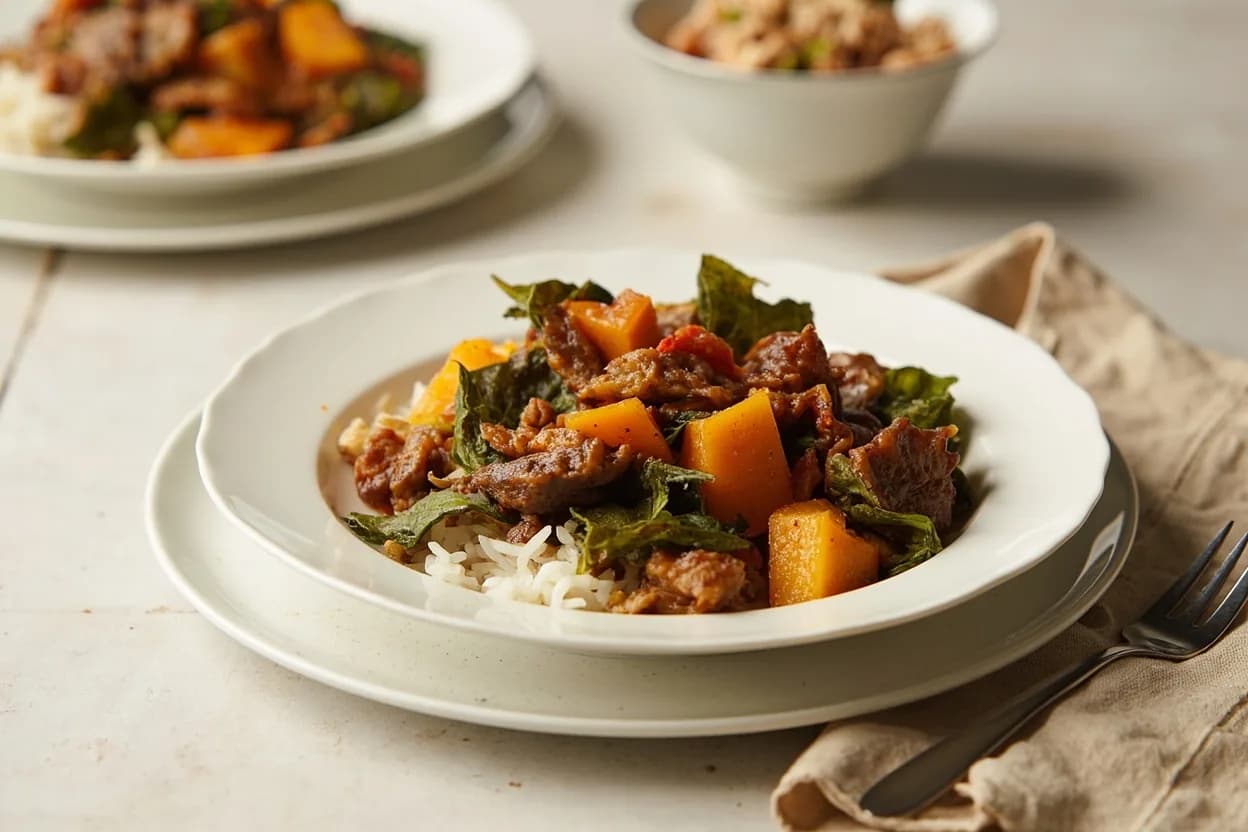
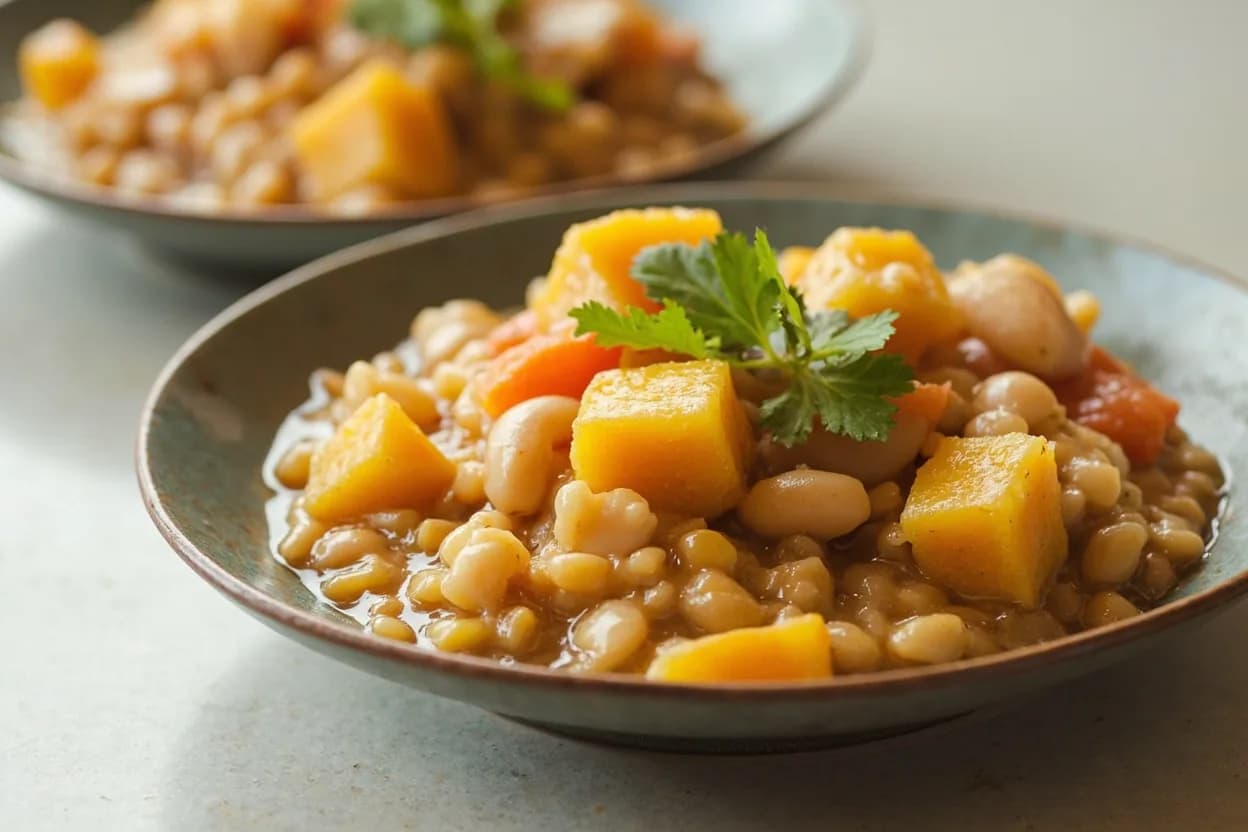
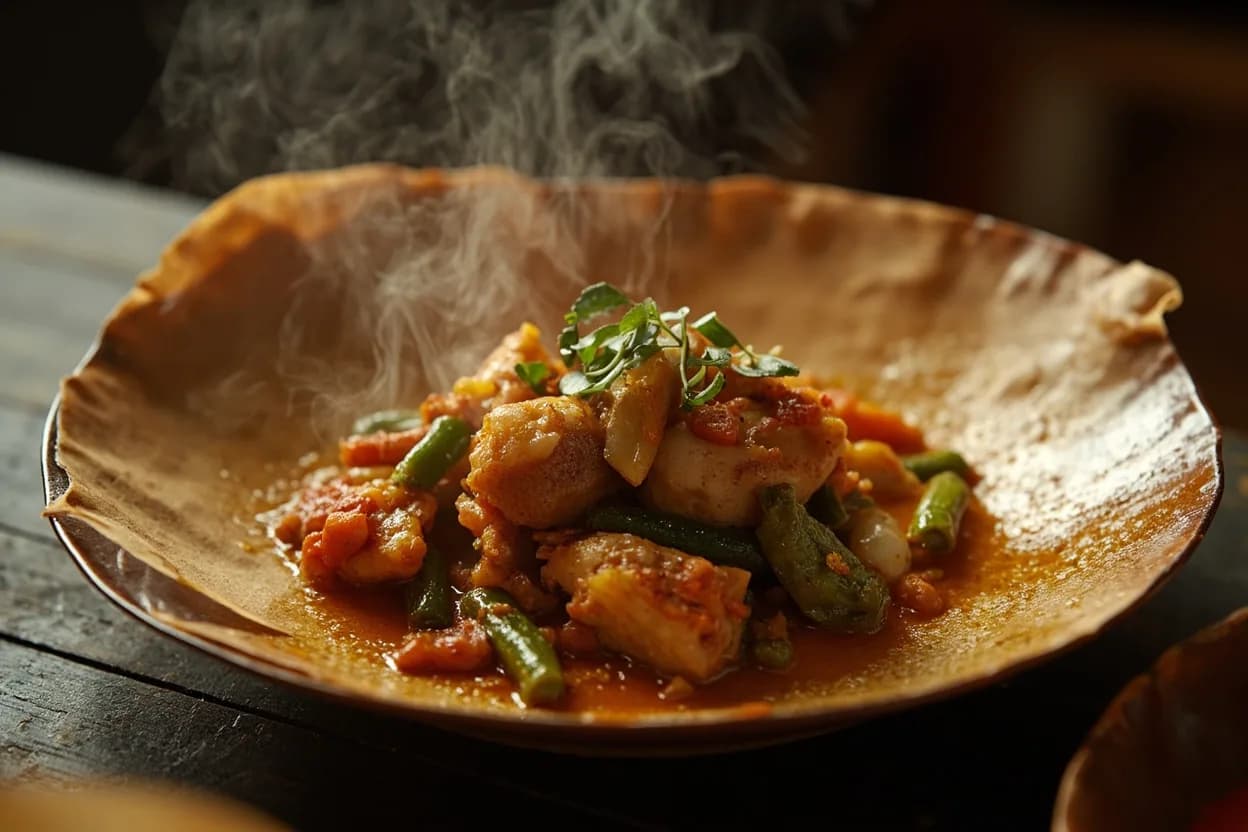
Related
Tomato
Juicy, sun-sweet fruit for sauces, salads, and slow-cooked depth
Yellow Onion
The aromatic backbone of soups, sofritos, and braises
Garlic
Pungent cloves that perfume nearly every savory dish
Lemon
Bright, acidic citrus that wakes up almost any dish
Potato
Humble, hearty staple — roast, mash, fry, or boil
Carrot
Sweet, crunchy root — raw, roasted, or the base of a sofrito
Cucumber
Cool, crisp, and watery — for salads, pickles, and tzatziki

Lettuce
Crisp leaves for salads, wraps, and a fresh crunch