Dairy & Eggs
Olomoucké Tvarůžky
Pungent ripened Czech curd cheese, very low in fat and famously strong-smelling, eaten with beer and onions.
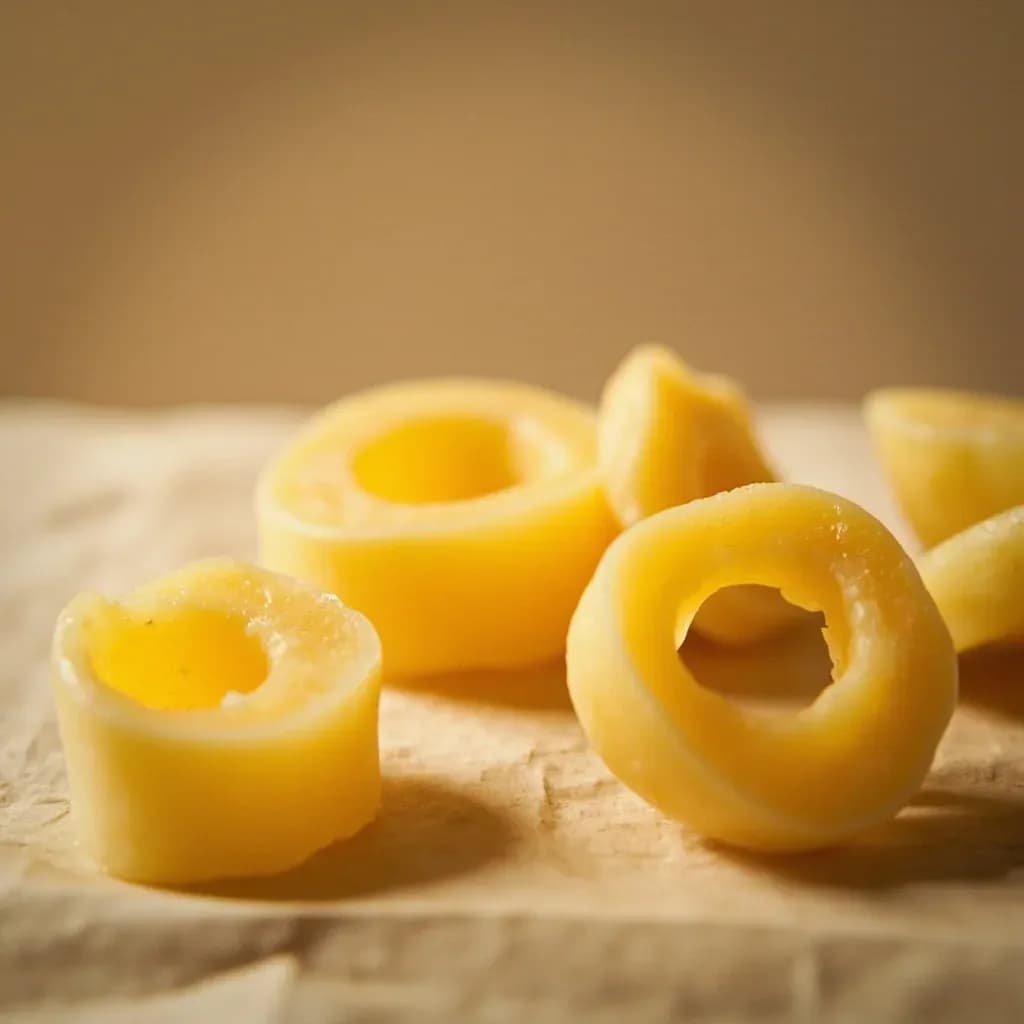
Olomoucké tvarůžky are small, ripened Czech cheeses made from sour, skimmed-milk curd, known for their intense aroma and golden, sticky surface. They are nearly fat-free yet powerfully flavored, sharp and salty. They are eaten with bread, beer, onions, and vinegar, or fried in batter.
Olomoucké tvarůžky is a protected-designation Czech cheese made from low-fat cow's milk, distinctive for its intense flavor achieved despite minimal fat content. Unlike most aged cheeses that rely on high fat to develop complexity, tvarůžky concentrates its character through extended ripening in brine or oil, producing a pungent, tangy profile with characteristic ammonia notes that signal proper fermentation. The cheese was first documented in the Olomouc region of Moravia in the 16th century, with production methods refined through monastic traditions, and it remains one of the few ripened cheeses in the world made from skimmed or semi-skimmed milk. Its texture transforms from compact and sliceable when young to crumbly and spreadable when fully ripened, making the aging stage critical to how the cheese behaves in both raw and cooked applications. Do not confuse tvarůžky with fresh tvaroh, an unripened quark that is mild and creamy—this is a fully ripened cheese with developed funk that demands respect in the kitchen.
- Measured in
- g
- Storage
- Fridge
Allergens
Types & varieties
2–3 weeks old; milder flavor, firmer texture, holds shape for slicing
6+ weeks; crumbly, intensely pungent, pronounced ammonia notes
Rolled in cracked black pepper; adds warmth, visual contrast, and slight heat
Cold-smoked variant; smoky undertone alongside the signature funk
Tvarůžky vs. Tvaroh: Knowing the Difference
These two Czech dairy products share a linguistic root but are fundamentally different. Fresh tvaroh is an unripened quark cheese—mild, creamy, and spreadable, used in fillings, cheesecakes, and dips. Tvarůžky, by contrast, undergoes deliberate aging in brine or oil, developing the enzymatic activity that creates its funky, ammonia-tinged character. When shopping or cooking, confirm you have the ripened version if you want the distinctive pungency. The names are sometimes used interchangeably in casual conversation, but a serious cook knows the distinction.
- Tvaroh: fresh, mild, no aging required
- Tvarůžky: ripened, pungent, minimum 21-day aging
Understanding the Aroma
The ammonia smell that makes tvarůžky famous is not a defect—it indicates proper enzymatic ripening. As the cheese ages, proteins break down and release ammonia compounds that contribute to both aroma and flavor. The intensity correlates with ripeness: young versions smell tangy and lactic with minimal ammonia; fully aged specimens can clear a room. This same chemistry explains why the flavor concentrates so remarkably despite the low fat content. When evaluating freshness, trust the lactic-earthy aroma beneath the ammonia; avoid any notes that suggest sourness or rot.
- Ammonia = proper fermentation, not spoilage
- Stronger smell indicates more advanced aging
- Avoid any sour or putrid off-notes
Common uses
Tips & pitfalls
- Always serve at room temperature—the aroma and flavor are significantly muted when chilled
- Drain from brine before slicing; the brine is for storage only, not serving
- If the flavor is too intense, remove the small gray-white surface layer where ammonia concentrates most
- Young tvarůžky holds its shape better for clean slicing; aged versions spread more easily on bread
- Add to cooked dishes in the last 2–3 minutes only—prolonged heat destroys the character
- A little goes far in cooking; treat it like an aged blue's punchiness rather than a mild melting cheese
- Czech delis and specialty cheese shops in Europe offer the most reliable quality; imported versions vary widely
Nutrition
Energy
1628 kJ · per 100 g
Where the calories come from
Protein
25.6g
51% DV
Carbs
1.6g
1% DV
Fat
31.1g
40% DV
Fiber
0g
0% DV
Sugars
1.6g
of which
Sodium
800mg
35% DV
Source · USDA FoodData Central · approx. Cheese, fontina
View on FDC →In the shops
Matched grocery products
No matched grocery products for Olomoucké Tvarůžky yet.
Good to know
- Origin
- Olomouc region, Moravia, Czech Republic (Protected Designation of Origin)
- Milk Type
- Low-fat cow's milk
- Fat Content
- Very low for an aged cheese; 10–20% fat in dry matter
- Texture
- Firm and compact when young; crumbly and spreadable when fully ripened
- Aging
- Minimum 21 days, typically 6–8 weeks for full flavor development
- Rind
- None; cheese ripened in brine or oil, sometimes rolled in cracked black pepper
- Shelf Life
- Vacuum-sealed: several weeks refrigerated; once opened: use within days
- Serving Temperature
- Always room temperature; never served chilled
Substitutes
- Sýr na topinky (Czech grilled cheese spread) — Less pungent but shares the salty, savory low-fat curd character
- Liptauer — Slovak spreadable cheese; similar intensity and dairy tang, different texture
- Young Kashkaval (Bulgarian or Israeli) — Milder, but the low-fat curd texture and salty intensity offer partial overlap
- Dry ricotta with salt and ripe Camembert — Can approximate texture and dairy character but lacks the distinctive ammonia funk
Pairs with
Also called
olomoucké tvarůžky · olomoucke tvaruzky · olomouc cheese
Related

Whole Milk
Rich, full-fat milk for drinking, coffee, sauces, and baking
Butter
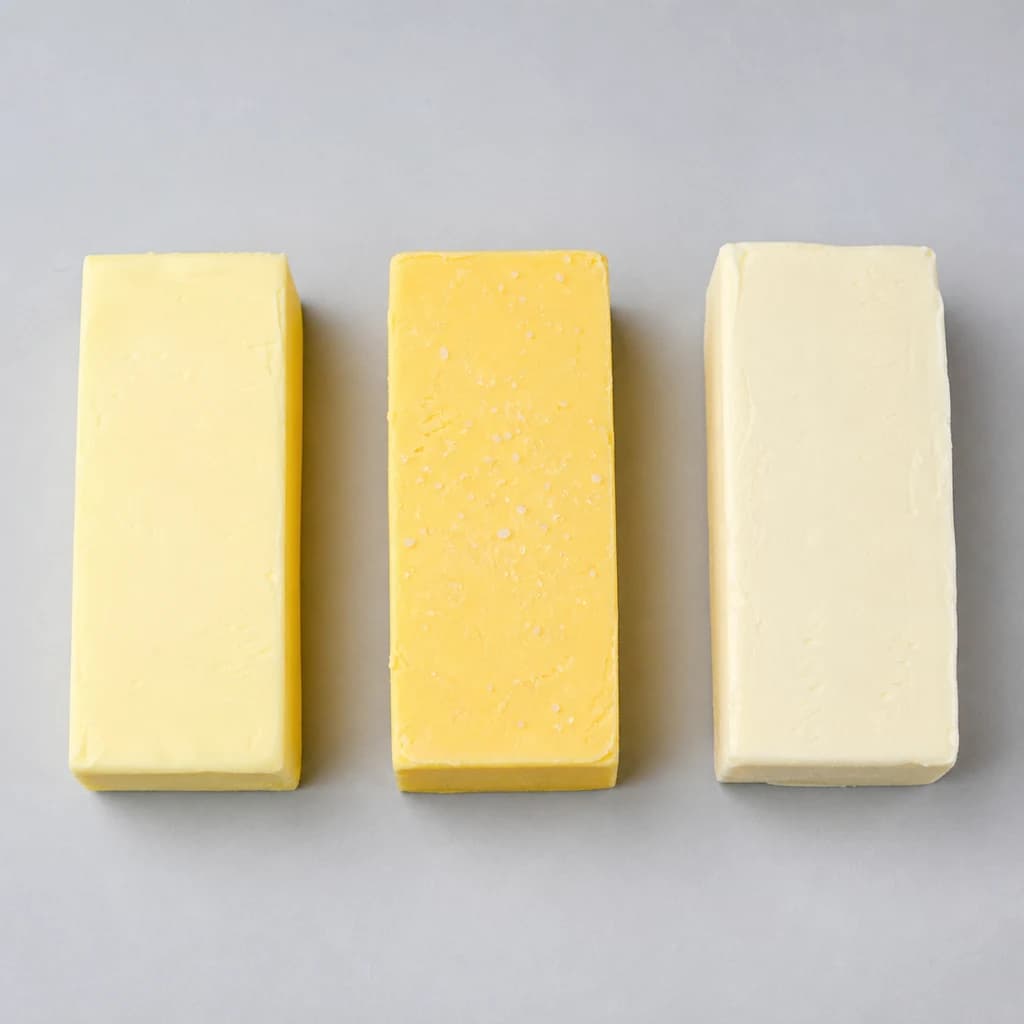
Golden fat for searing, baking, and finishing a sauce
Yogurt
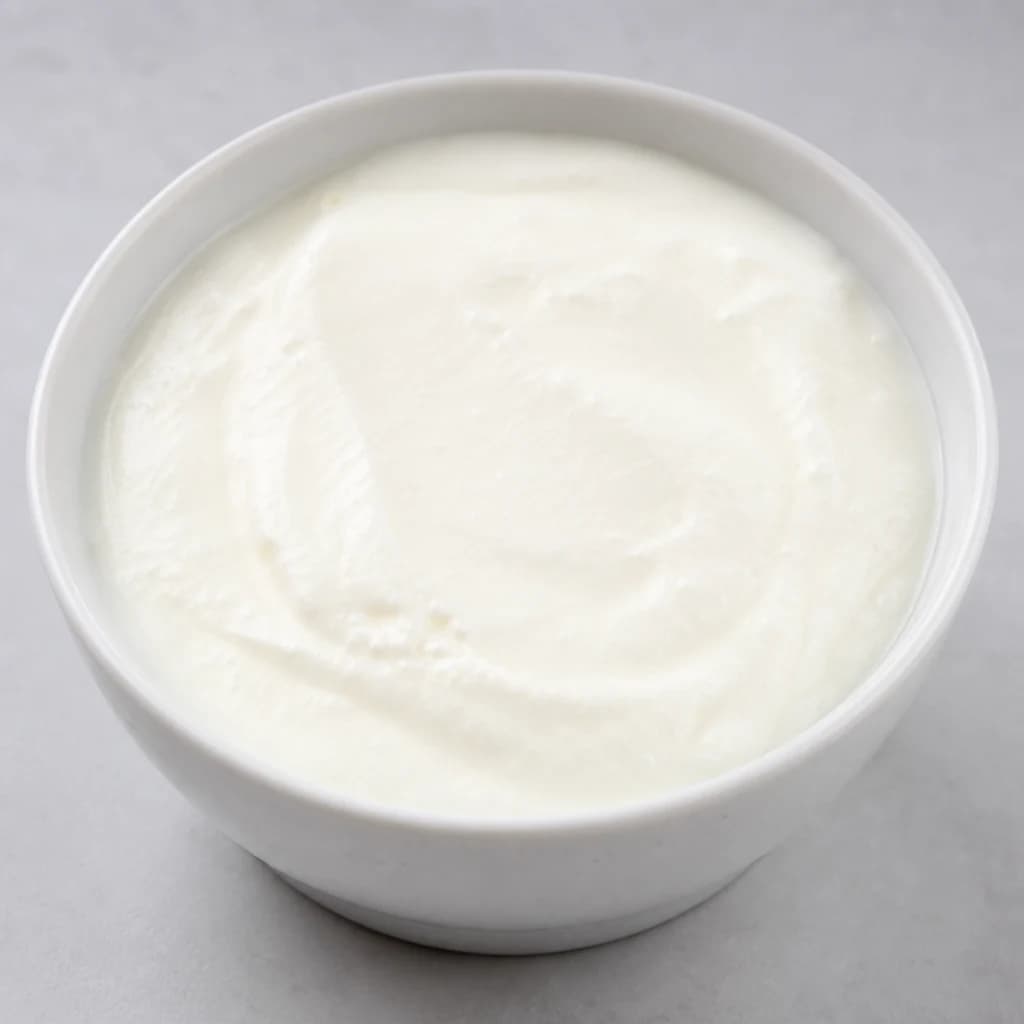
Tangy, creamy culture for breakfast, sauces, and marinades
Cheddar Cheese
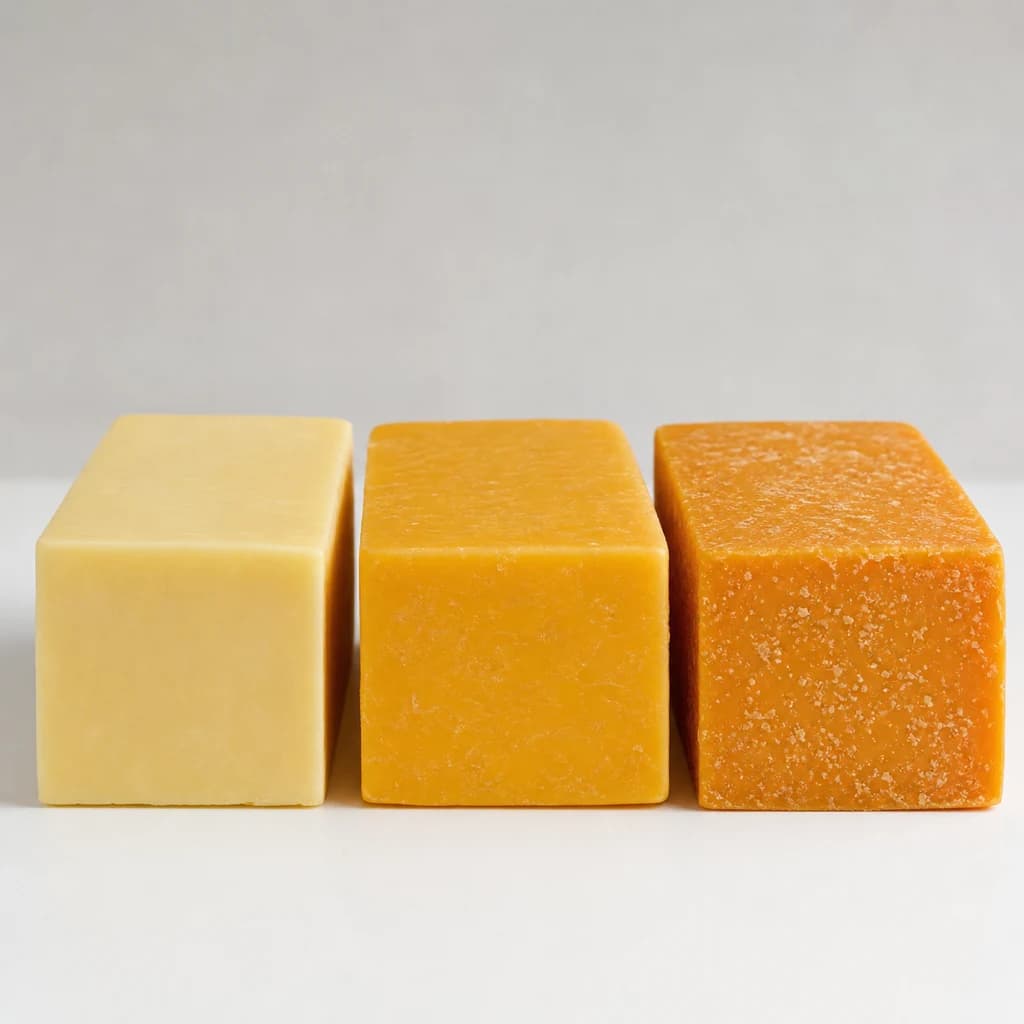
Sharp, melty cheese for sandwiches, gratins, and grating
Skim Milk
Fat-free milk for lighter drinking, coffee, and cooking
Heavy Cream
Rich cream that whips, enriches sauces, and sets ganache

Sour Cream
Tangy, thick cream for dolloping, baking, and dips
Mozzarella
Soft, milky cheese that melts into stretchy pizza pulls