Grains & Rice
Pap (Ogi)
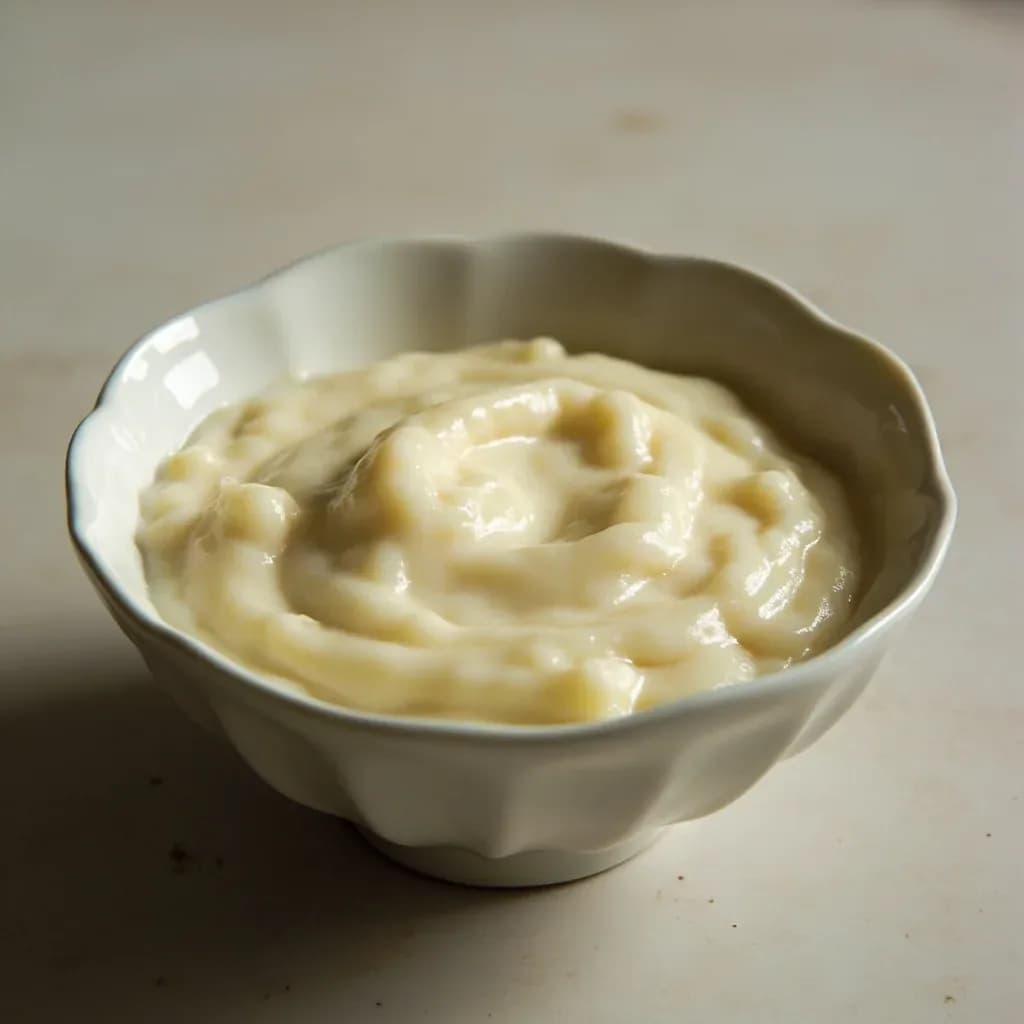
Smooth fermented corn porridge eaten as a staple across West and Southern Africa.
Pap is a soft porridge made from fermented or plain ground corn, a daily staple in Nigeria (as ogi or akamu) and across Southern Africa. The fermented version has a pleasant sourness and is served thin for breakfast or stiff alongside stews and grilled meats. It is smooth, mildly tangy, and easy to digest.
Pap, known as ogi in Nigeria, koko in Ghana, and by various regional names across the continent, is a smooth fermented corn porridge that forms a dietary cornerstone across West and Southern Africa. The fermentation process—typically lasting one to five days—is what distinguishes this humble dish: naturally occurring lactic acid bacteria act on the maize, producing a characteristic tangy sourness that improves digestibility and boosts niacin bioavailability. The finished product ranges from a thin, drinkable consistency to a firm fufu-like dough that can be rolled into balls and swallowed with soups.
The dish carries deep cultural significance beyond nutrition. In Yoruba and Ghanaian traditions, ogi appears at ceremonial occasions—funerals, weddings, naming ceremonies—served as a communal dish that binds guests together. In South Africa, stiff pap fried until crispy on the outside (called krummelkop or putu) has achieved almost cult status, particularly alongside braai. The texture preferences split geographically: Nigerian ogi tends toward smooth and spoonable for breakfast, while Southern African pap is often eaten as a stiff dinner starch with relishes. Fermentation is non-negotiable in traditional preparation; the sour tang is not merely a flavor preference but the defining characteristic that separates authentic pap from simple maize porridge.
Modern urban cooks sometimes skip fermentation for convenience, but the result lacks the complexity that generations of cooks have valued. The process also transforms the corn: fermentation reduces phytates, which bind minerals in the gut, thereby improving the bioavailability of niacin (vitamin B3) and other nutrients—a nutritional benefit that explains why pap has historically served as a nutritious weaning food for infants.
- Measured in
- g
- Storage
- Fridge
Types & varieties
Nigerian Yoruba preparation; smooth, thin to medium consistency, the canonical breakfast served with fried fish or akara
Fine-textured, slightly sour Nigerian Igbo variety; traditionally served with pepper soup or moi moi
Very smooth Ghanaian pap; fermented 2–3 days, served with bread or koose (bean fritters)
Same fermented corn base as ogi; often eaten with kléklé (steamed corn dough)
General Southern African term; often stiffer, made from white maize meal, the canonical side for braai and chakalaka
Stiff, crumbly fried pap; white maize often fried in butter until crispy exterior develops—South African favorite
Crumbly Southern African pap; coarser grind than smooth varieties, served with relish
Thin, pourable pap; nickname from its 'slapping' consistency when poured from the pot
Stiff porridge from refined maize; technically similar but distinct culinary tradition
White maize stiff porridge; the daily starch served with greens and meat
Mozambican maize porridge; often served with coconut-based sauces
The Science of Fermentation
Natural fermentation is what elevates maize porridge into pap. When soaked maize is left in water, naturally occurring lactic acid bacteria—primarily Lactobacillus species—colonize the mixture and produce lactic acid. This acidification does several things: it develops the characteristic tang, inhibits harmful bacteria (pathogens struggle in the acidic environment), breaks down some of the corn's proteins and fibers for easier digestion, and increases the bioavailability of niacin (vitamin B3) by reducing phytates that would otherwise bind these nutrients in the gut. The fermentation is ready when the mixture smells pleasantly sour, like plain yogurt. Discard immediately if you detect pink, black, or fuzzy mold, or a sharp ammonia or rotten smell—these indicate unwanted bacterial or fungal contamination.
- Use whole maize kernels for fermentation, not pre-ground meal—the natural enzymes and bacteria on the bran drive the process
- Change soaking water every 24 hours during fermentation to prevent harmful bacterial overgrowth while maintaining lactic acid dominance
- Extend fermentation to 4–5 days for deeper sour flavor, but monitor daily for off-odors
- The fermented mash keeps refrigerated 1–2 weeks before cooking; cook as needed for best flavor
Achieving the Right Texture
Texture is the technical challenge that separates good pap from mediocre pap. The fermented corn must be ground to an absolutely smooth slurry before cooking—any lumps will persist through cooking and ruin the silky texture that defines quality ogi. Use a blender or grind very thoroughly with a mortar and pestle. During cooking, use a heavy-bottomed pot over medium heat and stir constantly, always in one direction (clockwise or counterclockwise—pick one and stick with it; alternating directions creates stringiness). If the porridge is too thick after cooking, thin with boiling water while stirring vigorously; never add cold water, which creates lumps and uneven consistency.
- Grind the fermented corn to a very smooth slurry—lumps will persist after cooking
- Cook in a heavy-bottomed pot over medium heat, stirring constantly to prevent scorching
- Stir in one direction only to avoid stringiness
- Thin with boiling water if too thick; never add cold water
Stiff Pap and Frying Technique
The stiff versions—krummelkop, putu, phutu—require a different technique and a firmer ratio of raw maize meal to cooked fermented portion. Roughly 1:3 uncooked to fermented gives the right density for rolling into balls or slicing. In South Africa, this stiff pap is often fried after cooking: heat butter or fat in a pan until foaming, add portions of the stiff pap, and press flat. Cook undisturbed until a golden, crispy crust forms on the bottom, then flip carefully. The contrast of crispy exterior and soft interior makes fried pap irresistible at any braai. The stiff preparation also transforms pap into a proper fufu substitute for swallowing with soups and stews—a technique used throughout Nigeria and Ghana where ogi akamu (stiff ogi) is rolled into golf-ball sized portions and dipped into soups.
- For stiff pap, add raw maize meal to cooked fermented portion at roughly 1:3 ratio
- Fry in foaming butter over medium heat until golden crust forms on bottom before flipping
- Stiff pap rolls easily into balls for use as fufu with soups and stews
- If pap tastes raw and grassy, fermentation was insufficient—extend soaking time next batch
Common uses
Tips & pitfalls
- Use whole maize kernels, not pre-ground meal, for authentic fermentation—the natural enzymes and bacteria on the bran drive the process
- Ferment in a wide-mouthed clay pot or food-grade plastic bucket; surface area matters for consistent souring
- Change water every 24 hours during fermentation to prevent harmful bacterial overgrowth while allowing lactic acid bacteria to dominate
- The fermented mash is ready when it smells pleasantly sour, like plain yogurt; discard if it develops pink, black, or fuzzy mold or a rotten ammonia smell
- Grind the fermented corn to a very smooth slurry—lumps will persist after cooking and ruin texture
- Cook the porridge in a heavy-bottomed pot over medium heat, stirring constantly to prevent scorching at the bottom
- If the porridge is too thick after cooking, thin with boiling water while stirring vigorously; never add cold water
- Stir clockwise or in one direction only for a smoother final texture, as alternating directions creates stringiness
- If fermentation is insufficient, the pap will taste raw and grassy—extend soaking time next batch until the characteristic tang develops
- For stiff pap, add raw maize meal to the cooked fermented portion at roughly 1:3 ratio
- To achieve a deeper sour flavor, extend fermentation to 4–5 days, but monitor for off-odors daily
- Pap freezes well in portions; thaw and reheat with a splash of water to restore consistency
Nutrition
Nutrition
No USDA FoodData Central match for Pap (Ogi) yet. We surface a per-100 g profile once a generic whole-food entry is matched and verified.
In the shops
Matched grocery products
No matched grocery products for Pap (Ogi) yet.
Good to know
- Primary grain
- Maize (corn); also sorghum, millet, or guinea corn in some regions
- Fermentation duration
- 1–5 days, depending on desired sourness level
- Serving consistency
- Runny (drinking), soft (spoonable), or stiff (fufu-like, rolled into balls)
- Key flavor compound
- Lactic acid from natural fermentation; pleasant sourness like plain yogurt
- Prepared shelf life
- 2–3 days refrigerated; best fresh; frozen portions thaw and reheat well
- Regional names
- Ogi (Yoruba), Akamu (Igbo), Koko (Ghana), Pap (Southern Africa), Mawè (Benin/Togo)
- Traditional equipment
- Clay or plastic fermentation jar, grinding stone or blender, heavy-bottomed cooking pot
Substitutes
- Fine white maize meal porridge — Not fermented; milder flavor, faster to prepare, but lacks characteristic tang; use 1:1 ratio
- Bushera (Uganda) — Ugandan/East African fermented sorghum porridge; slightly nuttier, similar texture and sourness
- Millet ogi — Traditional in some Nigerian communities; earthier flavor, finer texture, good alternative for those avoiding corn
- Rice flour porridge — Use glutinous or short-grain rice flour; cook similarly but will not achieve the same slight acidity
- Semolina (wheat or corn) — Cooked to porridge consistency; lacks fermentation complexity but similar mouthfeel
- Sham (Sudan) — Sudanese fermented millet porridge; closest alternative in sourness and texture among non-corn options
Pairs with
Also called
Ogi · Akamu · Fermented Corn Starch · Mieliepap
Appears in these dishes
Related

White Rice
Fluffy long-grain rice — the neutral base for almost any meal

White Bread
Soft sandwich loaf for toast, sandwiches, and crumbs
Brown Rice
Nutty, whole-grain rice with chew and extra fiber

Basmati Rice
Fragrant, long-grain rice that cooks up light and separate
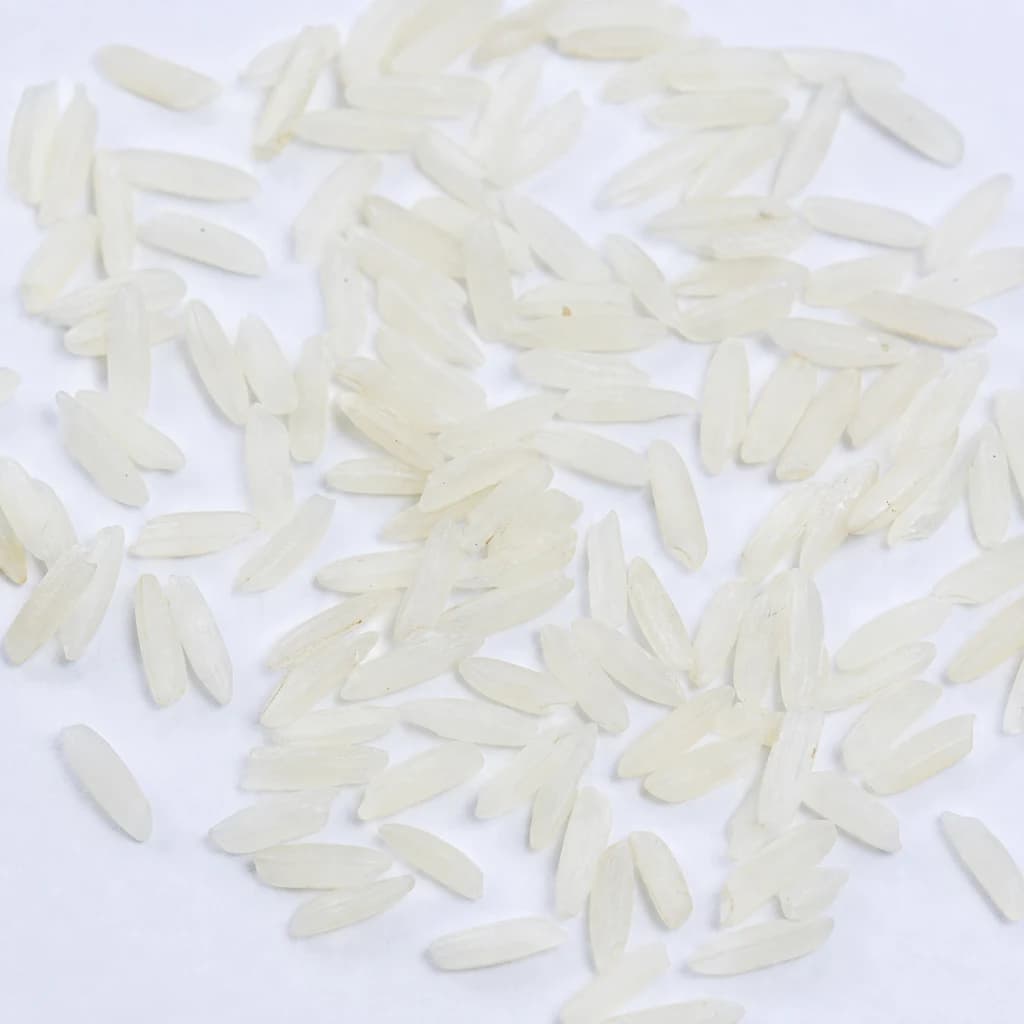
Jasmine Rice
Soft, floral-scented rice that's the pillar of Thai meals
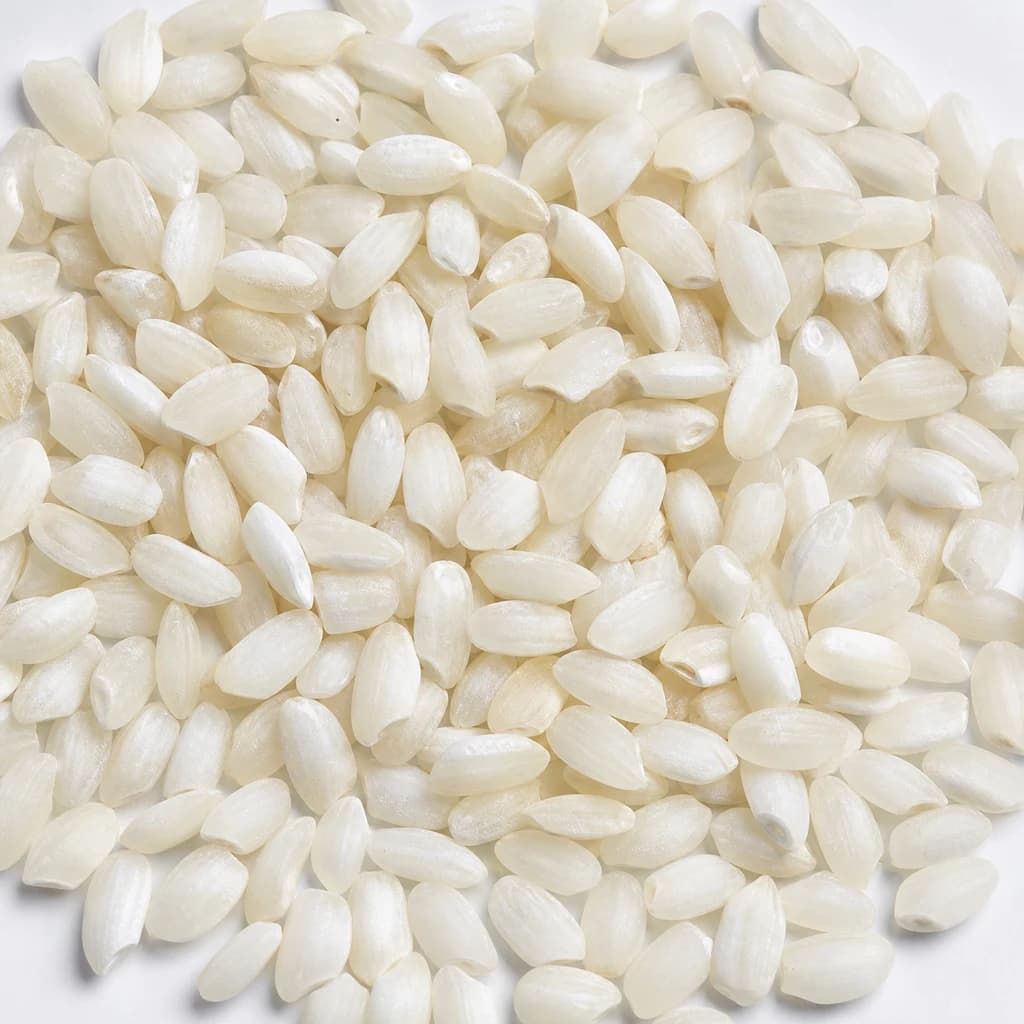
Arborio Rice
Plump, starchy rice that makes risotto creamy
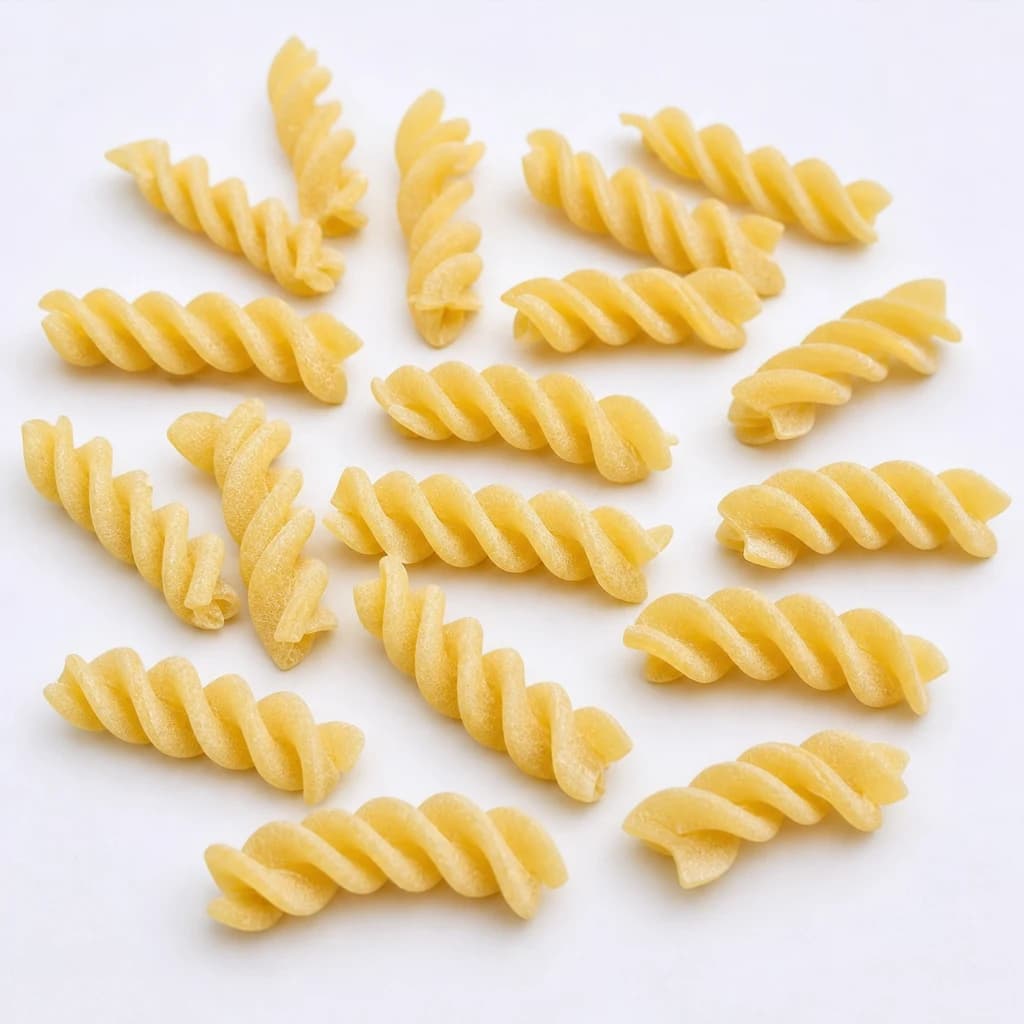
Fusilli
Spiraled pasta that twirls up sauce and dresses cold salads
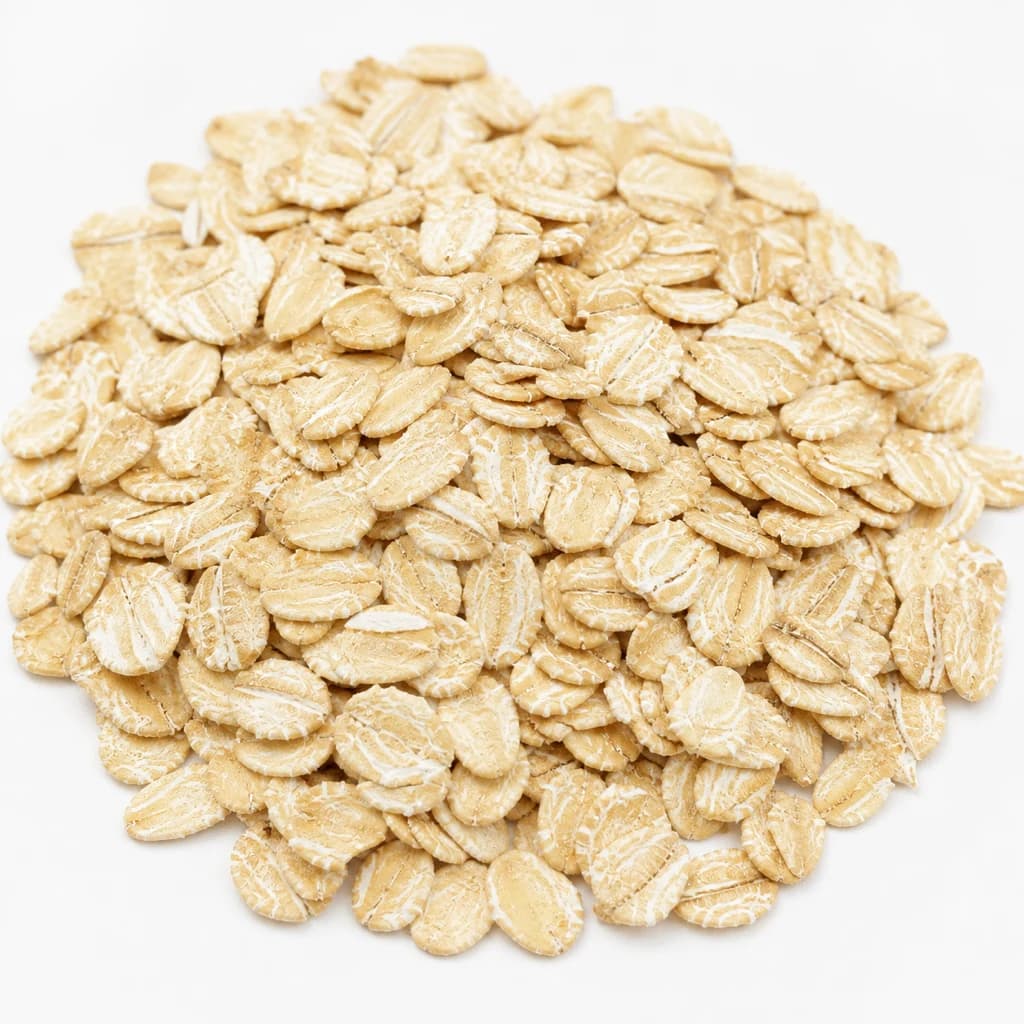
Rolled Oats
Hearty flakes for porridge, granola, and chewy cookies