Grains & Rice
Pretzel (Brezn)
Knot-shaped baked dough with a glossy, salty, lye-dipped crust and soft interior.
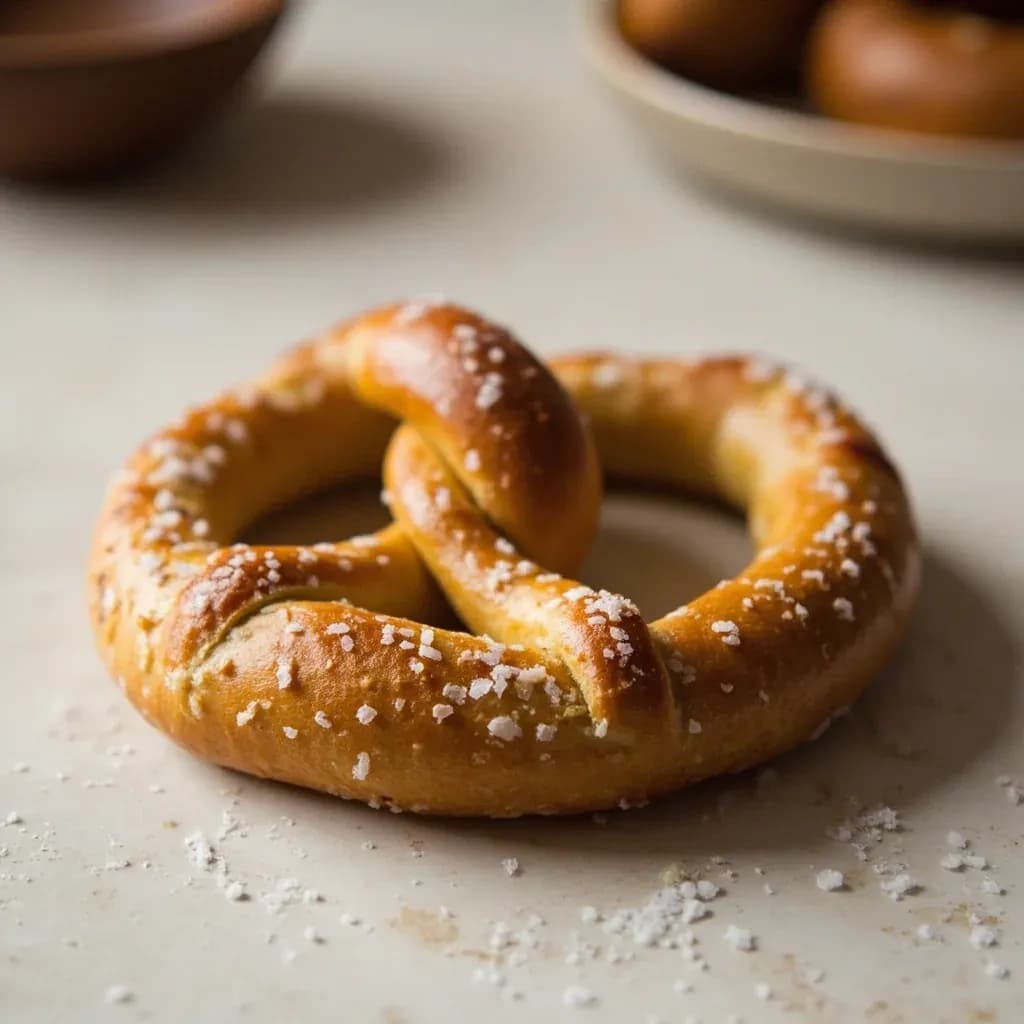
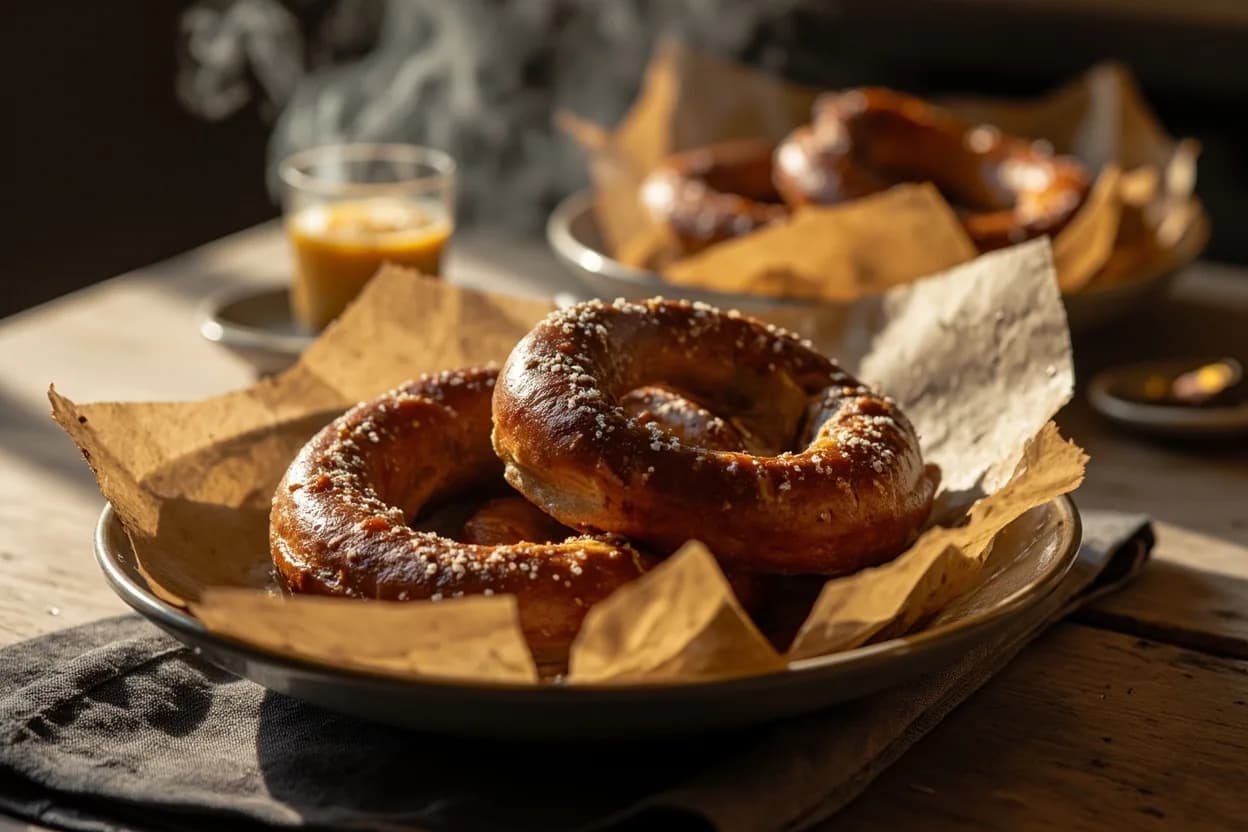
The pretzel is a wheat dough twisted into its iconic knot, dipped in a lye or baking-soda bath that gives it a deep brown, glossy crust and distinctive flavor before being topped with coarse salt. Soft Bavarian Brezn are a beer-hall staple, while hard pretzels are a crunchy snack. The lye bath is what produces the signature taste and color.
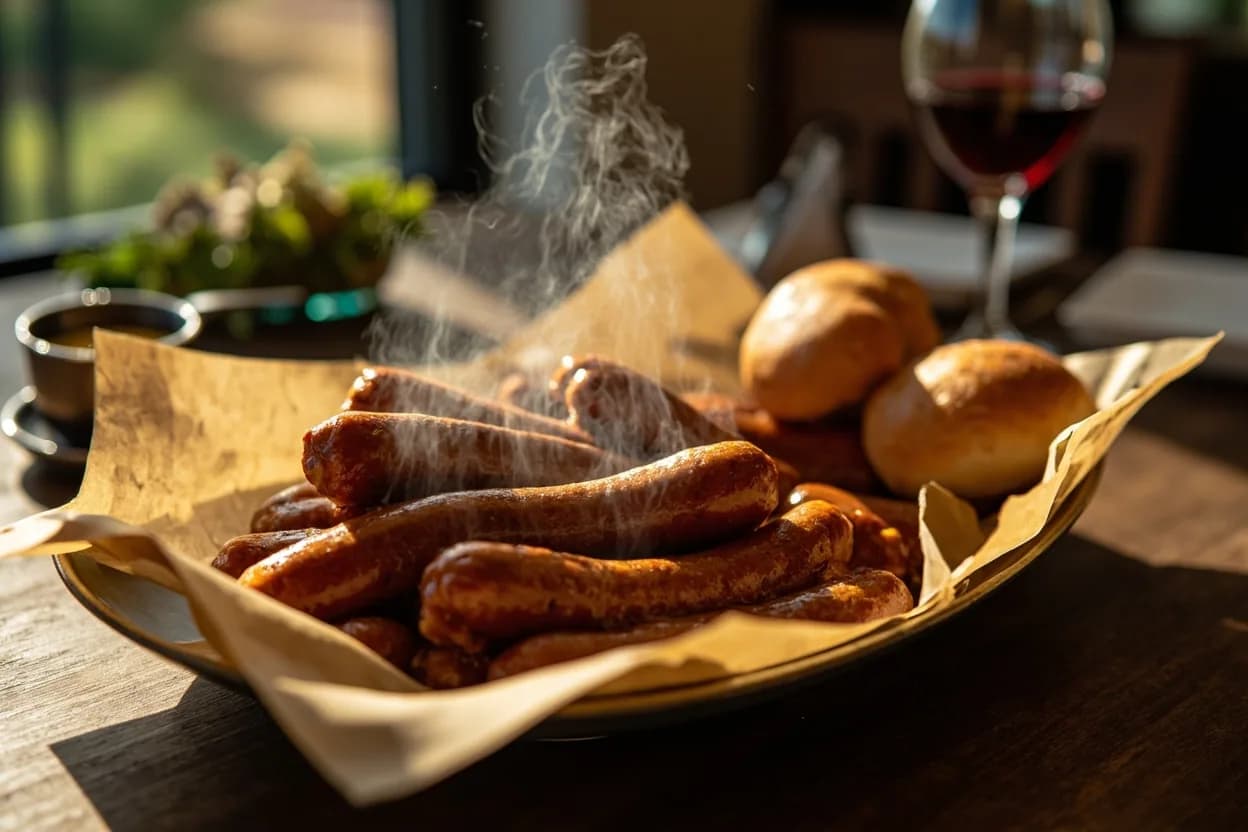
The pretzel—Brezn in Bavarian German—is the defining bread of southern Germany and the Alpine region, a knot-shaped dough distinguished by its immersion in a lye (sodium hydroxide) bath before baking. This alkaline dip, typically a 3–4% solution, triggers the Maillard reaction at lower temperatures than baking soda alone can achieve, producing the pretzel's signature deep mahogany crust with a high-gloss finish and that characteristic slightly bitter, almost malty undertone. The interior is soft, yielding, and mildly yeasty—a deliberate contrast to the assertive crust. The classic shape is a single-knot loop with two symmetric arms; in Bavarian tradition the arms must face upward, representing a blessing, while the downward-facing variant is considered ill-omened. The pretzel's cultural significance in Bavaria cannot be overstated: it anchors beer gardens, taverns, and family meals, served simply with butter and mustard or torn into pieces as an accompaniment to white sausage and sweet mustard. It is not merely a bread but a cultural artifact whose preparation demands precision, particularly in the handling of lye.
The chemistry of the lye crust is what separates an authentic Laugenbrezel from the common baking-soda substitute. A true lye-dipped pretzel develops color through alkaline browning—a fundamentally different reaction than standard caramelization—yielding that unmistakable deep brown without the risk of burning at proper temperatures. The concentration matters: 30–40 grams of NaOH per liter of water (3–4%) produces the correct balance of crust color, gloss, and flavor; stronger solutions introduce excessive bitterness and make the crust fragile. Safety protocols are non-negotiable—lye causes severe burns and reacts violently with aluminum. Within these constraints, the pretzel rewards the careful cook with a bread that has no true equal in flavor or texture.
Storage and quality are intimately linked. A fresh Laugenbrezel is at its peak within hours of baking; by the next day it has begun to stale, though it remains edible. The crust softens as moisture migrates inward, and the interior loses its characteristic yielding crumb. Frozen on the day of purchase and reheated at 180 °C for 6–8 minutes, bakery-quality pretzels recover acceptably, though they never quite match the freshly baked original. Butterbrezel, made from an enriched dough without lye, behaves differently and is a distinct product—a point worth noting when specifying the ingredient.
- Measured in
- piece
- Storage
- Pantry
Allergens
Types & varieties
The standard: lye-dipped, coarse-salt-crusted, 85–100 g, soft interior, iconic knot shape. This is the reference point against which all pretzels are judged.
Butter-enriched dough (10–15% butter by flour weight), no lye dip, split and buttered; the ubiquitous Bavarian café staple. Technically a different product, not a lye-pretzel variant.
Elongated baguette shape, lye-dipped, easier to slice for sandwiches; a common fixture in Bavarian bakery display cases.
Small round rolls dipped in lye; same characteristic crust, different shape for portion control and sandwich work.
Croissant laminated dough, lye-dipped and salted; an inventive hybrid pastry found in Alpine and Bavarian bakeries.
Pretzel dusted with grated cheese (usually Emmental or Gouda) after the lye dip; particularly popular in Franconia.
Sugar-glazed or cinnamon-sugar pretzel; smaller, sweeter dough; a Christmas market and festival staple.
Larger (200–250 g), wider arms, often cut into pieces; made with lye or baking-soda bath; served with mustard as a bar snack.
The Lye Chemistry
The lye crust is the defining feature of a true Laugenbrezel, and understanding why matters for every cook who aspires to make authentic pretzels. Sodium hydroxide (NaOH) raises the surface pH of the dough to approximately 10–11, creating a strongly alkaline environment that catalyzes the Maillard reaction at temperatures well below what dry heat alone would require—browning begins around 150 °C rather than the 180 °C minimum for standard Maillard browning. The result is a deep, mahogany-brown color with a glossy sheen that baking soda, a weaker base (pH ~8.3), cannot replicate. The alkaline environment also produces subtle flavor compounds—pyrazines and other Maillard products—that give the pretzel its faintly bitter, complex finish. A 3–4% solution (30–40 g NaOH per liter) is the sweet spot; higher concentrations accelerate browning to the point of burning before the interior cooks, and the bitterness becomes unpleasant.
- Always add lye to cold water, never water to lye—adding water to concentrated lye can cause violent boiling and splashing
- Use only stainless steel, glass, or enamel containers for the lye bath; aluminum reacts with lye and will be damaged
- Wear chemical-resistant gloves when handling pretzels before baking; the lye solution remains caustic until heat neutralizes it
- Fresh lye solution should be prepared for each baking session for consistent results
Shaping the Knot
The pretzel's knot is not merely decorative—it distributes tension during baking so the interior expands evenly while the crust sets in the characteristic shape. Getting the twist right requires practice, but the core principle is simple: the dough must be taut on the surface with the seam tucked underneath. Cold dough (below 18 °C) is far easier to work with because the gluten has relaxed less; warm dough springs back and unravels during the final rise. After shaping, the undersides of the arms should be scored with a razor blade (2–3 mm deep) where they meet the knot—this scored line opens predictably during baking rather than tearing randomly across the crust.
- Roll the rope with even pressure from the center outward for uniform thickness; thin ends are the most common shaping error
- The finished rope should be about 60 cm long for a standard 85–100 g pretzel; adjust proportionally for larger or smaller versions
- If the dough springs back while shaping, cover it and let it rest 5 minutes—the gluten will relax and you'll get another chance
Beyond the Beer Garden: The Pretzel in Contemporary Cooking
While the pretzel remains anchored in Bavarian tradition, its utility extends well beyond the classic breadbasket. The sturdy crust and soft interior make it an excellent vehicle for sandwiches—the Laugenstange shape is preferred for slicing, and toasted pretzel buns have become standard at quality burger establishments in both Germany and the United States. Stale pretzels, far from being discarded, have a second life: crushed into irregular pieces, they replace or supplement breadcrumbs for coating, or fold into salads where their chewy, slightly salted character cuts through creamy dressings. Cubed and soaked in milk or custard, they make an exceptional bread pudding with a distinctive bittersweet note that plain white bread cannot achieve. At the table, torn pretzel pieces function as the appropriate vehicle for fondue or raclette, their crust providing grip and their interior absorbing the cheese without disintegrating.
- To make pretzel croutons: tear stale pretzels into 1–2 cm pieces, toss with oil, and toast at 180 °C until golden and crisp, 8–10 minutes
- Pretzel buns for burgers should be split horizontally, lightly buttered, and toasted cut-side down in a dry pan for best crust and structural integrity
- Crush pretzels for salad topping while still slightly soft from reheating; fully stale pretzels crush too finely and lack yielding texture
Common uses
Tips & pitfalls
- Always add lye pellets or flakes to cold water, never the reverse; use stainless steel, glass, or enamel containers—lye reacts violently with aluminum and causes severe burns
- A 3–4% lye solution (30–40 g/L) is standard; higher concentrations produce an overly bitter, burn-prone crust that masks the wheat flavor entirely
- Score the undersides of the arms with a razor blade (about 2–3 mm deep) where they meet the knot to control splitting during baking
- A baking soda bath (100 g/L boiling water, dip 20–30 seconds) is a safer home alternative but produces a thinner, paler crust without true pretzel flavor—accept this trade-off or invest in proper lye equipment
- Cold dough (below 18 °C) is easier to shape and holds the knot better during baking; warm dough relaxes and may unwind during the final rise
- Apply coarse salt immediately after the lye dip while the surface is still wet so the salt adheres firmly and does not fall off during baking
- Do not over-proof the dough—a short 30–45 minute final rise after shaping prevents a dense, gummy interior
- Most store-bought pretzels outside Germany are baking-soda versions and lack authentic pretzel flavor; seek German bakery sections or specialty suppliers for true Laugenbrezel
Nutrition
Energy
1414 kJ · per 100 g
Where the calories come from
Protein
8.2g
16% DV
Carbs
69.4g
25% DV
Fat
3.1g
4% DV
Fiber
1.7g
6% DV
Sugars
0.3g
of which
Sodium
203mg
9% DV
Source · USDA FoodData Central · Pretzels, soft
View on FDC →In the shops
Matched grocery products
No matched grocery products for Pretzel (Brezn) yet.
Good to know
- Origin
- Southern Germany and Alpine region; documented since the early 12th century, likely evolved from medieval Ringförmiges Brot (ring bread)
- Key Characteristic
- Lye (NaOH) dip before baking creates the glossy, mahogany-brown crust through alkaline Maillard browning at temperatures lower than baking soda alone can achieve
- Classic Shape
- Single-knot loop with two symmetric arms; arms face upward in Bavarian tradition (upward = blessing)
- Typical Weight
- 85–100 g per standard hand-held pretzel (US-style versions run 200–250 g)
- Flavor Profile
- Salty, slightly bitter crust from lye; mild, yeasty, wheat interior; that distinctive alkaline undertone is irreplaceable
- Lye Concentration
- Standard bath: 30–40 g NaOH per liter of water; never add water to lye—always add lye to water slowly
- Baking Temperature
- 230–250 °C (450–480 °F); 12–15 minutes for standard-size pretzels
- Shelf Life
- Best within 6–8 hours; 1 day sealed at room temperature; 2 months frozen; reheat at 180 °C for 6–8 minutes
Substitutes
- Baking Soda Bath (Soda Bath Pretzel) — Dissolve 90–100 g baking soda in 500 ml boiling water, dip each shaped pretzel 15–20 seconds. Easier and safer (no caustic lye), but the crust is thinner, paler, less glossy, and lacks the distinctive alkaline bitterness and deep mahogany color of a true lye-dipped pretzel.
- Bicarbonate of Soda Paste — Brush shaped pretzels with a thick paste of baking soda and water before baking. The simplest approach, requiring no dipping, but produces uneven browning and a mild, one-dimensional flavor; not a close substitute for the crust characteristic that defines a Laugenbrezel.
Pairs with
Also called
Brezn · Bretzel · Brezel
Appears in these dishes
Related

White Rice
Fluffy long-grain rice — the neutral base for almost any meal

White Bread
Soft sandwich loaf for toast, sandwiches, and crumbs
Brown Rice
Nutty, whole-grain rice with chew and extra fiber

Basmati Rice
Fragrant, long-grain rice that cooks up light and separate
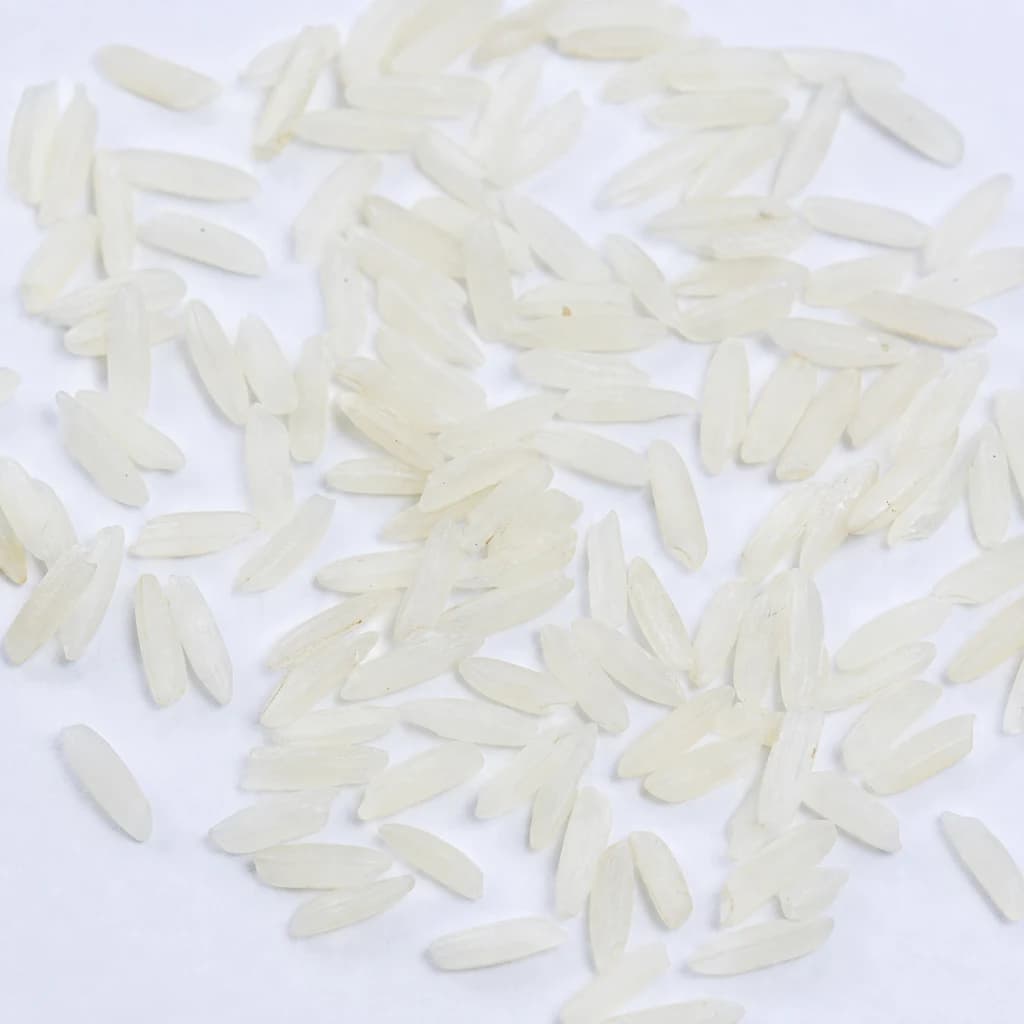
Jasmine Rice
Soft, floral-scented rice that's the pillar of Thai meals
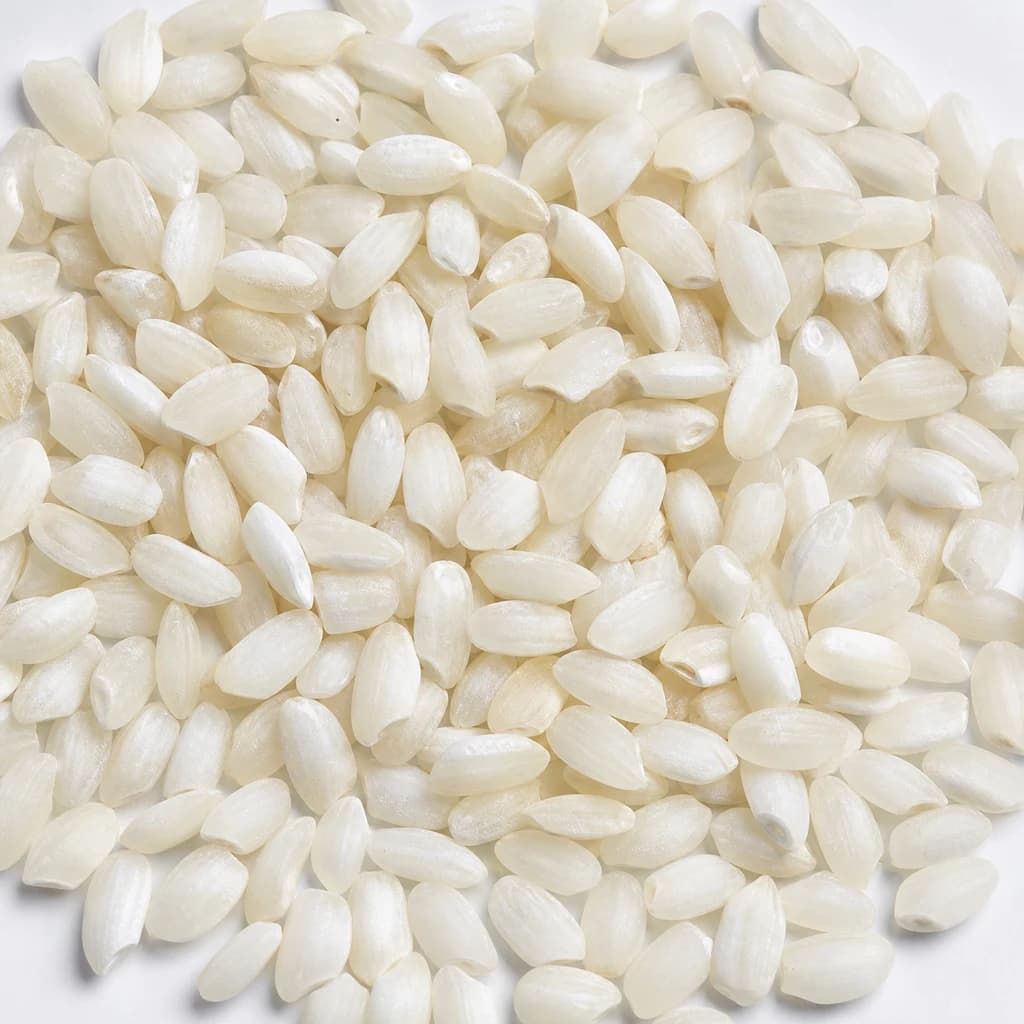
Arborio Rice
Plump, starchy rice that makes risotto creamy
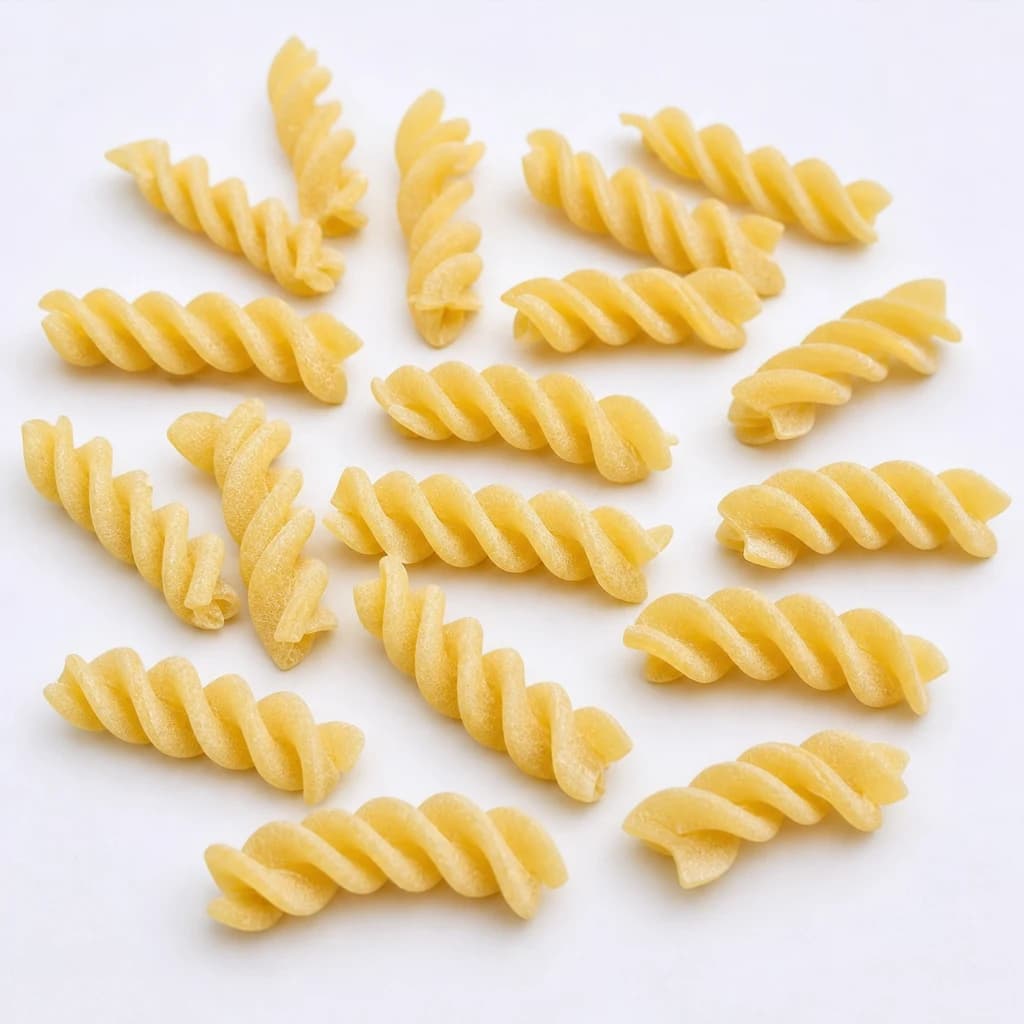
Fusilli
Spiraled pasta that twirls up sauce and dresses cold salads
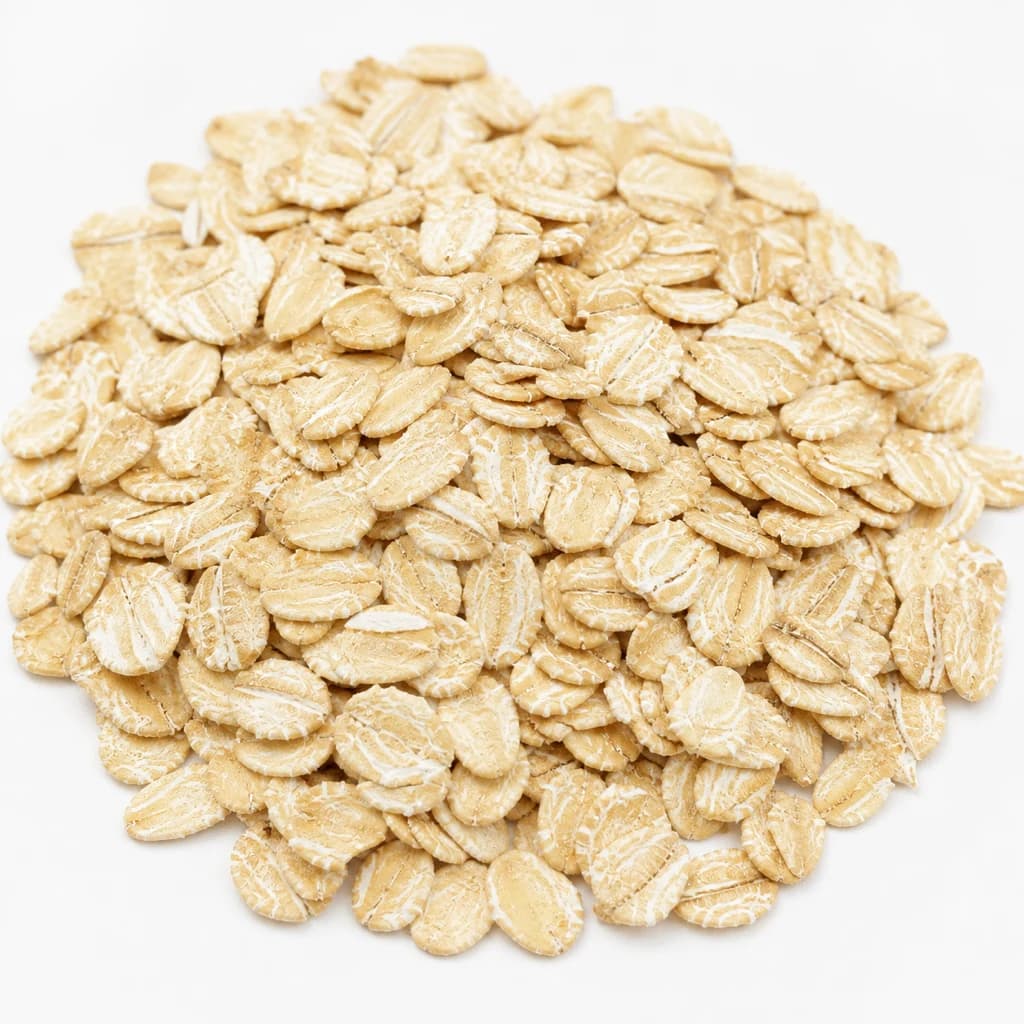
Rolled Oats
Hearty flakes for porridge, granola, and chewy cookies