Grains & Rice
Puffed Rice
Light, airy rice grains puffed by heat, the base of bhel puri and snack mixes.
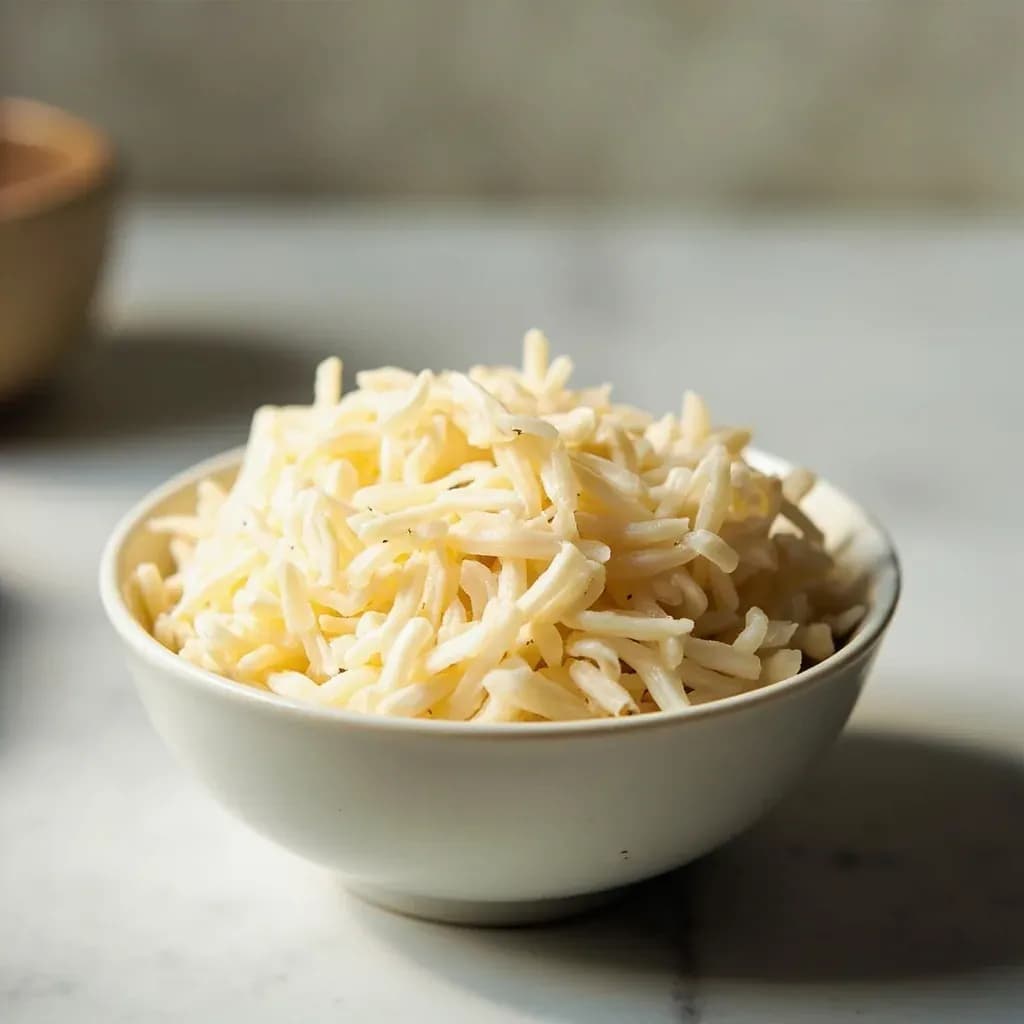
Puffed rice is rice expanded under heat or pressure into crisp, airy kernels with little weight. A South Asian snack staple, it forms the base of Indian bhel puri and jhal muri and is used in sweets and cereals. Its crunch fades quickly once moistened, so it is added just before serving.
Puffed rice is rice transformed by intense heat and pressure into a featherweight, crunchy kernel. The process begins when conditioned rice is subjected to sudden pressure release—moisture inside the grain flashes to steam, expanding the starch matrix and turning a dense, chewy kernel into something that fractures crisply between the teeth. This transformation is ancient in Asia and industrial in the modern West, but the result is consistent: a neutral, porous canvas that carries bold flavors while delivering textural contrast. What makes puffed rice indispensable in a cook's pantry is this paradox—it is simultaneously the most neutral and the most versatile ingredient in the snack kitchen, capable of anchoring a spicy chaat or a sweet confection without asserting itself, while delivering the satisfying crunch that makes a dish feel complete.
- Measured in
- g
- Storage
- Pantry
Types & varieties
Traditional Indian variety; irregularly shaped, lighter texture, specifically sold for chaat and snack use.
Slightly different processing; harder and denser than murmura; used in Nepalese and North Indian fasting foods.
Standard commercial variety; uniform size, neutral flavor; sold as cereal and snack base.
Made from whole-grain brown rice; slightly nuttier flavor, more fiber; used in health-oriented cereals and snacks.
Made from aromatic jasmine rice; retains subtle floral aroma; specialty product.
Not the same product; these are molded discs of puffed rice pressed together, not loose kernels.
Puffed rice bound with glutinous rice flour and seasonings; not the same as loose puffed rice.
The Puffing Process
Puffed rice is produced by two distinct methods. In commercial gun-puffing, rice is steamed and conditioned, then fed into a pressure chamber where temperature and pressure climb steadily. When the chamber is rapidly vented, the sudden pressure drop causes internal moisture to flash-expand, propelling the kernels outward in a controlled explosion. Artisanal sand-puffing—common across India—uses a bed of hot sand or salt in a heavy kadhai. The rice is stirred continuously over high heat; the sand conducts intense, even energy directly to each kernel, and the rice pops within seconds. Sand-puffing yields irregular, slightly darker kernels with more character than machine-puffed product, but it requires practiced timing—remove too early and kernels stay chewy, too late and they burn.
- Gun puffing produces uniform, pale kernels; sand or salt-bed puffing produces irregular, slightly toasted kernels with more depth of flavor.
- Both methods cook the rice completely—no further heat treatment is needed for cold applications.
Storage and Freshness
The arch-nemesis of puffed rice is moisture. A freshly opened bag or jar delivers satisfying, bone-dry crunch; within hours of exposure to humid air, those crisp kernels become chewy and soft. This is not a subtle degradation—it happens fast. The practical response is airtight storage from the moment you open the package, and buying in quantities you can use within a few weeks of opening. If your puffed rice has gone soft, you can recover it: spread on a baking sheet and bake at 150°C (300°F) for 5–10 minutes, then let it cool completely in the oven before sealing. This drives off absorbed moisture and restores crispness, though repeated cycles will eventually degrade the kernels further.
- Glass jars with rubber gasket seals are ideal; zip-top bags work but are less reliable long-term.
- Never transfer warm or partially used puffed rice to storage—always ensure it is completely cool first.
- A desiccant packet in the storage container provides insurance in humid climates.
Common uses
Tips & pitfalls
- Store in airtight glass jars or vacuum-sealed bags; even brief exposure to humid air makes it soft and chewy within hours.
- Add puffed rice to chaats and snacks immediately before serving—it absorbs moisture from sauces and chutneys within minutes.
- To revive slightly stale puffed rice: spread on a baking sheet and bake at 150°C (300°F) for 5–10 minutes, then cool completely in the oven before sealing.
- For frying: heat oil to 180°C (350°F), add a small handful, fry for 15–20 seconds until light golden, drain immediately on paper towels. Watch carefully—it burns fast.
- Do not use in dishes with significant liquid or sauce components unless the dish will be eaten immediately.
- Traditional sand-puffing requires continuous stirring and precise heat control; remove the rice the moment it pops, before charring.
- Commercial puffed rice for snack use is pre-cooked and ready to eat; no additional cooking is required for cold applications.
- Crush coarsely for use as a crispy coating for pakora or fritter batters in place of breadcrumbs.
Nutrition
Energy
1536 kJ · per 100 g
Where the calories come from
Protein
7.5g
15% DV
Carbs
76.3g
28% DV
Fat
3.2g
4% DV
Fiber
3.6g
13% DV
Sugars
0.7g
of which
Sodium
5mg
0% DV
Source · USDA FoodData Central · approx. Rice, brown, long-grain, raw (Includes foods for USDA's Food Distribution Program)
View on FDC →In the shops
Matched grocery products
No matched grocery products for Puffed Rice yet.
Good to know
- Definition
- Rice kernels heated under pressure until moisture turns to steam and expands the kernel, creating a light, airy, crunchy product.
- Common Names
- Murmura (Hindi), pori (Tamil); also called pop rice or expanded rice.
- Primary Origin
- Developed commercially in the United States in the early 20th century; traditional versions exist across South and Southeast Asia.
- Base Grain
- Typically made from white rice (Oryza sativa); brown rice and jasmine rice variants also produced.
- Shelf Life
- 6–12 months when stored airtight in a cool, dry place; extremely sensitive to humidity and moisture.
- Caloric Content
- Approximately 350–380 kcal per 100g by weight—comparable to regular rice, but the volume is far greater.
Substitutes
- Popcorn — Similar crunch and neutral flavor, but distinctly corn-tasting; works in snack mixes but not for traditional chaats.
- Fried sev (nylon sev) — Similar textural role in Indian chaats; more brittle and finer; acceptable substitute for garnishing bhel and sev puri.
- Puffed millet — Comparable lightness and neutral flavor; used similarly in snack mixes and cereals; gluten-free.
- Puffed quinoa — Smaller, denser puffs; nuttier flavor; works in health-oriented snack applications.
- Corn flakes (plain) — Crunchy but denser; not suitable for chaat but acceptable for breakfast cereals and trail mixes.
- Rice crackers (crushed) — Similar rice base; more rigid and sharp-edged; acceptable for coating or topping applications.
Pairs with
Also called
Muri · Murmura
Related

White Rice
Fluffy long-grain rice — the neutral base for almost any meal

White Bread
Soft sandwich loaf for toast, sandwiches, and crumbs
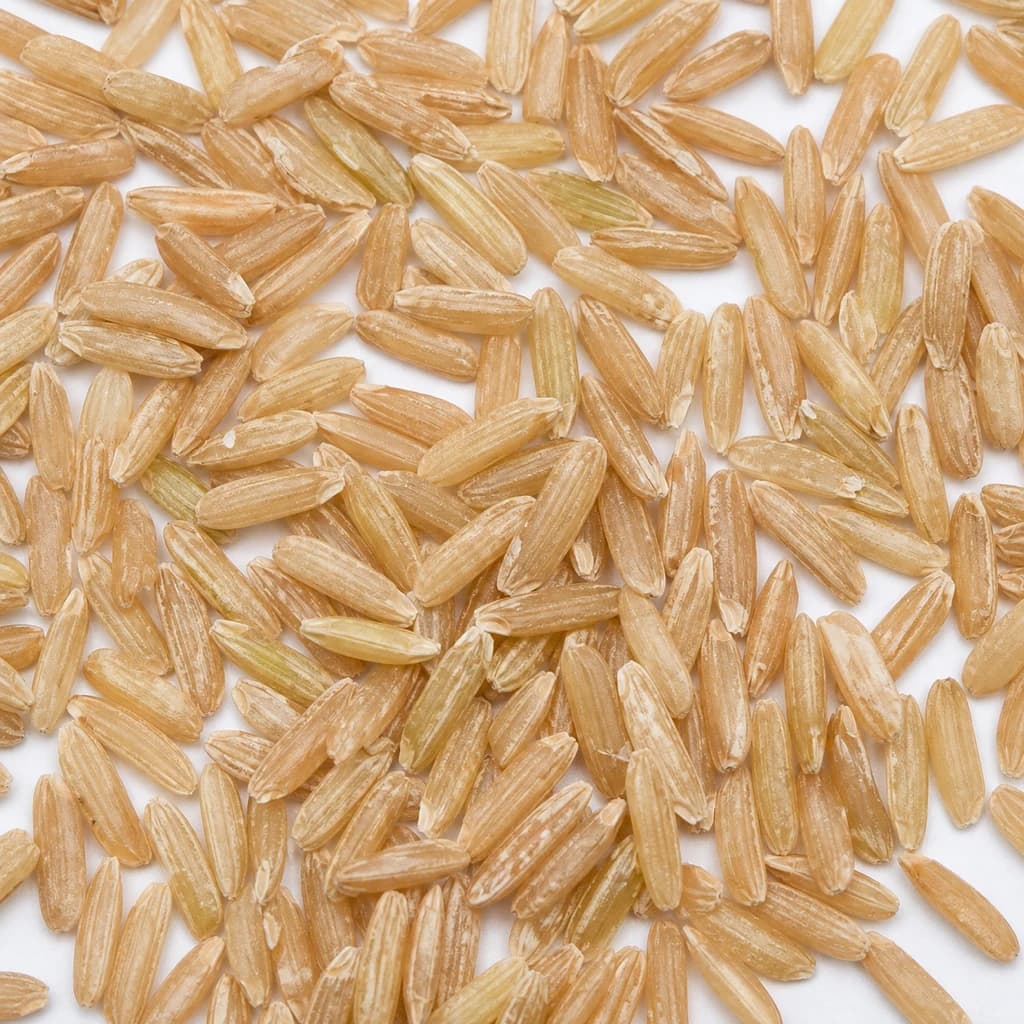
Brown Rice
Nutty, whole-grain rice with chew and extra fiber

Basmati Rice
Fragrant, long-grain rice that cooks up light and separate
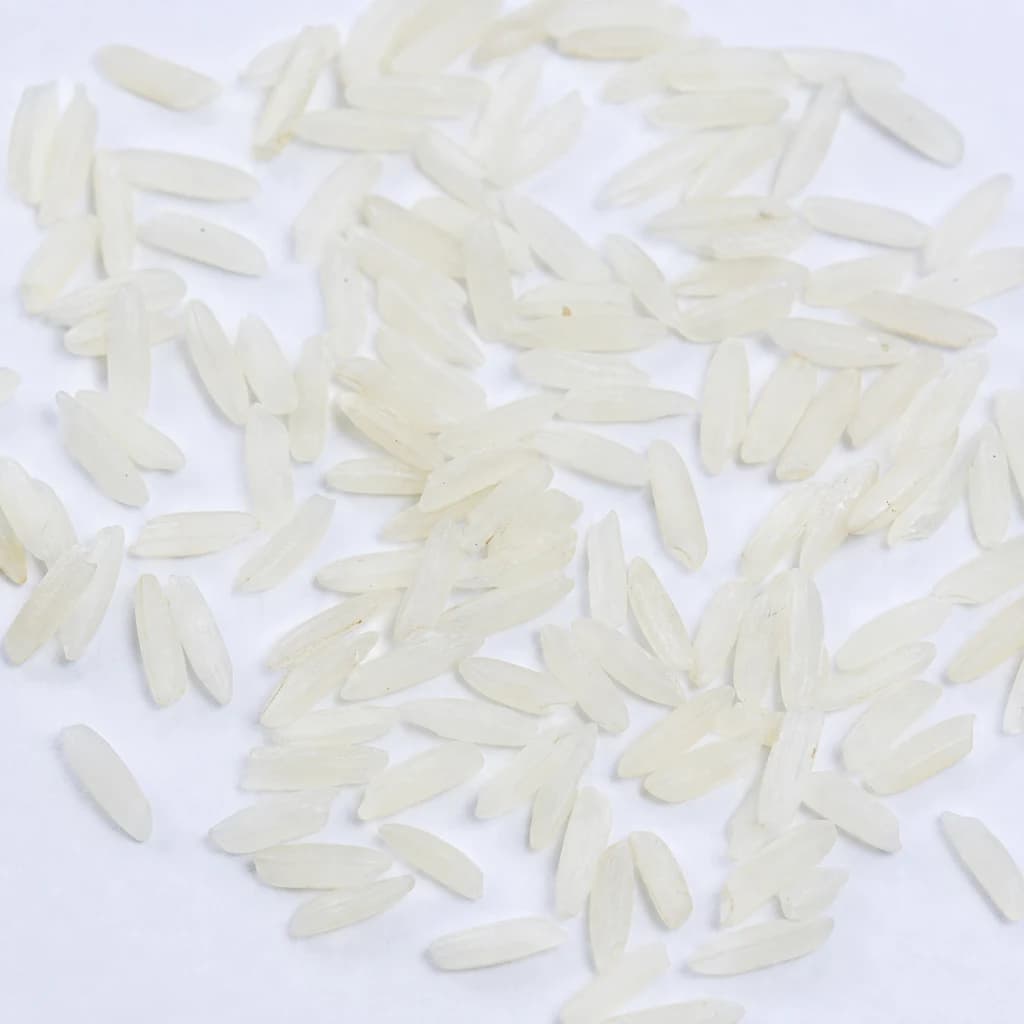
Jasmine Rice
Soft, floral-scented rice that's the pillar of Thai meals
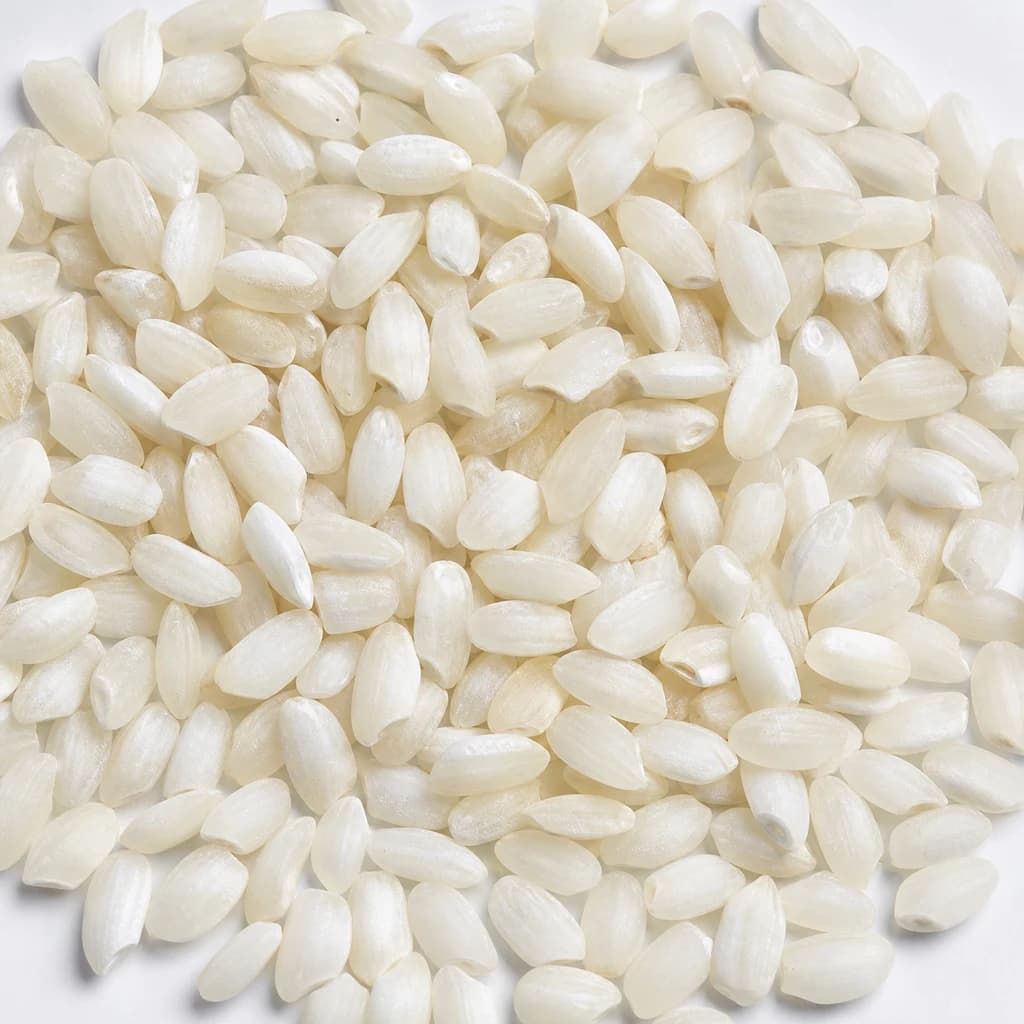
Arborio Rice
Plump, starchy rice that makes risotto creamy
Fusilli
Spiraled pasta that twirls up sauce and dresses cold salads
Rolled Oats
Hearty flakes for porridge, granola, and chewy cookies