Grains & Rice
Red Rice
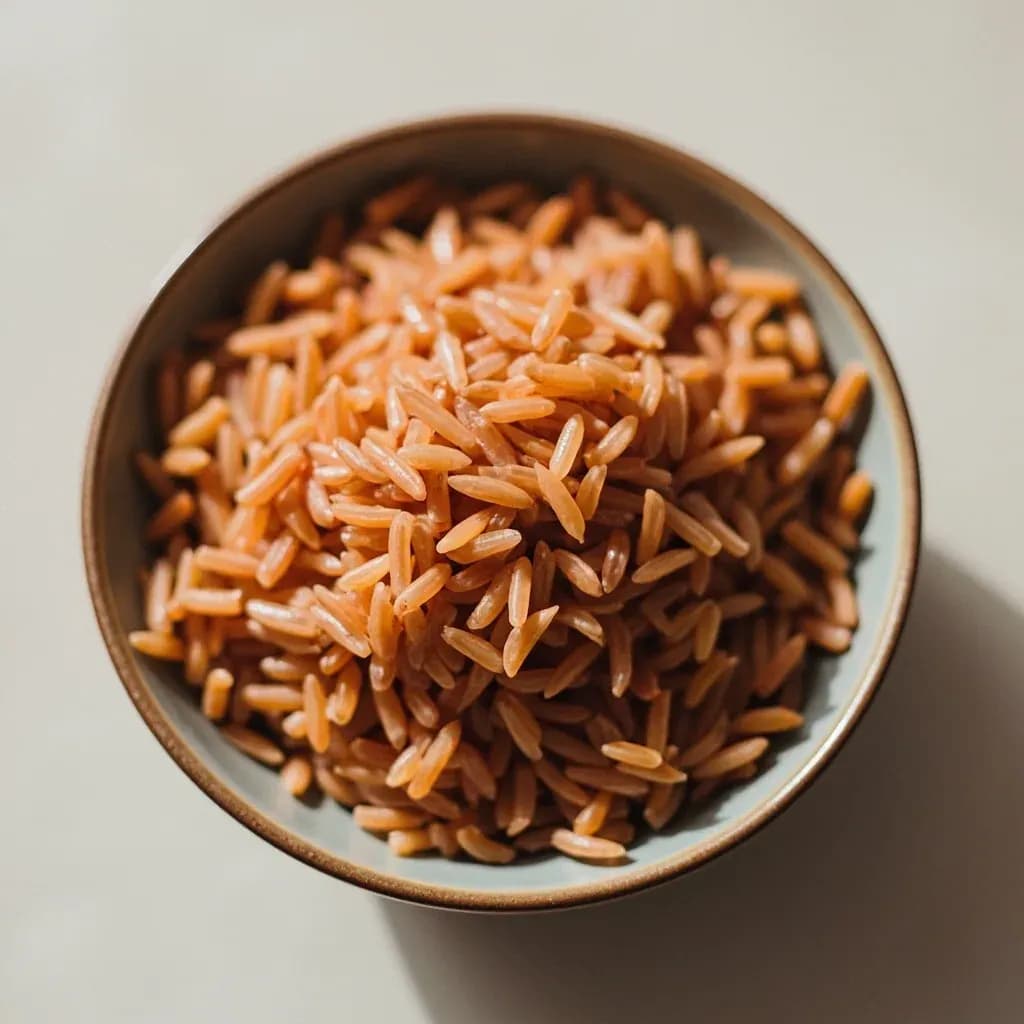
Whole-grain rice with a red-bran coat, nutty flavor, and firm chew.
Red rice is a whole-grain rice whose bran layer is naturally red-pink, giving a nutty taste and chewy bite. Varieties like Bhutanese red rice and Kerala matta cook faster than brown rice and pair well with hearty stews. The colored bran is rich in antioxidants and retains more nutrients than polished white rice.
Red rice is a whole-grain rice (Oryza sativa) distinguished by its red-bran coat, which contains anthocyanin pigments—the same antioxidants found in blueberries and blackberries. The bran layer remains intact throughout processing, giving the grain its characteristic color, nutty flavor, and substantially higher fiber content compared to white rice. Unlike polished varieties, red rice retains the germ and bran that are stripped away in conventional rice milling, making it a more nutritious and texturally complex choice.
The grain holds its shape well during cooking, developing a firm, chewy bite that many cooks mistake for underdoneness. This structural integrity comes from the outer bran layer, which slows moisture absorption and requires longer cooking than white rice. The nuttiness deepens with cooking time, and properly prepared red rice should offer distinct resistance when chewed—not mushy or soft, but notably heartier than white rice.
Red rice matters in the kitchen because it brings both nutritional depth and textural interest that white rice simply cannot match. It performs exceptionally in dishes where the grain is meant to stand apart rather than disappear into a sauce—grain salads, side dishes, and any preparation where you want each bite to have character. Its earthy, slightly sweet flavor complements bold ingredients without competing with them, making it one of the most versatile whole-grain rices available.
- Measured in
- g
- Storage
- Pantry
Types & varieties
Short-grain variety that becomes slightly sticky; common in Southeast Asian cooking
Grown in France's Rhône delta; firm texture with pronounced nuttiness; excellent for salads
Medium-grain variety; earthy with mild sweetness; traditional in Himalayan cuisine
Hybrid developed in California; reddish-brown color with strong nutty aroma
Italian variety; frequently used in northern Italian cuisine
Understanding the Firm Texture
The firm, chewy bite that defines well-cooked red rice is its most distinctive quality—and its most commonly misunderstood one. Newcomers to the grain often assume the resistance they feel when biting is a sign of undercooking and continue cooking until the grains soften. This produces mushy rice that has lost its appeal. Red rice should retain visible individual grains with a pleasant chew, similar to al dente pasta but distinctly firmer. When the grain is properly cooked, you should feel slight resistance before the center yields.
- The bran layer is dense and slow to absorb water—patience is required
- If the grains are falling apart, you've overcooked them
- Test by biting a single grain from the pot before declaring it done
Common uses
Tips & pitfalls
- Rinse thoroughly in cold water until the water runs clear to remove excess surface starch
- Soak 30–60 minutes before cooking to reduce time by 10–15 minutes and improve texture consistency
- Use slightly more water than for white rice; the red bran absorbs more liquid during cooking
- Bring to a boil, reduce heat to low, cover tightly, and cook without lifting the lid
- Let rest covered for 5–10 minutes after cooking, then fluff gently with a fork
- Toast dry grains in a dry pan for 1–2 minutes before adding water for an enhanced nutty flavor
- Season cooking water with salt, a pinch of turmeric for color, or a splash of coconut milk for richness
- Do not overcook; the firm, chewy bite is the hallmark of properly prepared red rice, not a sign it needs more time
- A rice cooker works well on the regular white-rice setting if the rice has been pre-soaked
Nutrition
Energy
1536 kJ · per 100 g
Where the calories come from
Protein
7.5g
15% DV
Carbs
76.3g
28% DV
Fat
3.2g
4% DV
Fiber
3.6g
13% DV
Sugars
0.7g
of which
Sodium
5mg
0% DV
Source · USDA FoodData Central · approx. Rice, brown, long-grain, raw (Includes foods for USDA's Food Distribution Program)
View on FDC →In the shops
Matched grocery products
No matched grocery products for Red Rice yet.
Good to know
- Type
- Whole grain rice (Oryza sativa)
- Color source
- Anthocyanin pigments in the bran layer
- Cooking time
- 35–50 minutes unsoaked; 25–35 minutes if soaked 30–60 minutes
- Water ratio
- 1:2 to 1:2.5 (rice to water)
- Protein content
- Approximately 7–8 g per cup cooked
- Fiber content
- Significantly higher than white rice due to intact bran layer
- Storage (dry)
- Cool, dry place in airtight container; up to 12 months
- Storage (cooked)
- Refrigerate up to 5 days; freeze up to 1 month
Substitutes
- Black Rice — Similar nutty flavor and chewy texture; works in all applications; visually different with deep purple color
- Brown Rice — Comparable cooking method and chewy texture; milder flavor; more widely available
- Wild Rice — Different species (Zizania); nuttier with more pronounced chew; excellent for salads
Pairs with
Also called
Bhutanese Red Rice · Matta Rice
Appears in these dishes
Related

White Rice
Fluffy long-grain rice — the neutral base for almost any meal

White Bread
Soft sandwich loaf for toast, sandwiches, and crumbs
Brown Rice
Nutty, whole-grain rice with chew and extra fiber

Basmati Rice
Fragrant, long-grain rice that cooks up light and separate
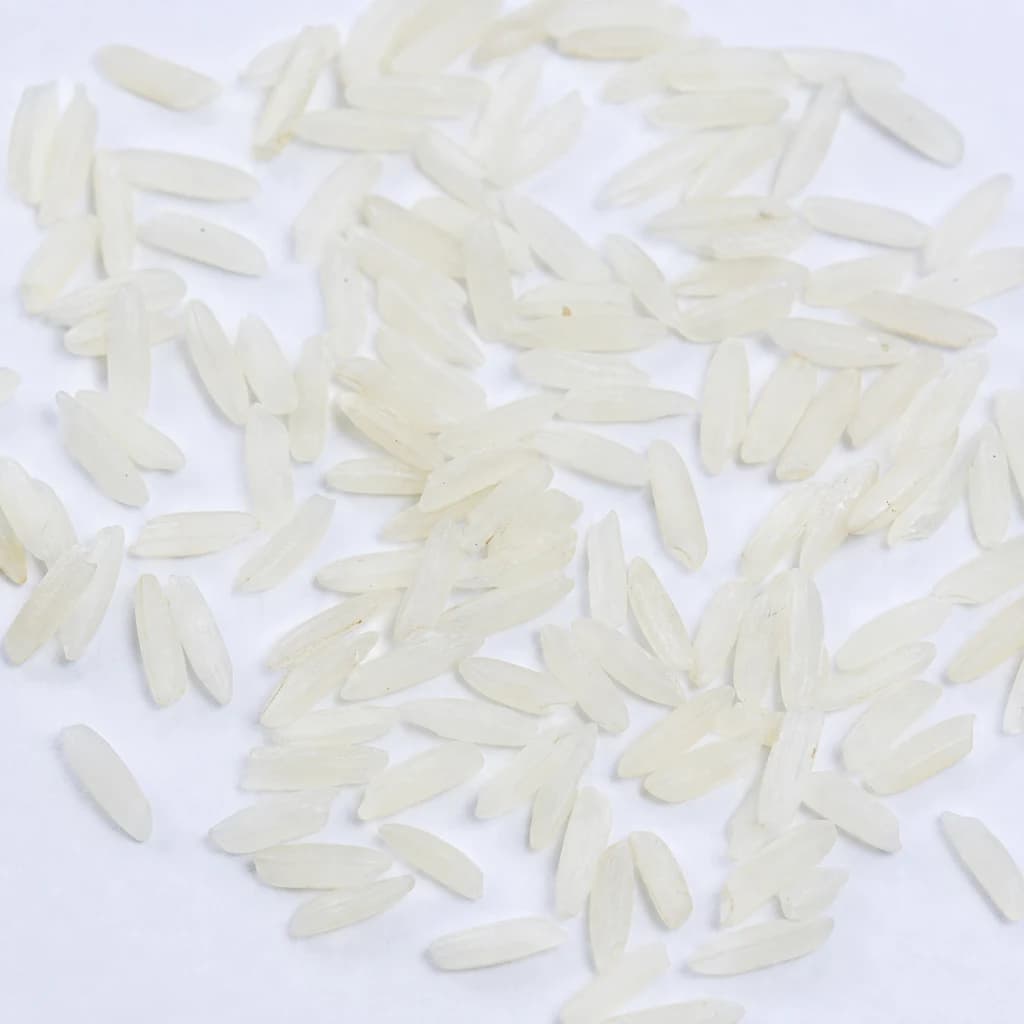
Jasmine Rice
Soft, floral-scented rice that's the pillar of Thai meals
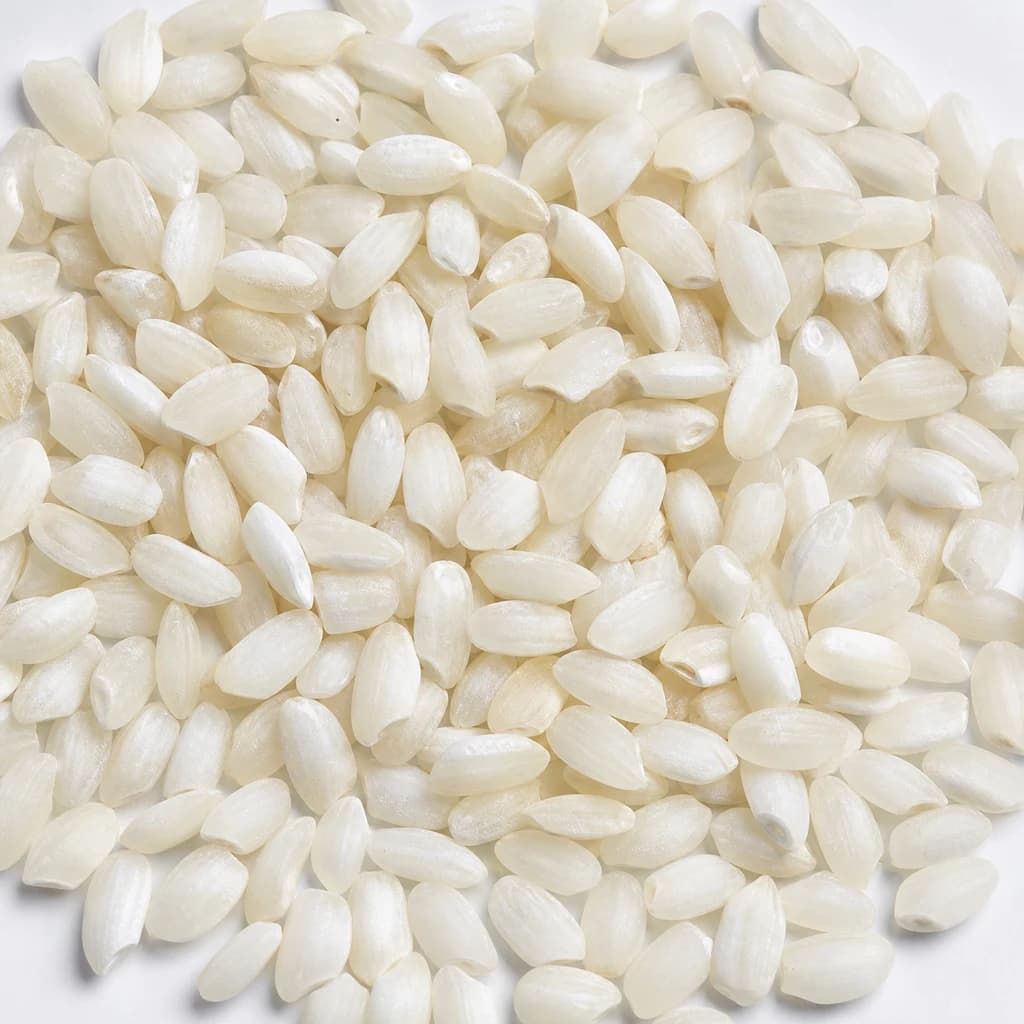
Arborio Rice
Plump, starchy rice that makes risotto creamy
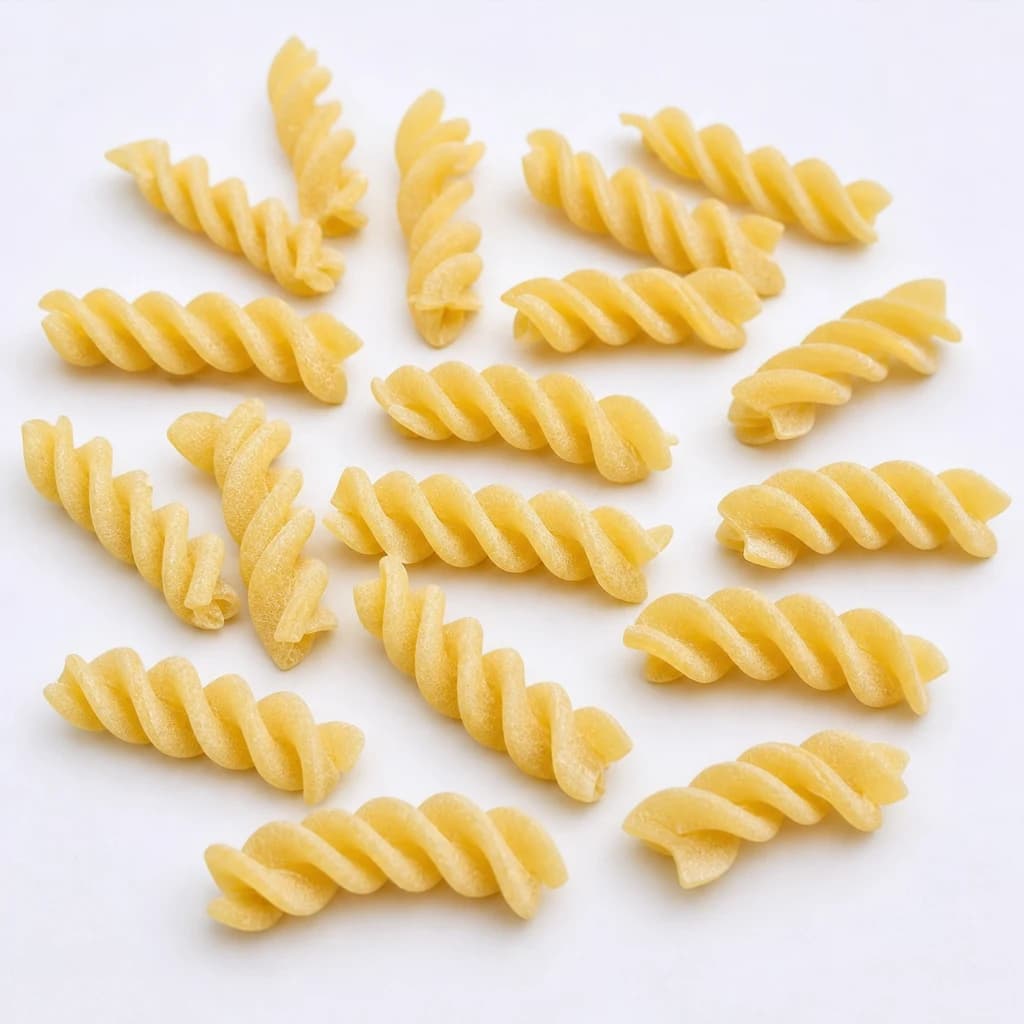
Fusilli
Spiraled pasta that twirls up sauce and dresses cold salads
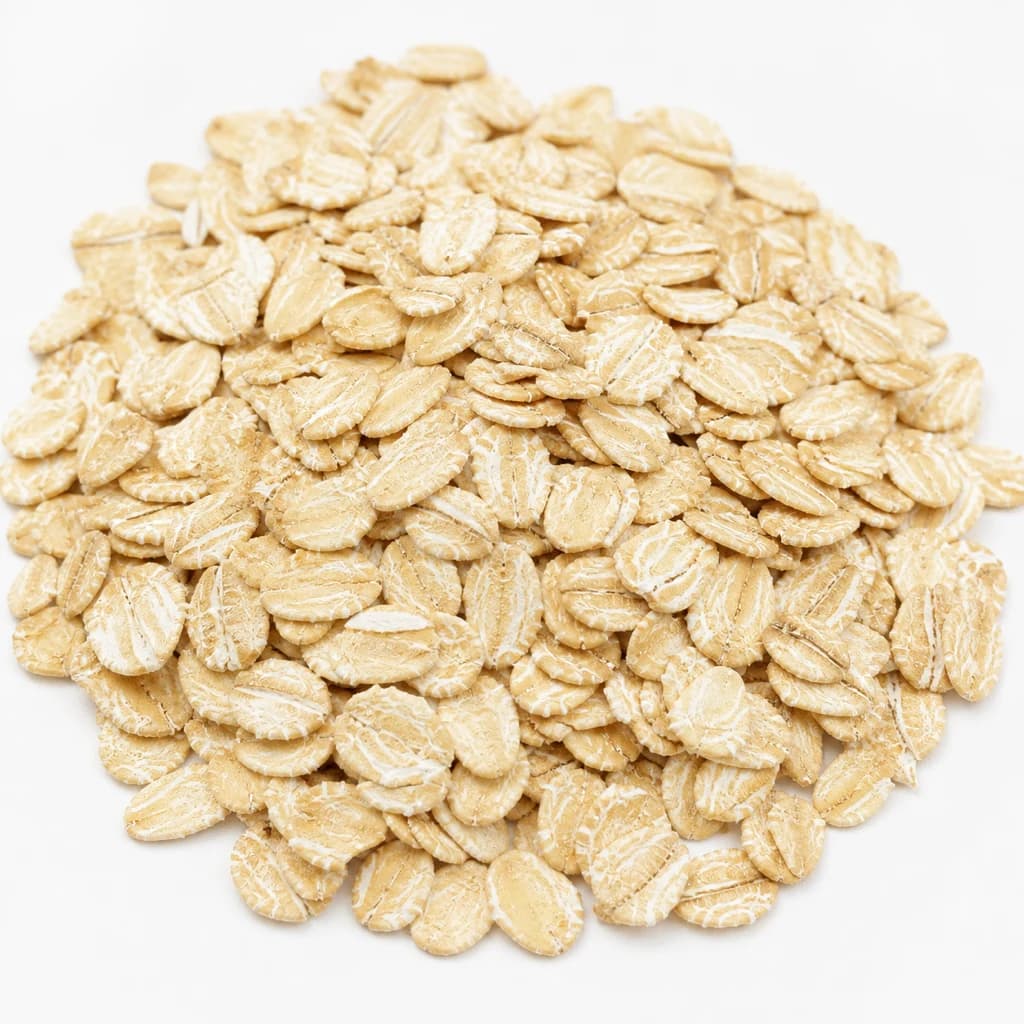
Rolled Oats
Hearty flakes for porridge, granola, and chewy cookies