Grains & Rice
Roasted Barley
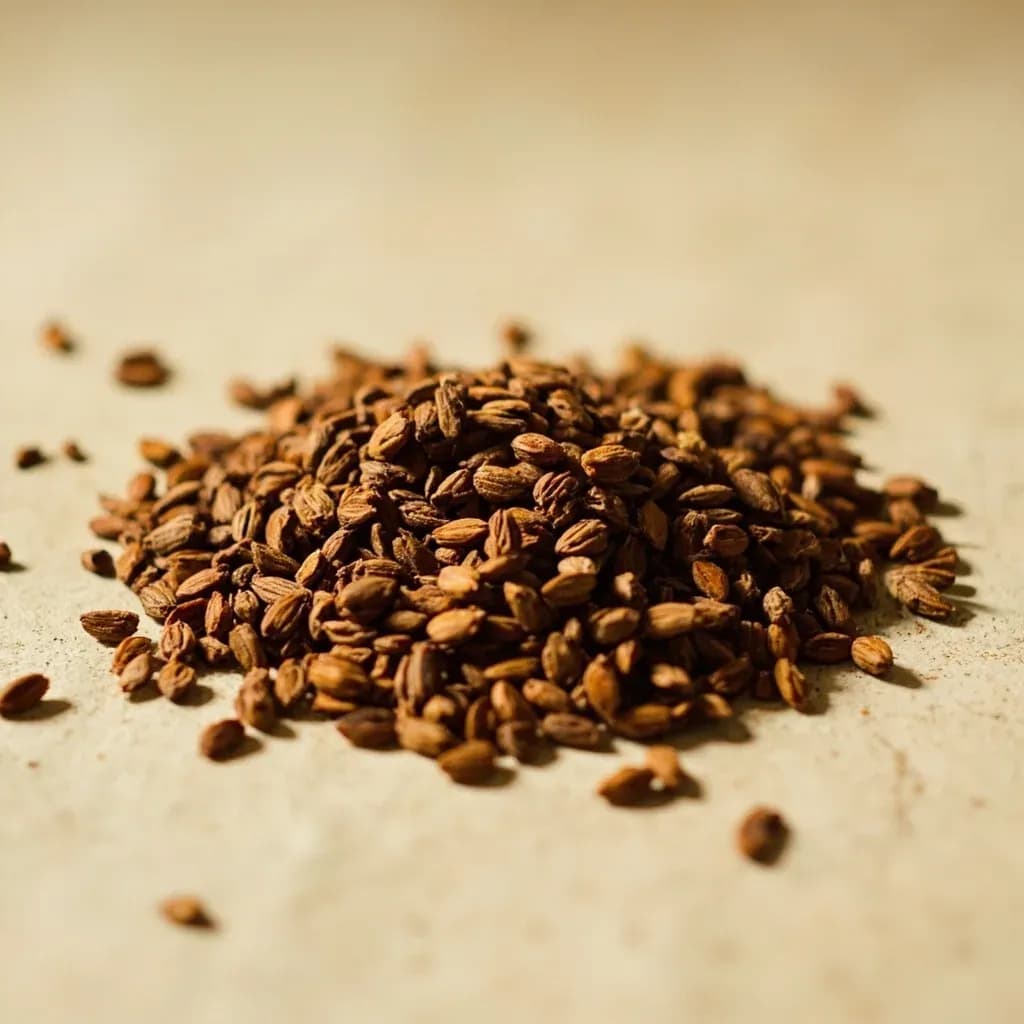
Dark-roasted barley used for brewing stouts and brewing nutty barley tea.
Roasted barley is barley kilned at high heat until dark, developing intense coffee-like, toasty flavors. In brewing it gives stouts their deep color and dry, roasty bitterness, and in East Asia roasted barley is steeped into the caffeine-free tea mugicha or Korean boricha. The roasting is what shifts it from raw grain to a flavor-defining ingredient.
Roasted barley is whole barley grain that has been dry-roasted to develop a deep brown color and complex toasty flavor. Unlike barley malt, which is germinated and then dried, roasted barley is simply kiln-roasted whole grain—the characteristic coffee-like and nutty flavors come from Maillard browning during roasting rather than enzymatic conversion. In brewing, roasted barley functions as an adjunct grain: it contributes rich color, dry bitterness, and mouthfeel to stouts and porters but lacks the enzymes needed to convert its own starches into fermentable sugars, so it must be used alongside base malts that can perform that work. In the kitchen, its deep roasted character makes it remarkably versatile—it serves as the base for Japanese mugicha and Korean boricha, grinds into a naturally caffeine-free coffee substitute, and adds earthy depth to porridges, pilafs, and baked goods like pumpernickel bread. Whole roasted kernels add firm texture to grain dishes; cracked or ground forms thicken soups and stews, while the flour acts as both a thickener and a flavoring agent in baking.
- Measured in
- g
- Storage
- Pantry
Allergens
Types & varieties
Gentle roast; mild, sweeter grain flavor; used in lighter beers and milder tea
Balanced toast and bitterness; common for all-purpose use
Heavy roast; intense bitterness, deep color; primary brewing ingredient for stouts
Ground from roasted kernels; used for baking, as thickener, or coffee substitute
Pre-steamed, polished barley kernels then roasted; faster cooking
Common uses
Tips & pitfalls
- Toast raw barley in a dry skillet over medium heat until fragrant and deep brown—watch carefully and stir frequently, as barley scorches easily and burned grain cannot be salvaged.
- Grind roasted barley just before using for maximum flavor when making tea or coffee substitute; ground grain loses aromatic intensity quickly once exposed to air.
- For brewing, roasted barley is an adjunct grain—it adds color and flavor but cannot convert its own starches, so always pair it with sufficient base malts that provide enzymatic power.
- Store in airtight containers away from strong odors; barley is highly porous and will absorb flavors from nearby spices, coffee, or other aromatic foods.
- When using roasted barley as a coffee substitute, increase the grind ratio to roughly 1.5–2× the amount of coffee you would normally use, and brew longer, as it extracts more slowly.
- In baking, replace up to 20–30% of wheat flour with roasted barley flour for noticeable nutty depth without compromising structure—beyond that, the reduced protein content and altered gluten formation begin to affect the final texture.
Nutrition
Energy
1473 kJ · per 100 g
Where the calories come from
Protein
9.9g
20% DV
Carbs
77.7g
28% DV
Fat
1.2g
1% DV
Fiber
15.6g
56% DV
Sugars
0.8g
of which
Sodium
9mg
0% DV
Source · USDA FoodData Central · approx. Barley, pearled, raw
View on FDC →In the shops
Matched grocery products
No matched grocery products for Roasted Barley yet.
Good to know
- Type
- Whole grain / flour available
- Flavor
- Toasty, nutty, slightly bitter; coffee-like undertones at darker roasts
- Color
- Dark brown to near-black depending on roast level
- Contains gluten
- Yes (barley grain)
- Shelf life
- 6–12 months in airtight container in cool, dark place
- Form
- Whole roasted kernels, cracked/ground, or flour
Substitutes
- Roasted rye berries — Similar toasty bitterness but earthier and more peppery; also contains gluten
- Roasted wheat — Lighter flavor with less nutty depth; better suited for blending in beer than standing alone as a tea or coffee substitute
- Roasted buckwheat (hulled) — Gluten-free alternative with earthier, more pronounced buckwheat character and slightly longer steeping time
- Dark malt (black patent) — For brewing only—far more intensely roasted and bitter than roasted barley; use sparingly as a little goes a very long way
Pairs with
Also called
Roast Barley · Mugicha Barley
Appears in these dishes

Related

White Rice
Fluffy long-grain rice — the neutral base for almost any meal

White Bread
Soft sandwich loaf for toast, sandwiches, and crumbs
Brown Rice
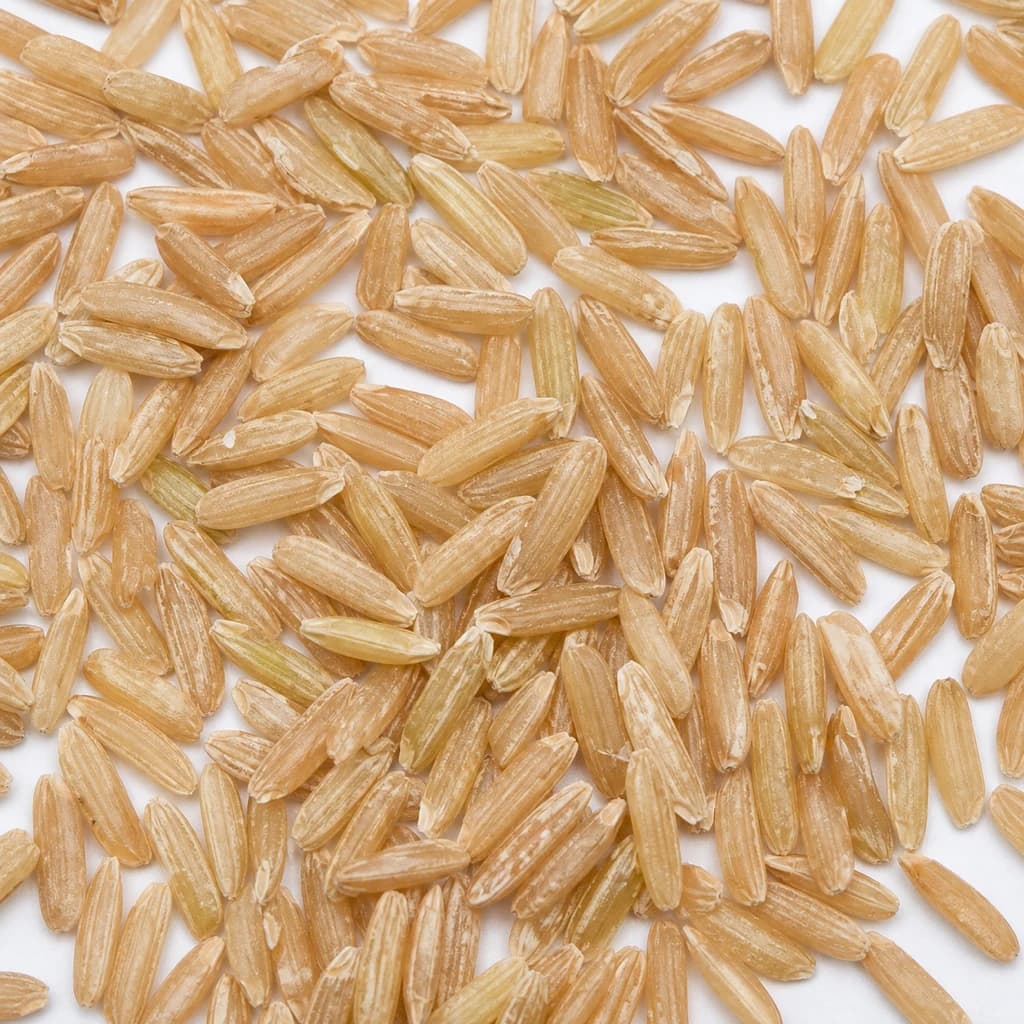
Nutty, whole-grain rice with chew and extra fiber

Basmati Rice
Fragrant, long-grain rice that cooks up light and separate
Jasmine Rice
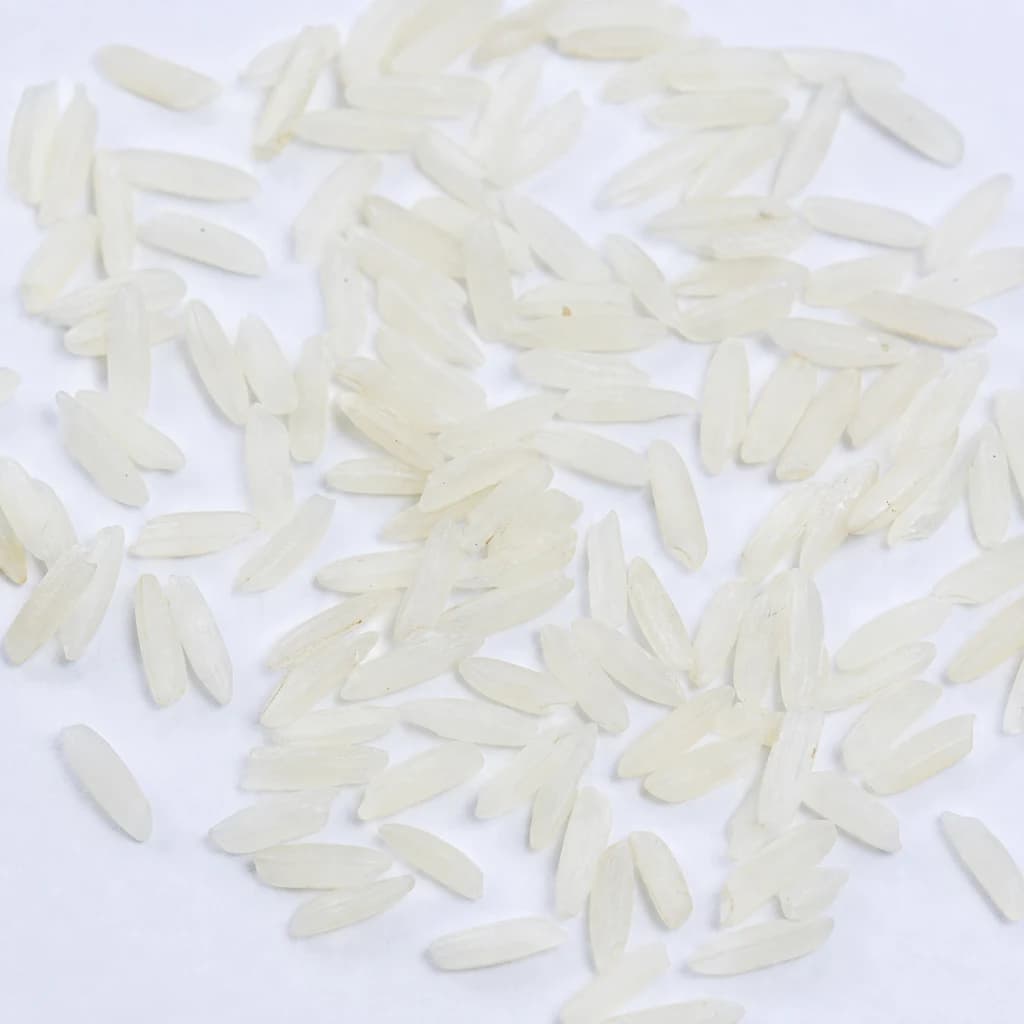
Soft, floral-scented rice that's the pillar of Thai meals
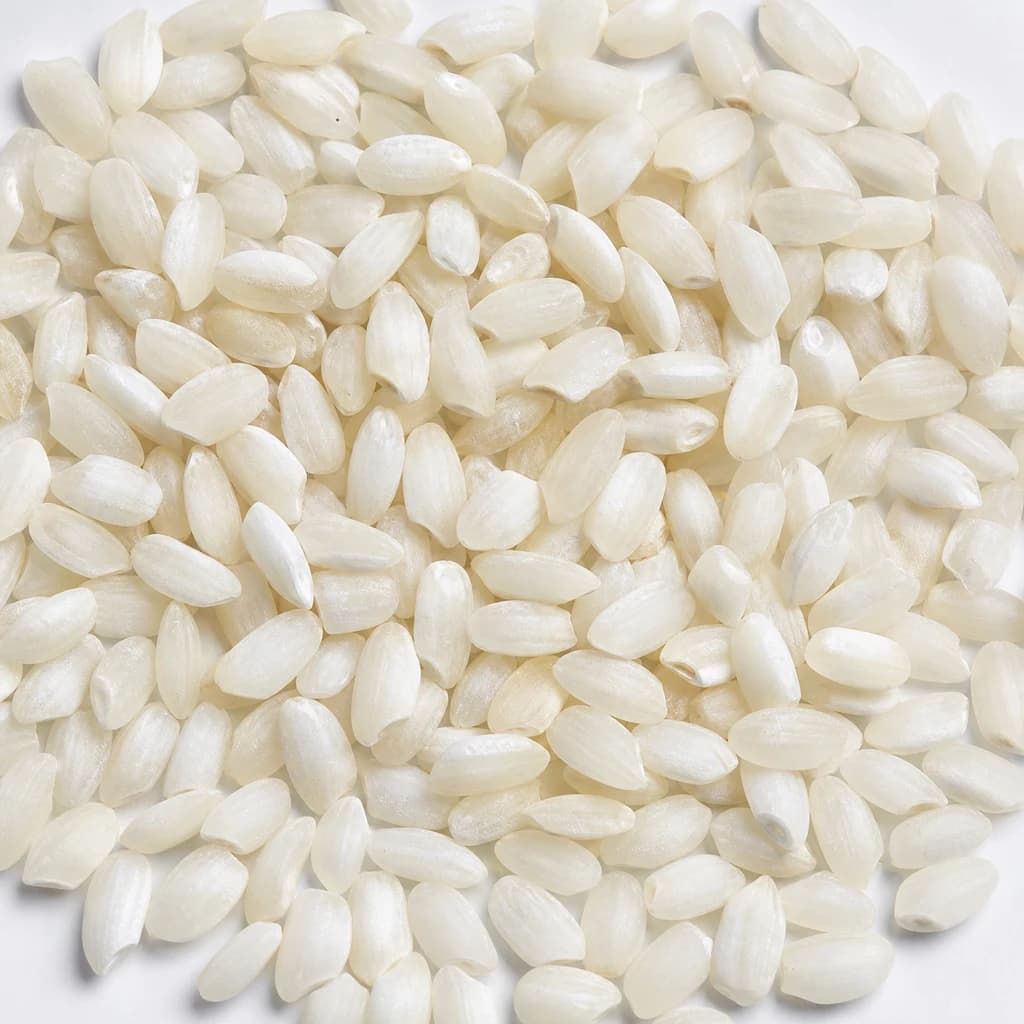
Arborio Rice
Plump, starchy rice that makes risotto creamy

Fusilli
Spiraled pasta that twirls up sauce and dresses cold salads
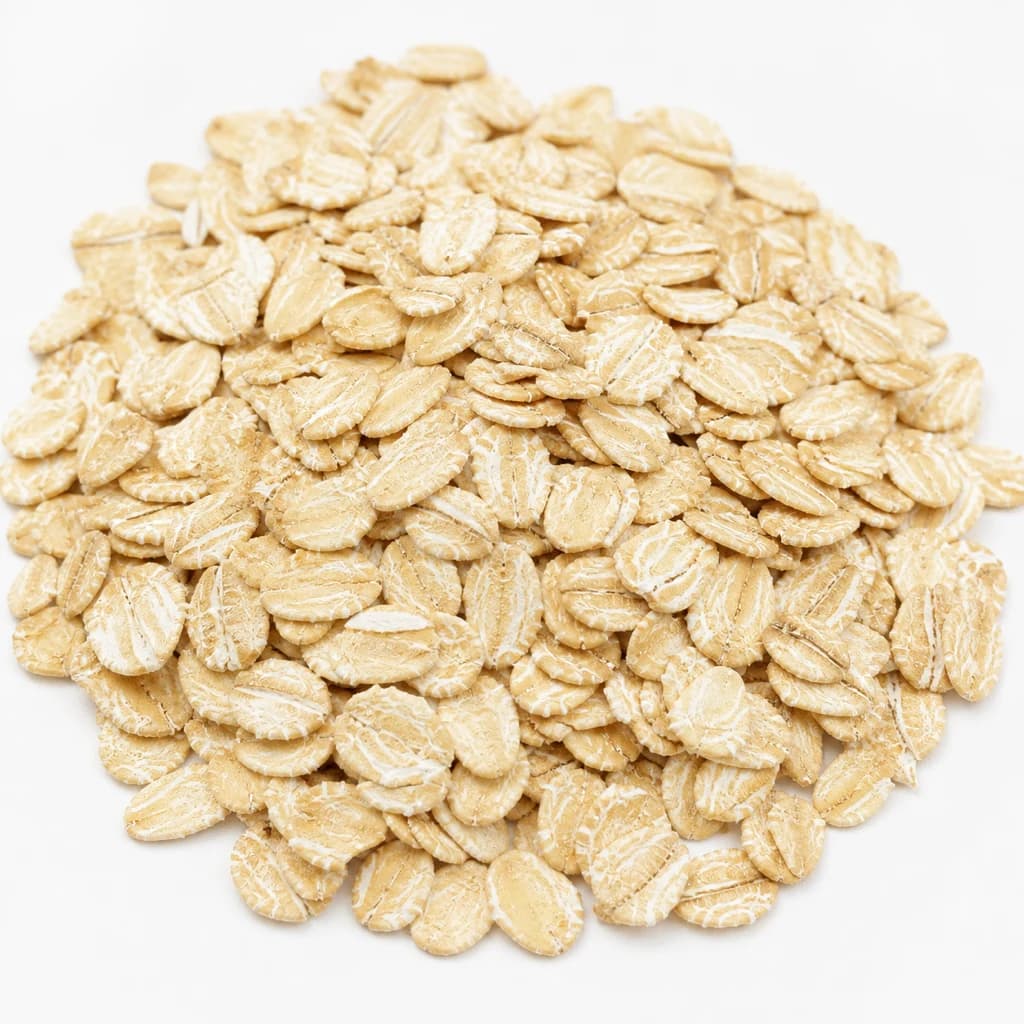
Rolled Oats
Hearty flakes for porridge, granola, and chewy cookies