Baking
Tsampa (Roasted Barley Flour)
Tibetan staple of roasted barley flour eaten mixed with butter tea.
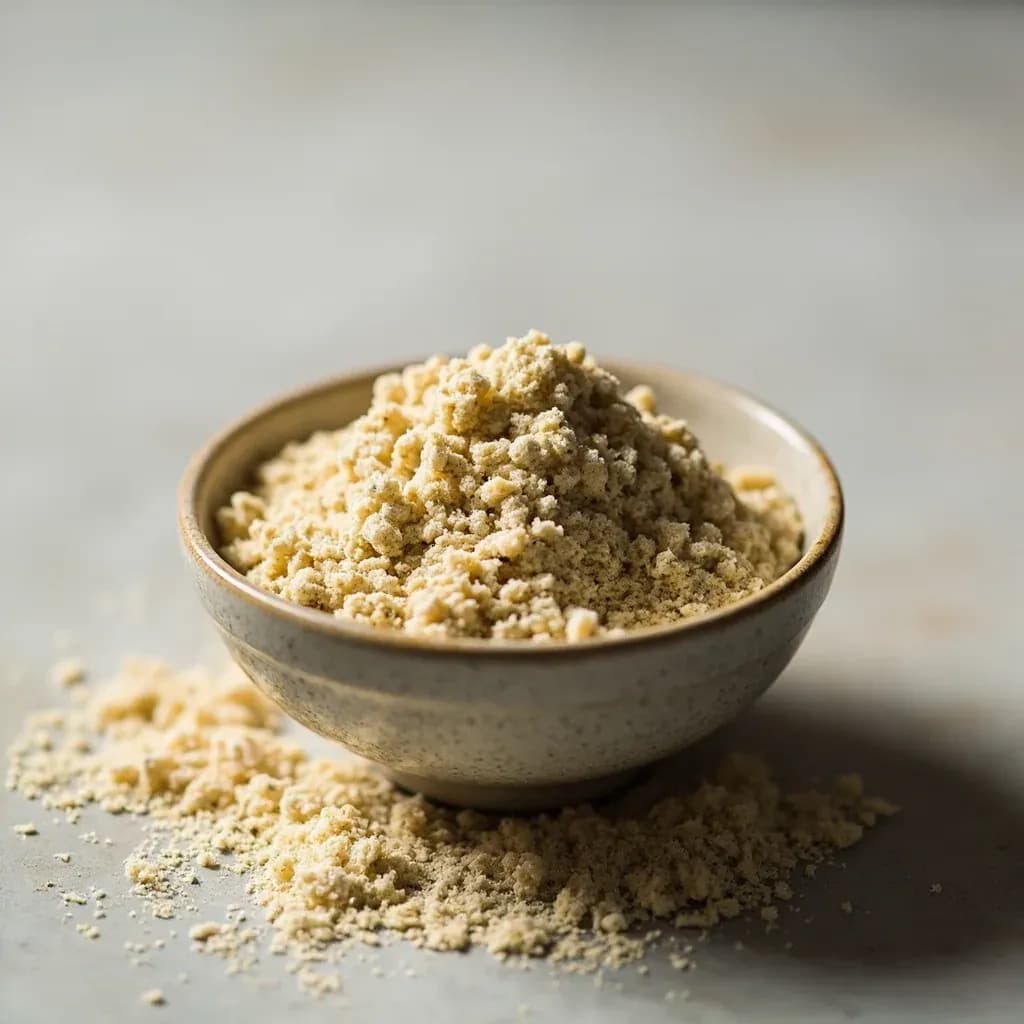
Tsampa is roasted barley that has been ground into a fine flour, a dietary staple across Tibet and the Himalayas. It is most often kneaded by hand with butter tea (po cha) into a dough eaten on the go, or stirred into soups and porridge. The pre-roasting gives it a warm, nutty, ready-to-eat flavor.
Tsampa is roasted barley flour, specifically made from hull‑less (naked) barley that has been dry‑parched in a hot pan before grinding. This roasting step is not optional—it is the defining transformation that gives tsampa its deep nutty, toasted flavor and earthy bitterness distinct from raw barley flour. The process also drives off moisture, creating a granular flour that becomes sticky and malleable when moistened, allowing it to be kneaded into dough balls. The best tsampa comes from hull‑less barley varieties (Hordeum vulgare var. nudum), where the husk naturally separates during threshing, eliminating the need for pearling or extensive cleaning. In Tibetan culture, tsampa is not merely an ingredient but a daily staple eaten by farmers and nomads alike—typically at breakfast and as a midday meal, always with the right hand, kneaded with tea into a portable dough. Commercially available tsampa is sometimes sold roasted but unground, allowing buyers to mill it fresh for the best flavor.
- Measured in
- g
- Storage
- Pantry
Allergens
Types & varieties
Shorter roasting time; lighter golden color, milder nutty flavor
Extended roasting; deeper brown, more pronounced toasted bitterness
High‑altitude cultivars from Tibet, Nepal, and Himalayan zones; flavor varies by grain source
Some versions keep the bran for more fiber; others are sifted for smoother texture
Common uses
Tips & pitfalls
- Toast barley in a dry wok or heavy pan over medium‑high heat, stirring constantly until grains are golden and fragrant—stop before they burn or turn black
- Grind toasted barley immediately while still warm for easiest processing; a grain mill or high‑powered blender works far better than a standard food processor
- Add liquid gradually when mixing with tea or water—tsampa should reach a Play‑Dough consistency you can form into balls; start with less liquid than you think necessary
- Toast a large batch and store flour for quick preparation; homemade toasted barley flour is noticeably fresher than most commercial versions
- If using store‑bought tsampa, check for any added ingredients or excessive hull fragments that indicate poor processing
- The butter tea ratio matters: too liquid and the tsampa will not hold its shape; too thick and it becomes difficult to knead and eat
Nutrition
Energy
1017 kJ · per 100 g
Where the calories come from
Protein
31g
62% DV
Carbs
3.8g
1% DV
Fat
11.5g
15% DV
Fiber
0g
0% DV
Sugars
0g
of which
Sodium
1858mg
81% DV
Source · USDA FoodData Central · approx. Hormel Pillow Pak Sliced Turkey Pepperoni
View on FDC →In the shops
Matched grocery products
No matched grocery products for Tsampa (Roasted Barley Flour) yet.
Good to know
- Origin
- Tibet and Himalayan region, staple food for centuries
- Primary grain
- Naked barley (Hordeum vulgare var. nudum)
- Processing
- Barley dry‑roasted, then ground into flour
- Flavor
- Nutty, toasted, slightly bitter with earthy undertones
- Texture
- Coarse, granular flour; becomes sticky when moistened
- Color
- Golden brown to dark brown depending on roast level
- Dietary
- Contains gluten; high in fiber and complex carbohydrates
- Storage
- Airtight container in cool, dry place; keeps several months
Substitutes
- Homemade roasted barley flour — Toast hull‑less barley in a dry pan until golden, cool completely, then grind; this is the closest match to commercial tsampa
- Roasted wheat flour — Similar coarse texture and roasting method; contains gluten with a different grain flavor profile
- Roasted rye flour — Darker color, stronger earthiness; works in similar savory preparations
- Roasted buckwheat flour — Gluten‑free alternative with a nuttier, more assertive flavor; ensure the buckwheat is actually roasted first
- Fine nixtamalized cornmeal — Different flavor but similar coarse texture; not a close substitute for traditional tsampa
Pairs with
Also called
Roasted Barley Flour · Pak
Appears in these dishes
Related

All-Purpose Flour
The do-anything flour for bread, cakes, sauces, and dredging

Bread Flour
High-protein flour for chewy, well-risen breads
Whole Wheat Flour
Nutty, whole-grain flour for hearty breads and bakes
Cake Flour
Fine, low-protein flour for tender, delicate cakes
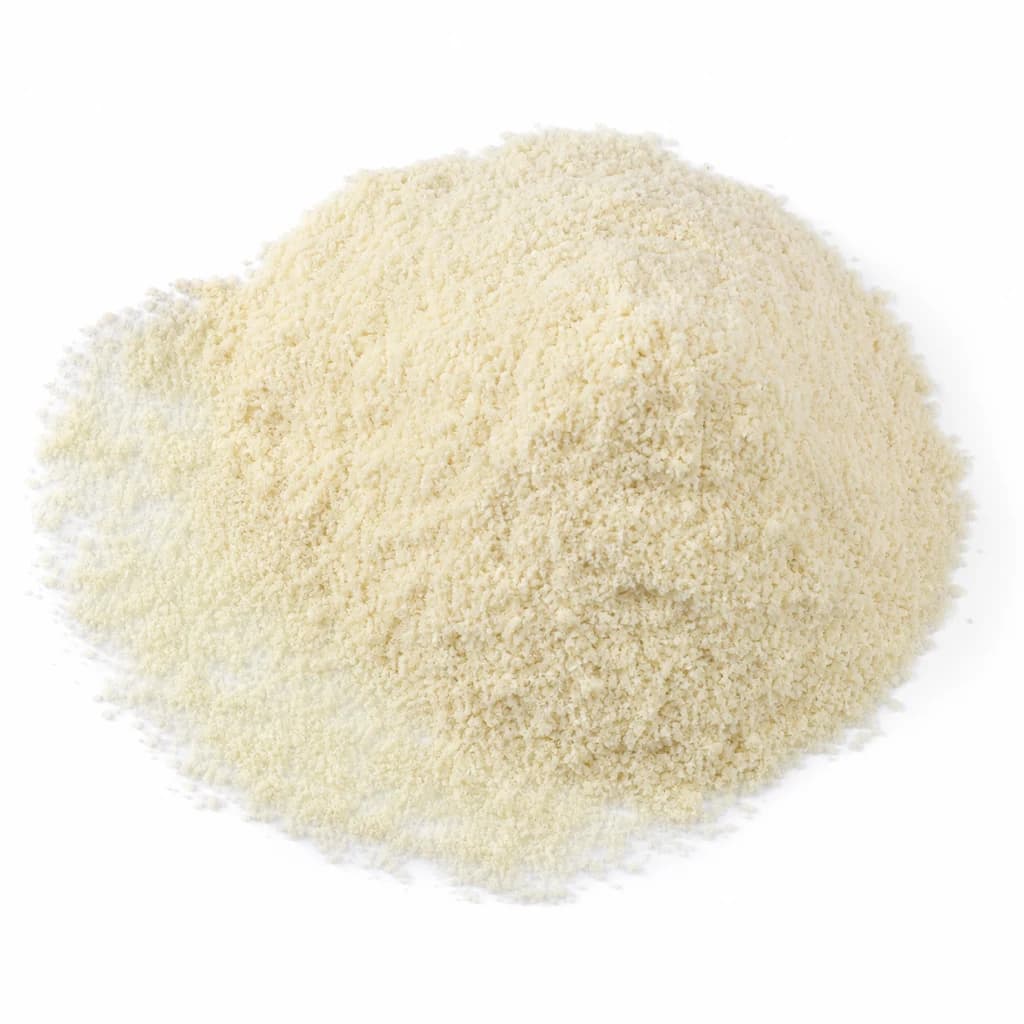
Almond Flour
Nutty, gluten-free flour for macarons and tender bakes

Baking Powder
All-in-one leavener for fluffy cakes, pancakes, and biscuits

Baking Soda
Pure leavener that needs acid to lift — and tenderize
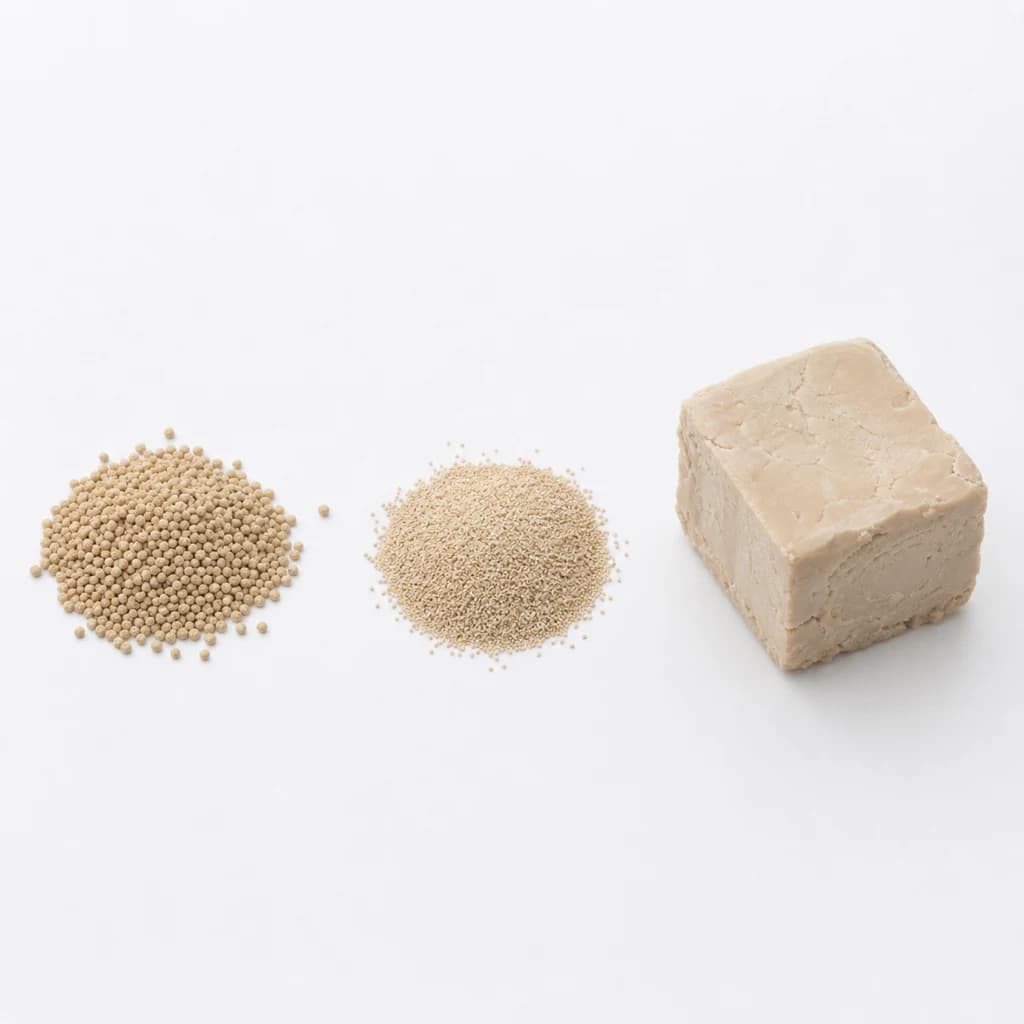
Yeast
Living leaven that makes bread rise and dough come alive