Dairy & Eggs
Yak Butter
Rich, tangy butter churned from yak milk, central to Himalayan tea, cooking, and butter lamps.
Yak butter is made by churning the cream of yak milk and is a staple fat across Tibet, Nepal, and the high Himalayas. It is whisked into salty butter tea (po cha), used to fry and enrich tsampa and stews, and even burned in temple lamps. Its flavor is deeper and slightly more pungent than cow butter, reflecting the animal's grazing and the often-aged, fermented churning process.
Yak butter is the foundational fat of Himalayan cuisine and culture, churned from the milk of the domestic yak (Bos grunniens), a bovine uniquely adapted to life at extreme altitudes. Unlike ordinary cow butter, yak butter carries the deep imprint of the animal's diet—alpine grasses, wildflowers, and medicinal herbs—resulting in a flavor that is simultaneously rich, tangy, and faintly grassy with an underlying umami complexity. The milk itself is notably higher in fat and protein than cow milk, producing a butter that is denser and more flavorful per gram than its lowland counterpart. Hand-churned by nomadic herders at elevations between 3,000 and 5,000 meters, traditionally in yak-skin bags called cham-pa, the butter reflects both the labor of its makers and the terroir of the high grasslands.
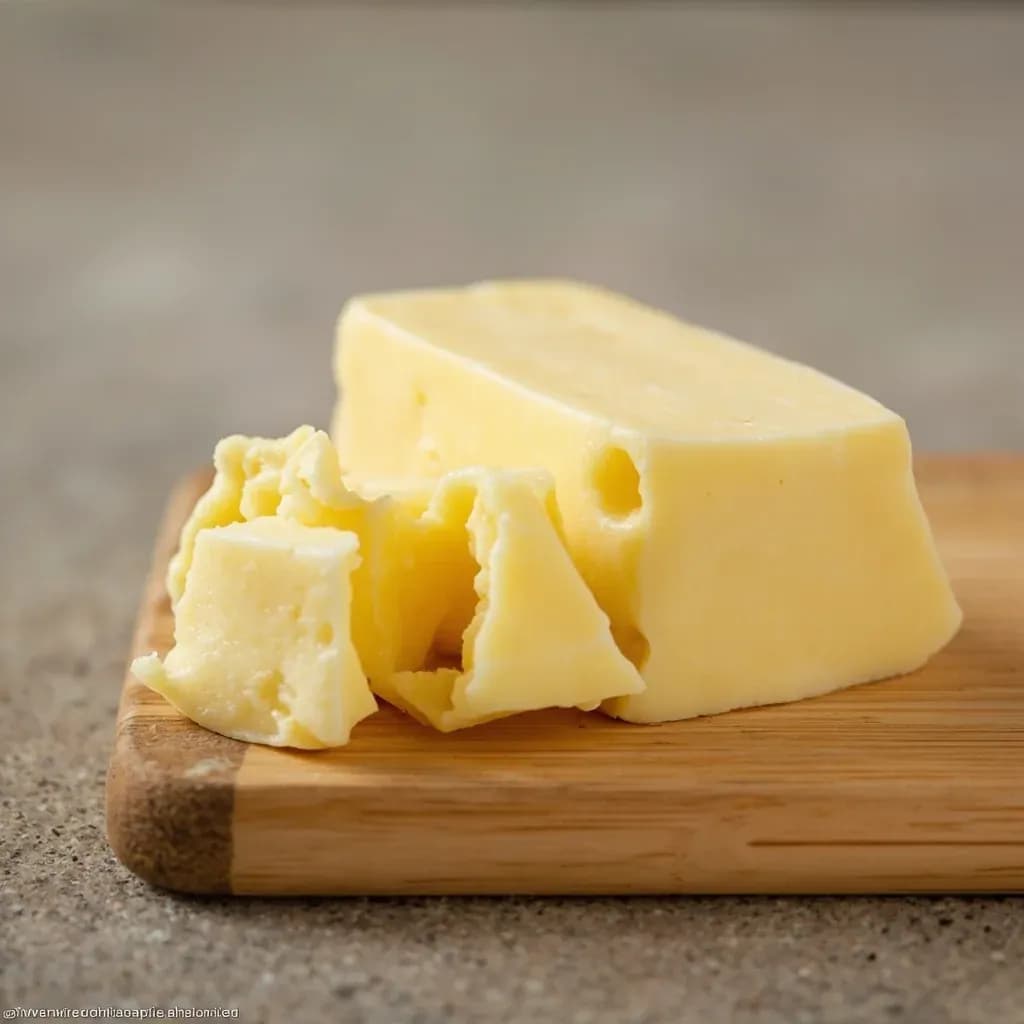
The tangy note that sets yak butter apart develops naturally during the slow, traditional churning process, which often involves slight fermentation of the cream. First-time tasters frequently describe it as reminiscent of a sharp European cultured butter crossed with a mild blue cheese—it is complex, assertive, and nothing like the bland sweetness of most commercial Western butters. This intensity means yak butter functions differently in cooking: it can dominate subtle dishes but enriches bold preparations with layers of flavor that plain butter cannot achieve. The butter's color ranges from pale cream to nearly white depending on diet and fat composition.
Beyond the kitchen, yak butter carries profound cultural weight. In Tibetan culture, offering butter tea to a guest is an act of hospitality so deeply ingrained that refusing is considered impolite. In Buddhist practice, the highest-quality unsalted clarified yak butter fuels the butter lamps that illuminate temples and homes—a literal offering of light and clarity. The butter's role in daily life, ritual, and trade has made it far more than an ingredient; it is a living link between the people of the plateau and their environment.
- Measured in
- g
- Storage
- Fridge
Allergens
Types & varieties
Soft, spreadable butter consumed within days to weeks of churning; the most common household form
Salt added for flavor and preservation; common in trade and winter storage
Rendered, clarified butter with lower moisture content; longer shelf life; used for cooking and butter lamps
Some regions allow slight fermentation to intensify tanginess; used as a condiment
Butter Tea (Po Cha / Suutei Tsai)
The most important use of yak butter is in the churning of butter tea, the foundational daily beverage across Tibet, Mongolia, and Himalayan communities. It is not a garnish or flavoring—it is the structural component that transforms strong brewed tea into a complete drink. The traditional preparation involves boiling strong brick or Tibetan tea, adding a generous knob of butter and a pinch of salt, then churning the mixture in a cylindrical churn (bod khug) until fully emulsified. The result is a rich, savory, caffeinated drink that provides calories, warmth, hydration, and a portable energy source at altitude where dehydration is a constant risk.
- Use roughly 1 part butter to 10–15 parts strong tea; adjust ratio to taste
- Churn vigorously in an up-and-down motion until the emulsion is uniform and frothy
- Brick tea or aged Tibetan tea is traditional; Western black teas work but lack the astringency that balances the richness
- Salt is essential, not optional—it brings out the umami and rounds the flavor
Yak Butter vs. Cow Butter in Cooking
When substituting yak butter in Western recipes, behavior differs in key ways. Its higher fat content and natural tanginess mean it will impart more flavor, and its slightly higher smoke point makes it more forgiving during high-heat cooking. However, the tanginess can overwhelm delicate dishes like mild pasta sauces or simple steamed vegetables. In butter-heavy baked goods—scones, shortbread, puff pastry—yak butter adds a complexity that elevates the result. In applications where butter serves as a neutral fat carrier (like greasing a pan), yak butter's flavor may be unwelcome.
- Test yak butter in a small portion of a recipe before committing fully
- Reduce quantity by 10–15% if the tanginess feels too pronounced in baked goods
- For butter sauces like hollandaise, use ghee or a milder substitute to avoid flavor clash
- Yak butter excels in savory contexts: pasta with strong cheeses, meat braises, potato dishes
Common uses
Tips & pitfalls
- When substituting yak butter in Western recipes, use an equal amount of high-quality cultured cow butter for the closest flavor approximation
- Yak butter's higher fat content gives it a moderately higher smoke point than standard butters—suitable for sautéing over medium-high heat
- Taste yak butter before using: the tanginess can be pronounced and may dominate subtle dishes if you are unprepared
- Store yak butter in an airtight container; its higher moisture content compared to ghee makes it more susceptible to mold if kept at room temperature too long
- For butter tea, use a ratio of roughly 1 part butter to 10–15 parts strong tea, with a pinch of salt; churn vigorously until fully emulsified
- If sourcing from high-altitude regions, clarify it into ghee for easier transport and longer storage stability
- Do not confuse yak butter with butter made from the milk of hybrid yak-cattle crosses—flavor and fat content differ noticeably
- The butter used for Buddhist butter lamp offerings should be unsalted and of the highest available quality
Nutrition
Energy
3766 kJ · per 100 g
Where the calories come from
Protein
0g
0% DV
Carbs
0g
0% DV
Fat
100g
128% DV
Fiber
0g
0% DV
Sugars
0g
of which
Sodium
0mg
0% DV
Source · USDA FoodData Central · approx. Butter, Clarified butter (ghee)
View on FDC →In the shops
Matched grocery products
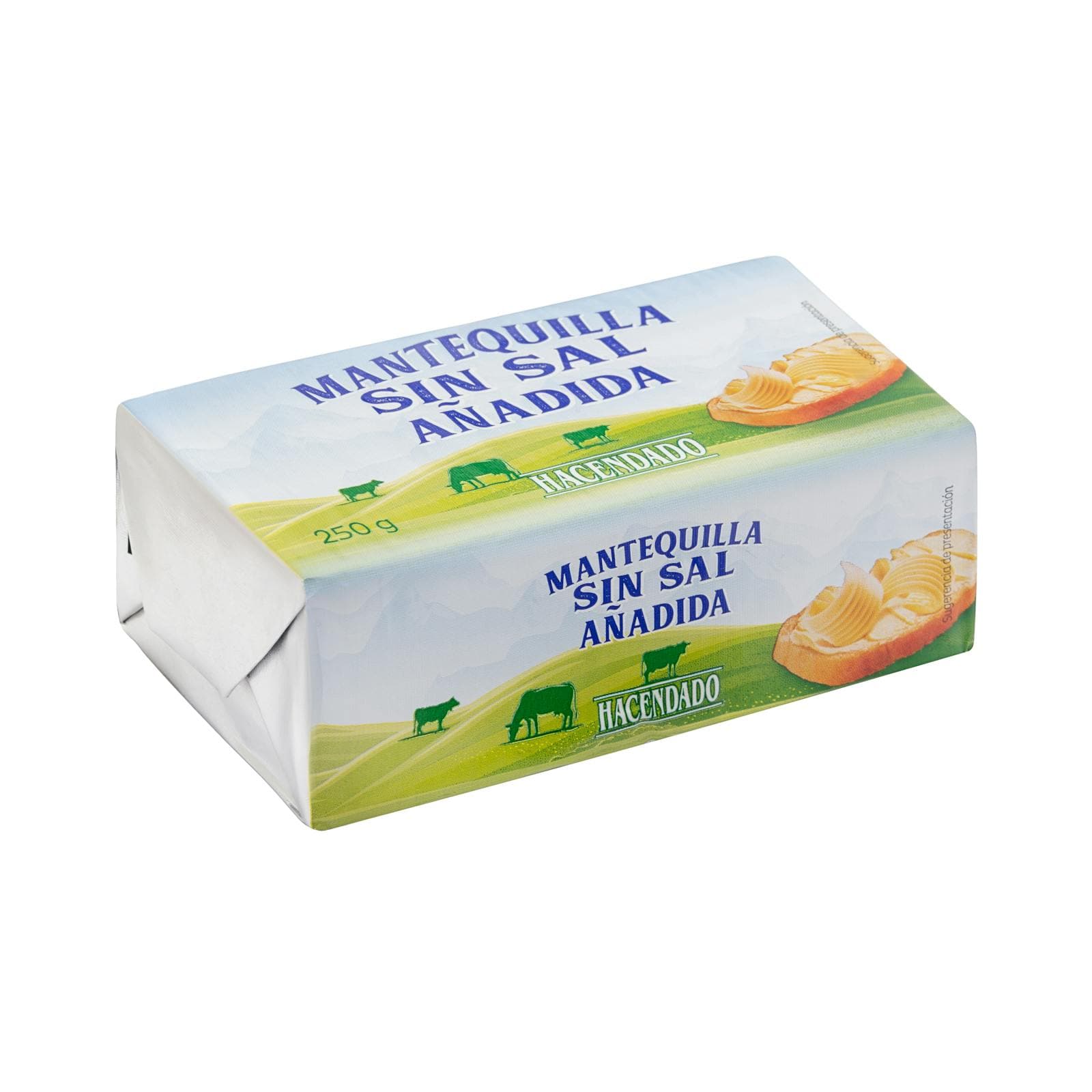 €2.10
€2.10Unsalted Butter
Hacendado · 250 g · Mercadona
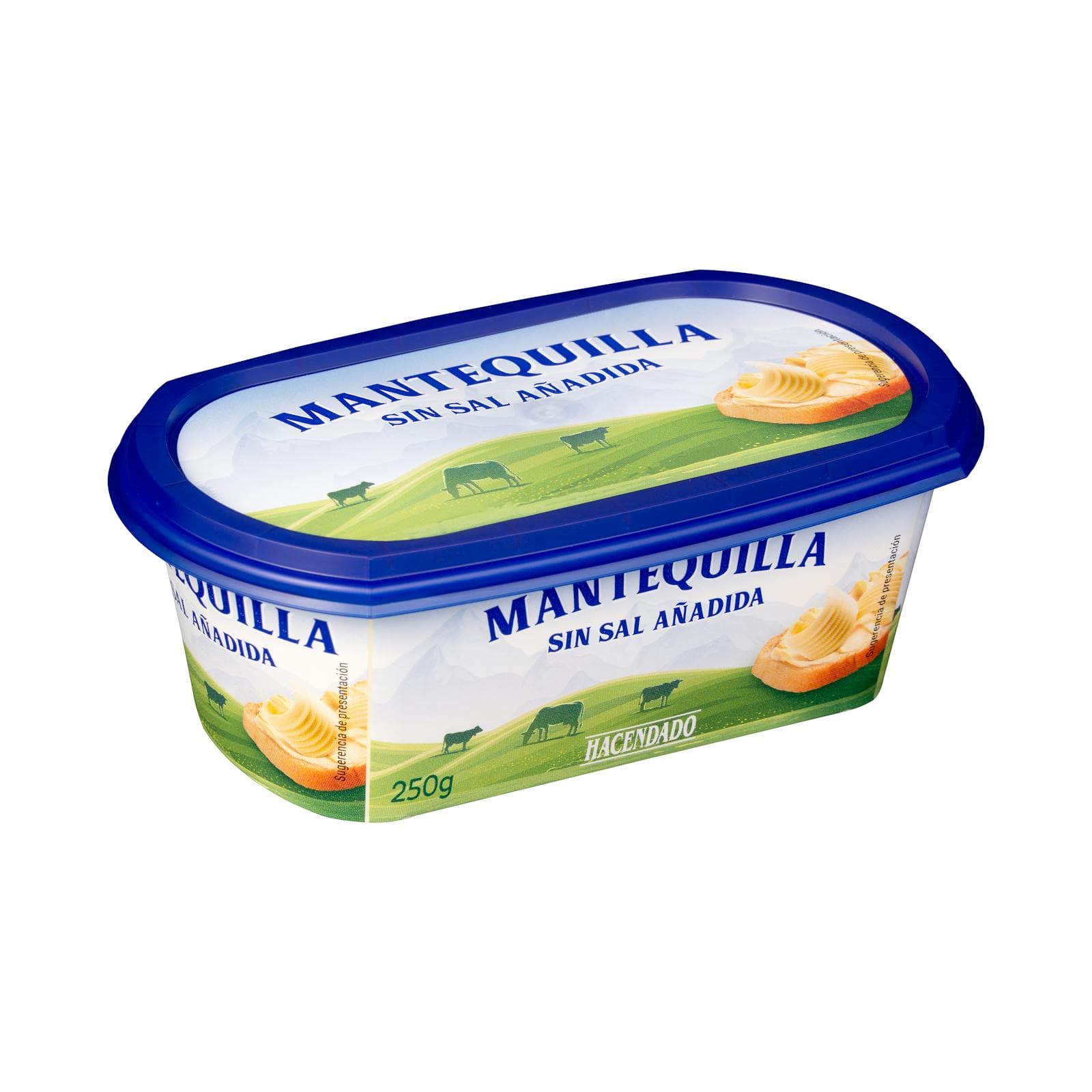 €2.45
€2.45Unsalted Butter
Hacendado · 250 g · Mercadona
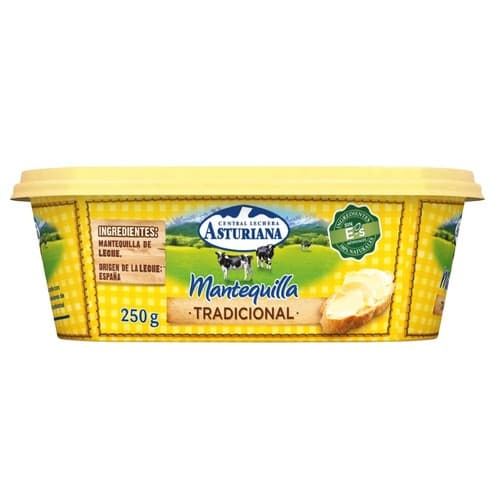 €3.69
€3.69Unsalted Butter
ASTURIANA · kg · Bonpreu
 €8.90
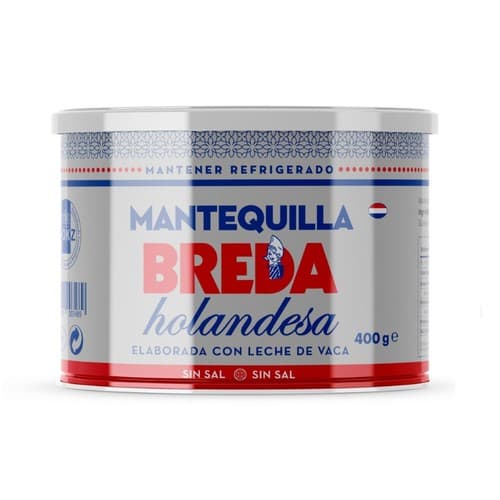
€8.90BREDA Unsalted Butter
BREDA · kg · Bonpreu
 €2.39
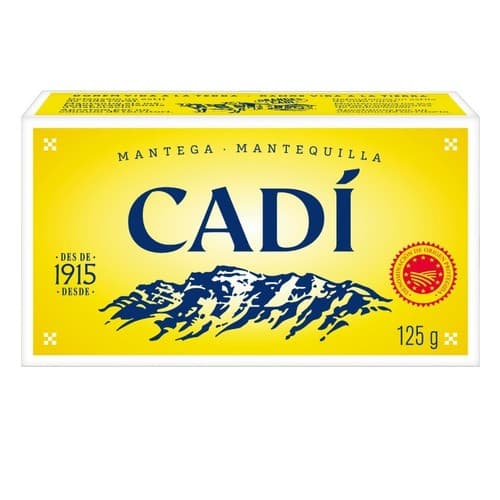
€2.39Cadí Butter
CADÍ · kg · Bonpreu
 €3.99
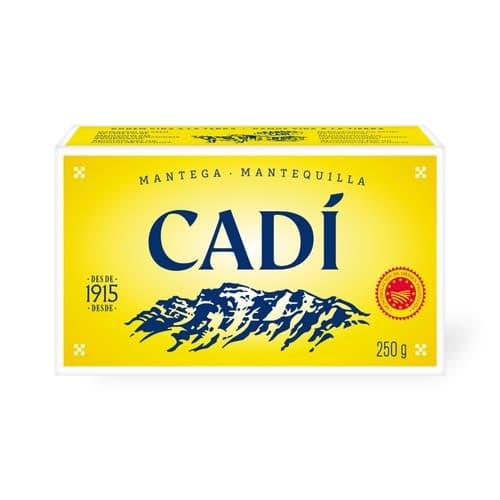
€3.99Cadí Butter
CADÍ · kg · Bonpreu
Good to know
- Origin
- Tibetan Plateau and Himalayan regions: Tibet, Nepal, Bhutan, northern India, western China
- Primary Fat Content
- 60–65% fat, higher than most commercial cow butters due to yak milk's rich composition
- Traditional Production
- Hand-churned from whole yak milk by nomads at 3,000–5,000 m altitude
- Peak Production Season
- Summer and early autumn, when yaks graze alpine pastures; quality reflects available forage
- Flavor Profile
- Rich, distinctly tangy, slightly grassy; deeper umami quality than cow butter
- Shelf Life (Fresh)
- Several weeks at cool temperatures; clarified form (yak ghee) keeps considerably longer
- Traditional Storage
- Kept in yak-skin bags (cham-pa), salted or unsalted depending on region and intended use
- Cultural Role
- Central to Tibetan daily diet, Buddhist rituals, and hospitality traditions
Substitutes
- High-quality cultured cow butter — Best substitute for flavor; look for European-style cultured butter with high fat content and pronounced tang
- Clarified yak butter (yak ghee) — Use for high-heat cooking or baking; milder flavor, longer shelf life, but lacks the fresh tang of traditional butter
- Ghee — Acceptable for cooking and butter lamp use; neutral flavor; not suitable when the tangy butter taste is essential
- Fresh yak milk — Cannot replace butter in recipes but useful in beverages; far lower fat content than the butter itself
Pairs with
Related

Whole Milk
Rich, full-fat milk for drinking, coffee, sauces, and baking
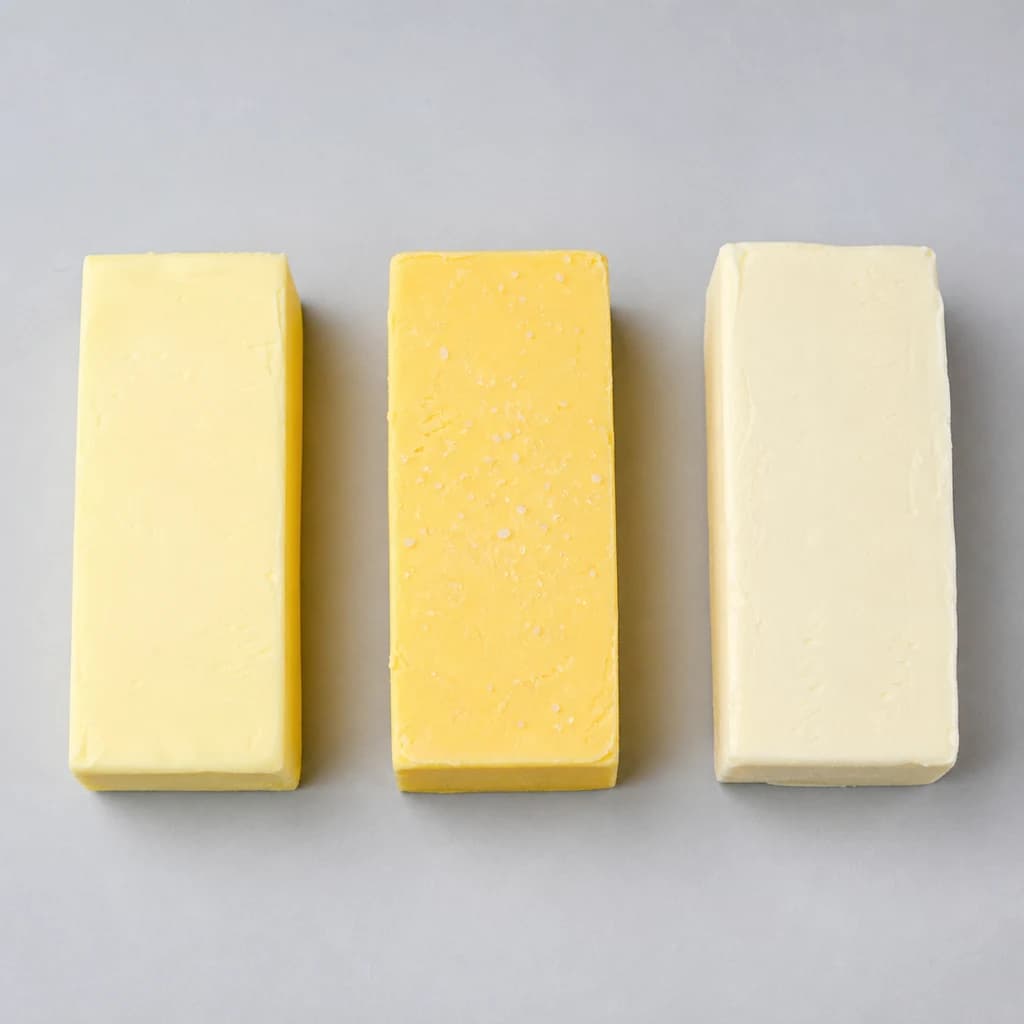
Butter
Golden fat for searing, baking, and finishing a sauce
Yogurt
Tangy, creamy culture for breakfast, sauces, and marinades
Cheddar Cheese
Sharp, melty cheese for sandwiches, gratins, and grating
Skim Milk
Fat-free milk for lighter drinking, coffee, and cooking
Heavy Cream
Rich cream that whips, enriches sauces, and sets ganache

Sour Cream
Tangy, thick cream for dolloping, baking, and dips
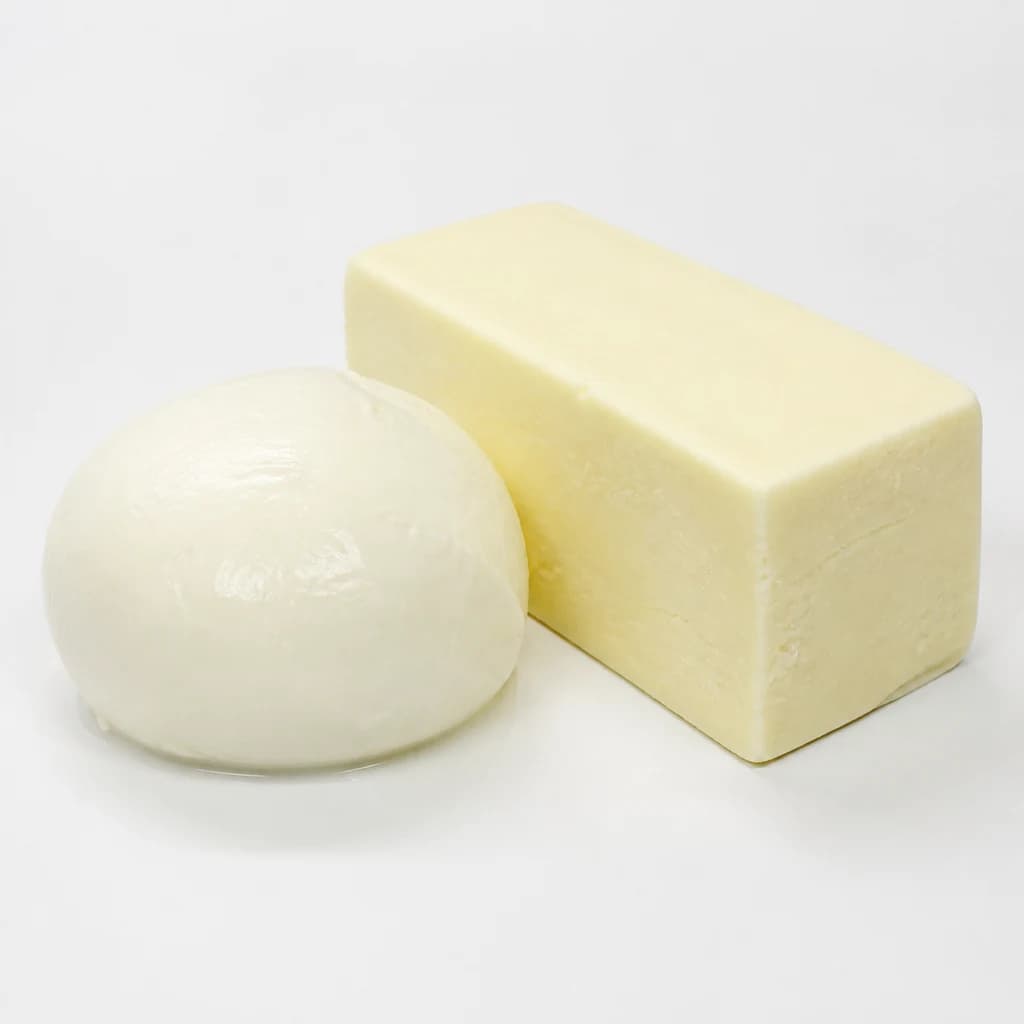
Mozzarella
Soft, milky cheese that melts into stretchy pizza pulls