Grains & Rice
Rusk (Beschuit)
Twice-baked dry crisp bread eaten with toppings or dunked in tea and coffee.
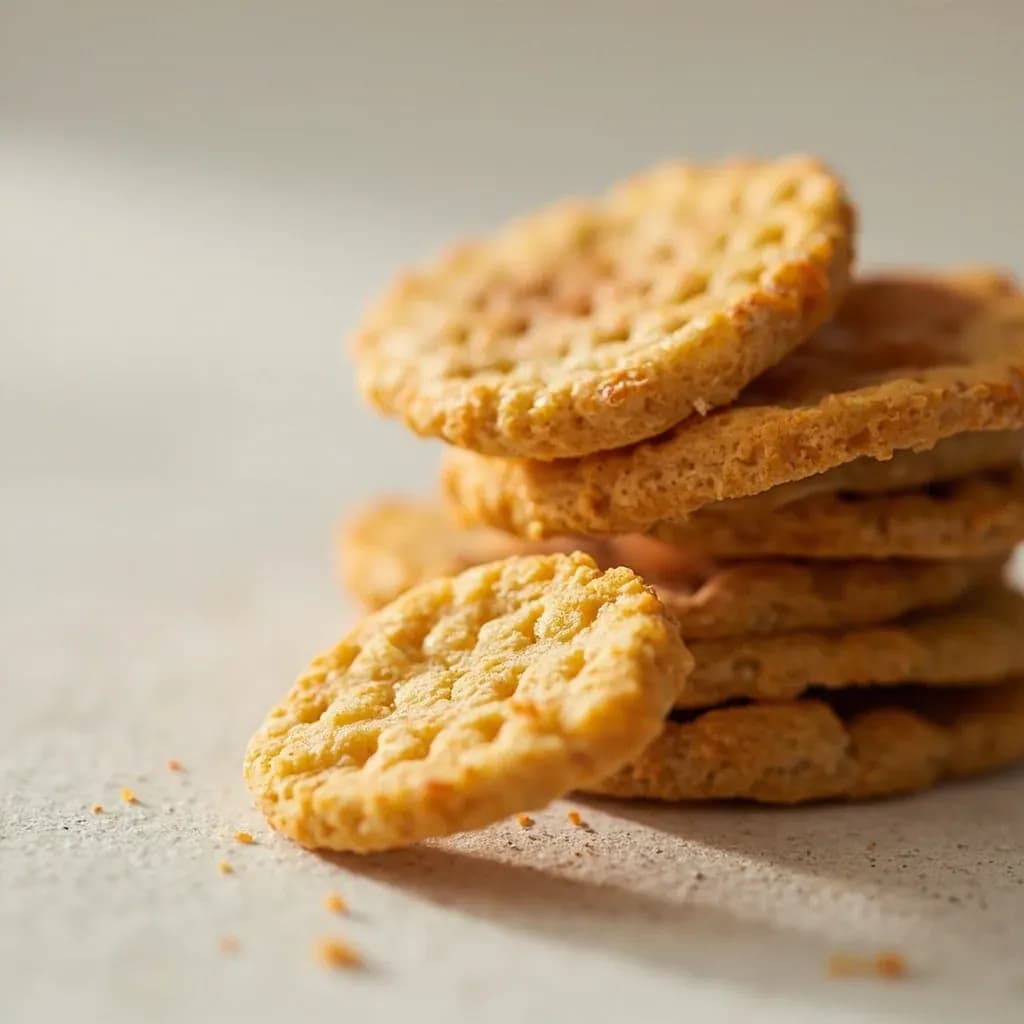
Rusk is a hard, dry biscuit or bread that is baked, sliced, and baked again to drive out moisture, giving it long shelf life and a crisp crunch. The light, round Dutch beschuit is topped with butter and sprinkles or eaten with cheese, while South African and Indian rusks are dunked in tea or coffee. Its twice-baking is what makes it shelf-stable and crisp.
Beschuit—known in English as rusk—is the twice-baked bread staple of Dutch and Belgian cuisine, distinguished by a deliberate dryness and crispness that makes it unlike any fresh bread. The process is simple but essential: bread rolls are baked, sliced, then baked again at lower temperature until all moisture is driven off and the product becomes completely shelf-stable. This second bake is not a shortcut; it is the defining transformation that creates Beschuit's characteristic porous, bone-dry crumb that fractures cleanly when bitten. The result is a neutral canvas engineered for purpose—Beschuit is intentionally bland, containing no sugar, fat, or eggs in its authentic form, so it absorbs toppings without competing with them. In the Netherlands, this is not a compromise but a philosophy: the best rusk holds its shape when dunked in hot tea or coffee, softening at the edges while remaining intact, a ritual that defines Dutch afternoon culture the way crumpets define British tea time. Its long shelf life makes it a pantry constant, ready at any hour for breakfast, snack, or emergency bread supply.
The texture of good Beschuit is specific and measurable: it should be dry enough to snap when bent, porous enough to accept butter without disintegrating, yet sturdy enough to bear toppings ranging from soft cheese to cold cuts. When made properly, it breaks in clean shards rather than crumbling into a shower of flakes. This resilience comes from the tight, fine-crumbed initial dough and the complete moisture removal during the second bake. Dutch industry guidelines for Beschuit specify minimum dimensions and the twice-baking process, but the authentic formulation—flour, water, yeast, and salt with no sugar, fat, or eggs—produces the characteristic snap and neutrality that defines the product. Understanding Beschuit means understanding that dryness is not a flaw but a feature: it is bread engineered for longevity, versatility, and the particular pleasure of that moment when hot liquid meets crisp crumb.
Beschuit occupies a unique position in the Dutch culinary identity, standing alongside cheese, hagelslag, and stroopwafels as an icon of everyday food culture. Its uses extend far beyond the breakfast table: crumbled into soups and stews as a thickening binder, crushed into breadcrumbs for fried coatings, or transformed into sweet and savory variants dusted with anisette sprinkles or pressed with chocolate. The plain rounds are the workhorse, but Beschuit met muisjes—adorned with pink and blue sugar-anise sprinkles—carries deep cultural meaning, traditionally shared with new parents and visitors celebrating a birth. Whatever the variety, authentic Beschuit remains a testament to Dutch practicality: a food that wastes nothing, lasts indefinitely, and transforms simple ingredients into something indispensable.
- Measured in
- piece
- Storage
- Pantry
Allergens
Types & varieties
Unsliced rounds or ovals; the basic, universal form and workhorse of Dutch pantries
Dusted with colored anisette sugar sprinkles (pink and blue traditionally); served to new parents and guests celebrating a birth
Pressed with chocolate vermicelli before the final bake; the chocolate adheres and slightly melts at the surface
Cheese is incorporated into the dough or pressed onto the surface before the second bake for a savory variant
Whole-grain variant using whole-wheat flour; produces a denser, nuttier result with slightly more body
Why Twice-Baking Matters
The second bake is the heart of the Beschuit process, and cutting it short produces an inferior product. After the initial bread roll bake, the crumb still contains significant moisture—typically 35–40%. The second bake at reduced temperature (around 150°C/300°F) drives this moisture down to below 5%, creating the shelf stability that makes Beschuit practical as an emergency pantry staple. More importantly, this slow desiccation sets the crumb structure, creating the characteristic porous interior that accepts toppings while maintaining structural integrity. Rushing the second bake or pulling the product early leaves residual moisture that will cause mold within weeks, not months. Authentic Beschuit should feel dry to the touch and audibly crisp when tapped together.
- A complete second bake is non-negotiable for shelf stability and proper texture
- Moisture content below 5% is the target for long-term storage
- Under-baked Beschuit will mold quickly regardless of storage conditions
Beschuit vs. English Rusk
The English word "rusk" often describes a sweet, egg-rich twice-baked bread, quite different from Dutch Beschuit. English rusk is typically softer, sweeter, and more crumbly—closer to a twice-baked brioche. Dutch Beschuit is drier, blander, and structurally more robust, engineered specifically for dunking in hot beverages without disintegrating. This distinction matters when substituting or following recipes: an English rusk recipe will not produce authentic Beschuit, and vice versa. The authentic formulation specifies only wheat flour, water, yeast, and salt—no sugar, no fat, no eggs—making Dutch Beschuit functionally and texturally distinct from its sweeter English namesake.
- Dutch Beschuit contains no sugar, fat, or eggs; English rusk often includes these
- Beschuit is engineered for structural integrity during dunking; English rusk is not
- The terms are not interchangeable in recipe development or substitution
Common uses
Tips & pitfalls
- Store in an airtight container or sealed bag once opened; exposure to humidity transforms crisp Beschuit into chewy, soft bread
- If Beschuit loses its crunch, refresh it in a low oven at 150°C/300°F for 5–8 minutes, then cool completely before serving—residual warmth causes sogginess
- Do not over-proof the initial dough; a tight, fine-crumbed loaf produces the clean-breaking texture that defines quality Beschuit
- Apply butter and soft spreads after the final bake; if topping before baking, choose ingredients that benefit from toasting like cheese or hagelslag
- For Beschuit met muisjes, press the anisette sprinkles firmly into the surface just before the second bake so they adhere without burning
- Beschuit is intentionally bland and needs a topping to be satisfying—plain eating is a mistake, not a virtue
- Do not stack Beschuit tightly in storage; allow air circulation to prevent moisture accumulation and mold
Nutrition
Energy
1703 kJ · per 100 g
Where the calories come from
Protein
13.5g
27% DV
Carbs
72.3g
26% DV
Fat
7.2g
9% DV
Sodium
253mg
11% DV
Source · USDA FoodData Central · approx. Crackers, rusk toast
View on FDC →In the shops
Matched grocery products
No matched grocery products for Rusk (Beschuit) yet.
Good to know
- Origin
- Netherlands and Belgium; documented since at least the Middle Ages in the Low Countries
- What it is
- Twice-baked bread: rolls are baked, sliced, then baked again until completely dried and crisp
- Shape
- Typically round discs or elongated ovals, approximately 8–12 cm across and 1–2 cm thick
- Color
- Pale beige to off-white, with slight golden edges from the second bake
- Texture
- Dry, crisp, and porous; fractures cleanly without excessive crumbling
- Flavor
- Mildly toasty and subtly yeasty; intentionally bland to serve as a neutral canvas
- Shelf life
- Several months when stored in a cool, dry place in an airtight container
- Primary equipment
- Standard oven; baking sheets
- Difficulty
- Simple; minimal active time; most time is oven time
Substitutes
- Zwieback — German twice-baked bread; slightly sweeter and softer but functionally equivalent for dunking and topping purposes
- Biscotti — Italian twice-baked biscuit; harder and denser with pronounced anise or almond notes; acceptable for dunking but significantly different in texture and flavor
- Water Crackers (original salinity) — Similar crunch and neutral flavor; thinner profile, but works as a topping vehicle and dunking option
- Melba Toast — Thin, crisp, and neutral; a reasonable substitute though it lacks Beschuit's characteristic thickness and moisture tolerance
- Hardtack — Extremely dry military hardtack; functionally similar moisture profile but often too hard for comfortable eating without extended soaking
Pairs with
Also called
Beschuit · Twice-Baked Bread
Appears in these dishes
Related

White Rice
Fluffy long-grain rice — the neutral base for almost any meal

White Bread
Soft sandwich loaf for toast, sandwiches, and crumbs
Brown Rice
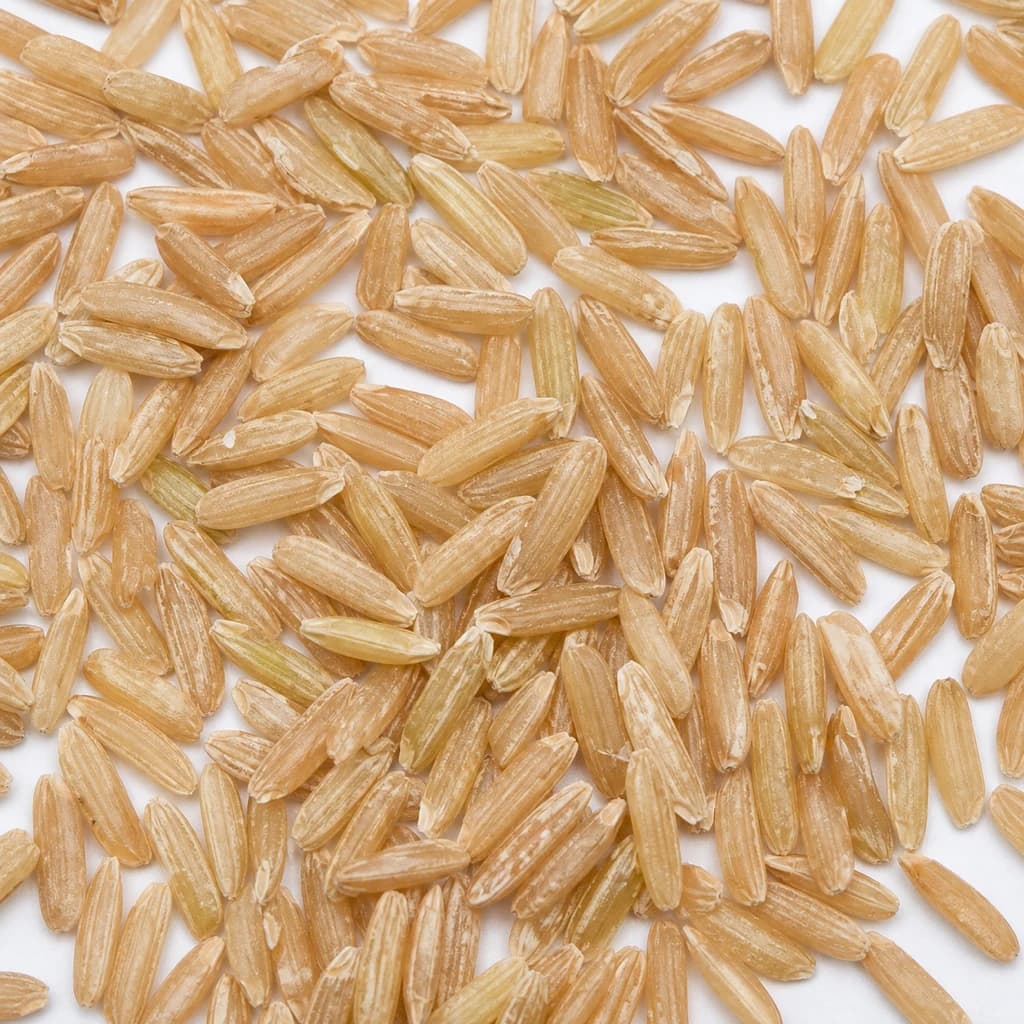
Nutty, whole-grain rice with chew and extra fiber

Basmati Rice
Fragrant, long-grain rice that cooks up light and separate
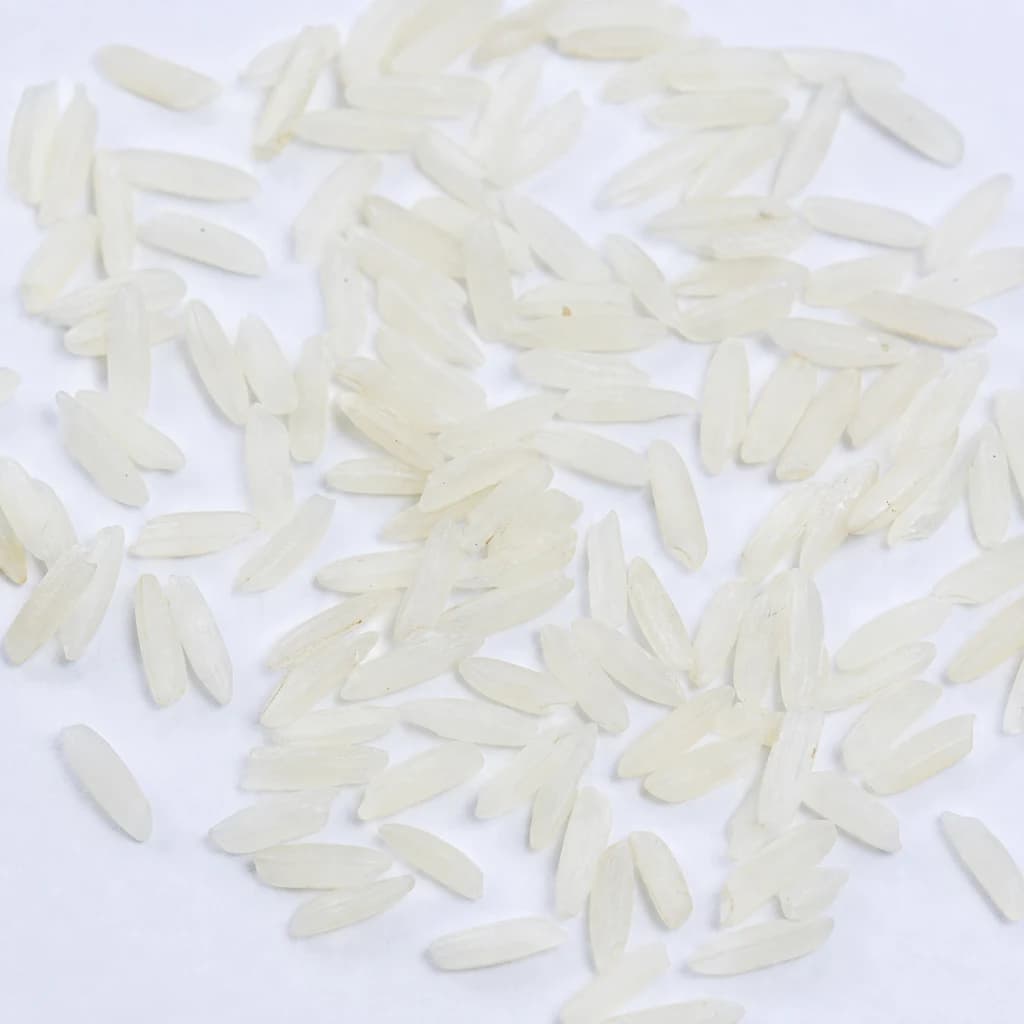
Jasmine Rice
Soft, floral-scented rice that's the pillar of Thai meals
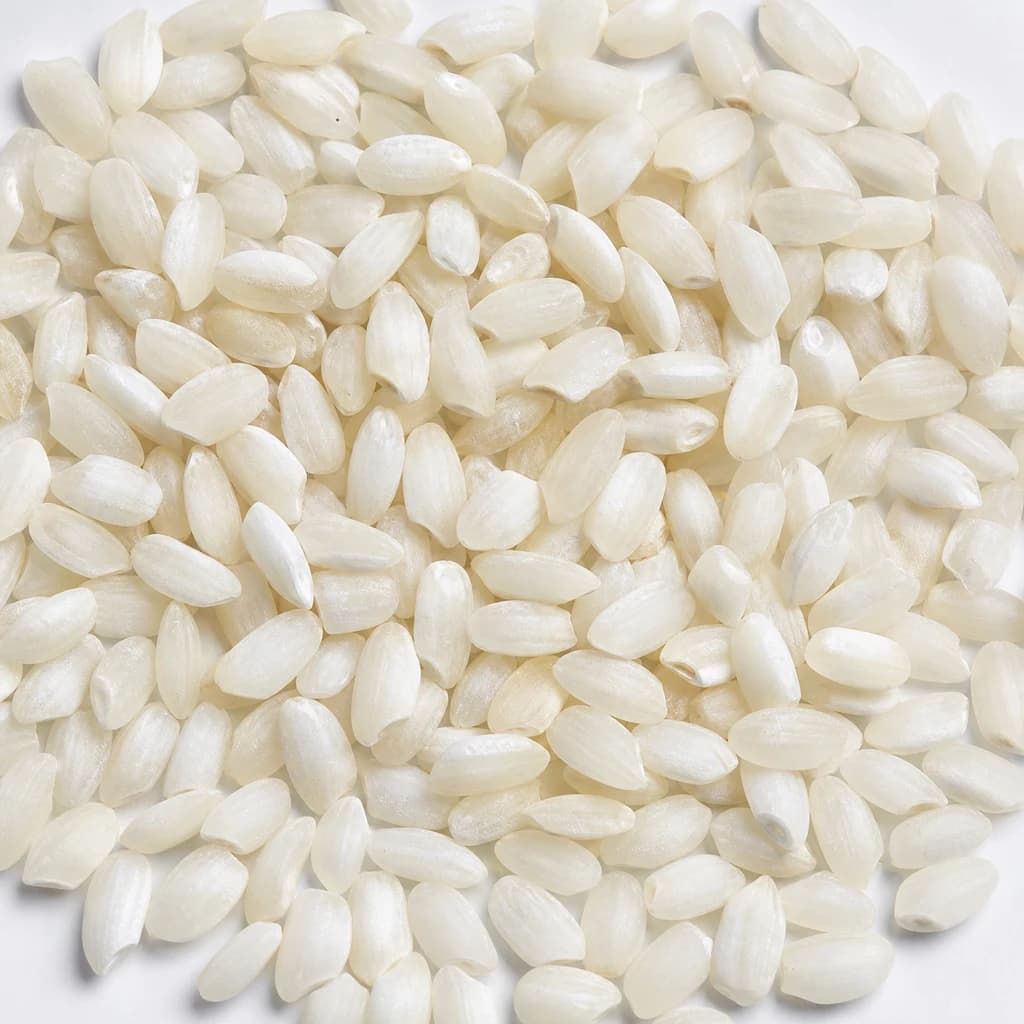
Arborio Rice
Plump, starchy rice that makes risotto creamy
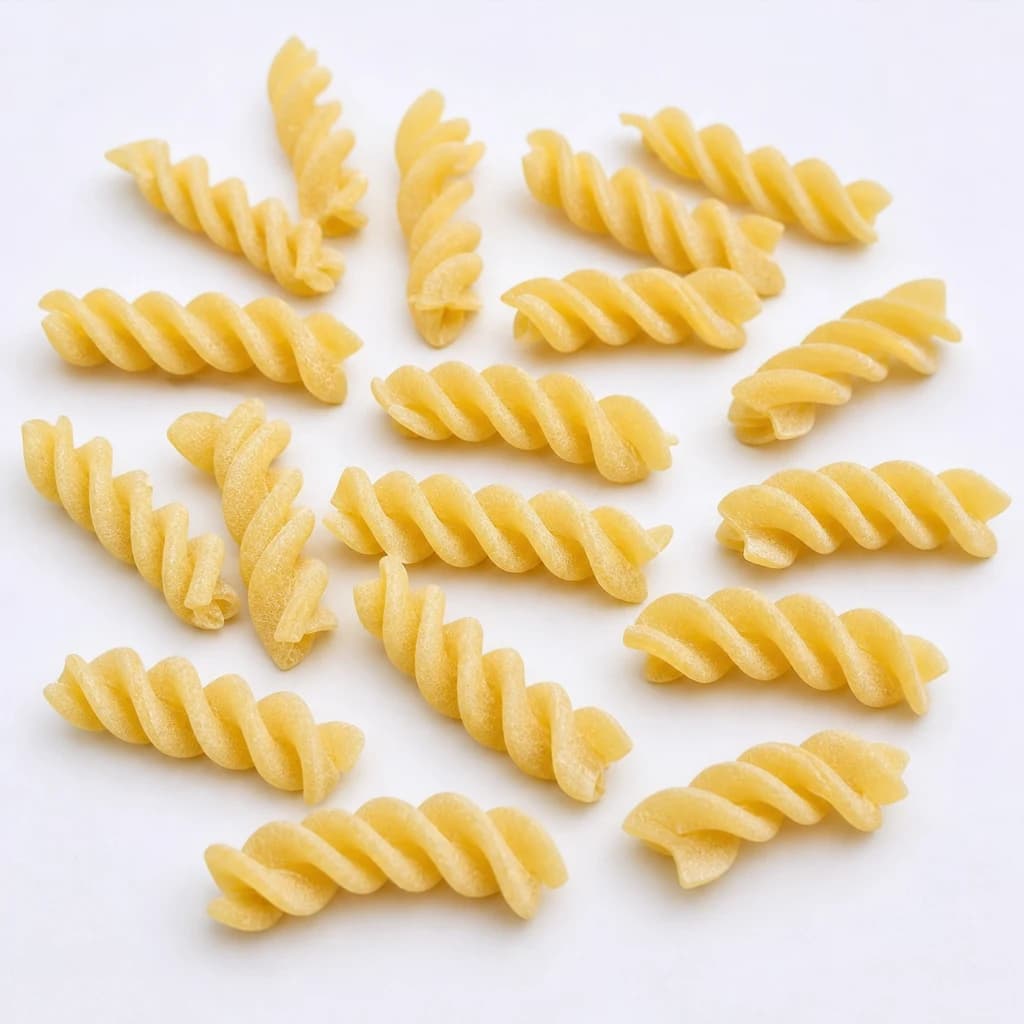
Fusilli
Spiraled pasta that twirls up sauce and dresses cold salads
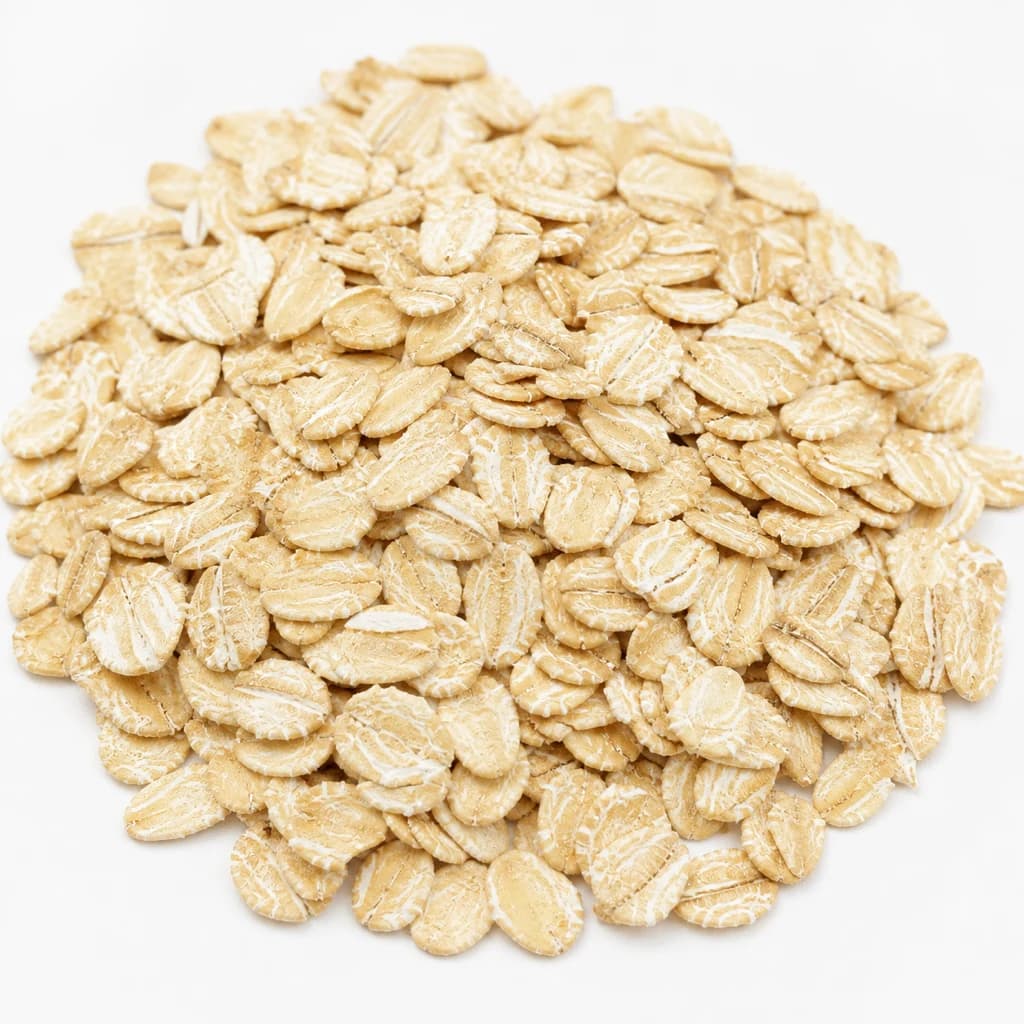
Rolled Oats
Hearty flakes for porridge, granola, and chewy cookies