Baking
Cracker
Crisp, dry baked biscuit eaten with toppings, soups, or cheese.
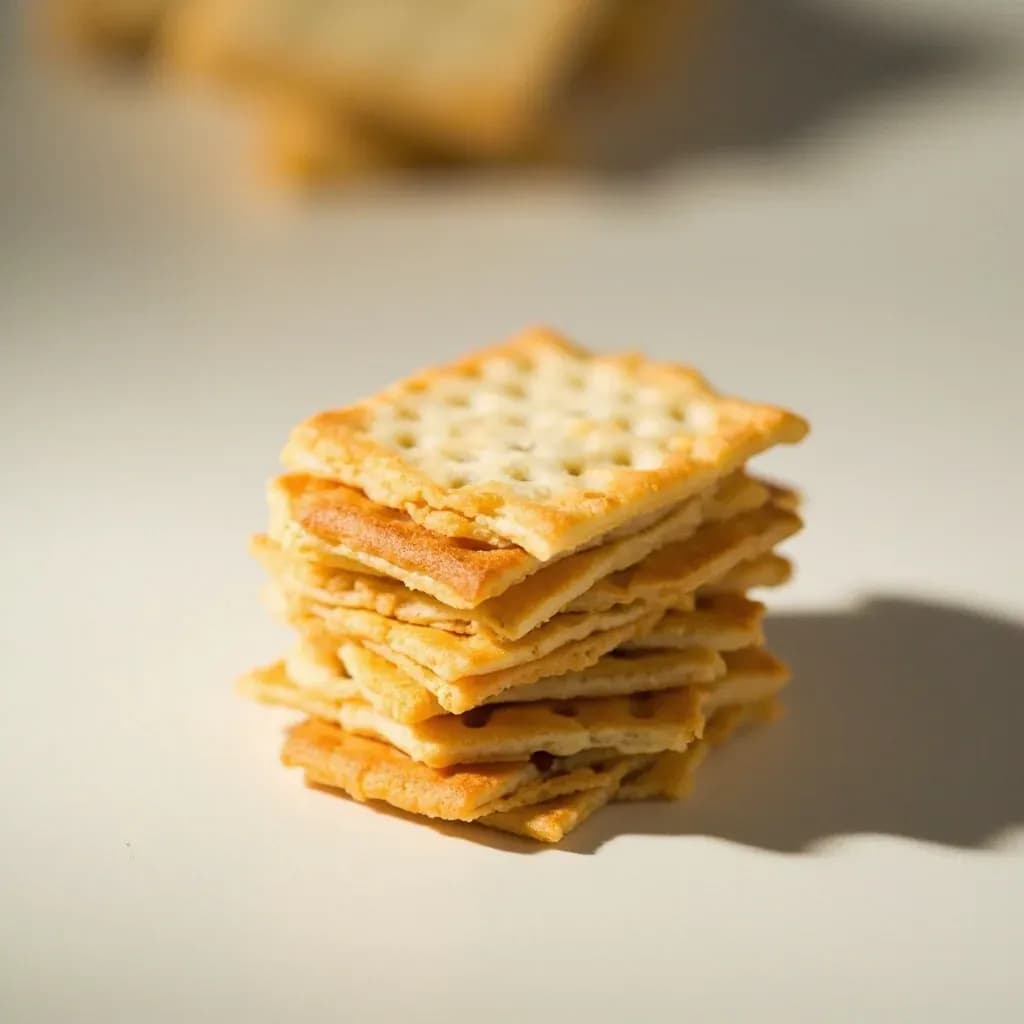
Crackers are thin, crisp, baked goods made mainly from flour and water, sometimes leavened, in styles from plain saltines and soda crackers to seeded artisan and water crackers. They are eaten with cheese, dips, and spreads, crumbled into soups, or snacked on plain. Their dryness gives them a long shelf life.
Crackers are thin, crisp baked biscuits designed as a neutral platform for carrying other flavors. Their defining characteristic is textural contrast—the clean shatter of a well-made saltine against soft cheese, butter, or spreads creates the sensory experience that makes crackers indispensable at cocktail parties, soup bowls, and cheese boards. Unlike bread, crackers are baked until most moisture is driven off, producing a brittle, shelf-stable product that keeps for months when sealed.
In the kitchen, crackers serve three primary functions: as an edible serving vessel for toppings, as a structural ingredient in pie crusts and coatings, and as a pantry staple for quick appetizers. The distinction between cracker and cookie blurs with graham crackers and butter crackers, which contain enough sugar and fat to cross the savory-sweet line—but functionally, a cracker remains lean, crisp, and designed to deliver other flavors rather than dominate the plate.
The classic American saltine was developed in the late 19th century as a shelf-stable bread substitute for sailors and soldiers. The name derives from "crack," describing the characteristic break along perforated stamped lines. Today, crackers range from the utilitarian (plain water crackers) to the flavored (Ritz-style, cheese crackers), but the best ones share a common quality: they enhance what sits atop them without drawing attention to themselves.
- Measured in
- piece
- Storage
- Pantry
Allergens
Types & varieties
Thin, square, stamped with perforations, dusted with salt. Classic soda cracker with a distinct layered bottom.
Plain, unleavened or lightly leavened crisp biscuit. Minimal flavor lets toppings shine.
Unleavened flatbread, crisp and brittle. Central to Passover; plain or flavored versions.
Square, stamped, airy interior with many layers. British classic; good for dunking.
Slightly sweet, flavored with honey and cinnamon. Made from whole wheat flour.
Round with a scalloped edge and a lacy pattern. Plain or sesame-topped.
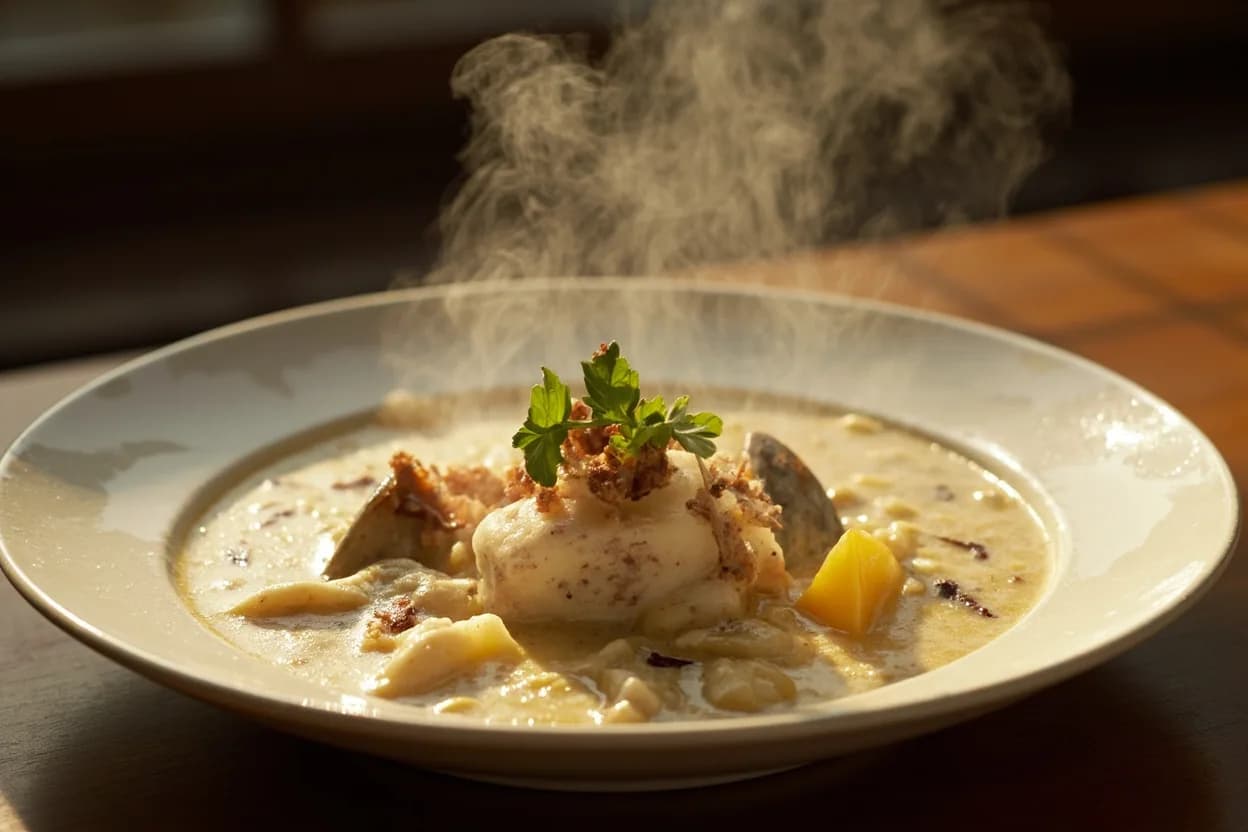
Small, hollow, hexagonal. Classic served with soup or New England clam chowder.
Buttery, ridged, slightly flaky. Available in original, cheese, and garlic varieties.
Wavy rectangular, made from whole wheat. Baked twice for extra crispness.
Dense, crunchy, made with cheddar cheese. Examples: Cheez-It, Goldfish shape.
Extra-leavened, dramatically layered and airy. Flaky texture when broken.
Made with rye flour, caraway seeds. Pairs with smoked fish and cheese.
Common uses
Tips & pitfalls
- Store crackers in an airtight container or zip-lock bag with the air pressed out. Exposure to humidity makes them chewy, not crisp.
- If crackers have lost their snap, spread them on a baking sheet and bake at 325°F (165°C) for 3–5 minutes. Let cool completely before eating—crispness returns as they cool.
- For pie crusts, crush graham crackers or water crackers to uniform fine crumbs using a food processor. Erratic crumb sizes create uneven texture.
- When making a cracker crust, add melted butter gradually and test the mixture by squeezing it—it should clump without being greasy or crumbly.
- Do not confuse matzo with water crackers in baking; matzo is unleavened and produces a different texture in crusts.
- For an elegant appetizer, top a water cracker or social cracker with one high-quality ingredient (herring, Brie, roasted pepper) rather than overcomplicating the bite.
- Salted versus unsalted: if using salted crackers in a crust, reduce or omit added salt in the recipe.
- Thin crackers break cleanly; score thicker crackers with a fork before snapping to control the break.
Nutrition
Energy
2017 kJ · per 100 g
Where the calories come from
Protein
7.1g
14% DV
Carbs
67.6g
25% DV
Fat
20.4g
26% DV
Fiber
3.5g
13% DV
Sugars
12g
of which
Sodium
883mg
38% DV
Source · USDA FoodData Central · Crackers, multigrain
View on FDC →In the shops
Matched grocery products
No matched grocery products for Cracker yet.
Good to know
- Primary ingredients
- Refined wheat flour, water, fat (vegetable oil or butter), leavening (yeast or baking soda), salt
- Typical texture
- Crisp, dry, brittle; often layered or airy
- Leavening
- Yeast (soda crackers) or baking powder (chemical crackers)
- Shape
- Usually square, round, or rectangular; often stamped with patterns
- Toppings
- Coarse sea salt, poppy seeds, sesame seeds, garlic, herbs
- Shelf life
- 6–12 months in sealed packaging; 4–6 weeks after opening while maintaining crispness
- Storage
- Airtight container at room temperature; humidity causes sogginess
- Caloric range
- 70–130 calories per 28 g (about 5–8 crackers), depending on variety
Substitutes
- Panko or dried bread crumbs — For breading and crusts; press and toast them similarly for comparable crunch.
- Tortilla chips (plain) — For snacking with dips; crisps will be less neutral in flavor.
- Pretzels (small, thin) — For snacking and soup; flavor is more assertive.
- Rice crackers — For gluten-free applications; lighter and less structurally sturdy.
- Melba toast — For canapés; similar thin, crisp texture but typically larger slices.
Pairs with
Also called
Soda Cracker · Galleta · Saltine Cracker · Cabin Crackers · Galletti · Water Crackers · Artisan Crackers
Appears in these dishes
Related

All-Purpose Flour
The do-anything flour for bread, cakes, sauces, and dredging

Bread Flour
High-protein flour for chewy, well-risen breads
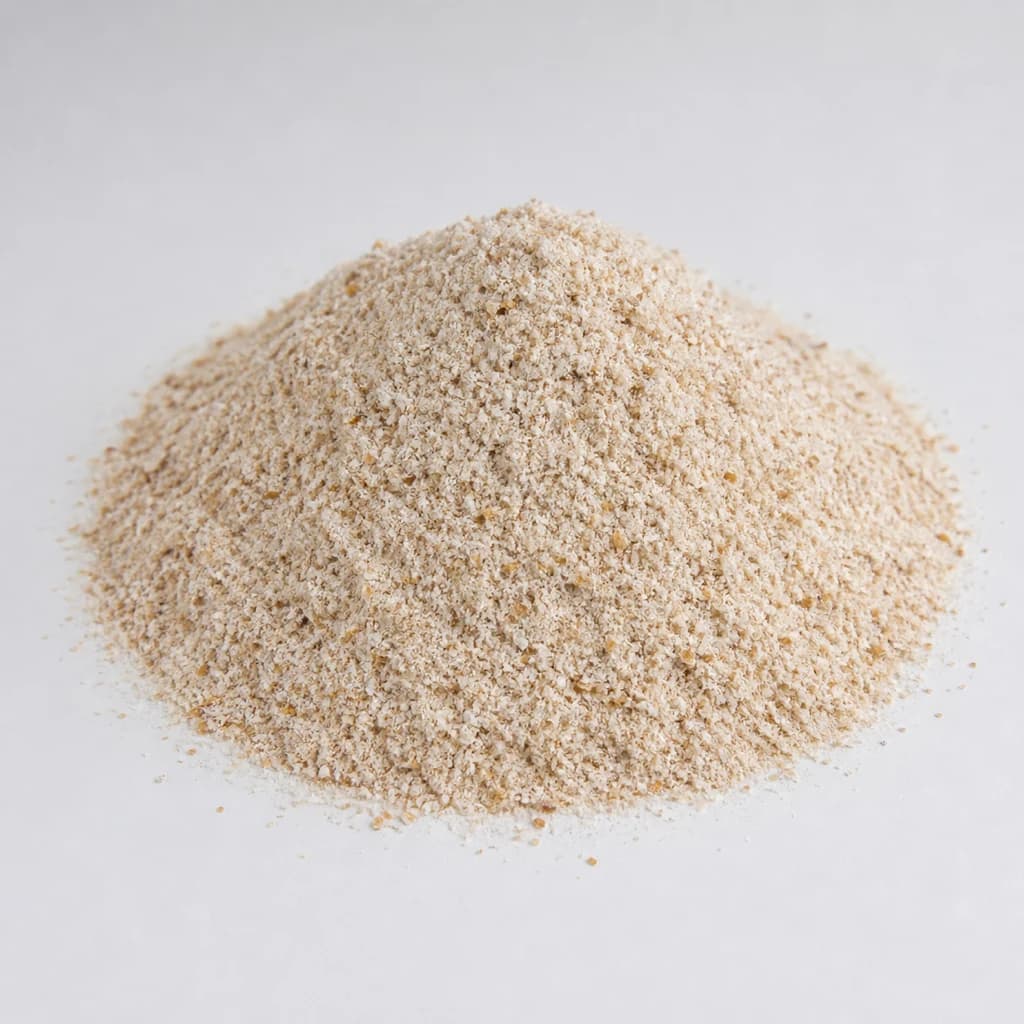
Whole Wheat Flour
Nutty, whole-grain flour for hearty breads and bakes
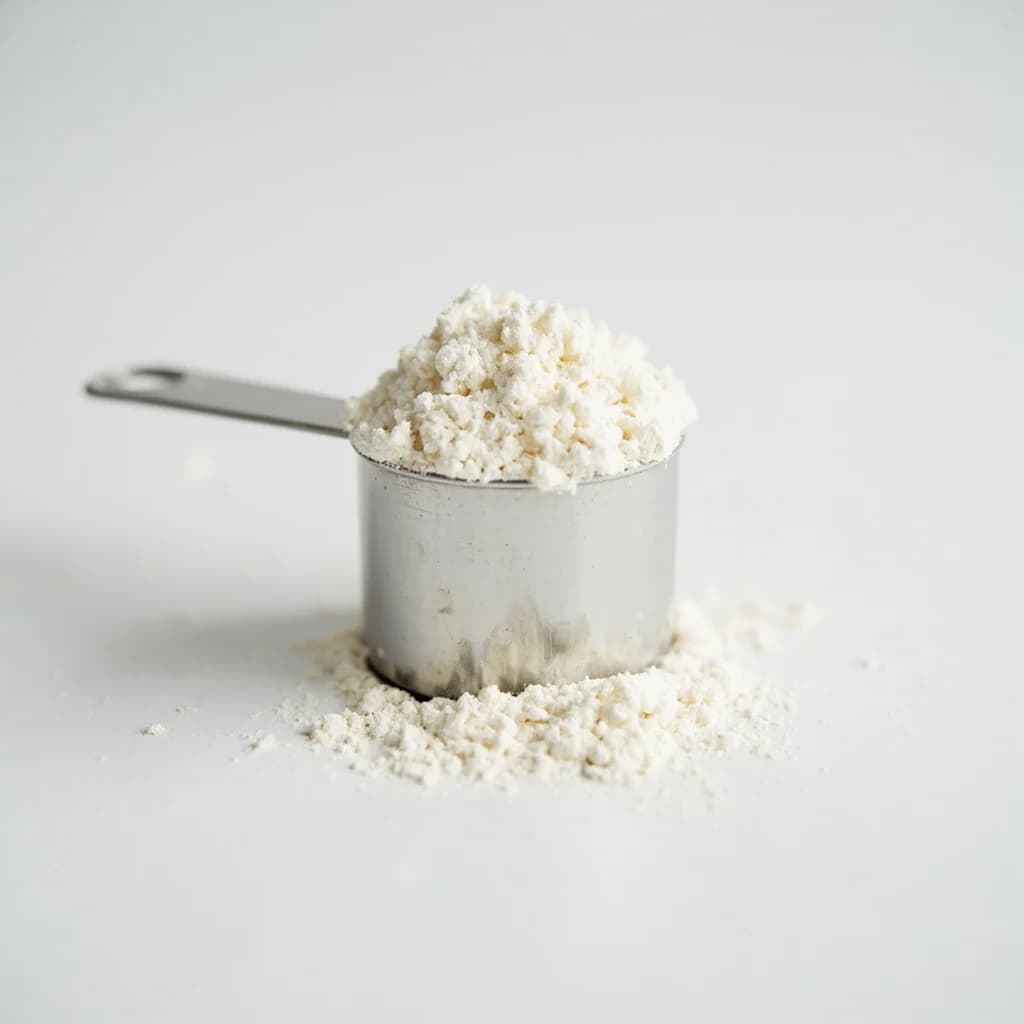
Cake Flour
Fine, low-protein flour for tender, delicate cakes
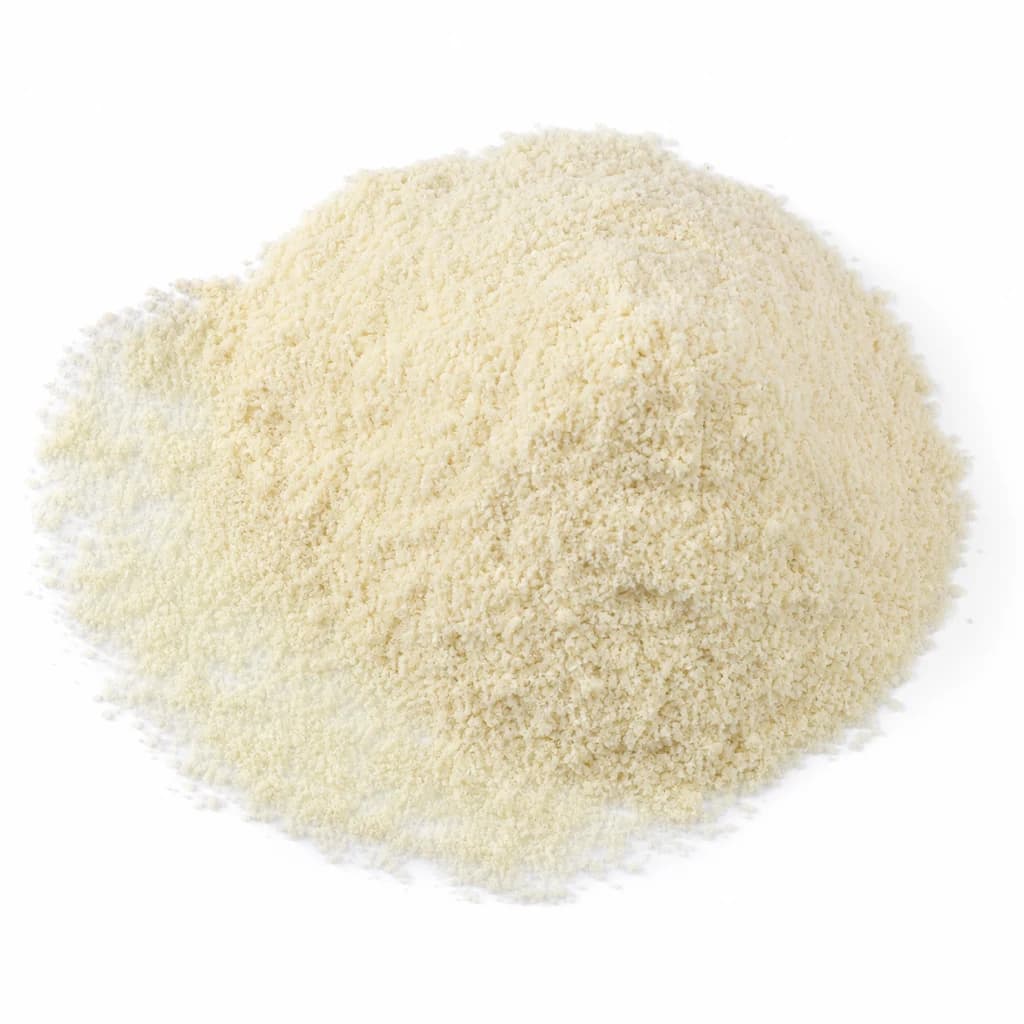
Almond Flour
Nutty, gluten-free flour for macarons and tender bakes

Baking Powder
All-in-one leavener for fluffy cakes, pancakes, and biscuits

Baking Soda
Pure leavener that needs acid to lift — and tenderize
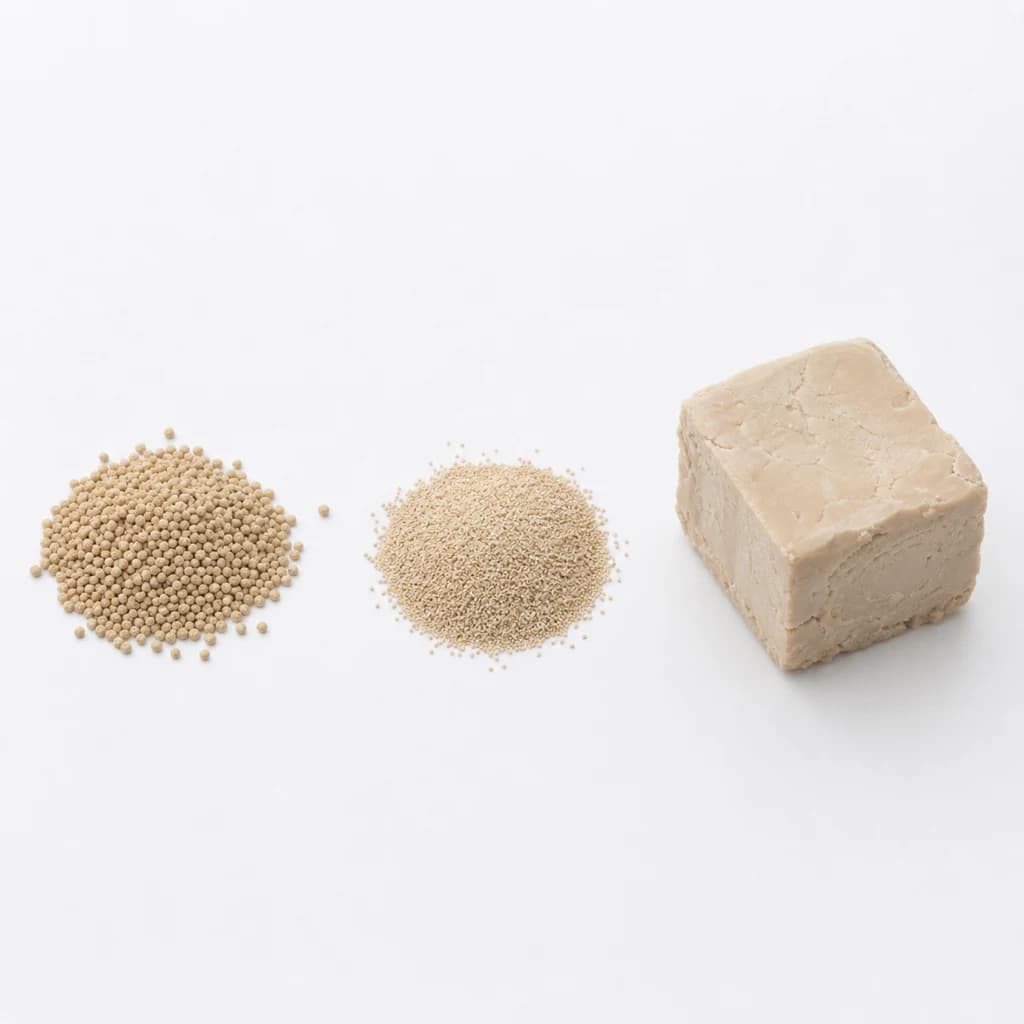
Yeast
Living leaven that makes bread rise and dough come alive