Baking
Water Cracker
Plain, crisp, low-fat crackers made for serving with cheese and toppings.
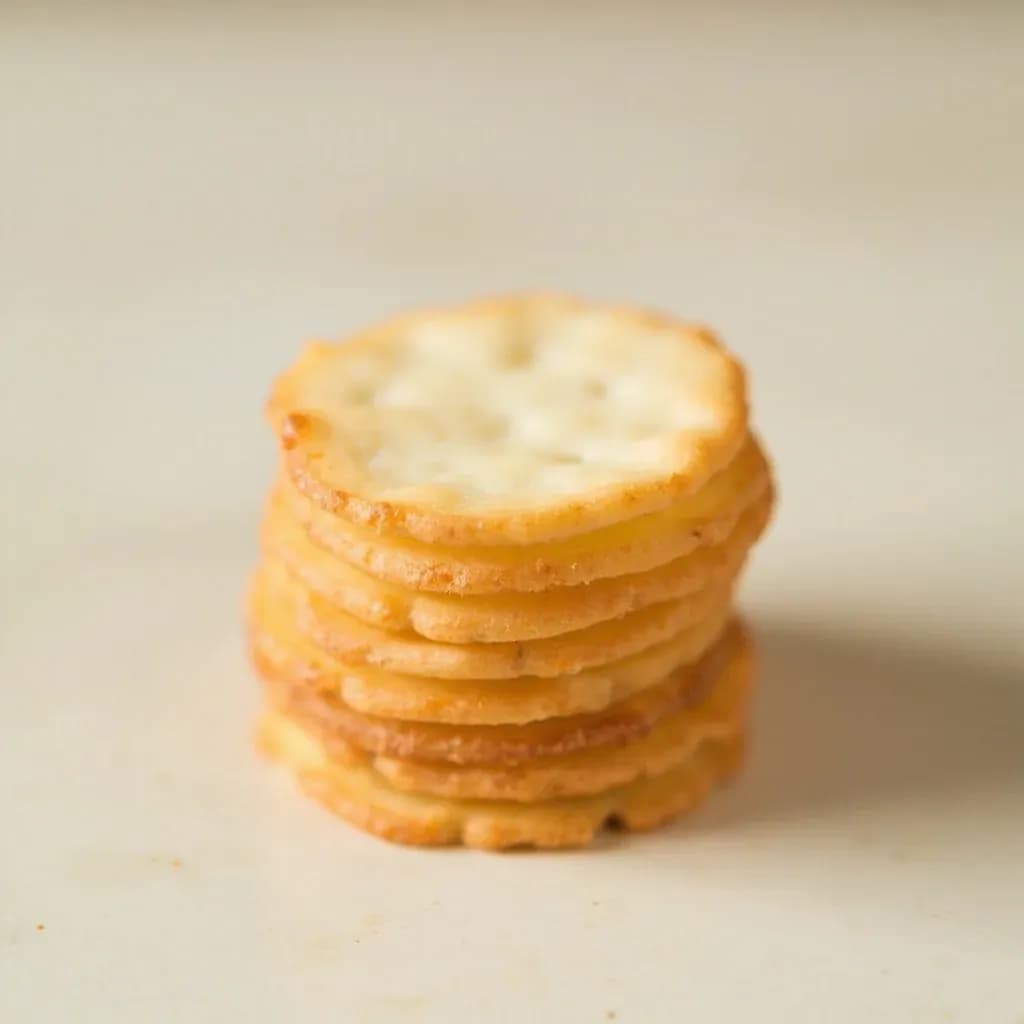
Water crackers are thin, hard, neutral-flavored crackers made simply from flour and water with little or no fat. Their crisp, unobtrusive taste makes them the classic vehicle for cheese, pâté, and dips. They are baked until very dry, giving a long shelf life and a clean snap.
Water crackers are thin, crisp wheat crackers developed in 19th-century Britain as a plain, durable biscuit. Their defining characteristic is minimal fat content—water serves as the primary liquid in the dough, which is why they are called water crackers. This makes them extremely low in fat compared to butter crackers and gives them a pure wheat flavor that does not compete with toppings. The British origin reflects a tradition of serving plain biscuits alongside cheese at the end of meals, a practice that has translated directly into modern cheese board etiquette. Their neutral, slightly salty flavor profile and clean snap make them the ideal blank canvas for cheese, charcuterie, and spreads.
Water crackers are thinner and crisper than saltines, blander than water biscuits (which contain more fat), and more neutral than flavored specialty crackers. Their thin structure—typically less than 3mm—creates a delicate platform that breaks cleanly and delivers toppings without overwhelming them. Commercial brands vary in quality; premium versions are baked longer at lower temperatures, yielding consistently crisp, evenly colored crackers. Look for uniformly golden-brown coloration and avoid any that appear pale or underdone, as these will taste raw.
Proper storage is essential to preserve their defining snap. Exposure to humidity quickly destroys their crispness, so always store opened crackers in an airtight container in a cool, dry place. Unopened packages keep for several months; once opened, they remain crisp for weeks if sealed properly. If crackers have softened, you can restore their snap by arranging them in a single layer on a baking sheet and heating at 325°F (165°C) for 3–5 minutes.
- Measured in
- piece
- Storage
- Pantry
Allergens
Types & varieties
Plain, classic version; the standard retail product most commonly found in stores
Same product under the common British and Commonwealth name; typically interchangeable in recipes and usage
The most recognized commercial brand, produced since 1830 and widely considered the benchmark for quality
Made with whole wheat flour for added nuttiness and fiber; slightly denser texture
Infused with rosemary, thyme, or garlic; available from specialty brands for those who want a more pronounced cracker
Common uses
Tips & pitfalls
- Store in an airtight container or resealable bag immediately after opening; exposure to humidity destroys their snap within hours
- If crackers have softened, restore crispness by arranging in a single layer on a baking sheet and heating at 325°F (165°C) for 3–5 minutes
- Break crackers by hand rather than cutting or biting; this produces a cleaner break and better texture for plating
- Do not overload water crackers with wet or highly moist toppings; their thin structure becomes soggy quickly and loses structural integrity
- Pair with strongly flavored cheeses like aged cheddar, Gruyère, or blue cheese to balance the neutral cracker base and let the cheese shine
- When assembling canapés, add any moist ingredients just before serving to preserve the cracker's crisp structure
- Look for uniformly golden-brown coloration and avoid any that appear pale or underdone, as these will taste raw and floury
- Do not serve water crackers with very soft, runny cheeses that will bleed through the thin base; choose firmer or spreadable-but-thick toppings instead
- Press toppings gently rather than pushing them through; the cracker's brittleness means it can crack under pressure if handled roughly
- For gluten-free needs, rice-based crackers serve as the closest functional substitute despite their different grain character and flavor
Nutrition
Energy
1607 kJ · per 100 g
Where the calories come from
Protein
7.1g
14% DV
Carbs
72.8g
26% DV
Fat
7.1g
9% DV
Fiber
7.1g
25% DV
Sugars
0g
of which
Sodium
571mg
25% DV
Source · USDA FoodData Central · Crackers, water biscuits
View on FDC →In the shops
Matched grocery products
No matched grocery products for Water Cracker yet.
Good to know
- Origin
- United Kingdom, 19th century, developed by British bakers as a plain, durable biscuit
- Main Ingredients
- Wheat flour, water, salt; traditionally contains little to no fat
- Texture
- Crisp, thin, and brittle, with a clean snap when broken
- Flavor
- Mild, neutral, slightly salty; pure wheat character
- Fat Content
- Very low, typically under 3%
- Shape
- Usually round or square, approximately 2–3 inches in diameter
- Thickness
- Thinner than saltines, usually less than 3mm
- Shelf Life
- Several months unopened; weeks in airtight container once opened
- Storage
- Cool, dry place in sealed container to maintain crispness
Substitutes
- Matzo — Similar plain, crisp texture; works well for Passover use or as a direct substitute in most applications
- Table Water Crackers — Same product sold under different brand names; functionally identical and the most direct substitute
- Lavosh or Lavash Crackers — Flatter and larger format, but shares the crisp, neutral character; break into smaller pieces before serving
- Ritz-Style Buttery Crackers — Contains more fat but similar snap and neutral flavor; acceptable substitute if dietary fat is not a concern
- Simple Saltine Crackers — Contains more fat and salt but similar structural role; slightly different texture but functions well for most uses
Pairs with
Also called
Water Biscuit · Cracker
Appears in these dishes
Related

All-Purpose Flour
The do-anything flour for bread, cakes, sauces, and dredging

Bread Flour
High-protein flour for chewy, well-risen breads
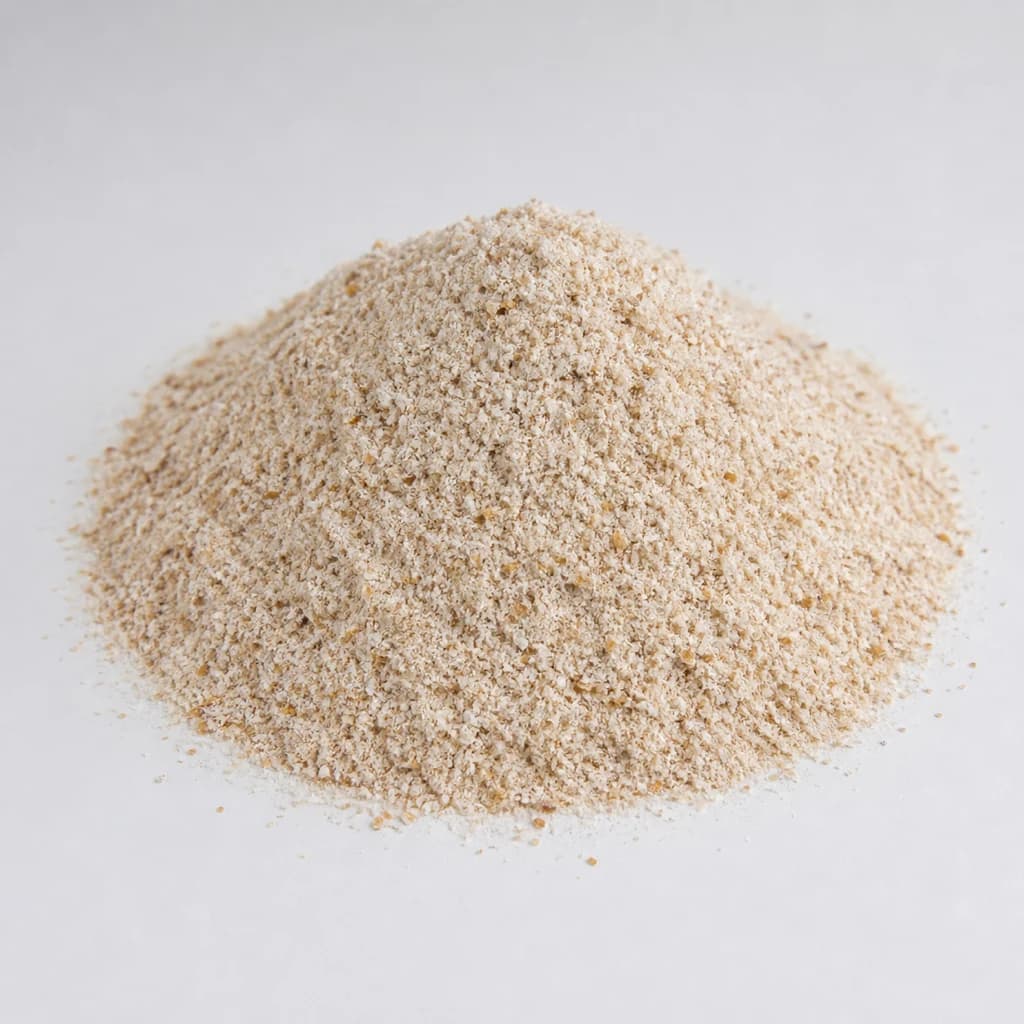
Whole Wheat Flour
Nutty, whole-grain flour for hearty breads and bakes
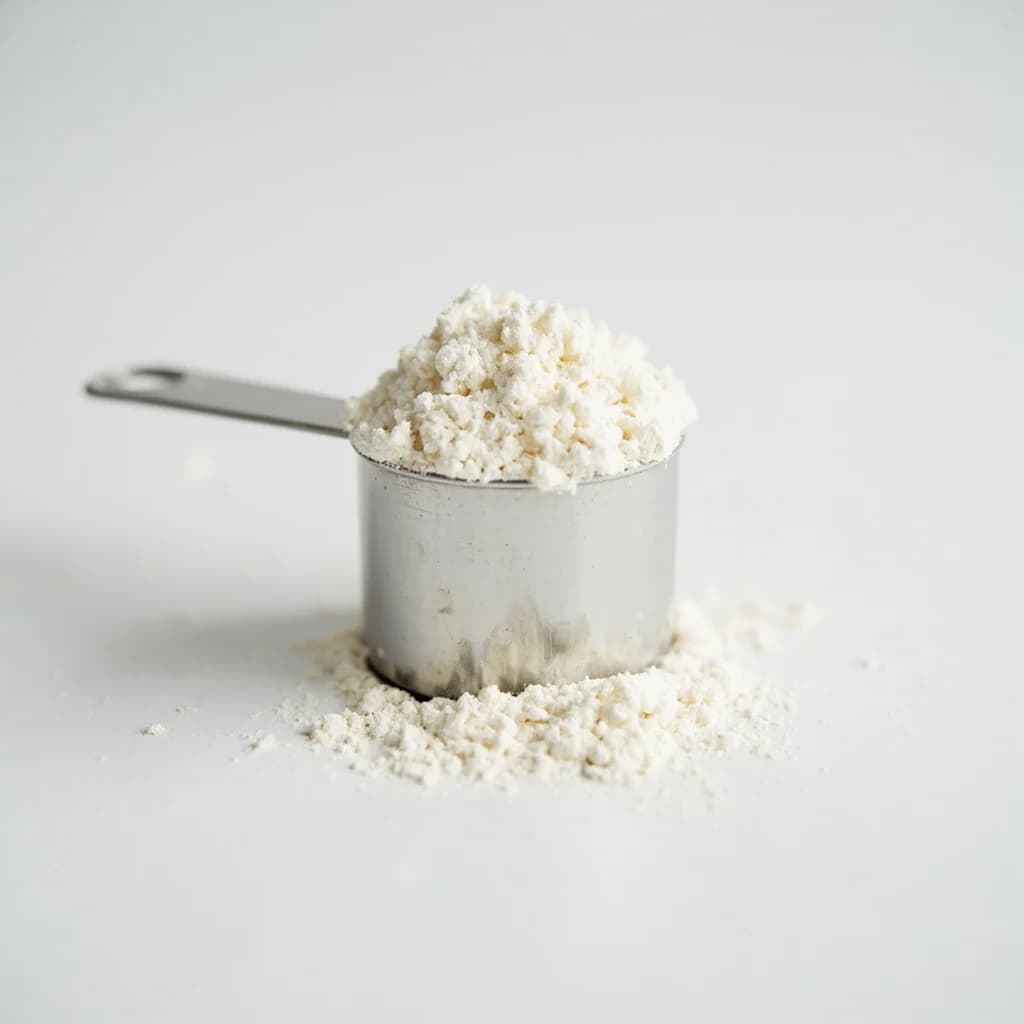
Cake Flour
Fine, low-protein flour for tender, delicate cakes
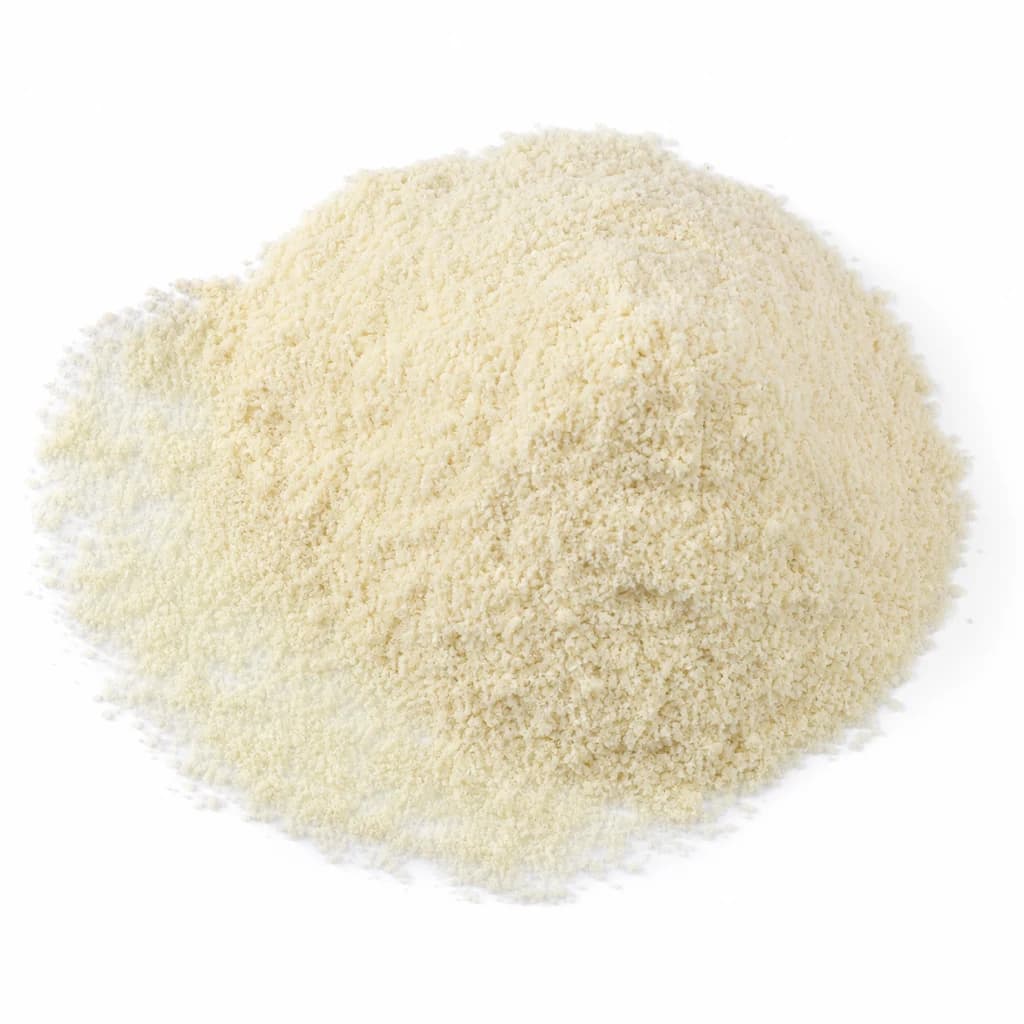
Almond Flour
Nutty, gluten-free flour for macarons and tender bakes

Baking Powder
All-in-one leavener for fluffy cakes, pancakes, and biscuits

Baking Soda
Pure leavener that needs acid to lift — and tenderize
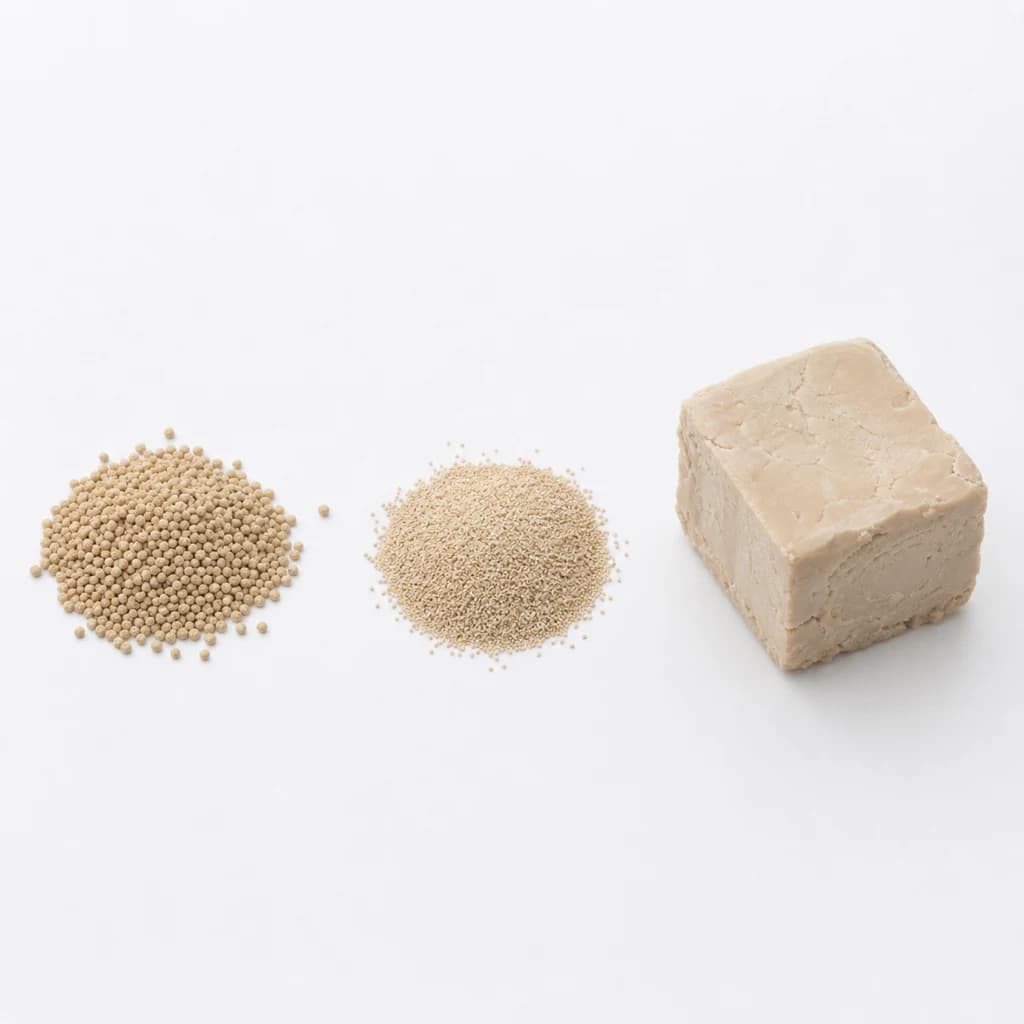
Yeast
Living leaven that makes bread rise and dough come alive