Grains & Rice
Sannas (Steamed Rice Cake)
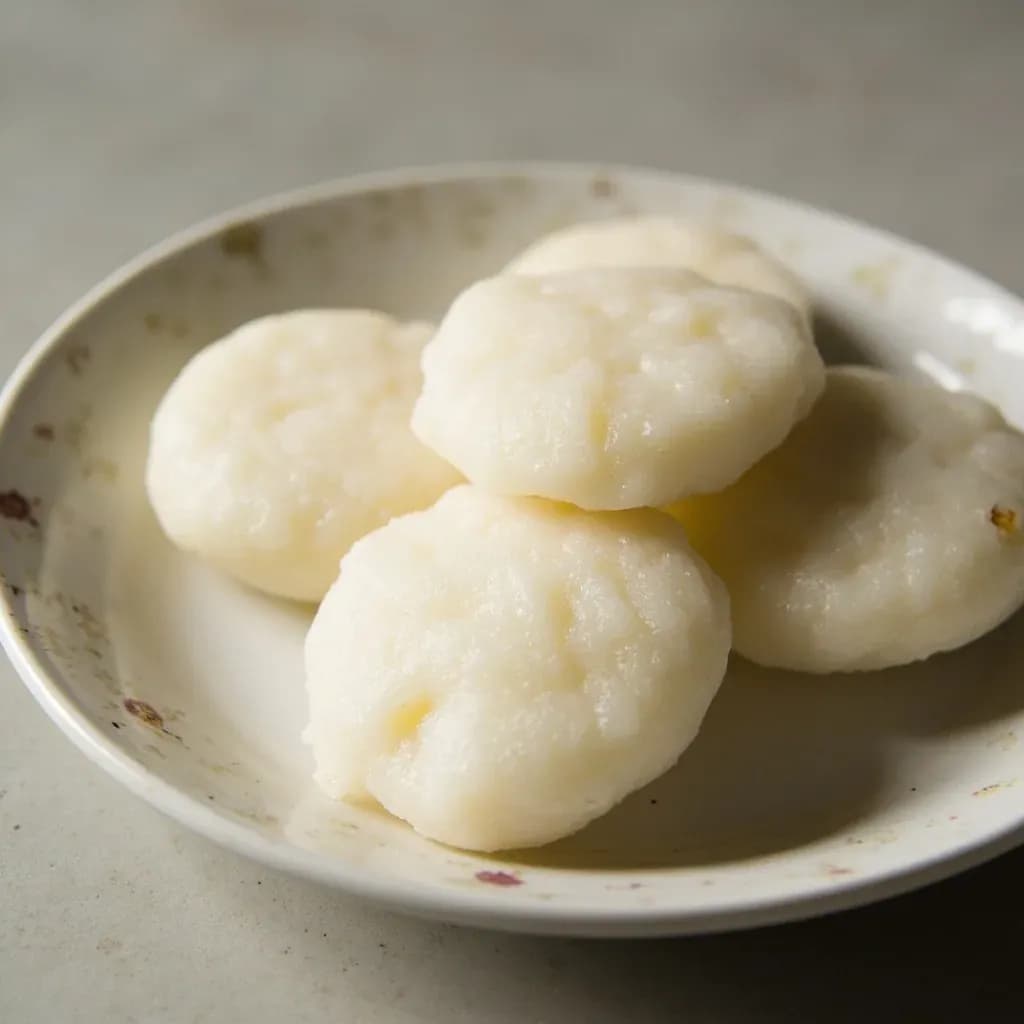
Soft, fluffy Goan steamed rice cakes leavened with toddy or yeast.
Sannas are spongy, slightly sweet steamed rice cakes from Goa and the Konkan coast, made from a fermented batter of ground rice and coconut. Traditionally leavened with palm toddy (now often yeast), they puff up soft and pillowy when steamed in small rounds. They are served alongside spicy curries like sorpotel and vindaloo.
Sannas are soft, fluffy steamed rice cakes that hold a cherished place in Goan Catholic cuisine. Unlike other rice cakes, sannas rely on fermentation with toddy (palm wine) or yeast to develop their characteristic light, spongy crumb and subtly tangy flavor. The traditional preparation uses raw rice ground with coconut milk, sweetened lightly with sugar, and steamed in individual moulds called sanna kallachi—historically made of bell metal with intricate patterns. The fermentation process, which takes 8–12 hours, does more than leaven the batter; it creates a mild complexity that balances the richness of the Goan curries they accompany. Sannas are inseparable from celebration—appearing at Christmas, Easter, weddings, and other festive occasions as both practical bread and symbolic offering. The toddy version is the gold standard; fresh toddy collected from coconut palms is sold at toddy shops throughout Goa, and its mildly sweet, complex fermentation flavor cannot be fully replicated with commercial yeast, though the yeast version is a perfectly acceptable modern substitute for those outside Goa.
- Measured in
- piece
- Storage
- Fridge
Types & varieties
Traditional version; toddy imparts a distinctive mild sweetness and complex fermentation flavor that yeast cannot fully replicate.
Modern urban substitute; uses instant yeast for leavening. Faster and more predictable but lacks toddy's characteristic depth.
Batter with added urad dal (black gram) is spread thin on a tawa and cooked like a dosa; a savory adaptation.
Additional sugar makes them dessert-like; sometimes flavored with cardamom for special occasions.
The Role of Toddy
Toddy—fresh palm wine collected from the spadix of the coconut palm—is the defining traditional element of authentic sannas. It serves triple duty: leavening agent, sweetener, and flavor builder. The wild yeasts present in toddy create a more complex fermentation than commercial yeast alone, producing subtle fruity and floral notes that mellow during steaming. Toddy shops throughout Goa supply fresh toddy daily for cooking; it must be used within 24 hours of collection. Urban and diaspora cooks without access to fresh toddy routinely substitute instant yeast, which produces acceptable but perceptibly different results. Goan purists insist the toddy version is irreplaceable for the authentic experience.
- Fresh toddy ferments faster than commercial yeast; start checking batter at 6 hours if using toddy
- Toddy's sugar content varies; taste your toddy first and adjust added sugar accordingly
- If toddy is unavailable, dissolve 1 teaspoon instant yeast in 2 tablespoons warm water as a reliable substitute
Choosing and Preparing Moulds
Traditional sanna kallachi are small bell-metal (kansa) moulds with intricate indentations that give the cakes their characteristic ribbed surface. These are treasured family heirlooms in Goan Catholic homes. For modern cooks, standard idli trays or individual silicone muffin cups work well. The key is generous greasing—sannas are delicate and stick easily. Coconut oil is traditional and adds a faint fragrance; ghee works equally well. Metal idli cups should be well-oiled; silicone cups release more easily but may produce a smoother surface without the traditional texture.
- Standard idli moulds: 12-cup trays yield 12 medium sannas
- Fill moulds only 3/4 full; the batter rises significantly during steaming
- Wipe moulds dry before greasing; water causes uneven oil distribution and sticking
Common uses
Tips & pitfalls
- The toddy-to-batter ratio matters: too little results in dense, unleavened cakes; too much yields overly sour flavor and weak structure. Start with roughly 1 part toddy to 4–5 parts prepared rice batter by volume.
- Fermentation is temperature-dependent. In Goa's warm climate, 8 hours suffices; in cooler climates, allow up to 12–14 hours or place the covered batter in a warm oven (85–95°F / 29–35°C) to maintain warmth.
- Do not overmix the batter after adding toddy or yeast. Fold gently to incorporate; vigorous stirring deflates the bubbles and produces a dense, heavy texture.
- The batter should be pourable like thick cream, not thick like idli batter. If too thick, the sannas will be heavy in the center with raw-tasting cores.
- Grease moulds generously with coconut oil or ghee to ensure clean release; sannas are delicate and stick easily, especially at the bottom and sides.
- Test doneness by inserting a toothpick or skewer into the center; it should come out clean. An undercooked center will be gummy and unpleasant.
- Sannas are best eaten immediately after steaming while fluffy. They deflate and dry within a few hours; refrigerating causes them to become dense and rubbery.
Nutrition
Energy
1418 kJ · per 100 g
Where the calories come from
Protein
7g
14% DV
Carbs
44.3g
16% DV
Fat
15.2g
19% DV
Fiber
1g
4% DV
Sodium
339mg
15% DV
Source · USDA FoodData Central · approx. Cake, coffeecake, cheese
View on FDC →In the shops
Matched grocery products
No matched grocery products for Sannas (Steamed Rice Cake) yet.
Good to know
- Origin
- Goa, India; traditional to Goan Catholic cuisine
- Leavening Agent
- Toddy (palm wine) or instant yeast
- Primary Ingredients
- Raw rice, coconut milk, sugar, salt, toddy or yeast
- Cooking Method
- Steaming in small moulds (sanna kallachi or idli cups)
- Fermentation Time
- 8–12 hours at room temperature (6–8 hours if using fresh toddy)
- Steaming Time
- 15–20 minutes
- Yield
- 12–16 individual cakes per standard recipe
- Flavor Profile
- Subtly tangy from fermentation, mildly sweet, soft and spongy texture
Substitutes
- Idli — Made from rice and urad dal batter; denser and less sweet. Not a close flavor substitute but workable for a similar steamed rice cake in a pinch.
- Putu Mayang — Indonesian/Malaysian steamed rice cake made with rice flour and coconut; similar fluffy texture but lacks the fermentation tang that defines sannas.
- Idli Rava (Cream of Rice) — Pre-ground rice semolina can be used with yeast for a shortcut sanna-style cake, though traditionalists consider this inferior in both texture and flavor.
Also called
Steamed Rice Cake · Goan Sannas
Related

White Rice
Fluffy long-grain rice — the neutral base for almost any meal

White Bread
Soft sandwich loaf for toast, sandwiches, and crumbs
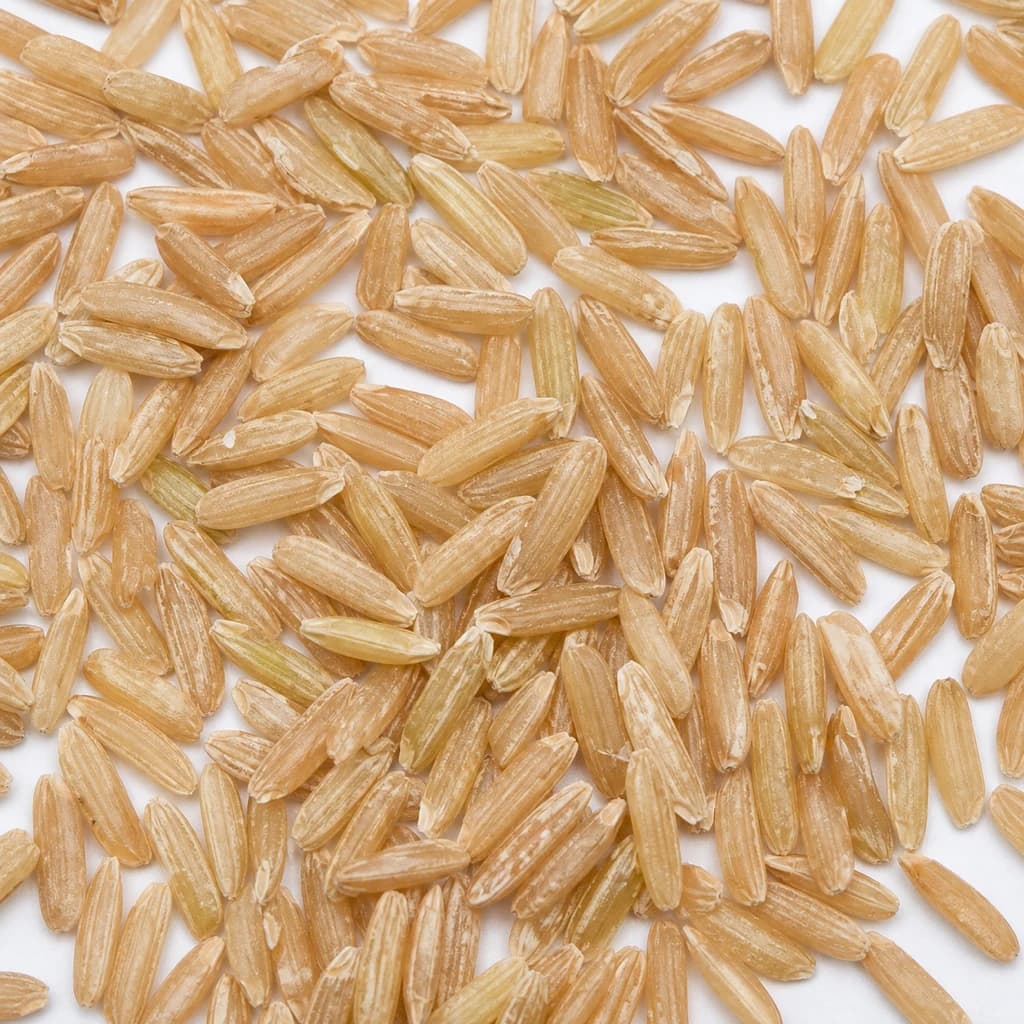
Brown Rice
Nutty, whole-grain rice with chew and extra fiber

Basmati Rice
Fragrant, long-grain rice that cooks up light and separate
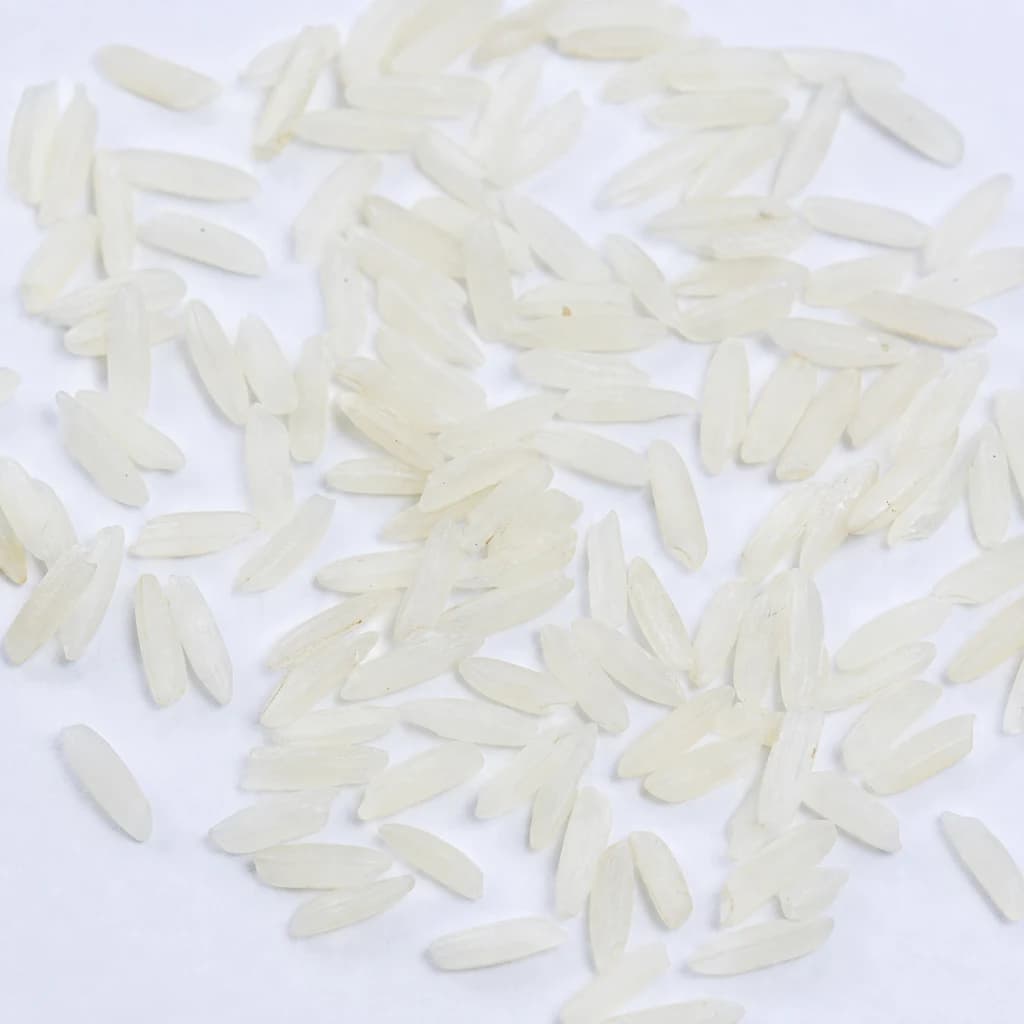
Jasmine Rice
Soft, floral-scented rice that's the pillar of Thai meals
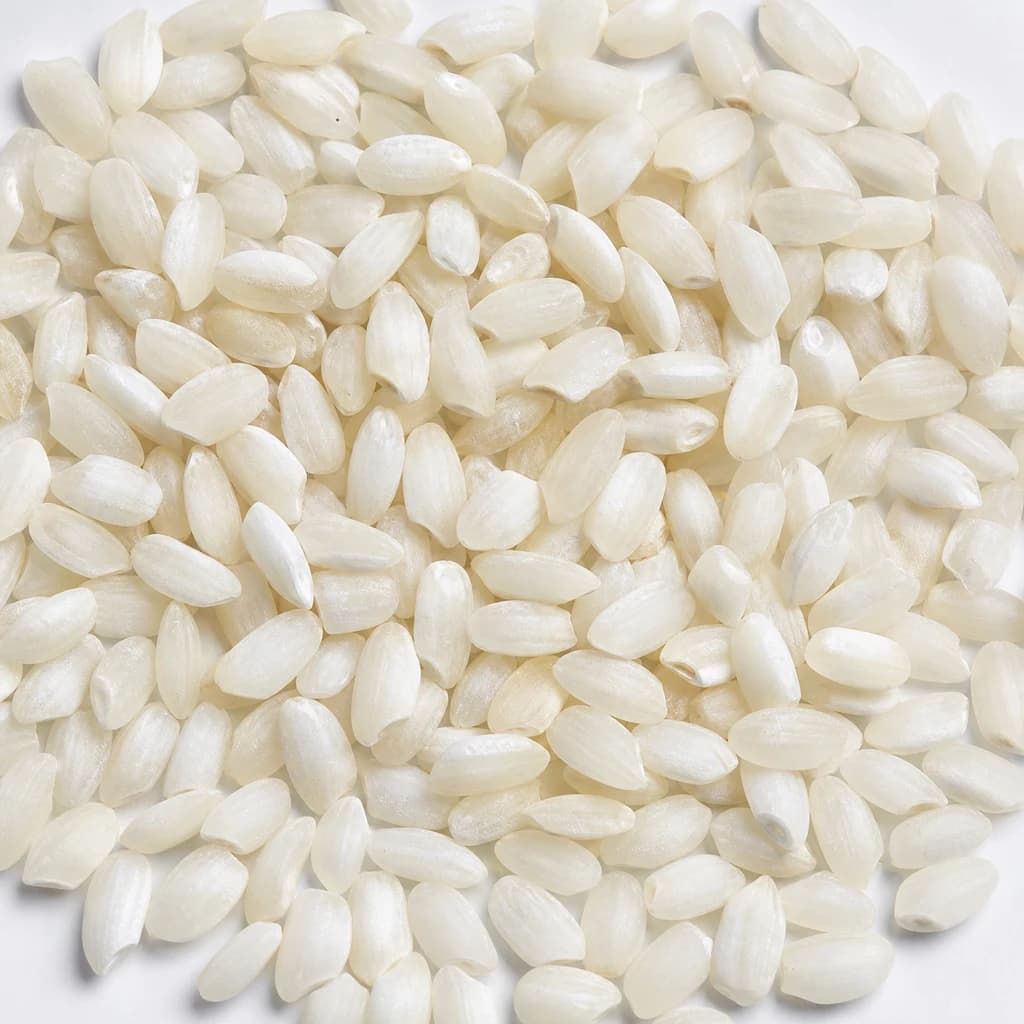
Arborio Rice
Plump, starchy rice that makes risotto creamy
Fusilli
Spiraled pasta that twirls up sauce and dresses cold salads
Rolled Oats
Hearty flakes for porridge, granola, and chewy cookies