Grains & Rice
Sorghum Meal
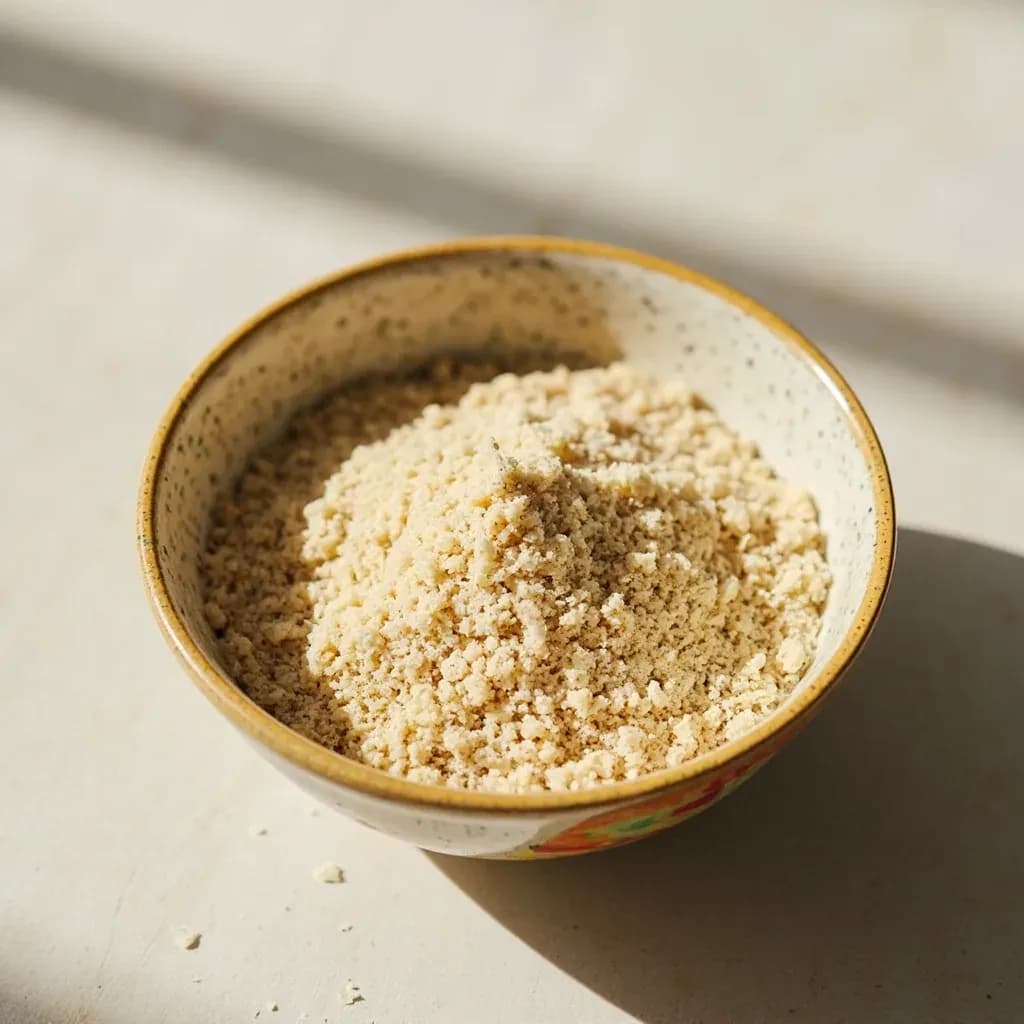
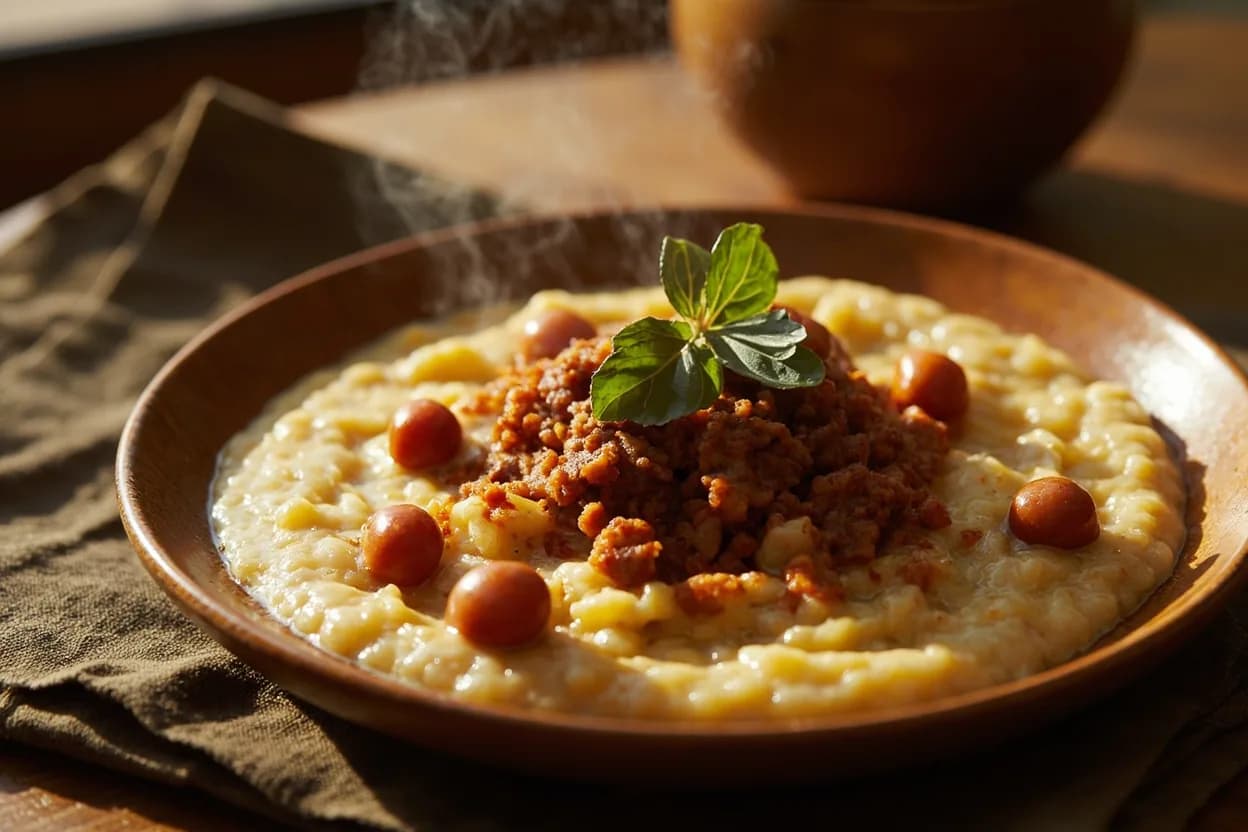
Coarse ground sorghum cooked into thick Southern African porridge.
Sorghum meal is coarsely milled sorghum grain, slightly grittier than sorghum flour. Across Southern Africa it is cooked with water into stiff or soft porridge, known as mabele, eaten for breakfast or as a staple side. Naturally gluten-free, it has a mild, earthy, faintly sour taste.
Sorghum meal is the coarse-ground form of sorghum, an ancient grain cultivated in West Africa for over 5,000 years and now grown worldwide. Unlike finely milled sorghum flour, meal retains a gritty, granular texture similar to polenta or coarse cornmeal. It is typically stone-milled to preserve the whole grain—bran, germ, and endosperm—giving it superior nutrition compared to refined grains. The flavor is mildly sweet and nutty with an earthy undertone, subtler than corn, making it a versatile canvas for both savory and sweet preparations.
This ingredient forms the backbone of daily cuisine across Sub-Saharan Africa and parts of India. In Zimbabwe it becomes sadza, in South Africa and Botswana it is ugali, and in Malawi it is nsima—everywhere cooked into a thick, hand-rolled porridge that accompanies vegetable and legume stews. The grain's natural gluten-free quality has also made it increasingly valuable in Western kitchens for those avoiding wheat, though it performs differently than wheat flour in baked goods and requires adjustment in technique and formulation. The coarse grind means it absorbs liquid differently than fine flour, and understanding this behavior is key to successful cooking.
Sorghum meal behaves predictably when cooked: it thickens steadily as it absorbs liquid, and the finished porridge can be sliced once cooled, holding its shape when served alongside stews. Its high iron, fiber, and protein content, combined with a lower glycemic index than wheat or rice, make it nutritionally compelling. Storage is straightforward—up to six months in a cool, dry place in an airtight container, with refrigeration extending shelf life. A heavy-bottomed pot and sturdy whisk are the essential tools for porridge preparation, while a fine-mesh sieve helps achieve smooth results for more refined applications.
- Measured in
- g
- Storage
- Pantry
Types & varieties
Mildest flavor; preferred for porridges and flatbreads throughout Africa and India
Slightly stronger, earthier flavor; common in traditional Indian jowar rotla
Snackable; smaller and crunchier than popcorn; used as garnish or standalone snack
Different plant variety used for syrup production, not for meal or flour
Cooking Porridge (Sadza, Ugali, Nsima)
The traditional preparation across Southern Africa produces a thick, sliceable porridge that serves as both starch and accompaniment. The technique requires attention to ratio, timing, and resting.
- Standard ratio is roughly 3 parts liquid to 1 part meal by volume for a thick, firm result
- Add meal to boiling liquid gradually while whisking or stirring constantly to prevent lumps
- Cook over medium heat, stirring frequently as it thickens, for 8–12 minutes
- Cover and rest 5 minutes after cooking—the porridge continues to thicken off heat
- Serve by portioning into bowls and topping with stews; traditionally eaten by hand, rolled into balls with the right hand
Using in Baking
Sorghum meal is not a direct 1:1 substitute for wheat flour in most baking applications. Its lack of gluten means it produces denser results without proper formulation adjustments.
- Combine with tapioca starch and potato starch for better rise and lighter texture in gluten-free breads and cakes
- Do not overmix batters—overworking develops no gluten network and simply deflates the batter
- For crumbly textures like pie crusts or crisps, meal works well as-is
- Sift before using to break up any clumps and ensure even distribution in batter
Common uses
Tips & pitfalls
- Toast the meal briefly in a dry pan before cooking to enhance its nutty flavor—skip this for a milder result
- Add liquid gradually and stir constantly from the moment meal contacts liquid to prevent hard lumps that won't break down
- Let porridge rest covered for 5 minutes after cooking; it continues to thicken off heat and develops better structure
- For baking, combine sorghum meal with tapioca starch and potato starch in roughly equal proportions for better rise and texture
- Do not overmix batters or doughs—sorghum lacks gluten, and overworking produces dense, tough results with no benefit
- The 3:1 liquid-to-meal ratio produces thick, sliceable porridge; use 4:1 for softer porridge or 2.5:1 for very firm loaves
- Use a heavy-bottomed pot to prevent scorching, which imparts bitter notes to the finished porridge
- Store in an airtight container in a cool dry place; for best flavor and nutrition, use within 6 months or refrigerate
Nutrition
Nutrition
No USDA FoodData Central match for Sorghum Meal yet. We surface a per-100 g profile once a generic whole-food entry is matched and verified.
In the shops
Matched grocery products
No matched grocery products for Sorghum Meal yet.
Good to know
- Origin
- West Africa, cultivated for over 5,000 years; staple in African and Indian cuisine
- Color
- Cream to tan; reddish or brown depending on variety
- Flavor
- Mildly sweet, nutty, corn-like but subtler; slightly earthy
- Texture
- Coarse grind similar to polenta or coarse cornmeal
- Composition
- Whole grain with bran, germ, and endosperm when stone-milled
- Gluten
- Naturally gluten-free—verify cross-contamination if needed for celiac diets
- Storage
- Airtight container, cool dry place; up to 6 months; refrigerate for longer shelf life
- Nutrients
- High in iron, fiber, protein, and B vitamins; lower glycemic index than wheat or rice
Substitutes
- Coarse Cornmeal — Most direct substitute for porridge preparations; similar texture, cooking method, and mildly sweet flavor
- Millet Flour — Comparable mild flavor with slightly smaller grain; works well for porridges and flatbreads
- Fine Polenta — Similar coarse texture for baking applications; may require slight cooking time adjustment
- Brown Rice Flour — Better for baking than porridge; lacks sorghum's slight sweetness and produces different texture
Pairs with
Also called
Mabele
Appears in these dishes
Related

White Rice
Fluffy long-grain rice — the neutral base for almost any meal

White Bread
Soft sandwich loaf for toast, sandwiches, and crumbs
Brown Rice
Nutty, whole-grain rice with chew and extra fiber

Basmati Rice
Fragrant, long-grain rice that cooks up light and separate
Jasmine Rice
Soft, floral-scented rice that's the pillar of Thai meals
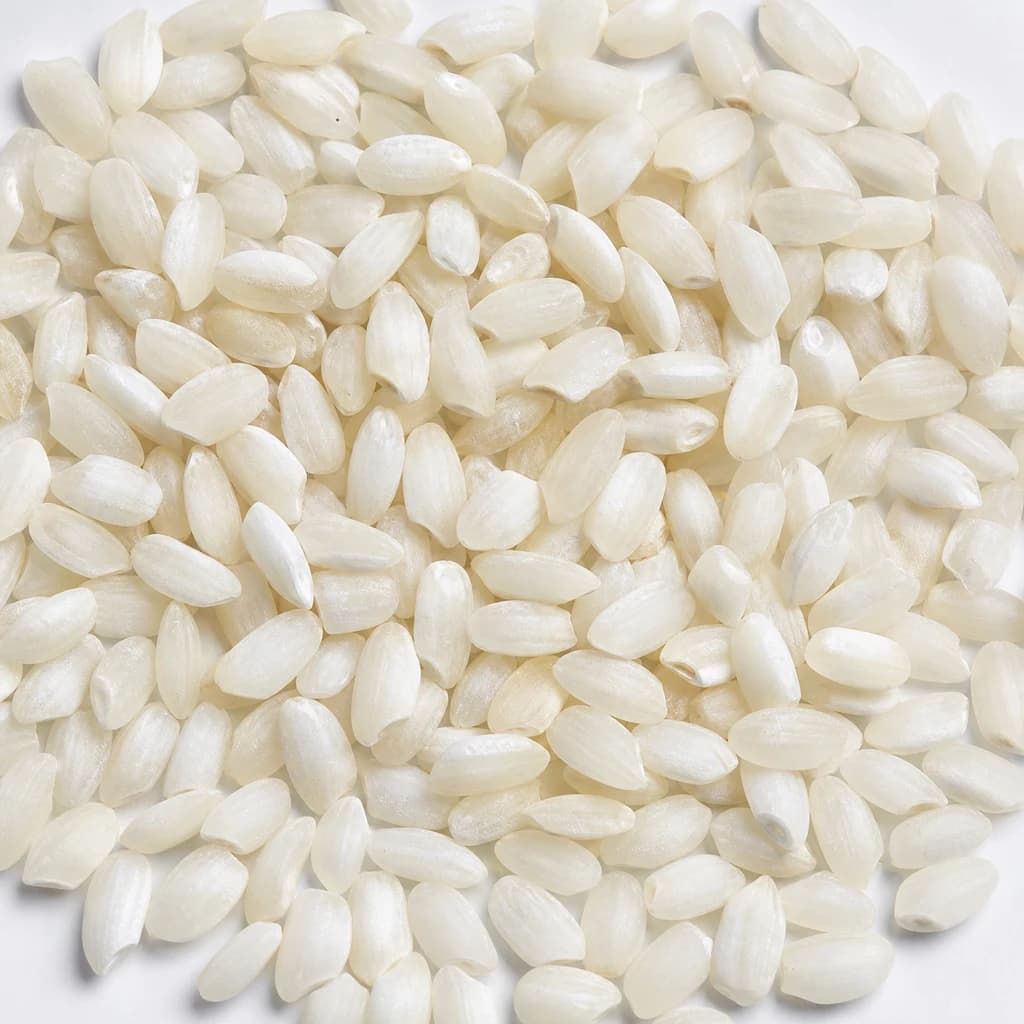
Arborio Rice
Plump, starchy rice that makes risotto creamy
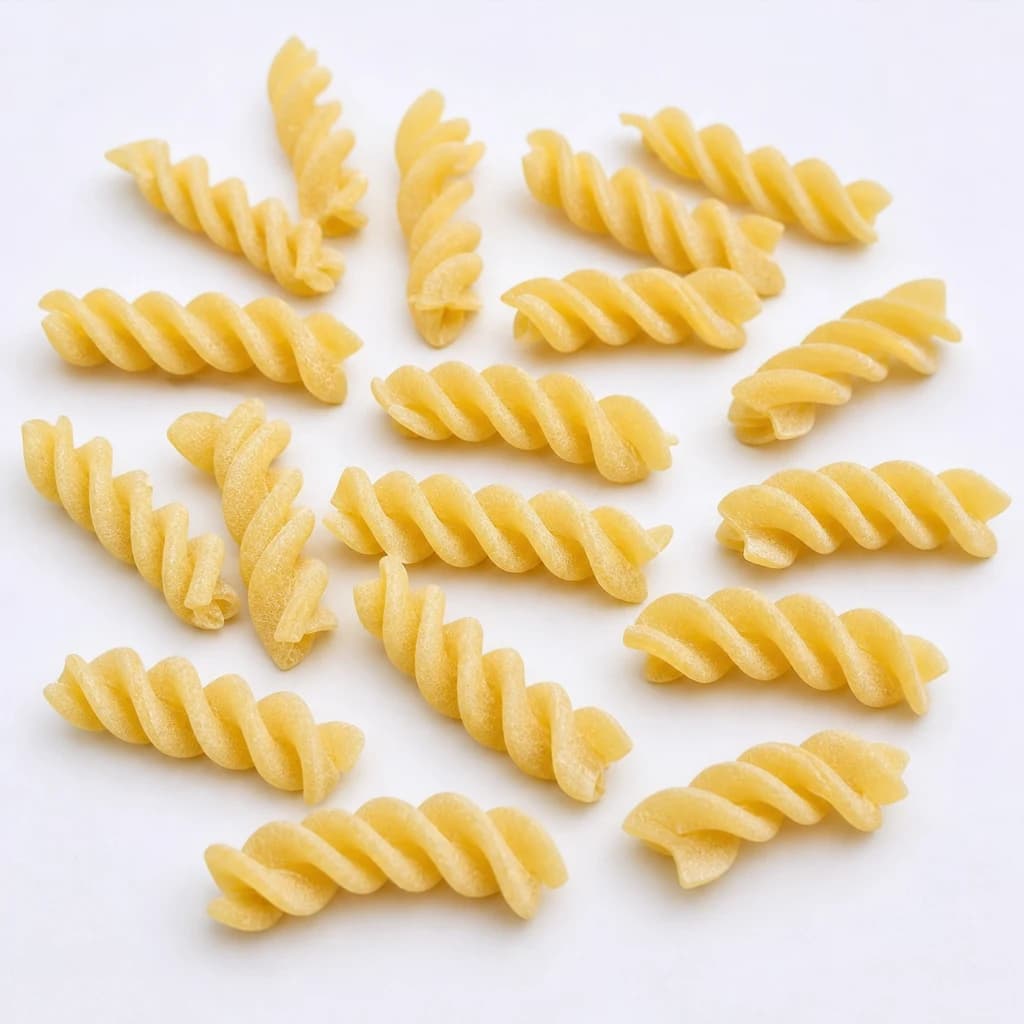
Fusilli
Spiraled pasta that twirls up sauce and dresses cold salads
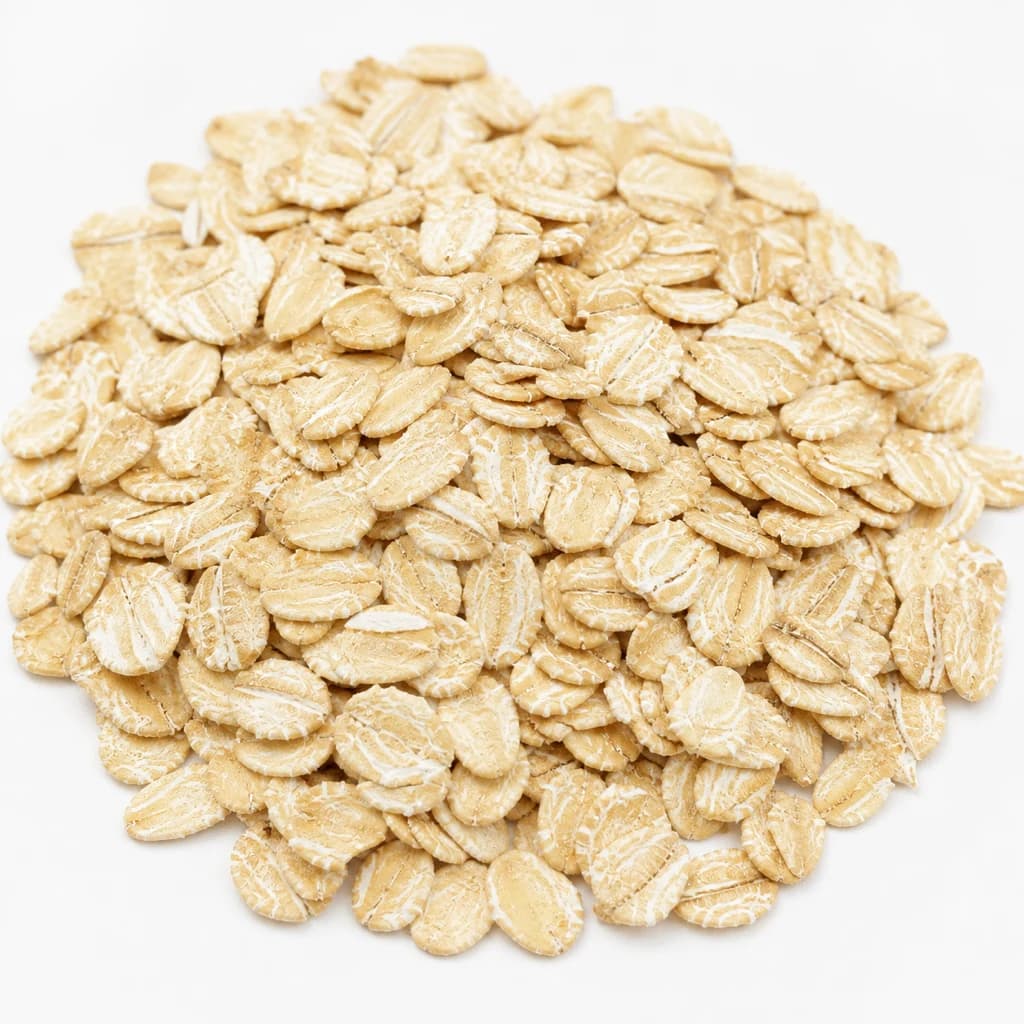
Rolled Oats
Hearty flakes for porridge, granola, and chewy cookies