Dairy & Eggs
Sweet Yogurt (Mishti Doi)
Bengali sweetened, caramelized set yogurt with a fudgy, custard-like texture, served as dessert.
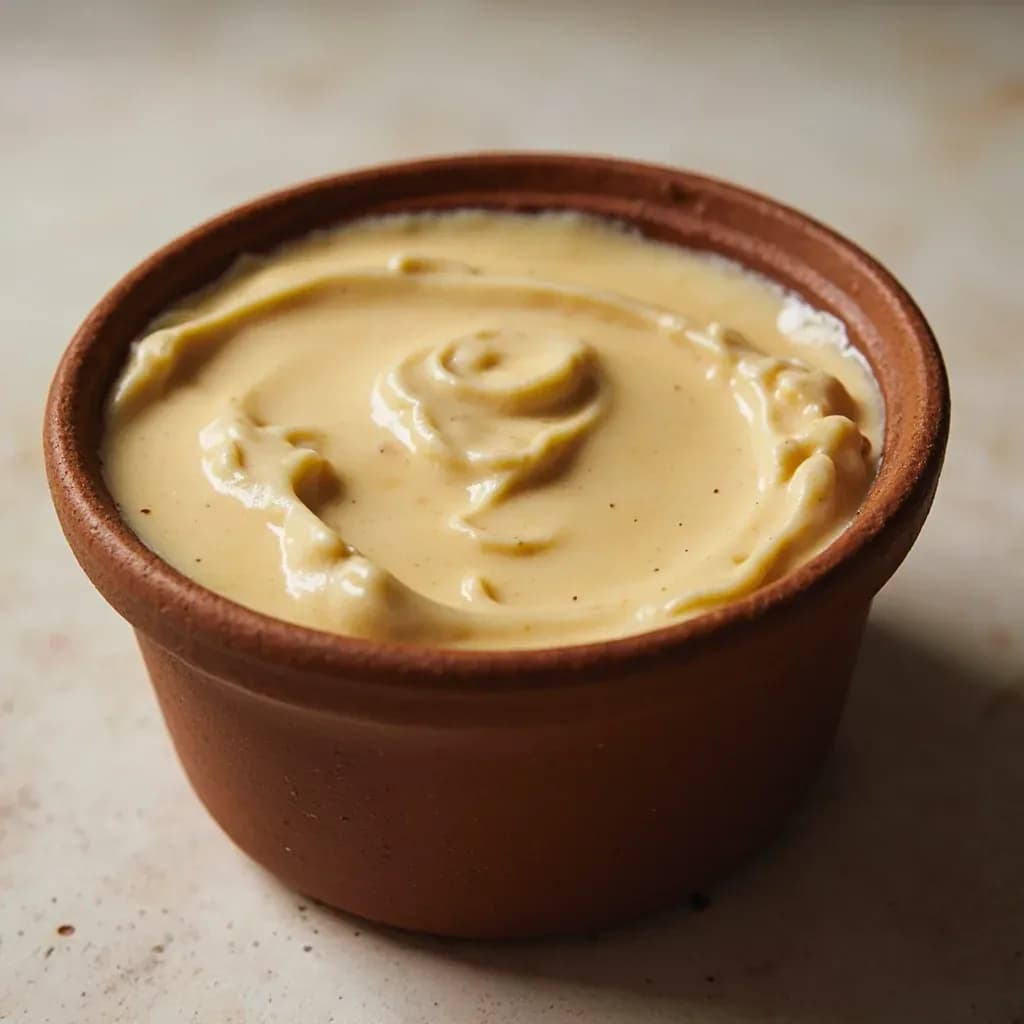
Mishti doi is a Bengali dessert of yogurt set with milk that has been reduced and sweetened with caramelized sugar or jaggery, giving it a warm tan color and deep caramel flavor. It is fermented in earthenware pots that wick away moisture for a thick, fudgy texture. It is eaten chilled as a dessert.
Mishti doi is the Bengali answer to the universal craving for a sweet ending to a meal. Unlike plain sweetened yogurt, it achieves its character through a Maillard-driven caramelization step: sugar or jaggery is cooked directly into the milk, browning it to a deep amber and infusing the finished product with a deep caramel depth that no amount of added sweetener can replicate. The milk is then reduced by at least a third, concentrating proteins that, during fermentation, coagulate into a dense, fudgy matrix closer to crème caramel than to any Western yogurt. The result is a dessert that is simultaneously tangy, sweet, and richly caramelized, with a texture that holds its shape when scooped.
The process hinges on controlled fermentation in a warm environment, traditionally achieved by packing the filled earthenware mutka in insulating cloth near a warm hearth. The porous clay regulates moisture and imparts a subtle earthen flavor that modern ceramic bowls cannot match, though they serve perfectly well as a substitute. Commercial versions often rely on condensed milk for convenience, producing a smoother, less complex result than the hand-reduced traditional method, which develops a more pronounced caramel note and firmer set. The caramelization itself is non-negotiable—skip it and you have sweetened yogurt, not mishti doi.
The cultural weight of mishti doi is substantial. It is the dessert of festivals, the sweet course of wedding feasts, the quiet afternoon indulgence made by mothers and grandmothers across Bengal. Its mild acidity and dairy richness offer a refreshing counterpoint after a heavy meal, while its sweetness satisfies the Bengali preference for a pronounced sweet note at meal's end. The balance is delicate: sweet enough to feel indulgent, tangy enough to feel refreshing, and dense enough to feel satisfying without being heavy.
- Measured in
- g
- Storage
- Fridge
Allergens
Types & varieties
Made with date palm jaggery (khejur gur); darker, richer color with distinct caramel-molasses notes
Made with refined sugar; lighter amber color, cleaner sweetness
Extra-caramelized variant with pronounced burnt-sugar (naram) flavor and darker mahogany hue
Spiced variation with cardamom and sometimes nutmeg; served during festivals
The Caramelization Step
This is the defining technique that separates mishti doi from all other sweetened yogurts. Whole milk is brought to a simmer, sugar or jaggery is added, and the mixture is cooked, stirring frequently, until the volume reduces by roughly a third and the color deepens to a rich amber. The Maillard reaction between milk proteins and sucrose or fructose in the jaggery creates hundreds of flavor compounds impossible to achieve by adding caramel to finished yogurt. Under-reducing produces thin, watery doi; over-reducing risks bitterness from excessive browning. The milk should be reduced enough that a wooden spoon drawn through leaves a clear trail for a moment before closing.
- Use a heavy-bottomed pan to prevent hot spots and uneven browning
- Watch for the color shift from white to cream to golden amber—this is your cue to monitor closely
- If using jaggery, expect darker color sooner due to molasses content; reduce heat slightly when adding it to prevent scorching
Understanding the Set
The dense, custard-like texture results from two overlapping processes: protein concentration during milk reduction and acid development during fermentation. The reduced milk's higher protein density creates a tighter curd network when acid is introduced. Too much starter culture produces sharp sourness that overwhelms the caramel sweetness; too little yields loose, scoopable rather than cuttable texture. The fermentation environment matters equally—temperatures above 45°C kill the bacterial culture, while temperatures below 30°C allow insufficient acid development for proper coagulation.
- Wrap the set vessel in a kitchen towel and place in an insulated spot (cooler with a wrapped hot water bottle, or near a pilot light) to maintain 35–40°C
- Do not disturb the doi once fermentation begins; jostling breaks the protein network and causes whey to pool on top
- The set should feel firm with a slight jig—like crème caramel—within 8–12 hours at proper temperature
Common uses
Tips & pitfalls
- Never add yogurt culture to milk above 45°C—the bacterial culture dies and no fermentation occurs
- The milk must be reduced by at least 30% before adding sweetener; under-reduced milk yields thin, watery doi that won't set properly
- Stir sugar frequently once it begins to caramelize; uneven heating creates bitter burnt spots that ruin the entire batch
- Use 2–3 tablespoons of plain active yogurt culture per 500ml milk—too little yields loose texture, too much turns the doi sharply sour
- Wrap the set pot in a kitchen towel and place in a warm spot (near a gas flame, atop a warm oven, or in an insulated box) to maintain 35–40°C during fermentation
- Do not disturb the doi once it begins to set—jostling breaks the protein network and results in whey separation on the surface
- Earthenware (mutka) is traditional because its porous surface breathes, regulating moisture; substitute with a ceramic bowl if unavailable
- If doi fails to set, rescue it by gently reheating to 40°C, adding fresh culture, and setting again overnight
Nutrition
Energy
397 kJ · per 100 g
Where the calories come from
Protein
4.4g
9% DV
Carbs
19g
7% DV
Fat
0.2g
0% DV
Fiber
0g
0% DV
Sugars
19g
of which
Sodium
58mg
3% DV
Source · USDA FoodData Central · approx. Yogurt, fruit variety, nonfat
View on FDC →In the shops
Matched grocery products
 €1.00
€1.00Natural Yogurt
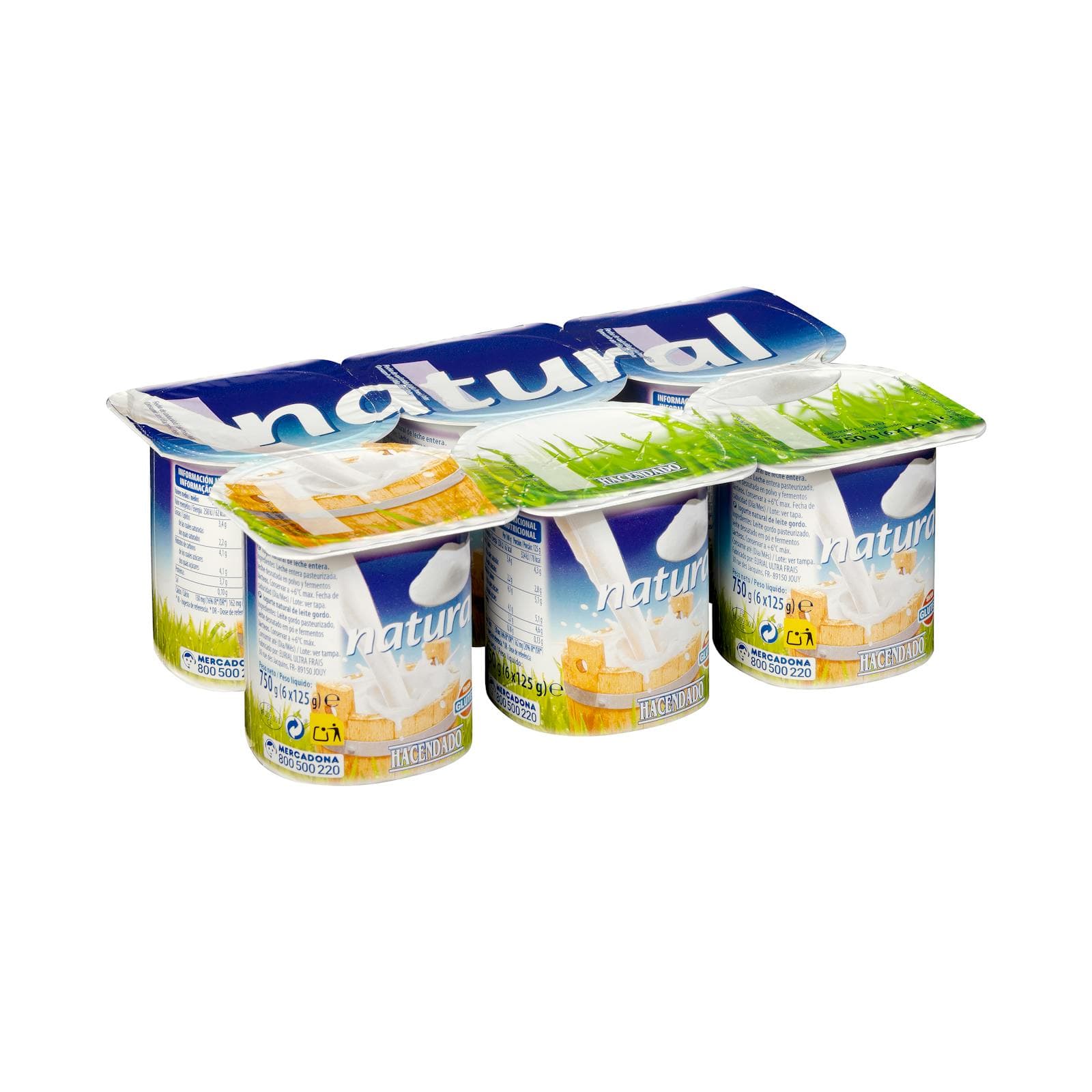
Hacendado · 750 g · Mercadona
 €1.34
€1.34Natural Yogurt
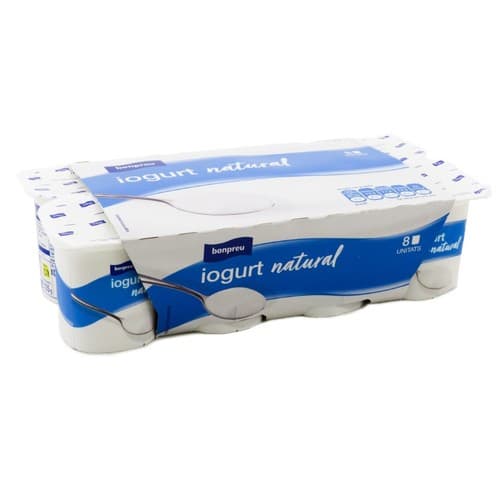
BONPREU · kg · Bonpreu
 €1.90
€1.90Natural Yogurt
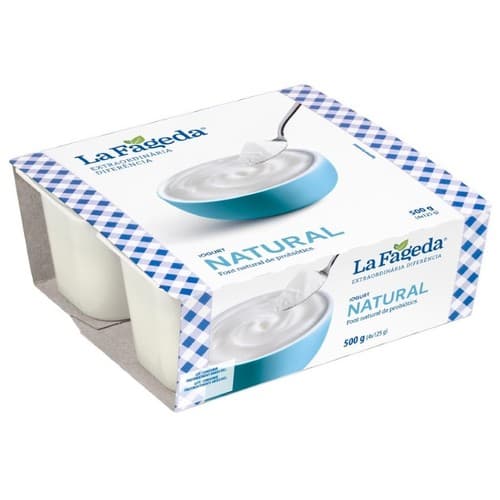
LA FAGEDA · kg · Bonpreu
 €2.20
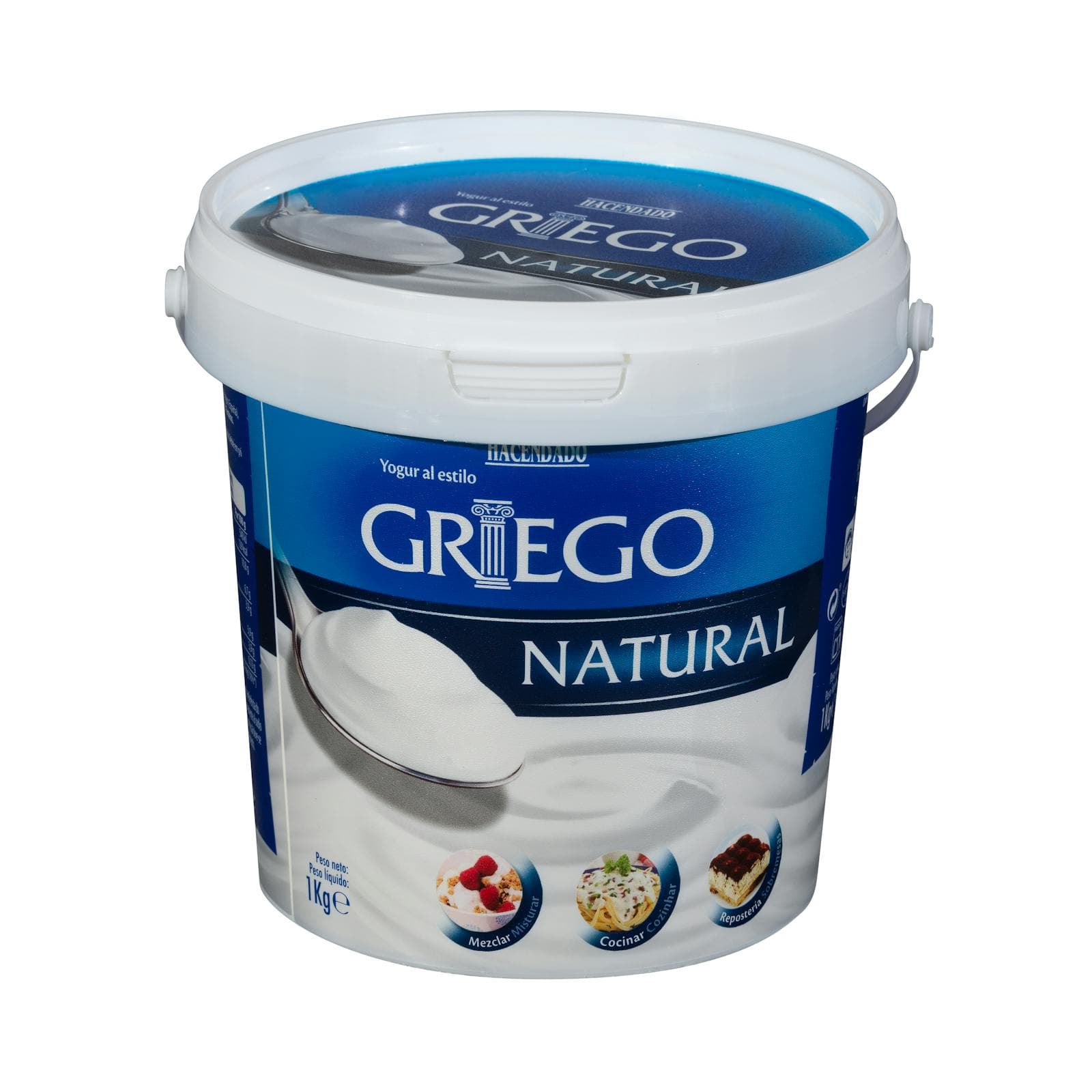
€2.20Greek Natural Yogurt
Hacendado · 1 kg · Mercadona
 €1.00
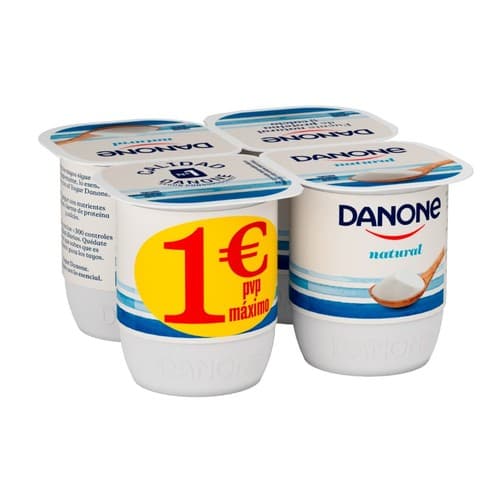
€1.00Danone Natural Yogurt
DANONE · kg · Bonpreu
 €1.99
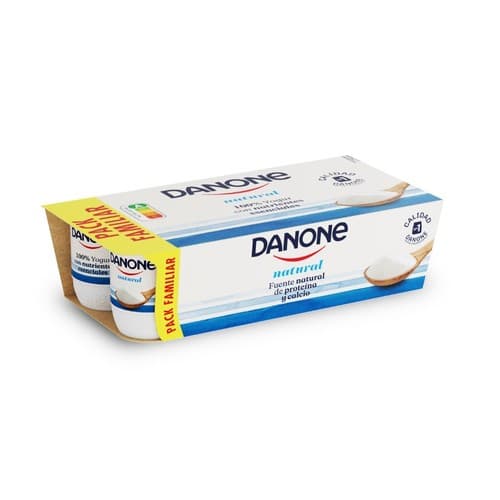
€1.99Danone Natural Yogurt
DANONE · kg · Bonpreu
Good to know
- Origin
- West Bengal, India (Bengali cuisine)
- Primary Sweetener
- Sugar or jaggery (gur), caramelized directly into the milk for Maillard depth
- Milk Type
- Full-fat whole milk; reduced by 30–40% before fermentation for proper texture
- Traditional Vessel
- Earthenware pot (mutka); porous surface aids fermentation and adds subtle earthy notes
- Setting Time
- 6–12 hours at room temperature (20–25°C), or 35–40°C in insulated warm spot
- Storage
- Refrigerate up to 5 days; texture firms further when chilled
- Serving Temperature
- Well-chilled, directly from refrigerator; never at room temperature
- Color
- Warm amber to deep caramel brown, intensity depending on caramelization duration
Substitutes
- Greek Yogurt with Honey and Caramel Sauce — Not a true substitute—lacks caramel notes—but acceptable for urgency; sweeten to taste with honey and add prepared caramel sauce
- Crème Brûlée — Provides caramelized top and custard-like body; a French equivalent for textural comparison, though fermentation depth differs
- Labneh with Date Syrup — Middle Eastern thick yogurt with syrup; similar creamy-fudgy mouthfeel but different caramel-molasses flavor profile
Pairs with
Also called
sweet yogurt · mishti doi · misti doi · mitha dahi
Related

Whole Milk
Rich, full-fat milk for drinking, coffee, sauces, and baking
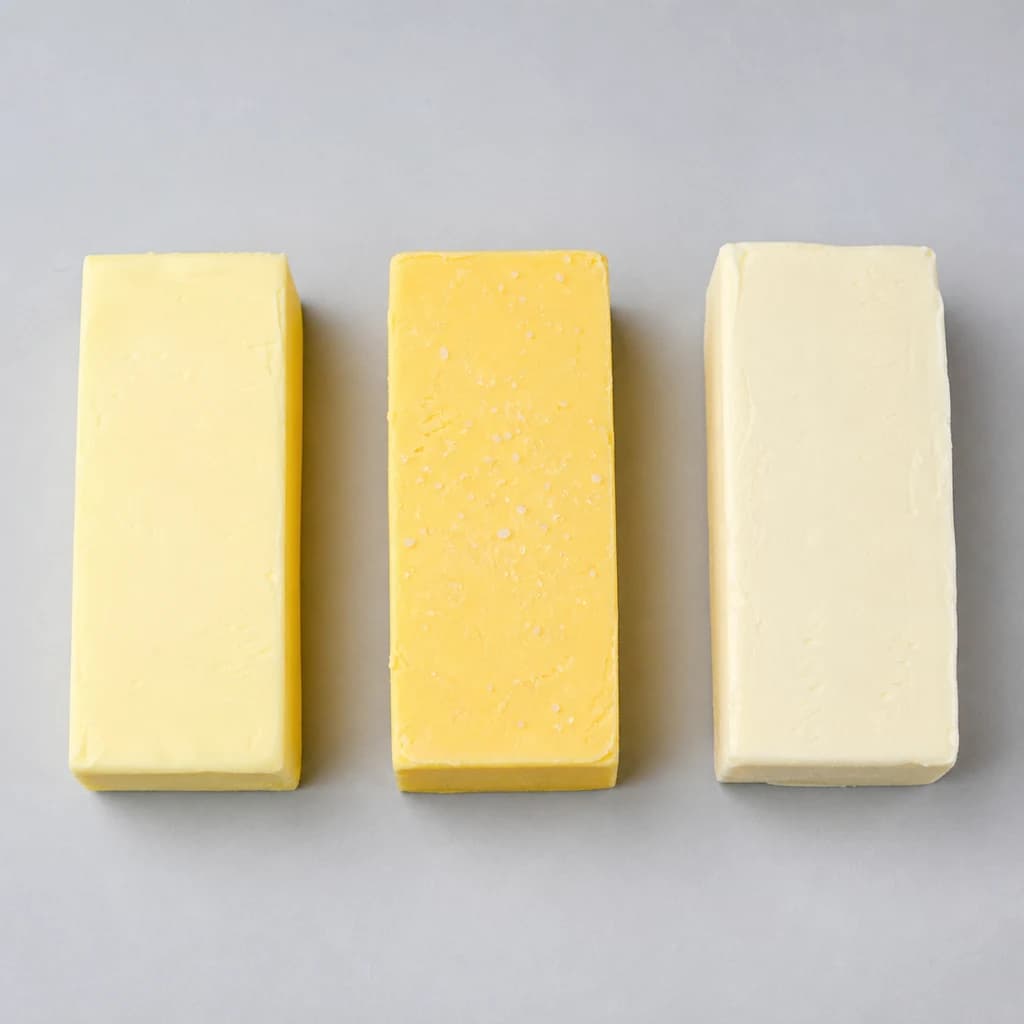
Butter
Golden fat for searing, baking, and finishing a sauce
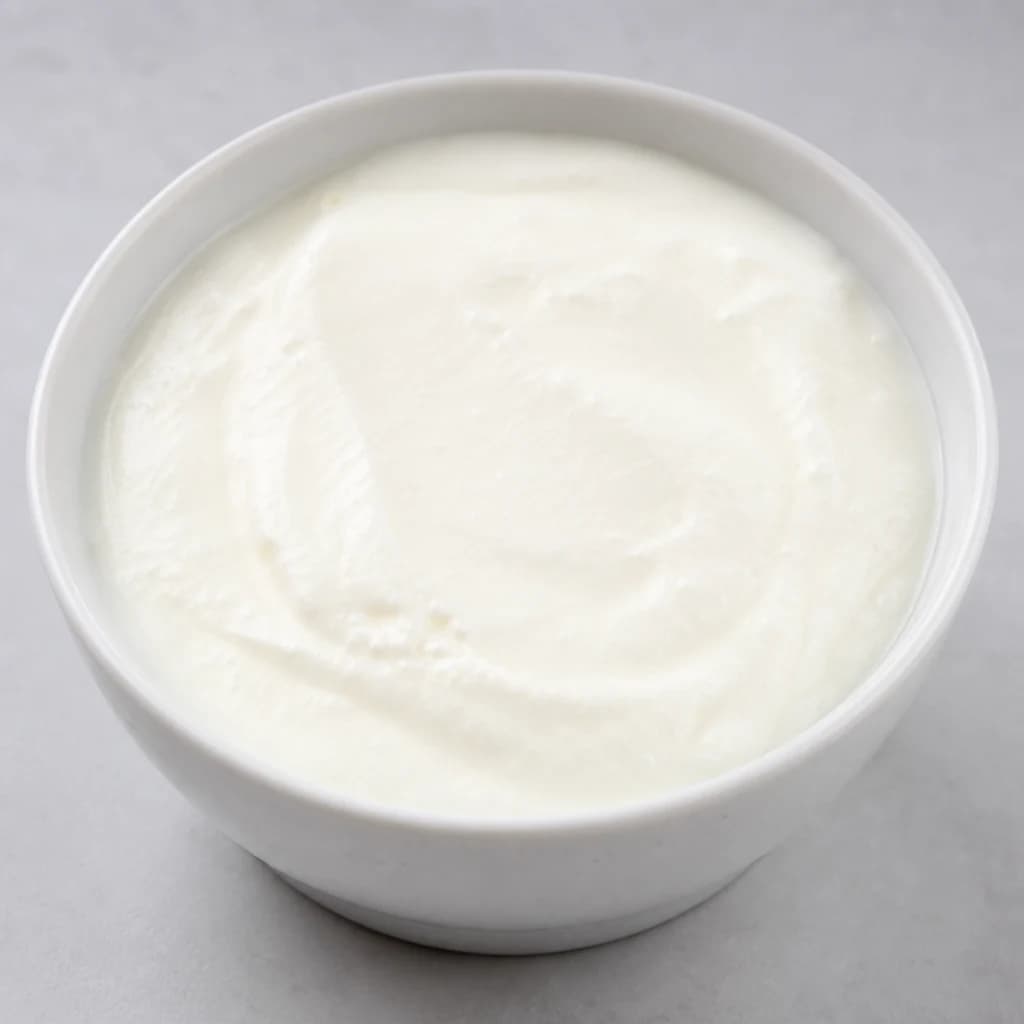
Yogurt
Tangy, creamy culture for breakfast, sauces, and marinades
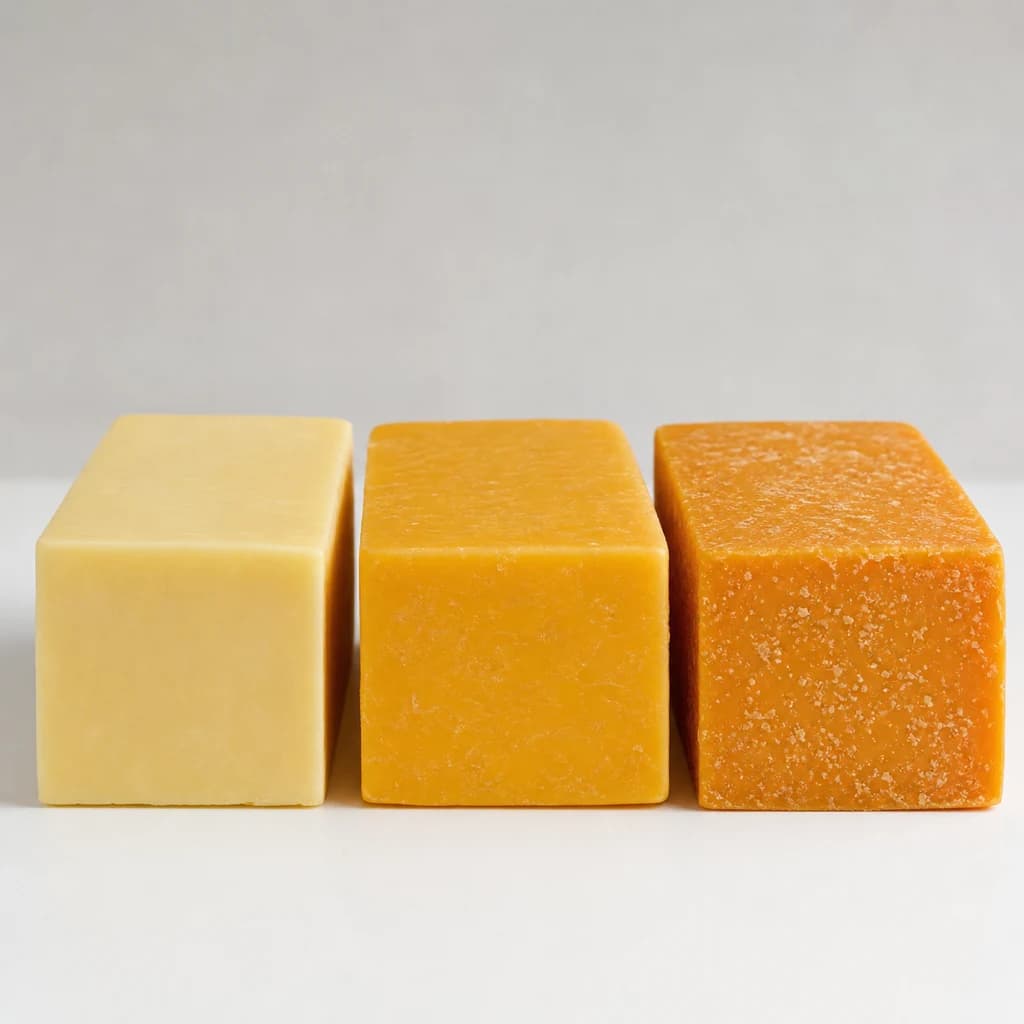
Cheddar Cheese
Sharp, melty cheese for sandwiches, gratins, and grating
Skim Milk
Fat-free milk for lighter drinking, coffee, and cooking
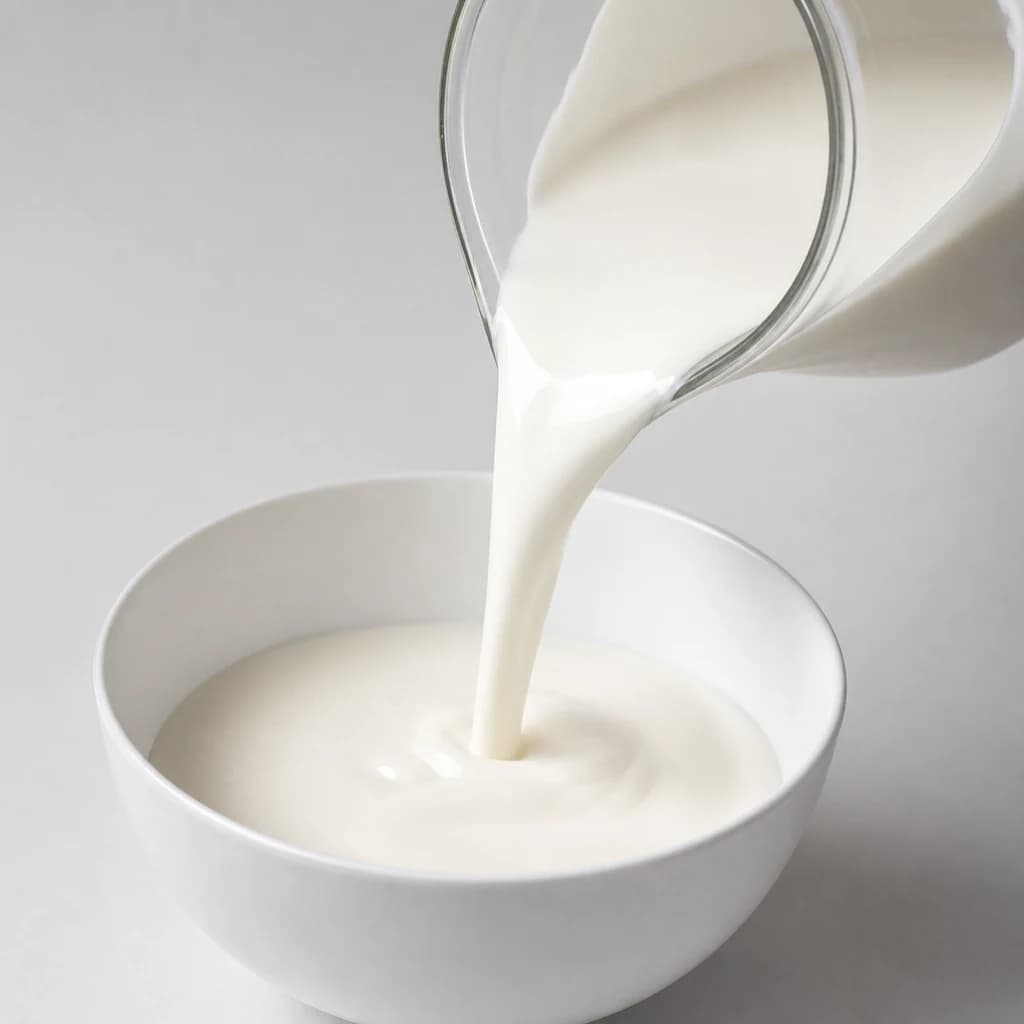
Heavy Cream
Rich cream that whips, enriches sauces, and sets ganache

Sour Cream
Tangy, thick cream for dolloping, baking, and dips
Mozzarella
Soft, milky cheese that melts into stretchy pizza pulls