Dairy & Eggs
Tolminc Cheese
Slovenian hard alpine cow's-milk cheese with a sweet, full, slightly spicy flavor.
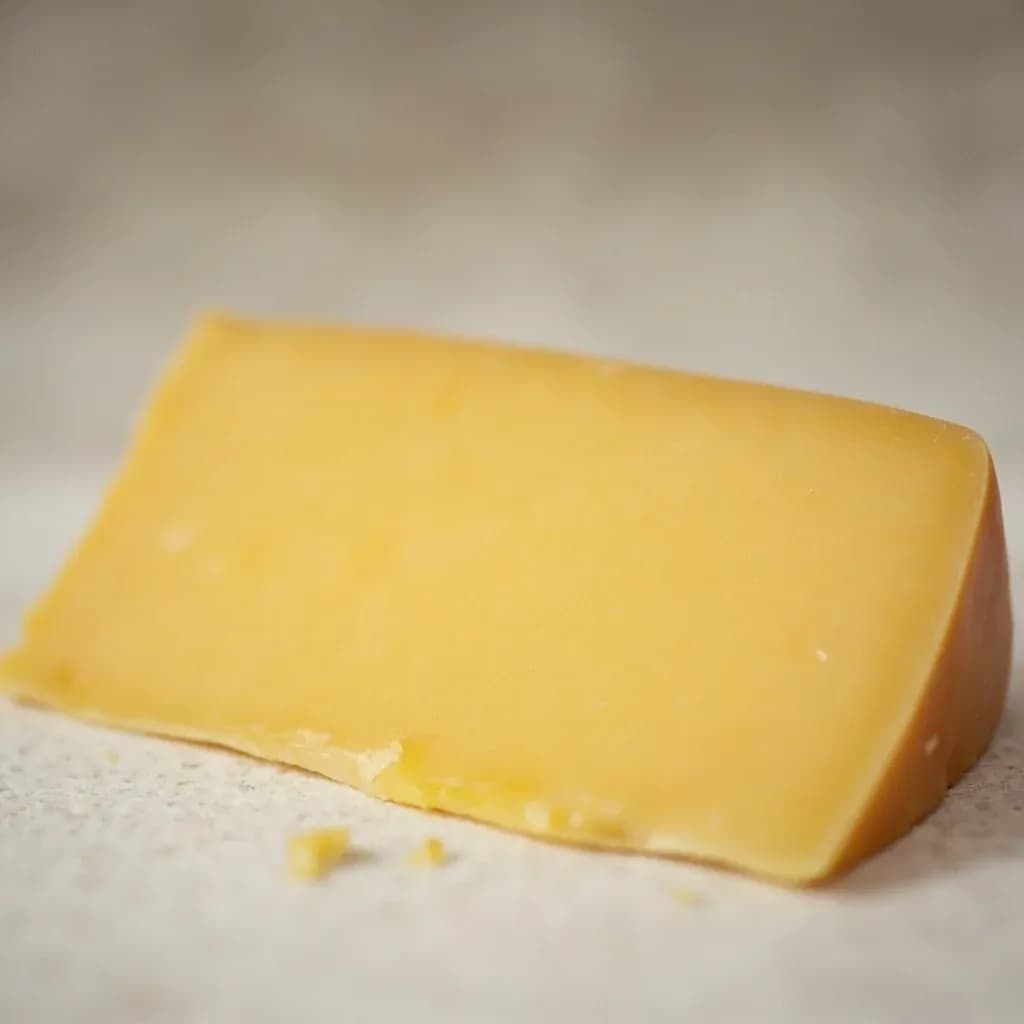
Tolminc is a protected hard cheese from the Tolmin region of Slovenia, made from raw cow's milk grazed on alpine pastures. It has a firm, smooth body with a few small eyes and a mildly sweet, full-bodied, slightly piquant taste that intensifies with age. It is eaten on its own and used in cooking such as gratins and dumplings.
Tolminc is a traditional Slovenian hard cheese made in the Soča Valley of western Slovenia, crafted primarily from the milk of Brown Swiss and Simmental cattle that graze Karst and subalpine pastures. Awarded Protected Designation of Origin status by the EU in 2016, it is produced in small batches using traditional copper kettles at elevations up to 1,000 meters—a practice maintained by the Tolmin Cheese Cooperative and several family dairies. The cheese develops its characteristic sweet, full-bodied, nutty flavor from the alpine forage consumed by the herds, with aging bringing pronounced spiciness and structural complexity. At 5–9 kg per wheel with a dense, compact paste and possible small-to-medium eyes, Tolminc occupies a distinct position among Alpine cheeses, sharing the earthy character of Gruyère but with a brighter sweetness and sharper, more assertive finish that emerges as the wheels mature beyond three months. Quality varies meaningfully between producers; seek wheels with a uniform golden interior and reject any with ammonia off-odors, which signal overaging or poor storage conditions.
- Measured in
- g
- Storage
- Fridge
Allergens
Types & varieties
Young version, aged minimum 2 months; milder, sweeter, more supple texture
Matured version; sharper, more pronounced spicy notes, firmer texture
High-altitude herd version; often more complex flavor from alpine forage
Selecting and Storing Tolminc
Quality varies significantly between producers and aging periods. When purchasing, examine the interior color through the cut face or ask for a sample: a uniform golden-yellow paste indicates proper aging and care. Avoid wheels with any ammonia smell—this indicates overaging or improper storage and will translate to a harsh, unpleasant flavor. The natural rind should be intact and dry; avoid wheels with excessive moisture or sliminess on the surface.
- Inspect for uniform golden interior color before purchasing
- Reject any wheel with ammonia or off-odors
- Store wrapped in beeswax wrap or parchment, then loosely in plastic
- Refrigerate at 4–6°C; bring to room temperature before serving
Working with Tolminc in the Kitchen
Tolminc responds best to moderate, controlled heat. Its low moisture content means it melts unevenly if subjected to high direct heat, becoming stringy or greasing out rather than yielding a smooth, creamy result. When incorporating into cooked dishes, add it in the final minutes or use a double boiler to achieve a silky melt. For grating, use medium-fine holes; the cheese distributes more evenly and integrates better into dishes like risotto, polenta, or soups than coarse shreds would.
- Add to dishes in the last 2–3 minutes of cooking for best melting
- Use medium-fine grating for even distribution in cooked applications
- Avoid direct high heat when melting; use double boiler or moderate oven temperatures
- Surface mold can be trimmed away—the interior remains sound
Common uses
Tips & pitfalls
- Bring Tolminc to room temperature 30–45 minutes before serving; cold dulls the aromatics and masks the nuanced flavor
- Slice thin for sandwiches to appreciate the texture and layering; cut thicker chunks for cheese boards where the paste structure is the point
- Store wrapped in beeswax wrap or parchment first, then loosely in plastic; airtight containers trap moisture and encourage mold
- If surface mold appears, trim generously with a clean knife—the interior cheese remains perfectly sound
- When grating for cooking, use medium-fine holes on a box grater; coarse shreds melt unevenly and can clump
- Avoid high heat when melting; add to dishes in the final minutes or use a double boiler for sauces and gratins
- Reject any wheel with ammonia off-odors, which indicate overaging or poor storage—these flavors will dominate the entire cheese
- Seek out high-altitude (visokogorske reje) versions when you want maximum alpine complexity for cheese boards
Nutrition
Energy
1628 kJ · per 100 g
Where the calories come from
Protein
25.6g
51% DV
Carbs
1.6g
1% DV
Fat
31.1g
40% DV
Fiber
0g
0% DV
Sugars
1.6g
of which
Sodium
800mg
35% DV
Source · USDA FoodData Central · approx. Cheese, fontina
View on FDC →In the shops
Matched grocery products
No matched grocery products for Tolminc Cheese yet.
Good to know
- Origin
- Tolmin, Goriška region, western Slovenia (Soča Valley)
- Type
- Hard Alpine cow's-milk cheese, EU PDO protected since 2016
- Milk Source
- Primarily Brown Swiss and Simmental cattle from Karst and subalpine pastures
- Aging
- Minimum 60 days; premium wheels aged 3–6 months or longer
- Wheel Size
- 5–9 kg, approximately cylindrical with natural rind
- Flavor Development
- Sweet and nutty when young; gains spiciness and complexity with extended aging
- Peak Season
- Late summer through fall, when cattle graze alpine forage
- Shelf Life
- 6–8 weeks refrigerated; whole wheels keep considerably longer sealed
Substitutes
- Gruyère AOP — Closest textural and flavor match; Swiss Alpine style with similar sweetness and nuttiness, readily available internationally
- Comté — French Alpine cheese with comparable sweetness and nutty depth; excellent as a substitute both raw on boards and melted in cooked dishes
- Vintage aged Gouda — Dutch alternative with comparable firmness and caramel notes; less alpine character but workable in cooked applications
- Trentin Grana Padano — Italian northern Alpine cheese; firmer and drier than Tolminc but workable in cooked applications like risotto and gratins
Pairs with
Also called
tolminc · tolminc cheese · tolminc sir
Related

Whole Milk
Rich, full-fat milk for drinking, coffee, sauces, and baking
Butter
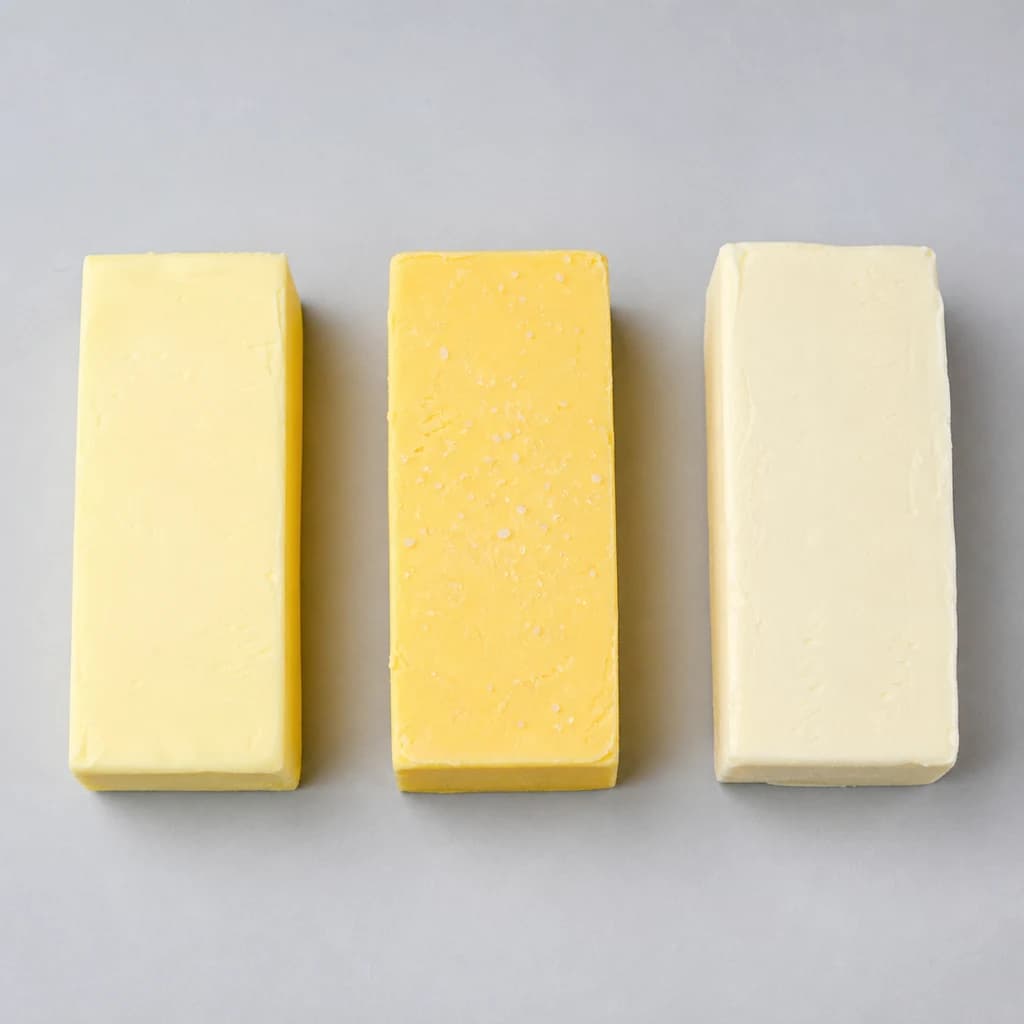
Golden fat for searing, baking, and finishing a sauce
Yogurt
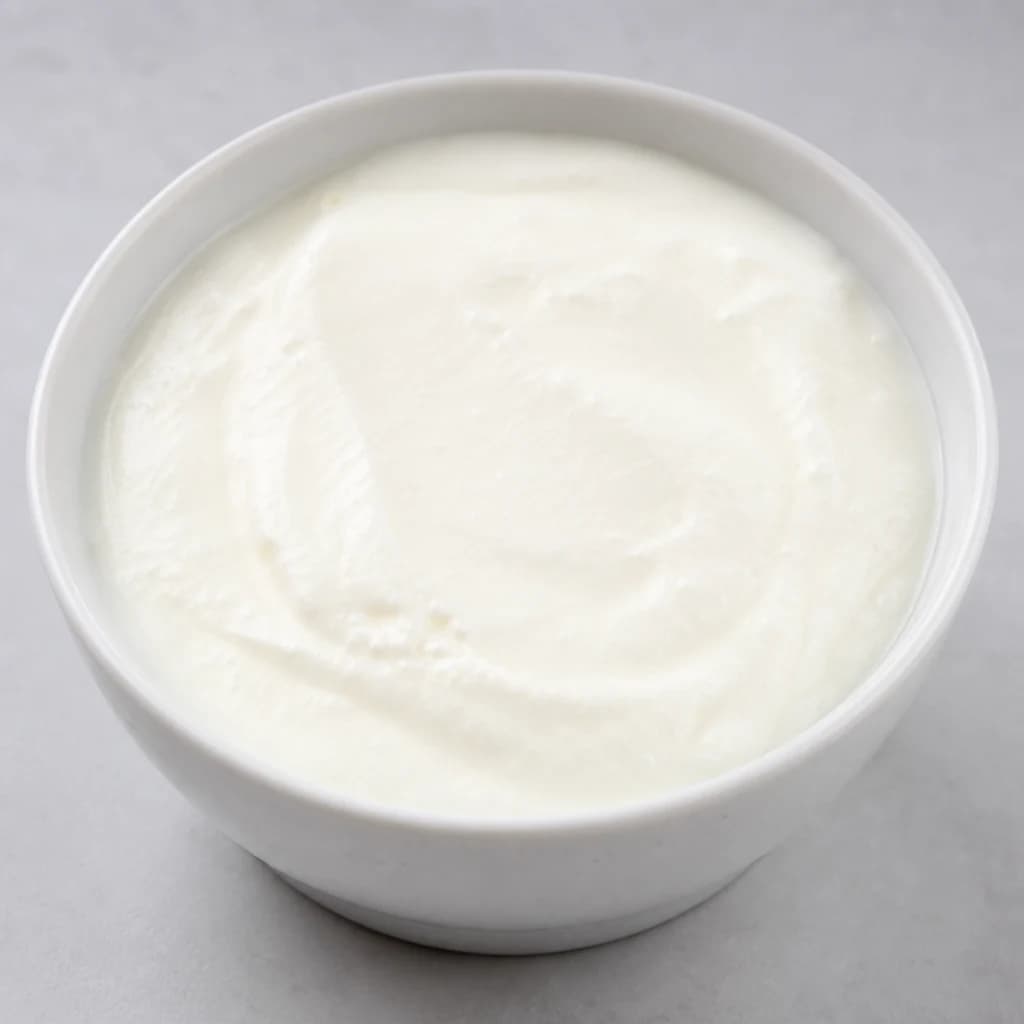
Tangy, creamy culture for breakfast, sauces, and marinades
Cheddar Cheese
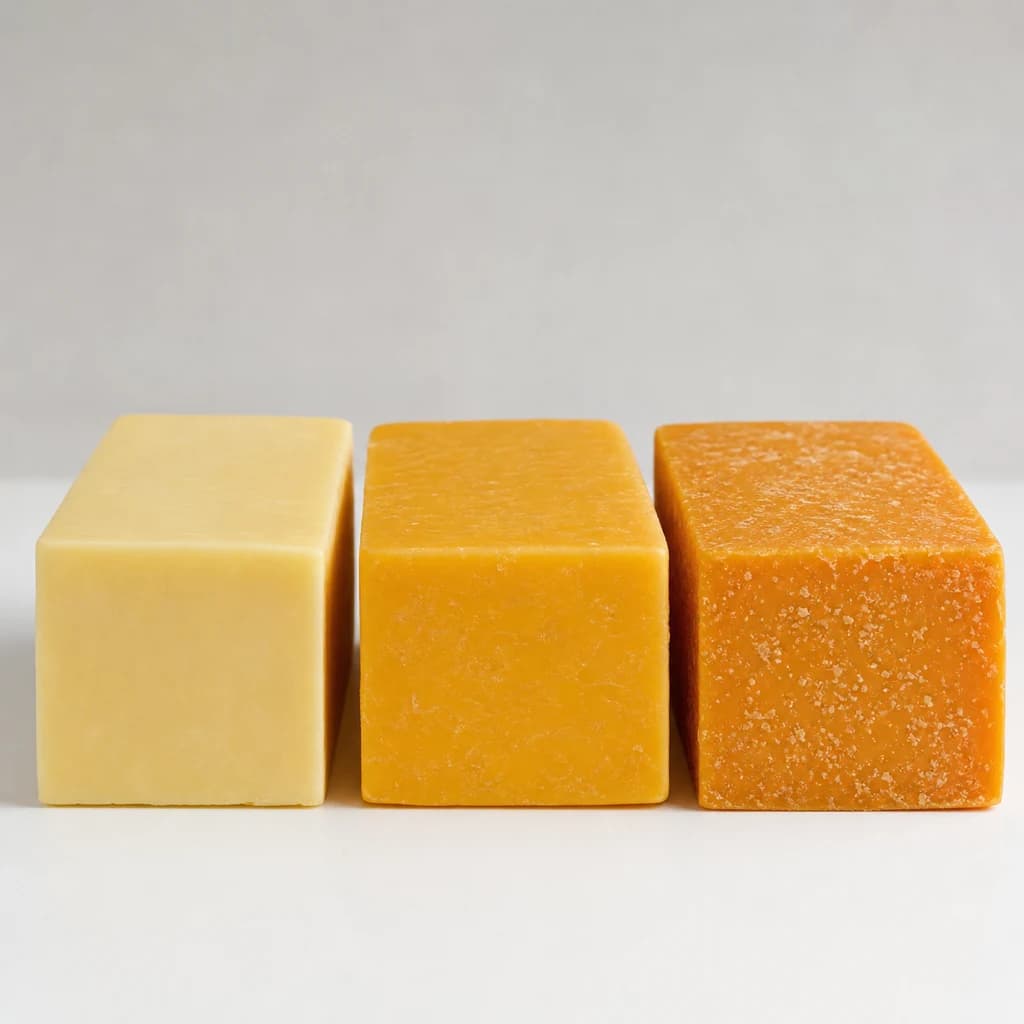
Sharp, melty cheese for sandwiches, gratins, and grating
Skim Milk
Fat-free milk for lighter drinking, coffee, and cooking
Heavy Cream
Rich cream that whips, enriches sauces, and sets ganache

Sour Cream
Tangy, thick cream for dolloping, baking, and dips
Mozzarella
Soft, milky cheese that melts into stretchy pizza pulls