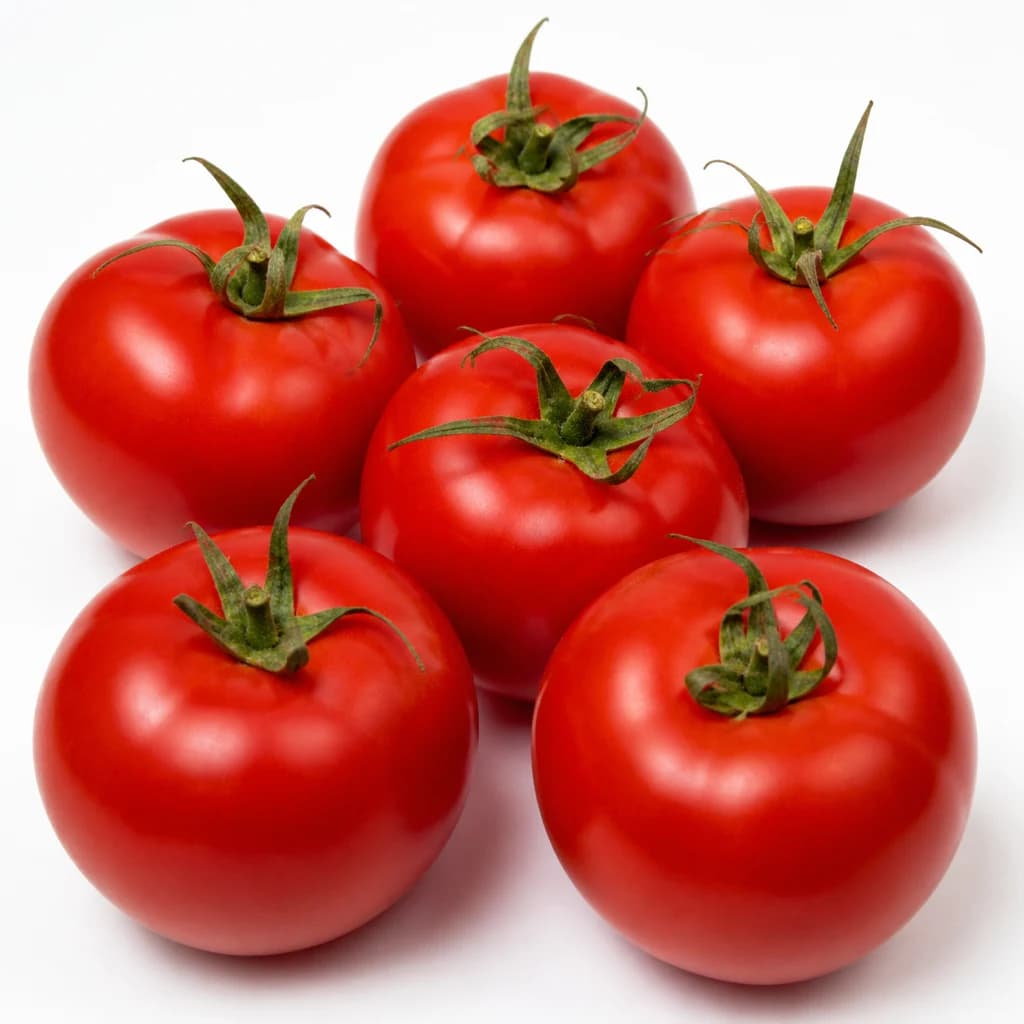
Natural form
Fresh whole tomatoes, the raw fruit source of pressed tomato juice.
Shows the origin ingredient so readers connect juice to its fruit source and understand its savory character.
Beverages
Tomato Juice
Savory juice for Bloody Marys, micheladas, and drinking
Savory and tangy, tomato juice is the base of a Bloody Mary and michelada, and sips on its own with a pinch of salt and pepper. Keep it cold and use within a week.
Tomato juice is the strained juice of ripe tomatoes — savory, tangy, lightly sweet, and rich in umami and that unmistakable bright tomato acidity. More than a drink (and the base of the Bloody Mary), it's a genuinely useful cooking liquid: thinner than passata or sauce, it braises and poaches, forms quick soups and broths, brightens stews and rice dishes, and adds tomato body to braising liquids and marinades without the thickness of paste. Often sold seasoned with salt and a little spice, it's effectively a ready-made savory cooking base.
- Measured in
- ml
- Storage
- Refrigerate
- Shelf life
- 7 days
Find it in
Types & varieties
Neutral — cooking with full control
Salted and spiced — Bloody Marys, soups
Convenient, consistent
How to use in cooking
Use tomato juice as a thin, savory braising and cooking liquid: simmer meats or beans in it, build a quick tomato soup or gazpacho, cook Spanish-style tomato rice, or stretch a stew with tomato body and acidity. It deglazes a pan into a light sauce and adds brightness to braises and chili. Because it's already seasoned in many brands, taste before adding salt. Reduce it to concentrate the tomato flavor, or use it as-is where you want liquid and tang.
How to choose
100% tomato juice (or 'tomato juice from concentrate') is the cooking standard; check whether it's salted/seasoned and adjust. Higher-quality juices taste fresher and less tinny. For Bloody Marys and gazpacho, a well-seasoned juice is convenient; for neutral cooking, an unsalted juice gives you control.
Common uses
Tips & pitfalls
- Many brands are pre-salted — taste before seasoning.
- Reduce it to concentrate the tomato flavor.
- It's thinner than passata — use where you want a pourable liquid.
- Brightens beans, rice, and braises with tang and umami.
Nutrition
Energy
71 kJ · per 100 g
Where the calories come from
Protein
0.9g
2% DV
Carbs
3.5g
1% DV
Fat
0.3g
0% DV
Fiber
0.4g
1% DV
Sugars
2.6g
of which
Sodium
253mg
11% DV
Source · USDA FoodData Central · approx. Tomato juice, canned, with salt added
View on FDC →In the shops
Matched grocery products
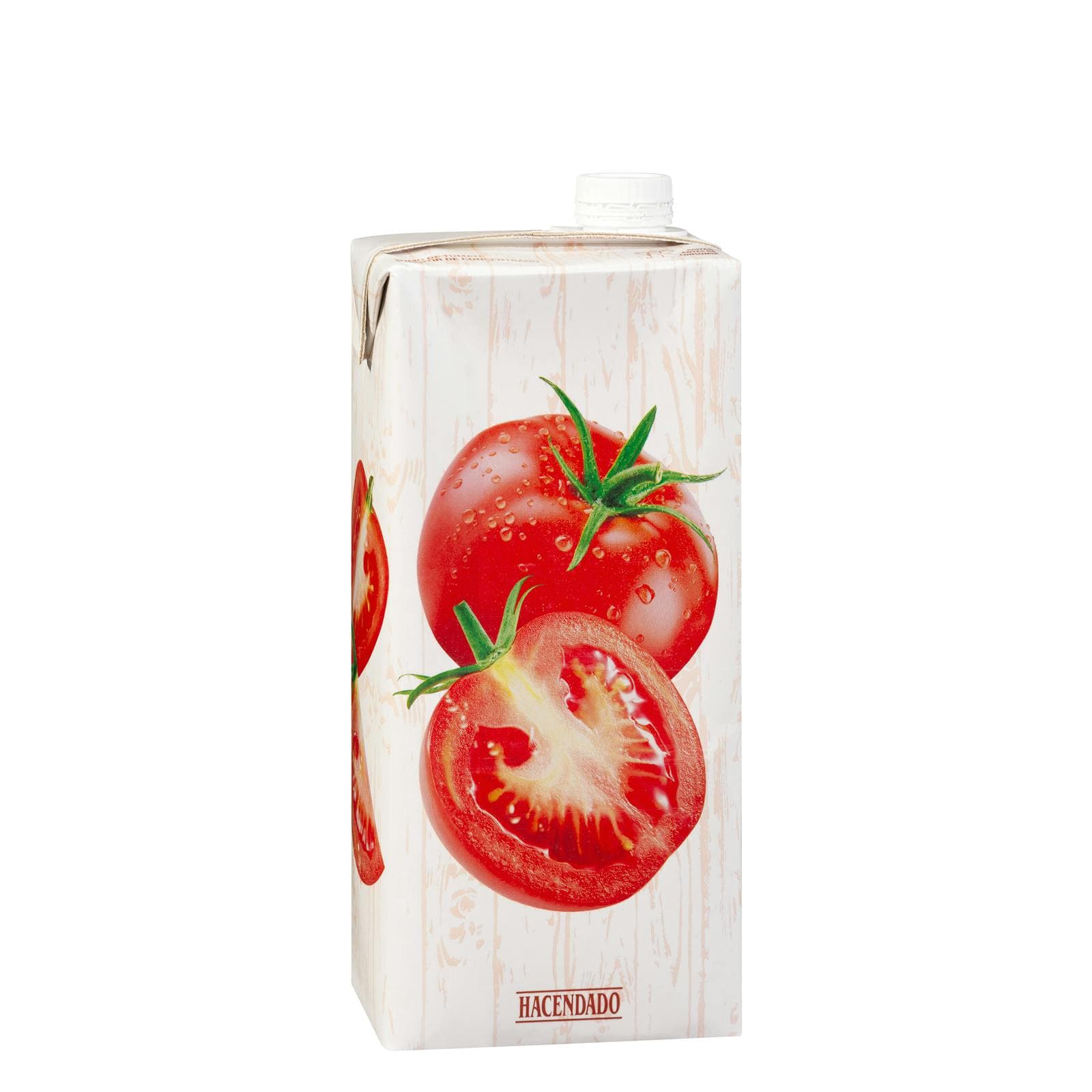 €1.05
€1.05Tomato Juice
Hacendado · 1 L · Mercadona
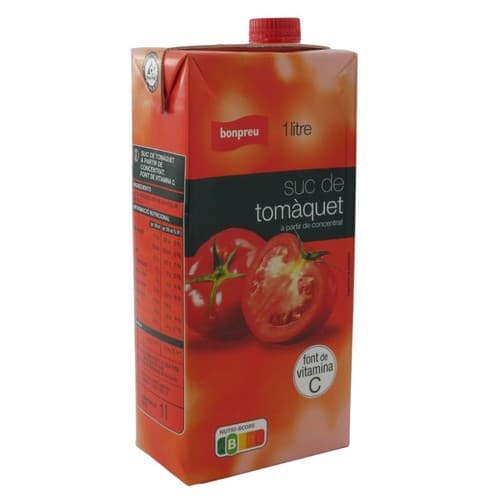 €0.99
€0.99Bonpreu Tomato Juice
BONPREU · l · Bonpreu
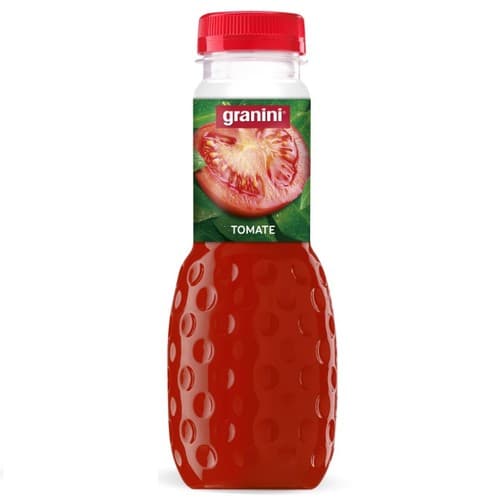 €1.29
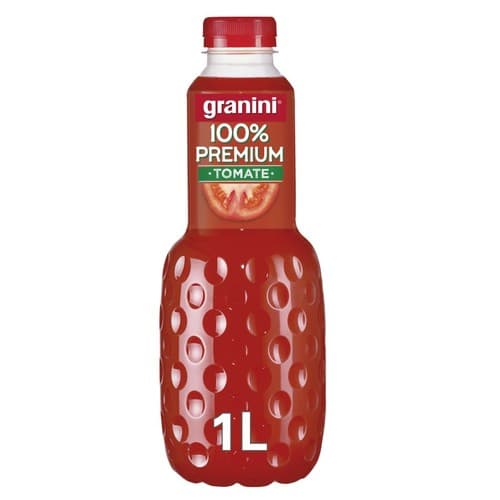
€1.29Granini Tomato Juice
GRANINI · l · Bonpreu
 €2.99
€2.99Granini Tomato Juice 100% in Bottle
GRANINI · l · Bonpreu
Good to know
- Flavor
- Savory, tangy, umami, lightly sweet
- Use in cooking
- Braising, soups, broths, rice, sauces, marinades
- Alcohol?
- No
- Substitute base
- Passata thinned with water, or tomato paste + water
- How to store
- Refrigerate after opening; use within ~5–7 days
Substitutes
- Passata thinned with water — Pourable tomato with control over salt
- Tomato paste + water — Concentrated — dilute to juice consistency
- Canned tomatoes, blended and strained — Fresh-tasting homemade juice
Pairs with
Also called
tomato juice · zumo de tomate
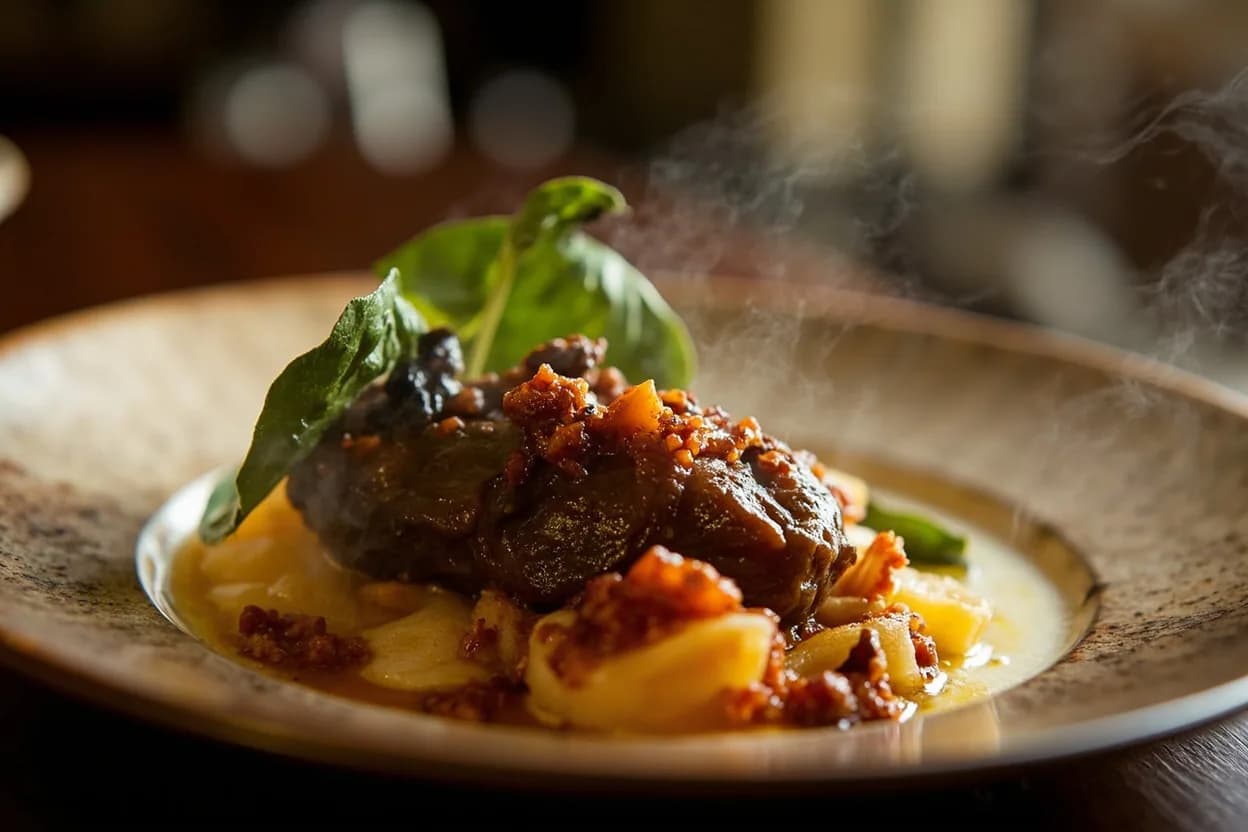
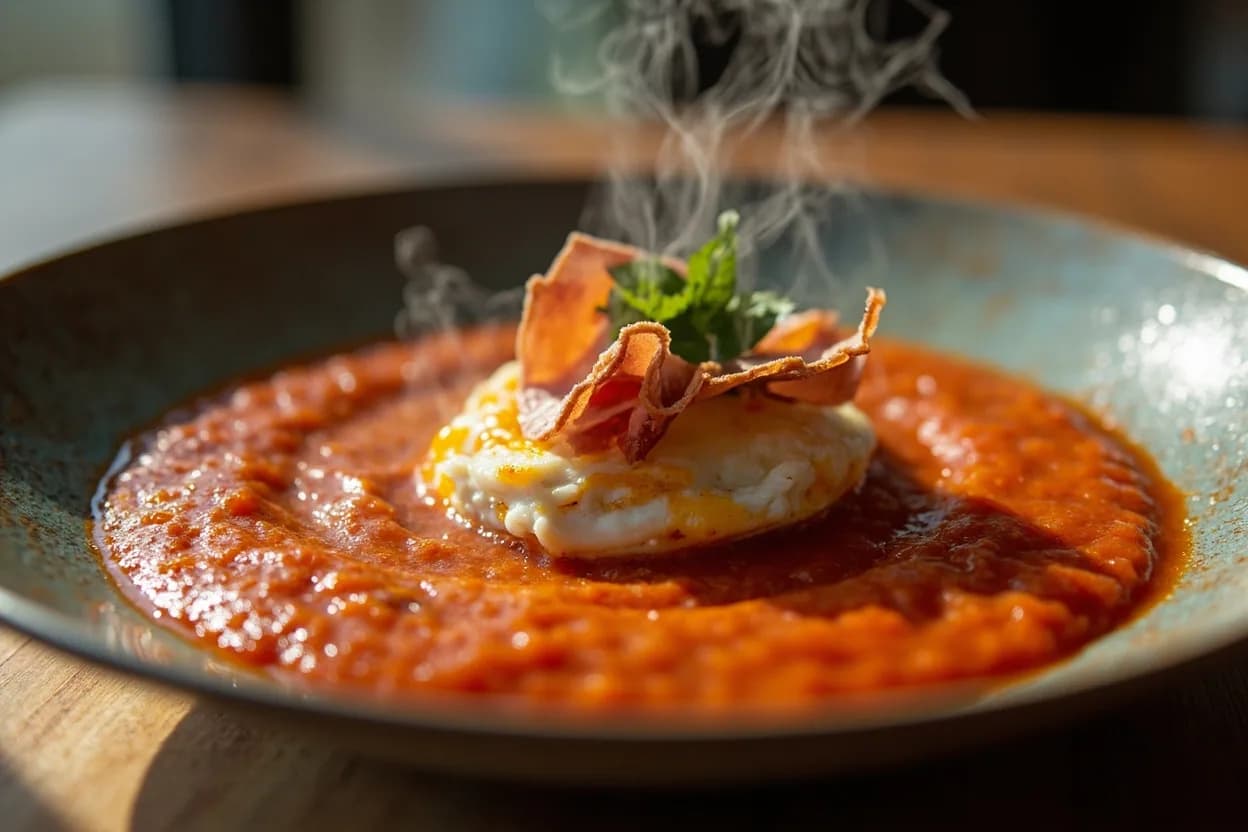
Appears in these dishes

Related

White Rum
Light, clean rum for mojitos, daiquiris, and piña coladas

Dark Rum
Rich, molasses-deep rum for tiki drinks and sipping

Tequila
Bright agave spirit for margaritas, palomas, and shots
Mezcal
Smoky agave spirit for sipping and smoldering cocktails

Vodka
Clean, neutral spirit for mixing into almost any cocktail
Gin
Botanical, juniper-forward spirit for G&Ts and martinis

Whisky
Warm, oak-aged spirit for sipping and classic cocktails

Brandy
Rich, fruity grape spirit for sipping, sauces, and flambé