
Natural form
A whole Brillat-Savarin wheel showing its thick, velvety white bloomy rind.
Shows the iconic wheel shape, powdery white rind, and soft-ripened exterior that distinguish triple-crème from other cheese styles.
Dairy & Eggs
Triple-Crème Cheese (Brillat-Savarin)
Decadently rich soft French cheese enriched with extra cream, lush and buttery with a bloomy rind.
Triple-crème cheeses such as Brillat-Savarin are soft-ripened French cow's-milk cheeses enriched with added cream so they contain at least 75% butterfat in the dry matter. The result is an ultra-rich, buttery, mousse-like interior beneath a bloomy white rind, with a mild tangy flavor. They are served at room temperature on bread or with fruit.
Triple-crème cheese represents the pinnacle of French cheesemaking indulgence—soft-ripened wheels enriched with enough cream to achieve a minimum of 75% fat in dry matter, roughly 50% higher than standard Brie. The benchmark variety, Brillat-Savarin, was created in the 1930s by Fromagerie Rouzaire in the Normandy and Île-de-France regions, named in honor of the legendary 18th-century gastronome Jean Anthelme Brillat-Savarin. This cheese won a gold medal at the Paris Exhibition of 1932 and has since become synonymous with the style itself, though it remains a trademarked name for Rouzaire's specific production. True French Brillat-Savarin is made from unpasteurized milk, which contributes to its complex, mushroomy flavor and nuanced terroir; American versions are typically pasteurized, yielding a milder, more consistent profile. The bloomy white rind—coated with Penicillium camemberti, the same mold as Camembert—is edible and provides a subtle earthy counterpoint to the rich interior. When perfectly ripe, the interior becomes almost liquid, spoonable from the rind itself, a state French cheesemongers call 'the run.' This custard-like texture, combined with buttery richness and a clean, lactic finish, makes triple-crème one of the most versatile luxury cheeses in the kitchen.
- Measured in
- g
- Storage
- Fridge
Allergens
Types & varieties
The benchmark and trademarked name; produced by Fromagerie Rouzaire; considered the quintessential triple-crème with complex, mushroomy depth
Produced in Normandy; slightly firmer consistency than Brillat-Savarin; similar richness and buttery character
A classic triple-crème from the Brie region; milder, more approachable flavor profile than Brillat-Savarin
Smaller format cheese; originated as a pasteurized version of traditional style; very rich and creamy with a smooth finish
American-produced triple-crème inspired by French originals; widely available in specialty markets; quality varies by producer
Understanding Fat Content and Style Distinctions
The 75% minimum fat-in-dry-matter content distinguishes true triple-crème from double-crèmes (60–75% fat) and standard soft-ripened cheeses like standard Camembert or Brie. This extraordinarily high fat content creates the characteristic spreadable, almost molten texture when ripe. Double-crèmes exist on a spectrum—some, like Pierre Robert, approach true triple-crème richness, while others fall closer to premium Brie. When purchasing, check the label or ask your cheesemonger if fat content isn't listed; the price point (typically higher than standard soft-ripened cheeses) and texture descriptions can help identify authentic triple-crème.
- Triple-crème: 75%+ fat in dry matter
- Double-crème: 60–75% fat in dry matter
- Standard soft-ripened: typically 45–55% fat in dry matter
- Higher fat content means faster deterioration once ripe
Selecting and Assessing Ripeness
A properly ripened triple-crème should feel like a ripe peach when pressed gently—the exterior yields evenly without resistance, and the interior offers no firm core. The rind should appear white to cream-colored, without any gray or mottled patches. Smell is critical: ripe triple-crème smells creamy, earthy, and faintly mushroomy. Any sharp ammonia odor indicates over-ripeness or improper storage, and the flavor will taste similarly off. Conversely, a firm, resistant cheese with minimal aroma is under-ripe and will lack the characteristic custard-like interior. If purchasing pre-packaged, examine through the wrapping for any liquid pooling (acceptable at peak ripeness) or discoloration at the edges.
- Press gently: ripe cheese yields like a ripe peach
- Smell for creamy, mushroomy notes—no ammonia
- Avoid gray or discolored rind surfaces
- Pre-packaged: liquid pooling is normal at peak ripeness
Common uses
Tips & pitfalls
- Always bring to room temperature for at least 30–45 minutes before serving to develop full flavor and texture—cold triple-crème tastes muted and flat
- Test for ripeness by gently pressing the top with your thumb—the cheese should give evenly without feeling liquid or runny
- Do not confuse a ripe triple-crème with a spoiled one: an ammonia smell indicates over-ripeness; it should smell creamy and mushroomy
- Use immediately once fully ripe—these cheeses deteriorate rapidly and can become soupy within hours past their peak
- When baking en croûte, use a sturdy pastry (puff pastry or pie dough) and score the top to allow steam to escape; otherwise the interior overheats before the crust browns
- For spreading, remove from refrigerator 20 minutes before serving; for baking, you can use directly from cold
- Store with the rind intact to prevent drying; if only partially used, rewrap tightly with fresh cheese paper
- Never microwave to warm—this will cause the cheese to separate and become grainy; use room-temperature resting instead
- If the exterior rind feels tough or the cheese smells sharply of ammonia, it is past its prime and will taste acrid
- When substituting in recipes calling for cream or rich dairy, triple-crème adds complex flavor unavailable from dairy alone—but expect the dish to taste more pronouncedly of cheese
Nutrition
Energy
1464 kJ · per 100 g
Where the calories come from
Protein
6.2g
12% DV
Carbs
5.5g
2% DV
Fat
34.4g
44% DV
Fiber
0g
0% DV
Sugars
3.8g
of which
Sodium
314mg
14% DV
Source · USDA FoodData Central · approx. Cheese, cream
View on FDC →In the shops
Matched grocery products
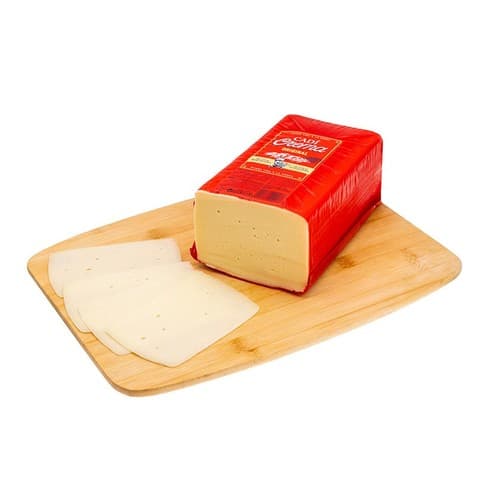 €2.10
€2.10Gran Cadí Cream Cheese, Sliced
CADÍ · ud · Bonpreu
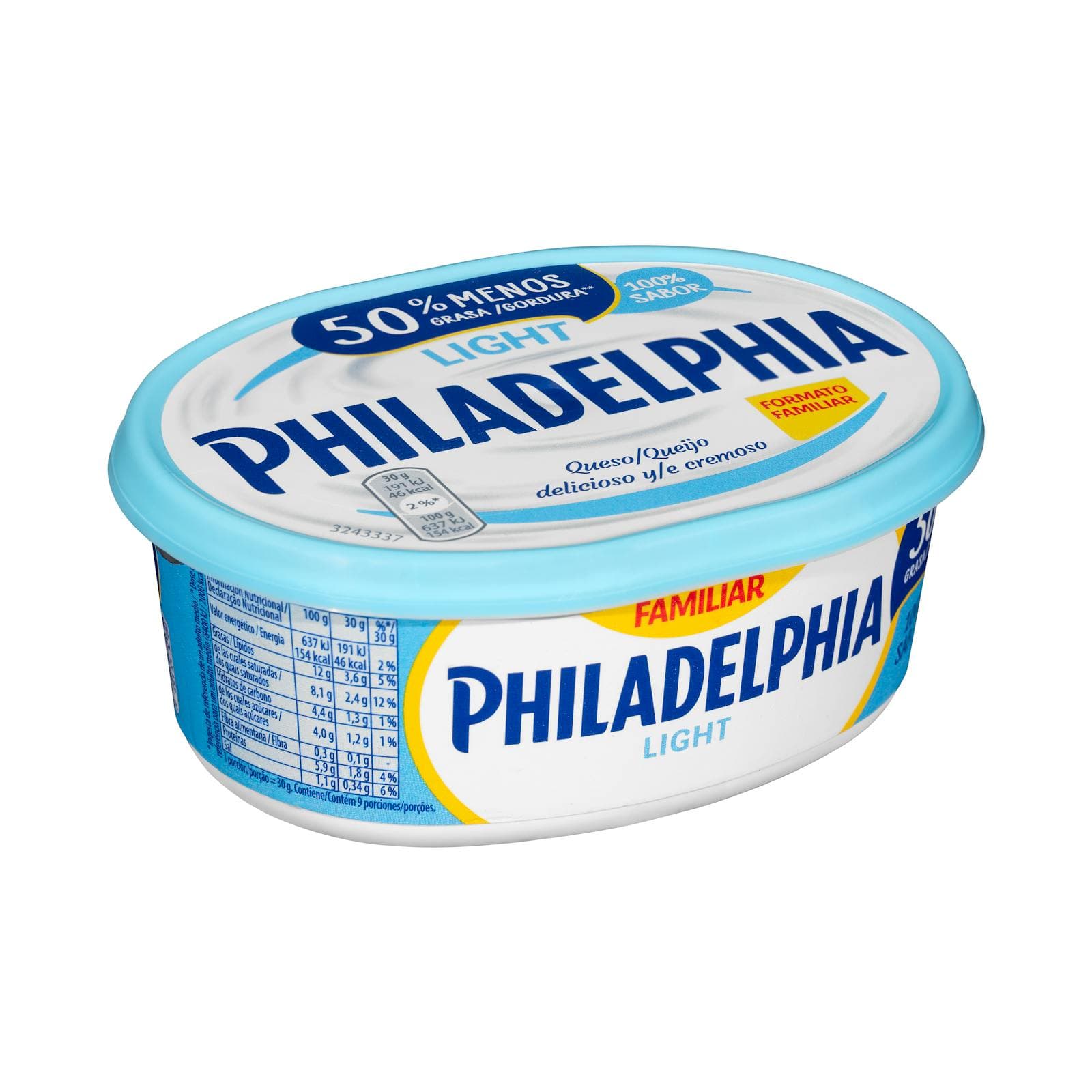 €2.90
€2.90Light Cream Cheese Philadelphia
Philadelphia · 270 g · Mercadona
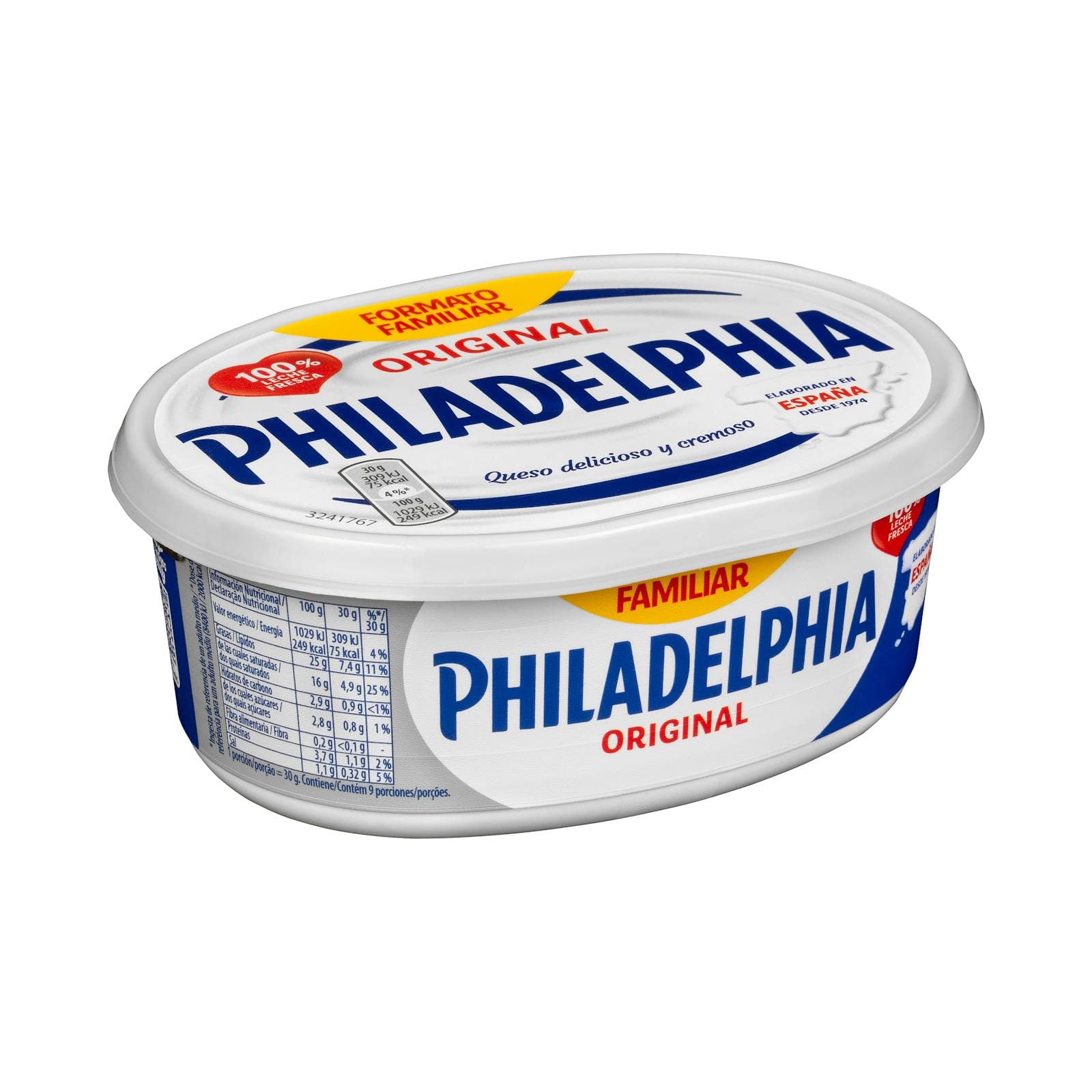 €2.90
€2.90Original Philadelphia Cream Cheese
Philadelphia · 270 g · Mercadona
Good to know
- Origin
- Normandy and Île-de-France regions of France
- Milk Type
- Cow's milk, enriched with cream (minimum 75% fat in dry matter)
- Rind
- White, bloomy, edible (Penicillium camemberti)
- Texture
- Spreadable, buttery, custard-like when ripe; interior may become liquid at peak ripeness
- Ripening Signs
- Exterior yields to gentle pressure; interior soft throughout; avoid any ammonia smell
- Shelf Life
- 2–3 weeks from production date; consume within 5–7 days of opening
- Serving Temperature
- Room temperature (20–22°C) for 30–45 minutes before serving to develop full flavor
- Storage
- Refrigerate in original wrapping or cheese paper; do not freeze
Substitutes
- Mascarpone blended with crème fraîche (2:1 ratio) — Approximates richness and spreadability; lacks the bloomy-rind complexity and mushroomy depth of true triple-crème
- Full-fat cream cheese whipped with heavy cream (3:1 ratio) — Achieves similar spreadability and richness; flavor will be tangier and less earthy
- Well-ripened Camembert — Closest in character and flavor profile; typically less rich; reduce cooking time if substituting in baked applications
- Pierre Robert (premium double-crème) — Near-triple-crème richness with excellent flavor; works well in most applications; reduce cooking time slightly
Pairs with
Also called
triple cream cheese · triple-crème · brillat-savarin · triple creme
Related

Whole Milk
Rich, full-fat milk for drinking, coffee, sauces, and baking
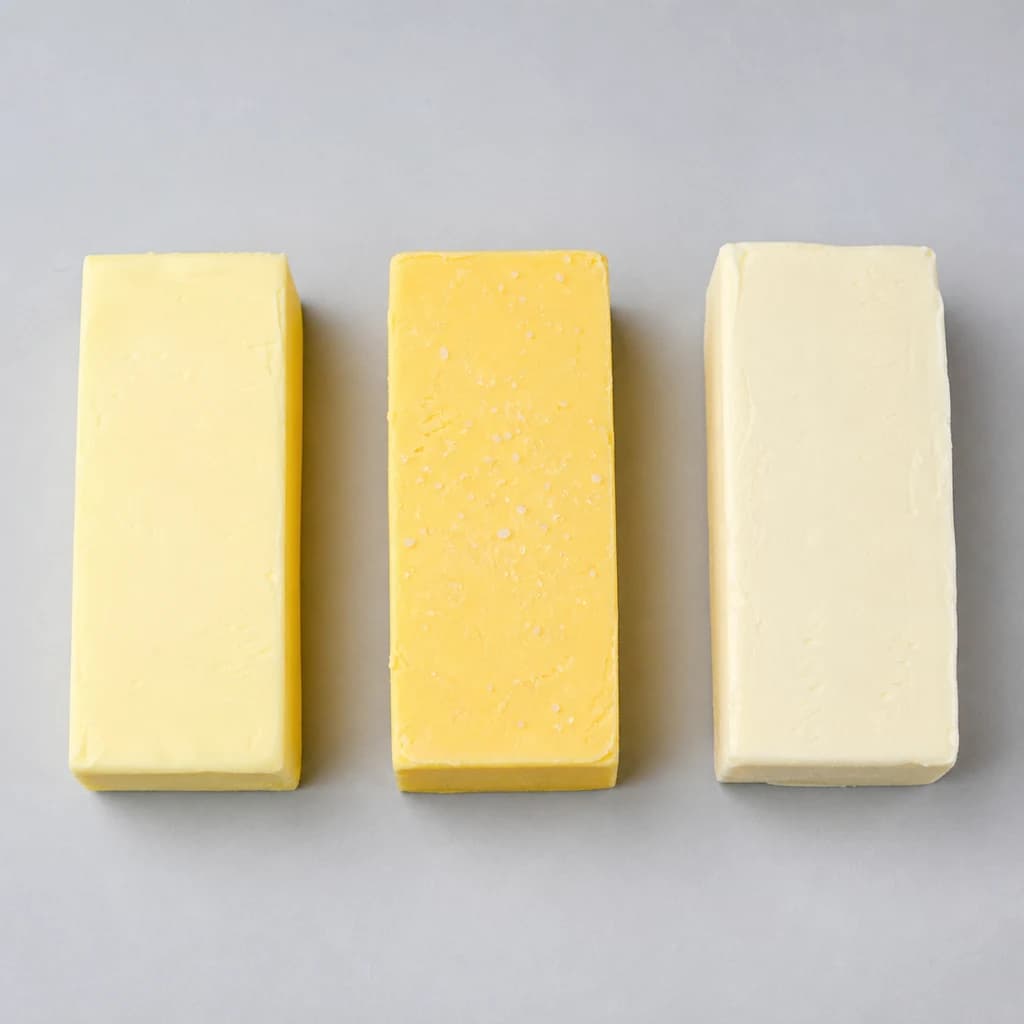
Butter
Golden fat for searing, baking, and finishing a sauce
Yogurt
Tangy, creamy culture for breakfast, sauces, and marinades
Cheddar Cheese
Sharp, melty cheese for sandwiches, gratins, and grating

Skim Milk
Fat-free milk for lighter drinking, coffee, and cooking
Heavy Cream
Rich cream that whips, enriches sauces, and sets ganache

Sour Cream
Tangy, thick cream for dolloping, baking, and dips
Mozzarella
Soft, milky cheese that melts into stretchy pizza pulls