Grains & Rice
Vermicelli
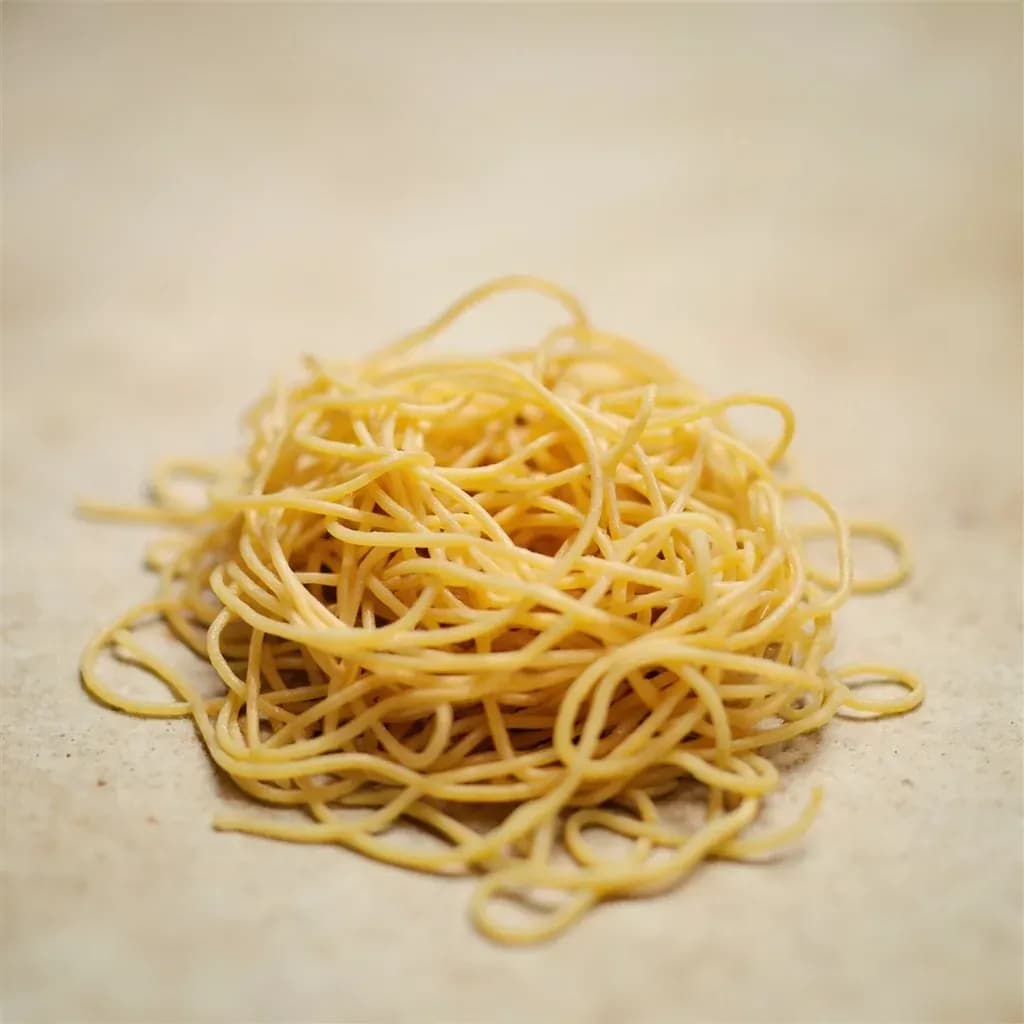
Very thin wheat noodles, toasted or boiled for pilafs, puddings, and soups.
Vermicelli are very fine wheat-flour noodles, distinct from rice vermicelli, used across the Middle East, South Asia, and Mediterranean. They are toasted golden and simmered into rice pilafs, cooked in sweet milk puddings like seviyan, or broken into soups. Their thinness means they cook quickly and absorb surrounding flavors.
Vermicelli — Italian for 'little worms' — refers to two distinct families of long, very thin noodles that share only their slender profile. Italian wheat vermicelli is a dried semolina pasta, slightly thicker than capellini, with origins in 14th-century Naples. Asian rice vermicelli, by contrast, is made from rice flour and water alone, producing translucent, brittle strands that rehydrate quickly. A third category — glass or cellophane noodles — is made from mung bean starch and behaves quite differently. These distinctions matter enormously in the kitchen: wheat vermicelli cooks like any dried pasta, while rice vermicelli requires brief blanching or soaking and can turn gummy if overcooked. Always confirm which type a recipe intends, as the methods and results are not interchangeable.
- Measured in
- g
- Storage
- Pantry
Allergens
Types & varieties
Semolina-based dried long pasta, slightly thicker than capellini. Traditionally paired with seafood sauces.
Translucent, brittle when dry. Sold in bundles. Two main sizes: very thin (phở-style) and thicker (bún-style).
Made from mung bean starch. Translucent when hydrated. Distinct from true rice vermicelli; chewier texture.
Pre-gelatinized rice vermicelli that rehydrates in minutes with hot water. Often contains additives for faster cooking.
Made from sweet potato starch. Grayish color, chewier than rice vermicelli. Common in Korean japchae.
Pre-fried rice vermicelli with added oil and seasoning. Common in Southeast Asian instant soup packs.
Common uses
Tips & pitfalls
- Toast rice vermicelli briefly in 1–2 tablespoons of oil before adding liquid — this prevents clumping and adds subtle richness.
- Do not overcook rice vermicelli; it turns gummy and falls apart. Blanch 1–3 minutes or soak per package directions, then drain immediately.
- Cook Italian wheat vermicelli in well-salted water (about 1 tbsp salt per 4 quarts) and drain firmly, as it continues cooking in residual heat.
- When using vermicelli in soups, add it last, just before serving, to prevent overcooking from carryover heat.
- Break rice vermicelli into shorter lengths before soaking or frying for easier handling with chopsticks and more even hydration.
- Rehydrate rice vermicelli in warm — not boiling — water; boiling water causes uneven hydration, softening the exterior while leaving the core firm.
- For crispy noodle nests, deep-fry loosely packed dry rice vermicelli in 350°F (175°C) oil for 10–20 seconds until it expands and turns golden.
- Toast wheat vermicelli in butter or oil until lightly golden and fragrant before adding broth for pilafs — this deepens the nuttiness of the final dish.
Nutrition
Energy
1385 kJ · per 100 g
Where the calories come from
Protein
0.1g
0% DV
Carbs
82.3g
30% DV
Fat
0.1g
0% DV
Fiber
3.9g
14% DV
Sugars
17.4g
of which
Sodium
4mg
0% DV
Source · USDA FoodData Central · Vermicelli, made from soy
View on FDC →In the shops
Matched grocery products
No matched grocery products for Vermicelli yet.
Good to know
- Composition
- Italian vermicelli: refined wheat flour, water, sometimes egg. Rice vermicelli: rice flour and water only.
- Origin
- Italy, first documented in Naples in the 14th century. Rice vermicelli independently developed in East and Southeast Asia.
- Diameter
- Italian: 0.04–0.05 in (1.0–1.3 mm). Asian rice vermicelli: 0.02–0.06 in (0.5–1.5 mm) depending on style.
- Hydration (rice)
- Rice vermicelli expands to 2–3 times its dry volume when soaked or blanched.
- Cooking time (wheat)
- 4–6 minutes in salted boiling water until just al dente.
- Cooking time (rice)
- 1–3 minutes blanching or 15–30 minutes soaking in room-temperature or warm water.
- Yield
- 1 oz (28 g) dried wheat vermicelli yields ~1 cup cooked. Rice vermicelli yields 2–3 cups hydrated.
- Shelf life (dried)
- About 2 years stored in a cool, dry, airtight container.
Substitutes
- Capellini / angel hair pasta — Best Italian substitute; slightly thinner, similar cooking time and behavior.
- Rice stick noodles (banh phở flattened) — Acceptable for Southeast Asian dishes; wider and less delicate than vermicelli.
- Fine egg noodles — Works in soups and stir-fries; has more body and richness from egg.
- Glass / cellophane noodles — For Asian dishes only; much chewier texture and different starch profile.
- Couscous — For Middle Eastern pilafs; similar size and neutral flavor, though texturally quite different.
Pairs with
Also called
Chaariya · Seviyan · Wheat Vermicelli
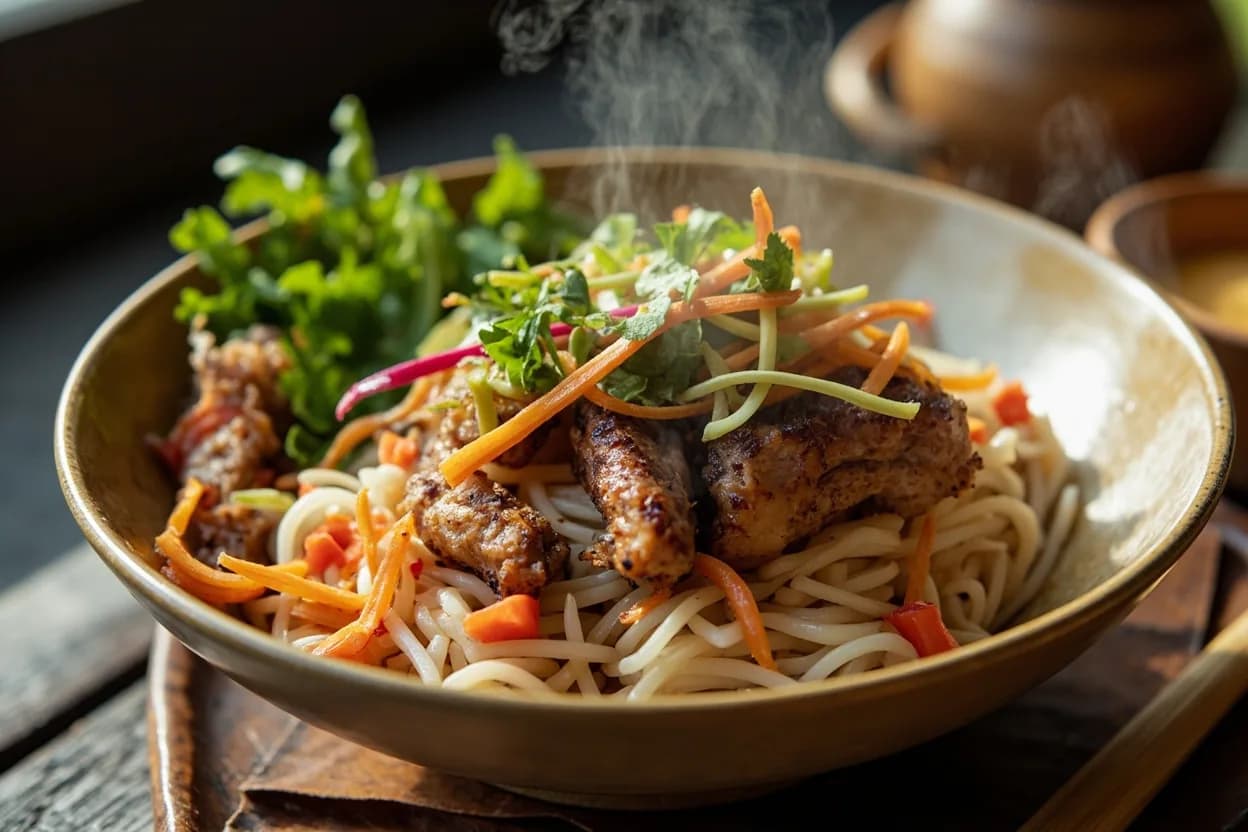
Appears in these dishes
Related

White Rice
Fluffy long-grain rice — the neutral base for almost any meal

White Bread
Soft sandwich loaf for toast, sandwiches, and crumbs
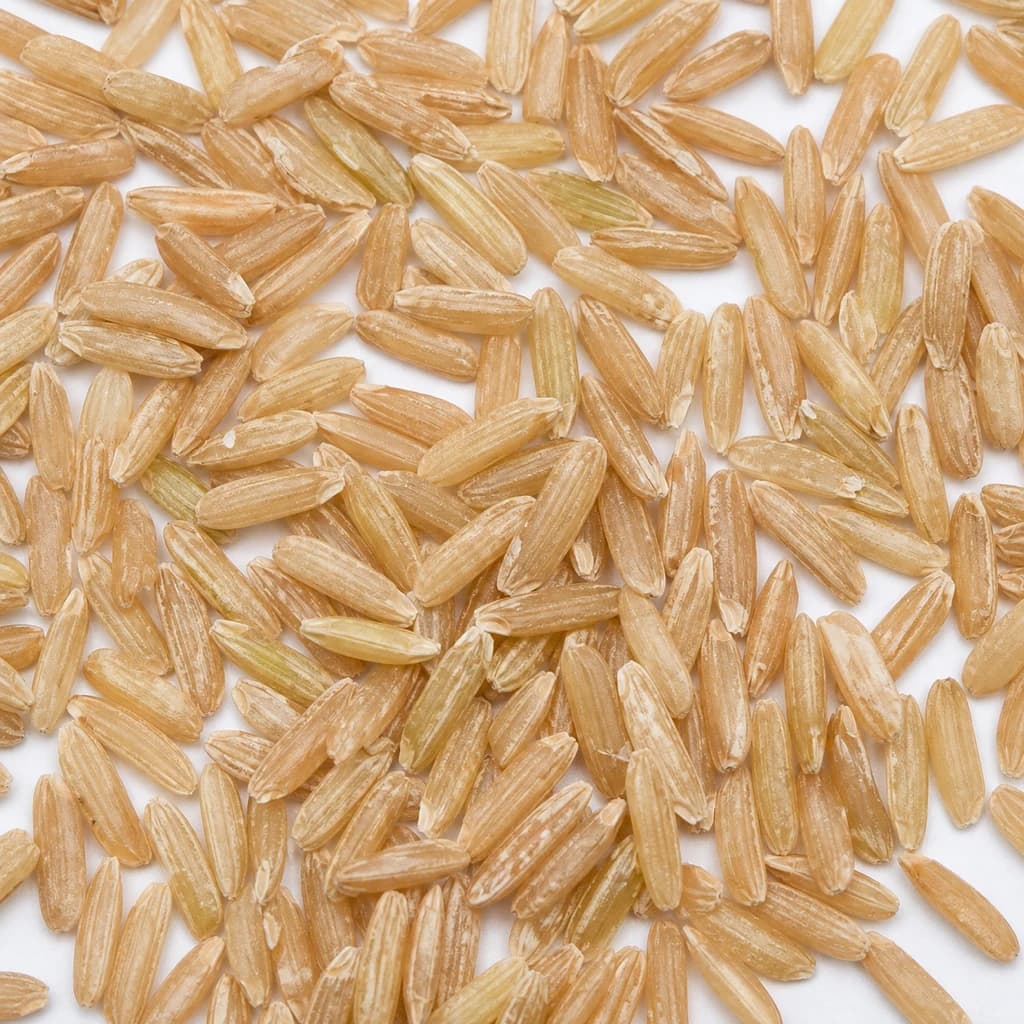
Brown Rice
Nutty, whole-grain rice with chew and extra fiber

Basmati Rice
Fragrant, long-grain rice that cooks up light and separate
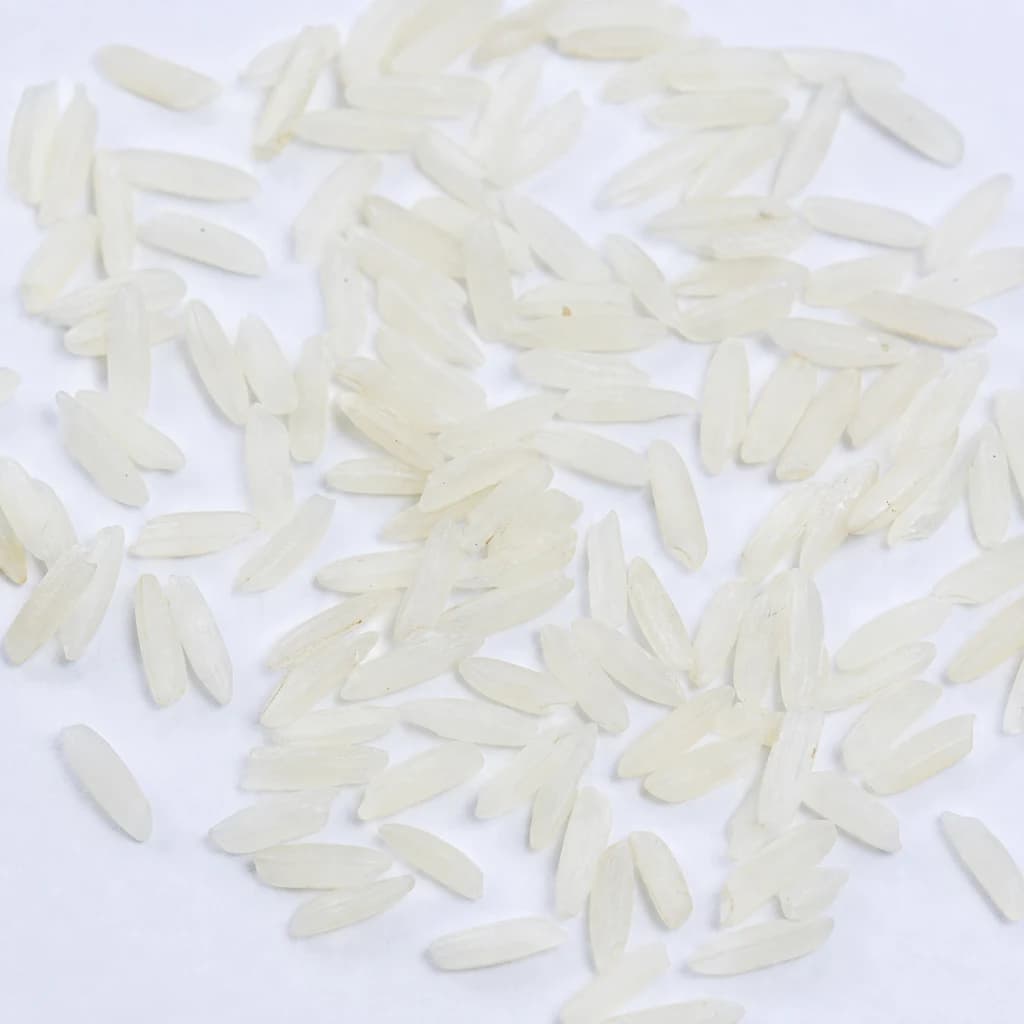
Jasmine Rice
Soft, floral-scented rice that's the pillar of Thai meals
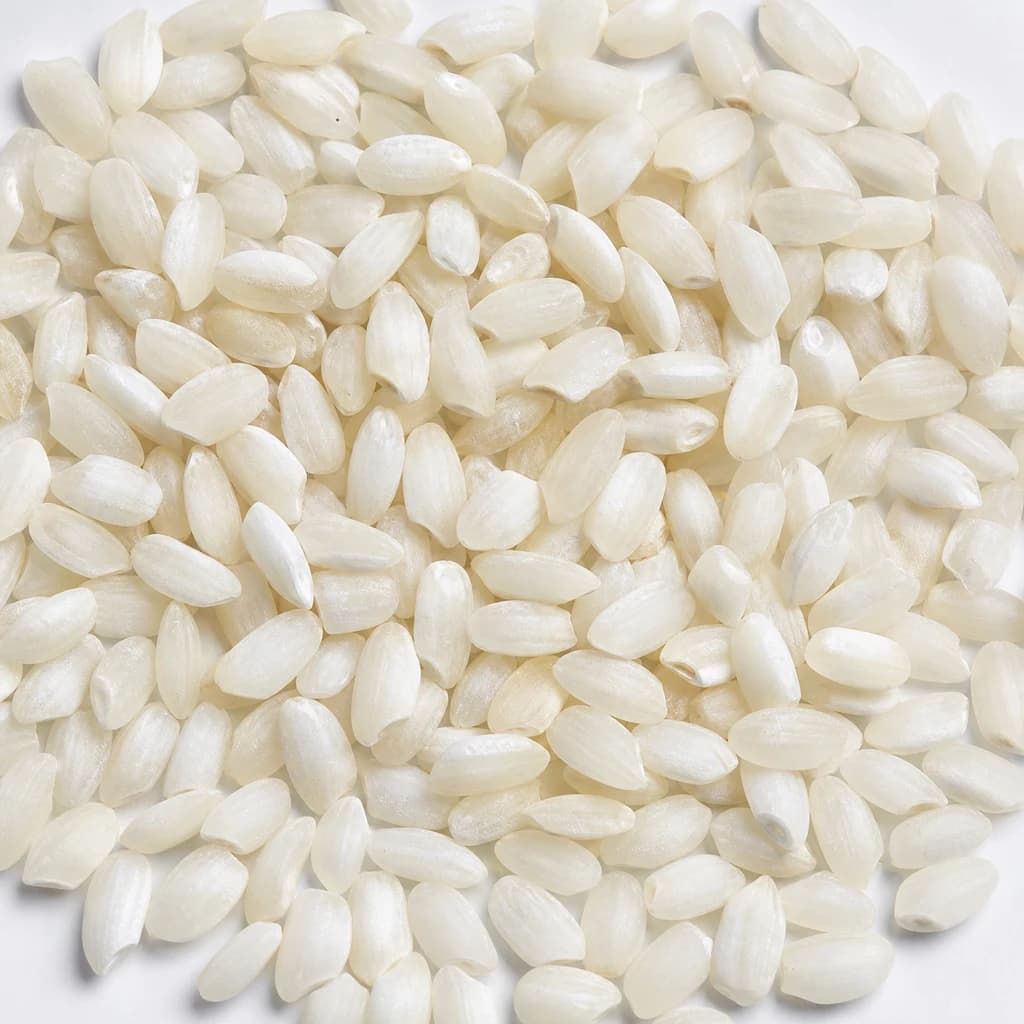
Arborio Rice
Plump, starchy rice that makes risotto creamy
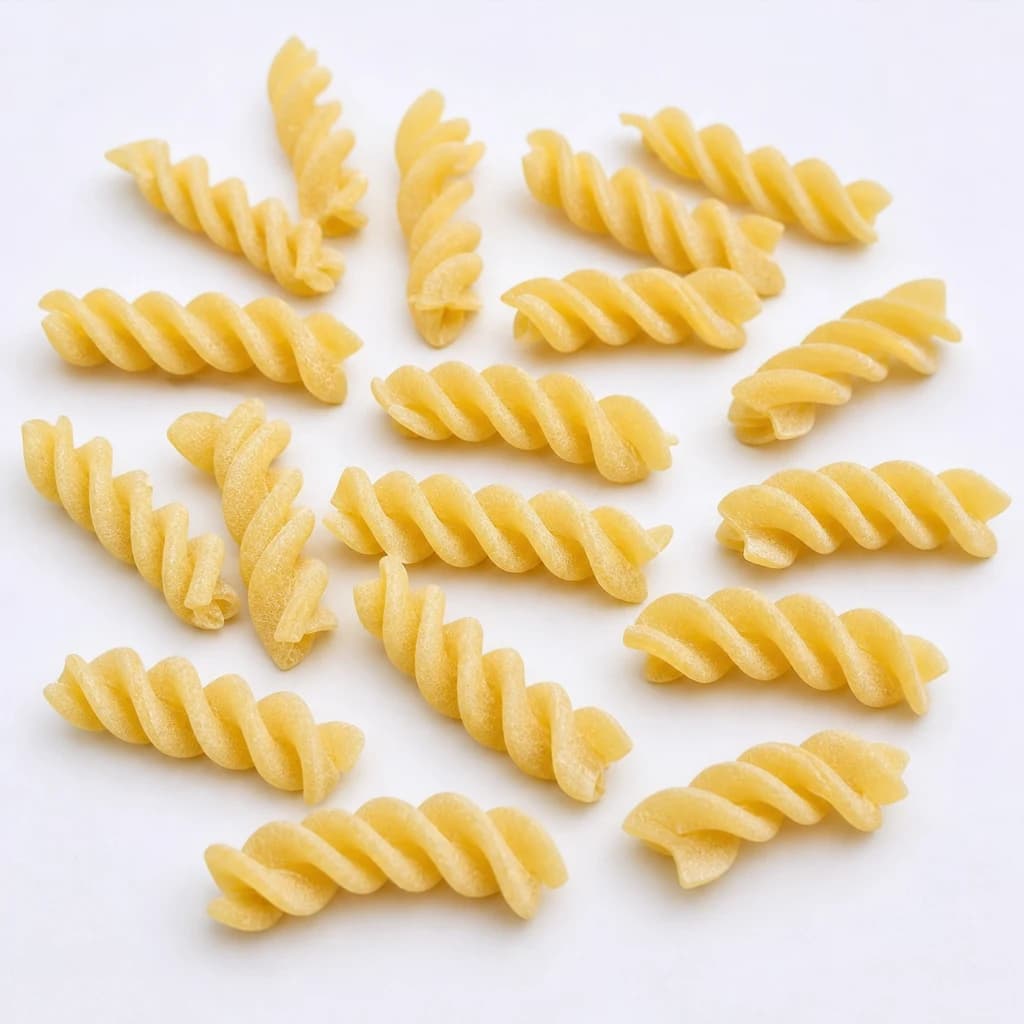
Fusilli
Spiraled pasta that twirls up sauce and dresses cold salads
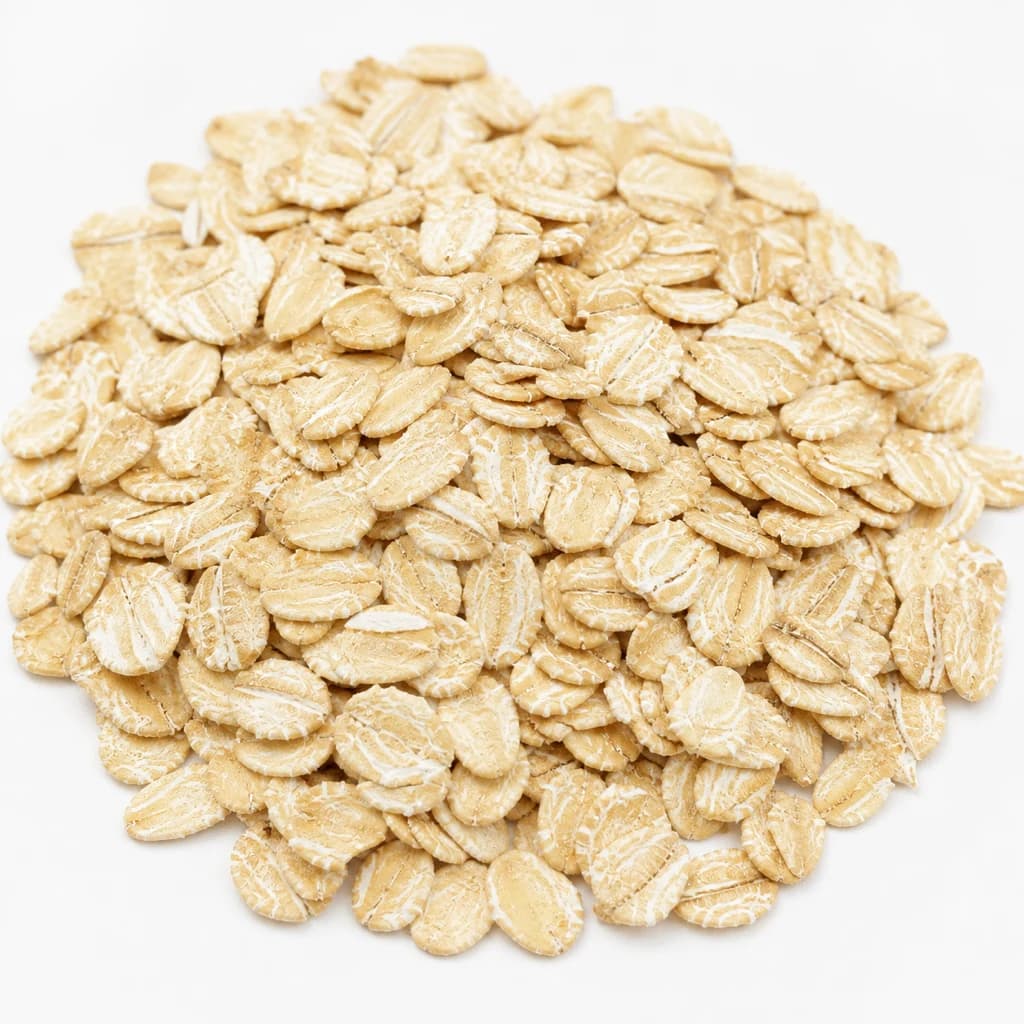
Rolled Oats
Hearty flakes for porridge, granola, and chewy cookies