Heat & Safety
Firewood
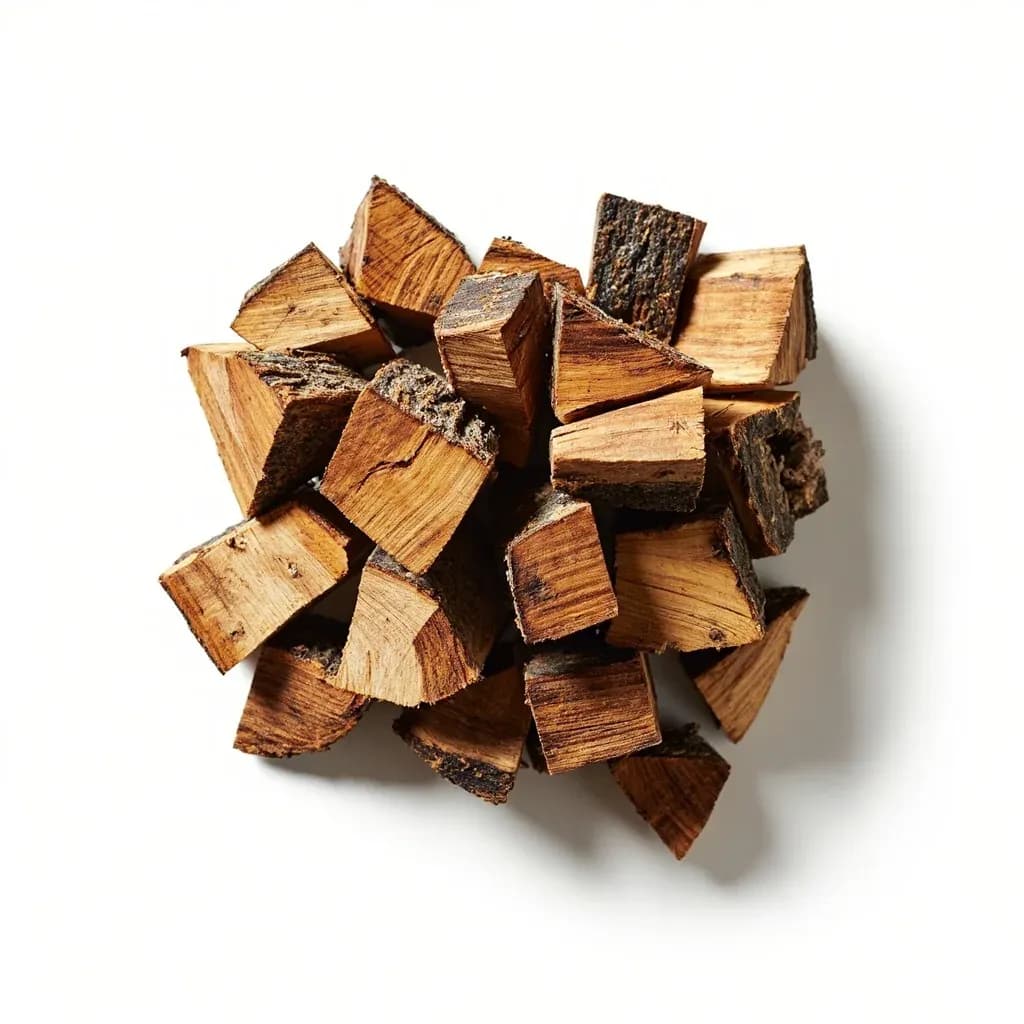
Split hardwood logs burned for live-fire cooking, smoking, and wood-fired ovens.
Firewood is split, seasoned hardwood logs burned as fuel for live-fire grilling, smoking, and wood-fired ovens. It produces the flames, embers, and aromatic smoke that flavor meats, breads, and vegetables cooked over open fire or braai. Dry, well-seasoned hardwoods like oak and fruitwoods burn cleaner and impart better flavor than resinous softwoods, which can taste acrid.
Firewood for cooking is not interchangeable with fireplace wood or construction scrap. The cook's relationship with wood is sensory and practical: you learn a piece of wood by its weight when lifted, the sound it makes when struck, the smell when split, and the behavior of its fire. Hardwoods—dense wood from deciduous trees—burn longer, hotter, and cleaner than softwoods, producing less creosote and fewer sparks. The critical distinction for any cook is properly seasoned wood: wood dried to 15–20% moisture content or below. Wet wood wastes heat energy on evaporating water, produces thick white smoke instead of clean blue smoke, and leaves food tasting of creosote rather than the wood's nuanced aromatics.
Beyond combustion properties, each wood species contributes distinct flavor compounds—hickory's guaiacol for that classic bacon character, cherry's furfural for mild sweetness, mesquite's intense earthy notes—and understanding these relationships elevates live-fire cooking from mere heat to genuine culinary craft. The fundamental rule is simple: avoid all softwoods (conifers including pine, spruce, fir, cedar). Their high resin content produces dangerous creosote buildup that can ignite in chimneys, acrid sooty flavors on food, and potential health concerns from compounds like abietic acid. Always verify wood comes from clean sources—never use lumber from treated beams, painted wood, or wood of unknown origin that may carry chemicals or invasive species.
Wood selection also determines burn characteristics. Mesquite delivers the highest heat output and burns hottest; hickory and oak among the highest; oak provides steady, long-burning heat ideal for overnight cooks; fruitwoods like apple and cherry burn cooler and more quickly but add delicate complexity. For most serious cooks, a mix of a backbone wood (oak, hickory) and a finishing wood (fruitwood, nut wood) gives the best results—layering flavors rather than overwhelming them.
Alternatives
Types & varieties
Versatile, long-burning, moderate flavor. The workhorse of wood-fired cooking. Low moisture when properly seasoned.
The classic American smoking wood. Strong, bacon-like flavor. Burns hot and long. Pairs with pork, beef, ribs.
Mild, subtle sweetness. Good for poultry, vegetables, delicate fish. Burns evenly and predictably.
Mild, slightly fruity, sweet. Versatile—all meats, vegetables, even cheese. Imparts reddish smoke color.
Sweet, fruity, similar to cherry but more pronounced. Excellent with pork, poultry, game birds.
Subtle nuttiness, milder than hickory. Good for long cooks. American Southwest and Texas tradition.
Intense, earthy, slightly bitter. Burns very hot and fast. Popular in Texas and Southwest US. Use sparingly.
Light, delicate, traditional in the Pacific Northwest. The standard for smoking salmon. Mild enough for vegetables and cheese.
Intense, sweet, complex smoke. Burns fast. Traditional in Mediterranean and California. Excellent for game and poultry.
Sweet, herbal, distinctive. Traditional in Mediterranean wood-fired ovens. Excellent for pizza and bread.
Strong, slightly bitter, earthy. Can be overpowering. Usually mixed with milder woods.
Neutral, good heat, burns steadily. Common in Central and Eastern Europe. Pairs with most foods.
The Seasoning Imperative
Properly seasoned wood is the single most important factor in successful wood-fired cooking. Freshly cut wood contains 40–60% moisture by weight; burning that water wastes enormous energy and produces acrid smoke. Seasoned wood shows visible checks (cracks) radiating from the log end's center, feels significantly lighter than unseasoned pieces, and makes a hollow, resonant sound when two logs are struck together. Unseasoned wood feels heavy, shows damp or shiny ends, and produces a dull thud when knocked together. Bring wood indoors only 24–48 hours before use—cold wood smokes more than burns and creates excessive creosote.
- Seasoned: light weight, cracked ends, hollow knock sound, gray to brown color
- Unseasoned: heavy, damp-looking ends, mold possible, bright sapwood color
- Air-dry split wood 6–12 months minimum; kiln-dried reaches proper moisture in days
Regional Availability and Sourcing
Wood is a regional ingredient. Oak and hickory dominate North American grilling culture; olive and oak are traditional in Mediterranean wood-fired ovens; mesquite defines Texas and Southwest cooking; alder is the Pacific Northwest standard. Source locally when possible—regional woods suit regional cuisines. Purchase from reputable suppliers who can confirm the wood is food-safe and free from chemical treatments, painted surfaces, or pressure-treatment. Avoid fallen wood from unknown sources that may harbor invasive species or contaminants.
- Join local woodworking or arborist associations for clean-offs
- Ask restaurants with wood-fired equipment for supplier recommendations
- Never burn wood from pallets, construction debris, or chemically treated lumber
Common uses
Tips & pitfalls
- Seasoned wood has visible checks (cracks) radiating from the center of the log end; unseasoned wood shows a damp, shiny surface
- Store firewood under cover but with open sides—tight stacking against walls or plastic tarping traps moisture
- Bring wood indoors only 24–48 hours before use; cold wood smokes more than burns and creates excessive creosote
- Size fuel for the application: 4–6 inch chunks for smoking, 2–4 inch pieces for grilling, 8–12 inch logs for establishing fire in ovens
- For smoking, 4–6 inch chunks/splits are ideal; too small and they burn up quickly, too large and they don't ignite properly
- Build fire away from food, let it burn to hot coals, then add wood pieces to generate clean, blue smoke—this is the smoke you want on food
- Avoid pine, spruce, fir, cedar, and other softwoods: their high sap content produces dangerous creosote buildup that can ignite in chimneys and imparts acrid, sooty flavors
- Mix woods for complexity—hickory and cherry, oak and apple, mesquite and pecan—rather than using a single type
- For pizza ovens, start with split hardwood to establish heat, then maintain with smaller pieces added to the fire's edge
- Soak wood chips only if quick smoke is needed (30 minutes or less); for longer cooks, dry chips burn cleaner and more consistently
Good to know
- Primary Type
- Hardwood (deciduous trees with dense, slow-burning wood)
- Typical Dimensions
- 16–18 inches long, 3–6 inches diameter for cooking use
- Moisture Content
- Properly seasoned: 15–20% or below; kiln-dried: often under 20%
- Seasoning Time
- Air-dried: 6–12 months minimum; kiln-dried: days to weeks
- Heat Output
- Varies by species; hickory and oak among highest; mesquite highest BTU per cord
- Burn Characteristics
- Hardwoods burn longer, hotter, and cleaner than softwoods; produce less creosote and sparks
- Storage
- Elevated off ground, protected from rain, with air circulation on all sides
- Origin
- Regional availability dictates common types; oak and hickory most widespread in North America; olive and oak common in Mediterranean
Also called
fire-wood · cooking-wood · split-logs
Related

Paper Towels
Disposable sheets for spills, drying, and patting dry

Kitchen Towels
Reusable cloths for drying, gripping, and wiping

Oven Mitts
Heatproof gloves to handle hot pans and trays safely

Disposable Gloves
Single-use gloves for safe, mess-free handling

Cleaning Cloths
Reusable cloths for wiping counters and spills

Tortilla Warmer
Insulated holder that keeps tortillas warm and soft

Trivet
Heatproof stand that shields surfaces from hot pots

Ice Bath Setup
Bowl of ice water that halts cooking and sets color