Other
Weighing Boat / Weigh Paper
Disposable tray or paper for holding ingredients on a scale during precise weighing.
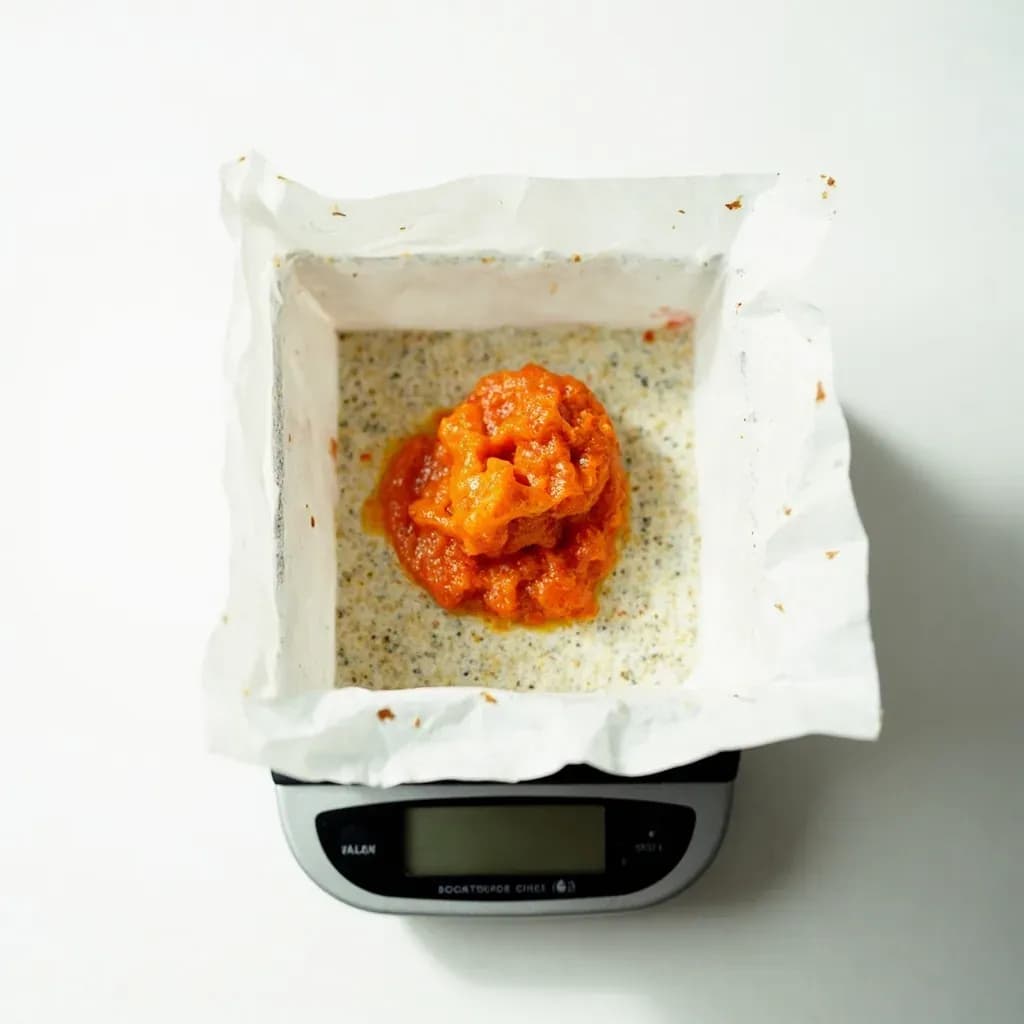
A weighing boat is a small disposable plastic or paper tray, and weigh paper a creased square, used to hold dry ingredients on a kitchen or lab scale. Cooks tare the scale with the boat in place, add the ingredient, then pour it out cleanly without losing fine powders. They keep the scale pan clean and make weighing spices, salts, and additives accurate and tidy.
A weigh boat is a small disposable vessel — plastic, aluminum, or paper — that sits on the pan of a digital scale so ingredients can be measured without ever touching the scale itself. Borrowed from analytical chemistry, it has become a quiet staple of the gram-precise pastry kitchen, where a smear of honey on the weighing platform is the difference between a clean read and a ruined batch. The whole point is disposability: tare the empty boat, weigh into it, pour or scrape the contents into your mixing bowl, and toss it. Nothing to wash, nothing to cross-contaminate, no residue of last week's cocoa throwing off today's salt reading.
The boats themselves are deceptively simple. Plastic versions are flexible, light, and cheap; aluminum is stiffer and survives contact with hot fats, melted chocolate, and warm sugar syrups. Paper versions, glassine or parchment, fold into the same shape and behave similarly. Because the vessel is tared out at the start, its own weight is irrelevant; what matters is that it sits flat, holds the ingredient securely, and offers a clean way to transfer it. Many boats, particularly the diamond shape, have a pour spout at one corner precisely so the measured ingredient slides cleanly into the bowl with no scraping and no loss.
The discipline the boat imposes — weigh, transfer, discard — is what makes it valuable. In a busy kitchen weighing salt, yeast, baking powder, and spices in quick succession, a single small boat keeps the workflow moving and the scale uncontaminated. At home, it is equally useful the first time you measure tahini or vanilla into a delicate dough and want every gram accounted for.
Alternatives
Types & varieties
The classic lab shape with a flat bottom and sloped sides; flexible and inexpensive; sizes run from roughly 5 mL to 100 mL.
Flat, foldable design with a pour spout at one corner; easy to tip measured ingredients straight into a bowl.
Stiffer and more heat-resistant than plastic; the right choice for molten butter, chocolate, caramel, and warm oils.
Treated plastic that resists static cling; worth the modest premium in a pastry kitchen weighing cocoa, powdered sugar, or flour daily.
Smooth, glossy, grease-resistant paper; a traditional choice for powders and small dry items.
Pre-cut squares that fold into a boat with raised sides; widely used in pastry kitchens.
A common kitchen substitute; fold into a boat shape with raised sides before taring so the ingredient cannot slide off the scale.
Choosing the right material
The material of the boat is dictated by the ingredient and the temperature of the kitchen. Reach for plastic for most cold and room-temperature work — powders, salts, spices, viscous pastes — because it is cheap, flexible, and disposable in volume. Switch to aluminum the moment heat enters the picture: melted chocolate at 45 °C is fine in a plastic boat, but hot caramel, rendered lard, or sugar syrup at 120 °C will soften polystyrene and deform the vessel. Paper boats, glassine or parchment, are the quiet favorite in pastry kitchens because they fold to the size you need, pour cleanly, and can be composted.
Taring and transfer technique
The correct sequence is empty boat on the scale, tare to zero, then add the ingredient. Taring after the ingredient is in the boat zeros out both the vessel and its contents, so you lose the displayed reading of how much you have already weighed; any further additions will register only the new portion, not the total. Once the target weight is reached, lift the boat off the scale and pour from the spout corner directly into the mixing bowl; the spout exists so you do not have to scrape with a spatula and lose precious grams of honey or starter. For very sticky ingredients, a fingertip of neutral oil wiped inside the boat lets the contents release in one clean pour.
Adapting the technique at home
A small ramekin, a prep bowl, a sheet of aluminum foil shaped with raised sides, or a piece of parchment folded into a boat all work as substitutes at home. The principle is the same: a clean, tared vessel that holds the ingredient securely, fits flat and stable on the scale pan, and offers a way to transfer the contents without scraping. The only failure mode is a flat sheet of paper with no raised sides — ingredients slide off the scale the moment you lift it.
Common uses
Tips & pitfalls
- Always tare the scale with the empty boat on the pan before adding the ingredient; taring after the fact also zeros out the ingredient itself, so the displayed value no longer reflects what is actually in the boat.
- Keep the boat centered and flat on the scale pan. A tilted boat shifts the load off the load cell and gives a reading that drifts as you add more.
- For liquids, choose a boat with a pour spout and weigh slightly more than you need so you can pour off the excess; you cannot easily remove a measured gram of milk from a boat.
- For fine powders like cocoa, powdered sugar, or flour, use an antistatic boat or wait a second for the reading to stabilize; static charge causes the number to drift and settle.
- Plastic boats are not heat-safe above about 90 °C / 195 °F. Switch to aluminum for hot sugar syrups, rendered fats, and any work that approaches the plastic's heat limit.
- Fold parchment or wax paper into a proper boat with raised sides before taring. A flat sheet lets ingredients slide off the scale the moment you lift it.
- Do not reuse a disposable boat between ingredients. Tiny residues of salt, leavening, or other ingredients will throw off the next measurement.
- For sticky ingredients such as molasses, honey, or tahini, lightly oil the inside of the boat so the contents release cleanly into the bowl in one pour.
Good to know
- Type
- Disposable weighing vessel for use on digital scales
- Common materials
- Polystyrene plastic, polypropylene plastic, aluminum, glassine paper, parchment paper
- Typical capacities
- Roughly 5 mL to 250 mL across standard sizes
- Tare behavior
- Lightweight; tared out at the start of weighing, then discarded
- Reusable?
- No — designed for single use to avoid cross-contamination and scale contamination
- Heat tolerance
- Polystyrene softens above about 90 °C / 195 °F; aluminum and polypropylene handle much higher temperatures
- Static behavior
- Standard plastic can attract fine powders; antistatic versions exist for cocoa, flour, and spices
- Cost
- Very low; commonly sold in packs of 100 or 500
Also called
weigh paper · weighing boat · weigh boat · weighing paper
Related
Dusting Flour / Bench Flour
Flour scattered on the work surface and dough to stop sticking while rolling and shaping.
Tasting Placemat
Numbered mat that organizes samples in order during a tasting or evaluation.
Tasting Score Sheet
Printed form for rating samples on aroma, flavor, and texture during a tasting.
Wine Label / Tag
Stick-on or hanging tag for marking bottles with vintage, contents, or tasting notes.