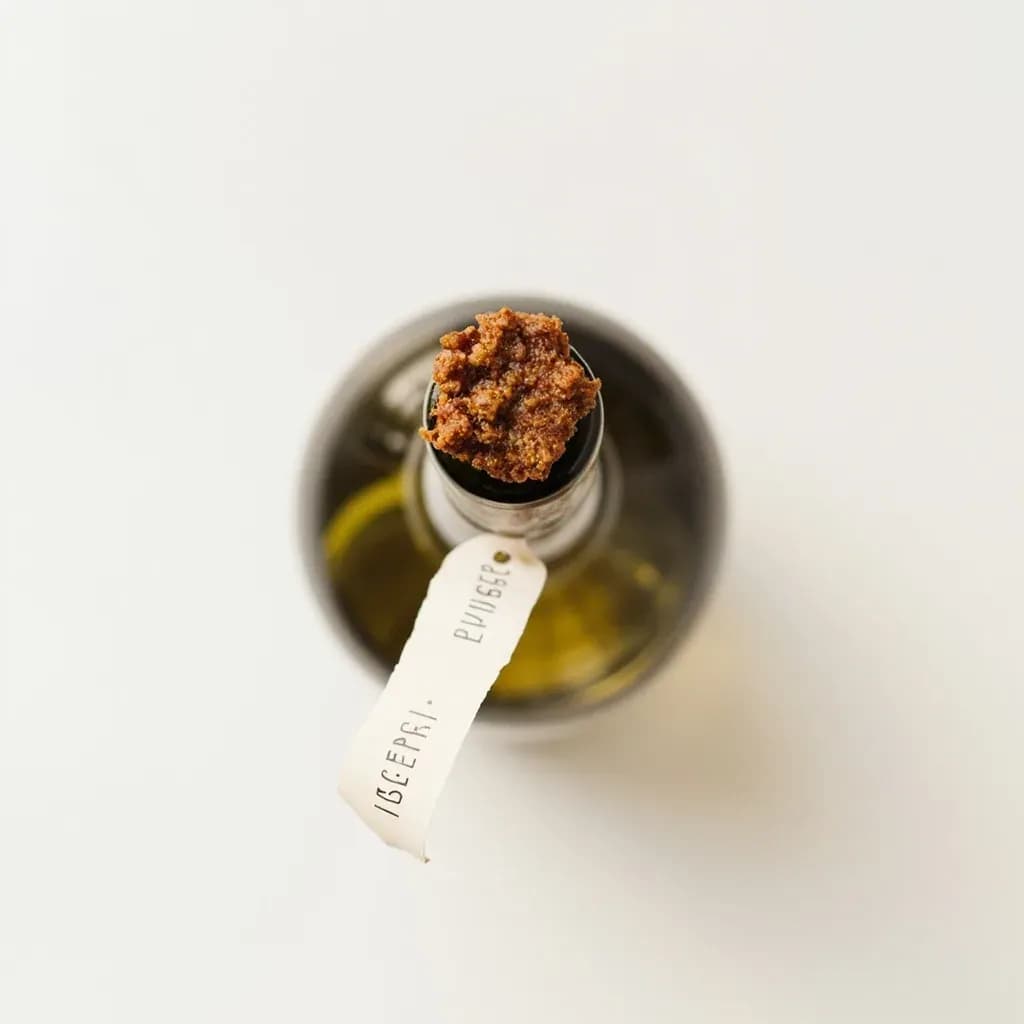
Other
Wine Label / Tag
Stick-on or hanging tag for marking bottles with vintage, contents, or tasting notes.
A wine label or tag is an adhesive label or hanging neck tag used to identify a bottle's contents, vintage, or batch. Home winemakers and cooks use them to mark decanted bottles, homemade infusions, vinegars, and cellar stock so nothing is mixed up. Write-on versions let you note dates and tasting impressions directly on the bottle.
A wine label or tag is any marker — adhesive, tied, or slip-on — used to identify the contents of a bottle when the commercial label is missing, incomplete, or insufficient. In a working kitchen and home cellar, this covers a surprising range of situations: decanting into a carafe without its original label, bottling a homemade batch of mead or shrub, numbering cases during a long aging project, or marking tasting glasses at a dinner party. The right tag stays legible under the conditions you'll store the bottle in, and can be removed or updated without ruining the bottle underneath.
Material is the practical decision, and material is dictated by environment. Paper tags are cheap and pleasant for gifting a bottle of homemade limoncello that will be opened within weeks, but they curl, bleed, and fall off in a damp cellar or ice bucket. Reusable options — chalkboard vinyl, slate, and engraved stainless steel — cost more up front but pay for themselves across multiple vintages and projects. Attachment style matters too: a hang tag tied around the neck stays visible when bottles rest horizontally in a rack, while an adhesive label on the body works better for bottles that will be moved, chilled, or stacked.
A few details that rarely make it onto the packaging but matter in practice: pencil is more stable than nearly every ink over years of cellaring, china markers (the waxy grease pencils sold at hardware stores) write cleanly on slate, glass, and metal, and chalk markers — not regular chalk — are what you want on chalkboard vinyl if you want clean lines that don't smear when wet.
Alternatives
Types & varieties
Tied around the bottle neck with string, twine, or thin wire; stays visible on horizontally stored bottles and is the go-to choice for gifting and tasting events
Self-adhesive paper or vinyl applied to the bottle body; standard for cellar organization and any bottle that will be handled, chilled, or shipped
Reusable black vinyl written on with chalk or chalk markers and wiped clean with a damp cloth; ideal when vintage or batch information may change
Stainless steel, pewter, or silver-plated tag, often engraved or marked with a china marker; durable, reusable, and suited to long-term cellaring
Natural slate piece, pre-drilled or adhesive-backed; written on with a china marker or chalk pencil and read clearly even in dim cellar light
Sequentially numbered tag for tracking individual bottles in a larger collection or aging project
Pre-printed tag naming a specific year or range, used to mark bottles from a particular vintage at a glance
Larger card attached to the bottle so guests can refer back to notes during a tasting flight
Decorative sleeve over the capsule that can carry an attached or printed tag; useful when you don't want to mark the bottle itself
Decorative tag, often seasonal, attached for presentation of bottled homemade wine, oil, vinegar, or liqueur
Choosing the right material
The material you pick should match two things: how long the tag needs to last, and what conditions the bottle will sit in. Short projects under a few months in a cool pantry can get away with paper or cardstock and a decent permanent pen. Anything that will spend a season in a 55°F cellar, sit in an ice bucket at a dinner party, or travel in a cooler needs something tougher — chalkboard vinyl, slate, or metal. Reusable materials also make sense when the information itself may change, as it often does with fermenting batches or a multi-year aging project where you want to update a tasting note each year.
- Paper and cardstock: best for gifting and events under a few weeks; cheap, writeable, not moisture-resistant
- Chalkboard vinyl: reusable, writes with chalk or chalk markers, wipes clean with a damp cloth
- Slate: long-lasting, reads clearly in low light, requires a china marker or chalk pencil
- Stainless steel or pewter: most durable; engraved tags are permanent, write-on tags accept a china marker
- Wood: warm and decorative but can stain or swell in damp cellars; best for short-term display
Writing tools and legibility
The pen matters as much as the tag. A fine-tip permanent marker works on most paper and adhesive vinyl but fades under UV light and can bleed in humidity. A china marker — the waxy grease pencil found at hardware and art supply stores — is the unsung hero of cellar labeling: it writes on glass, slate, metal, and glossy vinyl, and it stays put through condensation and cold. On chalkboard vinyl specifically, use a chalk marker (a liquid chalk pen), not dry chalk, if you want crisp lines that won't smear when the bottle sweats.
- Permanent marker: convenient, fades in sunlight, can bleed in humidity
- China marker (grease pencil): stable on glass, slate, and metal; the most versatile choice for reusable tags
- Chalk marker: only on chalkboard vinyl surfaces; gives clean, wipeable lines
- Pencil on paper: remarkably stable over years of cool, dark storage — better than most inks for long cellaring
- Chalk pencil on slate: classic pairing; legible in dim cellar lighting
Common uses
Tips & pitfalls
- Use water-resistant, smudge-proof ink or markers so labels stay legible when bottles sweat in cold cellars and ice buckets
- Choose chalkboard vinyl, slate, or metal if you want to update vintage or batch information without reprinting
- Hang tags around the neck so the label is visible even when bottles lie horizontally in racks
- For long-term cellaring, write in pencil on paper tags — pencil holds up far better than most inks over years
- Avoid aggressive adhesives on bottles you plan to reuse; removable labels peel cleanly without leaving residue on the finish
- Pre-drilled metal or wood tags survive damp cellars and outdoor events better than paper
- Adopt a consistent numbering system (rack + shelf + bottle number) for larger collections so any bottle can be located quickly
- Attach tasting note cards to the bottle, not the glass, so guests can refer back to notes throughout the flight
- Keep a master list pairing each tag number or note with the full batch details — tags are only as useful as your records
- Don't cover legal or required label information on commercially bottled wine; use a small hang tag or collar instead
- Let freshly washed bottles dry completely before applying adhesive labels, or the edges will lift within days
- Store unused paper tags flat in a dry place to prevent curling and ink bleed before you ever use them
Good to know
- Primary purpose
- Identifying contents, vintage, or tasting notes on wine and other beverage bottles
- Common materials
- Paper, cardstock, chalkboard vinyl, stainless steel, pewter, slate, wood, plastic
- Attachment methods
- Adhesive backing, hang string, wire, or slip-over collar
- Reusability
- Single-use (paper) and reusable (chalkboard, metal, slate) options both widely available
- Writing tools
- Permanent marker, chalk marker, pencil, or china marker depending on material
- Food safety
- Tags sit outside the bottle; adhesives and inks should be non-toxic and water-resistant
- Typical placement
- Bottle neck, body, or capsule/foil topper depending on storage position
- Storage sensitivity
- Paper versions degrade in humidity and ice; slate and metal tolerate cellar conditions far better
Also called
wine tag · wine label · bottle tag · bottle label
Related
Dusting Flour / Bench Flour
Flour scattered on the work surface and dough to stop sticking while rolling and shaping.
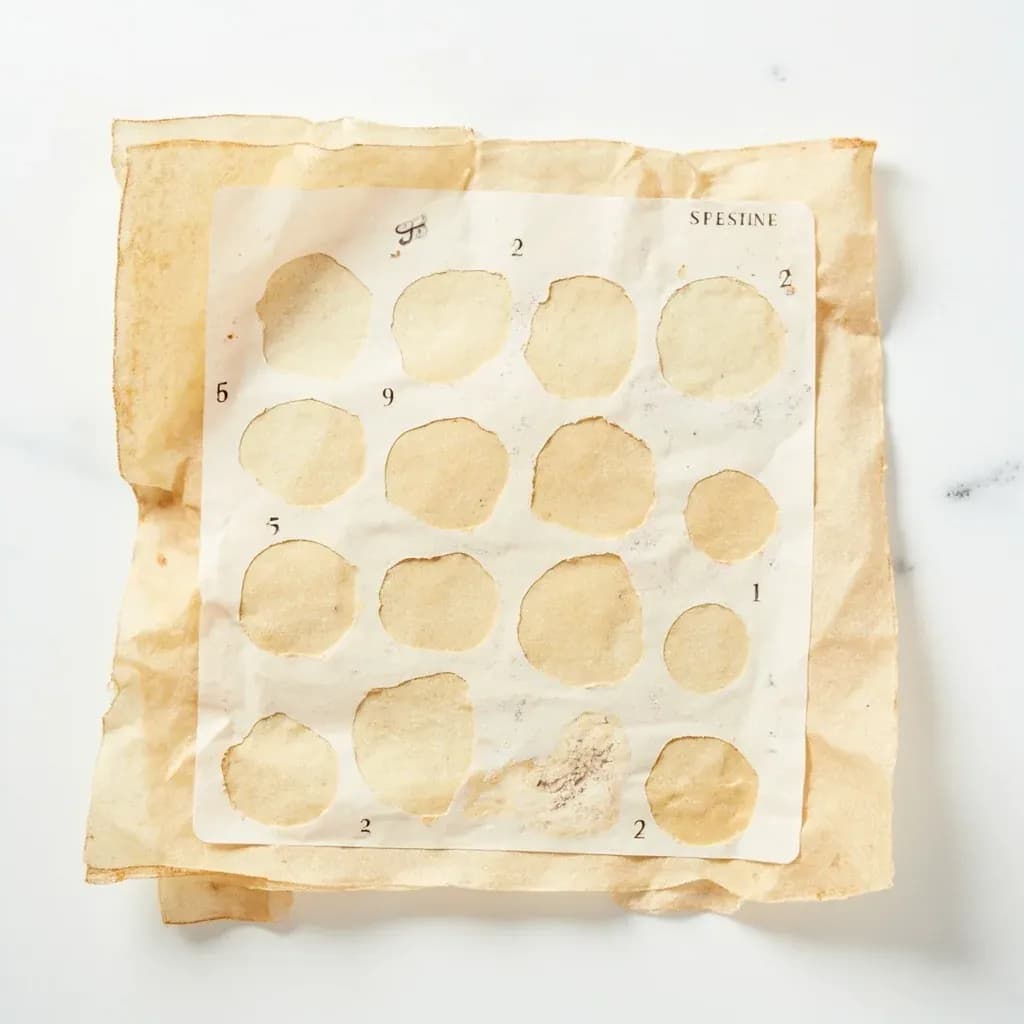
Tasting Placemat
Numbered mat that organizes samples in order during a tasting or evaluation.
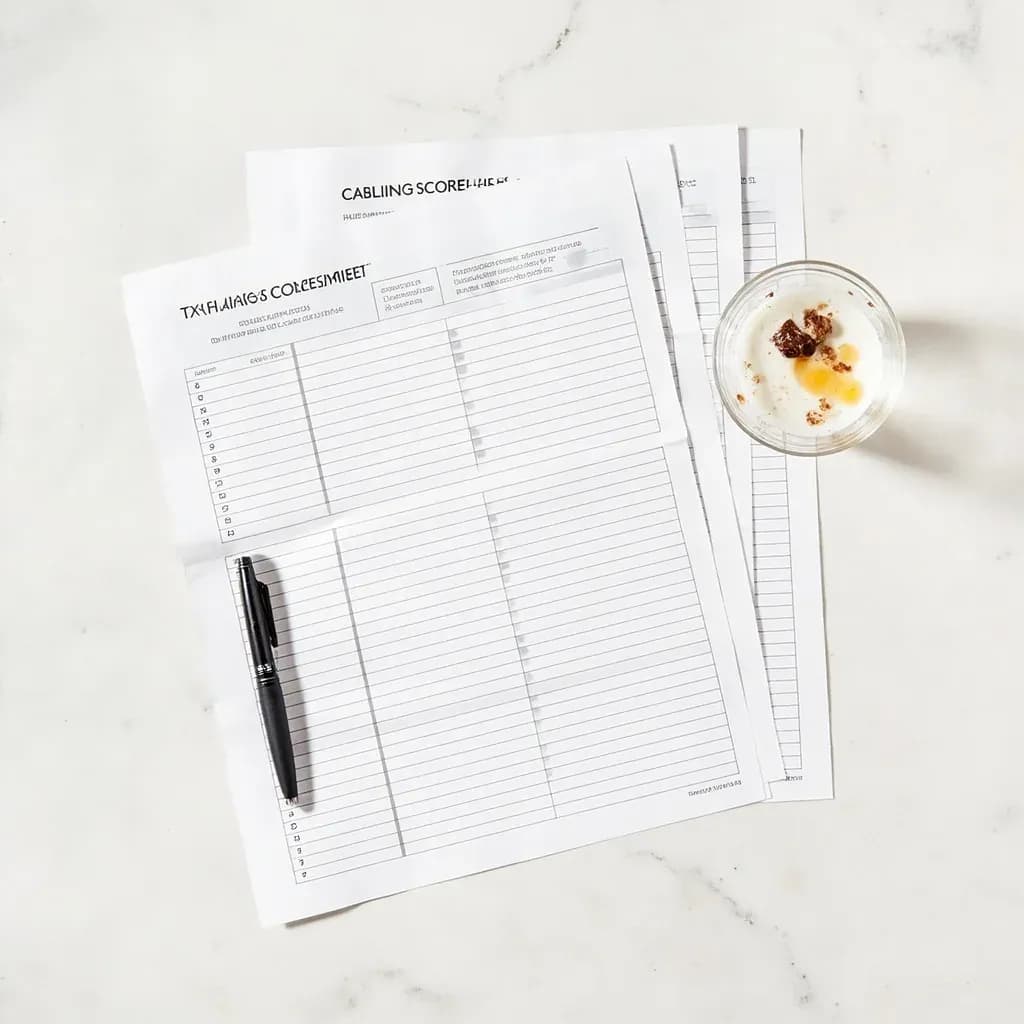
Tasting Score Sheet
Printed form for rating samples on aroma, flavor, and texture during a tasting.
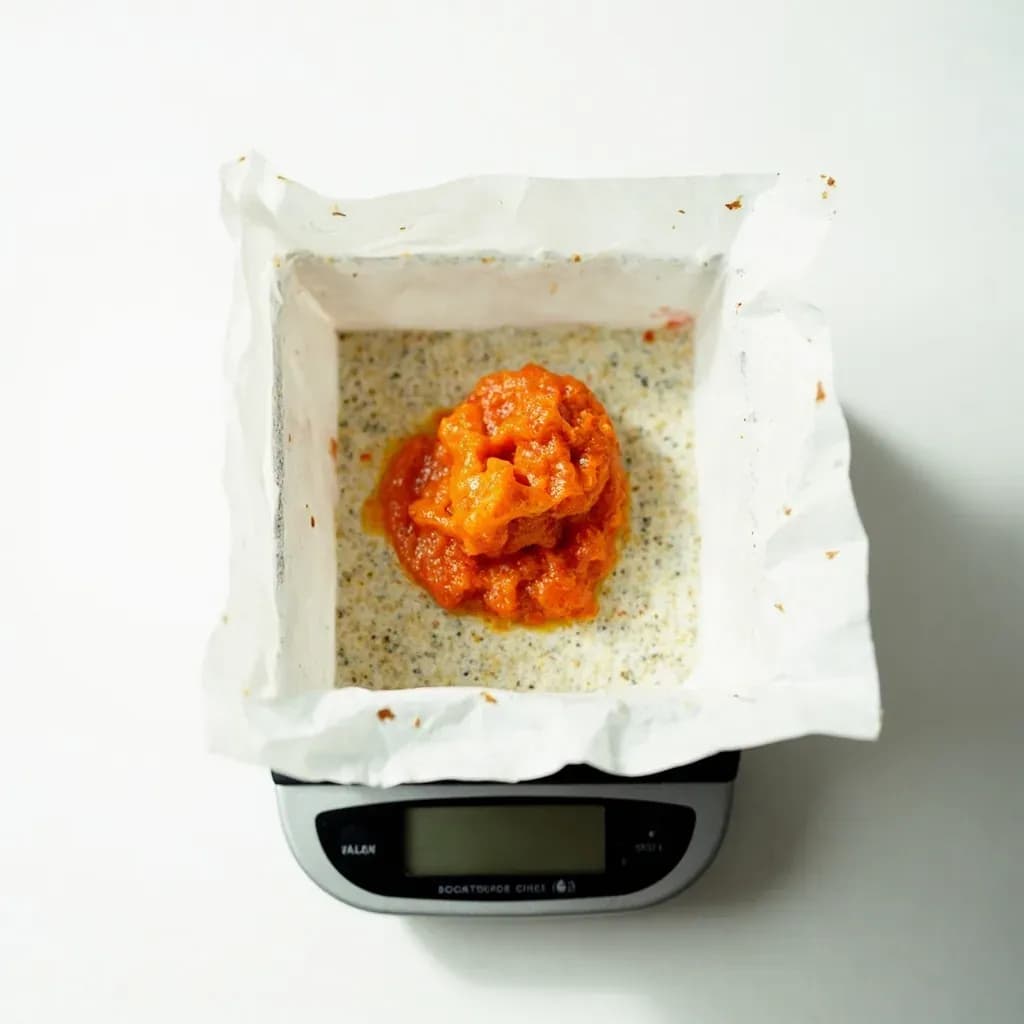
Weighing Boat / Weigh Paper
Disposable tray or paper for holding ingredients on a scale during precise weighing.