
Knife Skills
Chop
Cut into rough, irregular pieces — the everyday workhorse cut
Chopping cuts food into roughly even, bite-sized pieces without fussing over precision. It's the fastest, most forgiving knife cut for soups, stews, and rustic dishes. Keep your guiding hand in a claw and let the knife rock through — speed comes from rhythm, not force.
Chopping is the everyday, get-it-done knife cut: reducing food to roughly even, bite-sized pieces without obsessing over precision. It's the fastest, most forgiving cut in the kitchen, perfect for soups, stews, stocks, and rustic dishes where uniformity matters less than speed. The pieces don't need to match a ruler — they just need to be close enough in size to cook at a similar rate. Speed and safety come from technique rather than force: a sharp knife, a stable board, the claw grip on your guiding hand, and a smooth rocking motion that lets the blade do the work.
- Difficulty
- Easy
Types & varieties
Quick, irregular pieces for stocks and dishes that will be strained or blended.
Larger, even-ish chunks for hearty stews and roasting.
Smaller pieces approaching a mince, for even distribution and faster cooking.
How to do it
- 1
Set up safely
Steady the board with a damp towel underneath and make sure your knife is sharp — dull knives slip and cause injuries.
- 2
Create a flat side
Trim a sliver off round vegetables so they sit flat and won't roll under the blade.
- 3
Form the claw
Curl the fingertips of your guiding hand under, knuckles forward, so the blade rides against your knuckles and your tips stay safe.
- 4
Cut into strips, then across
Slice the food into rough strips, then cut across them to make bite-sized pieces.
- 5
Rock the blade
Keep the tip on the board and rock the knife down and forward in a smooth rhythm.
- 6
Gather and finish
Scrape the pieces back together and run through again if you want them smaller or more even.
Safety: the claw grip
The single most important habit in any knife work is the claw grip. Curl the fingertips of your guiding hand inward so your knuckles, not your fingertips, face the blade; the flat of the knife then rides against your knuckles as a guide, and there's nothing for it to cut. Keep the knife tip lower than the heel, cut on a board that can't slide, and never try to catch a falling knife — step back and let it drop.
Common uses
Tips & pitfalls
- A sharp knife is safer than a dull one — it cuts where you aim it.
- A damp towel under the board stops it sliding.
- Let the weight of the knife do the work rather than forcing it.
- Cut a flat base on round vegetables so they don't roll.
- Keep the cutting edge moving forward and down in a rock, not straight down.
Good to know
- Cut size
- Rough, bite-sized; loosely even but not precise
- Best for
- Soups, stews, stocks, rustic and braised dishes
- Grip
- Claw grip on the guiding hand; pinch grip on the knife
- Knife
- A sharp chef's knife and a stable, non-slip board
- Motion
- A rocking cut, tip kept on the board
Also called
rough chop
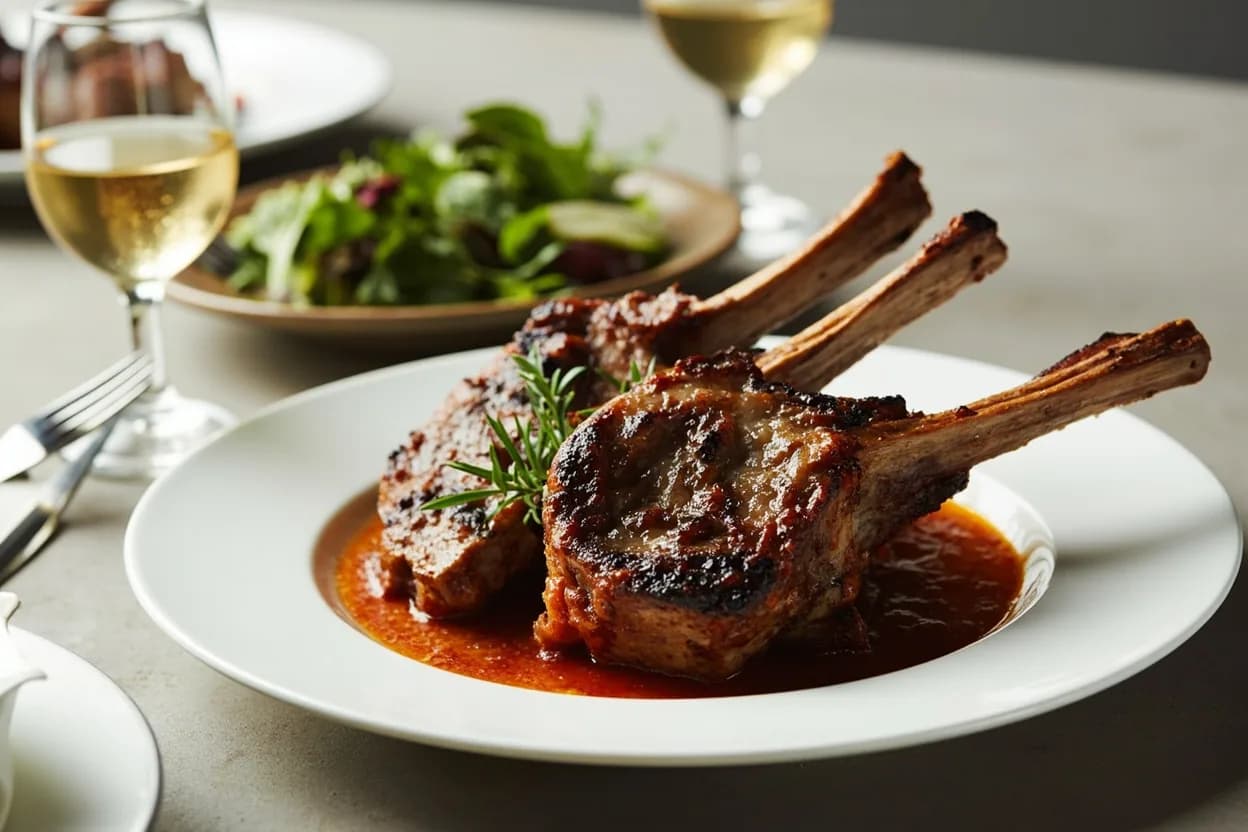
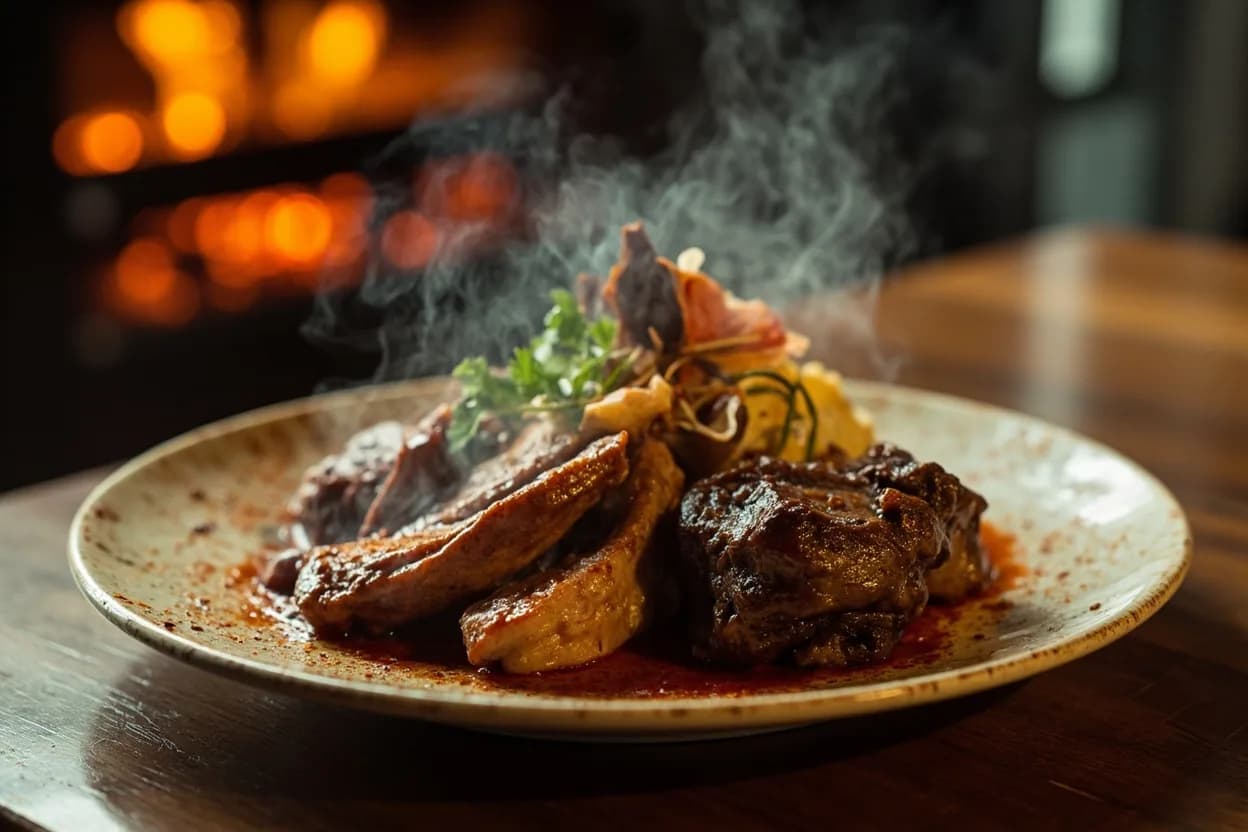
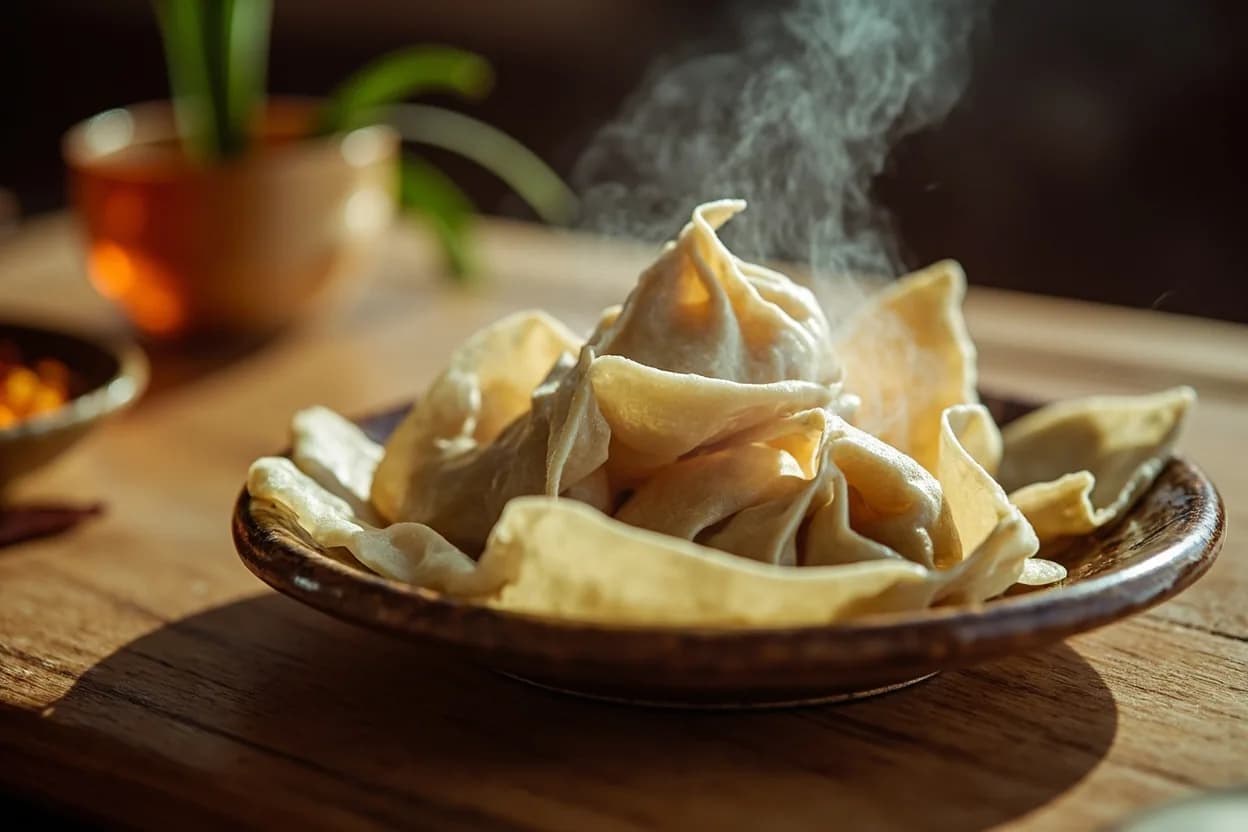
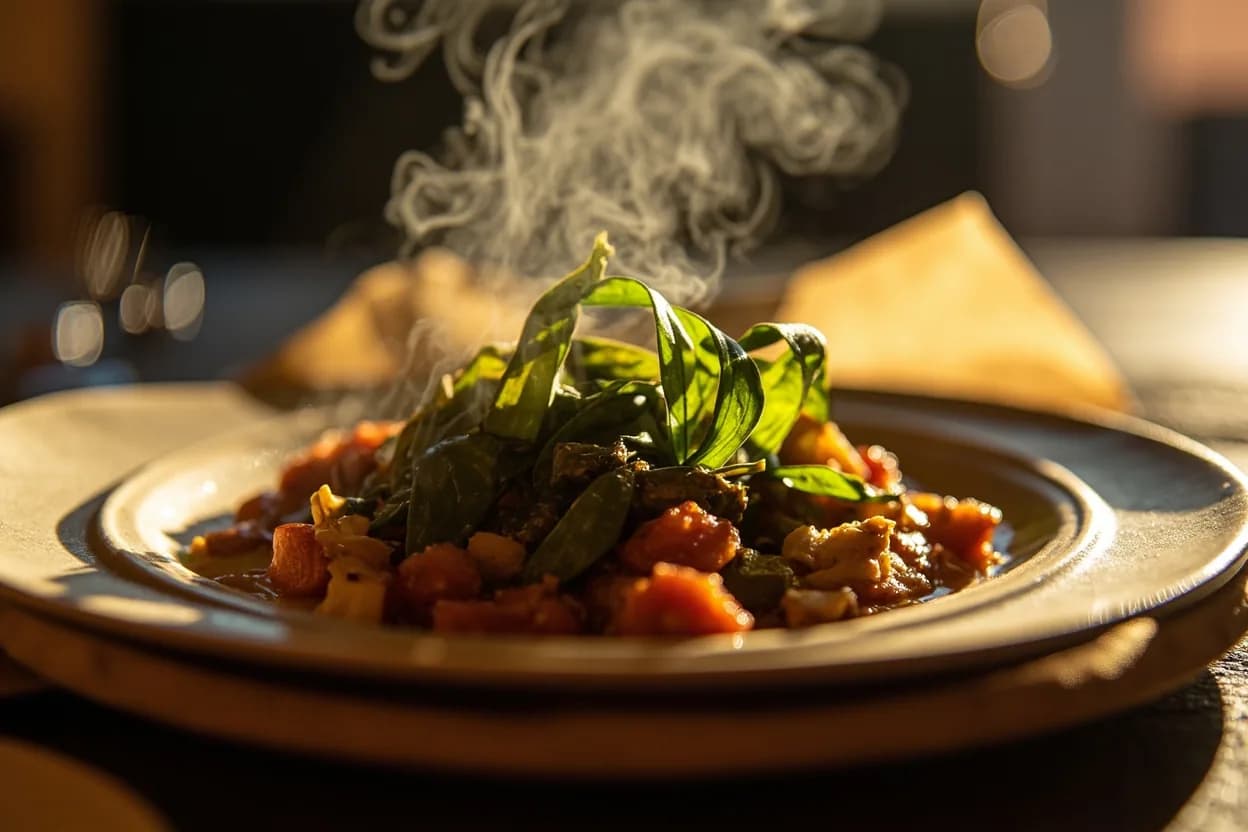
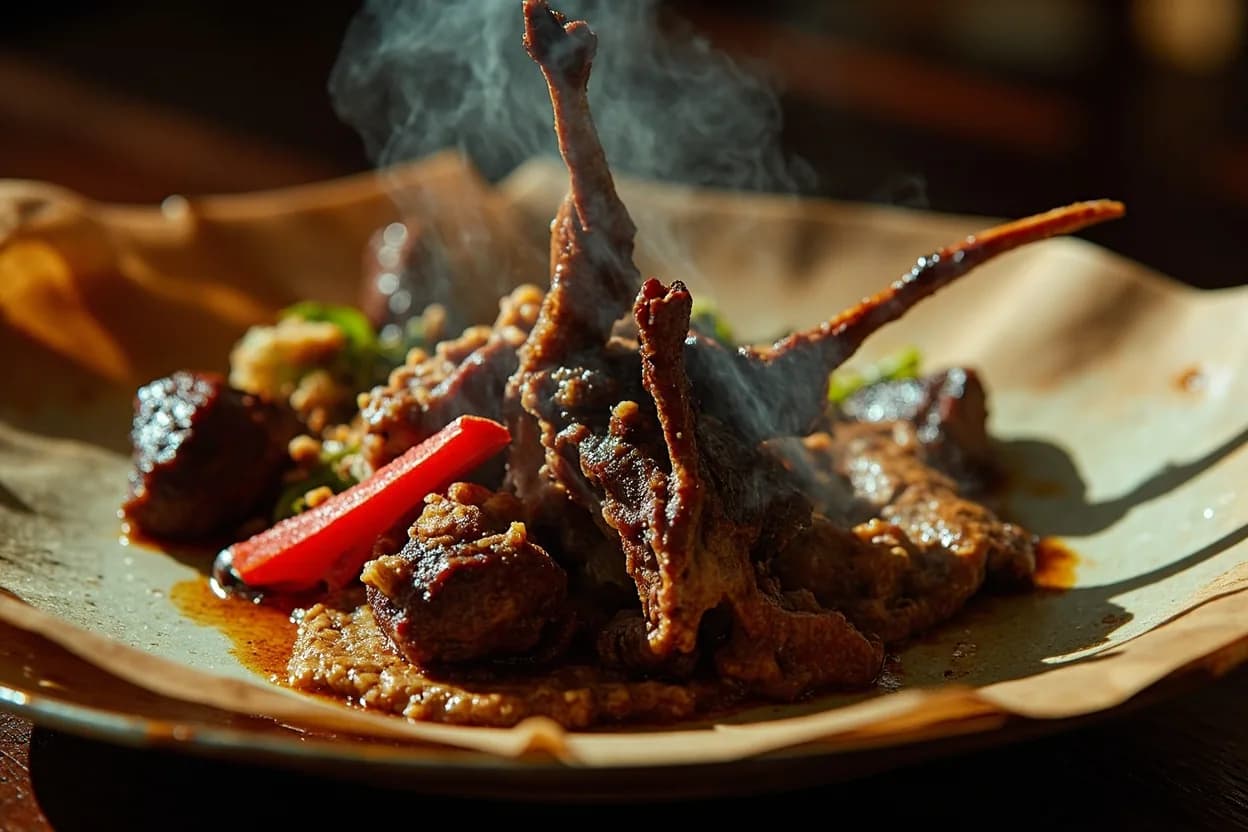
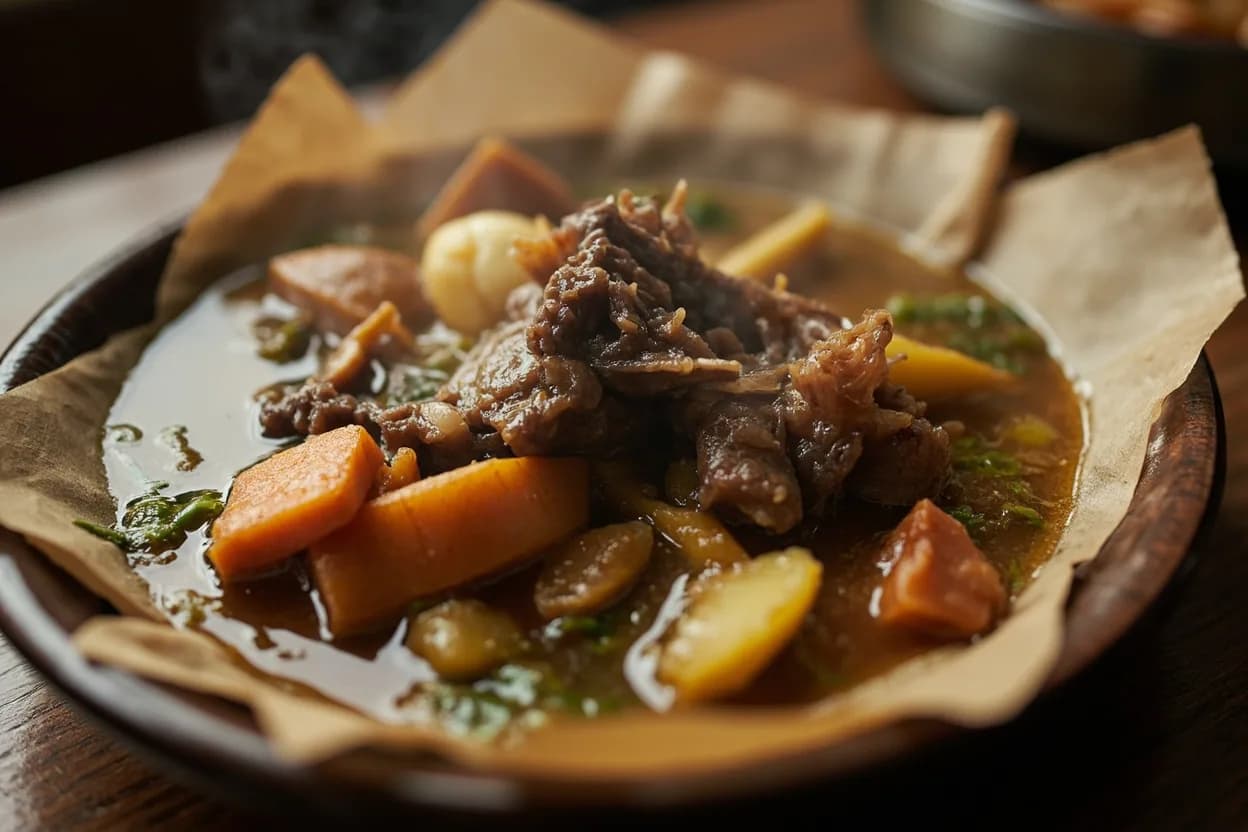
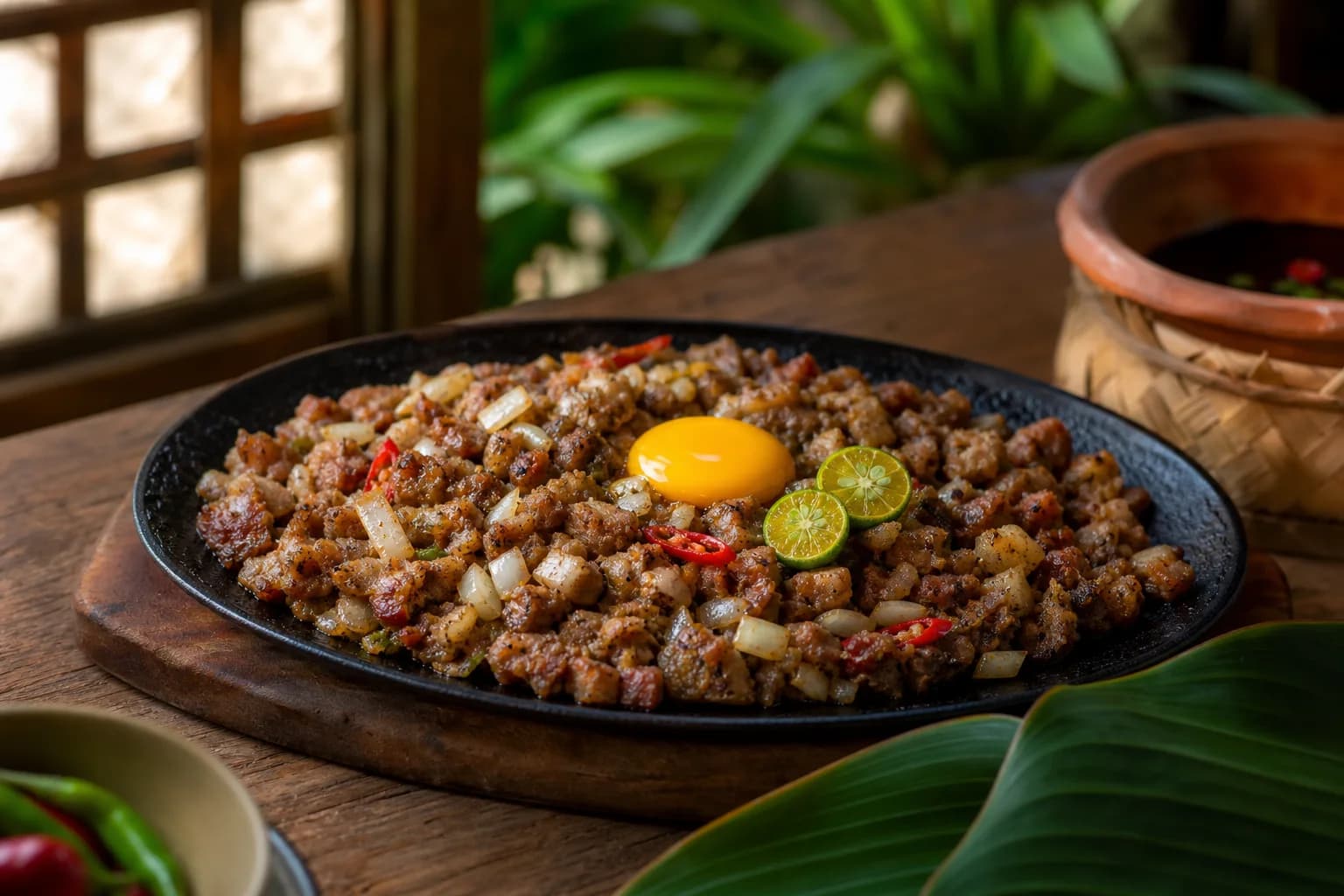
Dishes that rely on it

Related

Dice
Cut into uniform cubes for even cooking and a tidy look

Mince
Cut as fine as possible so flavor melts evenly into the dish

Slice
Cut into even, flat pieces for consistent cooking and presentation

Julienne
Cut into thin matchsticks for fast cooking and elegant garnish

Brunoise
Cut into tiny, precise cubes — the finest dice in the kitchen

Chiffonade
Roll and slice leafy greens into delicate ribbons

Batonnet
Cut into tidy sticks, thicker than julienne — think classic fries

Tournée
Carve vegetables into seven-sided footballs — a chef's badge of skill