
Knife Skills
Mince
Cut as fine as possible so flavor melts evenly into the dish
Mincing cuts food into the finest possible pieces so it disperses and almost melts into a dish — the go-to for garlic, ginger, and shallots. The fine cut releases maximum aroma. Rock the knife over the pile repeatedly, gathering it back together until it's uniformly tiny.
Mincing cuts food as fine as you can take it, so the pieces almost disappear into a dish and release maximum aroma — the cut you want for garlic, ginger, shallots, chiles, and herbs. The fine pieces distribute evenly and melt into sauces and dressings, and the increased surface area means far more flavor escapes than from a coarse chop. The technique is a controlled rock-and-gather: pile the food, rock the knife rapidly across it with your free hand steadying the blade's spine, sweep it back together, and repeat until it's uniformly tiny.
- Difficulty
- Easy
Types & varieties
Smashed and finely chopped, often with a little salt to help break it into a paste.
Leaves gathered and finely chopped, with care not to bruise tender ones.
Peeled, sliced thin against the grain, then chopped fine to avoid stringiness.
How to do it
- 1
Prep the food
Peel garlic or ginger and roughly chop it first to give yourself a manageable pile.
- 2
Gather the pile
Keep the food in a compact heap on the board so the blade passes over all of it.
- 3
Rock and chop
Pinch the knife and rock it rapidly across the pile, the tip anchored, steadying the spine with your free hand.
- 4
Sweep back together
Use the blade to gather the scattered pieces back into a pile.
- 5
Repeat until fine
Keep rocking and gathering until everything is uniformly tiny.
- 6
Paste it (optional)
For garlic, sprinkle salt and drag the flat of the blade across to crush it into a smooth paste.
Why mincing maximizes flavor
Cutting food finely dramatically increases its surface area, and for aromatics like garlic that means more cells are ruptured and more flavor compounds are released. With garlic specifically, more cutting triggers more allicin formation, making minced garlic noticeably sharper and stronger than sliced or whole. Fine pieces also disperse evenly so the flavor is everywhere in the dish, not in occasional bites.
Safety
Mincing involves rapid blade movement, so technique keeps fingers safe.
- Keep the knife tip anchored on the board and rock from it — a controlled pivot, not chaotic chopping.
- Rest your free hand flat on the spine of the blade, well away from the edge, to steady it.
- Work on a stable, non-slip board.
- Keep the knife sharp so it bites cleanly instead of skating off hard pieces like ginger.
Common uses
Tips & pitfalls
- A pinch of salt helps mince garlic down into a smooth paste.
- Slice ginger thinly against the grain first to avoid stringy mince.
- Don't over-mince delicate herbs — they bruise and blacken.
- Gather frequently so nothing escapes uncut.
- A very sharp knife minces faster and cleaner.
Good to know
- Cut size
- As fine as possible — finer than a fine chop
- Best for
- Garlic, ginger, shallots, chiles, herbs
- Grip
- Pinch grip on the handle; free hand steadies the blade spine
- Why mince
- Maximum flavor release and even distribution
- Motion
- Rapid rock-and-gather over the pile
Also called
finely chop
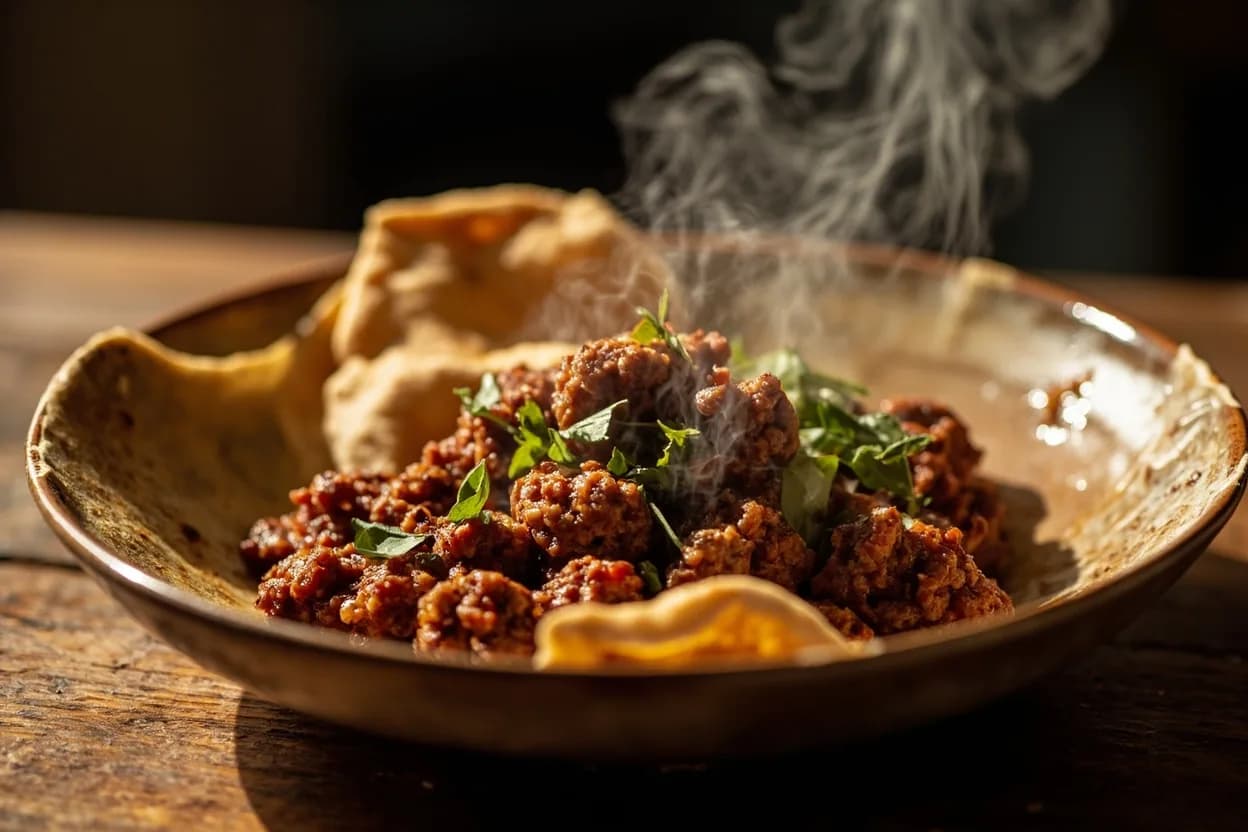
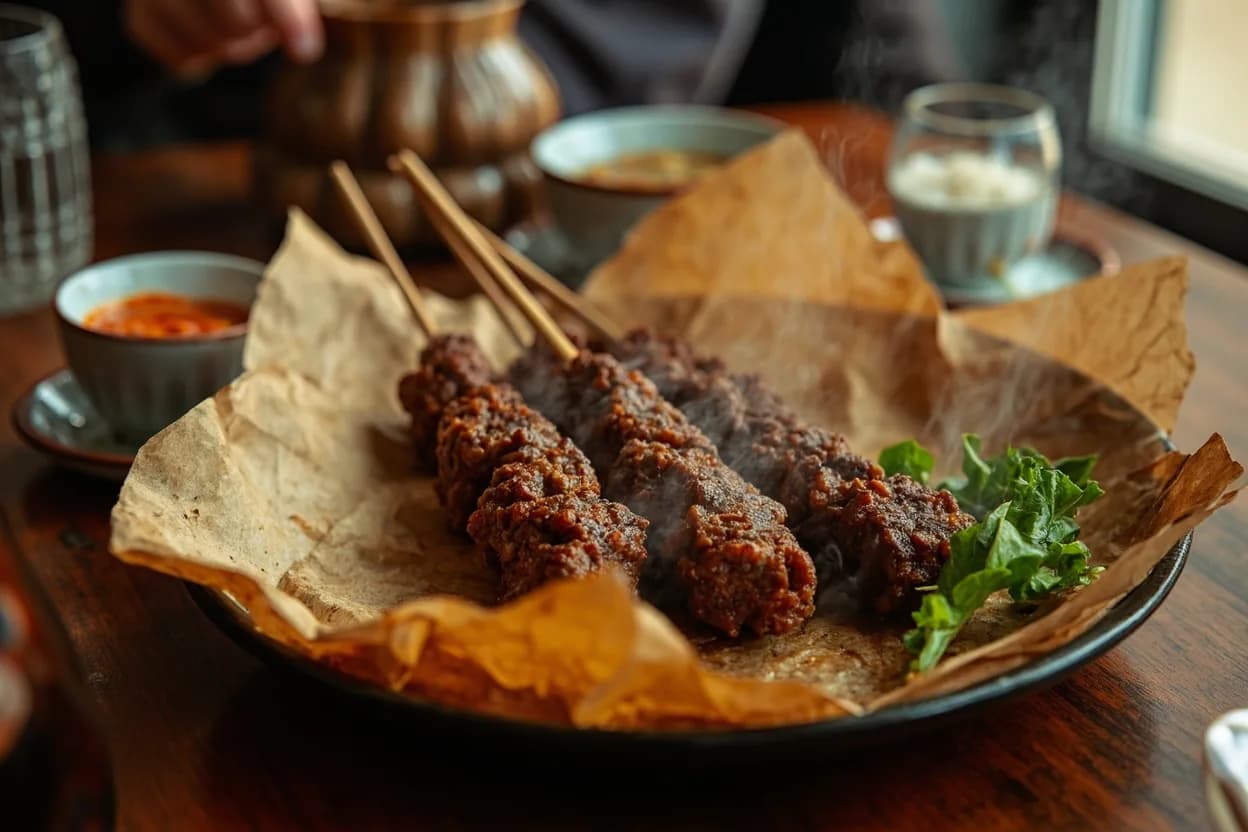
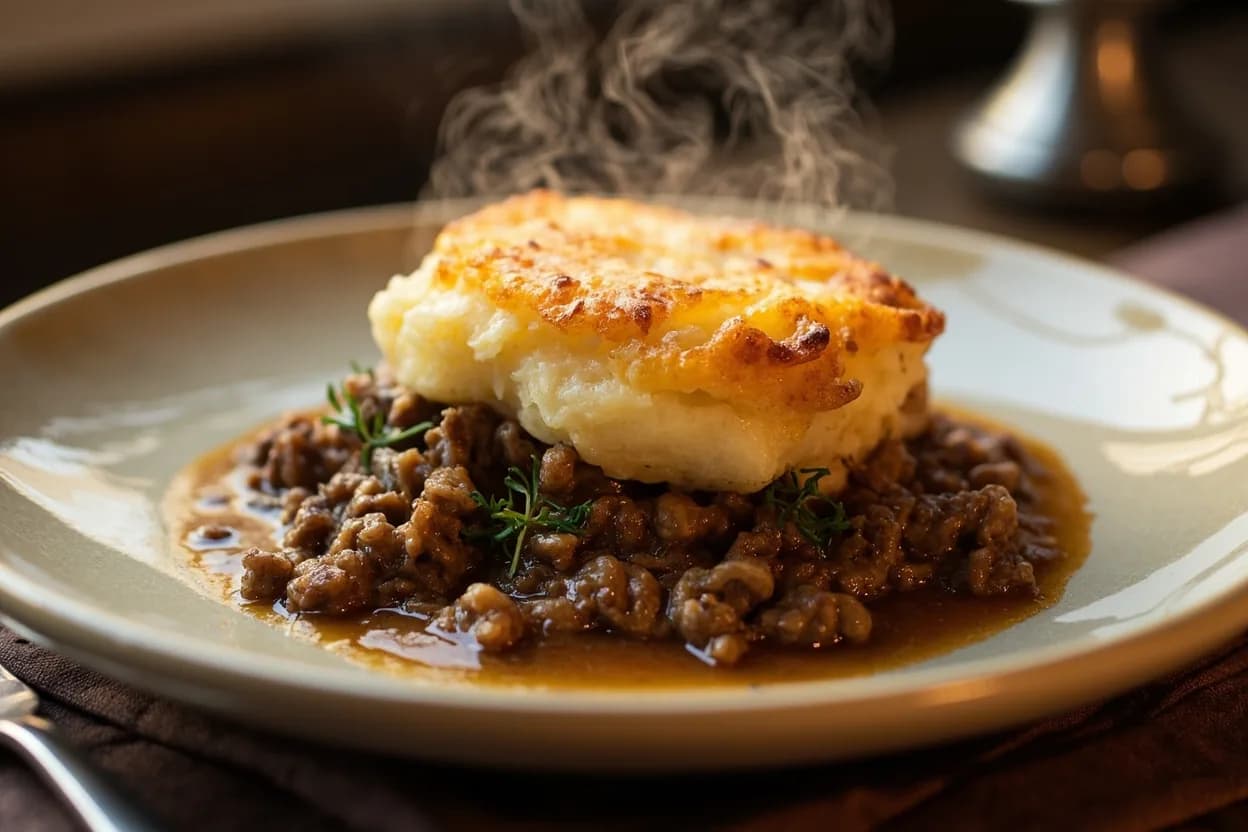
Dishes that rely on it

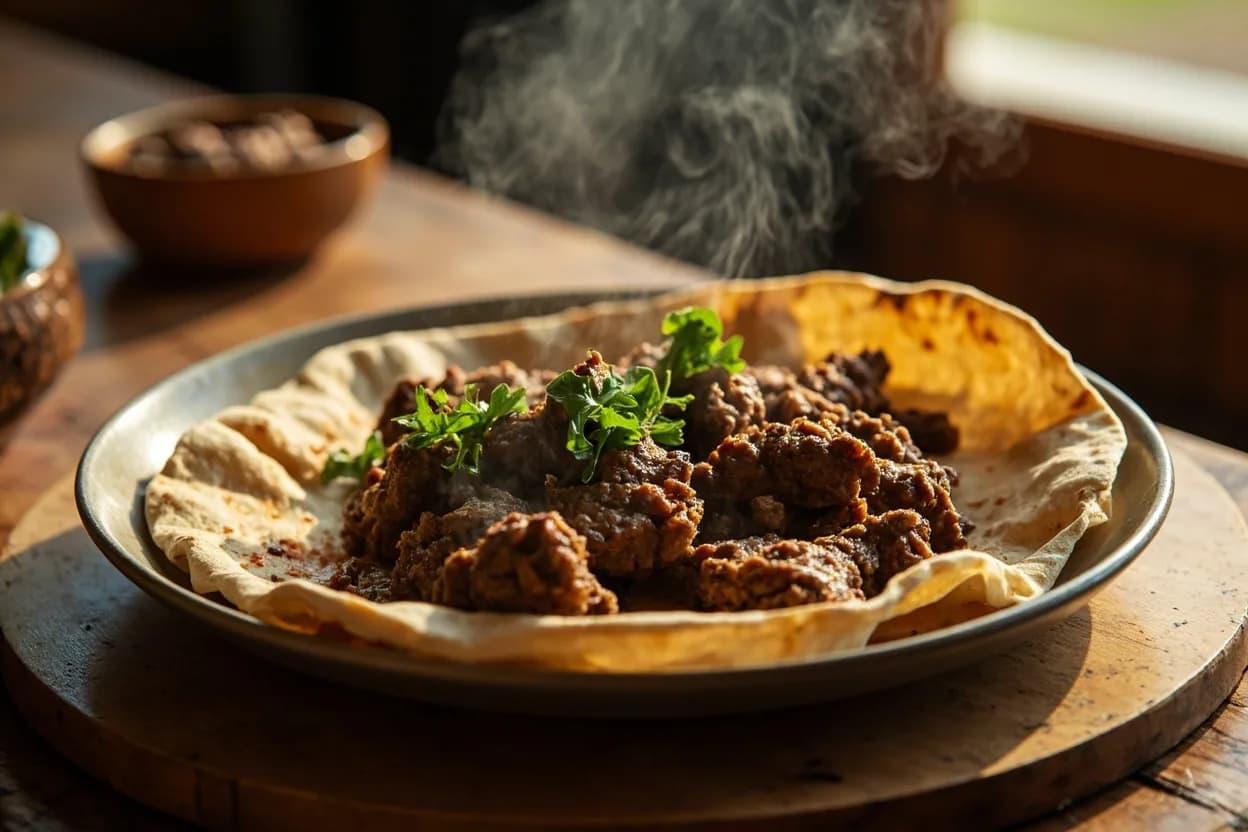
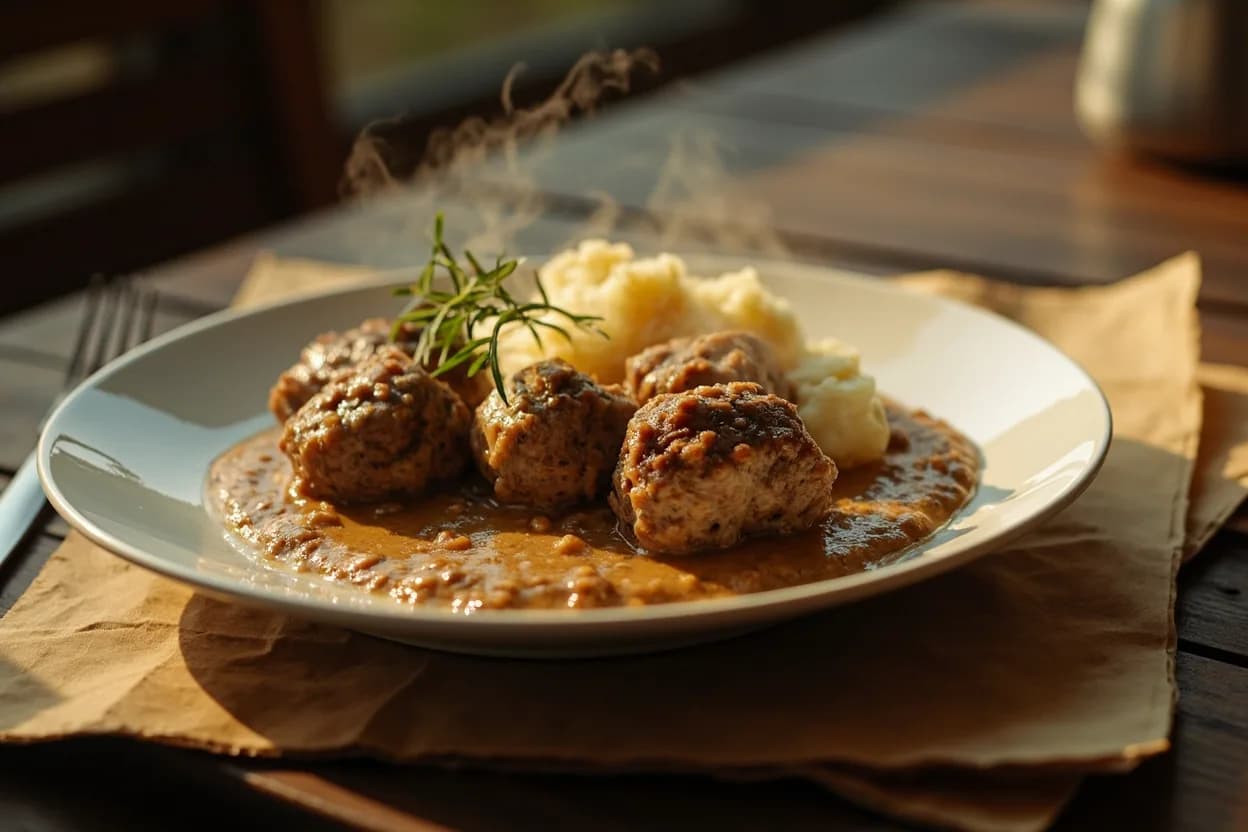
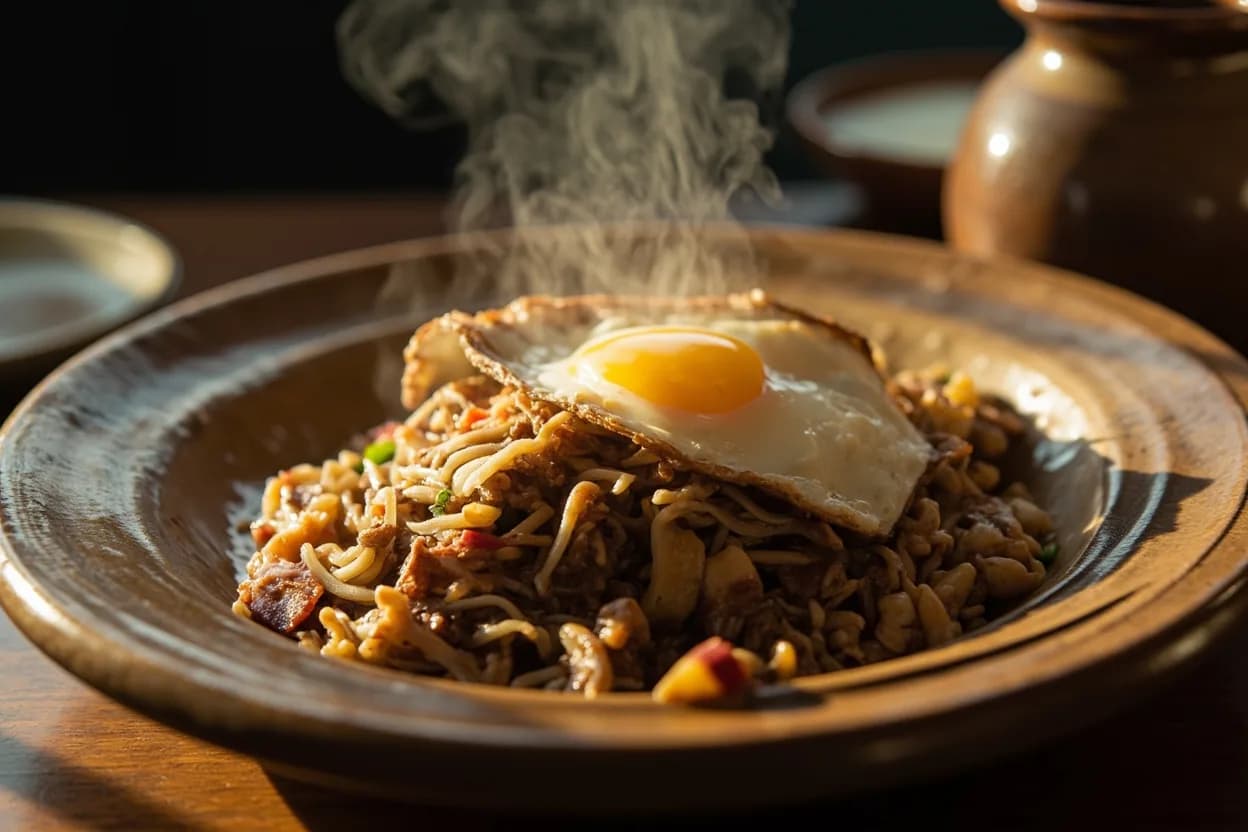
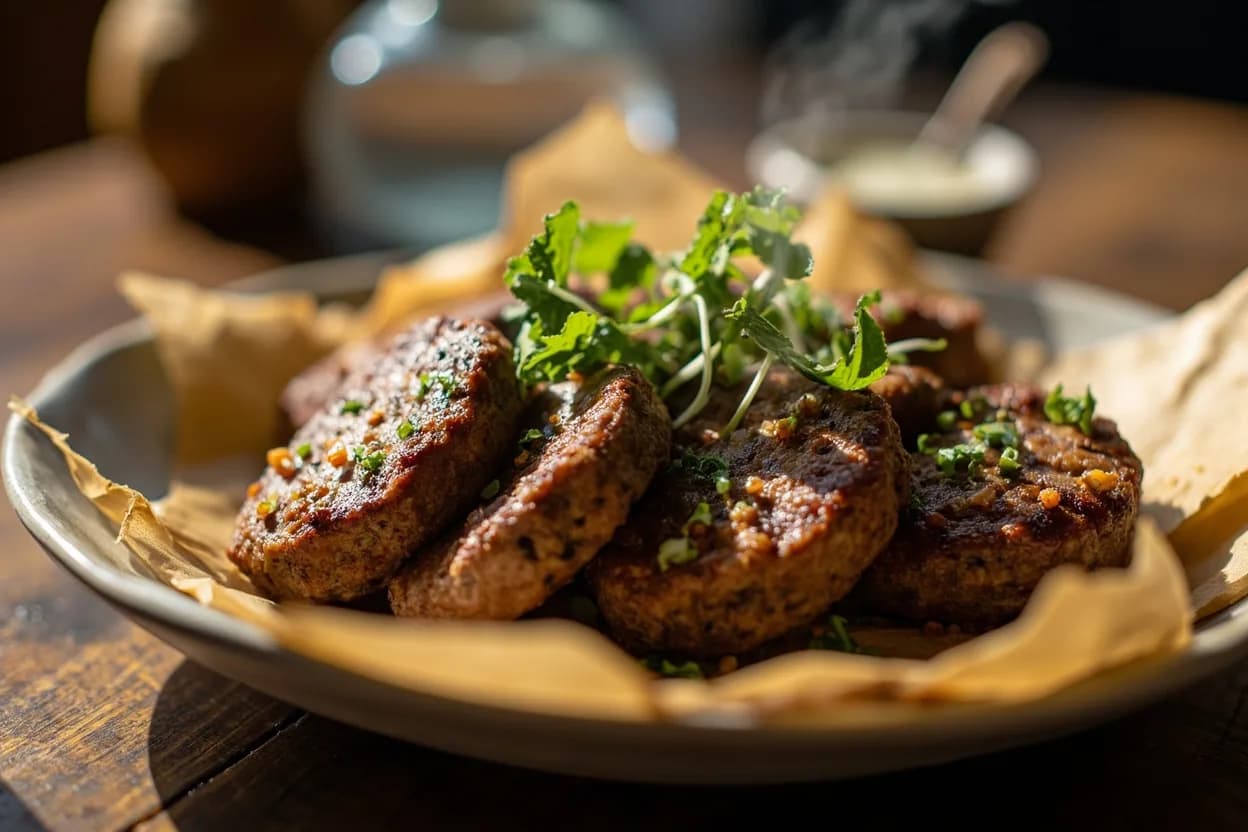
Related

Chop
Cut into rough, irregular pieces — the everyday workhorse cut

Dice
Cut into uniform cubes for even cooking and a tidy look

Slice
Cut into even, flat pieces for consistent cooking and presentation

Julienne
Cut into thin matchsticks for fast cooking and elegant garnish

Brunoise
Cut into tiny, precise cubes — the finest dice in the kitchen

Chiffonade
Roll and slice leafy greens into delicate ribbons

Batonnet
Cut into tidy sticks, thicker than julienne — think classic fries

Tournée
Carve vegetables into seven-sided footballs — a chef's badge of skill