Transform & Preserve
Lard
Thread strips of fat through lean meat to baste it from within
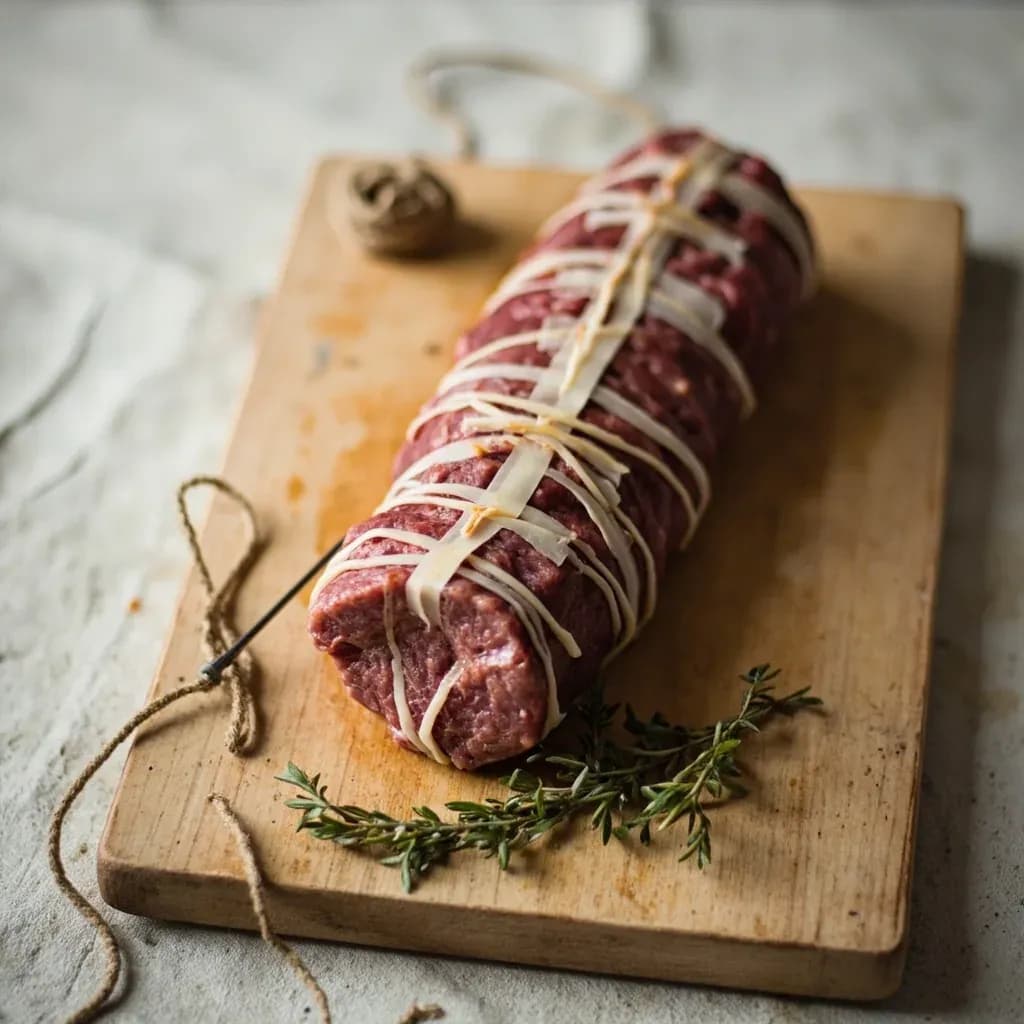
Larding inserts thin strips of fat into a lean cut using a larding needle, so the meat self-bastes and stays moist through long cooking. It's an old-school butcher's technique for lean roasts and game. The fat melts internally as it cooks, threading richness all the way through.
Larding is an old butcher's trick for keeping lean meat moist through long cooking. Using a larding needle, you thread thin strips of fat (lardons) straight through the interior of a lean cut, so as it cooks the fat melts and bastes the meat from within, threading richness and moisture all the way through. It's the answer for naturally dry roasts and game like venison or wild boar that would otherwise cook out tough and dry. Largely supplanted by modern fatty cuts and barding, larding is a quietly impressive, traditional skill that pays off in genuinely juicier lean meat.
- Difficulty
- Advanced
Types & varieties
Strips of fat drawn through the meat with a larding needle to baste it internally.
Shorter strips inserted near the surface, often for decoration and seasoning.
Wrapping the outside of a lean cut in fat or bacon rather than threading it through.
How to do it
- 1
Chill the fat
Cut firm fatback into thin, even strips and keep them very cold so they stay rigid enough to thread.
- 2
Season the lardons
Roll the fat strips in salt, pepper, and herbs if you want to season the meat from the inside.
- 3
Load the needle
Clamp or thread a lardon into the larding needle's tip or hollow channel.
- 4
Thread through the meat
Push the needle through the lean cut along the grain and draw it out, leaving the fat strip behind inside.
- 5
Space the strips
Repeat in an even pattern across the cut so the basting fat is distributed throughout.
- 6
Cook low and slow
Roast or braise so the interior fat has time to melt and baste the meat as it cooks.
Larding vs. barding
Both add fat to lean meat, but in opposite places. Larding threads fat through the interior so it bastes from inside as it renders, ideal for cuts thick enough to thread. Barding wraps fat or bacon around the outside to shield the surface from drying heat and self-baste the exterior. Larding gives more even internal moisture; barding is simpler and protects the surface. Many cooks use barding today because it requires no special needle.
Common uses
Tips & pitfalls
- Keep the fat strips ice-cold so they slide in without smearing.
- Thread along the grain for the cleanest insertion.
- Season the lardons to flavor the meat from the inside out.
- Reserve larding for genuinely lean cuts; well-marbled meat doesn't need it.
- Bard instead if you don't own a larding needle — it's far simpler.
Good to know
- Tool
- A larding needle to draw fat strips through the meat
- Fat
- Cold, firm fatback or pork fat cut into thin strips (lardons)
- Best for
- Lean roasts and game prone to drying out
- Keep fat cold
- Firm, chilled fat threads cleanly; warm fat tears and smears
- Related
- Barding wraps fat outside; larding threads it inside
Also called
larding
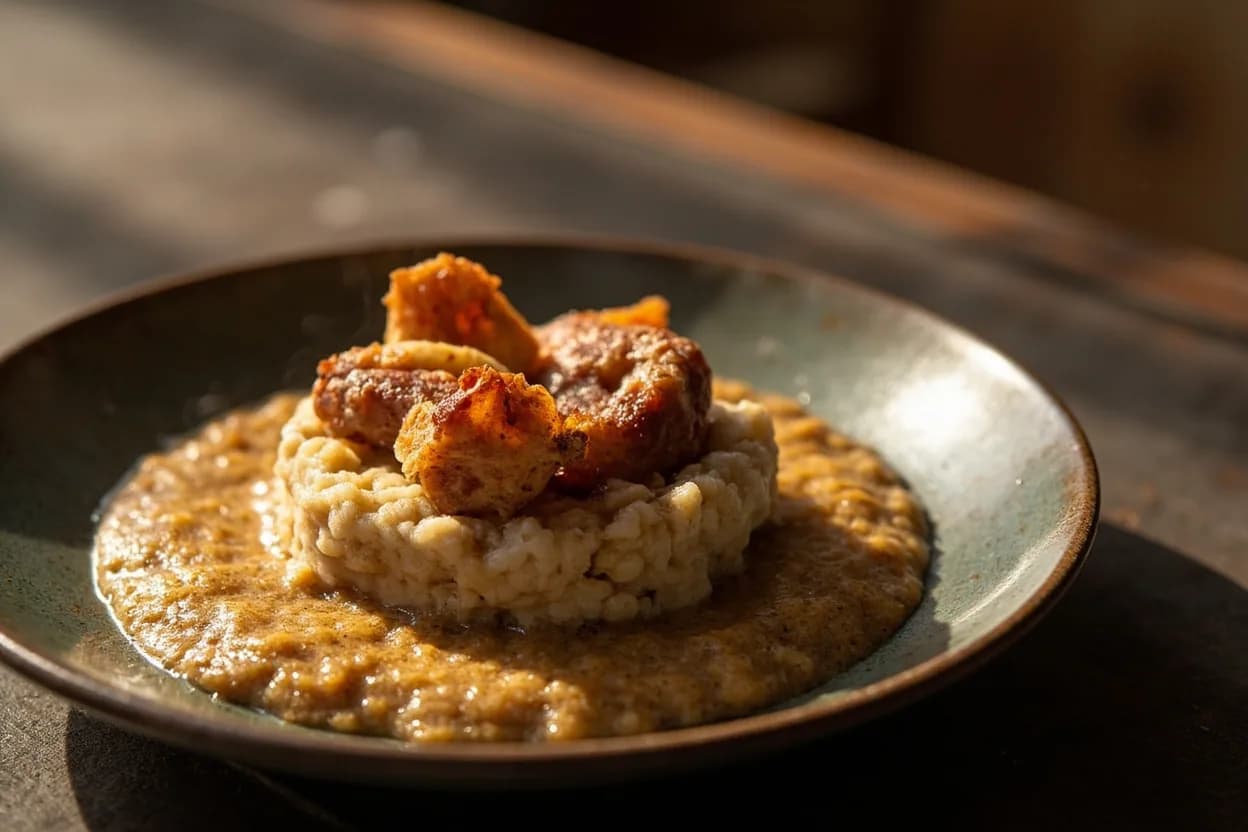
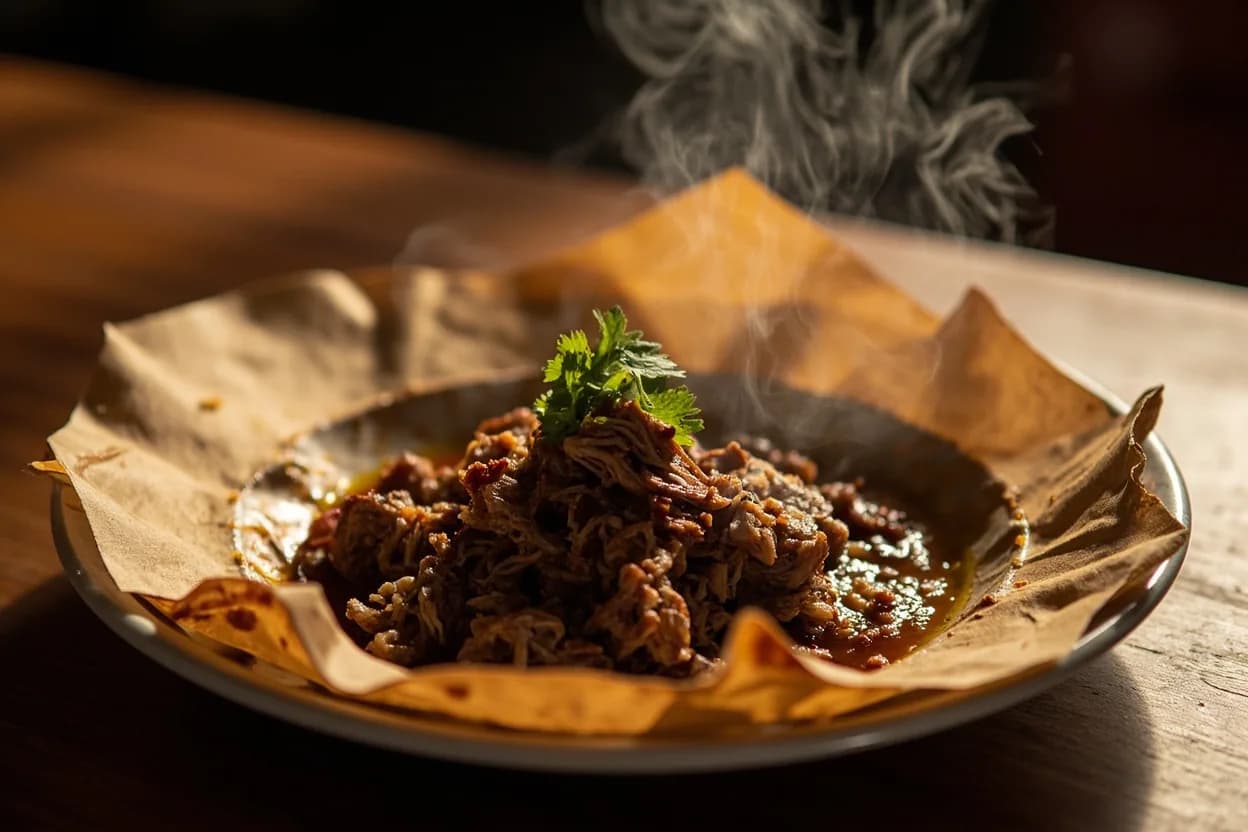
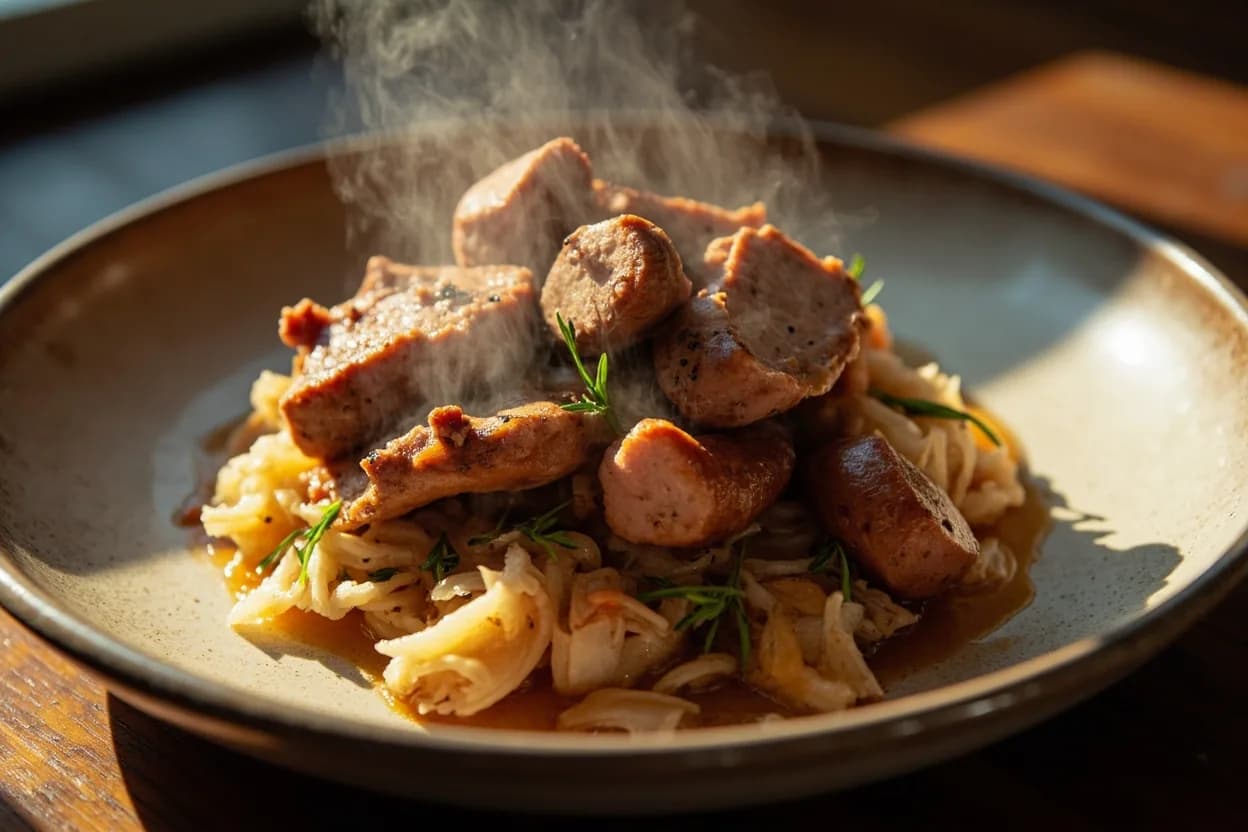
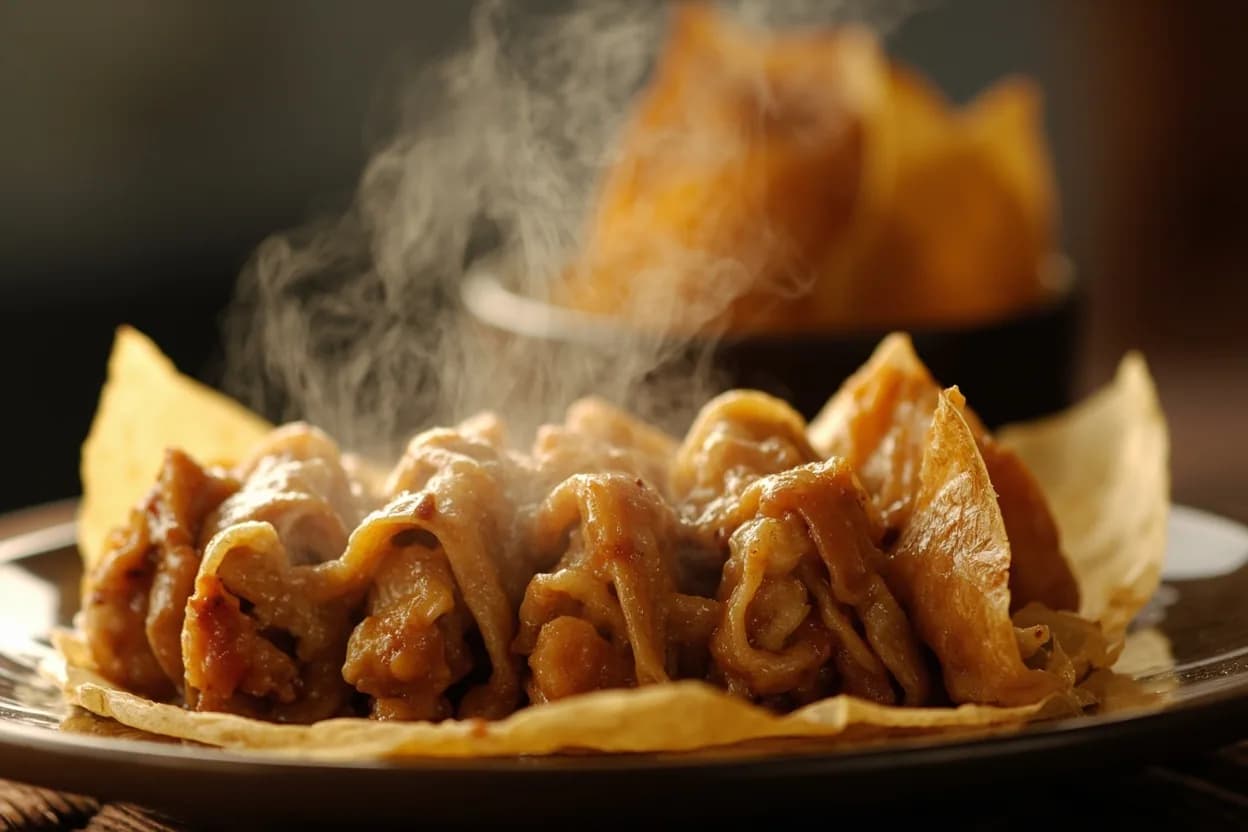
Dishes that rely on it
Related

Confit
Cook slowly submerged in fat for silky tenderness and keeping

Cure
Draw out moisture with salt and time to preserve and concentrate

Pickle
Steep in acidic brine for bright, tangy, crunchy preservation

Ferment
Let friendly microbes transform food into tangy, complex flavor

Marinate
Soak in a seasoned mix to flavor and tenderize before cooking

Brine
Soak in salt water so meat stays juicy and seasoned throughout

Dehydrate
Slowly dry out moisture to concentrate flavor and extend shelf life

Cold-Smoke
Perfume cured food with smoke without cooking it through